
Venezuelan Regional Identities: Caraqueños, Maracuchos, Gochos, Orientales, Llaneros and Guayaneses
Why regional identity matters
Ask a Venezuelan where they are from and you rarely get only a state name. You get a identity package: accent, preferred food, football loyalty, jokes about other regions, and a theory of national character. Those packages survived migration waves; in Miami, Madrid or Bogotá you can still hear someone introduced as “gocho” or “maracucho” before you hear their passport stamp history. Britannica’s geographic overview Library of Congress country study
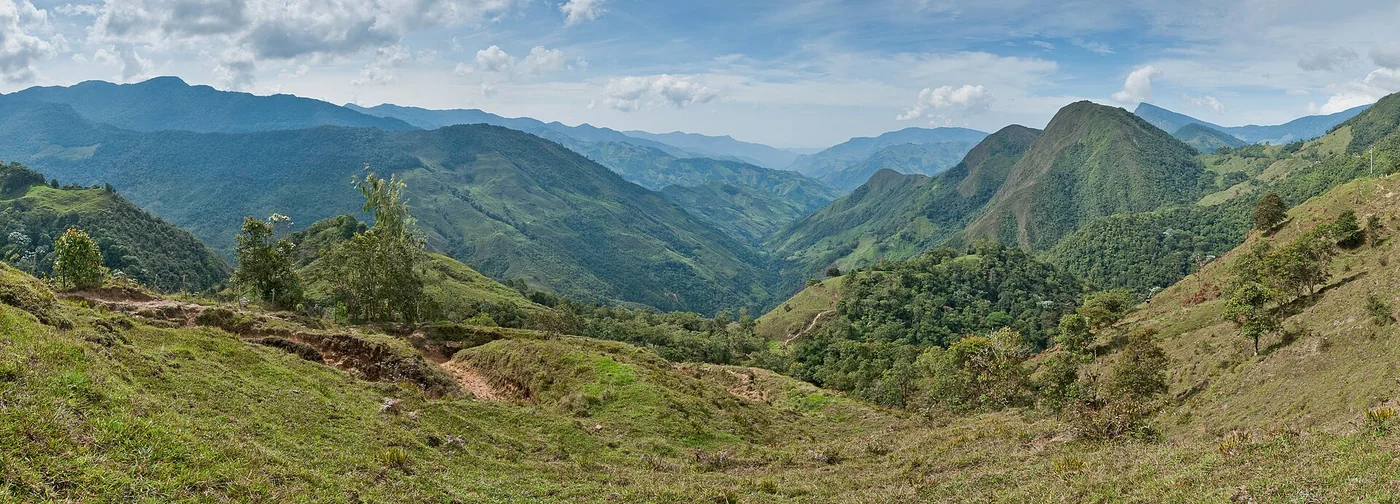

For investors and relocators, regional literacy is practical. Labor culture in Maracaibo is not identical to Mérida. Humor that works in Caracas may fall flat in San Cristóbal. Property markets, safety patterns and social networks also cluster by city and state.

Caraqueños
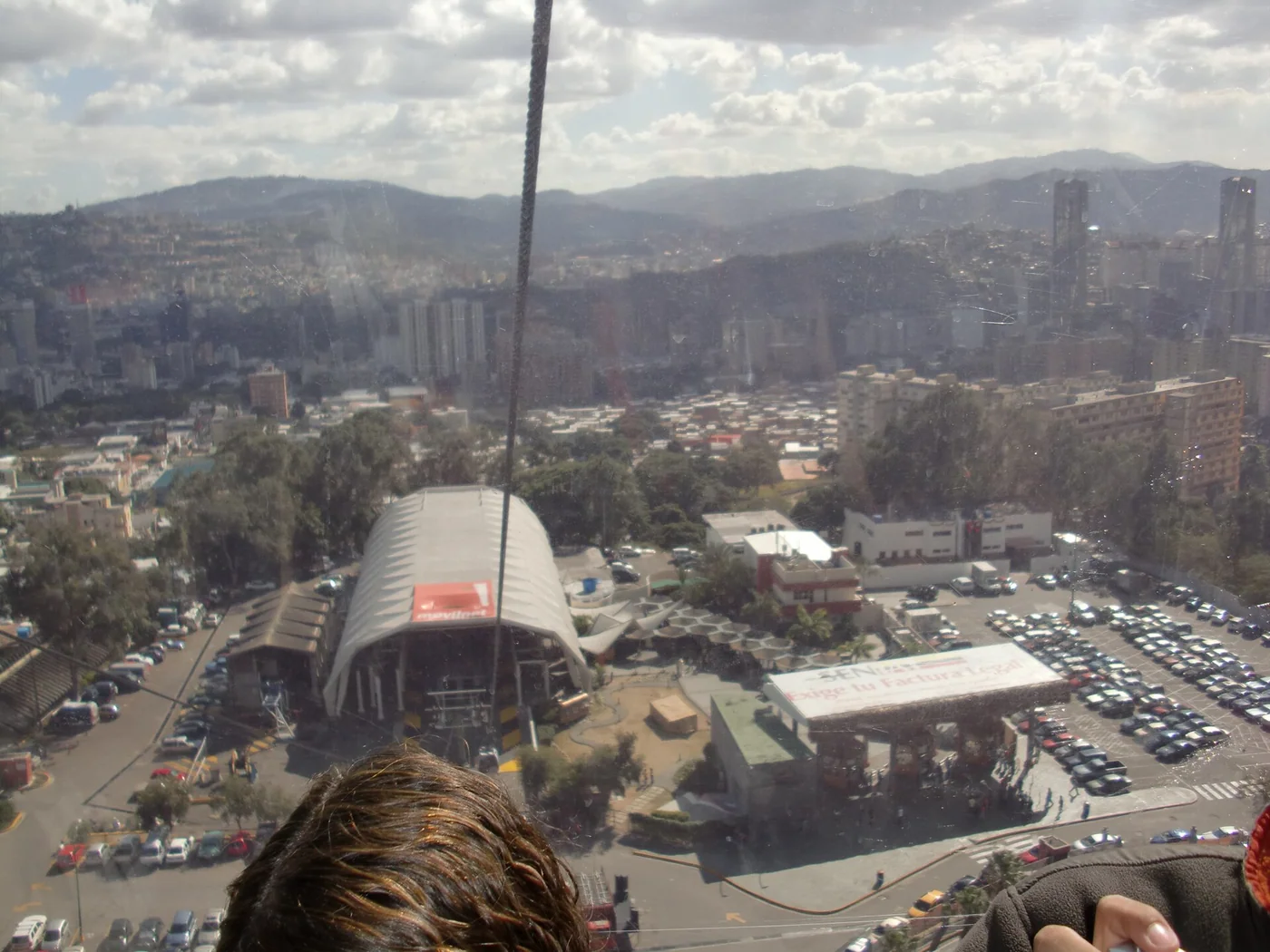
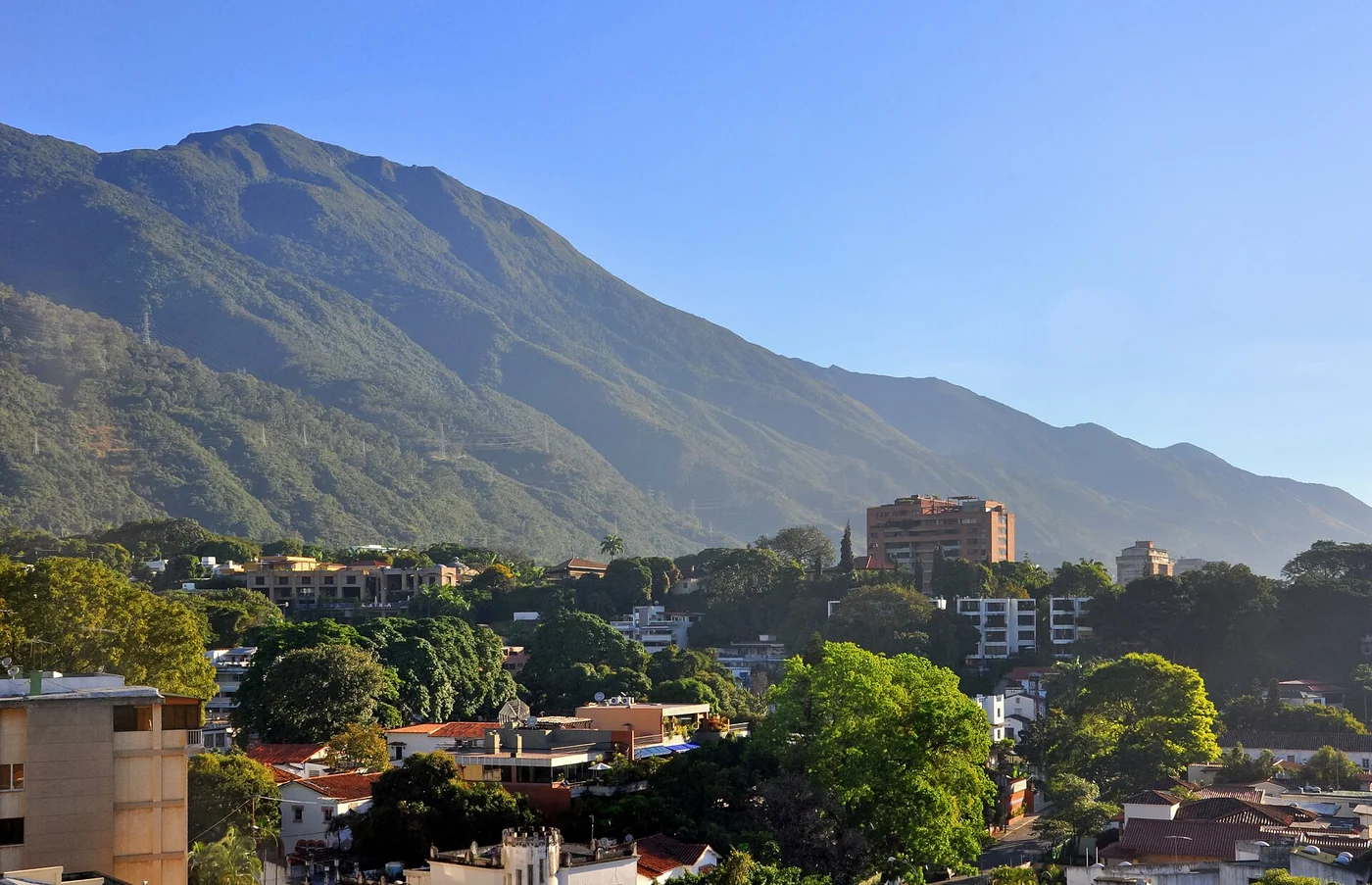
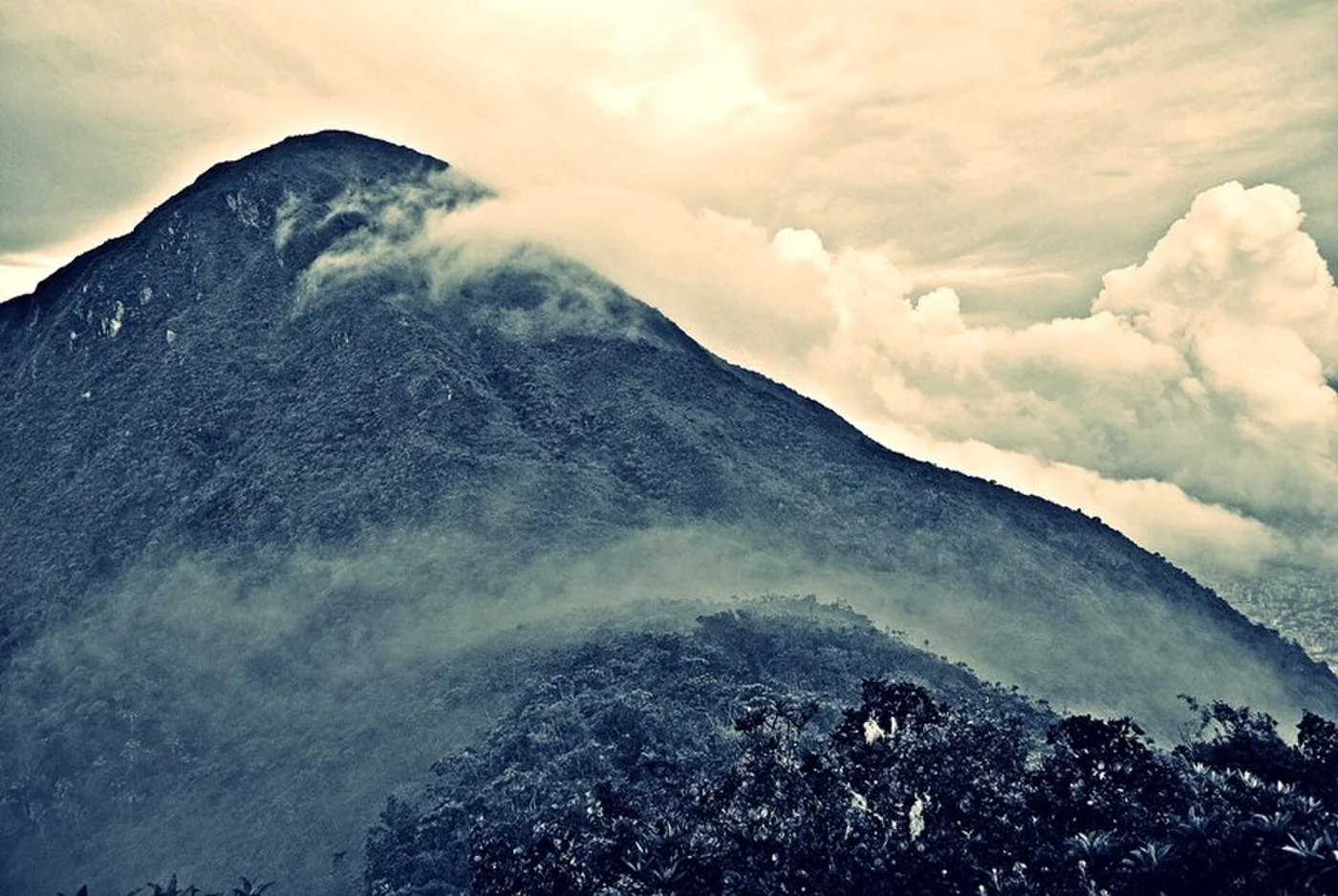
Caraqueños are associated with the capital valley under El Ávila: speed, traffic, status signaling, and a reputation — fair or not — for being more “city” than “province.” Neighborhood identity inside Caracas is almost as strong as inter-state identity: eastern municipalities, western barrios, and the historic center do not feel like one village.
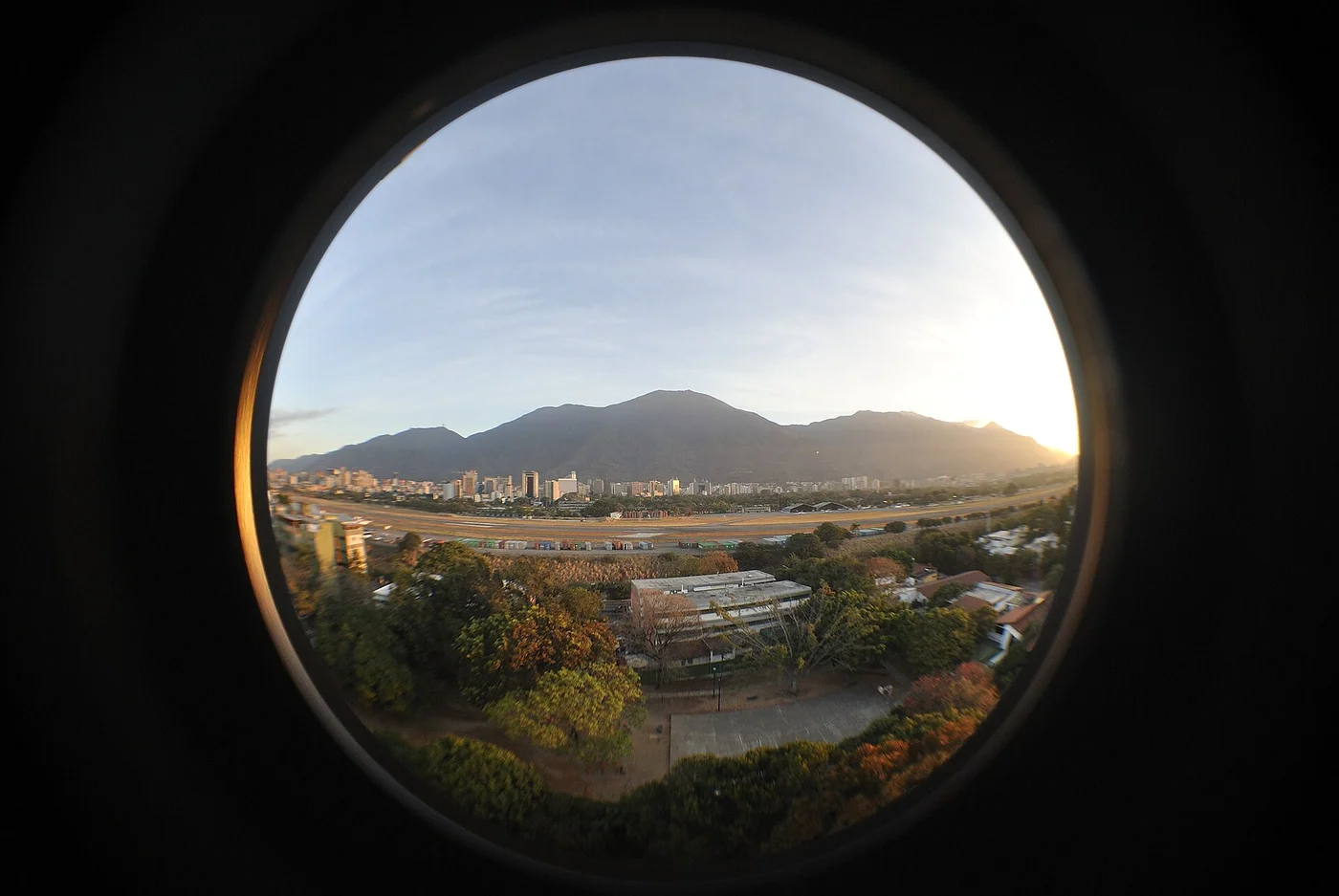

Outsiders sometimes reduce caraqueños to arrogance or stress. Residents counter with resilience, cultural density (museums, theatres, universities), and the mountain as daily horizon. Many “caraqueños” of today were born elsewhere and urbanized into the capital’s rhythm.

Maracuchos
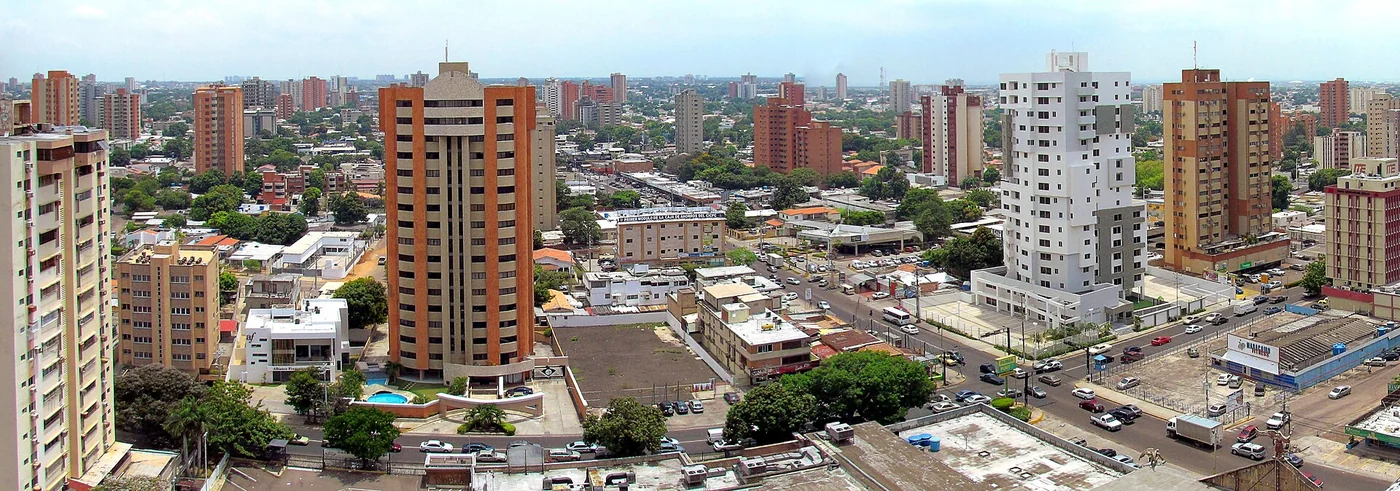
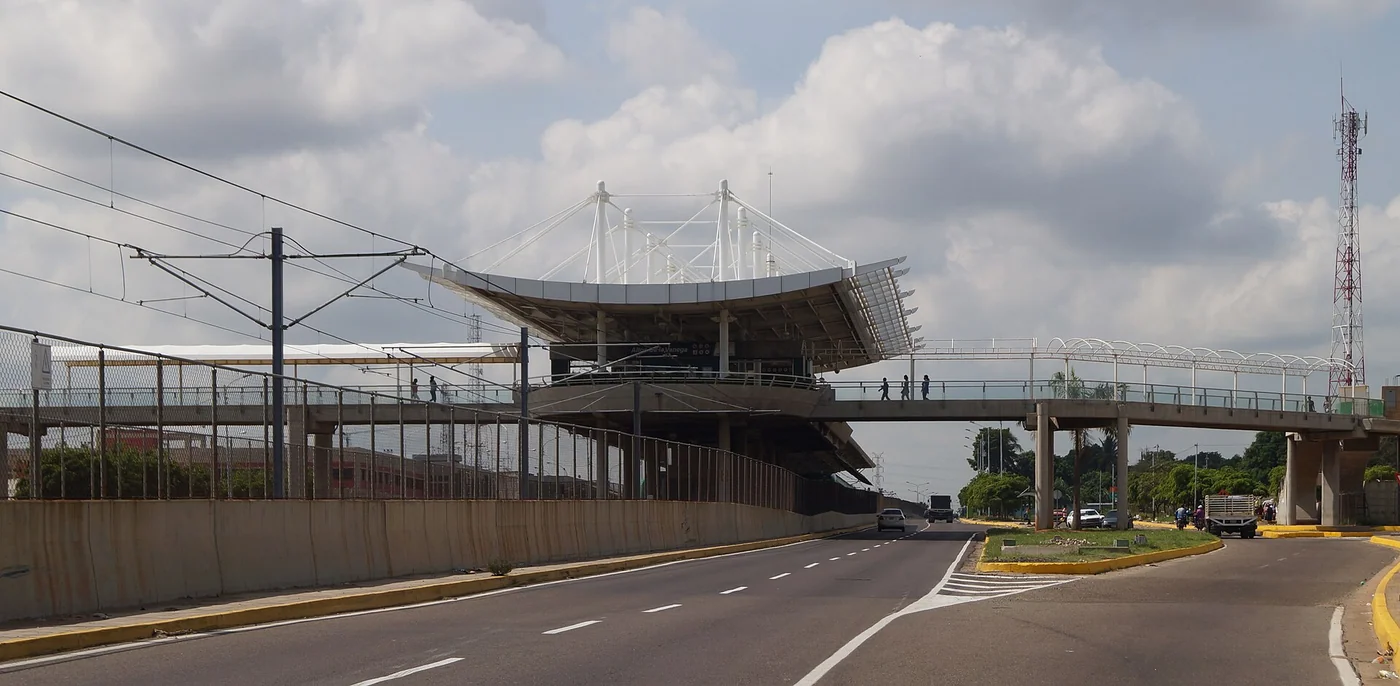
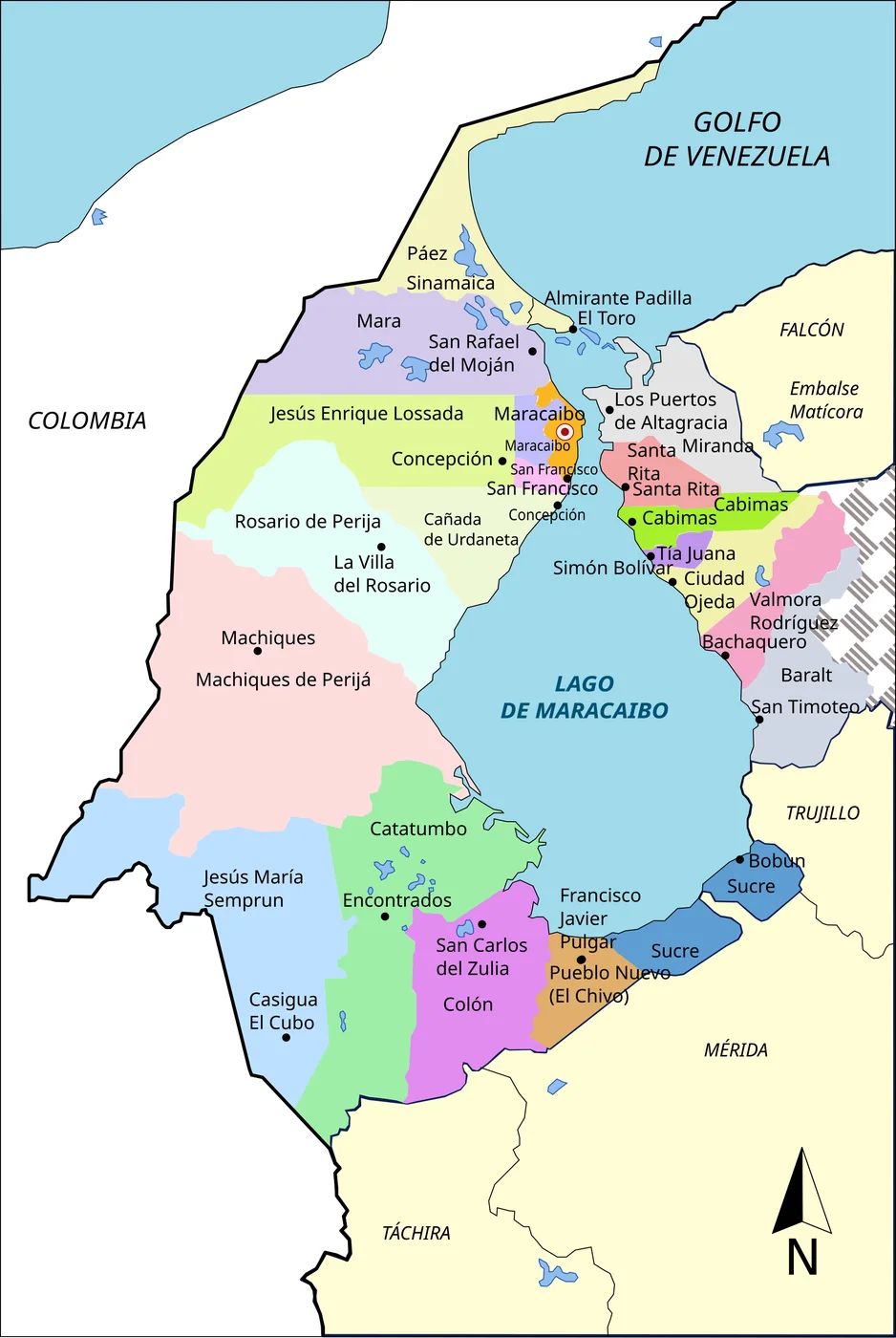
Maracaibo and Zulia project heat, oil history, gaita music, lake culture, and a direct speech style that other Venezuelans caricature and also envy. Maracucho pride is loud in the best sense: regional symbols, cuisine (pato, bollos, fish from the lake tradition), and a sense that the west built much of the country’s twentieth-century wealth. Britannica on Lake Maracaibo and regional geography
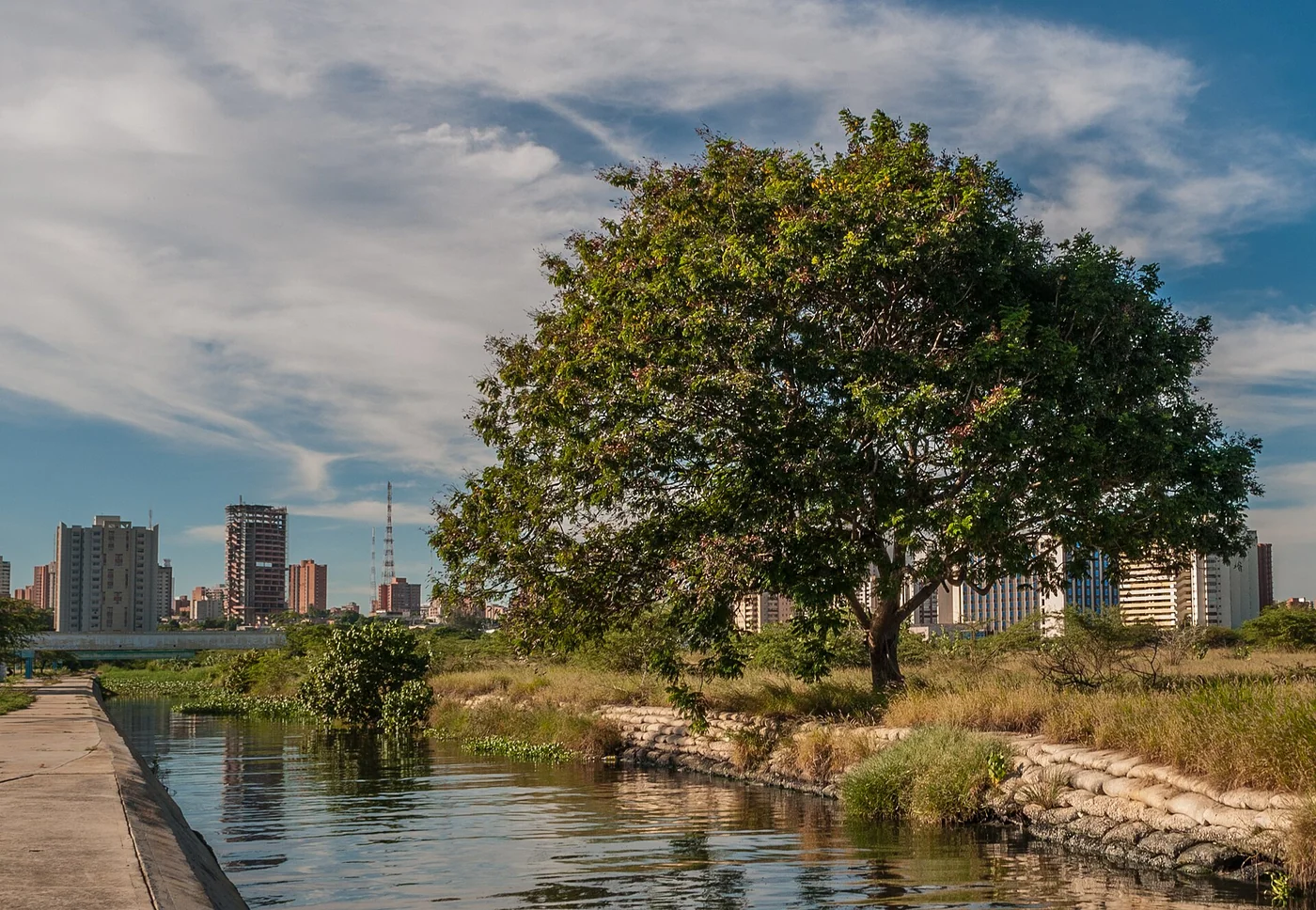

Foreigners working in energy, logistics or border trade with Colombia encounter Zulian networks quickly. Accent recognition is immediate; so is hospitality when trust is earned.

Gochos
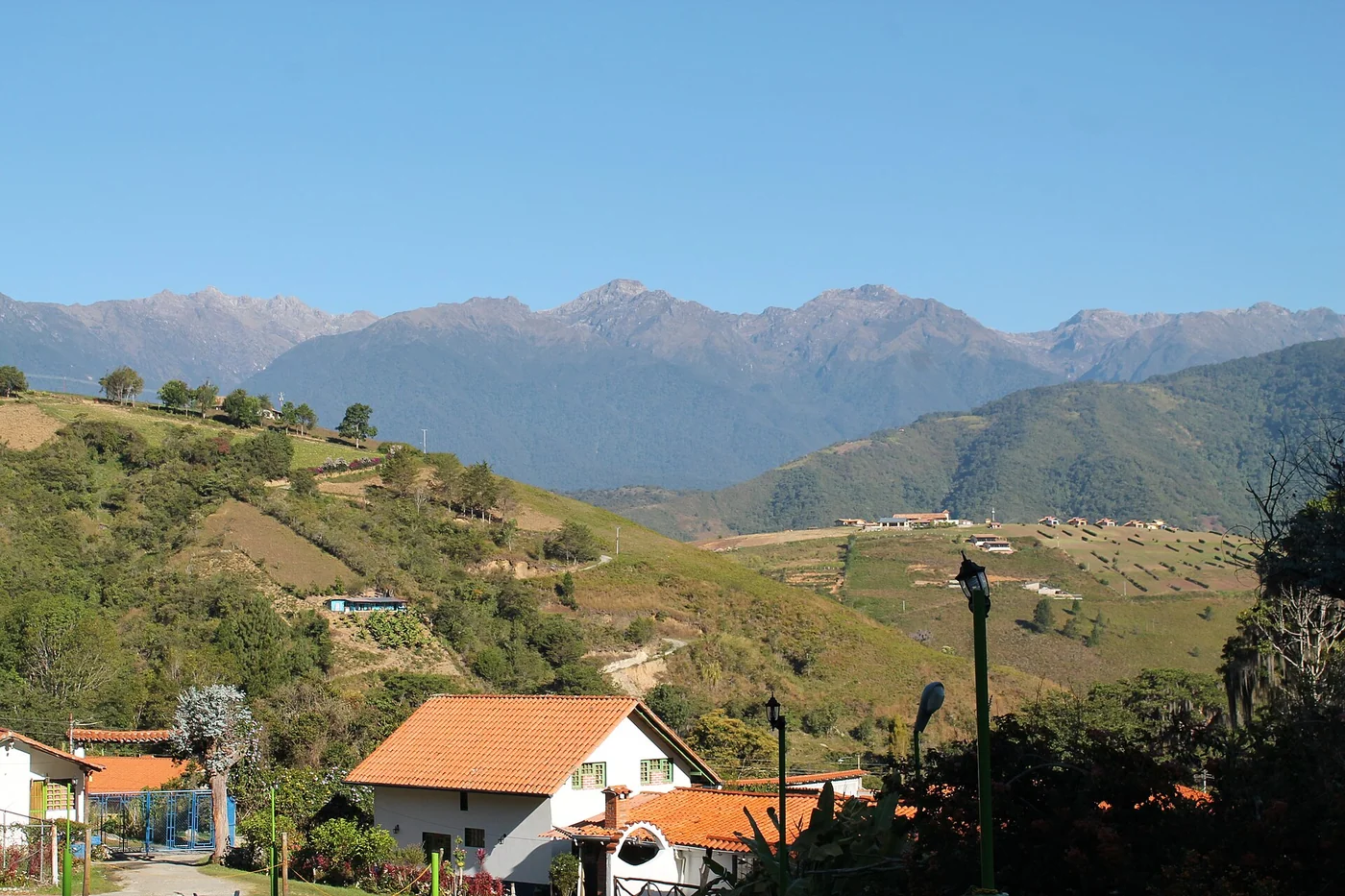
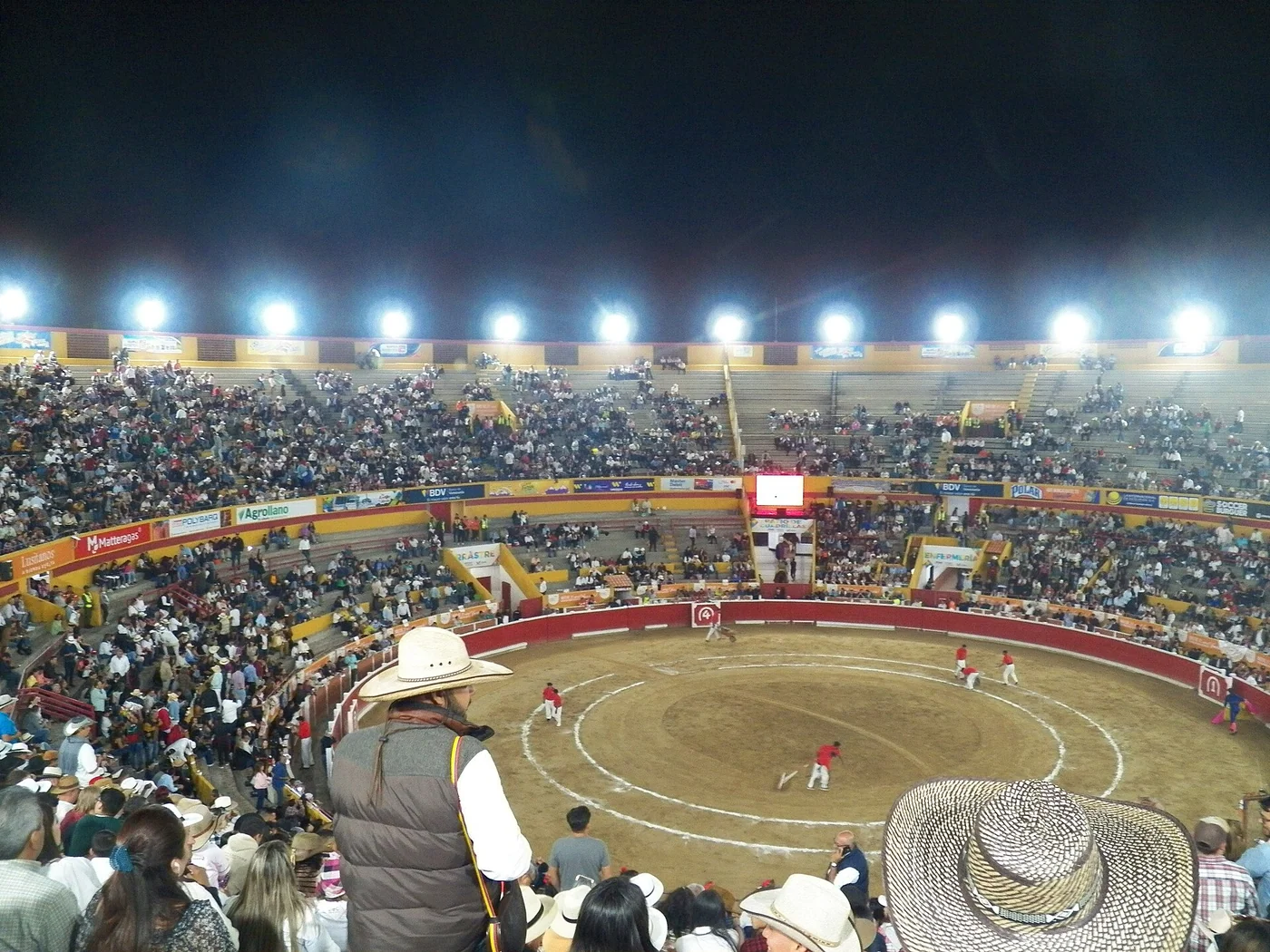
Gochos are the people of the Andean states — especially Táchira, Mérida and Trujillo. Cooler climate, mountain agriculture, university towns (Mérida), and a stereotype of being serious, studious, thrifty and devout. “Gocho” can be affectionate or teasing depending on tone.
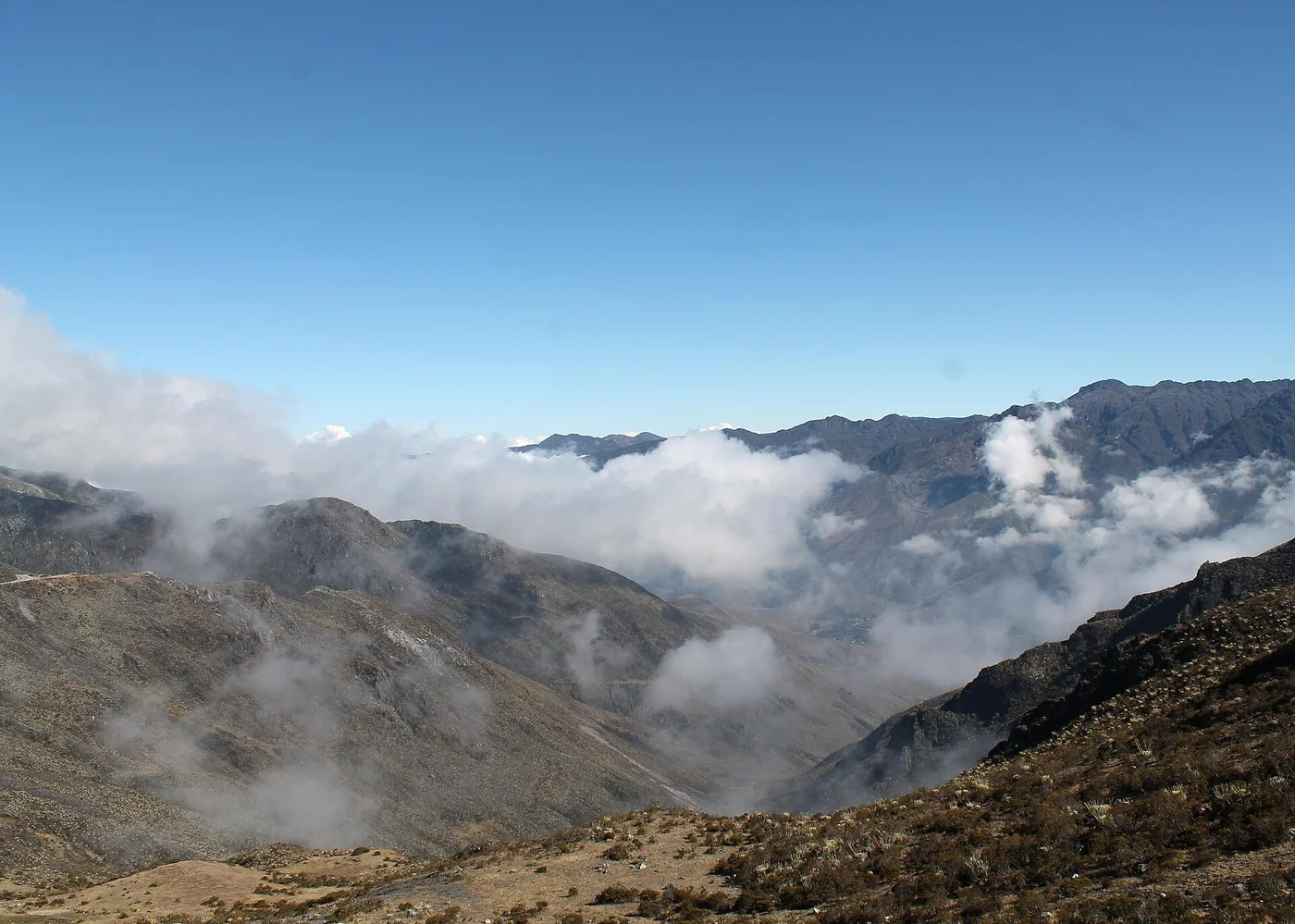

Historically the Andes supplied politicians, priests and professionals out of proportion to population. For lifestyle relocators, Mérida’s elevation and academic atmosphere feel different from tropical lowlands. Cross-border life with Colombia is part of Táchira’s daily reality.

Orientales
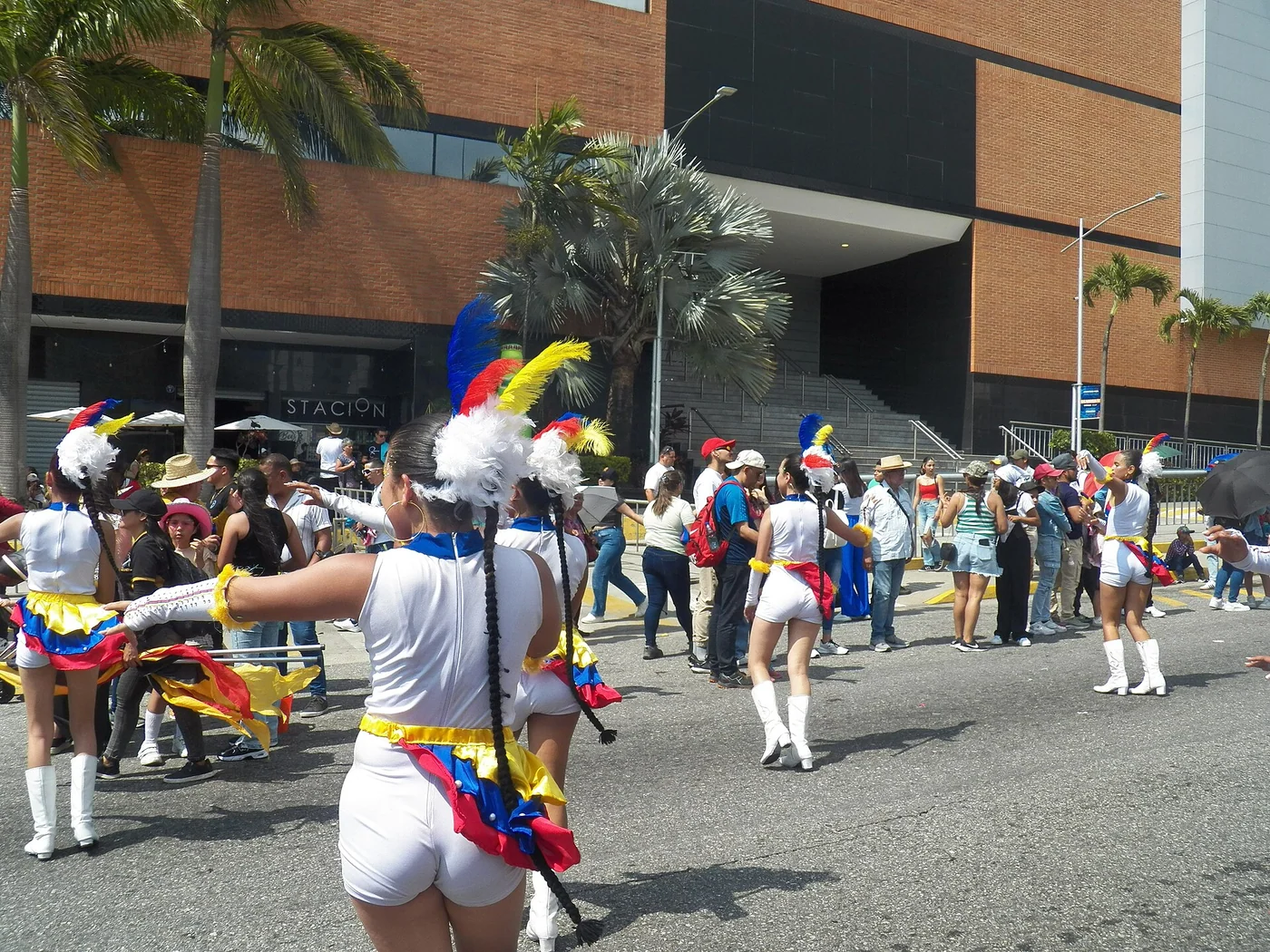
Orientales come from the eastern states — Sucre, Anzoátegui, Nueva Esparta, Monagas and neighbors. Coastal culture, migration traditions, humor, and a reputation for being warm and talkative. Margarita Island adds a tourism and trading layer to eastern identity.
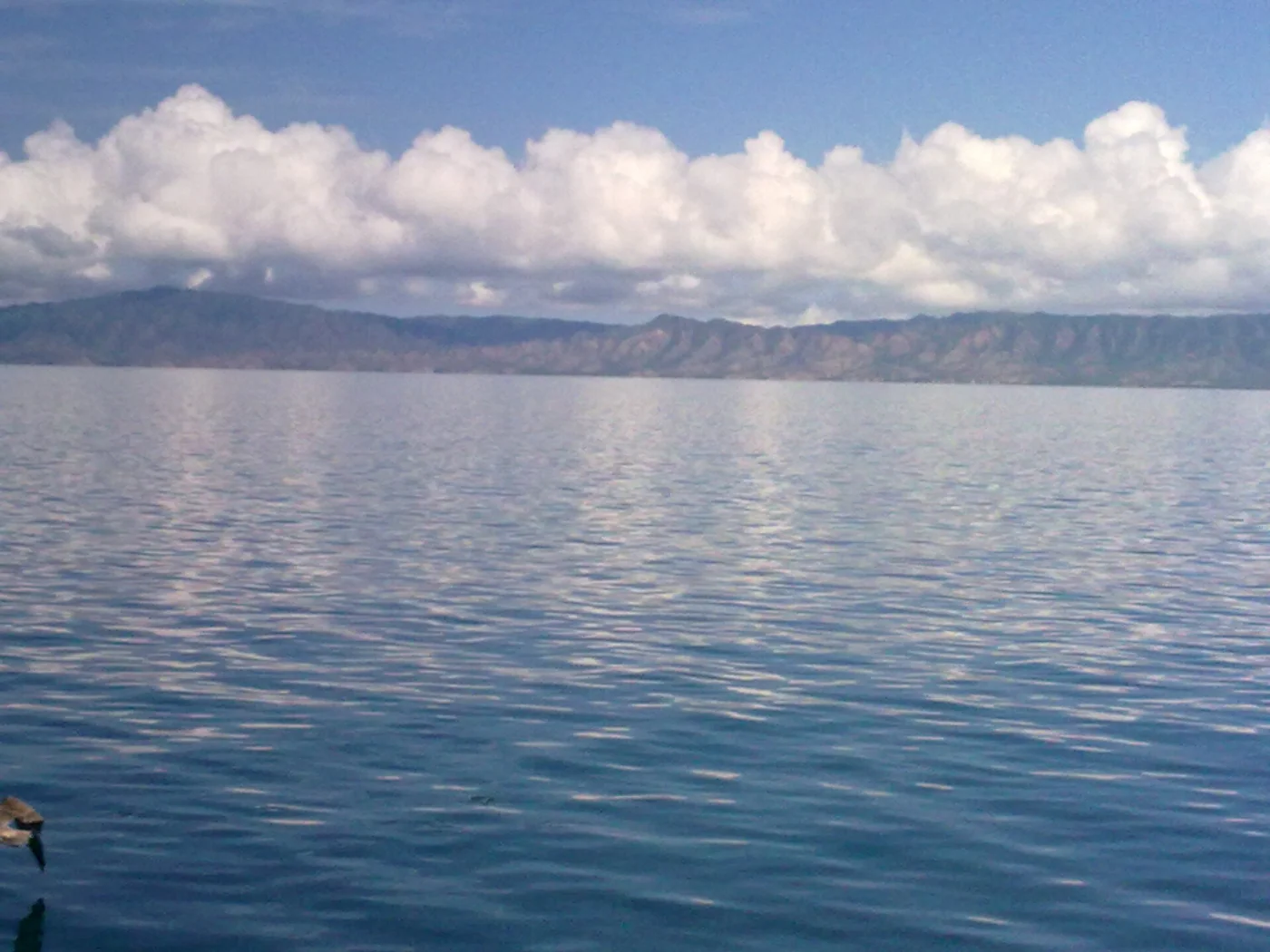

Eastern migration to Caracas shaped whole neighborhoods. Return tourism to the east is a seasonal fact. For property buyers, Nueva Esparta and mainland eastern coasts are a distinct market from the capital.

Llaneros
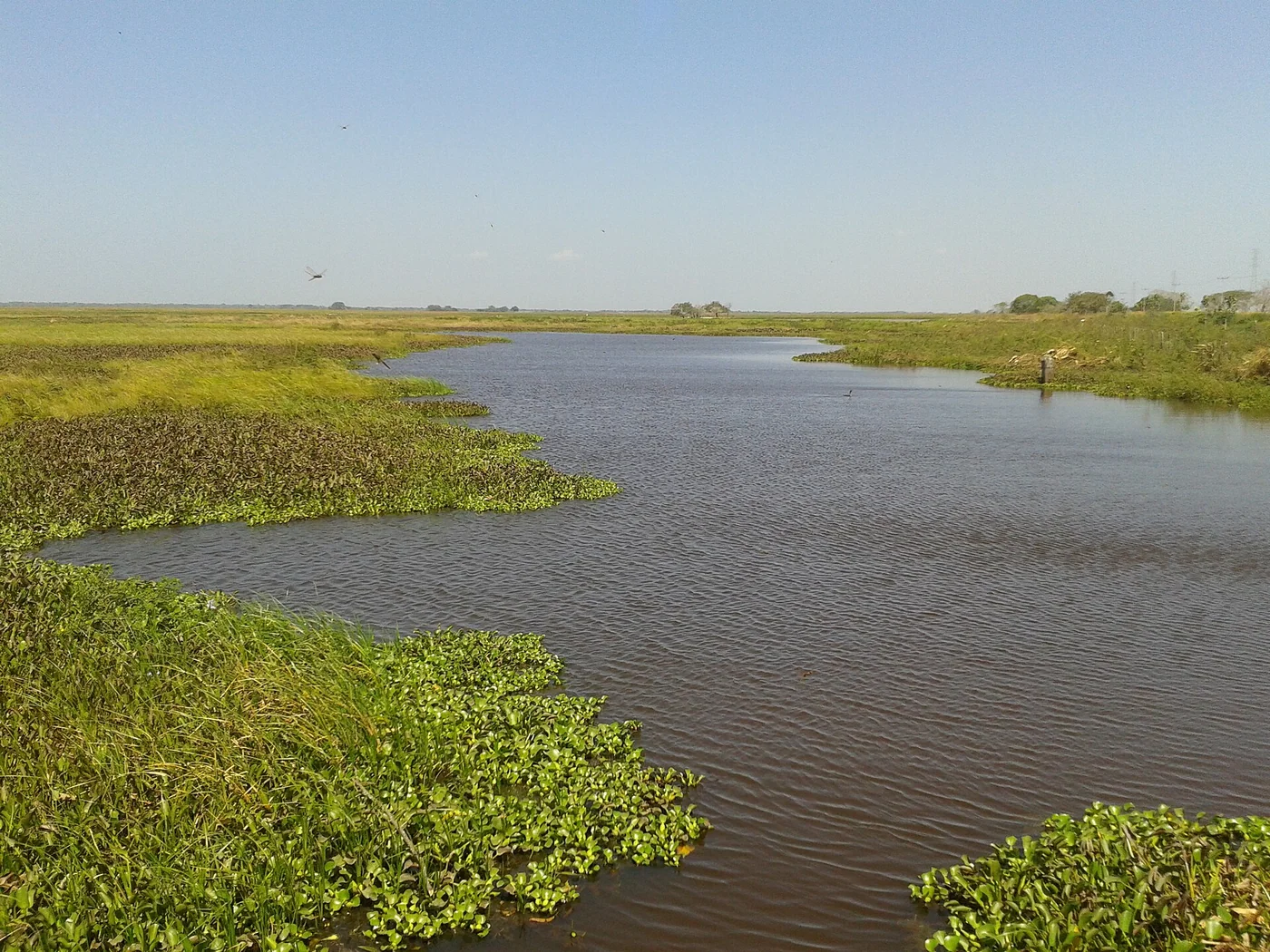
The Llanos — Apure, Barinas, Guárico, parts of others — carry the cowboy and plains mythology of Venezuela: cattle, joropo, wide horizons, and a literary tradition from Rómulo Gallegos onward. Llanero identity is nationalized in music and folklore even for urban Venezuelans who have never herded a cow. Britannica on the Orinoco plains UNESCO on regional joropo
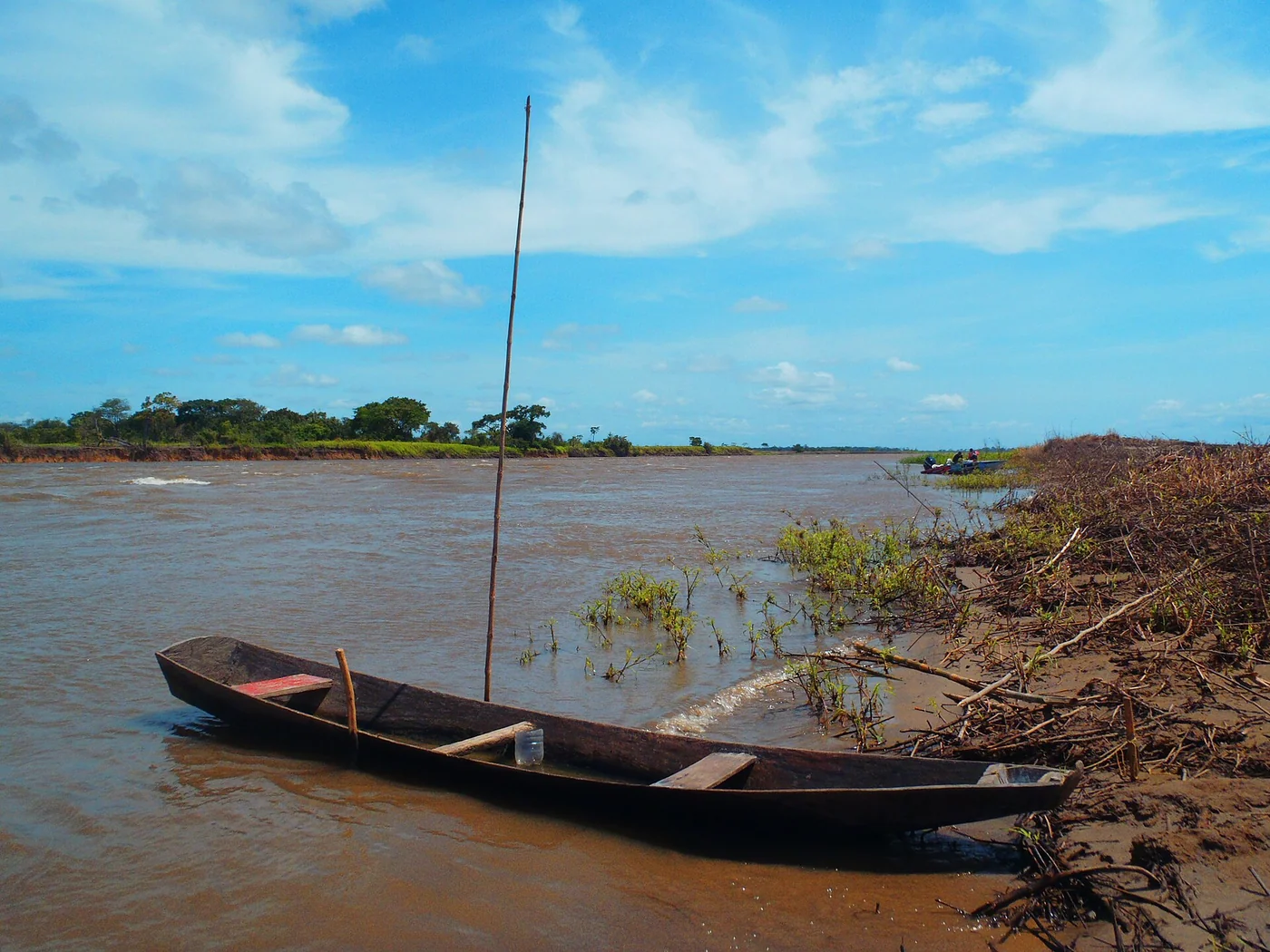

Economically the plains mix livestock, oil in some states, and agriculture. Security and infrastructure vary sharply by municipality; local knowledge matters more than national averages.

Guayaneses
Guayana (Bolívar state and the Guayana region) is iron, aluminum, the Orinoco, Ciudad Guayana’s industrial project, and proximity to the Essequibo controversy in national politics. Guayanés identity mixes frontier, industry and indigenous presence in ways Caracas media often under-explains. Britannica on the Orinoco and Guiana region Library of Congress country study
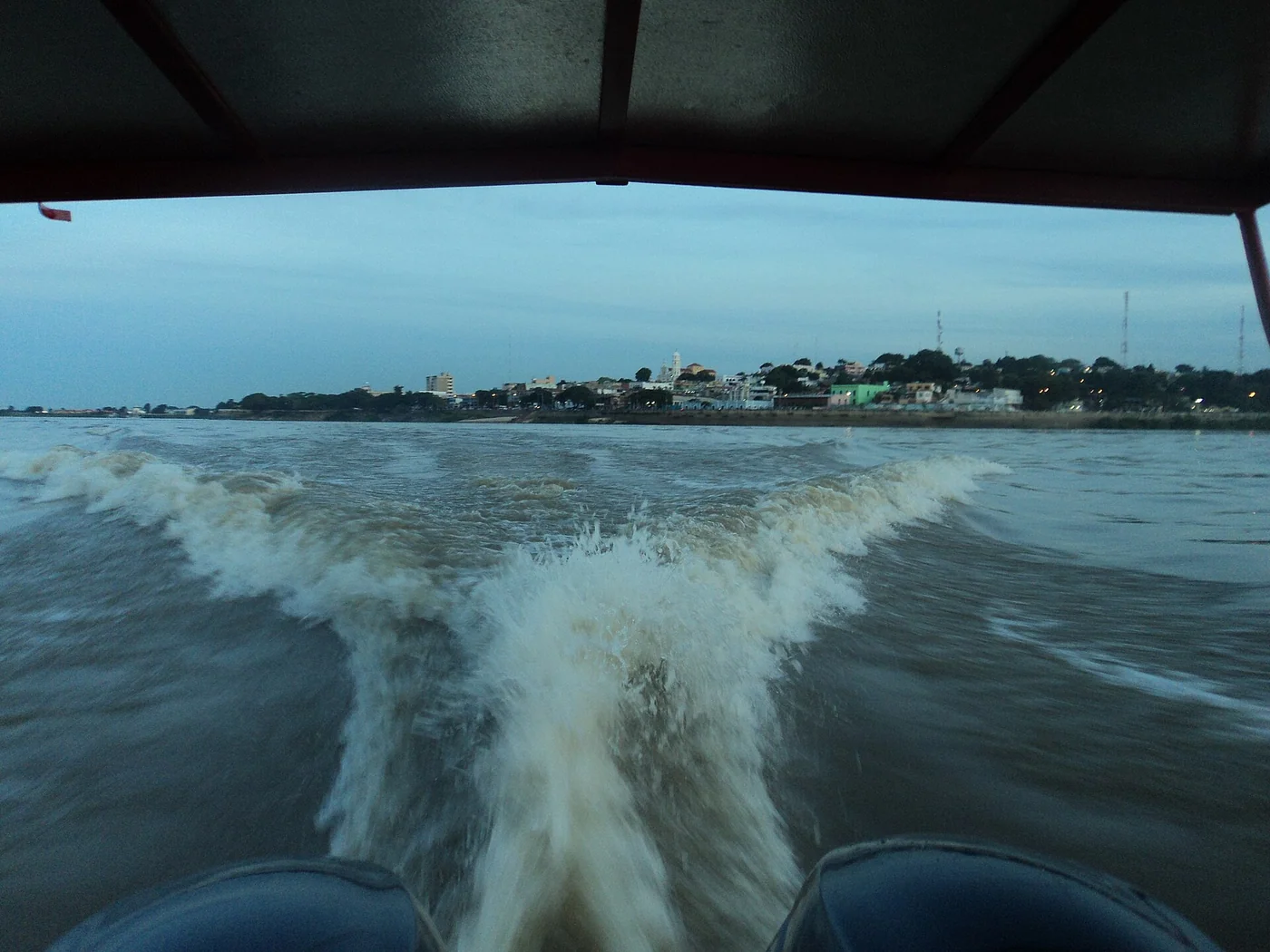

Resource nationalism and heavy industry history shape local conversation. Foreigners in mining or heavy industry need region-specific compliance and community maps, not only a Caracas lawyer.


Stereotypes vs reality
Every label above is a shorthand. Plenty of gochos live in Maracaibo; plenty of maracuchos study in Mérida; caraqueños retire to Margarita. Diaspora children may inherit a regional label without the accent. Use the categories as cultural orientation, not as boxes for individuals.


For foreigners and returnees
- Learn which region your partners and neighbors identify with
- Do not mock accents; curiosity is welcome, caricature is not
- Food and music are safe bridges
- Business etiquette shifts slightly by city — ask local counsel and staff
- Read our Guayana Esequibo guide if national politics around the east enters your risk briefing
Food as regional passport
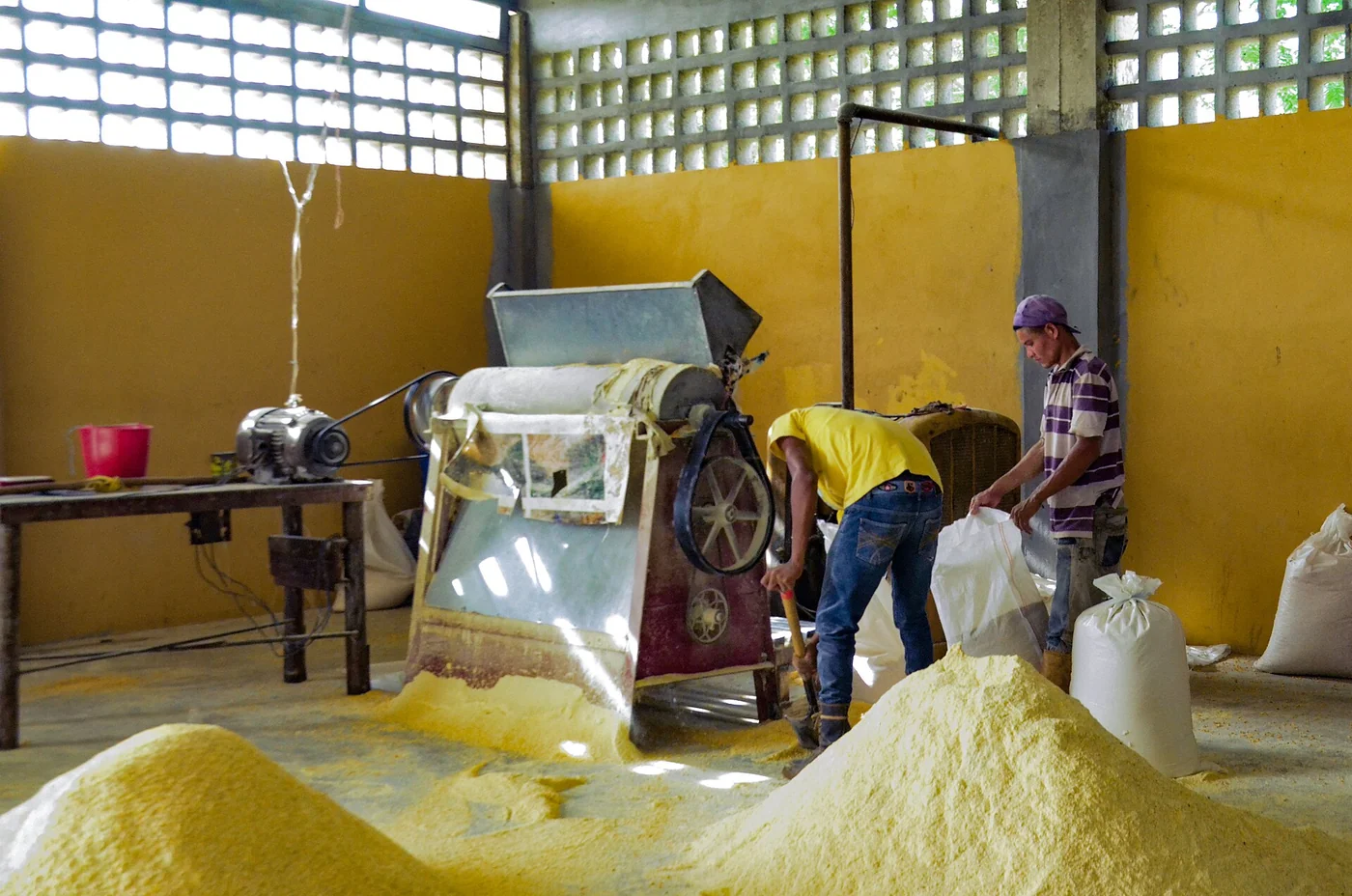
Order pabellón and you speak “national.” Order patacones with lake fish pride and you lean Zulia. Andean trout and strawberries signal the mountains. Eastern seafood and arepas de huevo show the Caribbean rim. Llanero carne en vara and guayanés river fish complete a rough culinary map. Sharing food is still the fastest way for a foreigner to show respect without perfect Spanish.

Football, music and soft power
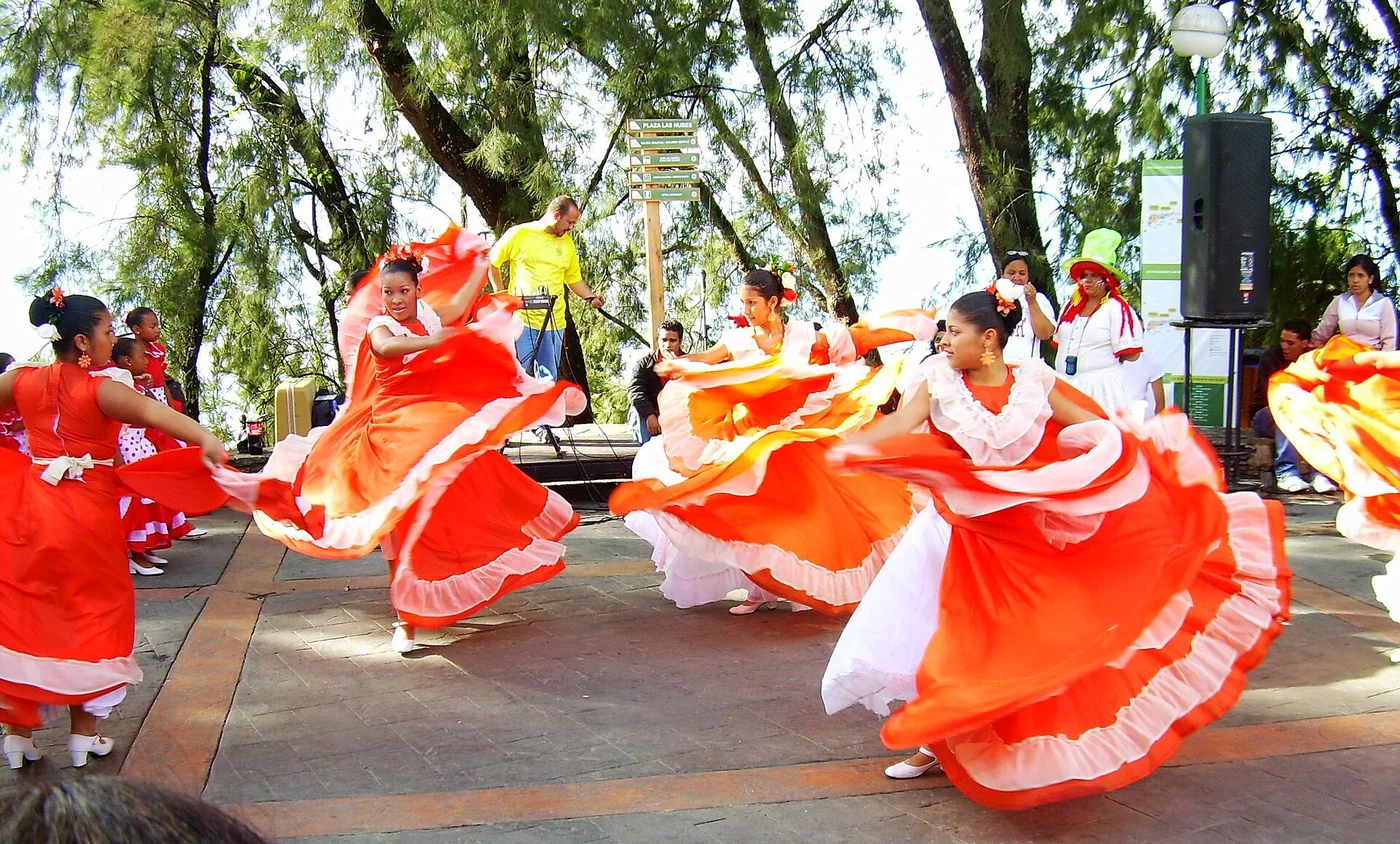
Regional rivalries appear in club loyalties and festival calendars: gaita in Zulia, joropo in the plains, Andean university festivals, eastern éxodos at holiday time. Music is not decoration; it is identity infrastructure. A relocating family that learns one regional song for their host city often finds neighbors open faster than any formal introduction letter. UNESCO’s joropo entry

Internal migration shaped the capital
Caracas is a city of provinces. Whole blocks trace to Andean or eastern migration decades ago. That is why capital identity is layered: someone can be caraqueño by address and gocho by grandparents. Diaspora communities abroad often organize by hometown associations that reproduce these labels in a new country. Britannica on urbanization and migration

Business culture notes by region
- Caracas: faster meetings, hierarchical corporate offices, traffic as a scheduling constraint
- Maracaibo: relationship-first, regional pride in negotiations, heat and pace of the lake city
- Andes: formal politeness, university influence in Mérida, cross-border pragmatism in Táchira
- East / Margarita: tourism and trade rhythms, seasonal population swings
- Llanos: distances matter, local power brokers matter, do not manage only from a Caracas desk
- Guayana: industrial and resource stakeholders, federal project history, specialized compliance
Security and mobility differ by state
National headlines flatten risk. Municipal reality does not. Pair this identity guide with our safety-zone and city cost-of-living articles before choosing a neighborhood. Regional pride does not cancel due diligence.

How the diaspora preserves regional labels
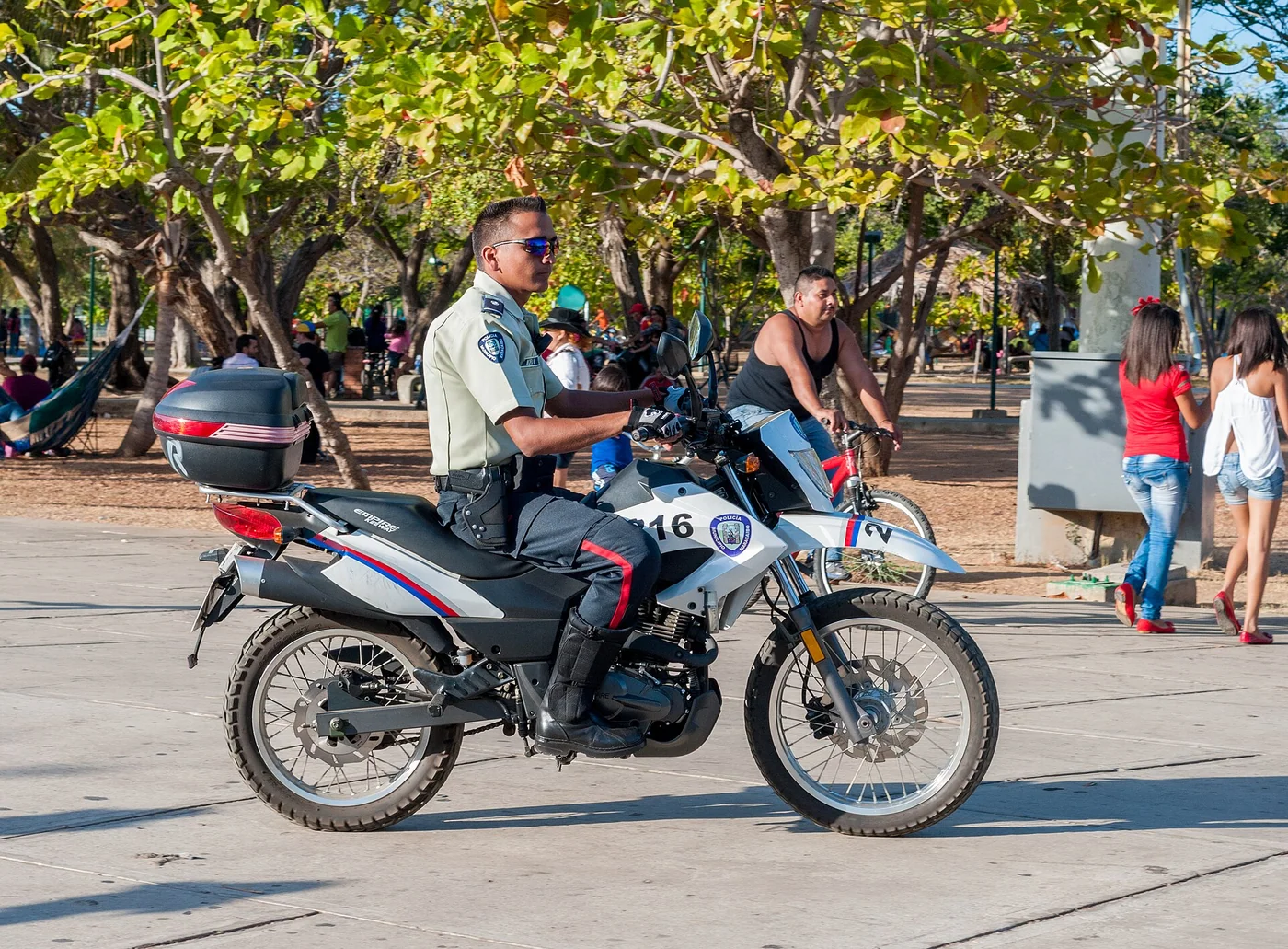
Hometown associations in Madrid, Bogotá, Lima, Santiago and U.S. cities often organize by state or by the six big identity blocks described above. A “Casa Zuliana” dinner and a Táchira charity raffle can exist within kilometers of each other abroad. Second-generation children may speak host-country Spanish at school and still be told they are gochos at Sunday lunch. That transmission is why regional vocabulary remains useful for advisors serving multi-generation families.

Politics and regional machines
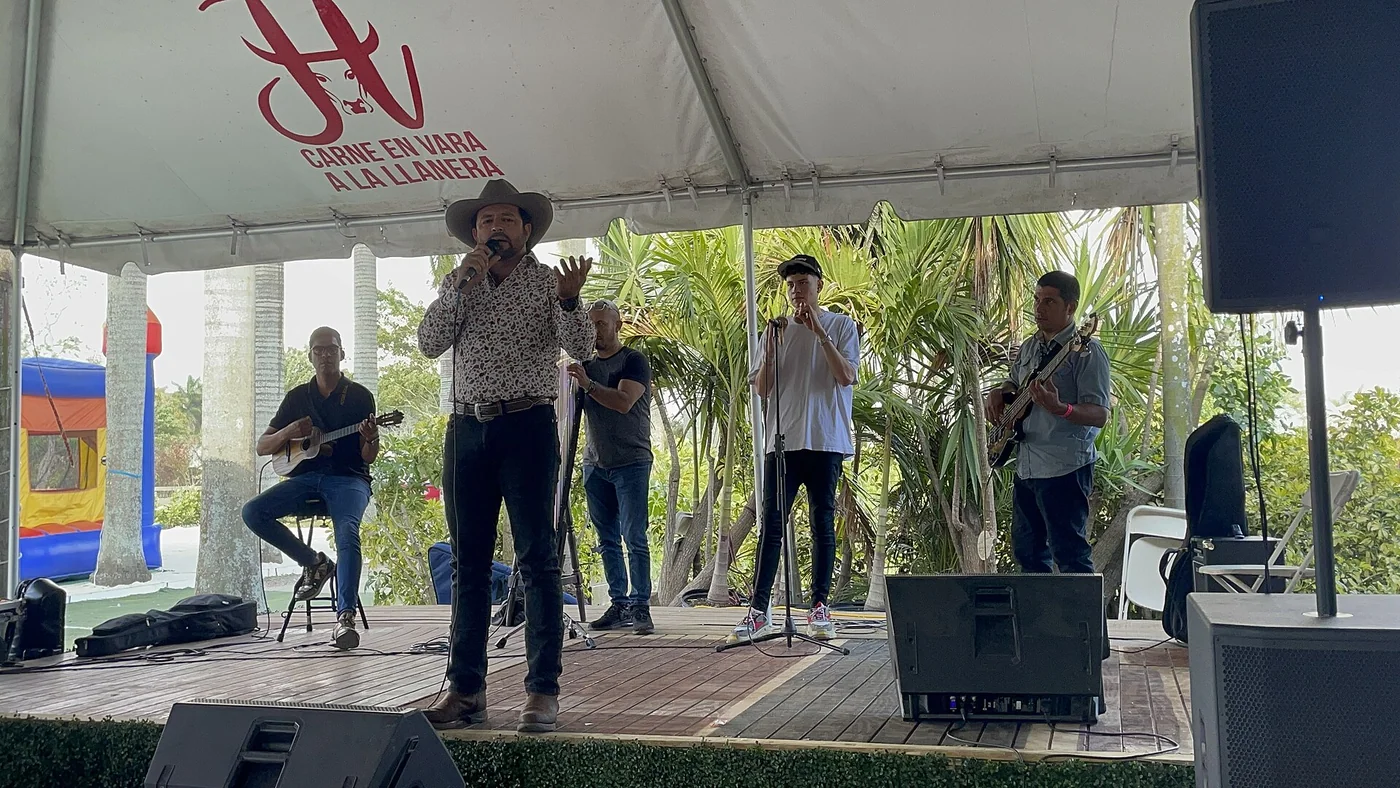
National parties recruit through regional brokers. State governors and mayors mediate access to contracts and services. Foreign companies that only lobby in Caracas miss the state-level map. Understanding whether your counterpart is operating as a capital operator or a regional strong node changes negotiation strategy. Library of Congress country study
Language variation
Phonetics shift: coastal speech patterns differ from Andean clearer consonants; Zulian intonation is widely recognized. You do not need to imitate accents. You do need to avoid laughing at them. Recording staff names correctly and learning two regional food words outperforms any forced slang performance.
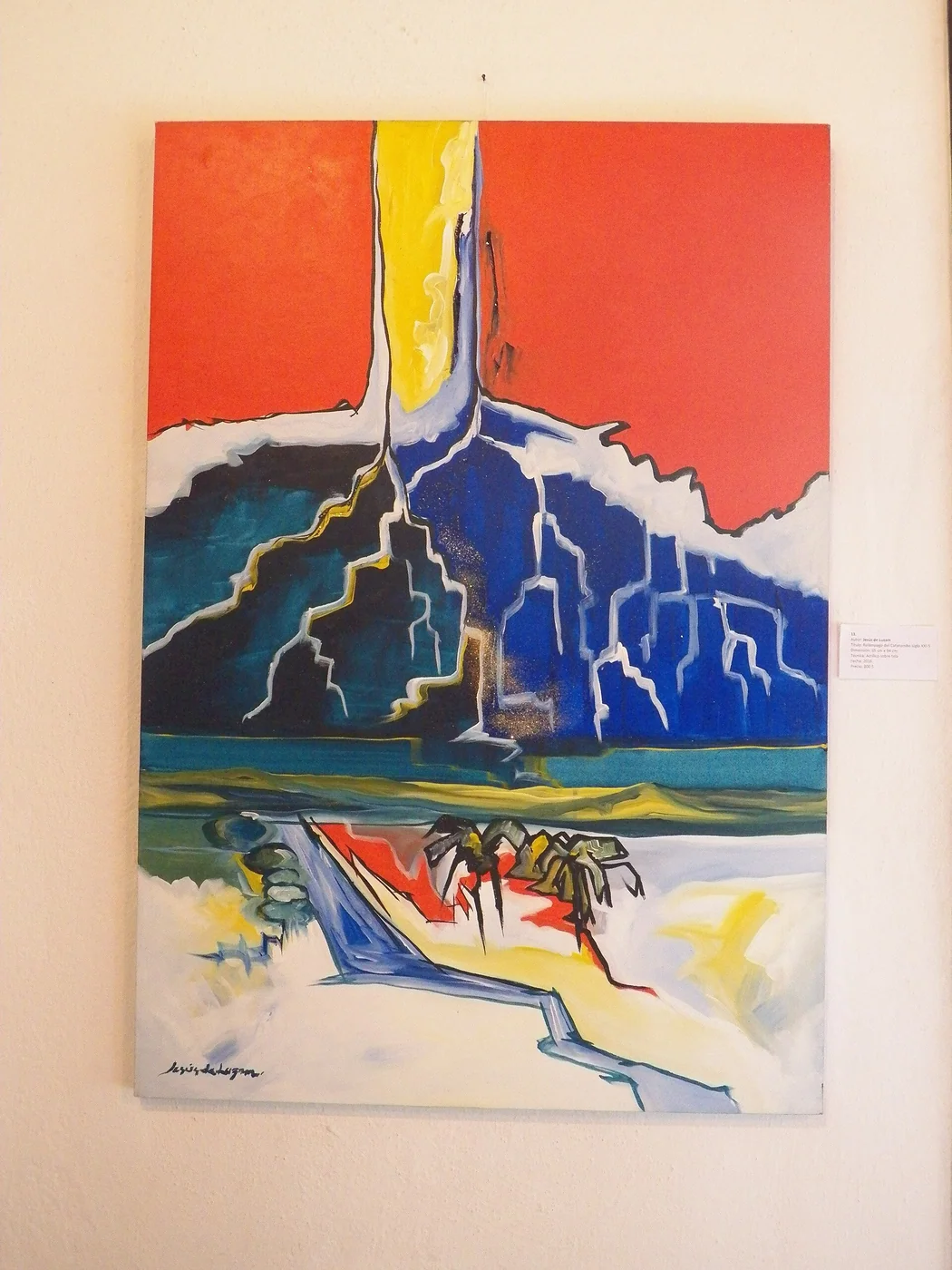

Checklist for a foreign manager
- Ask each key hire where they consider home — listen for regional pride
- Learn one food and one festival from that region
- Never use regional nicknames as insults
- Budget travel time for interior cities correctly
- Map decision-makers in the state capital, not only in Caracas
Media and stereotype hygiene
Comedy programs exaggerate maracucho loudness, gocho seriousness, caraqueño snobbery. Enjoy the jokes with locals if invited; do not lead with them as your opening analysis of the country. Real teams are mixed and mobile.

Caraqueños in detail
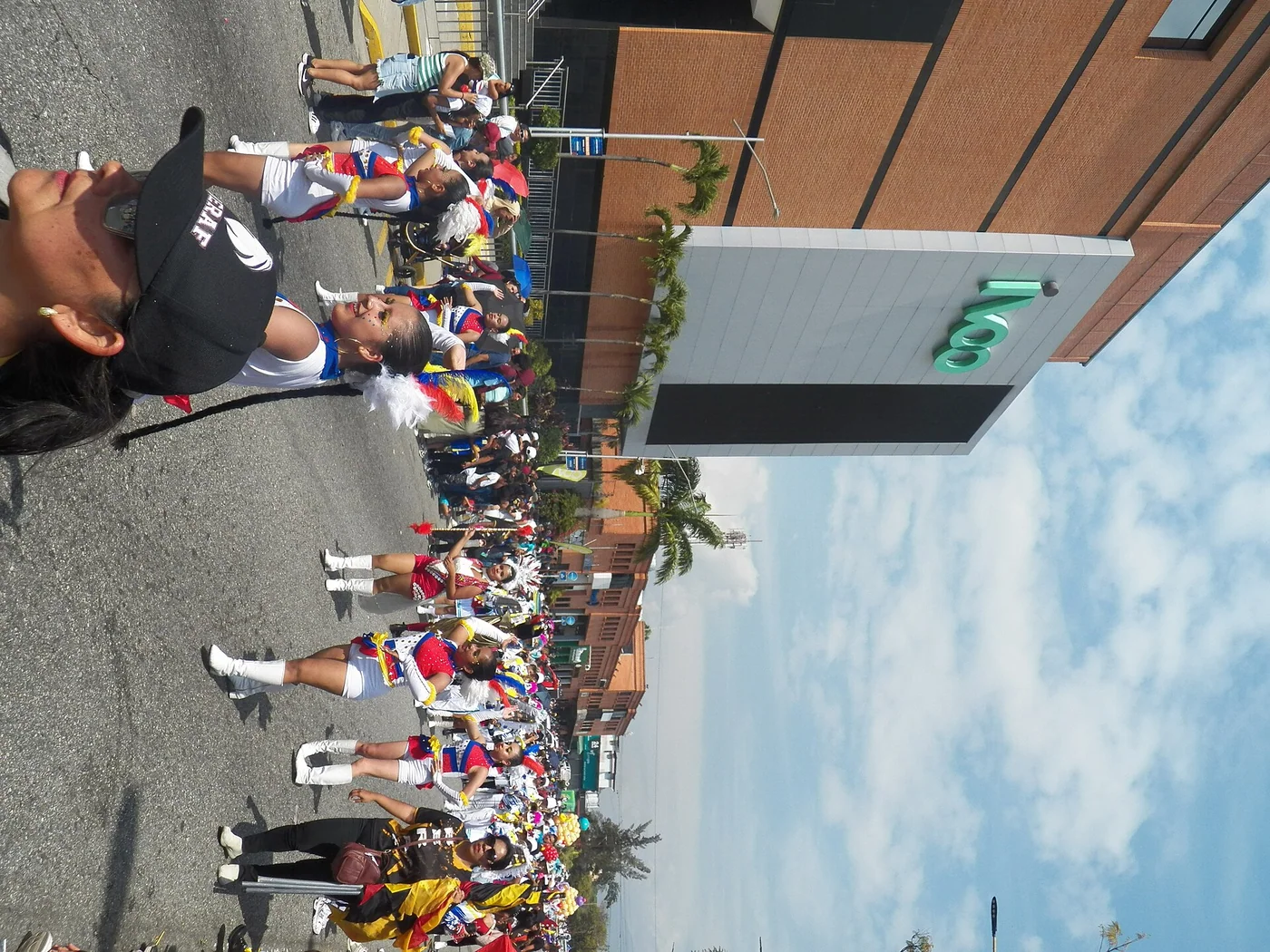
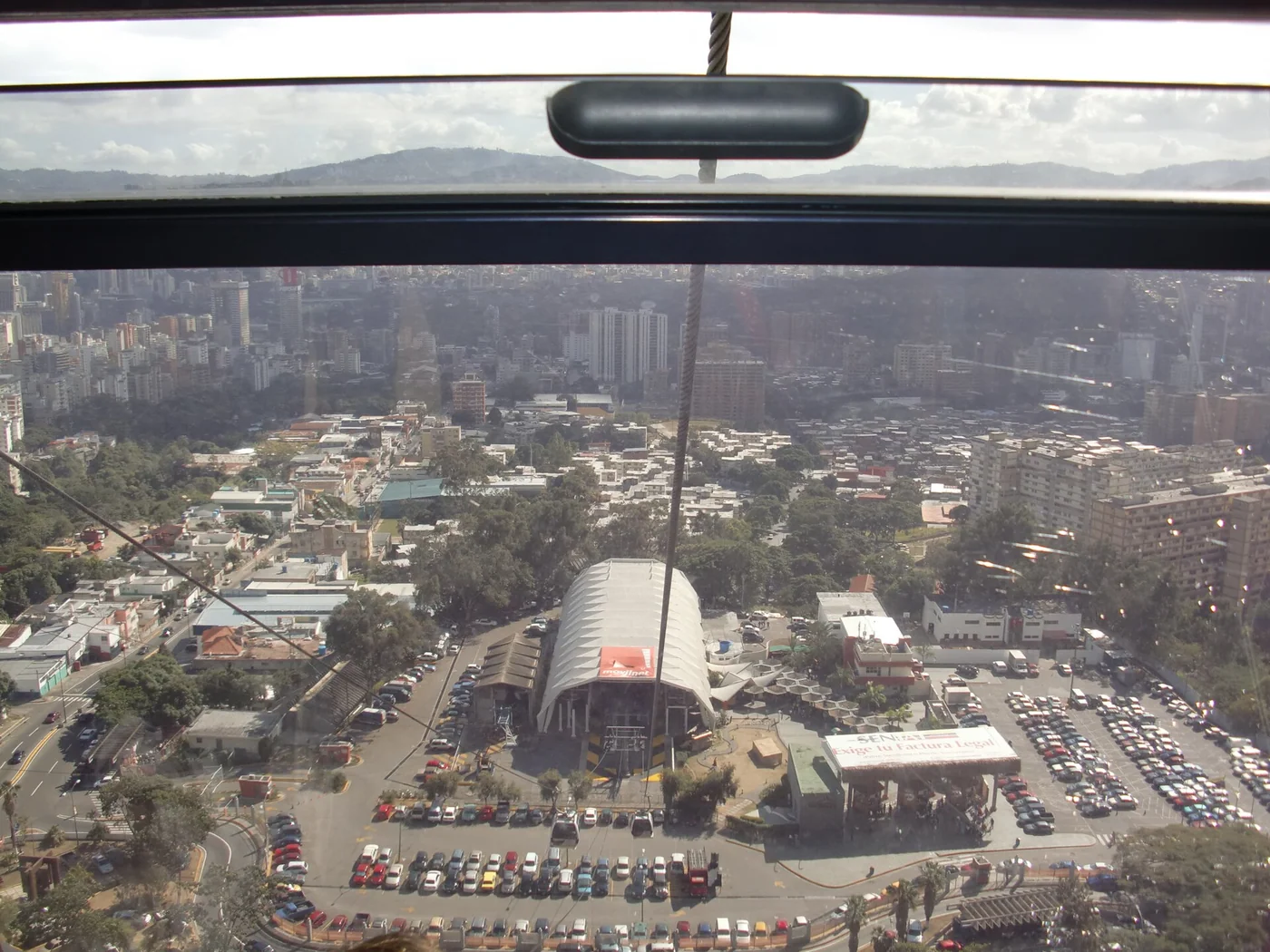
Life under El Ávila organizes time around traffic corridors, security routines and neighborhood micro-cultures. Eastern Caracas municipalities historically concentrated professional classes; western and southern zones hold other stories of migration and industry. A foreigner who says “Caracas is dangerous” without naming a parish is speaking in slogans. Caraqueños themselves argue endlessly about which corners are livable — that argument is data.


Capital humor is fast and often self-referential. Status signals exist — schools, clubs, building names — but so does a shared exhaustion with queues and outages that levels some hierarchies in daily practice. For business, Caracas remains the densest market for legal, financial and corporate services even when operations sit in other states.

Maracuchos in detail
Heat shapes schedules. Zulian Spanish is immediately recognizable to other Venezuelans. Gaita season is identity, not only playlist. The lake, the bridge, oil memory and border proximity to Colombia create a west-facing worldview. Maracaibo’s entrepreneurial streak shows up in trade and services; visitors who treat the city as a mere appendix of Caracas miss the point.
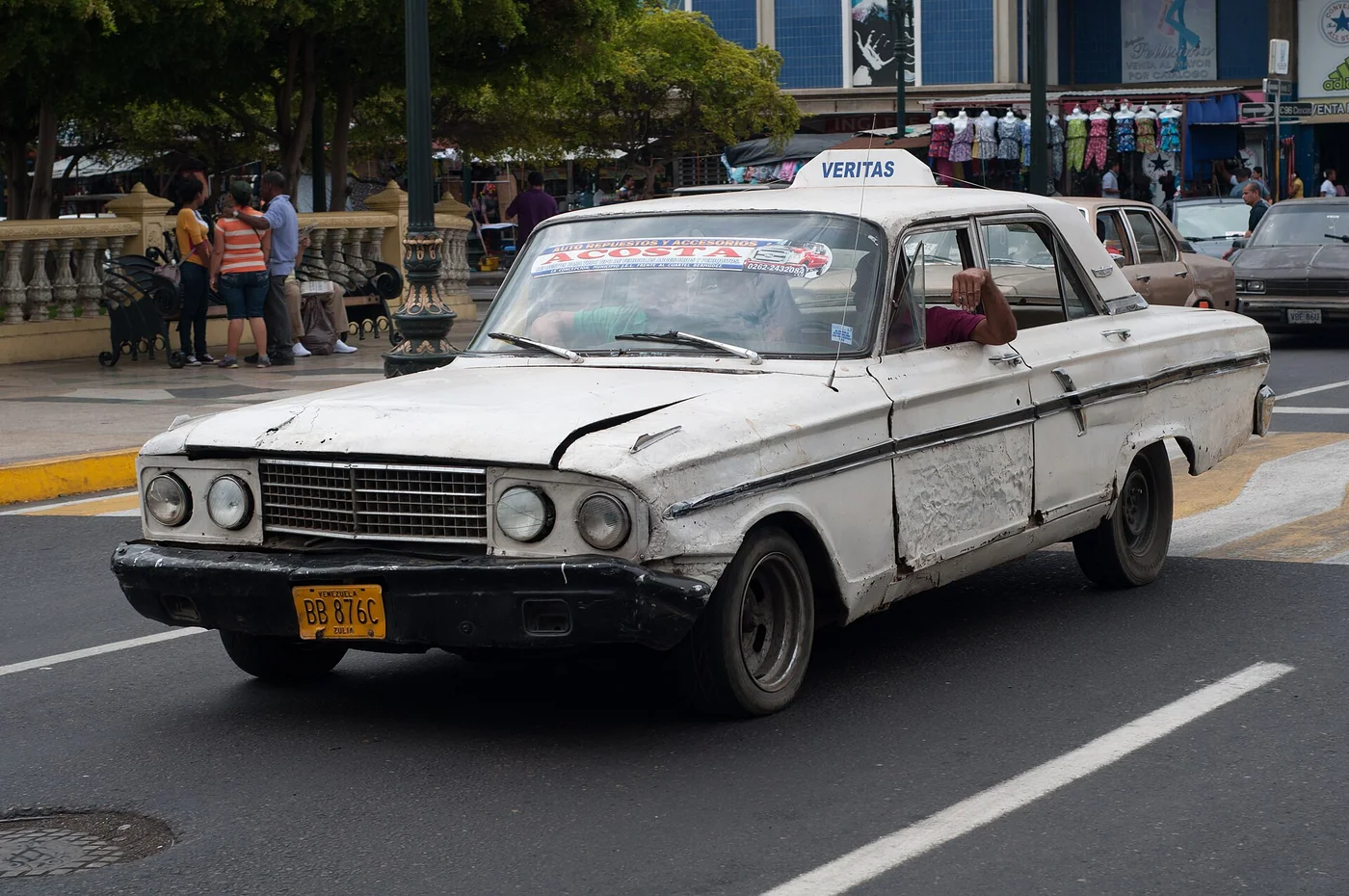

Food anchors pride: lake traditions, patacones, regional sweets. Mocking maracucho speech is a reliable way to lose a room. Asking for gaita recommendations is a reliable way to gain one.

Gochos in detail
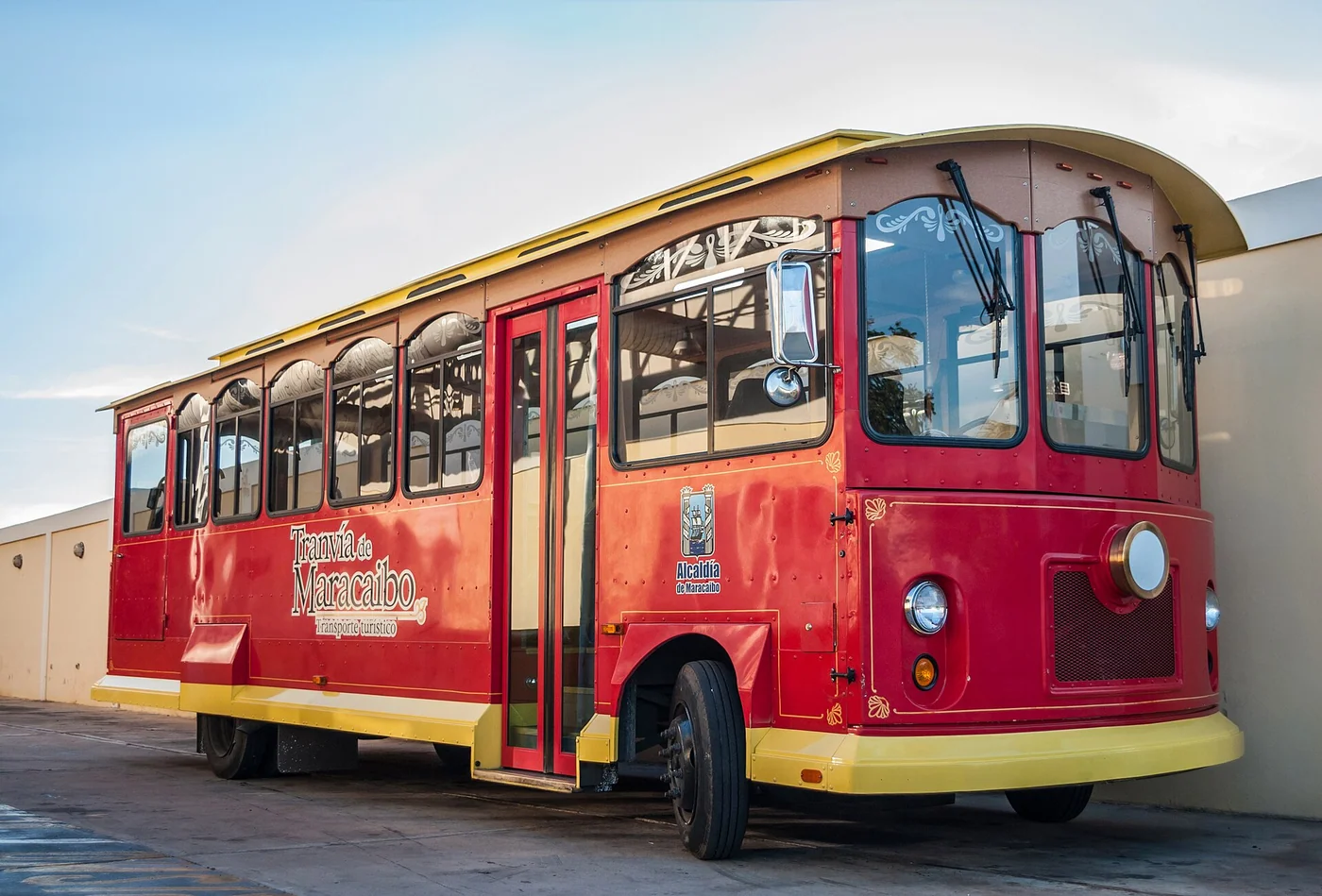
Altitude, coffee, universities and a reputation for discipline define the Andean stereotype. Mérida mixes student life with tourism; San Cristóbal lives the Colombian border as routine, not exception. Trujillo carries José Gregorio Hernández pilgrimage traffic and quieter agricultural rhythms.


Gocho professionals are over-represented in certain national elites historically — a fact that feeds both pride and jokes. In negotiation, expect formality and careful speech. In social life, expect mountain hospitality once trust exists.

Orientales in detail
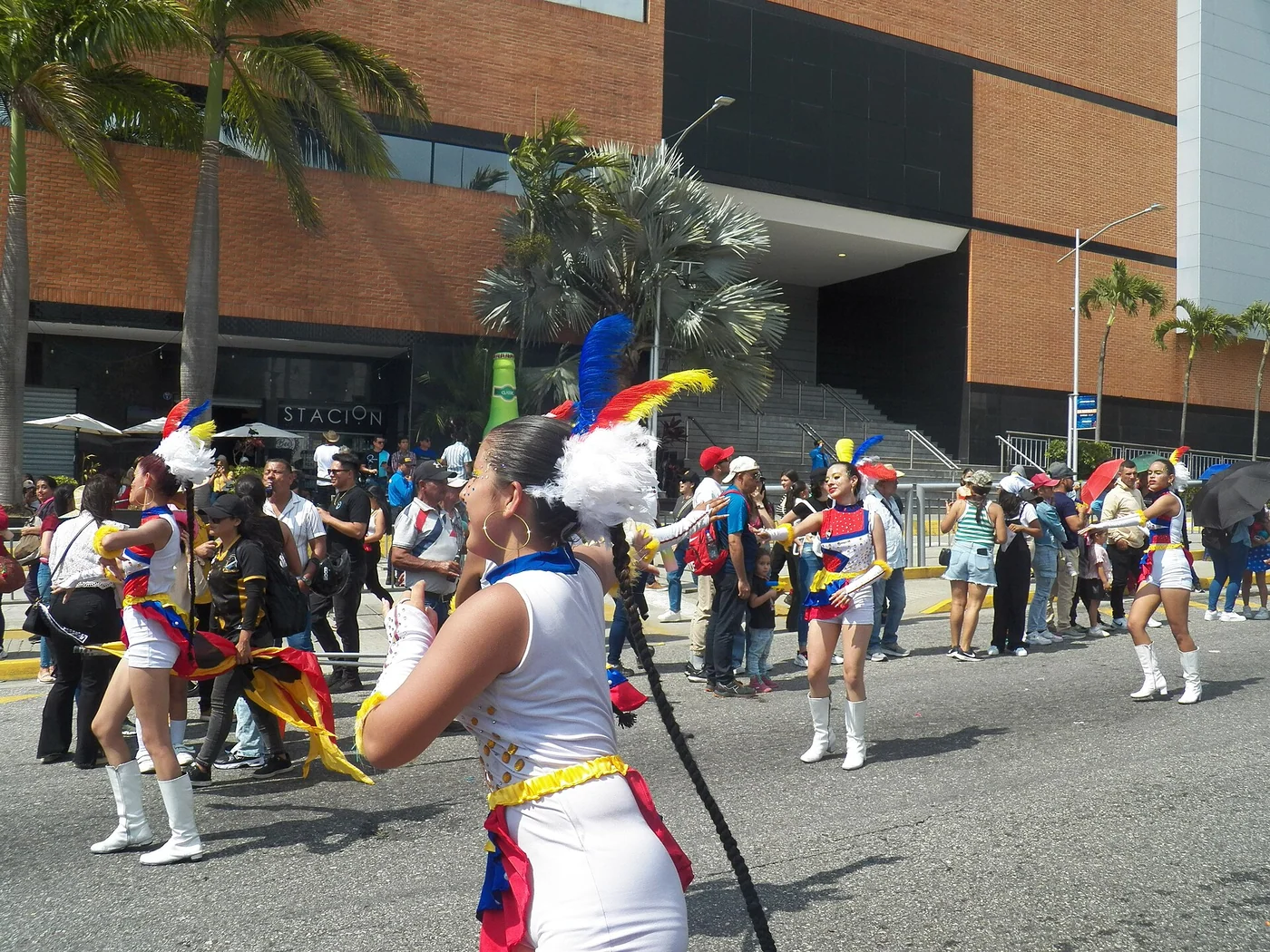
The Caribbean rim — from Sucre’s coastline to Anzoátegui’s industrial-coastal mix to Nueva Esparta’s island economy — produces outbound migration and return tourism. Humor and talkativeness are part of the national caricature of orientales; so is a history of seafaring and trading.


Margarita deserves its own operational chapter: ports, tourism cycles, dual-city life between Porlamar and more residential zones. Mainland east is not the island; do not collapse them.

Llaneros in detail
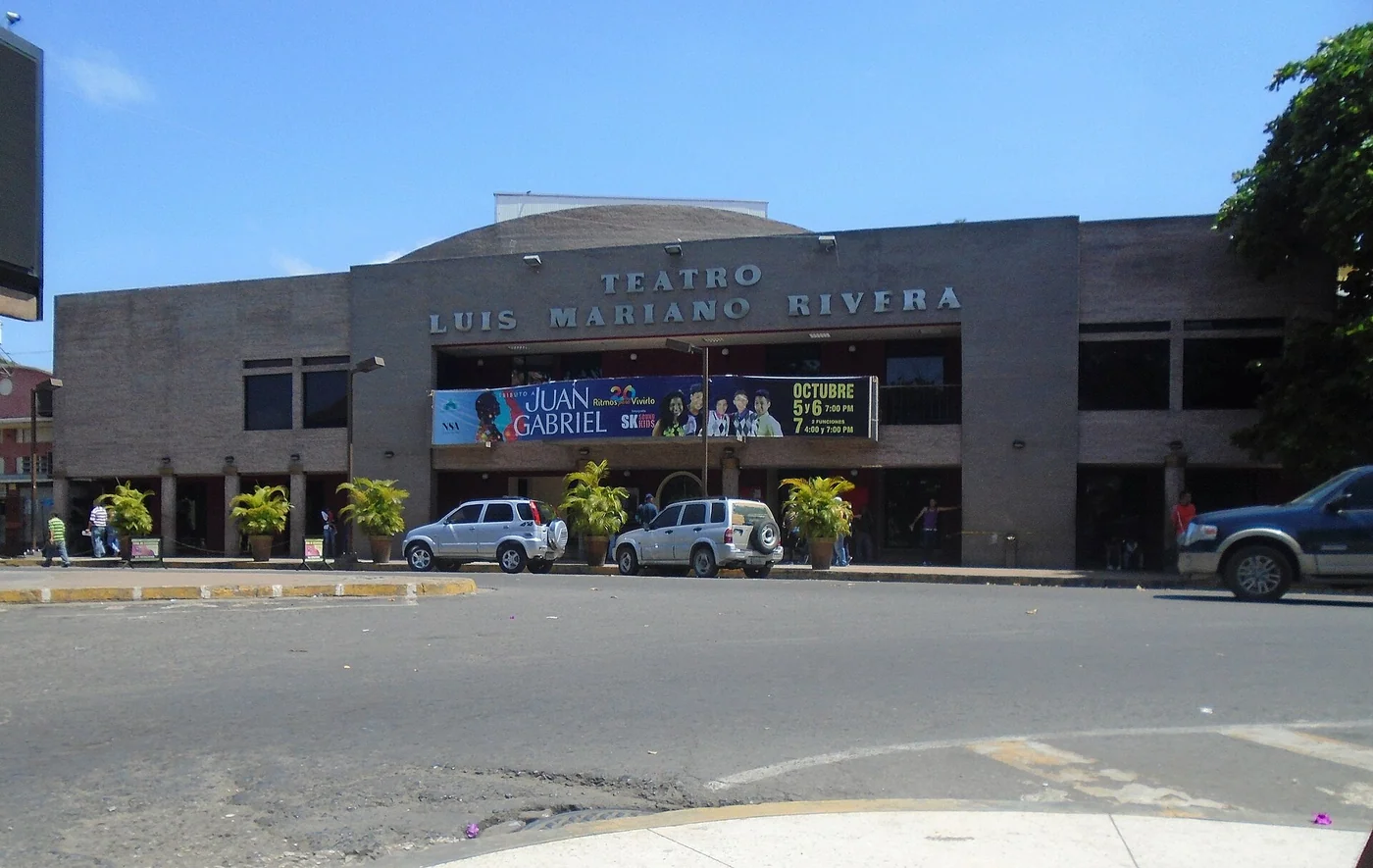
Open distances change logistics. Cattle culture and joropo are nationalized symbols, but municipal reality includes oil towns, farming belts and security variation. Managing a plains project from a Caracas office without local partners is a classic failure mode.


Literary Venezuela — Gallegos and after — used the llano as moral landscape. That cultural weight still appears in political rhetoric about “authentic” country versus capital elites.

Guayaneses in detail
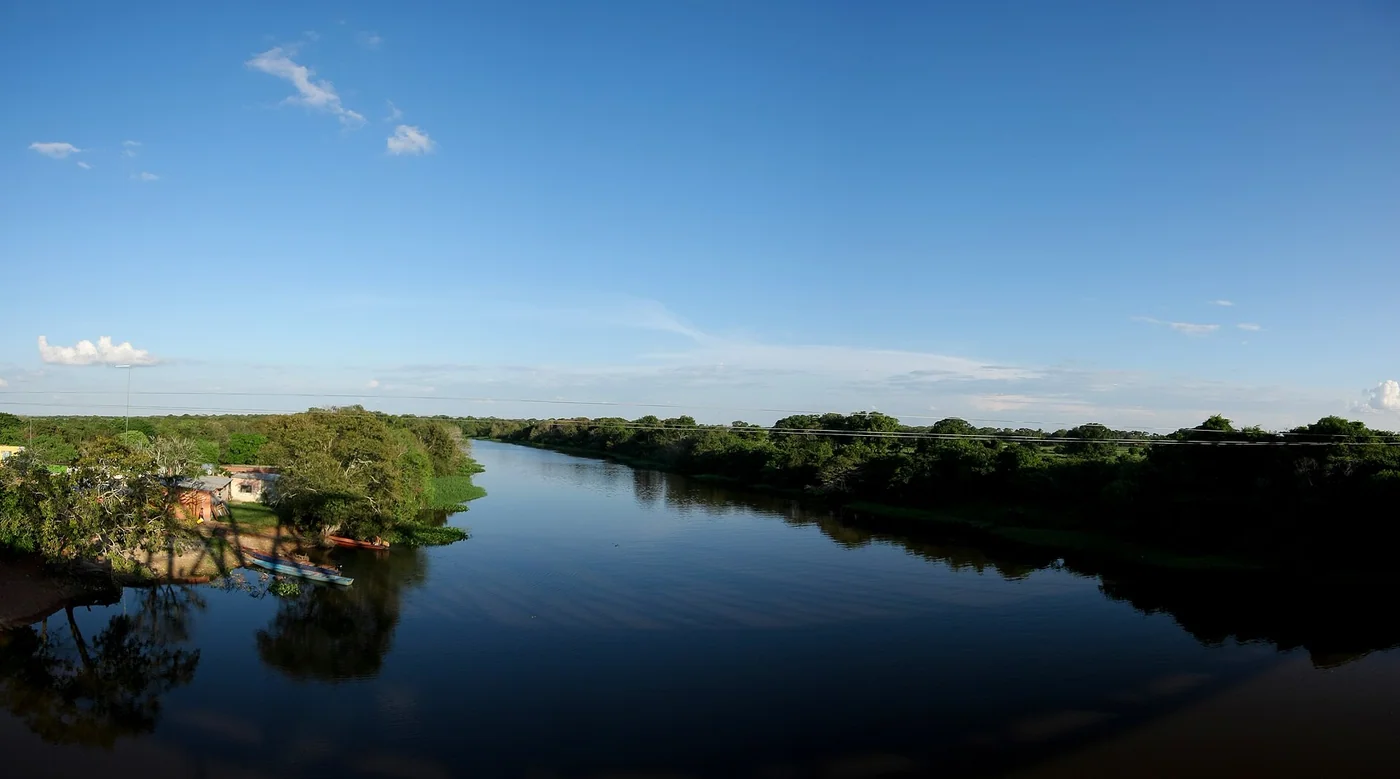
Ciudad Guayana was planned as an industrial pole — steel, aluminum, hydropower narratives. The Orinoco is geography and metaphor. Indigenous communities and mining frontiers complicate any simple “industrial city” story. National politics over Esequibo also colors how Guayana is discussed in Caracas media.
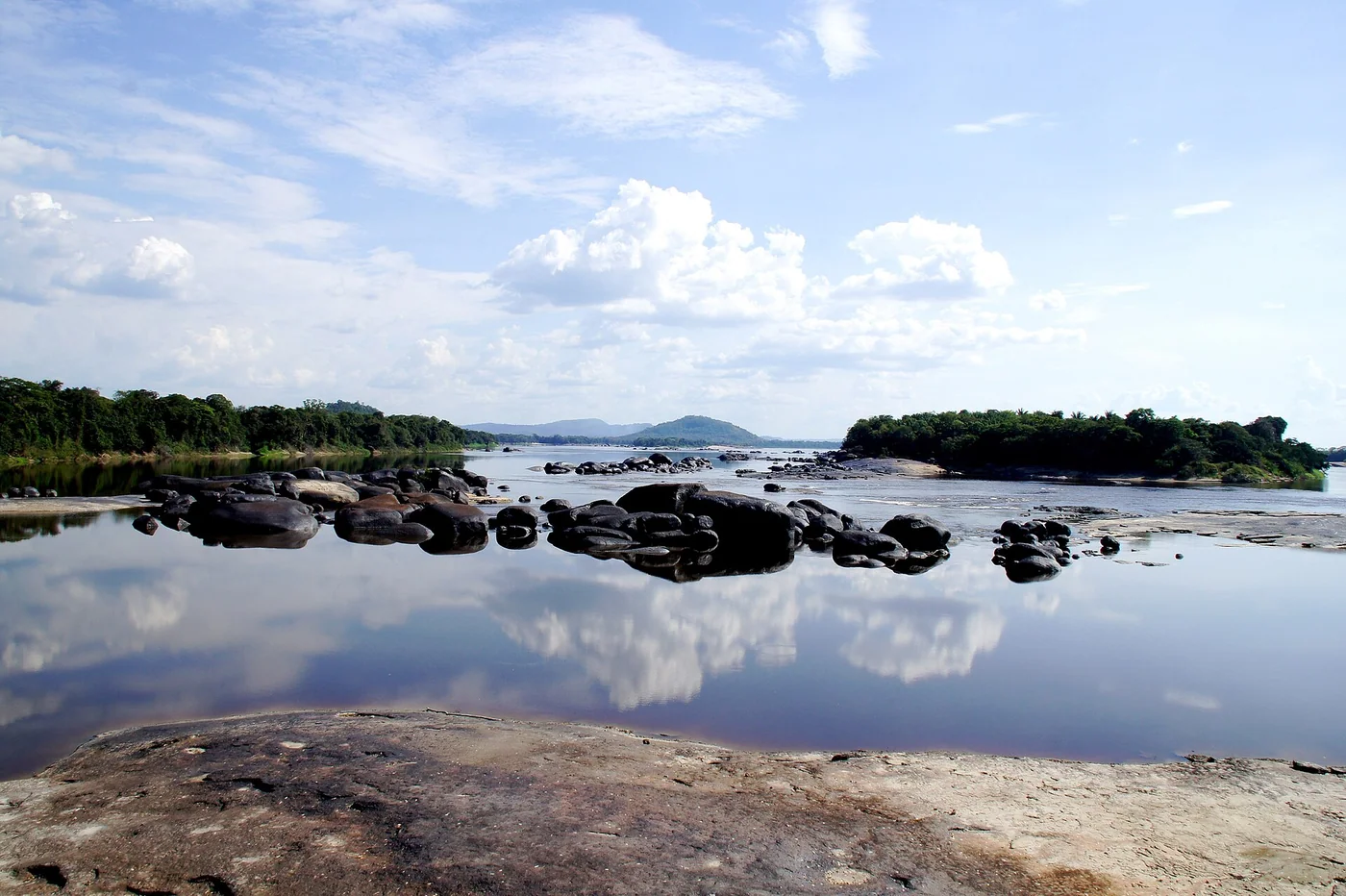

For resource investors, guayanés stakeholders and state dynamics are not optional background; they are the field.

Frequently asked questions
What is a caraqueño?
Someone identified with Caracas — by birth, long residence or cultural style — often associated with capital speed and urban life under El Ávila.

What is a maracucho?
A person from Maracaibo / Zulia, known for strong regional pride, lake and oil culture, and a distinctive accent.

What does gocho mean?
Popular label for people from the Venezuelan Andes (Táchira, Mérida, Trujillo), often stereotyped as serious and mountain-rooted.

Who are orientales?
People from eastern Venezuela (Sucre, Anzoátegui, Nueva Esparta, Monagas and nearby).

What is a llanero?
Someone linked to the plains (Llanos) — cattle culture, joropo, and open-landscape identity.

What is guayanés?
Identity tied to the Guayana region / Bolívar state — industry, Orinoco, frontier.

Are these official census categories?
They are cultural identities, not strict legal statuses.

Why should foreigners care?
Accent, humor, networks and business culture vary by region; literacy reduces friction.

References
Questions or comments?
Leave us your message through the contact form — we will be glad to share our experience and help you with the next steps of your plans in Venezuela.
Sources: Cultural geography of Venezuela as reflected in everyday speech, regional media and migration patterns; comparative notes for foreign readers. Pair with city cost-of-living and safety guides for operational decisions.
This guide is general orientation, not a guarantee of eligibility, safety or investment returns. For the scope of the October 2026 priority update, read our editorial policy.