
Francisco de Miranda: The Precursor — Complete Guide

Why Miranda is called the Precursor
Venezuelan civic education needs a word for the man who tried first at scale, connected the cause to global networks, and paid with lifelong risk ending in a Spanish prison. That word is Precursor. Miranda does not replace Bolívar in the pantheon; he precedes and complicates him. Foreigners who only learn Bolívar miss the international and tragic opening chapter of independence.

Early life and military career
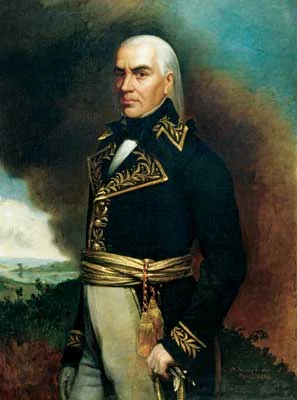
Born in Caracas in 1750, Miranda pursued a military career under the Spanish system and then a life that crossed empires. Service and travel took him through regions of the Atlantic world at a time when revolutions in North America and France redrew political imagination. He accumulated experience, contacts and a personal library of ideas about liberty and empire. His biography reads almost novelistic — not because historians invented drama, but because few Caracas-born figures of his generation lived so globally before the independence wars fully erupted. For the basic chronology, seeBritannica’s biographical summary.

Atlantic revolutionary networks
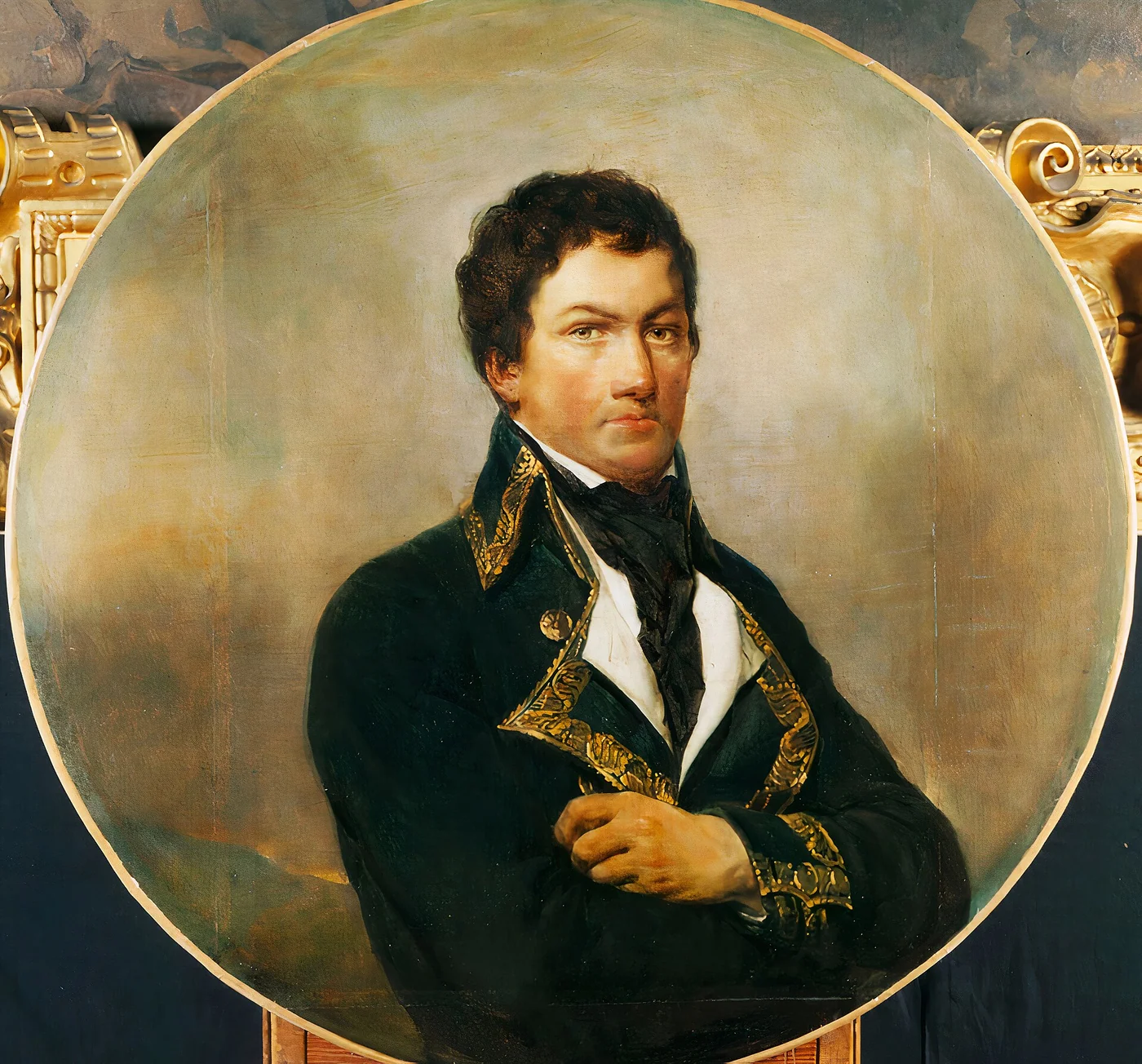
Miranda sought support among British, American and European circles for an independent South America. The independence of the United States and the French revolutionary cycle were not distant news; they were templates and warning labels. He worked the space between enlightenment salons, military adventurers and government offices that might fund an expedition. This network dimension matters: Venezuelan independence was never only local. It was entangled with great-power rivalry and Atlantic ideological conflict. UNESCO describes the surviving archive as evidence of thoseinternational contacts and independence plans.

Ideas and the project of independence
Miranda imagined a continental emancipation project with institutional form — not only battlefield improvisation. Historians debate how practical his constitutional sketches were. What is not debated is his persistence: decades of advocacy before conditions on the ground finally cracked Spanish authority in the 1810s. The archive record documents his constitutions, plans and fundraising as part of thatlong independence project.

Expeditions to the Venezuelan coast
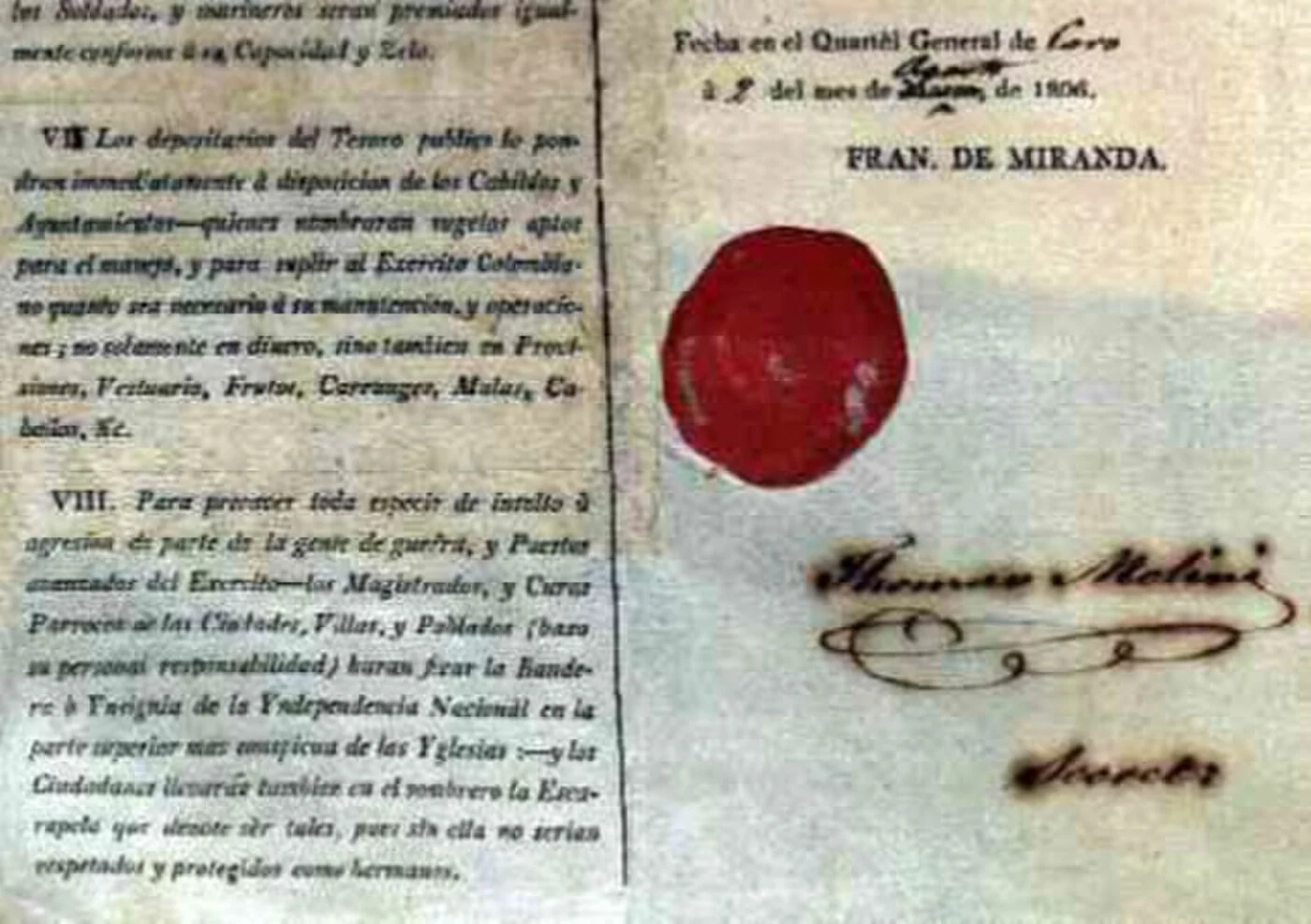
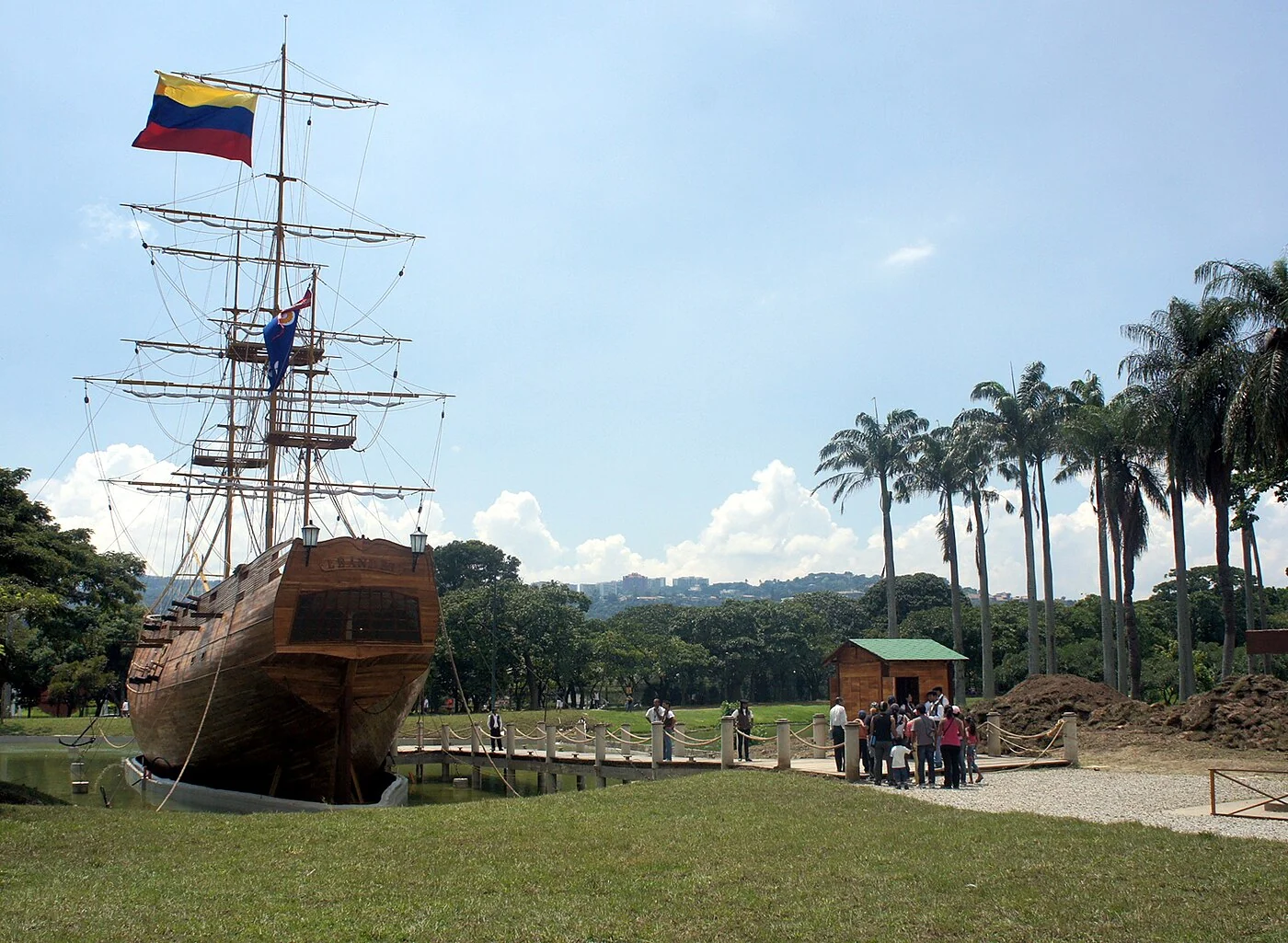
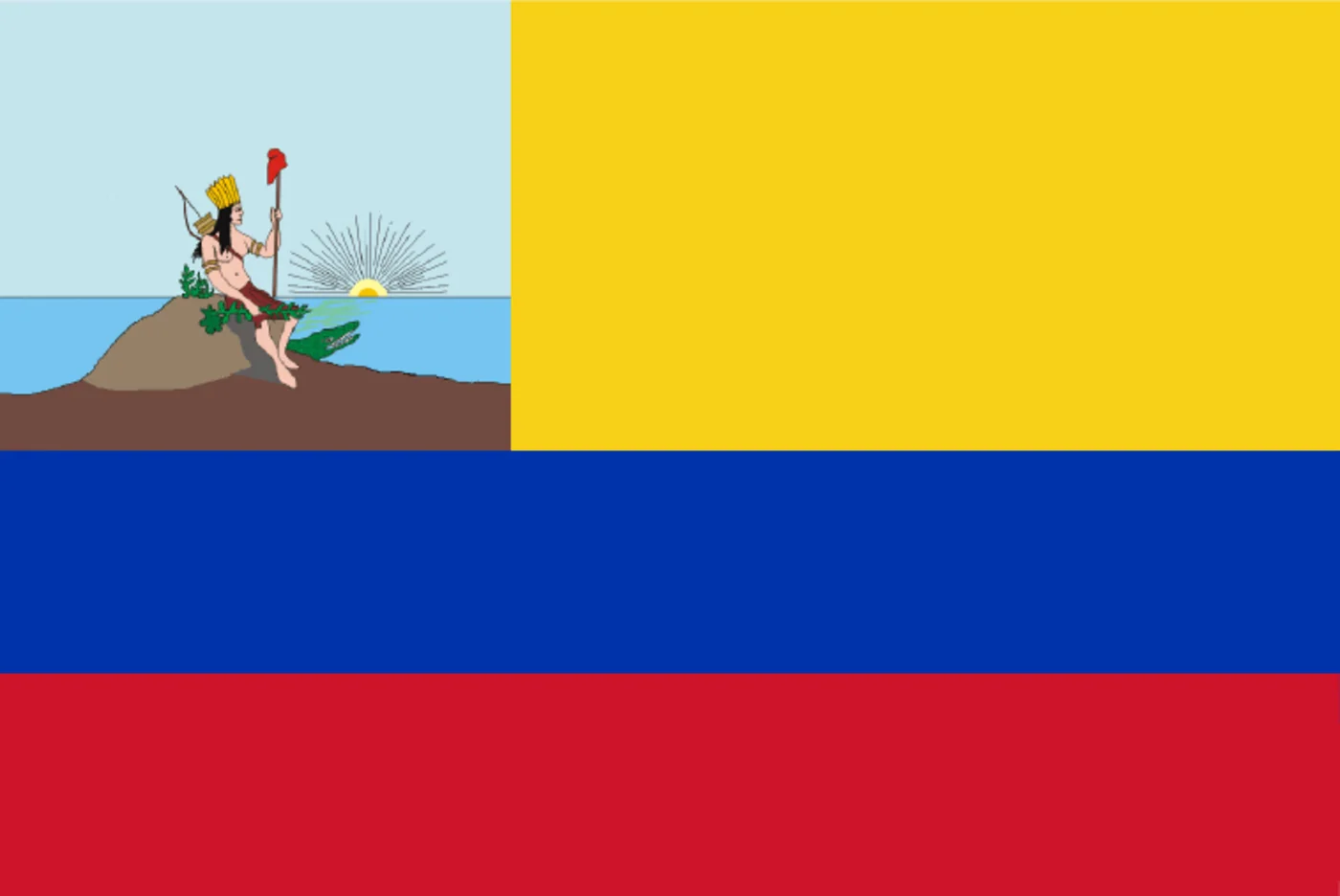
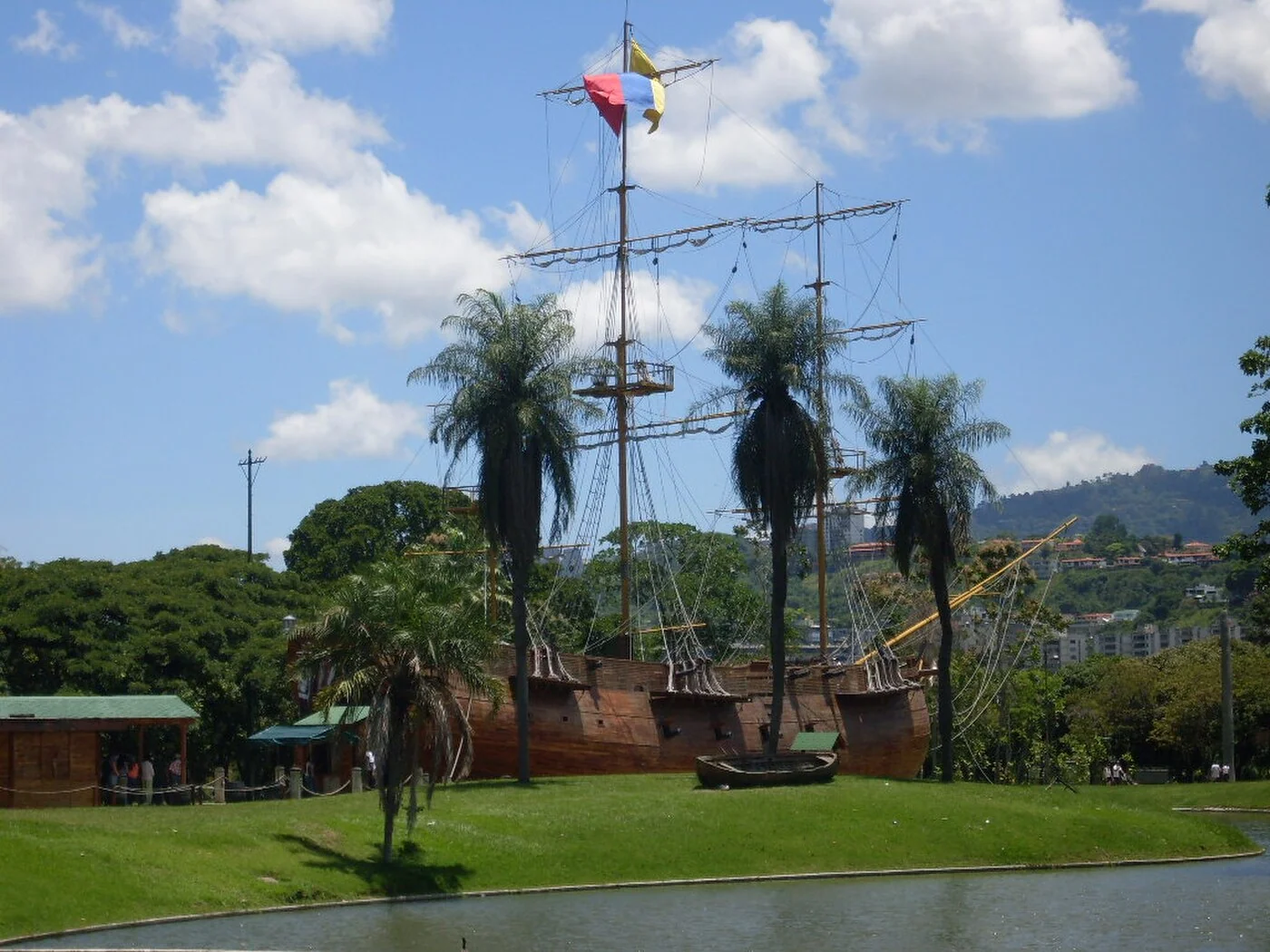
Armed attempts to spark uprising on the Venezuelan coast, including the famous Leander expedition period, showed both courage and the limits of landing without deep inland support. Failure did not end his career; it added to the legend of the persistent conspirator-general. For modern readers, these expeditions are a reminder that independence required logistics and local alliances, not only proclamations printed abroad. A scholarly account of the 1806 expedition is available inPeter P. Hill’s study.

1810–1812 and the First Republic
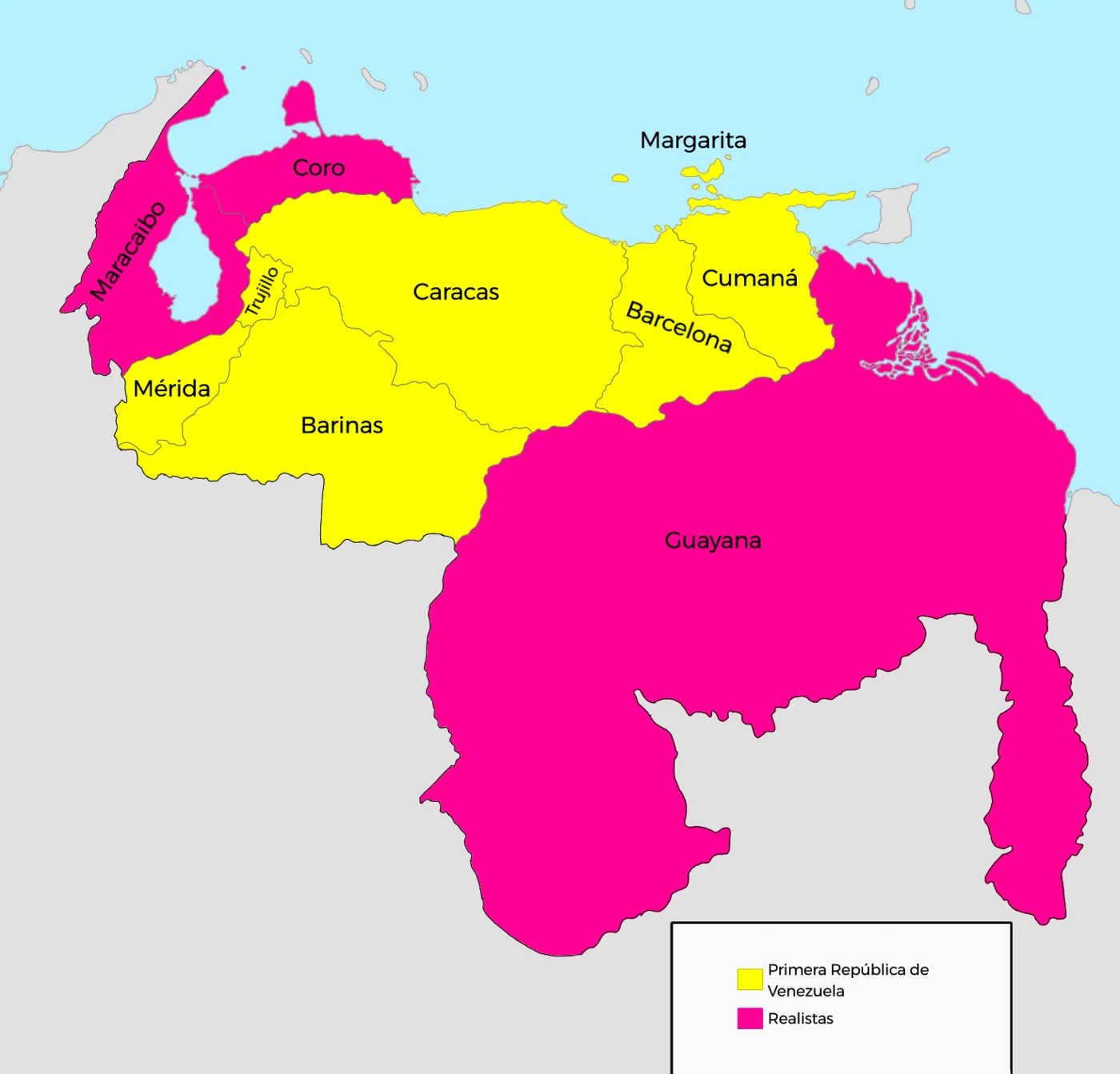
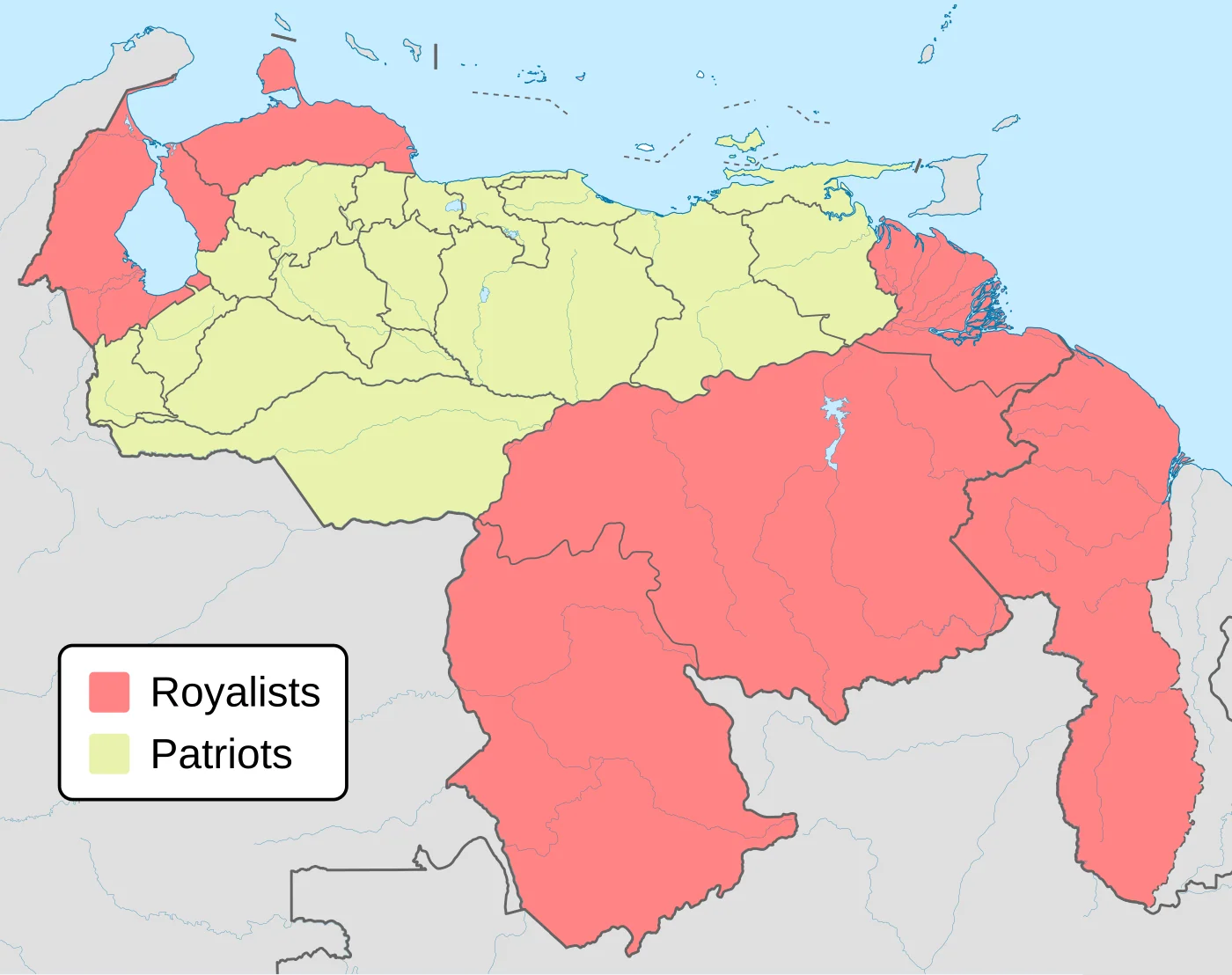
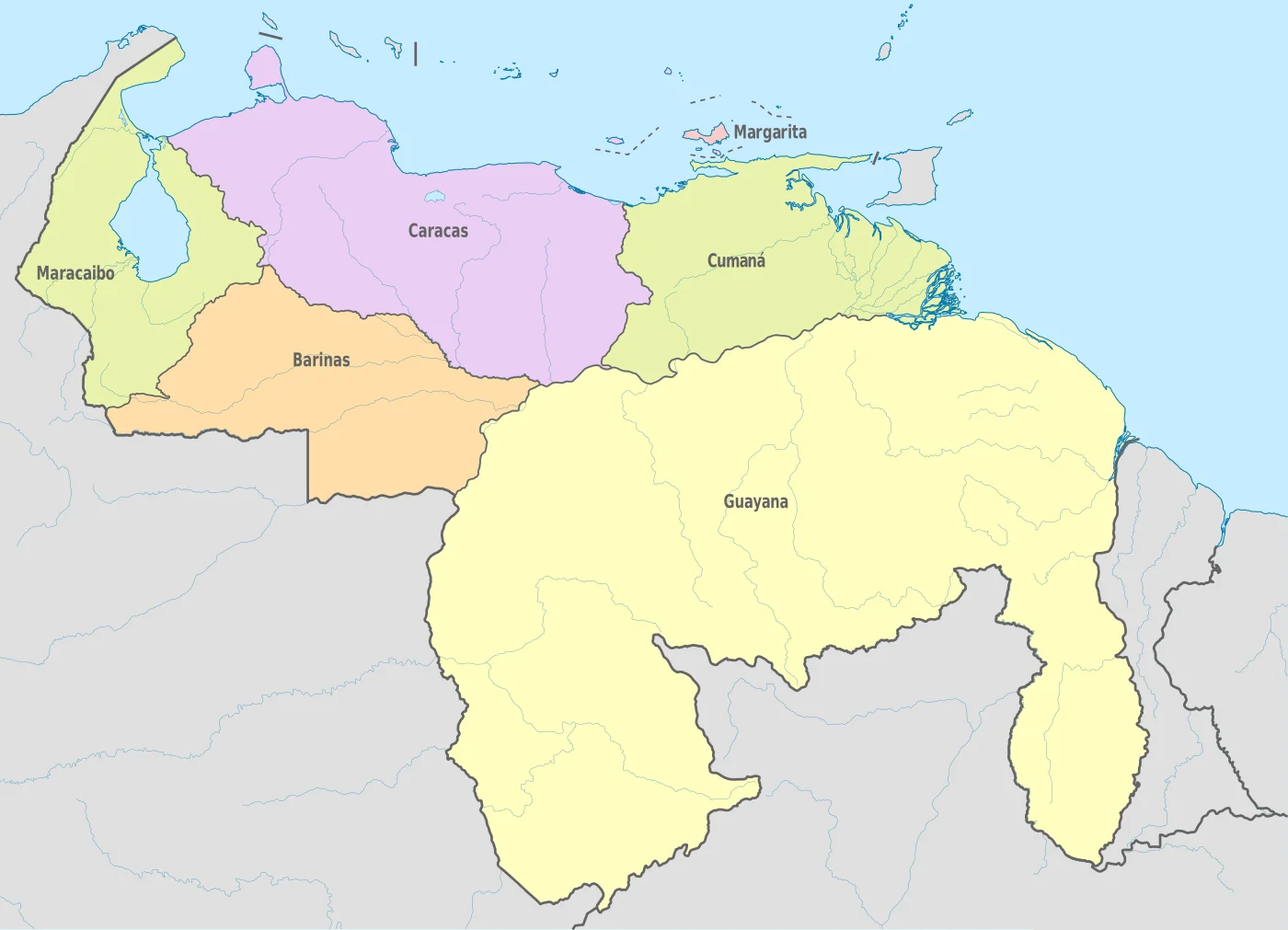
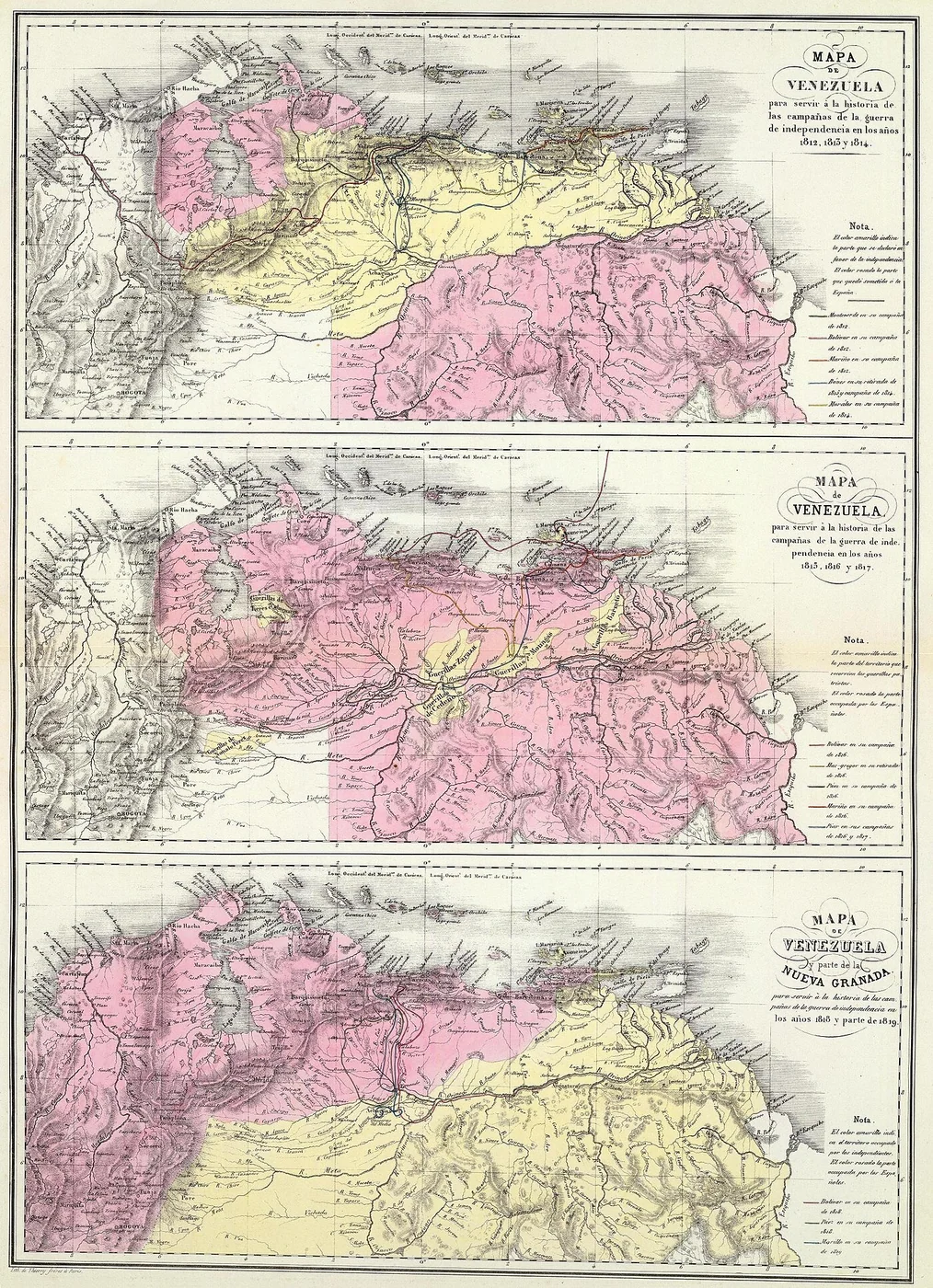
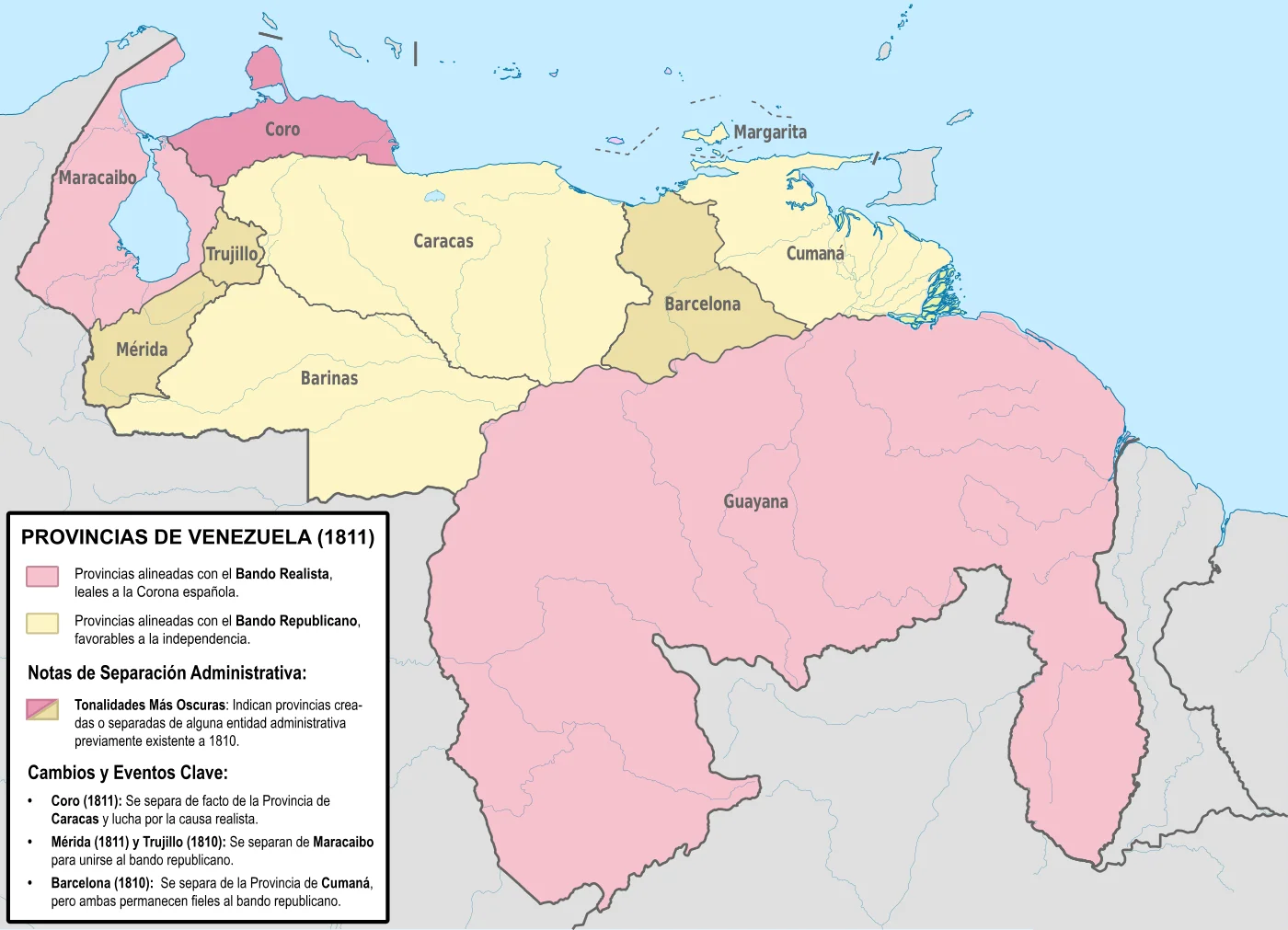
When Caracas moved into open revolution after 1810, Miranda returned to a political-military role in the First Republic’s crisis years. The republic’s collapse, negotiations with royalists and the contested circumstances of his handover remain among the most sensitive episodes in independence memory — because they implicate other patriot figures and the chaos of defeat. School versions simplify. Adult history keeps the bitterness. Foreign readers should know the controversy exists without rushing to courtroom verdicts from secondary tweets. For the basic chronology of the return, declaration and 1812 defeat, compareBritannica’s summary.

Arrest, transfer and death in 1816
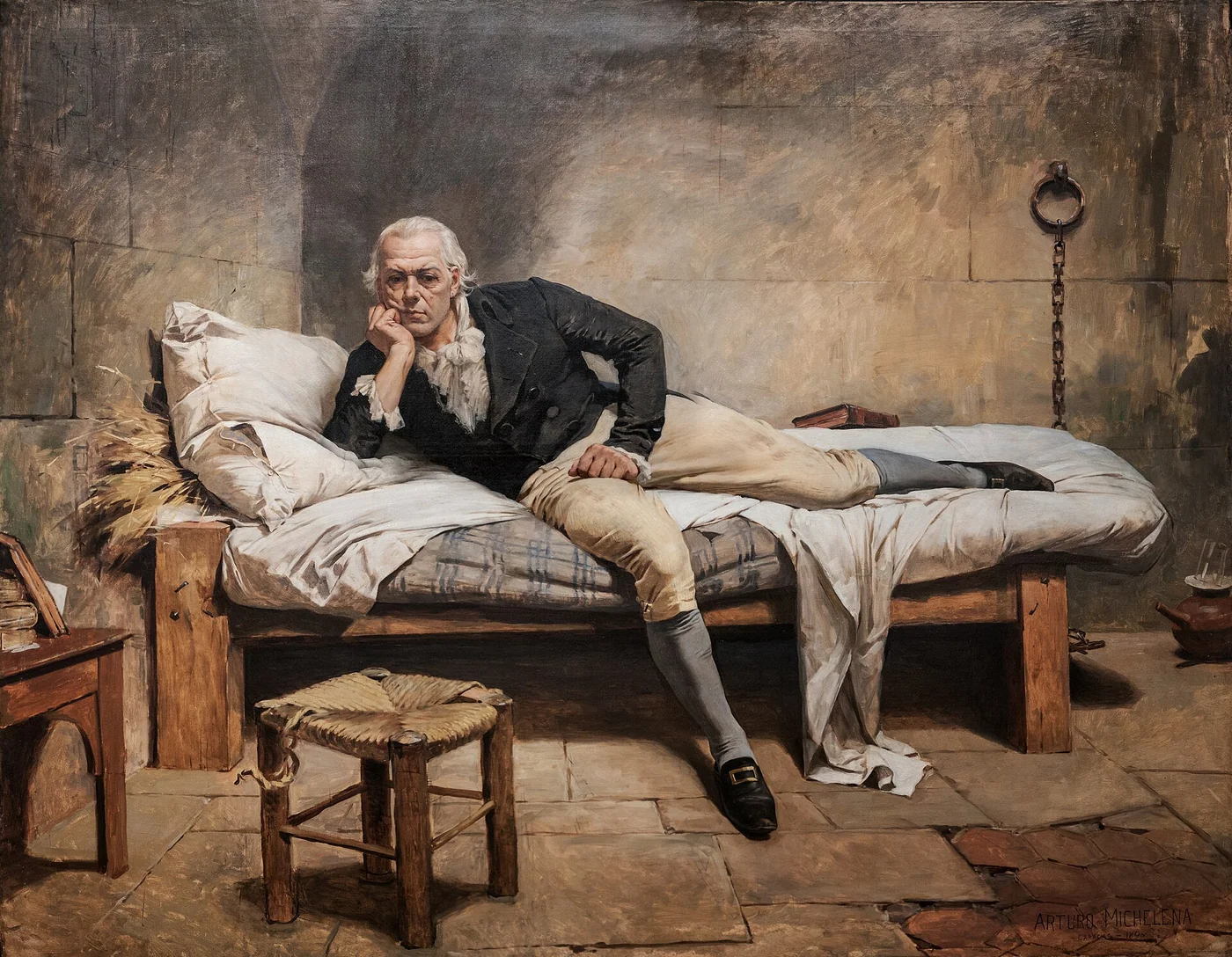
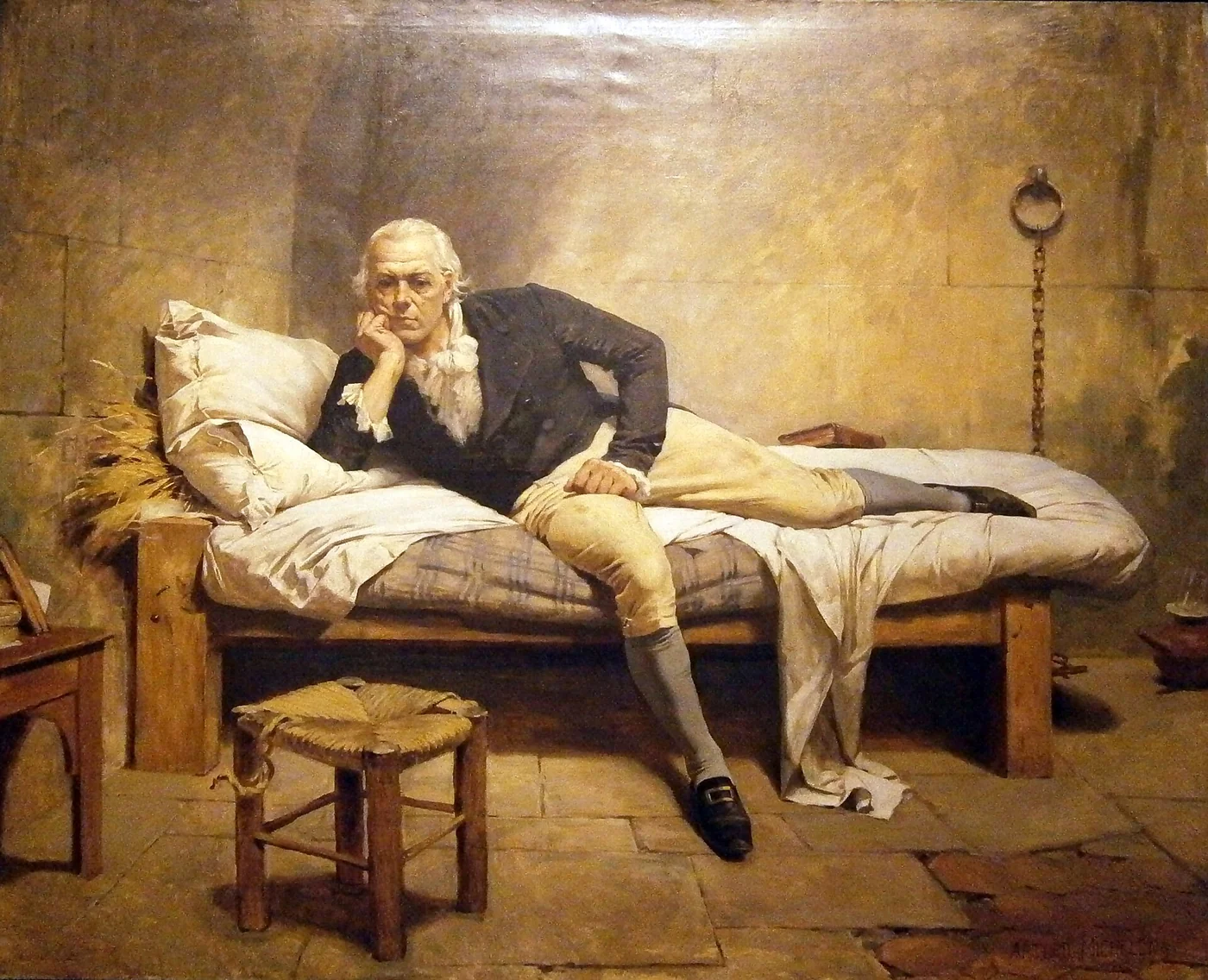
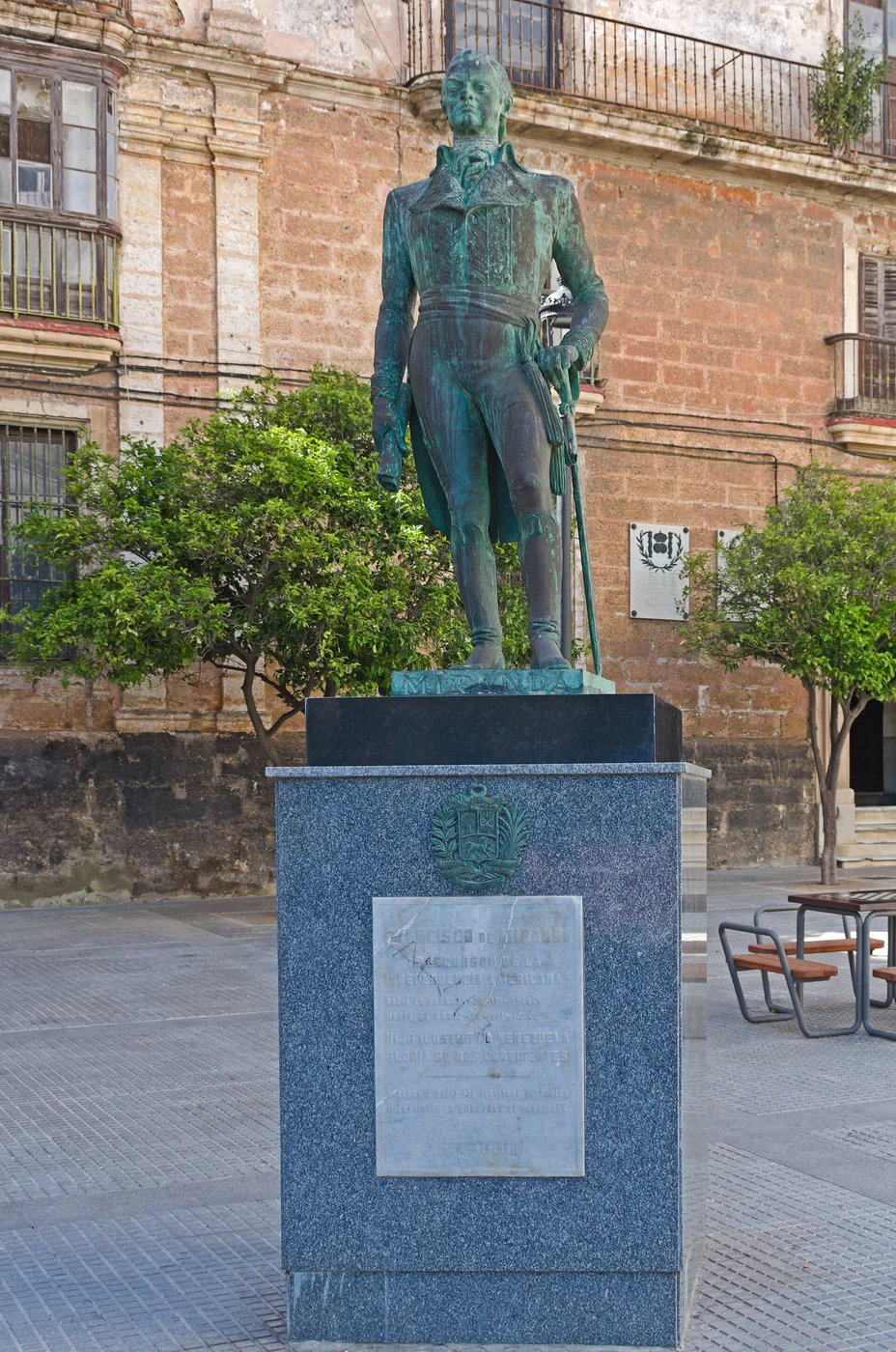
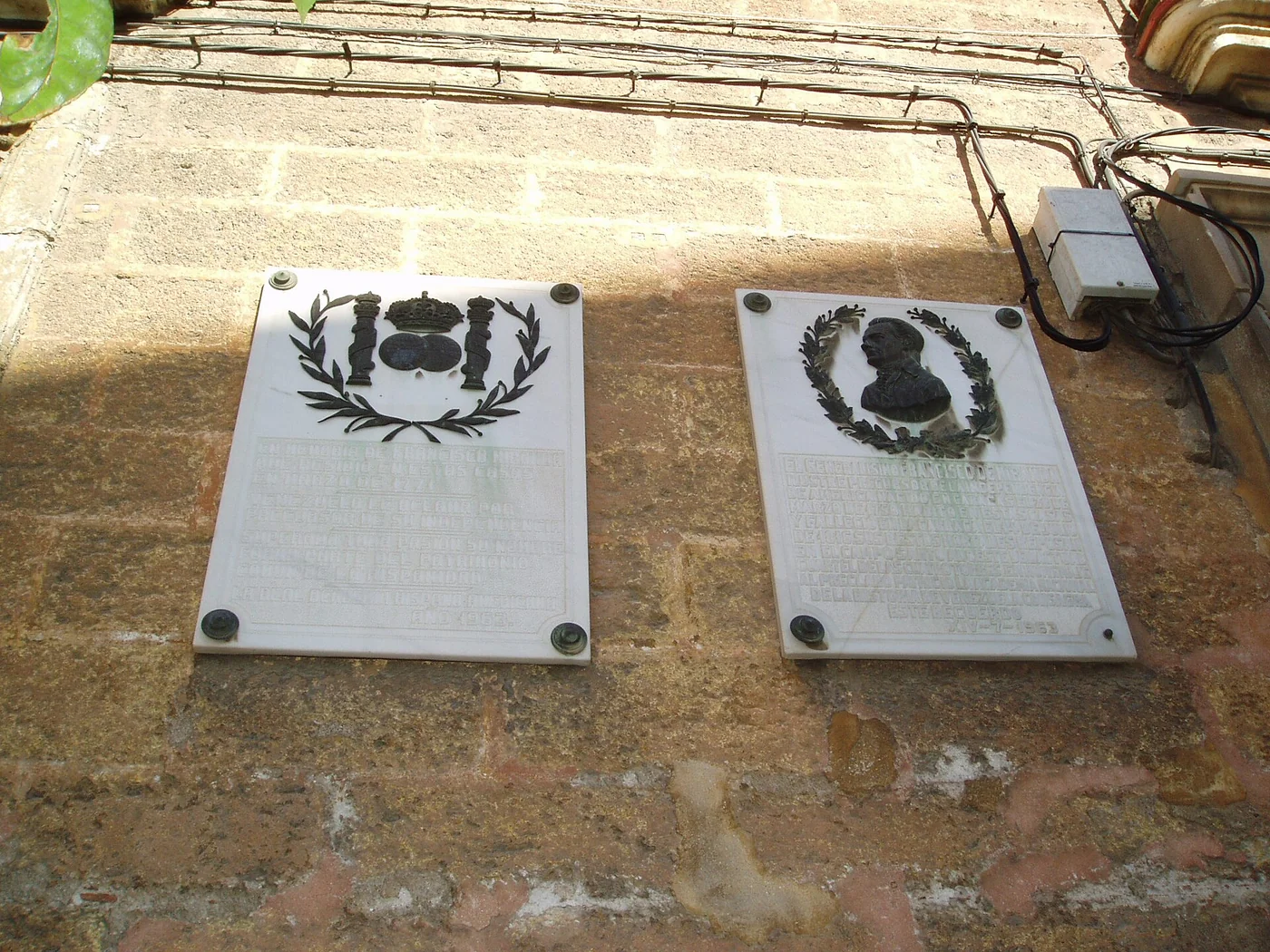
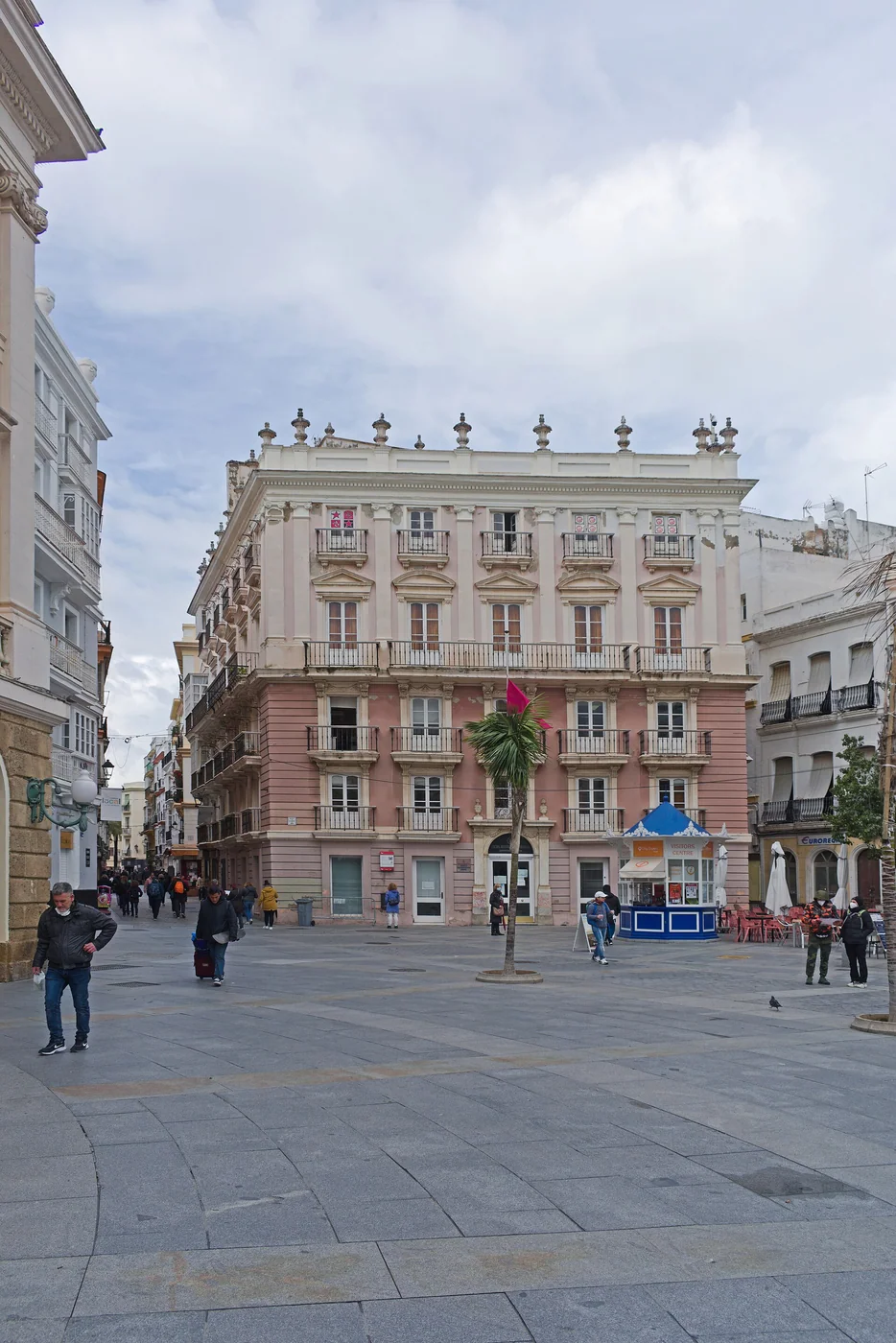
Miranda ended as a prisoner of the Spanish system, transferred across the Atlantic, and died in prison in Cádiz in 1816. The Precursor’s ending is not a triumphal arch; it is a cell. That tragedy is part of why Venezuelan memory honors him: persistence without guaranteed reward. The date and place of death are also recorded inBritannica’s biographical summary.

Miranda vs Bolívar in school memory
Bolívar is the successful Libertador of the later cycle. Miranda is the earlier global conspirator who opened paths and suffered the first-generation cost. Teaching both prevents the single-hero distortion. It also teaches that revolutions consume their authors unevenly.

Symbols and places of memory
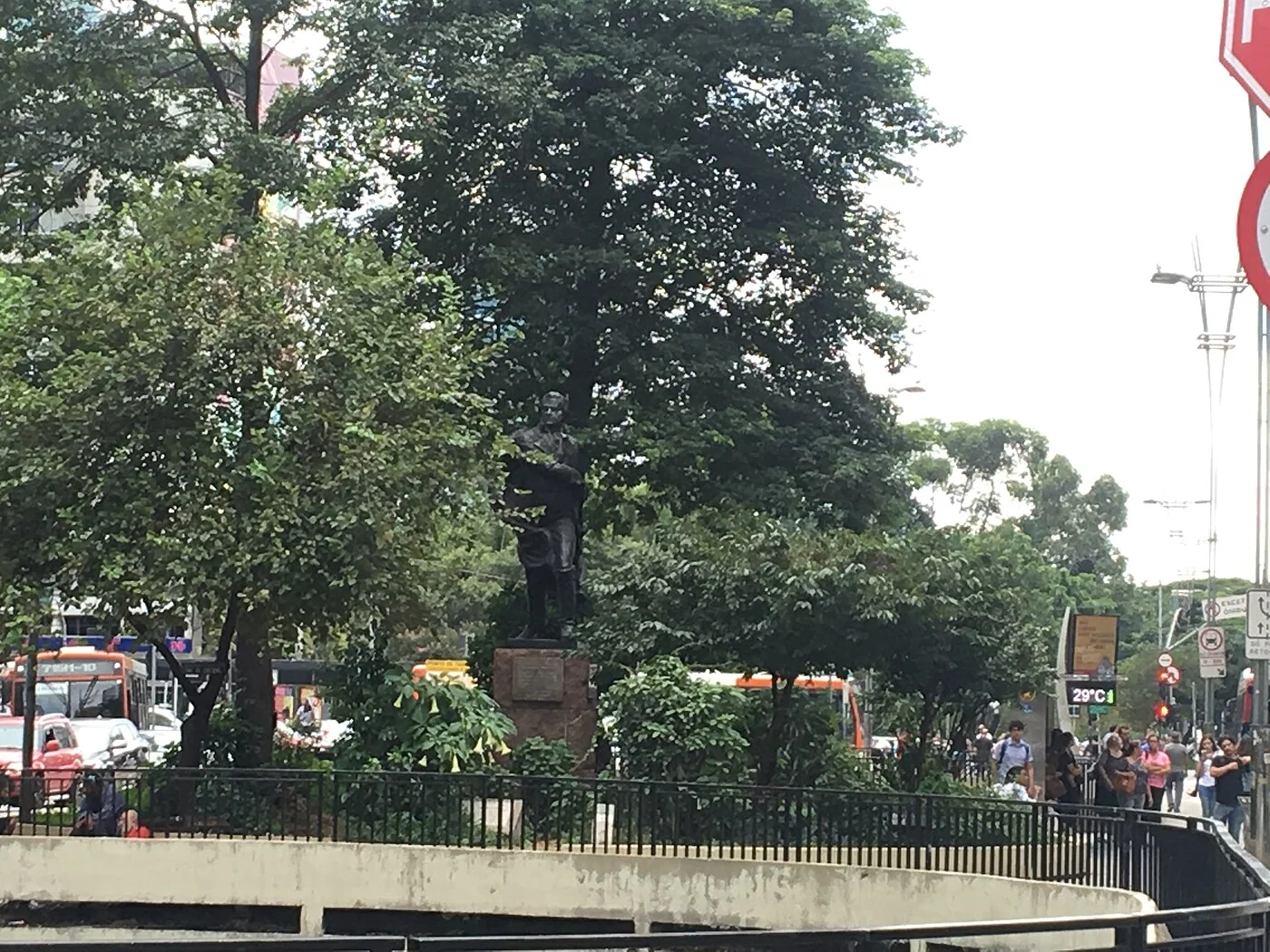
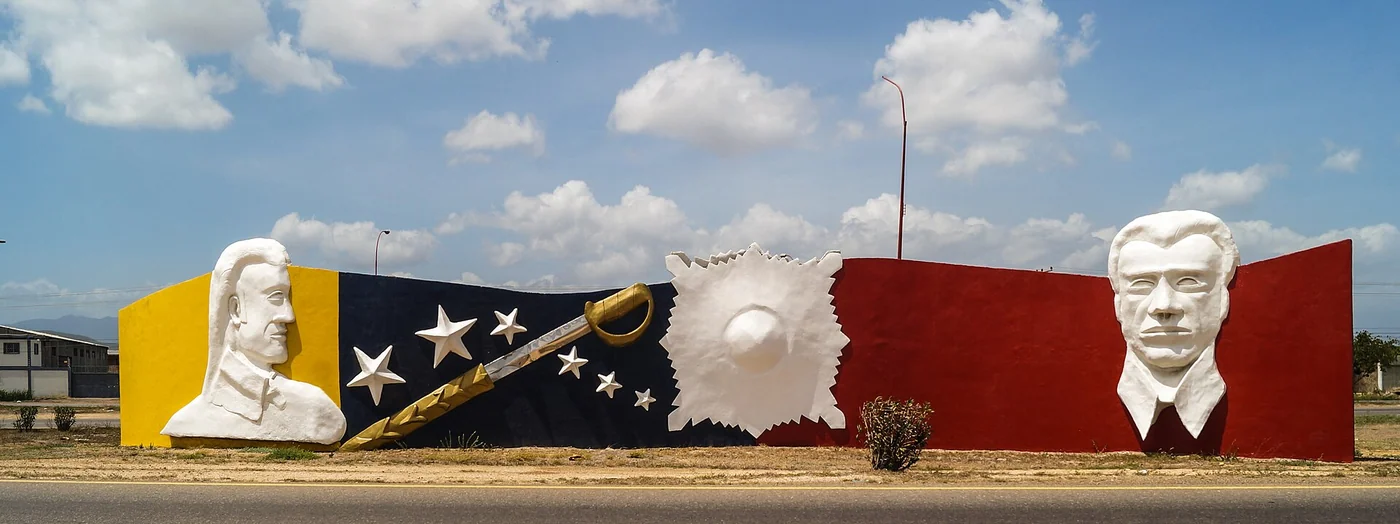
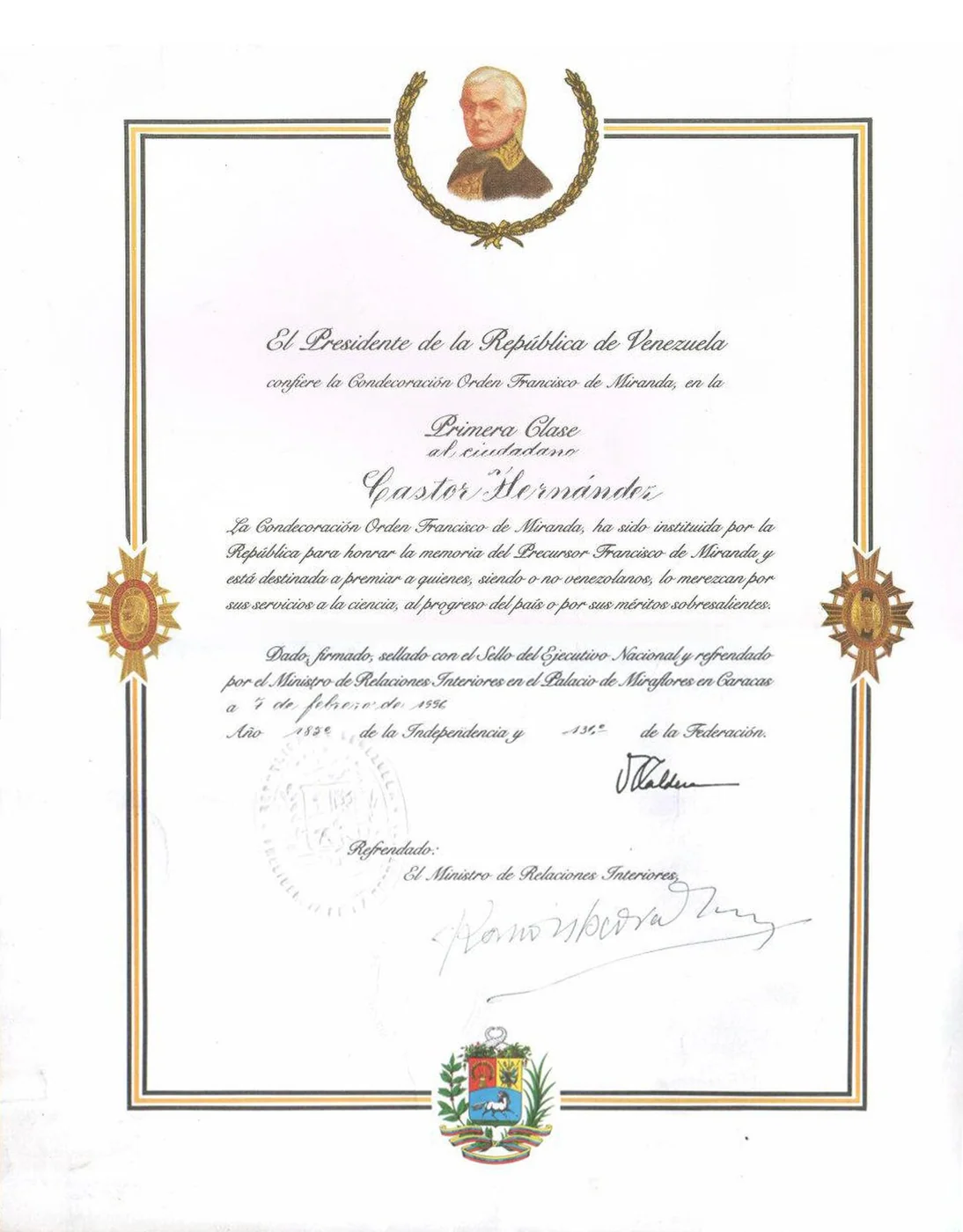
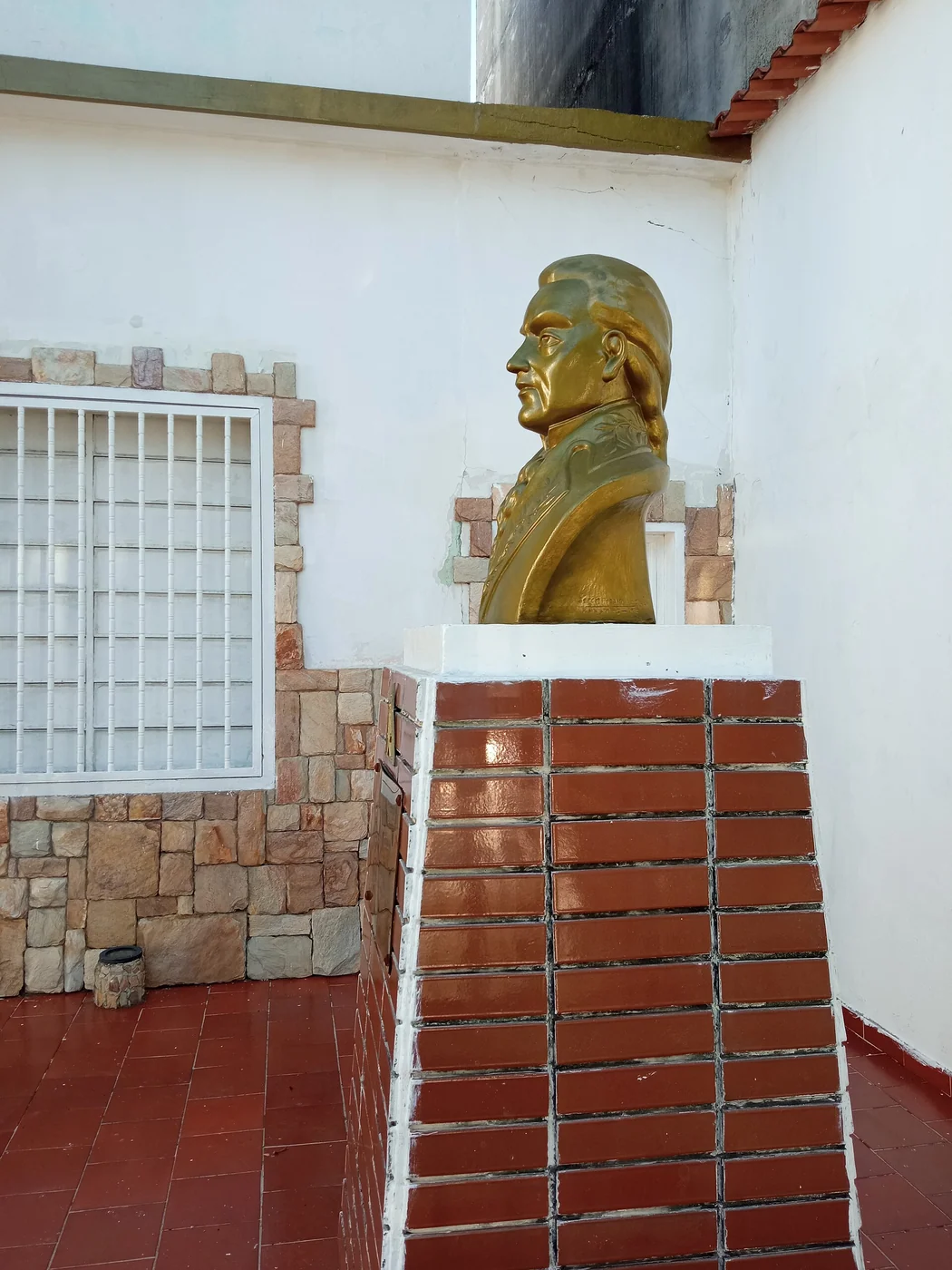
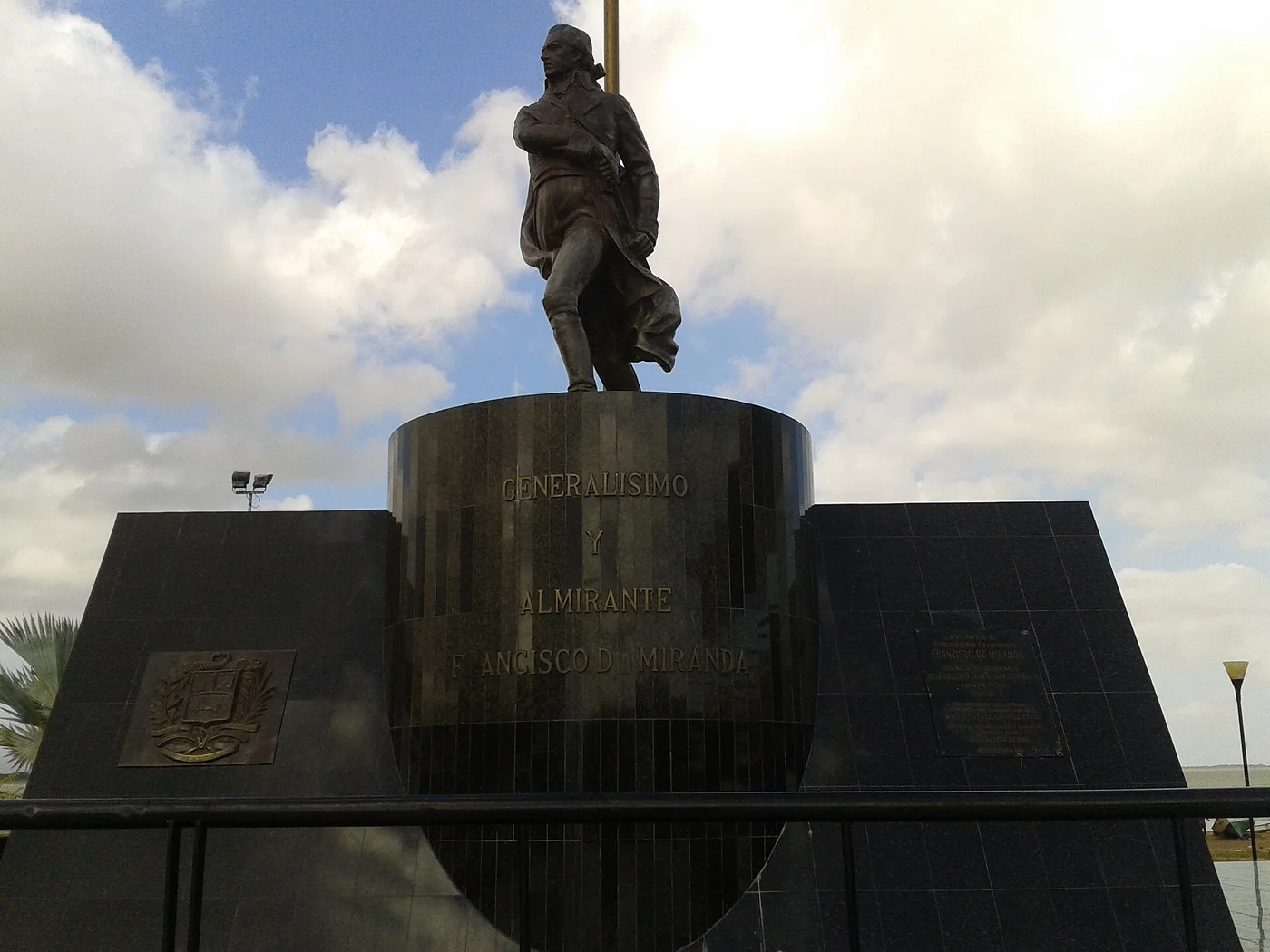
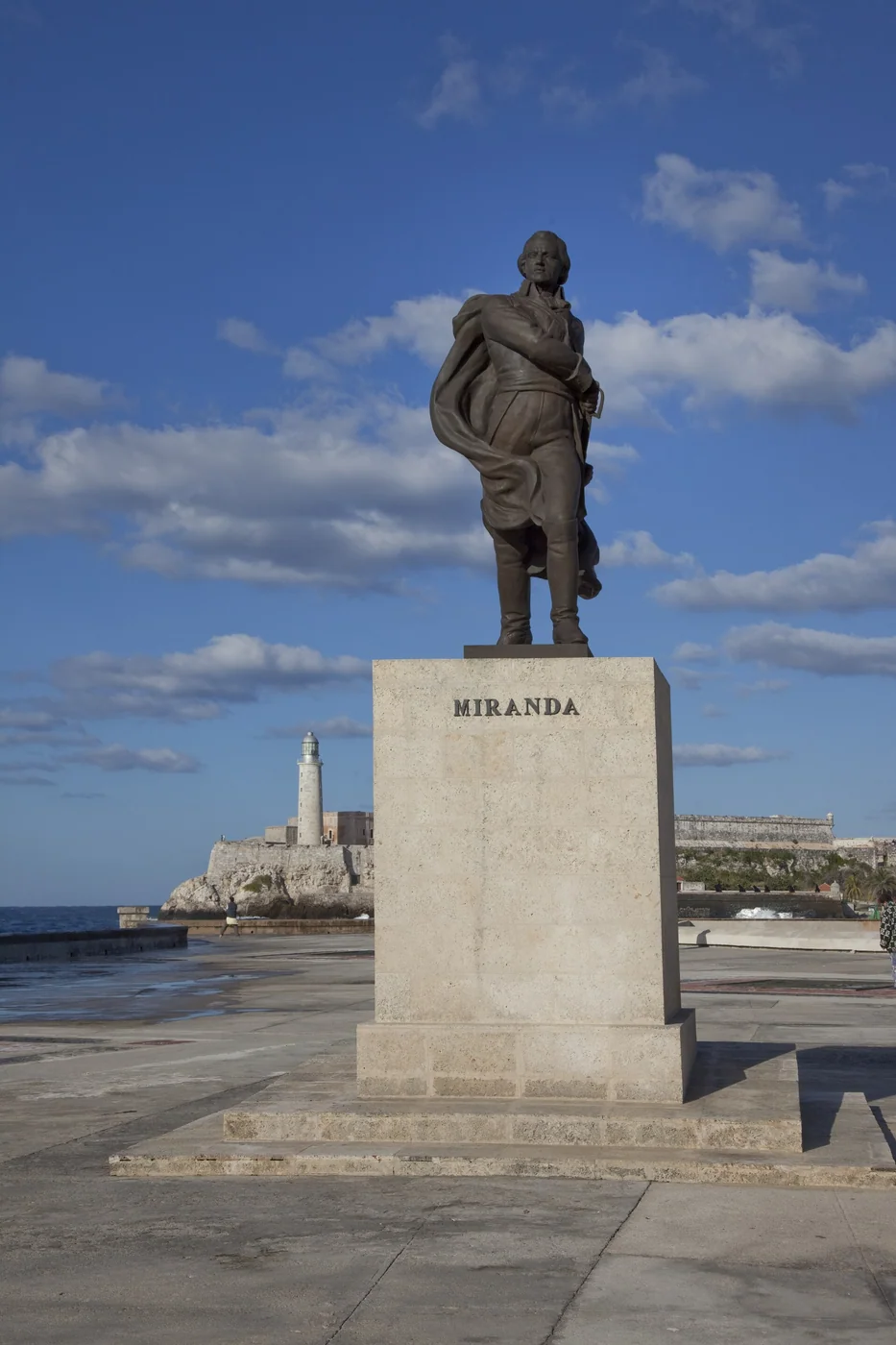
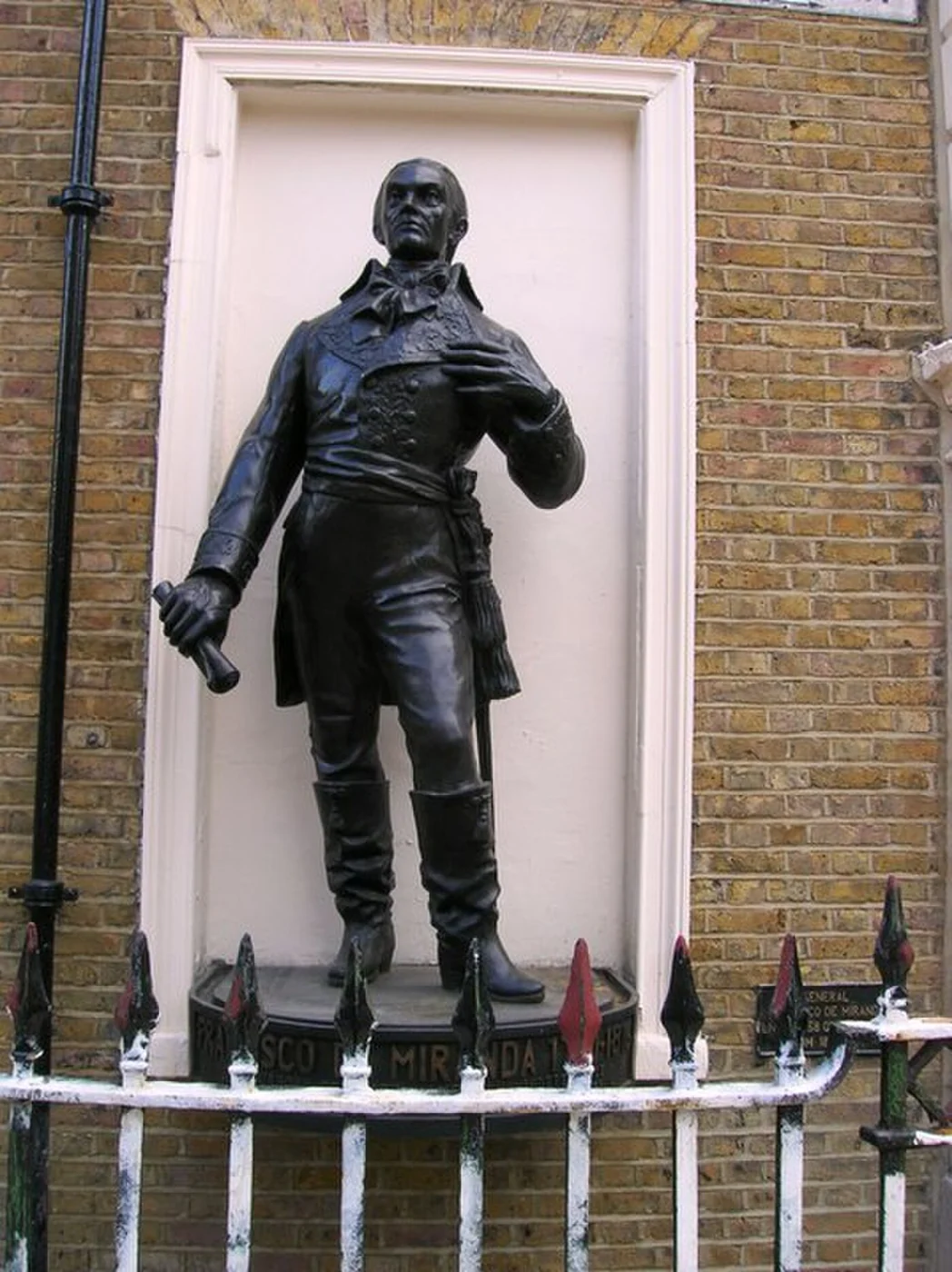
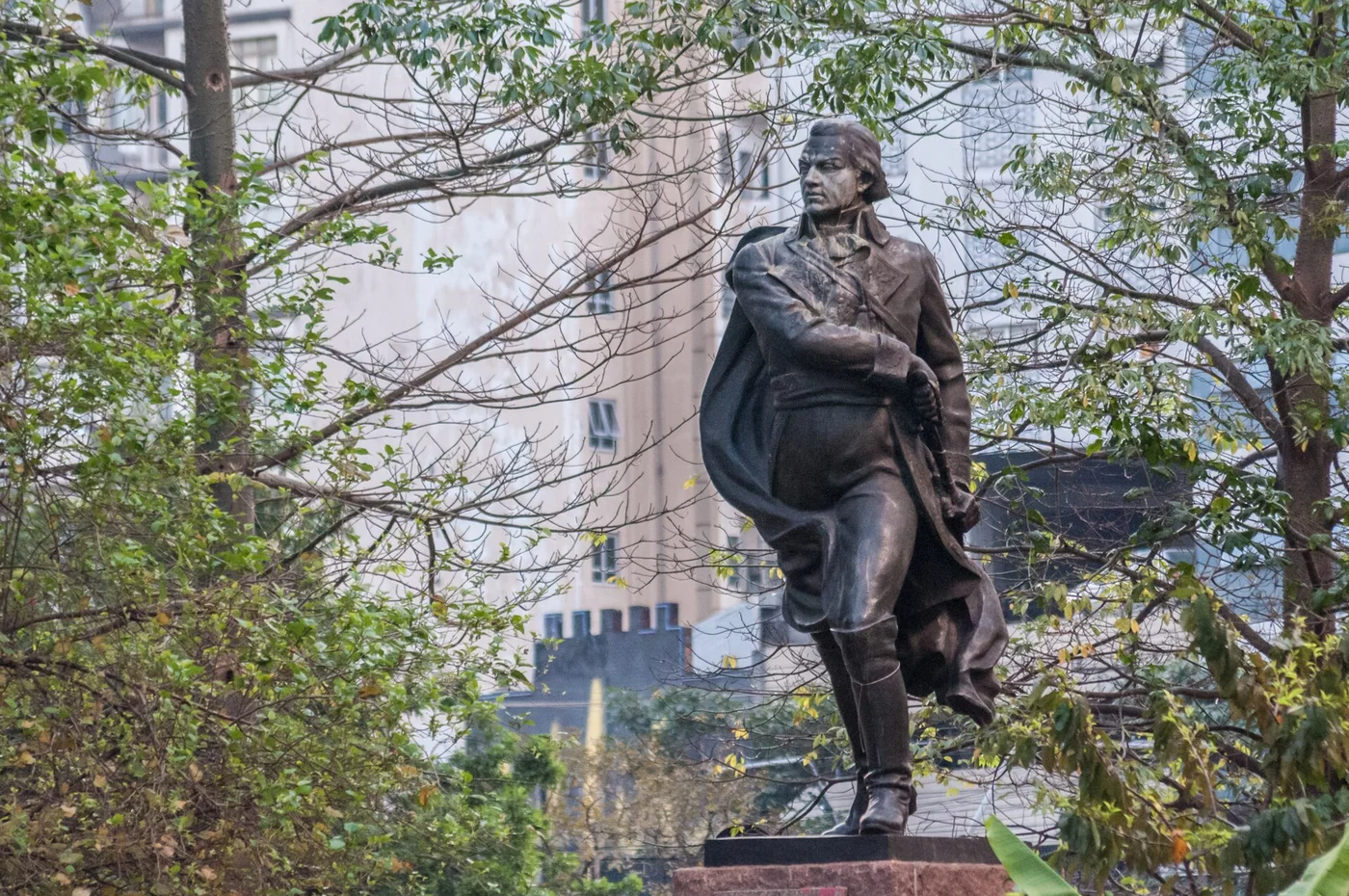
Miranda’s name appears on municipalities, avenues and cultural institutions. In Caracas and elsewhere, commemorations place him in the independence sequence beside Bolívar and Sucre. Visitors should ask guides for Miranda-specific sites rather than assuming only Bolívar monuments exist.

What foreigners should learn
- Independence had a global precursor phase
- Failure and prison are part of the founding story
- Great-power politics shaped local freedom projects
- Respect the title Precursor in conversation
Reading path
- A concise scholarly biography of Miranda
- One chapter on the Leander expedition era
- Context chapter on the First Republic’s fall
- Parallel reading of our Bolívar and Sucre guides
Cultural literacy here supports better conversation with Venezuelan partners who learned these names from childhood. It does not replace legal due diligence on modern deals. For documentary follow-up, start with theUNESCO archive description.

Miranda’s library and the life of ideas
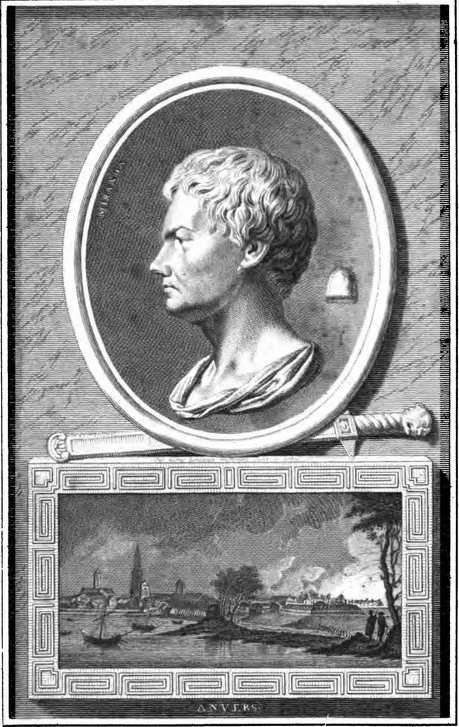
Miranda collected books and lived among debates about constitutions, rights and empire. The independence project was intellectual as well as military. When Venezuelan education calls him Precursor, it also gestures at that long preparation of ideas before mass warfare made republics possible. Foreign readers from countries with their own founding intellectuals (Jefferson, etc.) can use that analogy carefully: different societies, different constraints, similar pattern of ideas-plus-arms.

Why the First Republic trauma matters
The collapse of the First Republic and Miranda’s fate left a scar on patriot memory. Accusations of betrayal, necessity and chaos still surface in historical arguments. The practical lesson for modern readers is that revolutionary coalitions fracture under military pressure — a pattern repeated in many countries’ founding eras.

Miranda in the Atlantic age
Compare Miranda to other Atlantic world figures who moved between empires seeking leverage for home causes. He is Venezuela’s entry into that wider revolutionary geography. Teaching him only as a local failed general understates the global stage he played on.

Gender and the missing voices
As with Bolívar studies, fuller histories recover women’s economic and political participation around Miranda’s circles and early juntas. Ask museums about that research agenda rather than accepting only male officer lists.

Travel note
When in Caracas, ask for Miranda commemorative sites in addition to Bolívar circuits. In coastal states tied to expedition history, local museums sometimes hold specialized exhibits. Always check opening hours and security.

Competence checklist
- I can define Precursor
- I know Miranda died in prison in 1816
- I understand independence had a global lobbying phase
- I do not treat Miranda as a minor footnote to Bolívar
Detailed timeline
- 1750 — Born in Caracas
- 1770s–1790s — Military and Atlantic-world career building
- 1806 — Coastal expedition era associated with the Leander
- 1810 — Return amid revolutionary opening in Caracas
- 1812 — First Republic crisis and Miranda’s fall
- 1816 — Death in prison in Cádiz
Miranda’s image in culture
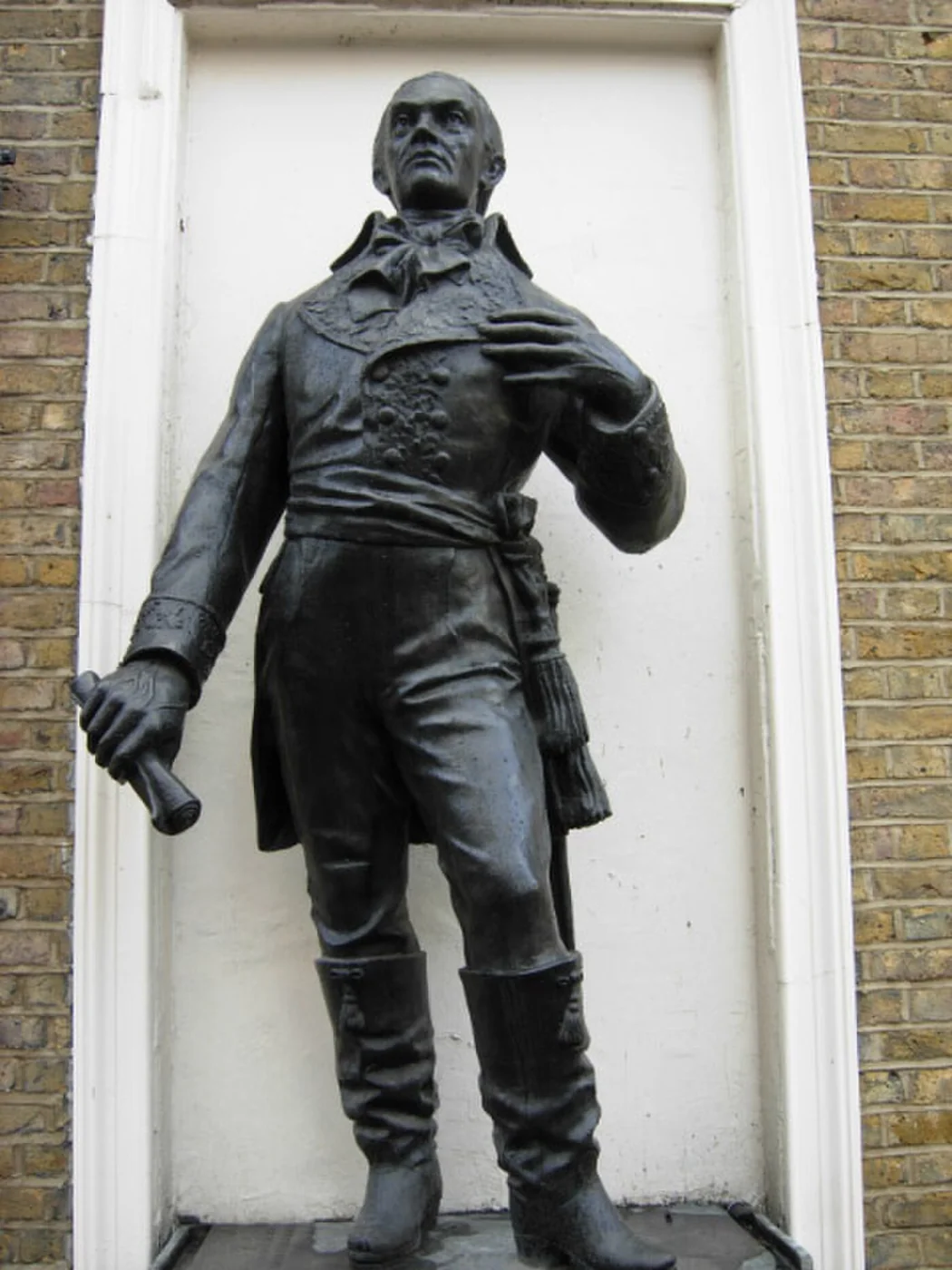
Paintings, place names and school plays keep him visible. Because his ending is tragic, the tone of Miranda memory differs from Bolívar’s triumphant civic use. Both tones are part of a complete national emotional repertoire.
For researchers and serious readers
Primary correspondence and expedition papers exist in published collections and archives. Secondary biographies disagree on emphasis — military vs intellectual vs political. Cite historians, not viral threads, if you write publicly. The most direct starting point is theColombeia archive record.

Link forward
After Miranda, read Bolívar for the successful military-political consolidation and Sucre for the southern endgame. The three articles are designed as a set.

British and U.S. dimensions
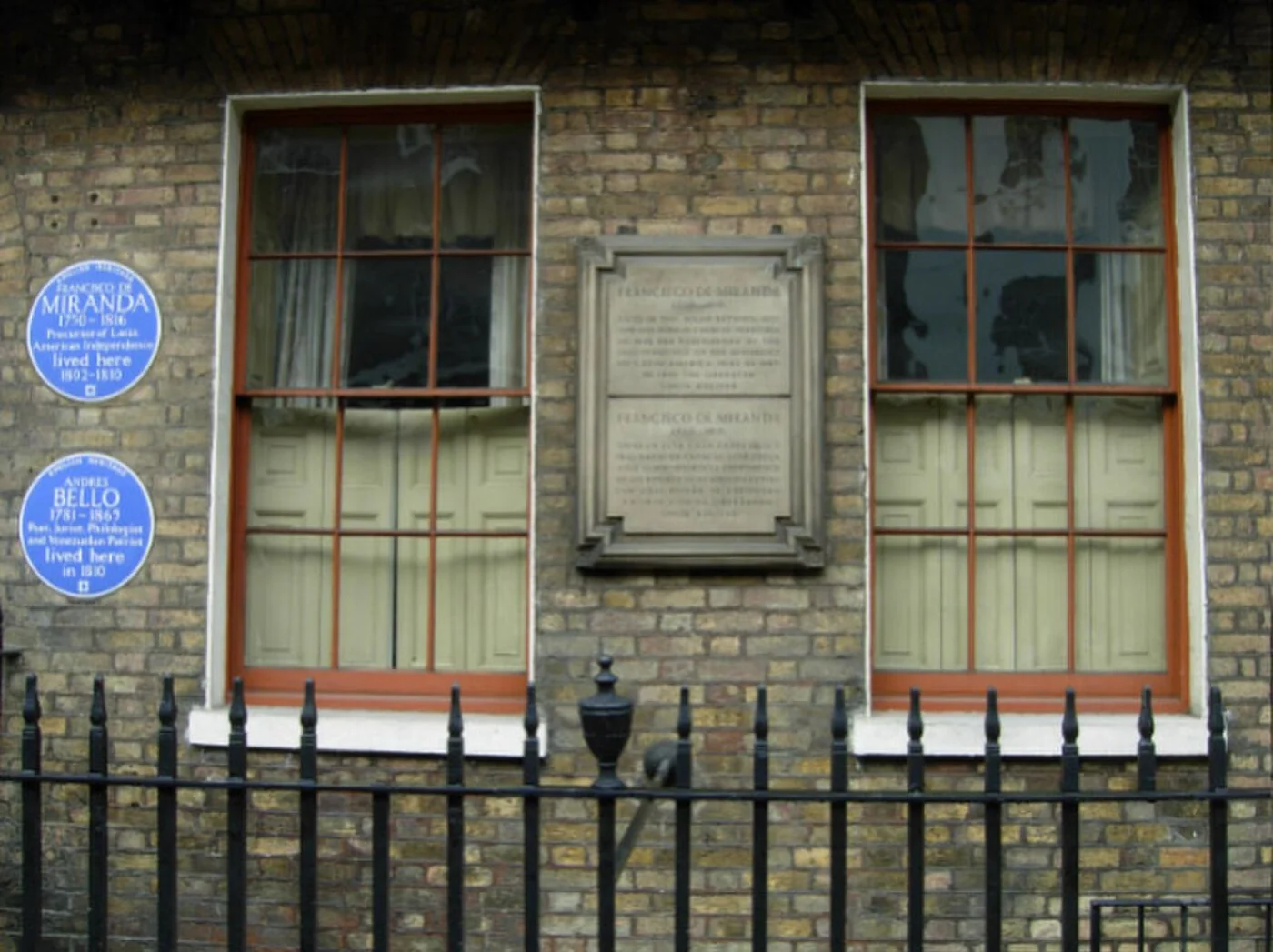
Miranda’s lobbying in English-speaking countries is a case study in how small colonial-born elites sought external sponsors. Support was always partial, conditional and entangled with British imperial interests. The pattern — seek recognition, seek money, seek ships — repeats in many independence movements. Understanding that dimension protects readers from purely romantic accounts of self-reliance and from purely cynical accounts that deny local agency. Karen Racine’s biography is discussed in thistransatlantic-life review.

Legacy sentence
Miranda made independence thinkable as a sustained international project for Venezuela before the mass armies of the 1810s–1820s made it achievable. That is the meaning of Precursor.

Personality and myth
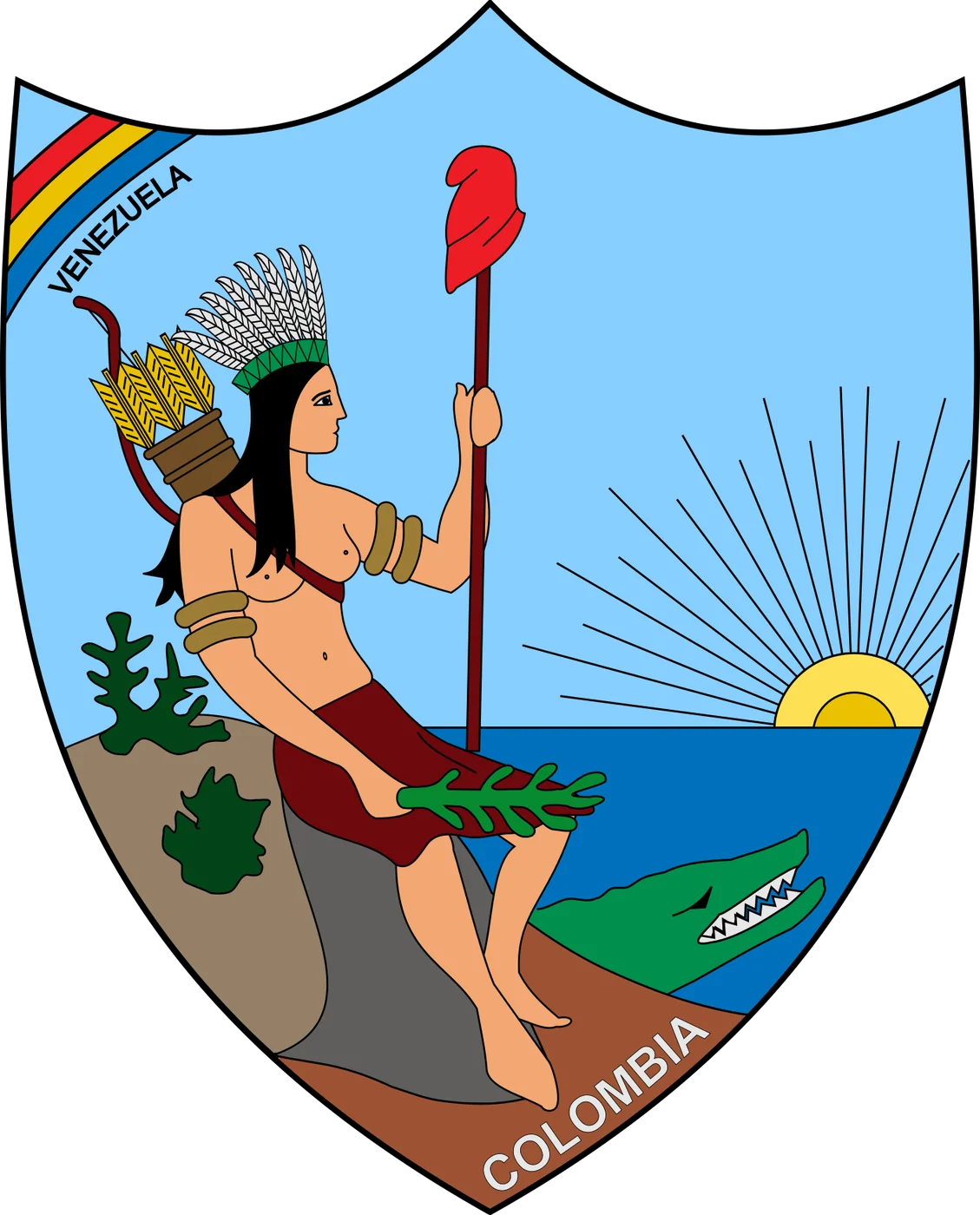
Contemporaries described Miranda as cultured, ambitious and relentless. Mythmaking after death smoothed edges. Quality history keeps ambition and idealism in the same portrait. Foreign readers should resist both hagiography and cheap debunking.

The Leander expedition in more detail
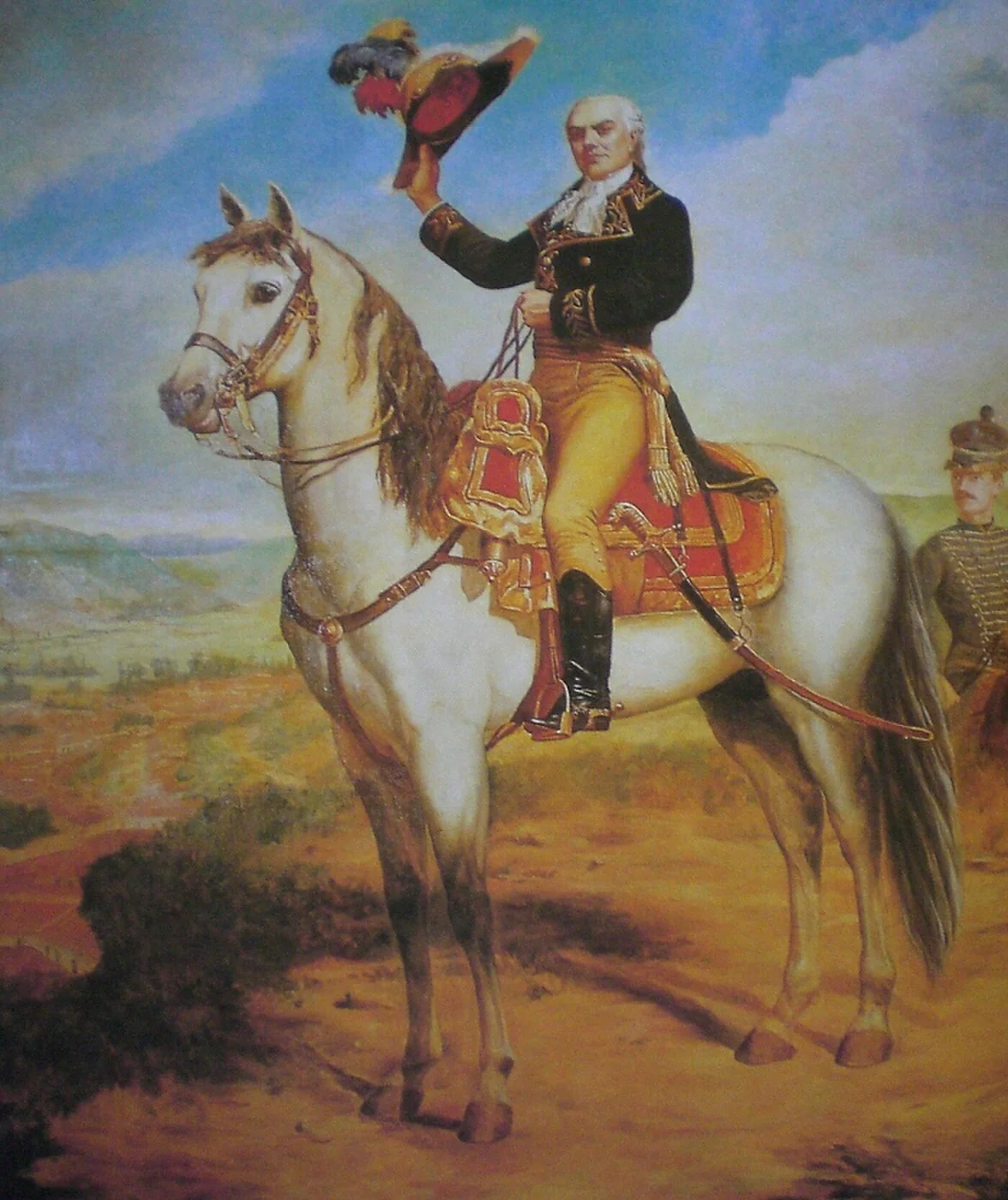
Landing forces without deep inland coordination faced structural limits. Coastal proclamations could not substitute for provincial coalitions. The operational lesson — politics and logistics before glory — is why the expedition is taught as both brave and insufficient. Later patriot successes learned, often painfully, the same lesson across multiple campaigns.

Prison as national story
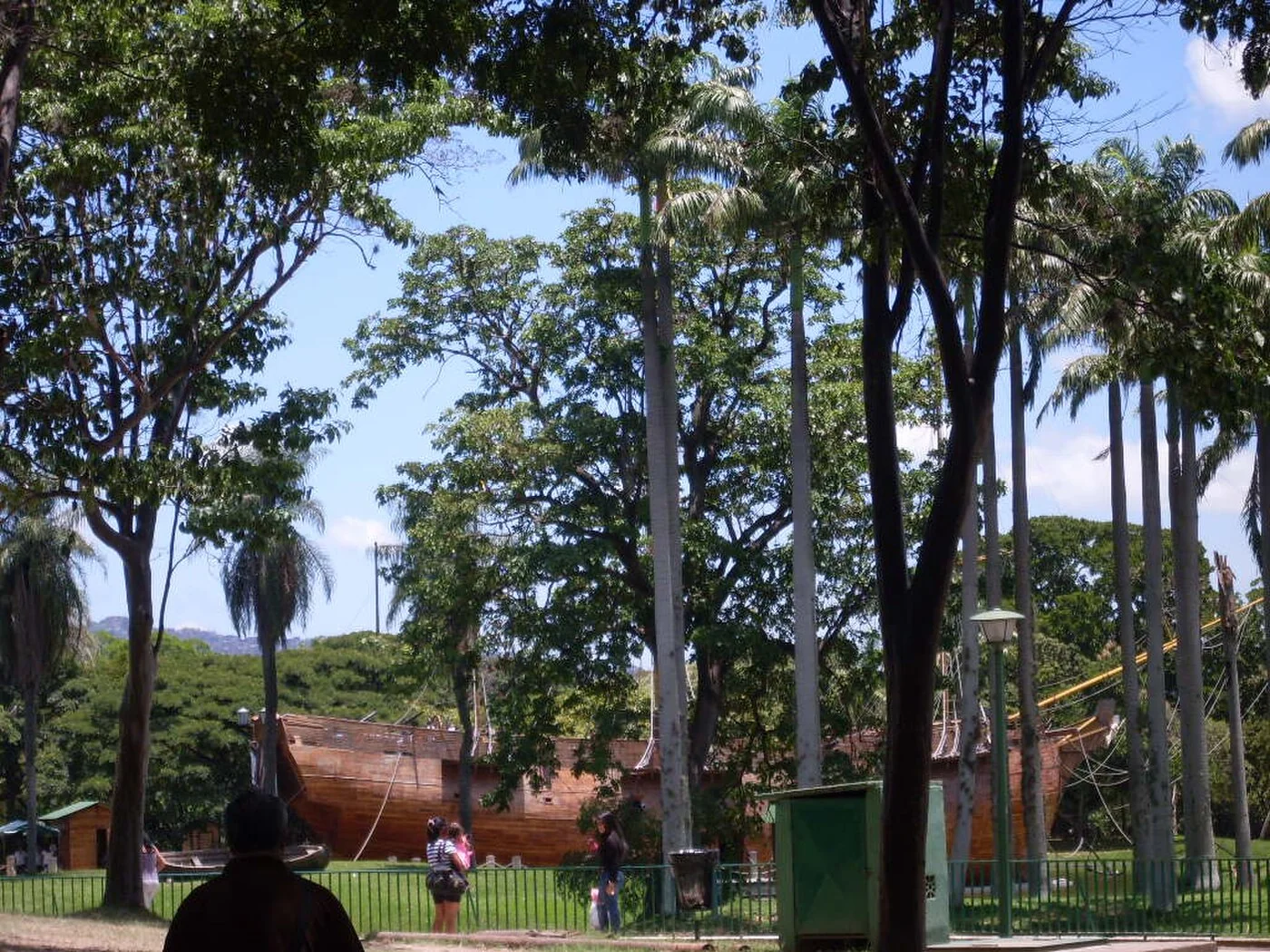
Death in Cádiz seals Miranda’s narrative arc. Venezuelan memory treats the prison as proof of commitment. When you stand before a Miranda monument, you are looking at persistence under failure, not at easy victory. The biographical arc is discussed in thetransatlantic-life review.

Curriculum placement
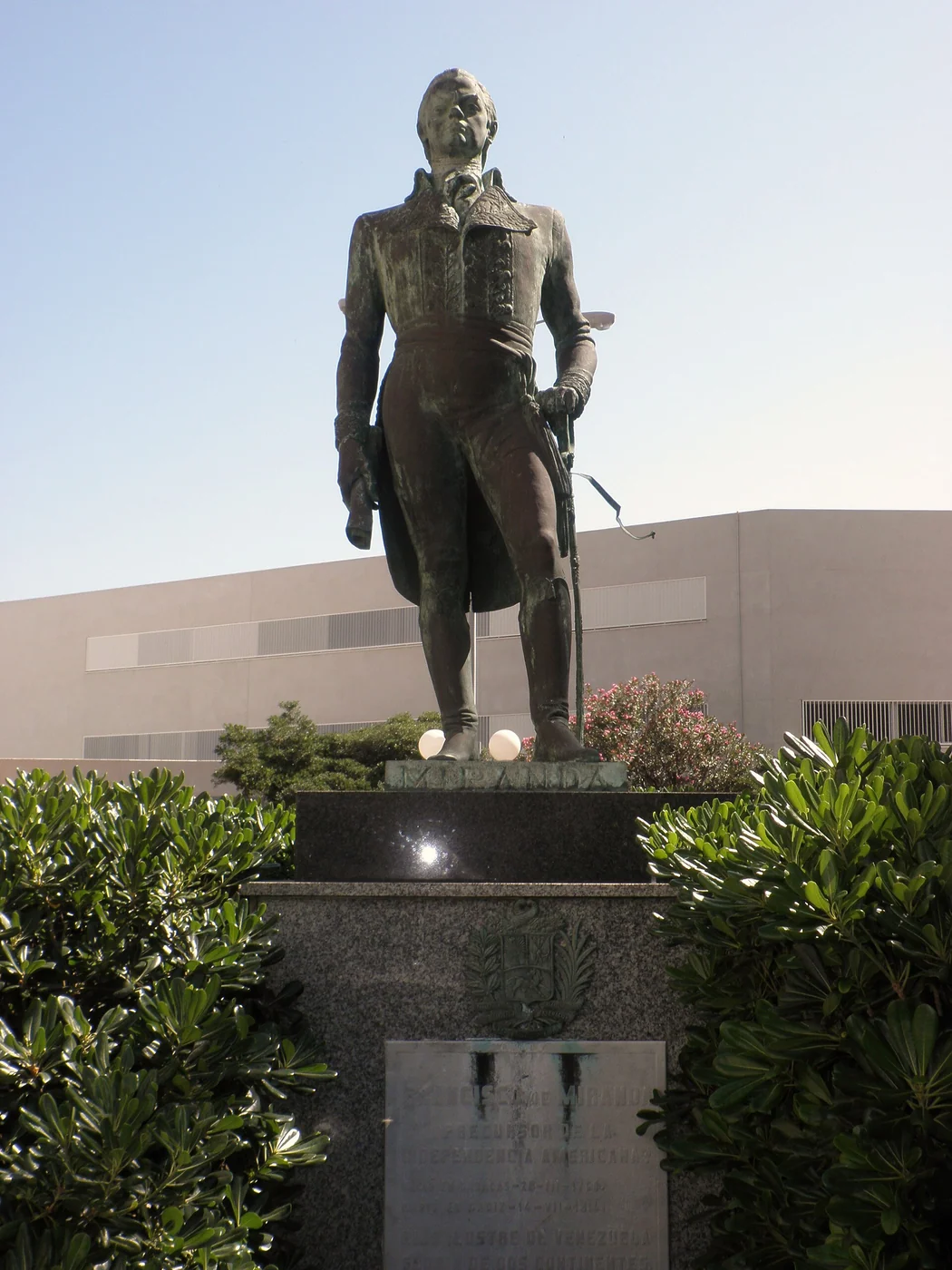
Teachers introduce Miranda before or beside Bolívar to sequence the independence drama. If you volunteer in education or sponsor school materials, keep that sequence: Precursor, then Libertador, then southern marshal Sucre.

Practical conversation openers
- “I’ve been reading about Miranda as the Precursor — what do schools emphasize today?”
- “How do people here talk about the First Republic?”
- “Are there good museum exhibits on Miranda in Caracas right now?”
Independence as a multi-decade project
Modern audiences expect short political campaigns. Miranda’s life teaches the opposite: decades of preparation, failed landings, lobbying, and only then a revolutionary opening that still ended in personal catastrophe. Strategic patience and strategic tragedy coexist in his biography. For entrepreneurs and investors used to quarterly cycles, the historical lesson is humility about timelines in Venezuela — institutional and political change has always been slower and costlier than pamphlets promise.

Comparing founding myths
Every republic polishes founding myths. The healthy civic approach is to teach the myth, then teach the archive. Miranda’s prison death resists pure polish; it forces a more adult story. That is a feature of Venezuelan memory, not a bug.

Final orientation paragraph
If you remember only three facts: Miranda is the Precursor; he linked Venezuela’s cause to Atlantic revolutions; he died a prisoner in 1816. With those anchors you can follow any museum label or school reference without confusion. Then deepen with biographies when your work requires it.

One page summary for busy readers
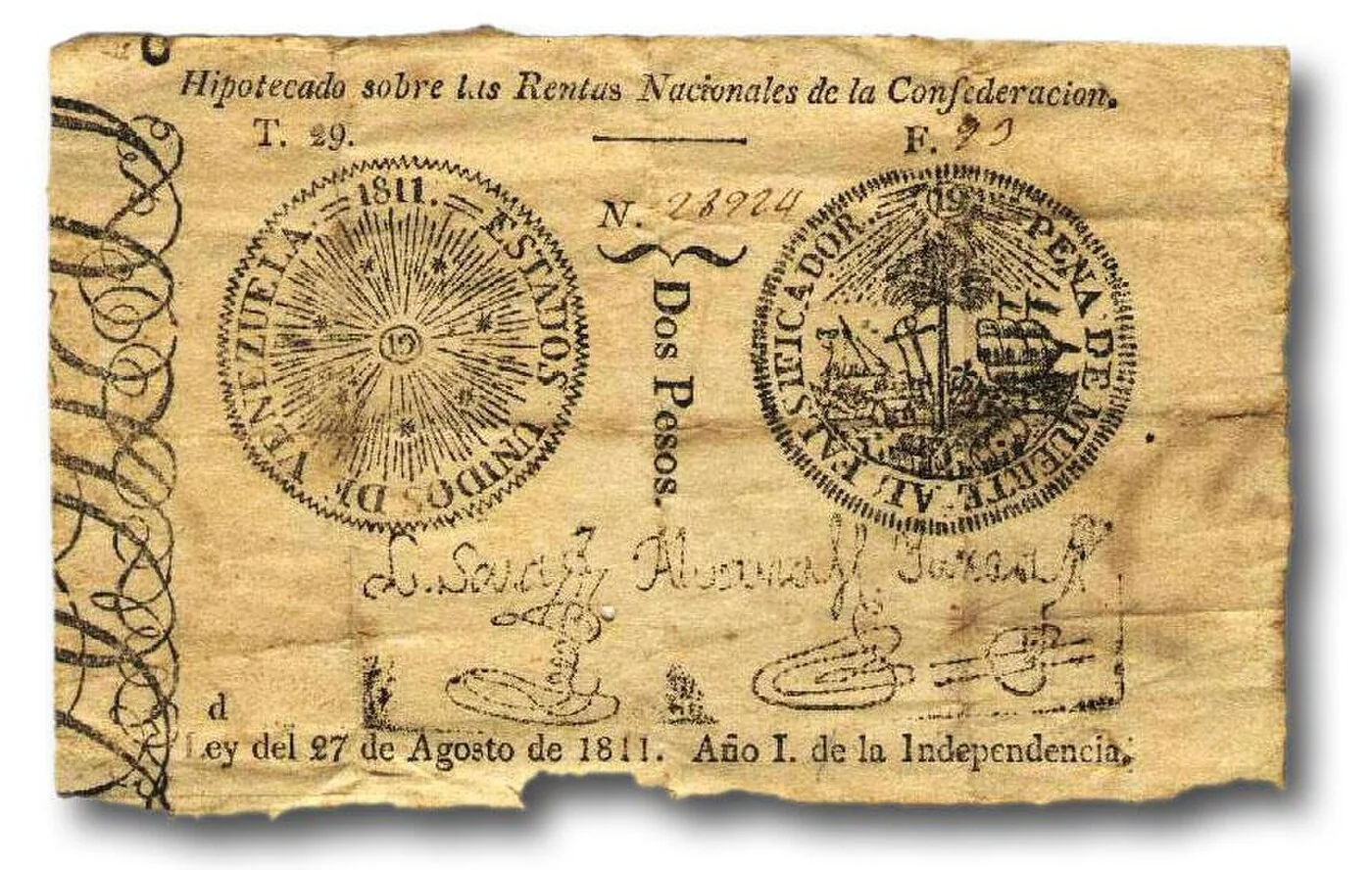
Francisco de Miranda (1750–1816) was a Caracas-born officer and revolutionary who spent decades promoting South American independence through Atlantic networks, led coastal expedition attempts, played a contested role in the First Republic’s crisis, and died in Spanish prison in Cádiz. Venezuelan education titles him the Precursor to mark his priority in time and his global method. Read him before Bolívar to understand that independence began as an international project under failure and only later became a successful military consolidation. Keep this guide bookmarked beside our Bolívar and Sucre articles when preparing cultural briefings for staff or family trips. Three first-rank lives explain more than one statue ever will.

Frequently asked questions
Who was Francisco de Miranda?
Caracas-born revolutionary (1750–1816) known in Venezuela as the Precursor of independence.
Why Precursor?
He promoted and attempted independence before Bolívar’s successful later military cycle.

How did Miranda die?
In Spanish prison in Cádiz in 1816.
Was he only a soldier?
He was also a political projector and international networker for the cause.

What was the Leander expedition?
An armed attempt associated with Miranda’s efforts to spark uprising on the Venezuelan coast.
Did Miranda and Bolívar always agree?
The independence period was full of tension among leaders; school memory simplifies complex conflicts.

Why should foreigners care?
Without Miranda, the independence story becomes a misleading single-hero narrative.
Where is he commemorated?
In place names, avenues and independence pantheon culture across Venezuela.

Questions or comments?
Leave us your message through the contact form — we will be glad to share our experience and help you with the next steps of your plans in Venezuela.
References
- UNESCO, “Colombeia: Generalissimo Francisco de Miranda’s Archives” — archive, travels, military service, documentary record and independence project.
- Peter P. Hill, “An Expedition to Liberate Venezuela Sails from New York, 1806” — scholarly context for the 1806 expedition and its Atlantic setting.
- Mark Sheaves, review of Karen Racine’s Francisco de Miranda: A Transatlantic Life in the Age of Revolution — networks, exile, London and historical interpretation.
- Encyclopaedia Britannica, “Francisco de Miranda” — basic chronology, 1806 invasion, 1810 return, 1812 defeat and 1816 death.
This guide is general orientation, not a guarantee of eligibility, safety or investment returns. For the scope of the October 2026 priority update, read our editorial policy.