
Antonio José de Sucre: Grand Marshal of Ayacucho — Complete Guide
Why Sucre belongs in the first rank
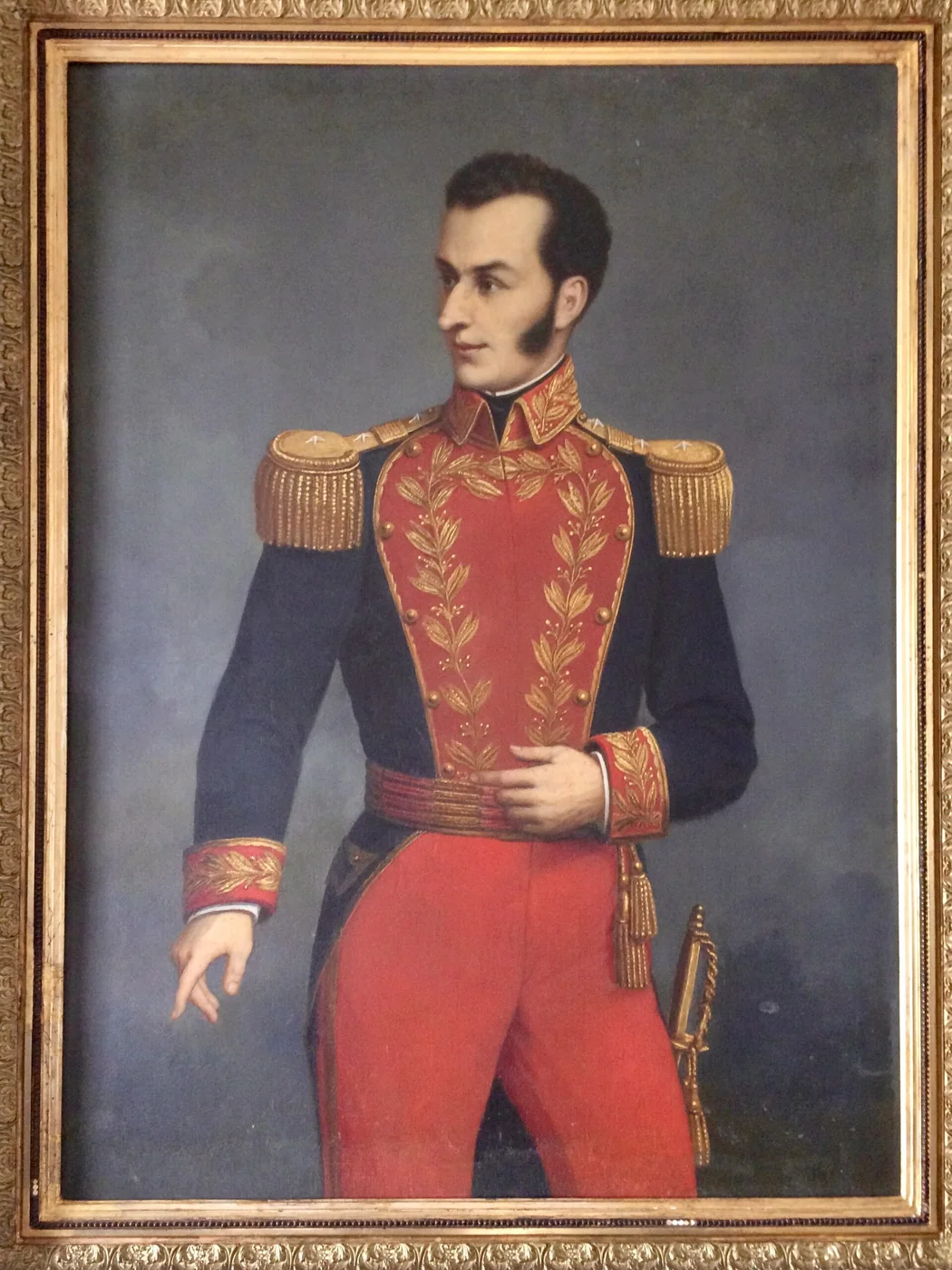
A Bolívar-only independence story is incomplete. Antonio José de Sucre commanded decisive operations in the southern theater culminating at Ayacucho, a battle that effectively broke remaining Spanish military power in mainland South America. Venezuelan civic culture sometimes under-teaches him relative to Bolívar; Andean neighbors remember him intensely. Foreign readers need all three names — Miranda, Bolívar, Sucre — for a balanced map.
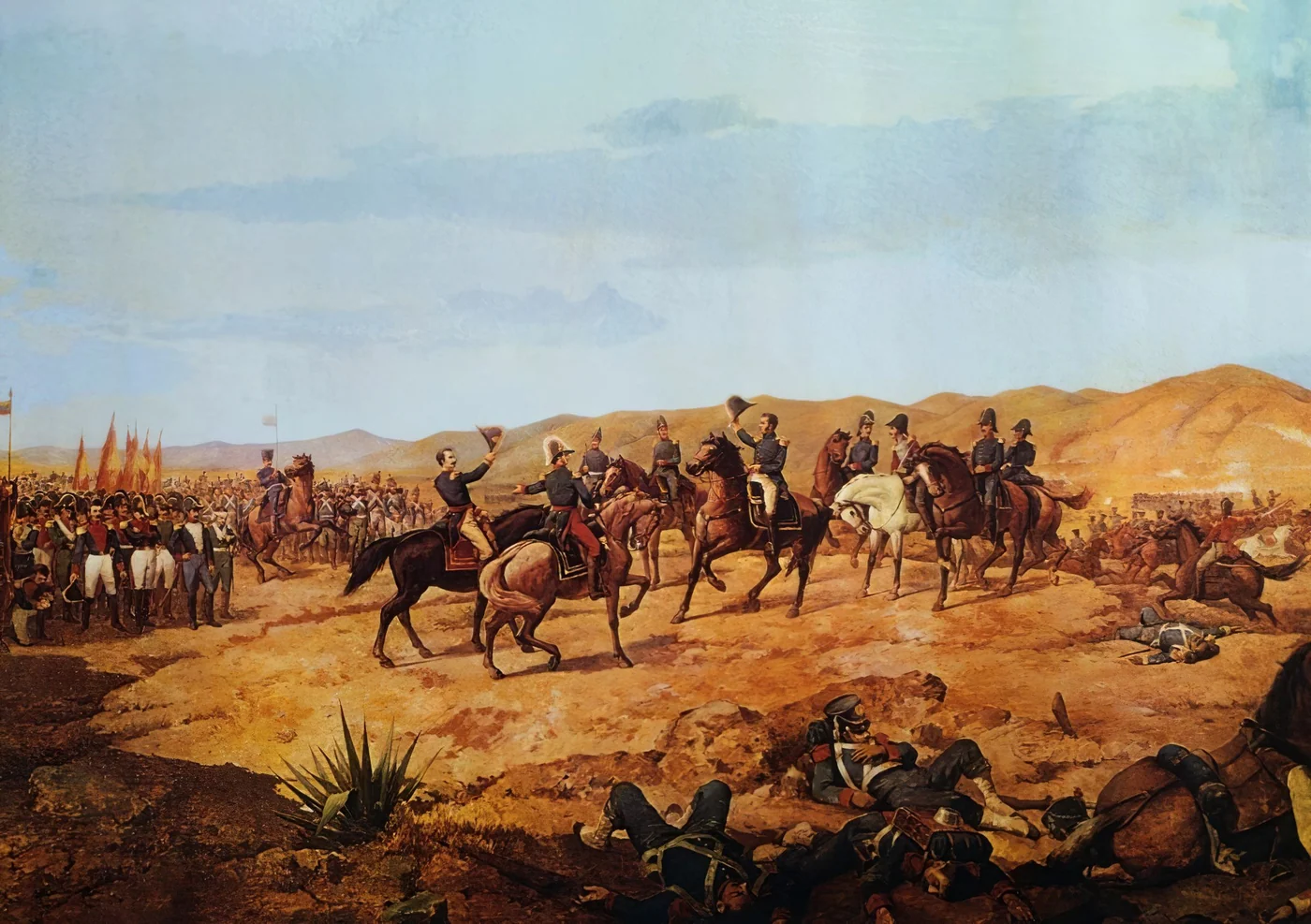

Birth and early career
Sucre was born in 1795 in Cumaná, in eastern Venezuela — oriental geography that matters to regional identity. He entered the independence wars young and rose through talent, loyalty and battlefield performance rather than only through Caracas salon pedigree.

Service with the patriot cause
Across multiple campaigns he earned Bolívar’s trust as a commander who could execute complex operations far from the northern political center. That trust placed him at the sharp end of the southern war.
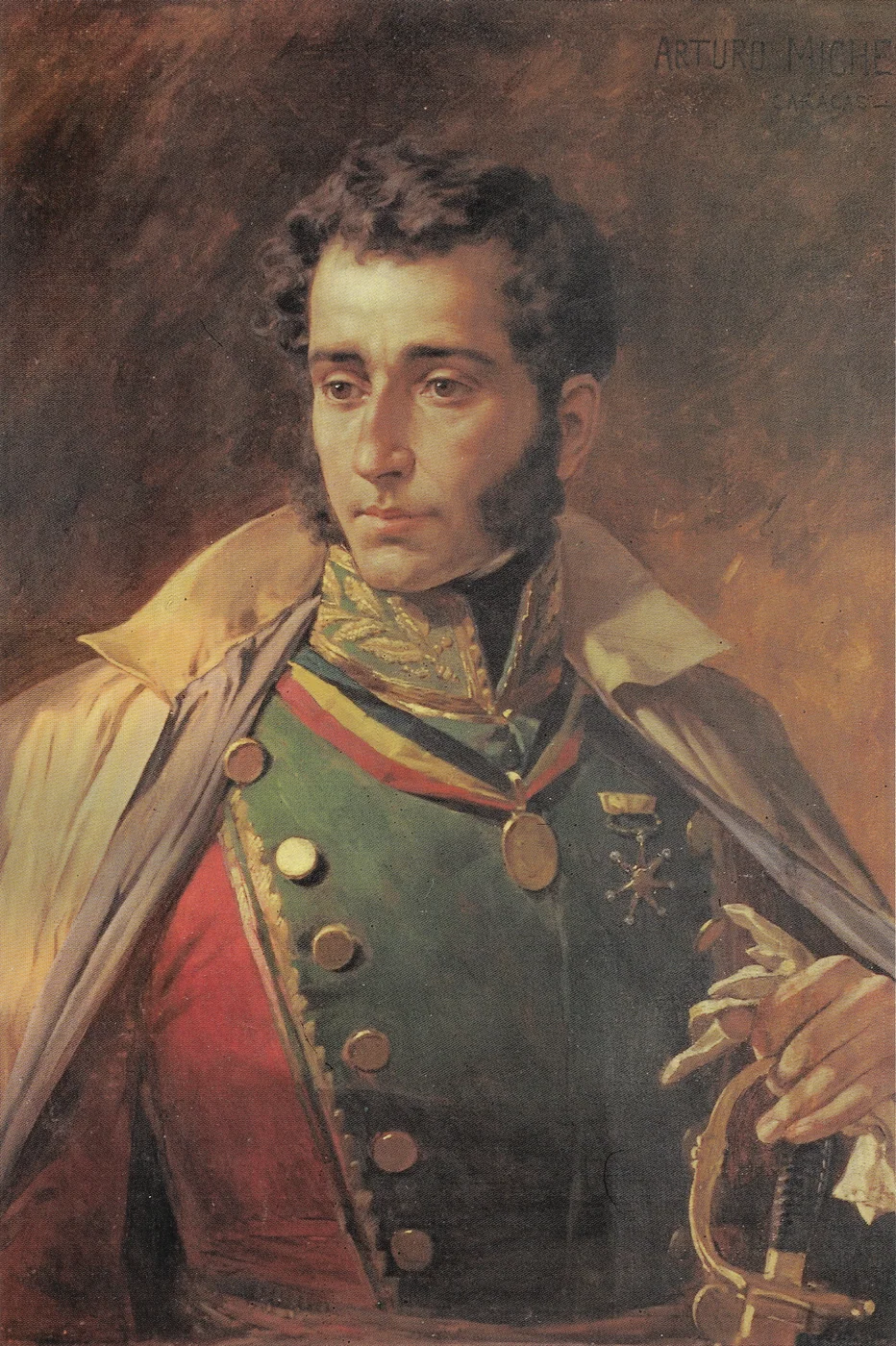

The road to Ayacucho
The southern campaigns required altitude logistics, coalition management with local forces, and sustained pressure on royalist armies. Sucre’s operational reputation was built in that environment — discipline, planning and the ability to fight decisively when the moment came.
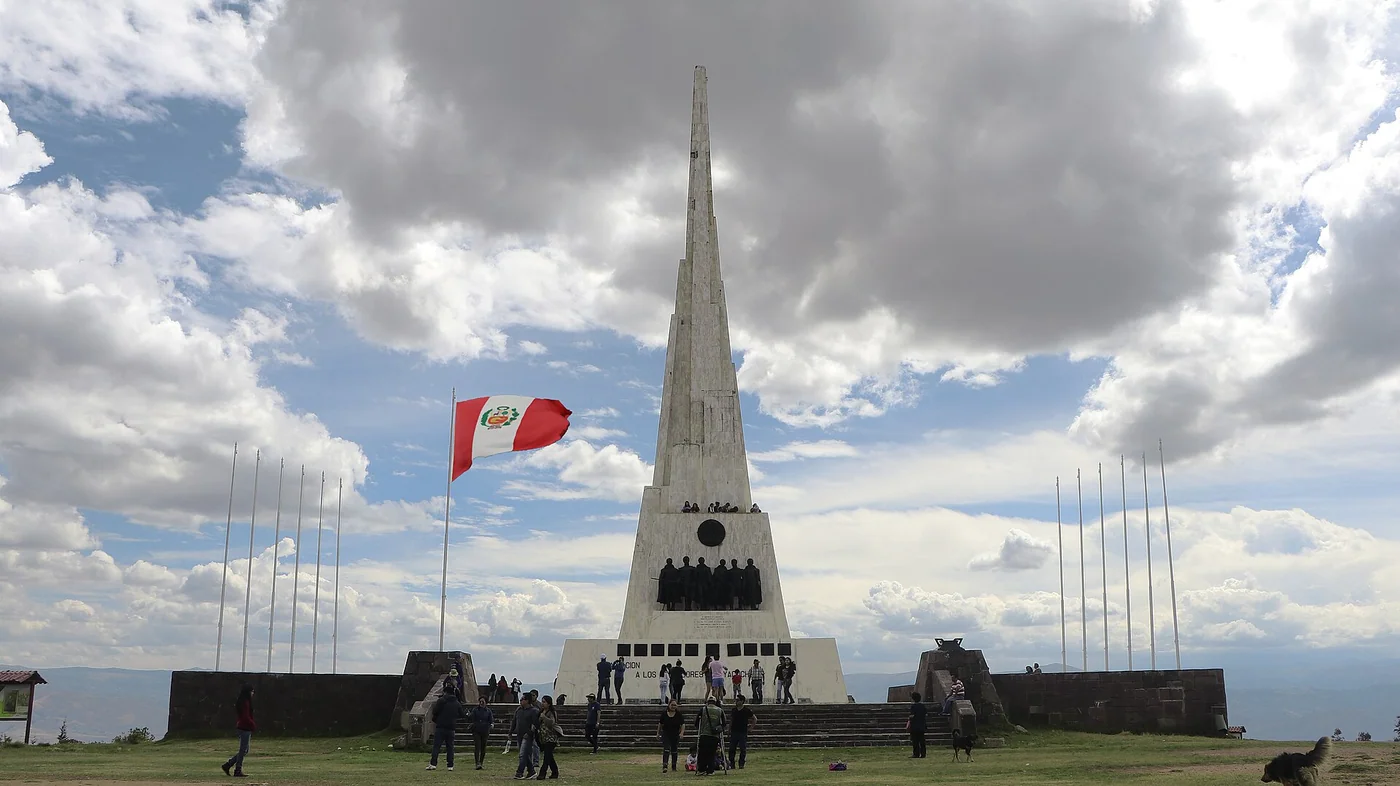

Ayacucho (1824) and why it matters
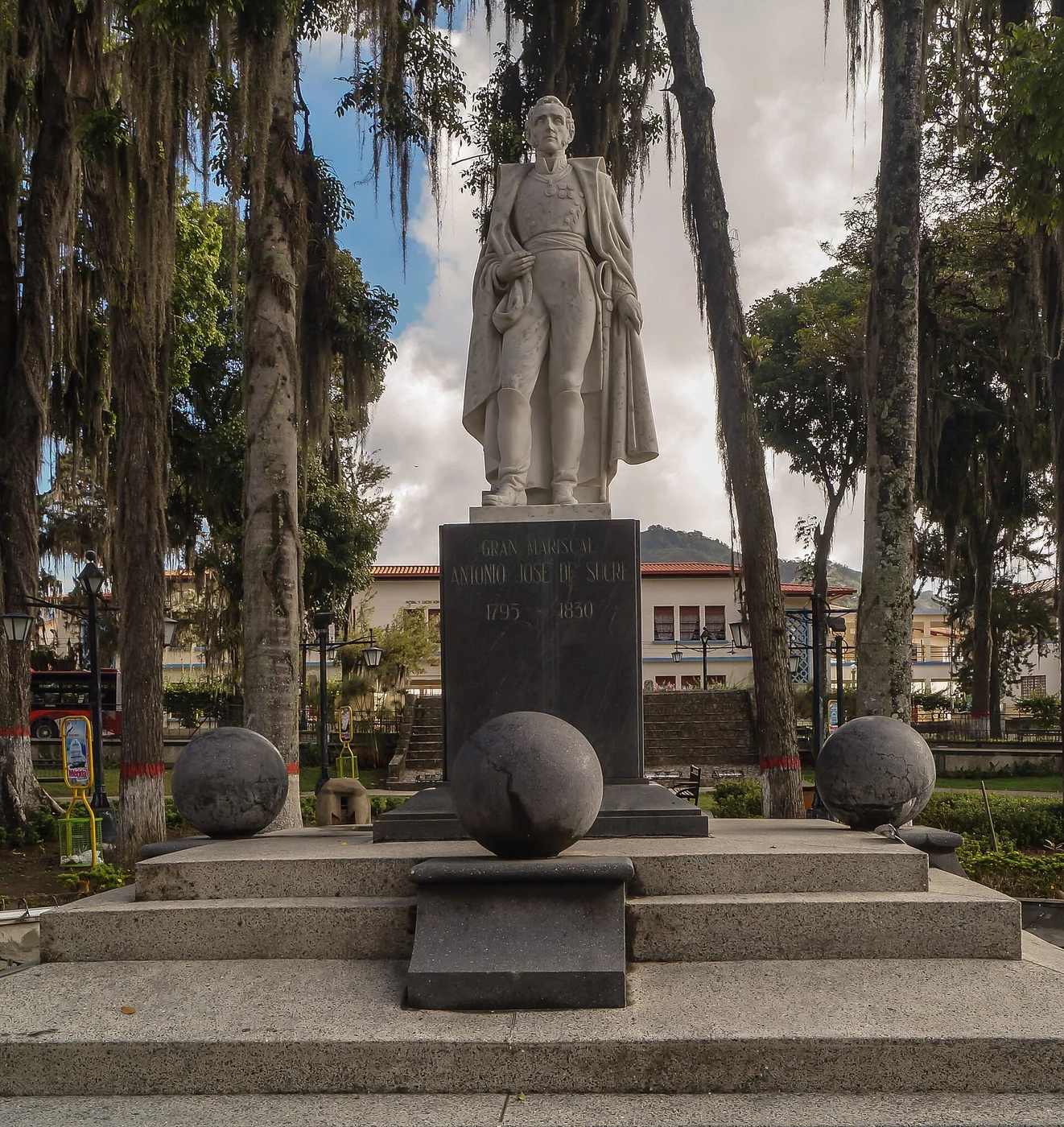
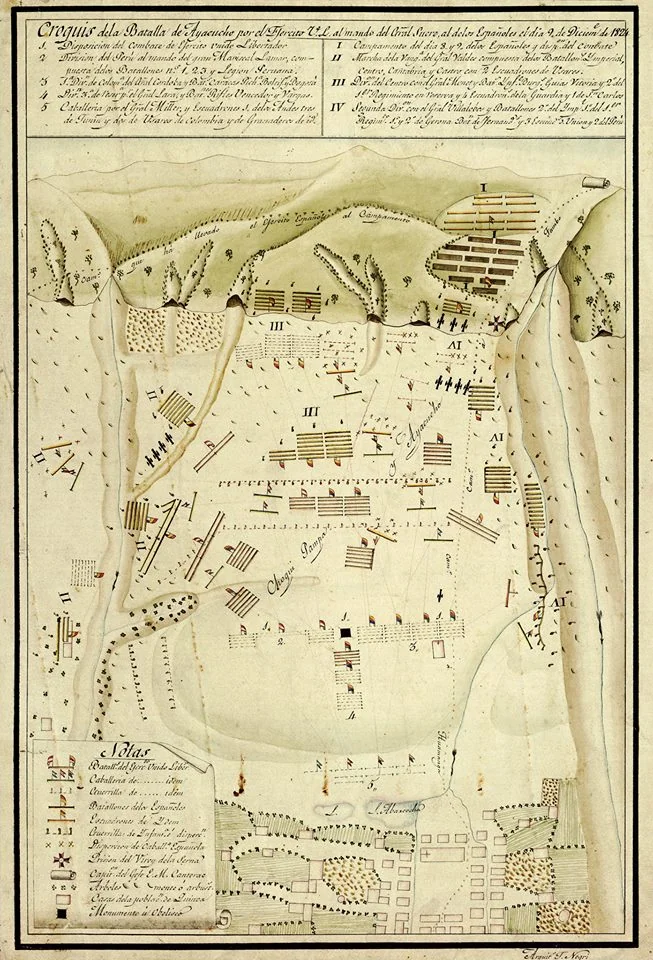
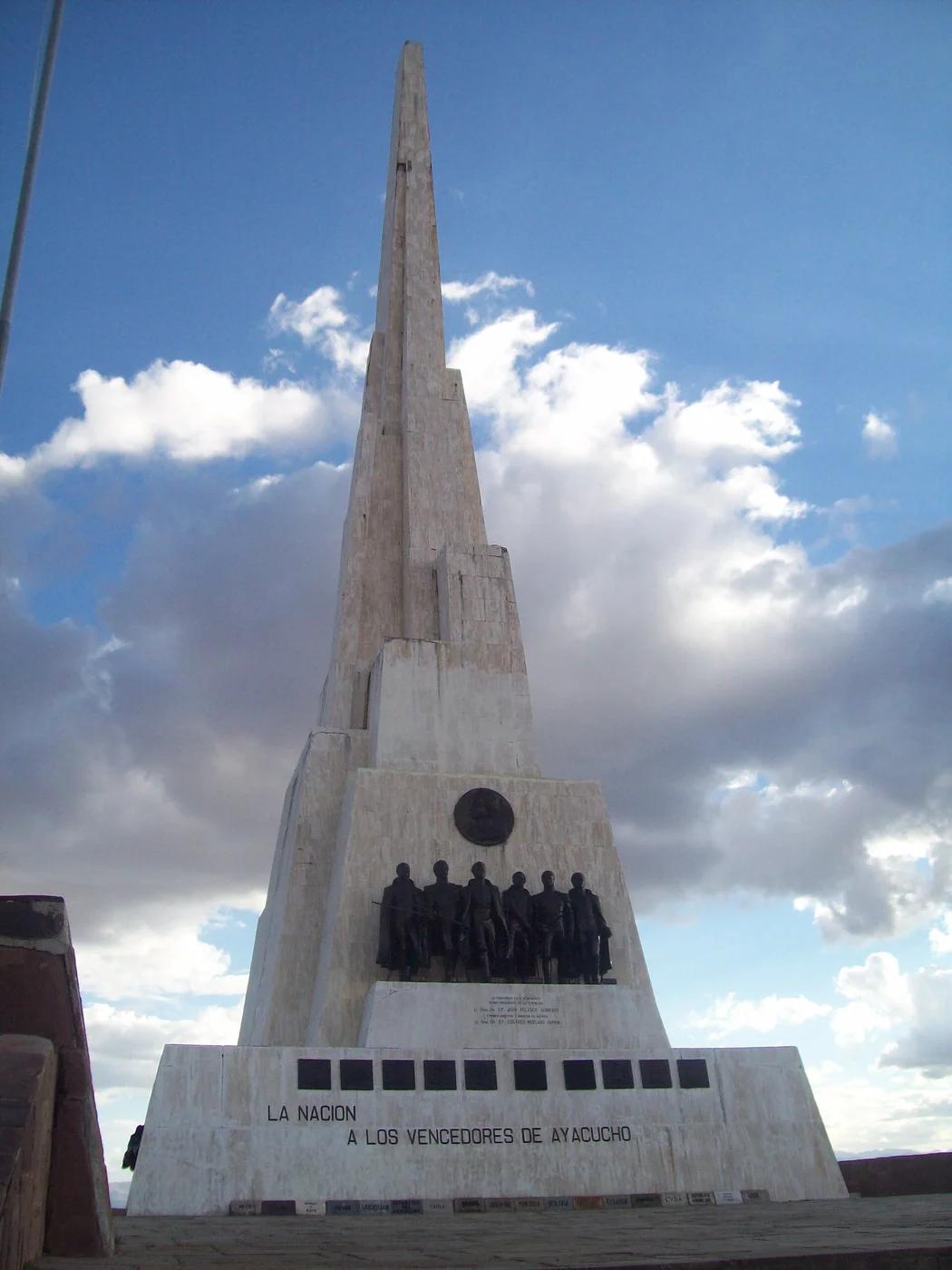
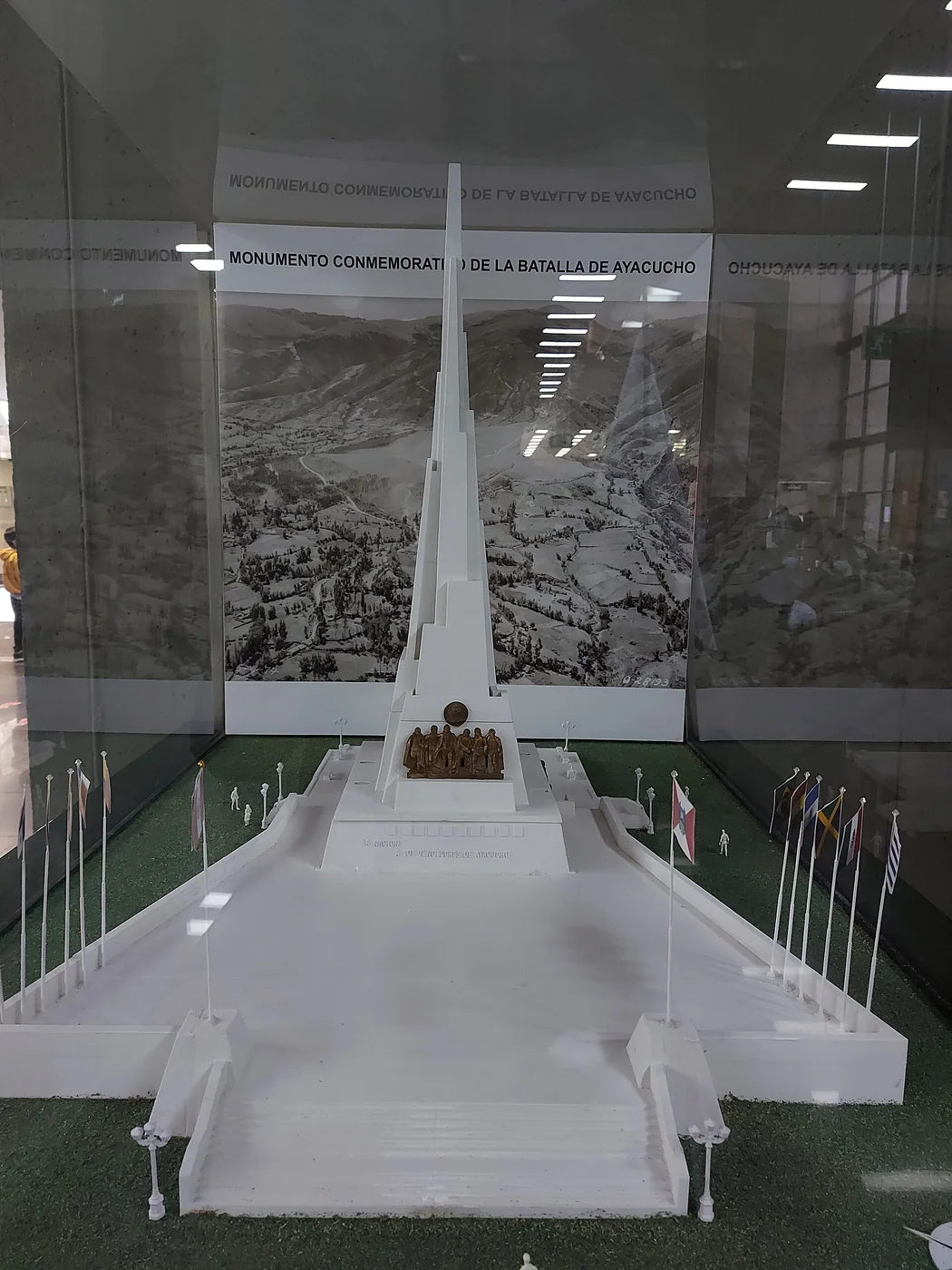
The Battle of Ayacucho on 9 December 1824 is the continental military turning point against Spanish arms in South America. Sucre’s victory is why he carries the title Grand Marshal of Ayacucho in historical memory. For Venezuelan education, it extends the liberation narrative beyond Carabobo; for Peru and Bolivia, it is foundational. Foreign visitors who only study Carabobo miss half the military arc.

Bolivia’s early statehood
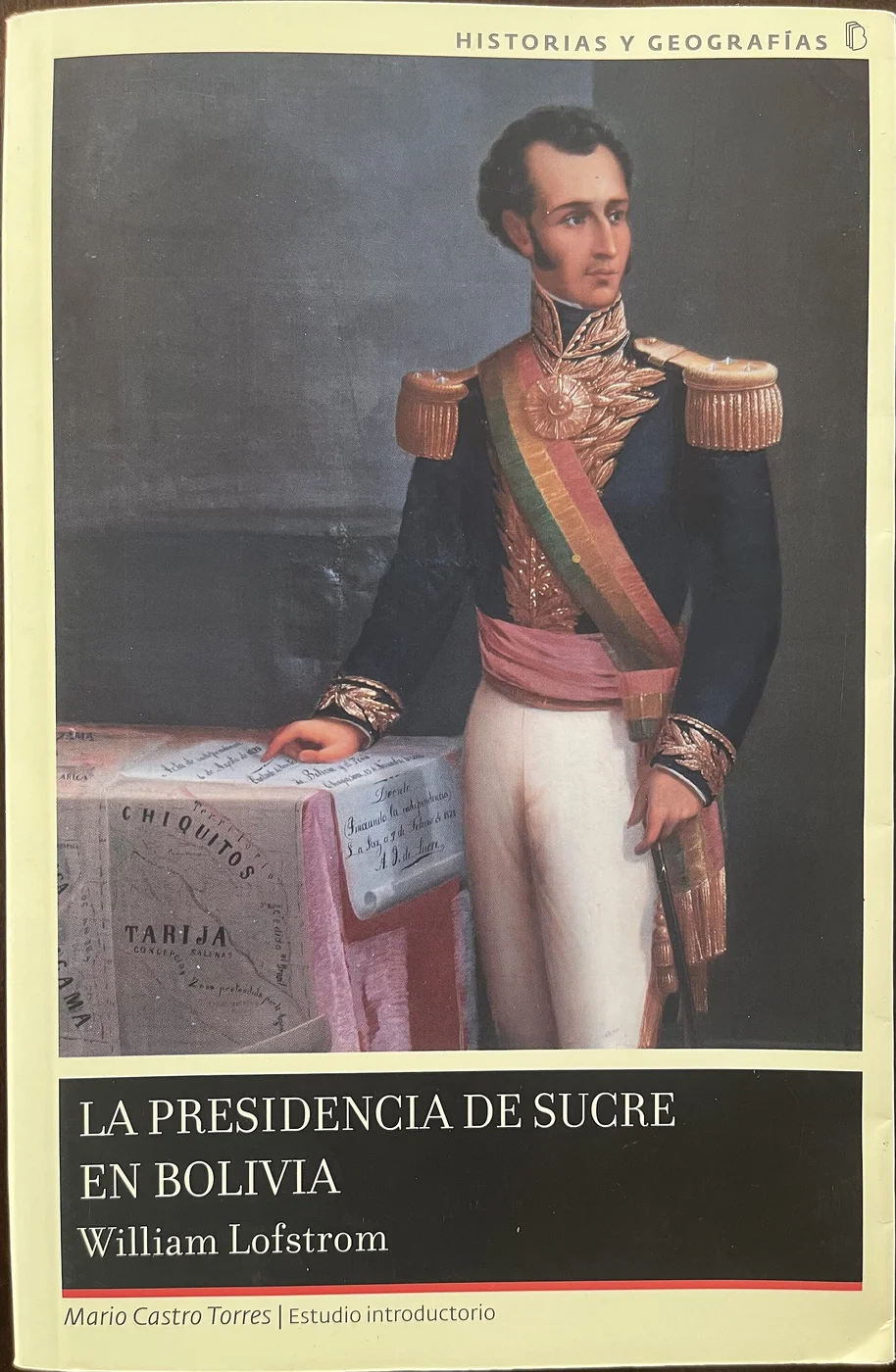
Sucre became a central figure in the early organization of Bolivia — a republic whose name honors Bolívar but whose first institutional labor involved Sucre heavily. The burdens of fledgling statehood, regional rivalries and scarce resources shaped a difficult presidency-era chapter. Idealized statues smooth over administrative pain; history should not.

Ecuador and political burden
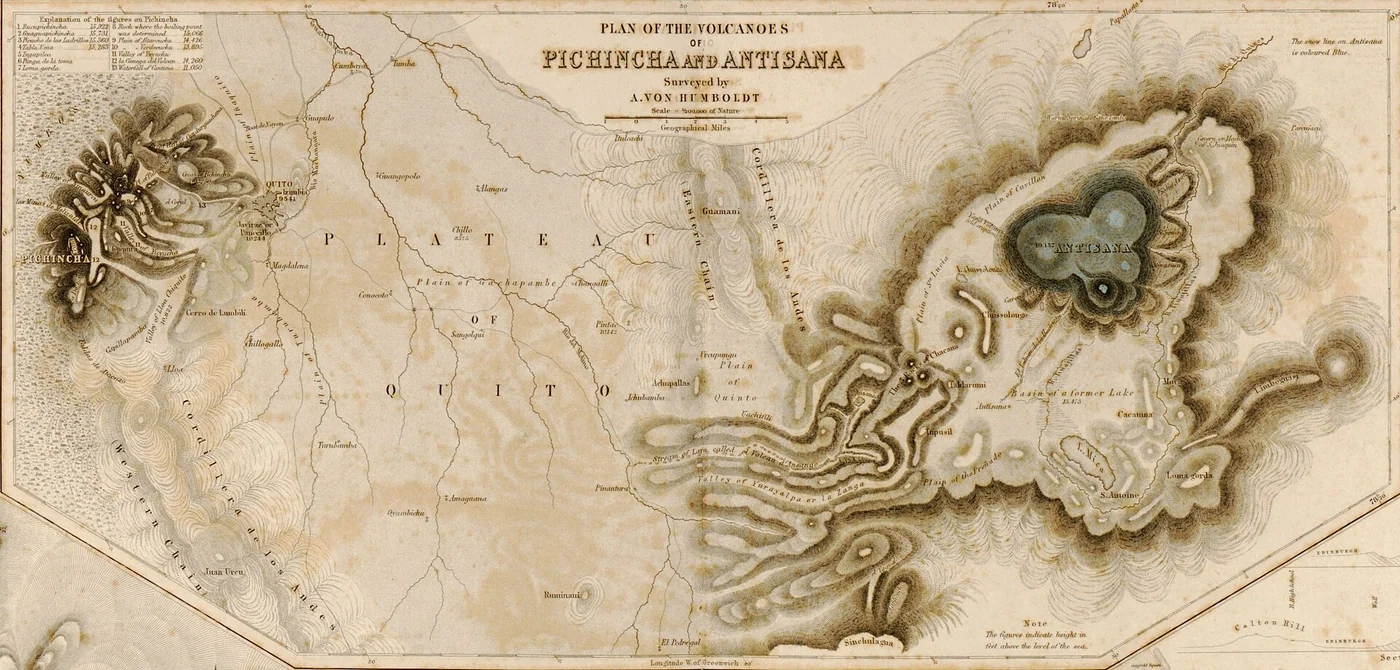
Sucre also intersects the early political history of Ecuador. The post-war settlement of the former Gran Colombia space produced local conflicts in which his presence and decisions were consequential. Again, the lesson for modern readers is that liberation commanders became state-builders under almost impossible conditions.

Relationship with Bolívar
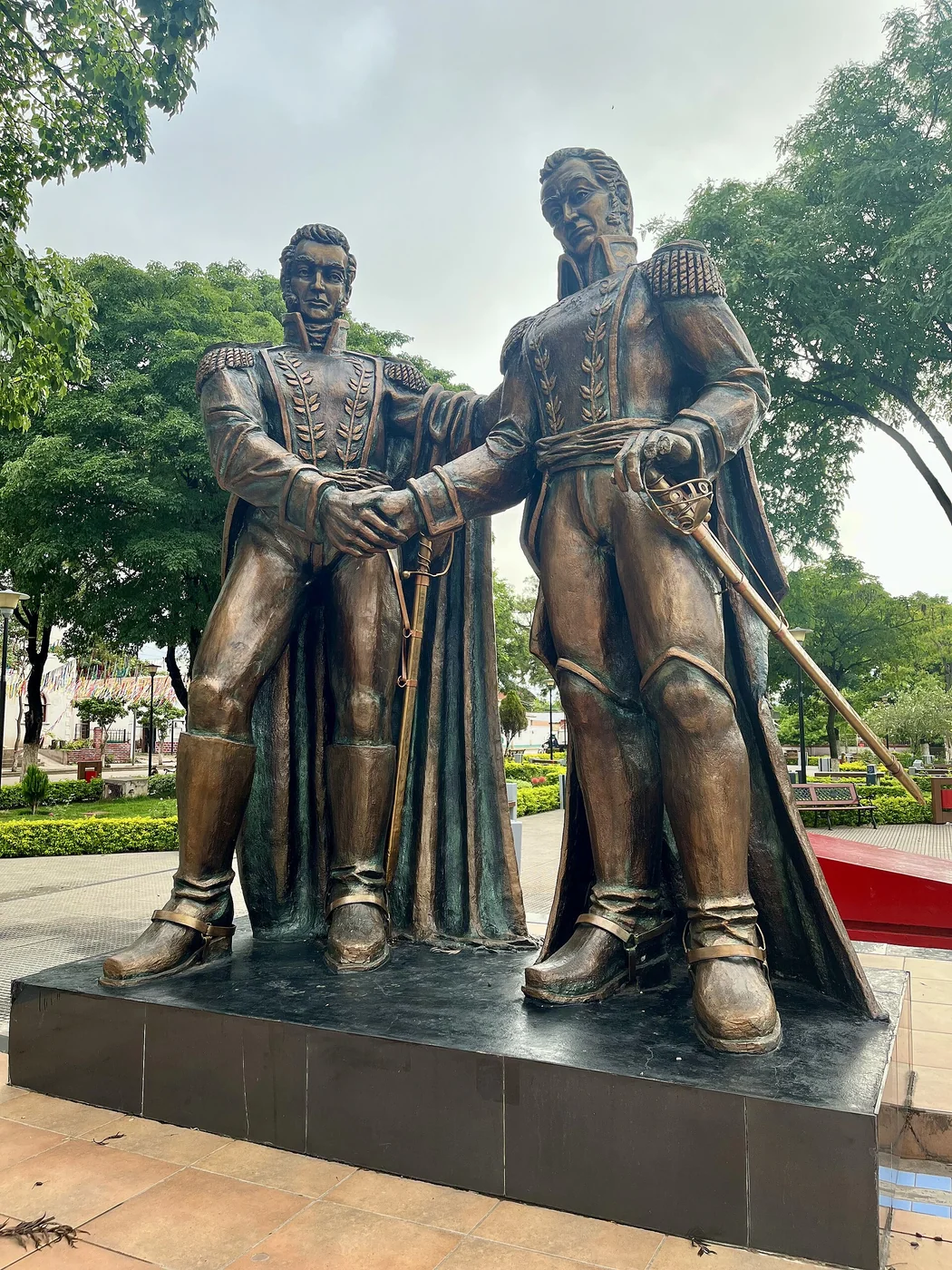
Sucre was among Bolívar’s most important lieutenants — widely described in sources as trusted and capable. The relationship was hierarchical yet grounded in mutual military respect. After wars end, political paths diverge; the assassination of Sucre removed a figure many considered a possible stabilizing leader.

Assassination in 1830
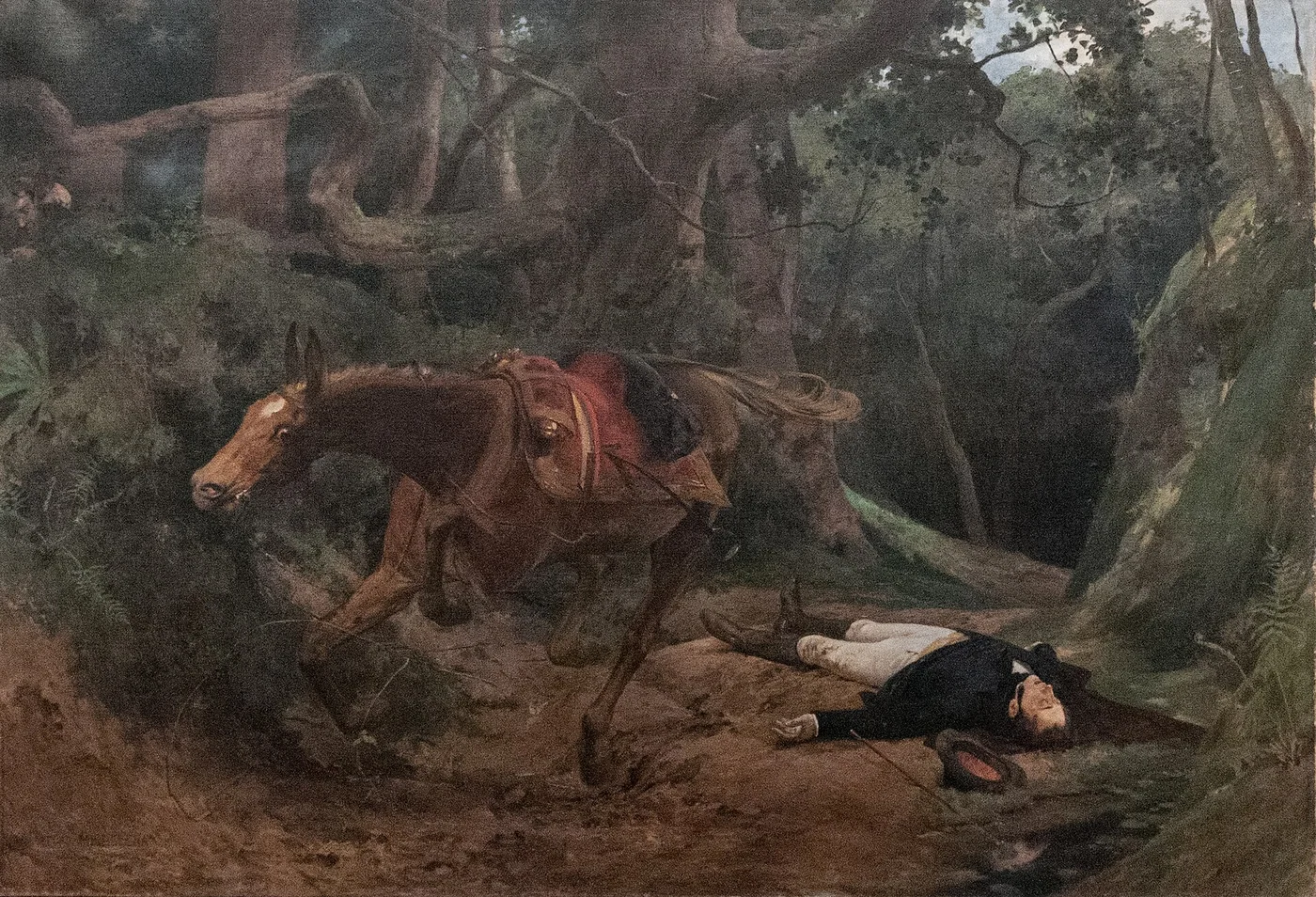
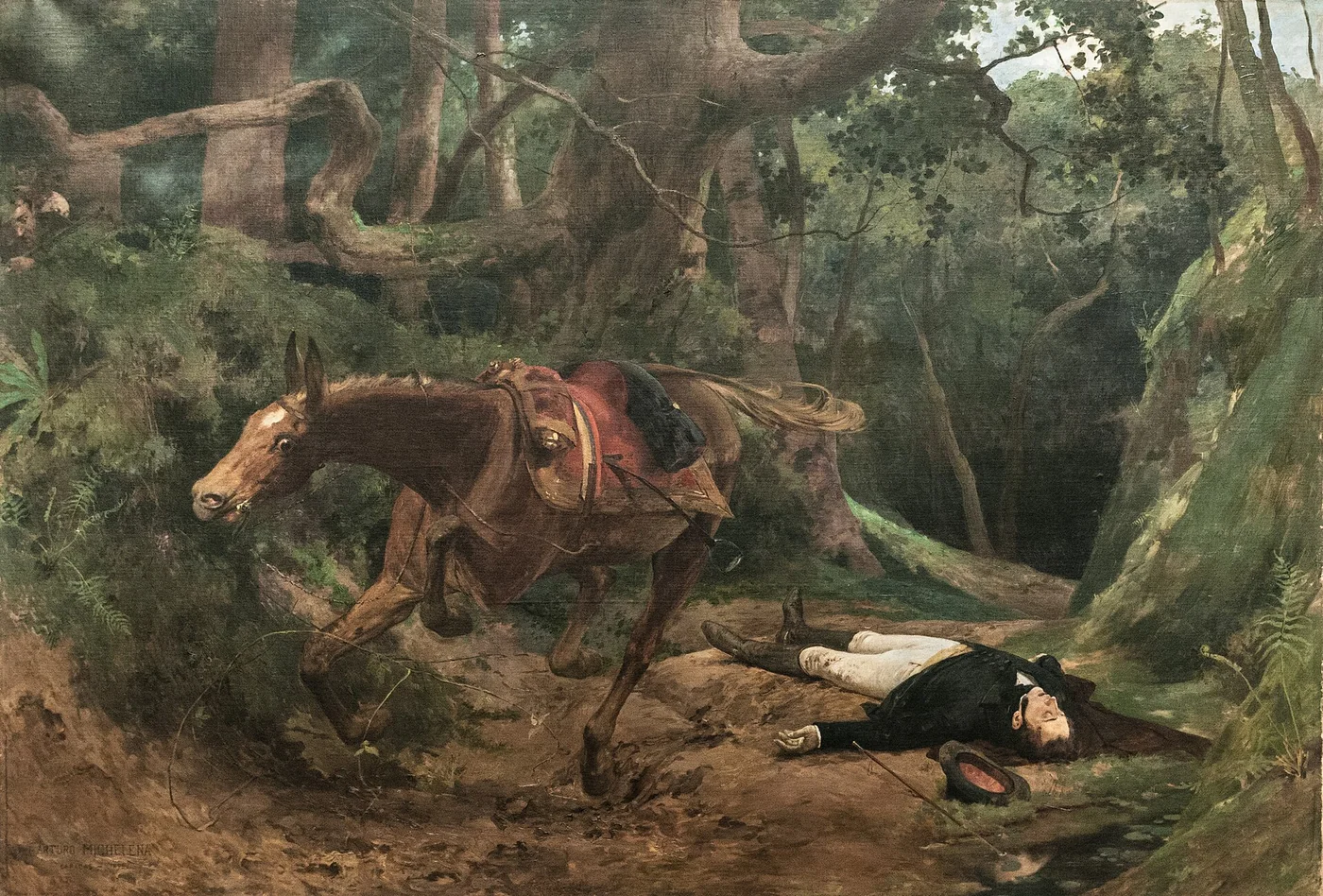
Sucre was assassinated in 1830 in the mountains of Berruecos (in present-day Colombia). The crime remains a classic subject of historical investigation and political accusation. For civic memory, the murder sealed his image as a pure military hero cut down before a full political career could unfold in peace. The same year saw Bolívar’s death. The independence generation was closing in blood and exhaustion.

Memory in Venezuela and the Andes
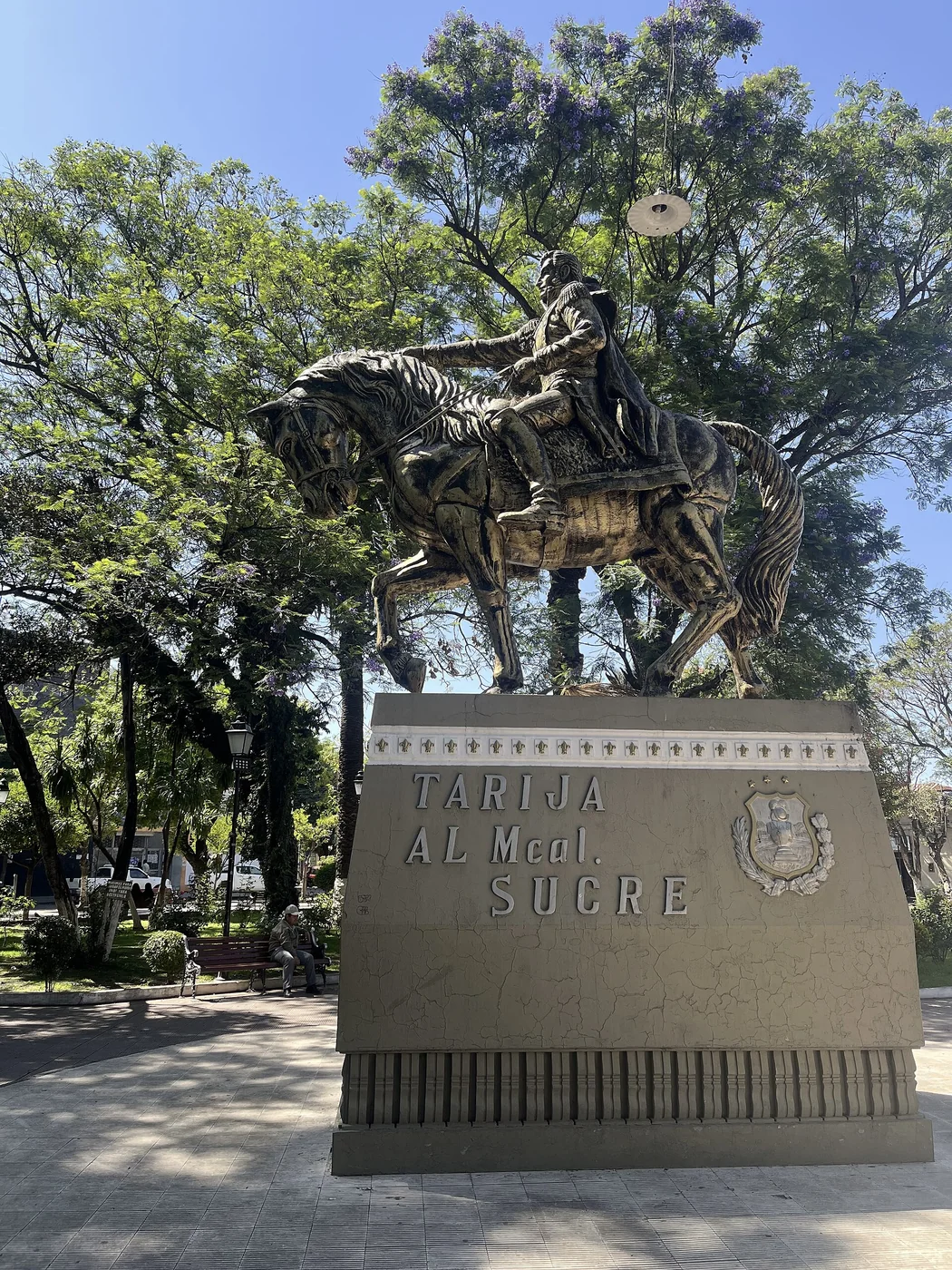
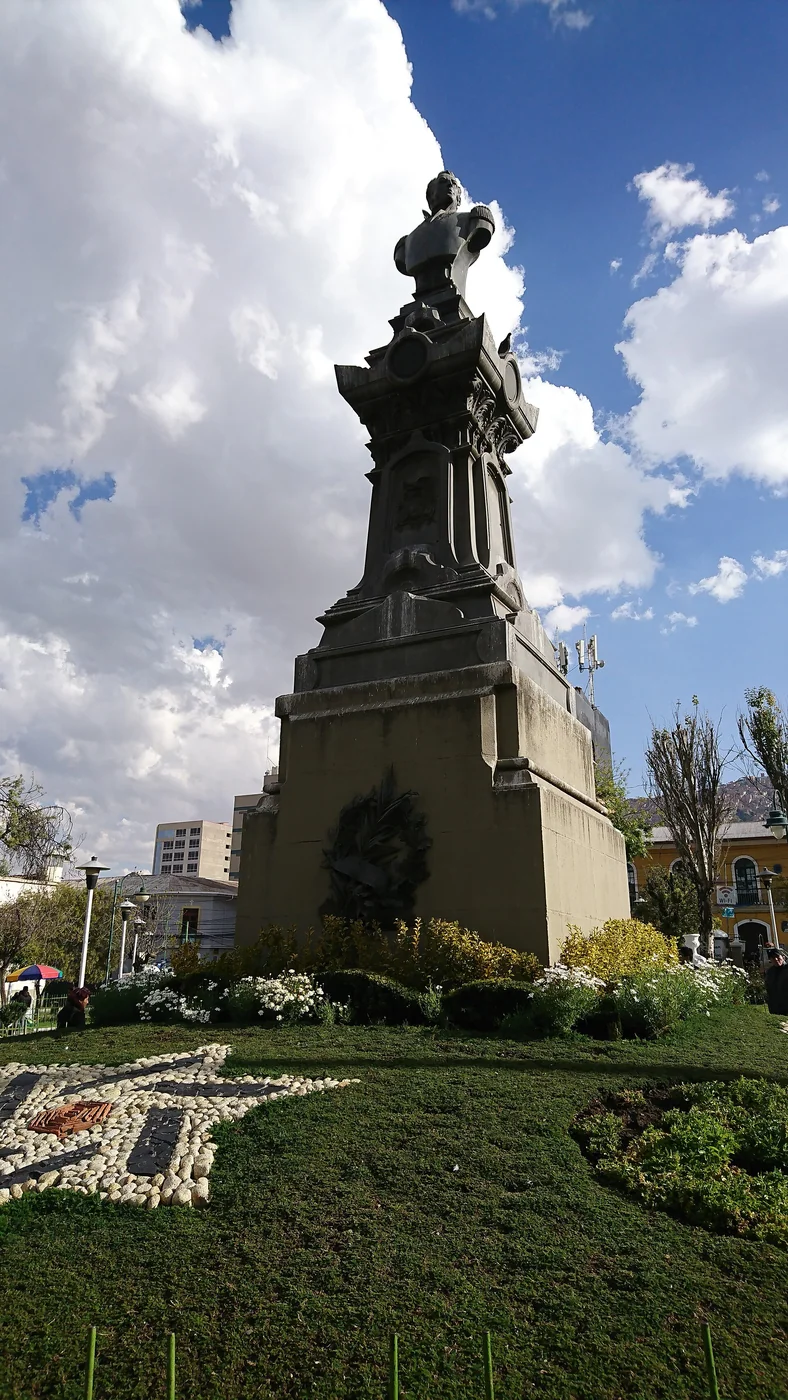
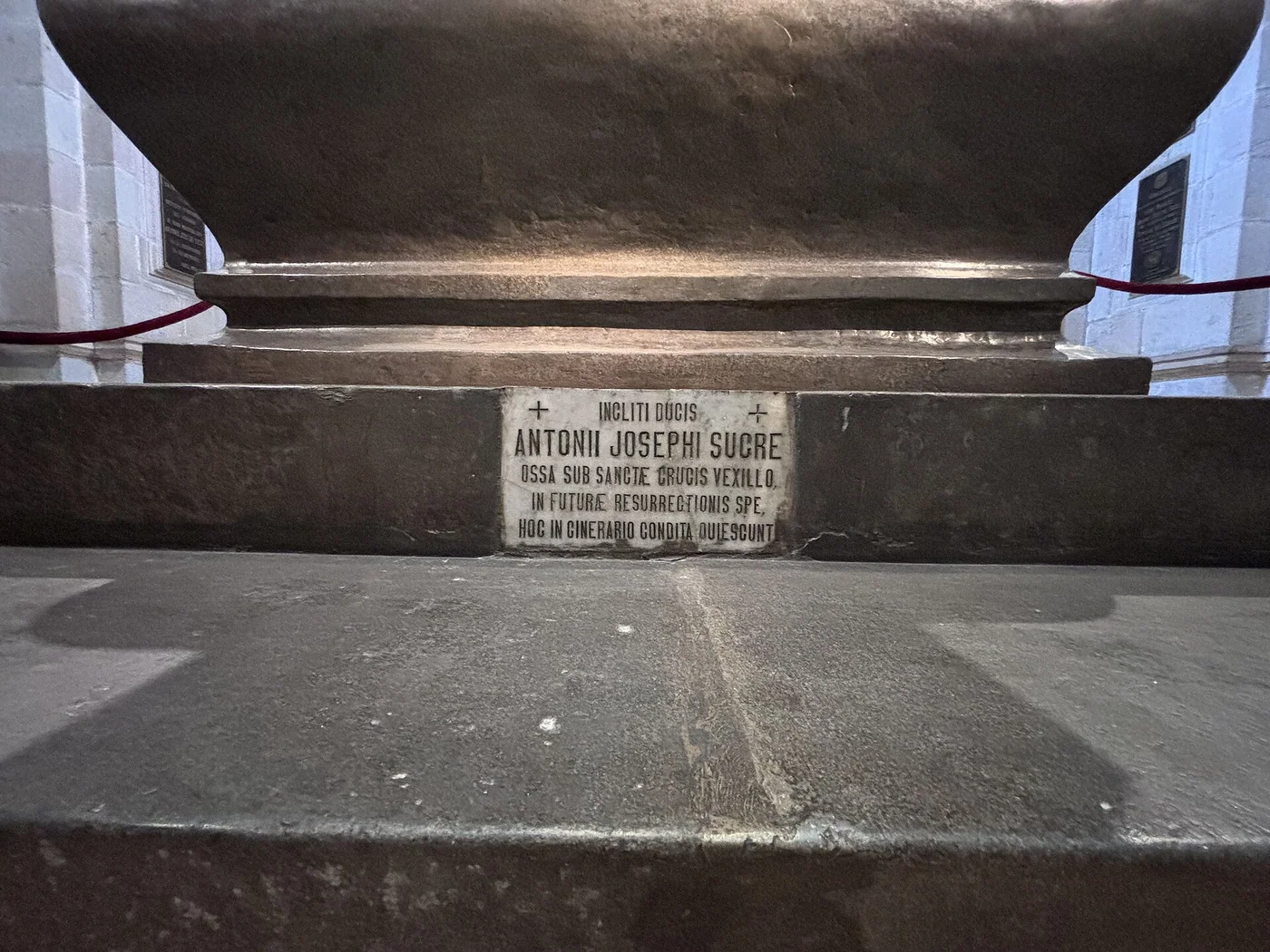
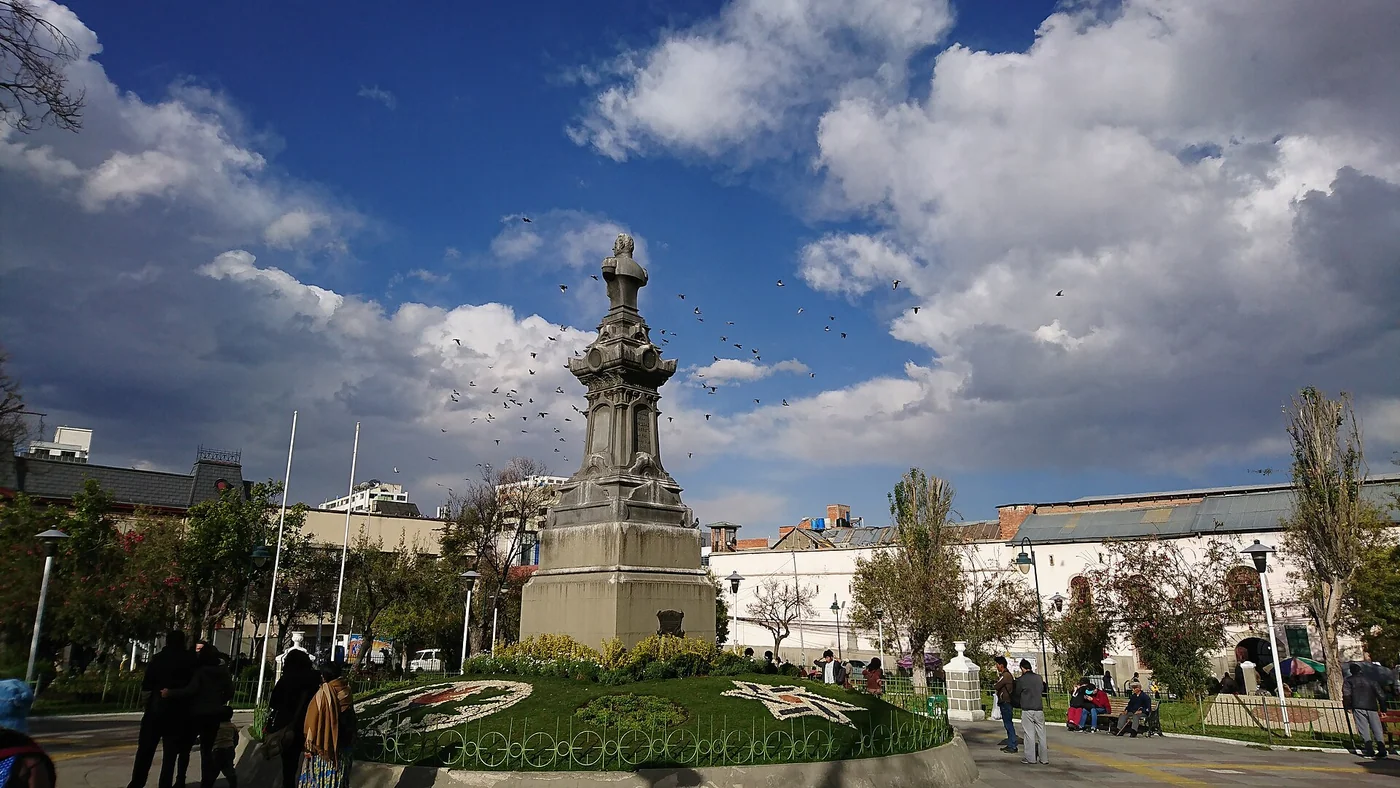
Venezuela claims Sucre by birth (Cumaná) and by pantheon inclusion. Bolivia and Ecuador commemorate his state-building and military roles. Place names — including the Bolivian capital region’s association with his name — keep him visible. A traveler across the Andes will meet Sucre on maps as often as in textbooks.

What foreigners should take away
- Ayacucho is as important as Carabobo for continental independence
- Sucre was operational excellence, not a secondary footnote
- Eastern Venezuelan origin (Cumaná) links him to oriental identity
- Assassination in 1830 is part of the founding tragedy
Reading path
- Battle of Ayacucho overview from a serious military history
- Short biography focused on Sucre’s post-war political roles
- Parallel reading of our Bolívar and Miranda articles
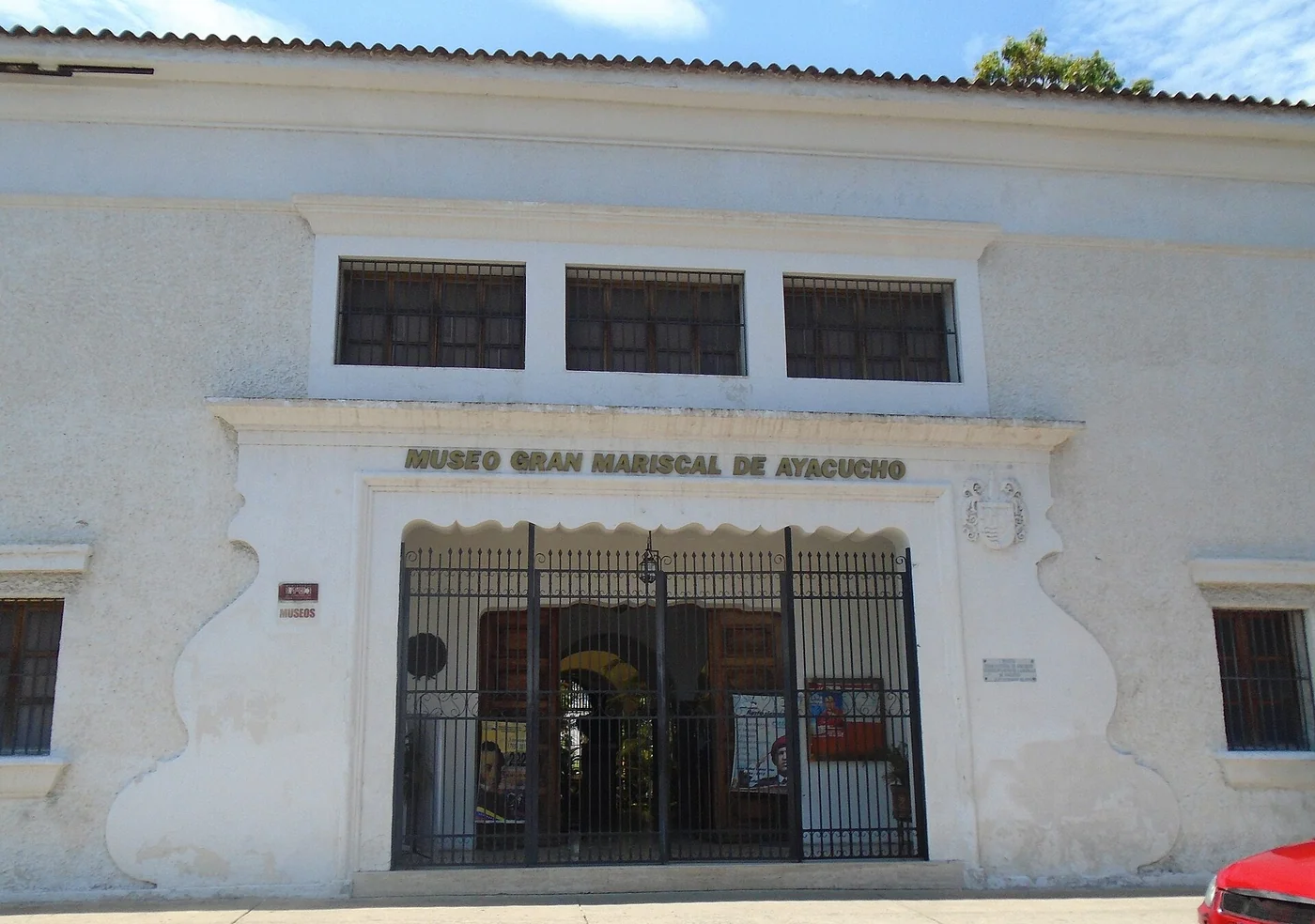
- When in Cumaná or Andean capitals, ask local museums for Sucre rooms
Together, Miranda–Bolívar–Sucre give a complete first-rank triangle of independence memory for anyone doing business or life projects with Venezuelans who learned these names as children.

Military professionalism
Sucre’s reputation rests on preparation and decisive execution at scale in difficult terrain. Ayacucho was not a lucky skirmish; it was the climax of a campaign structure. Military historians still study the southern war for logistics at altitude and coalition command.

The burden of being the trusted lieutenant
Working under a figure like Bolívar meant glory and constraint. Sucre carried orders across vast distances and then had to govern when war stopped. Many liberators failed at peace; Sucre’s administrative chapters deserve as much reading as his battles.

Cumaná and eastern identity
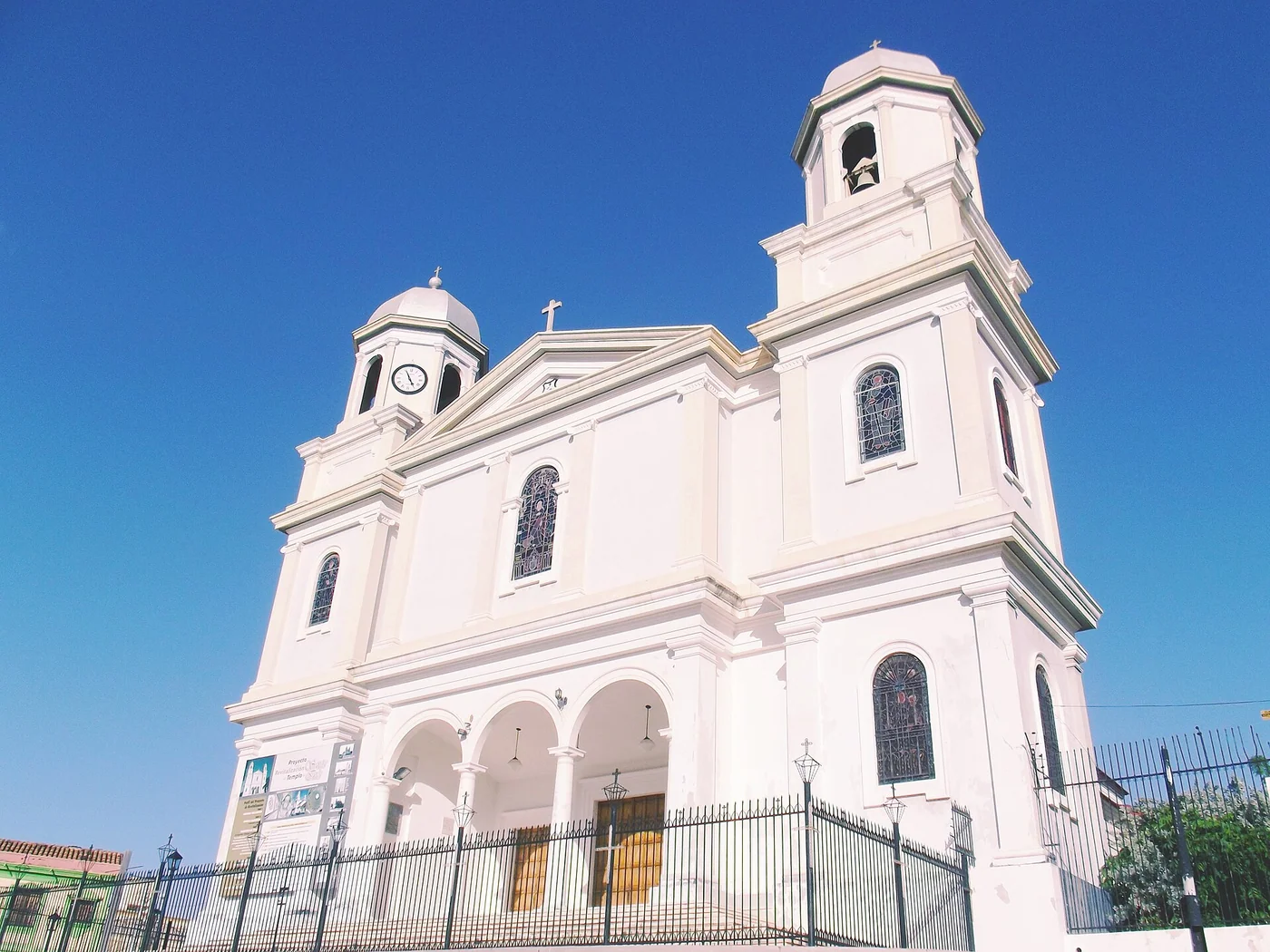
Eastern Venezuela’s sense of historical importance includes Sucre’s birth in Cumaná. Regional pride in orientales connects to this founding figure the same way Andes and capital claim other heroes. Our regional identities guide explains why that still matters in conversation.

Assassination politics
The murder at Berruecos generated immediate political shockwaves and long historiographical detective work. For civic purposes, the fact of assassination seals the tragic generation of 1830. For scholarly purposes, motives and authors remain subjects of documented debate — use serious historians, not chain messages.

Sucre across borders today
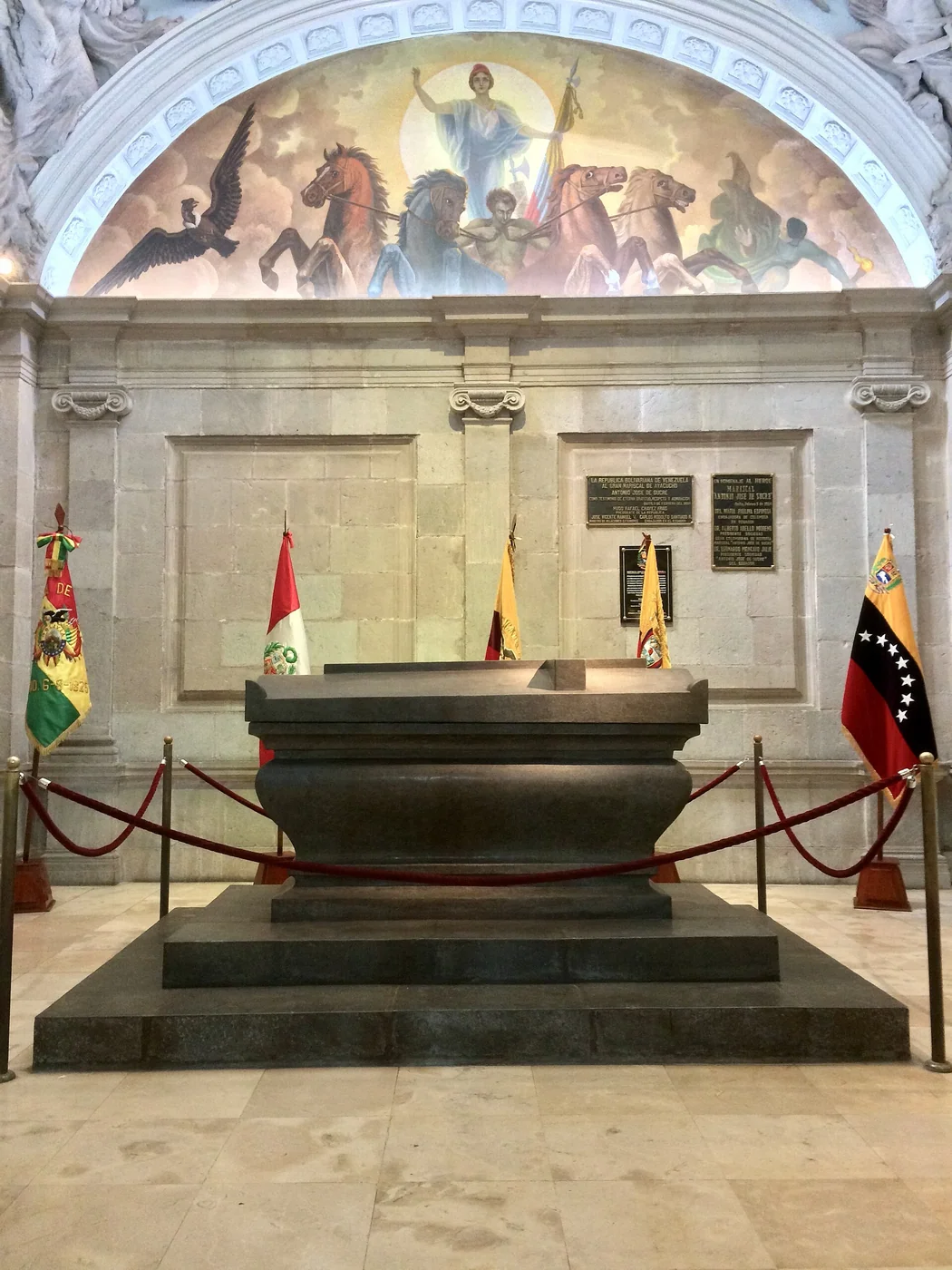
Expect place names in Bolivia and Ecuador, museum rooms, and school chapters. A business traveler in Quito or La Paz who knows Sucre’s role signals respect. A traveler who only knows Bolívar still passes; one who knows both stands out.

Competence checklist
- I can date Ayacucho (1824)
- I can name Sucre’s birthplace (Cumaná)
- I know he was assassinated in 1830
- I can explain why Ayacucho is continentally decisive
Detailed timeline
- 1795 — Born in Cumaná
- 1810s — Enters independence wars young
- 1822–1824 — Southern campaign peak
- 9 Dec 1824 — Ayacucho
- 1825–1828 — Bolivia political leadership phase
- 1830 — Assassinated at Berruecos
Ayacucho for non-specialists
Think of Ayacucho as the battle that convinced remaining Spanish power that the mainland war was lost. Local Peruvian and Bolivian histories give it pride of place. Venezuelan history claims Sucre the son of Cumaná who delivered that blow for the wider patriot project.
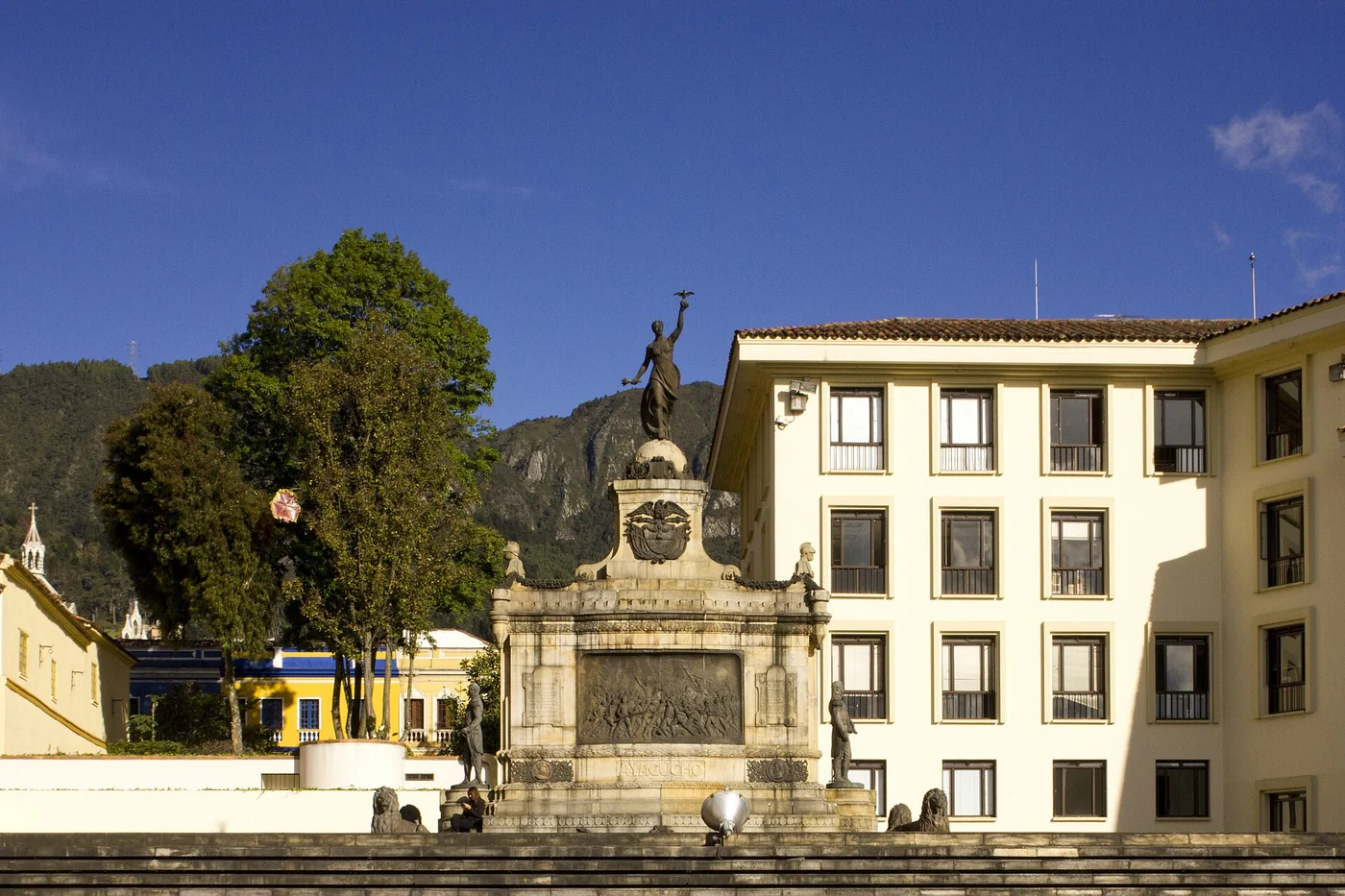

State-building after the gunpowder
Writing laws, paying soldiers, calming regions and dealing with rival elites proved harder than one decisive battle. Sucre’s administrative years show the hangover of war. Modern institution-building challenges rhyme with those early problems without being identical.
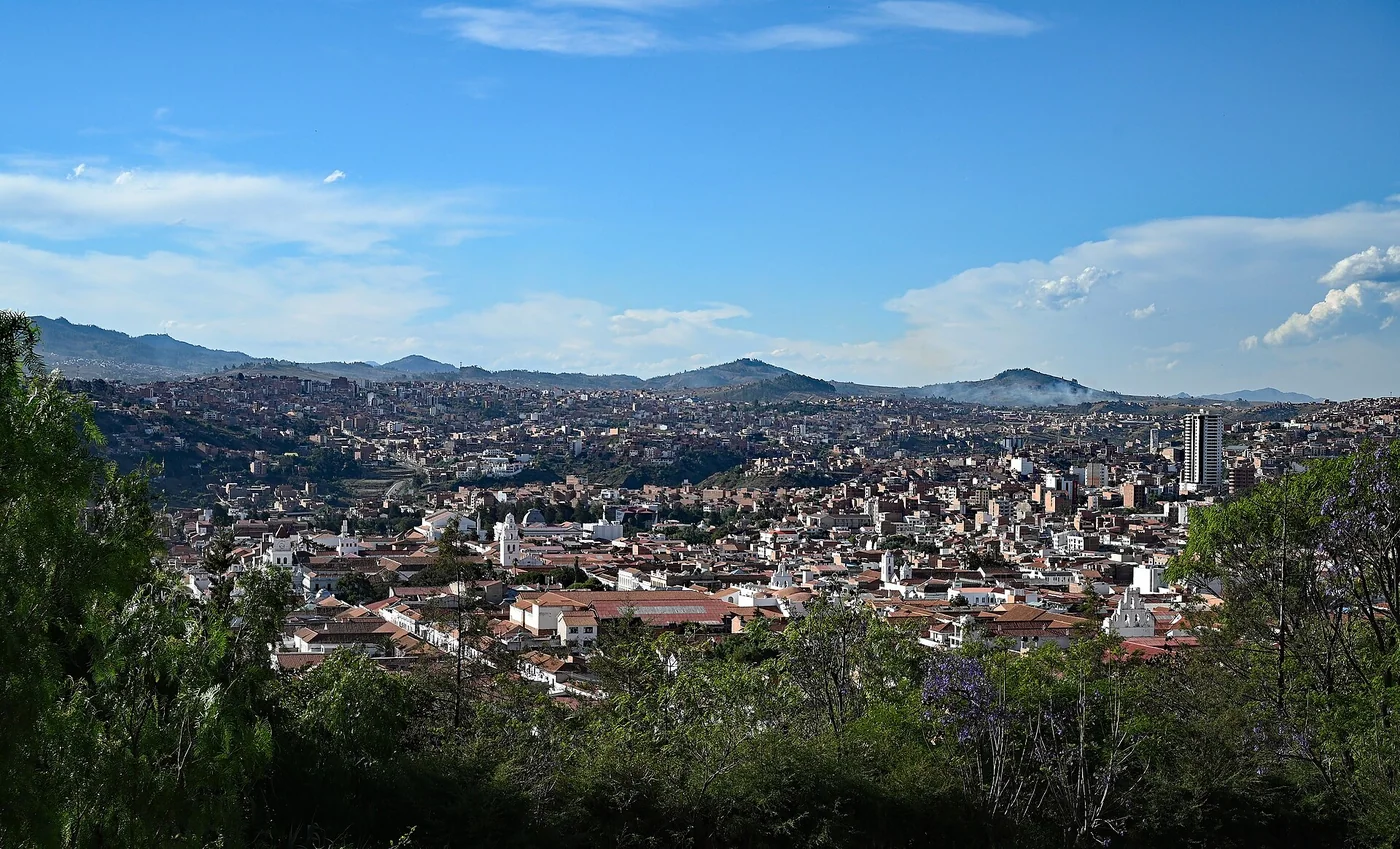

Link back to Venezuela Advisor’s mission
We publish these history guides so clients understand the symbols in the rooms where deals and family decisions happen. Then we return to visas, title, banking and security — the tools of practical life in Venezuela today.
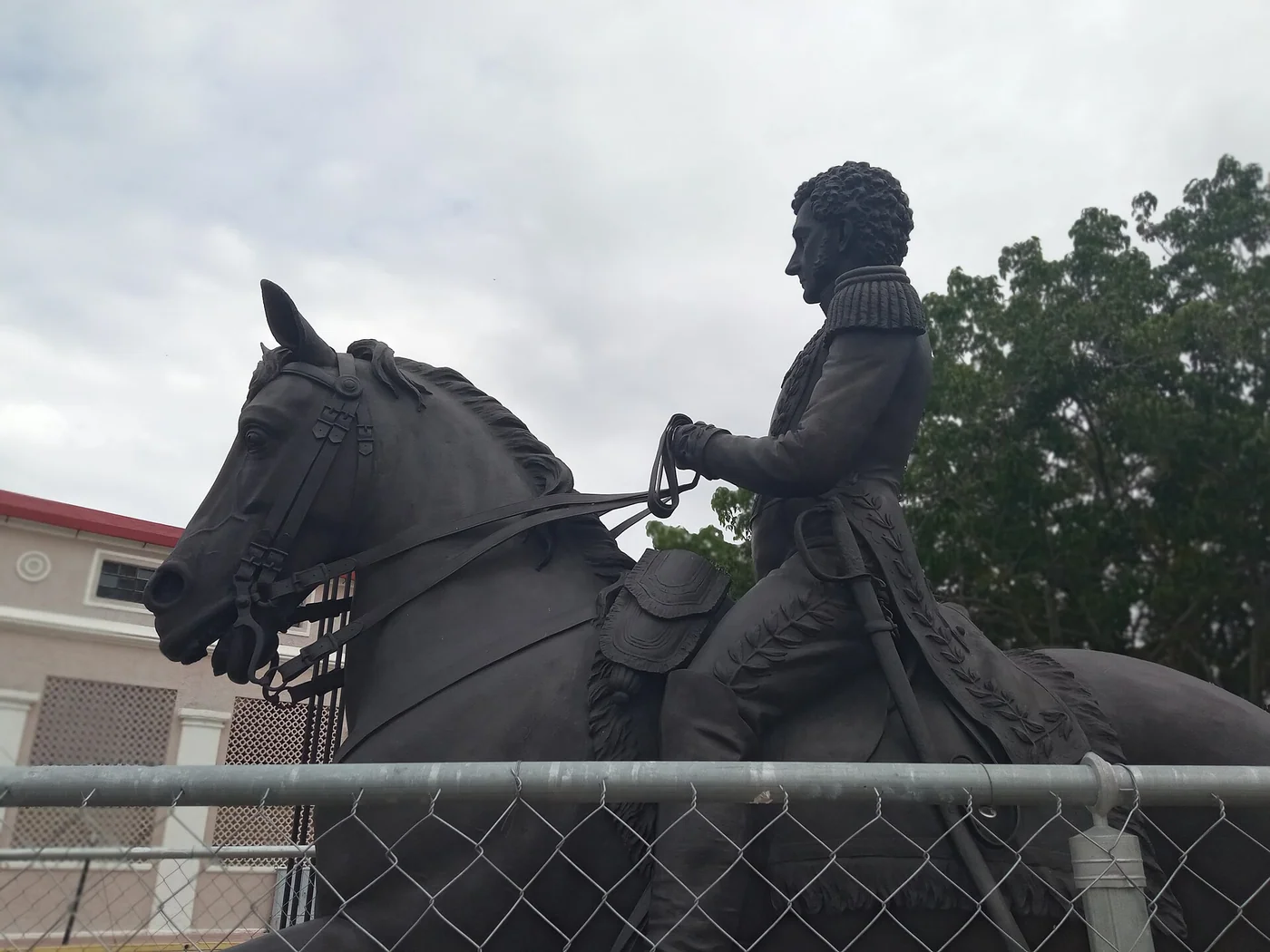

Why Venezuelan clients may under-emphasize Sucre
National pantheons are competitive for attention. Bolívar occupies the summit in Venezuela; Sucre shares oxygen with several heroes. In Bolivia the balance differs. If your counterpart shrugs at Sucre, offer the Ayacucho fact politely rather than correcting them aggressively — then move on to the business at hand.
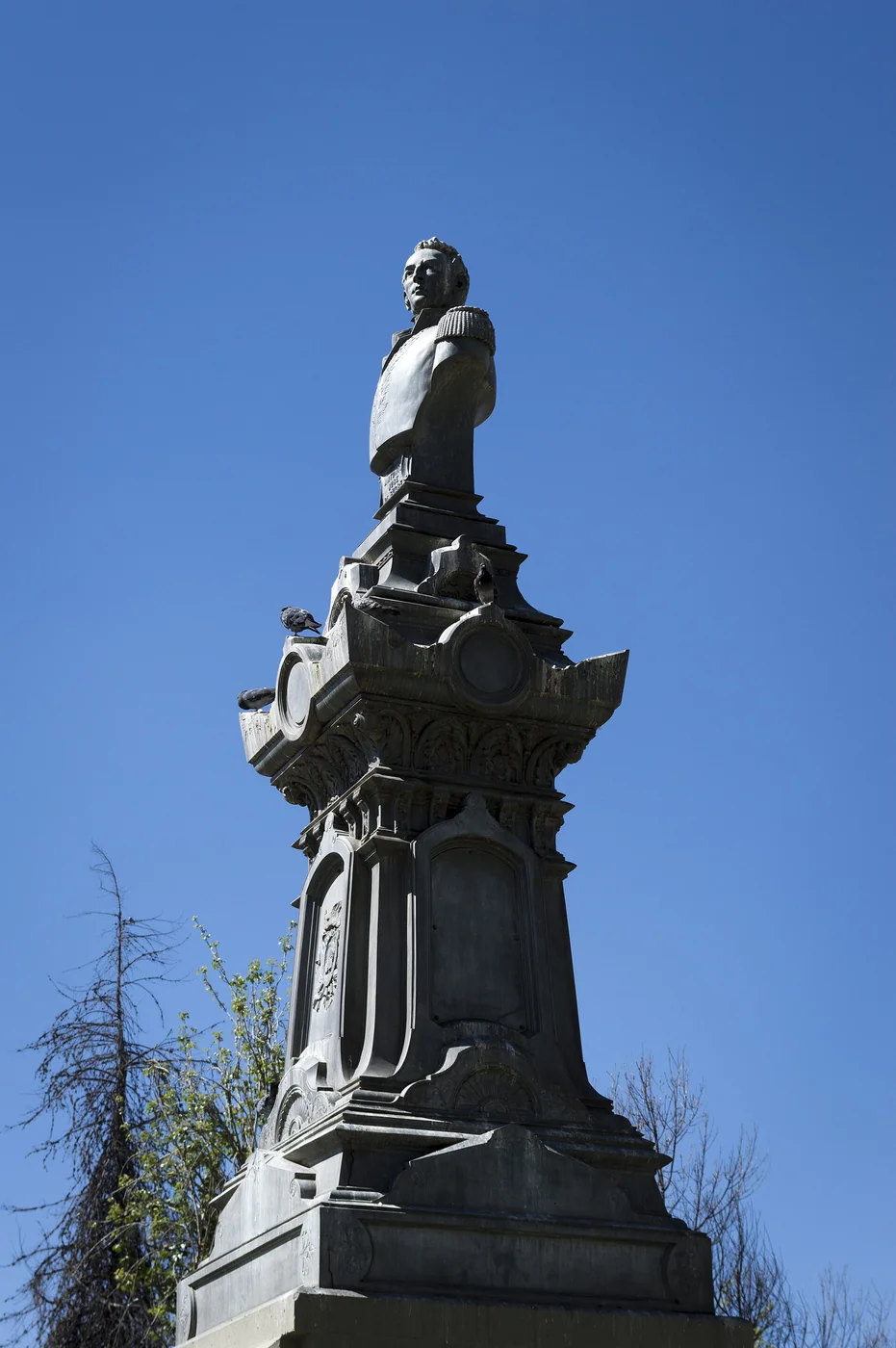

Legacy sentence
Sucre turned continental strategy into a decisive southern victory and then tried to govern the peace. His assassination in 1830 cut short a career that might have stabilized more than it was allowed to.

Altitude war
Southern Andean campaigning imposed cold, thin air, extended supply lines and the need to integrate local contingents. Sucre’s skill was making that machine work long enough to force a decisive engagement at Ayacucho. Non-specialists can appreciate the achievement without memorizing every subordinate unit.

After the victory parade
Paying troops, drawing borders, calming cities and writing rules consumed the peace. Sucre’s administrative record is mixed by necessity — no one inherited a ready-made state. Judging early republican leaders only by modern bureaucratic standards is anachronistic; judging them only by marble is naive.

Historiography tip
Venezuelan, Bolivian, Ecuadorian and Colombian historians emphasize different chapters. Read across borders when possible. National libraries and university presses remain better sources than random blogs.

Conversation openers
- “Sucre’s Ayacucho victory is less famous abroad than Bolívar — how is he taught here?”
- “What should a visitor see in Cumaná related to Sucre?”
- “How do Bolivians you know talk about him?”
Closing synthesis of the three-hero set
Miranda opens the international and tragic door. Bolívar organizes the northern political-military center and national symbol system. Sucre delivers the southern decisive victory and attempts the peace. Venezuela Advisor publishes all three so clients stop receiving a one-statue version of a complex founding.
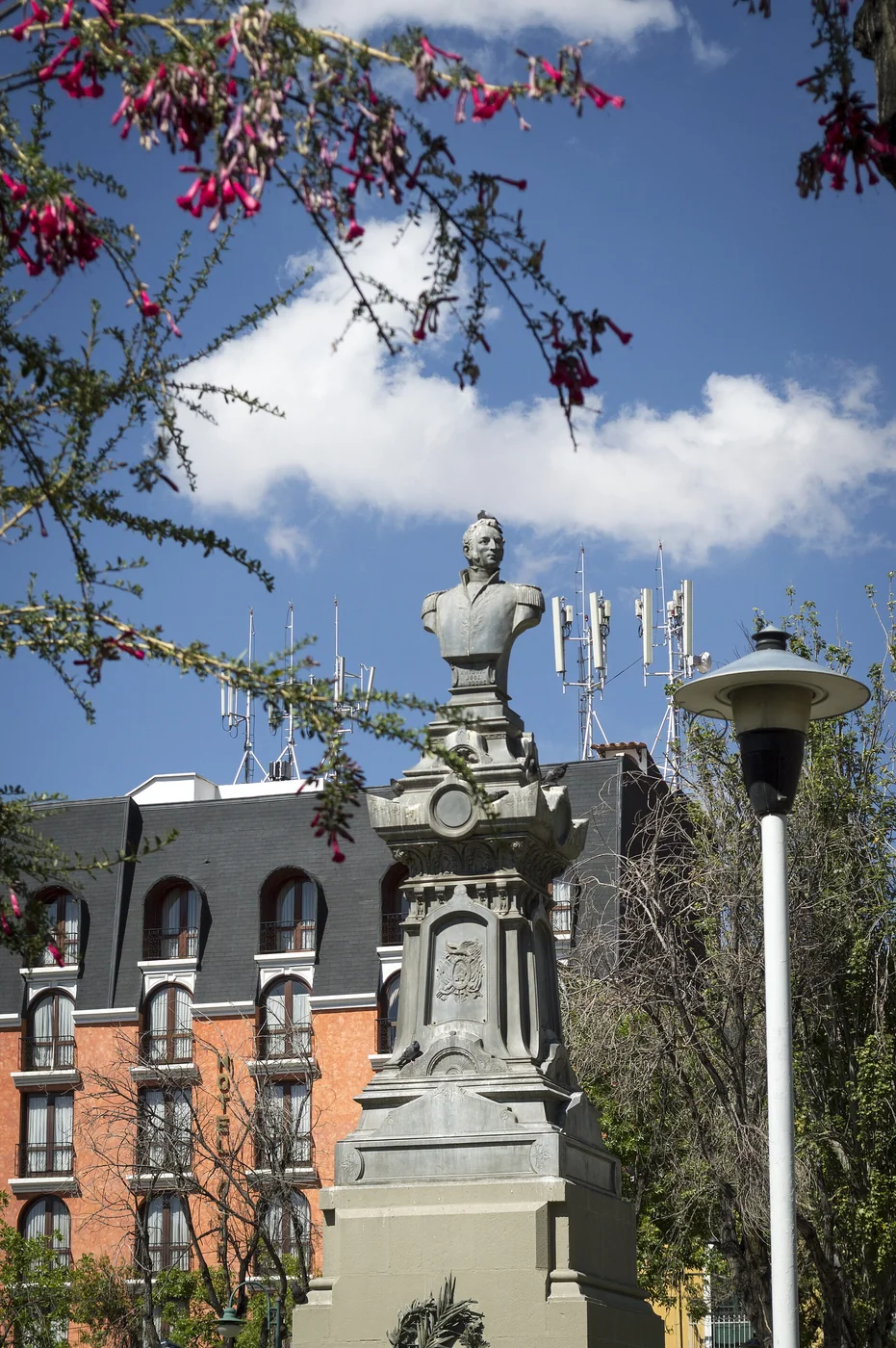

Logistics: the unglamorous heroism
Moving powder, food, mules and men across Andean passes wins wars as much as speeches. Sucre’s career rewards readers interested in operations. If your background is logistics or project management, you may find him more relatable than purely political figures.
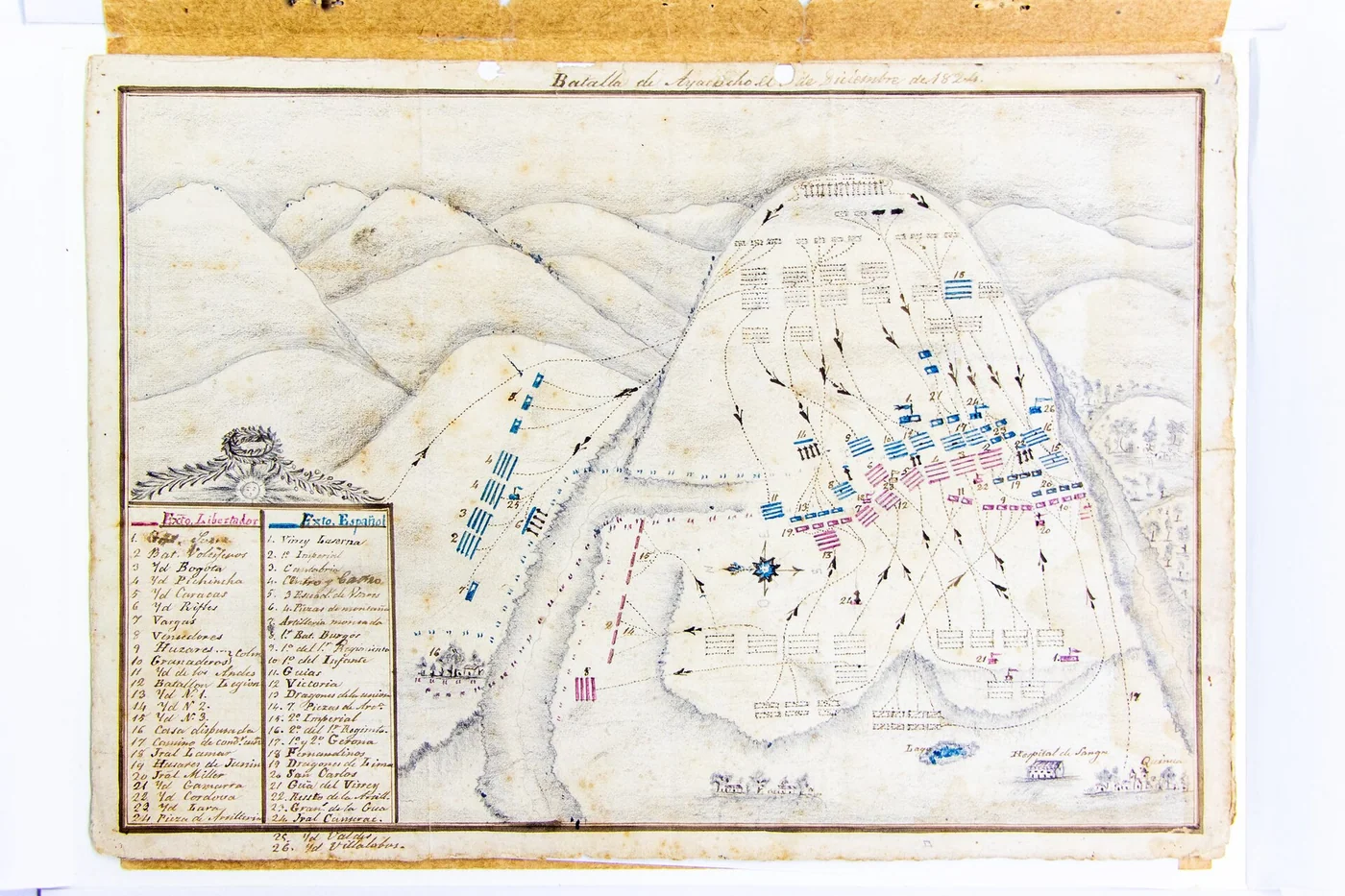

Memorial geography
From Cumaná to Ayacucho to Berruecos, the map of Sucre’s life is transnational. Planning a history-focused trip means crossing modern borders and rules. Do not assume a single museum ticket in Caracas covers him; ask specifically.
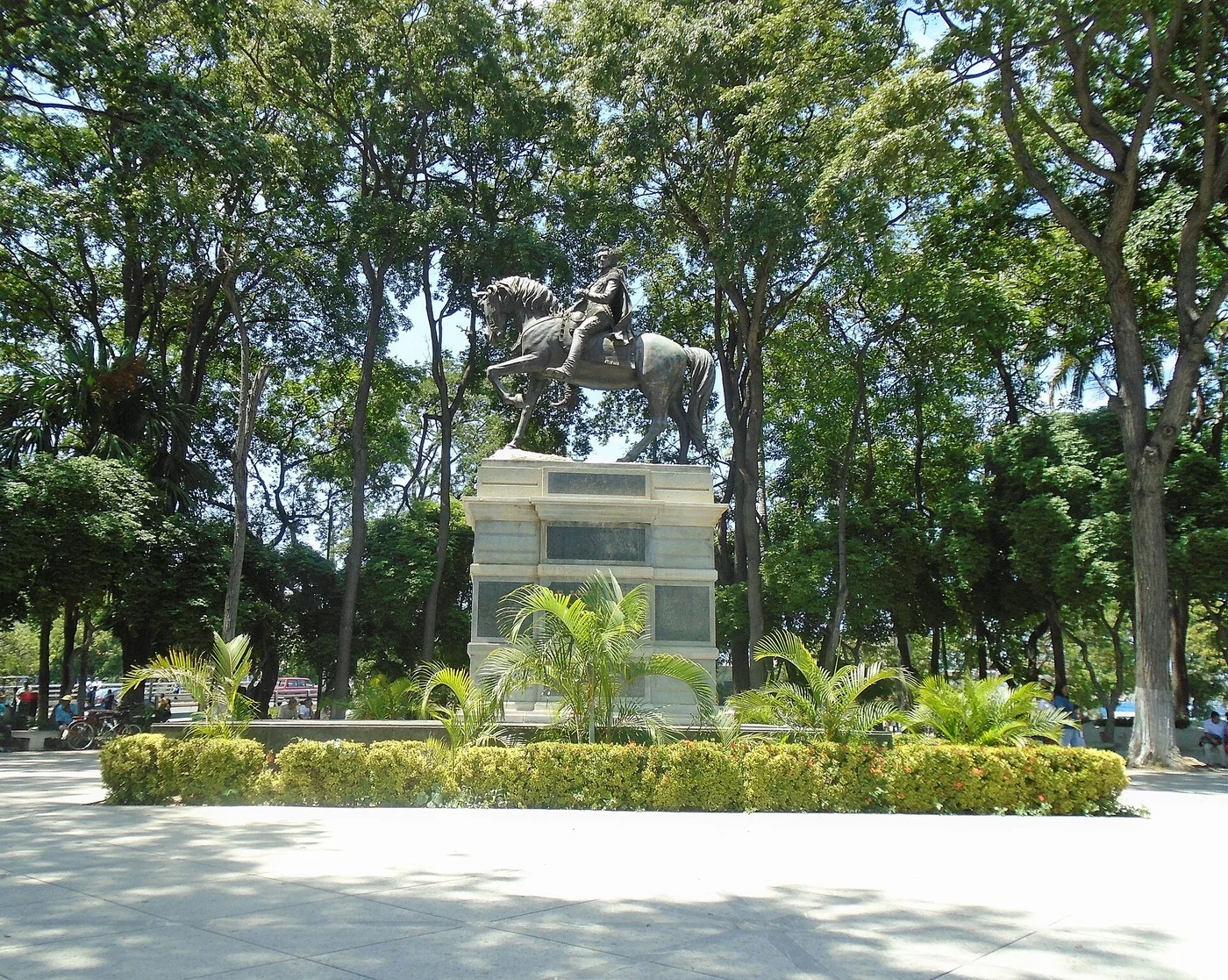

Final orientation paragraph
If you remember only three facts: Sucre was born in Cumaná; he won Ayacucho in 1824; he was assassinated in 1830. Those anchors place him correctly beside Bolívar and Miranda. Together the three guides end the “one statue” version of independence for Venezuela Advisor readers.
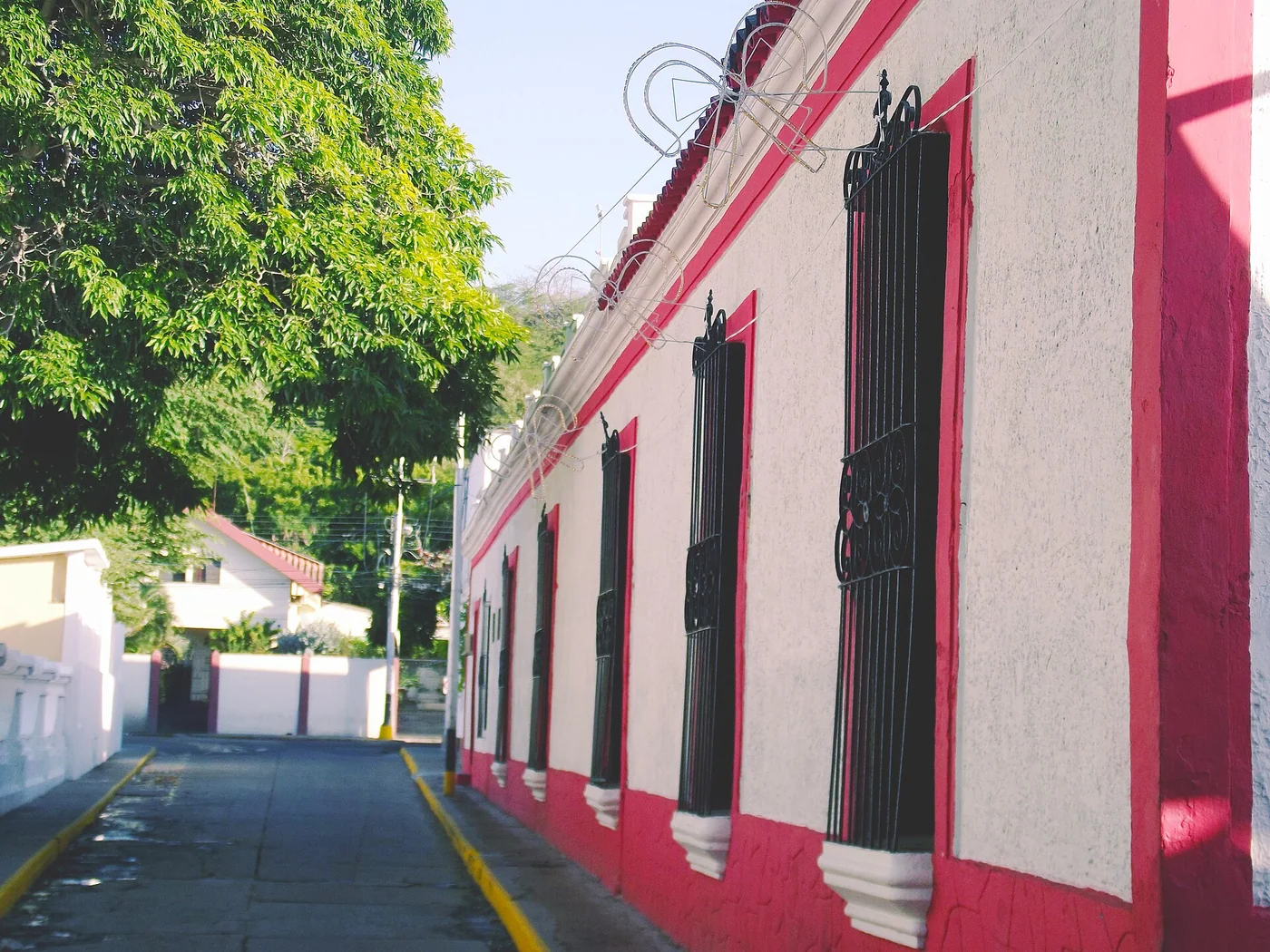

One page summary for busy readers
Antonio José de Sucre (1795–1830), born in Cumaná, became Bolívar’s key operational commander in the southern Andes, won the decisive Battle of Ayacucho on 9 December 1824, helped organize early Bolivian statehood, and was assassinated at Berruecos in 1830. His title Grand Marshal of Ayacucho marks continental military closure of the Spanish mainland war. Read him with Bolívar and Miranda to complete Venezuela’s first-rank independence triangle. Keep this guide bookmarked beside our Bolívar and Miranda articles. Operational excellence at Ayacucho and the tragedy of 1830 belong in every complete briefing on Venezuelan independence memory. For corporate briefings, two minutes on Sucre prevent the embarrassment of knowing only Bolívar when an Andean counterpart mentions Ayacucho. For families, his Cumaná origin connects eastern Venezuelan pride to continental history. For students, his life is a case study in military skill meeting political fragility. That is enough reason for a dedicated article of this length.

Frequently asked questions
Who was Antonio José de Sucre?
Venezuelan-born independence commander (1795–1830), Grand Marshal of Ayacucho.
What was Ayacucho?
The 9 December 1824 battle that broke remaining Spanish military power in mainland South America.

Where was Sucre born?
Cumaná, eastern Venezuela.

Why is he important to Bolivia?
He was central to early Bolivian statehood after independence.

How did Sucre die?
Assassinated in 1830 at Berruecos.

Was Sucre under Bolívar’s command?
Yes — he was one of Bolívar’s most important and trusted commanders.

Is Sucre only a Venezuelan figure?
No — Bolivia and Ecuador also claim major chapters of his memory.

Why include him with Bolívar and Miranda?
The three roles — Precursor, Libertador, Marshal of Ayacucho — complete the first-rank independence map.

Questions or comments?
Leave us your message through the contact form — we will be glad to share our experience and help you with the next steps of your plans in Venezuela.
References
- Antonio José de Sucre | Biography — Birth in Cumaná, chief-lieutenant relationship with Bolívar, Ayacucho, Bolivia’s presidency, and Berruecos.
- Battle of Ayacucho — Date, multinational forces, Sucre’s command, surrender, and the battle’s continental significance.
- Battlefield of Ayacucho | UNESCO World Heritage Centre Tentative Lists — Battlefield geography, multinational army, capitulation, commemorative landscape, and historical context.
- Copies of correspondence of the Grand Marshal Antonio José de Sucre (1825) | UNESCO Memory of the World — Primary-document context for the transition from war to the organization of the new Bolivian state.
- Antonio José de Sucre | College of Wooster Latin American History Archive — Pichincha, Ecuador, postwar leadership, and cross-border memory context.
- Sucre Alcalá, Antonio José de (1795–1830) | Encyclopedia.com — Political career, Bolivian reforms, Ecuador and Gran Colombia, and the documented uncertainty around the assassination.
This guide is general orientation, not a guarantee of eligibility, safety or investment returns. For the scope of the October 2026 priority update, read our editorial policy.