
Venezuelan Food: Arepas, Pabellón and the Classic Table
Why food literacy matters
Foreign professionals who master contracts but freeze at an arepera miss half of social life. Meals open trust. Dish names are vocabulary. Complimenting a regional plate correctly is better networking than another slide deck. Diaspora children who only know host-country food need this map when they return for holidays.
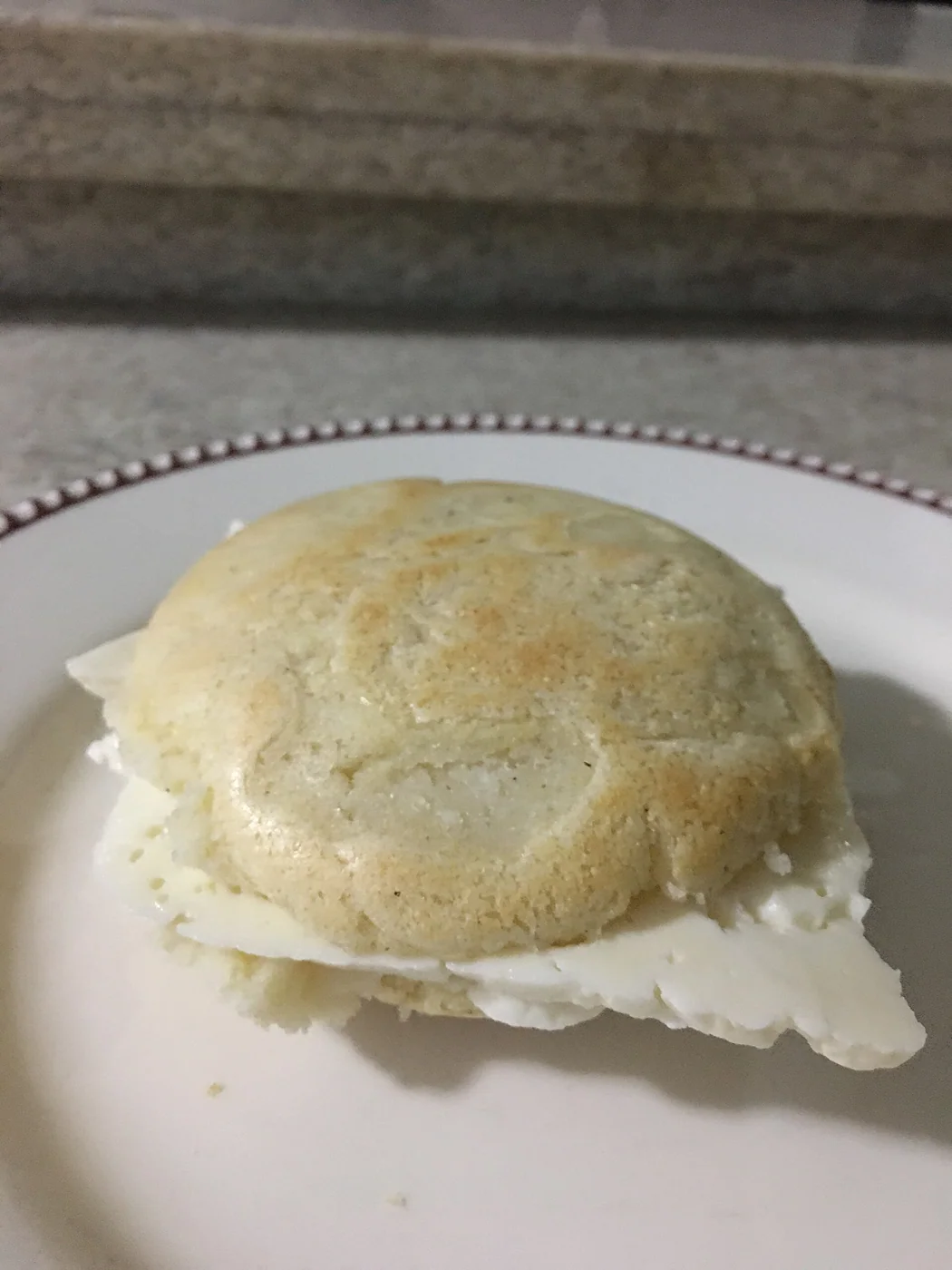

The arepa system
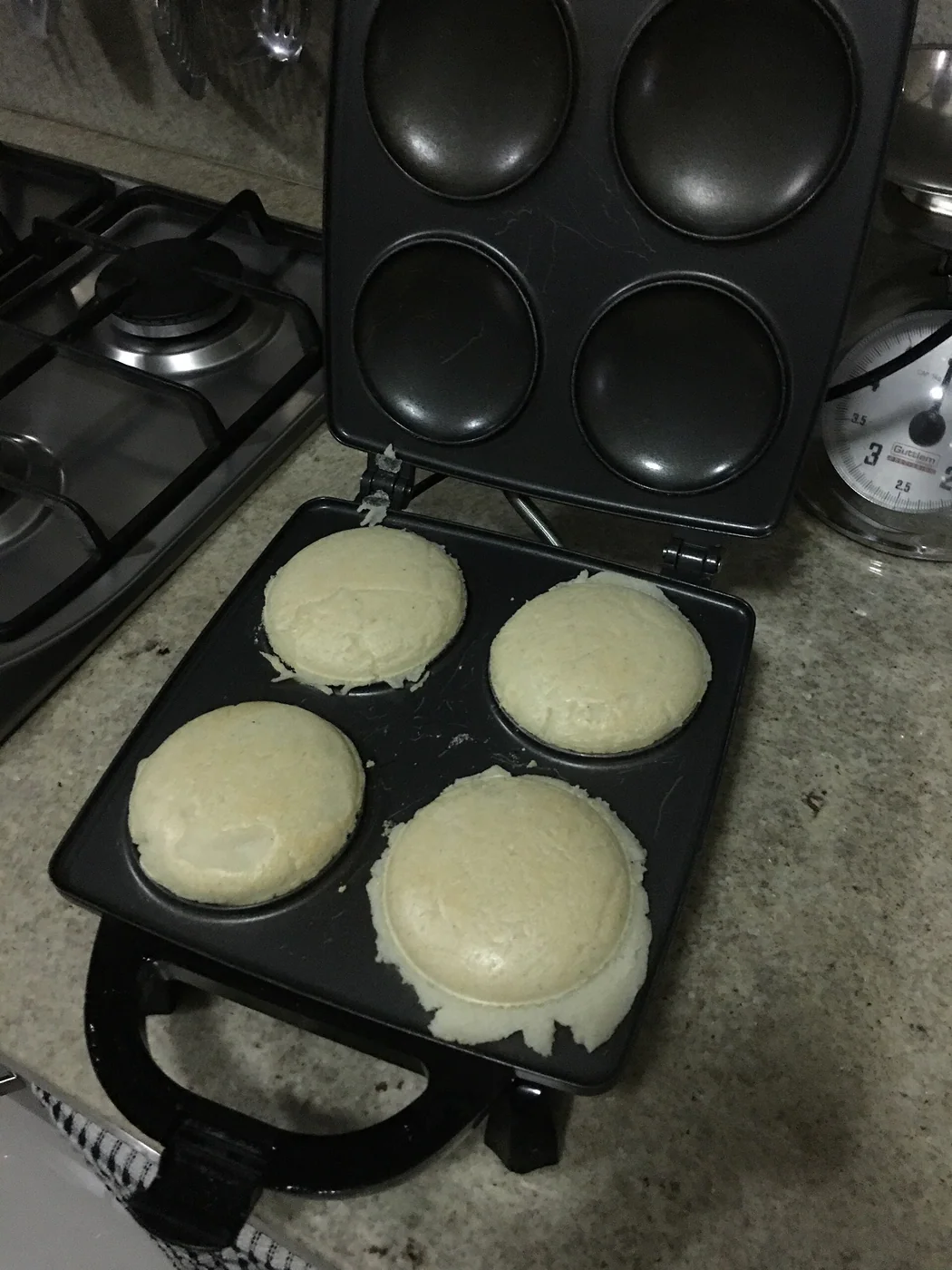
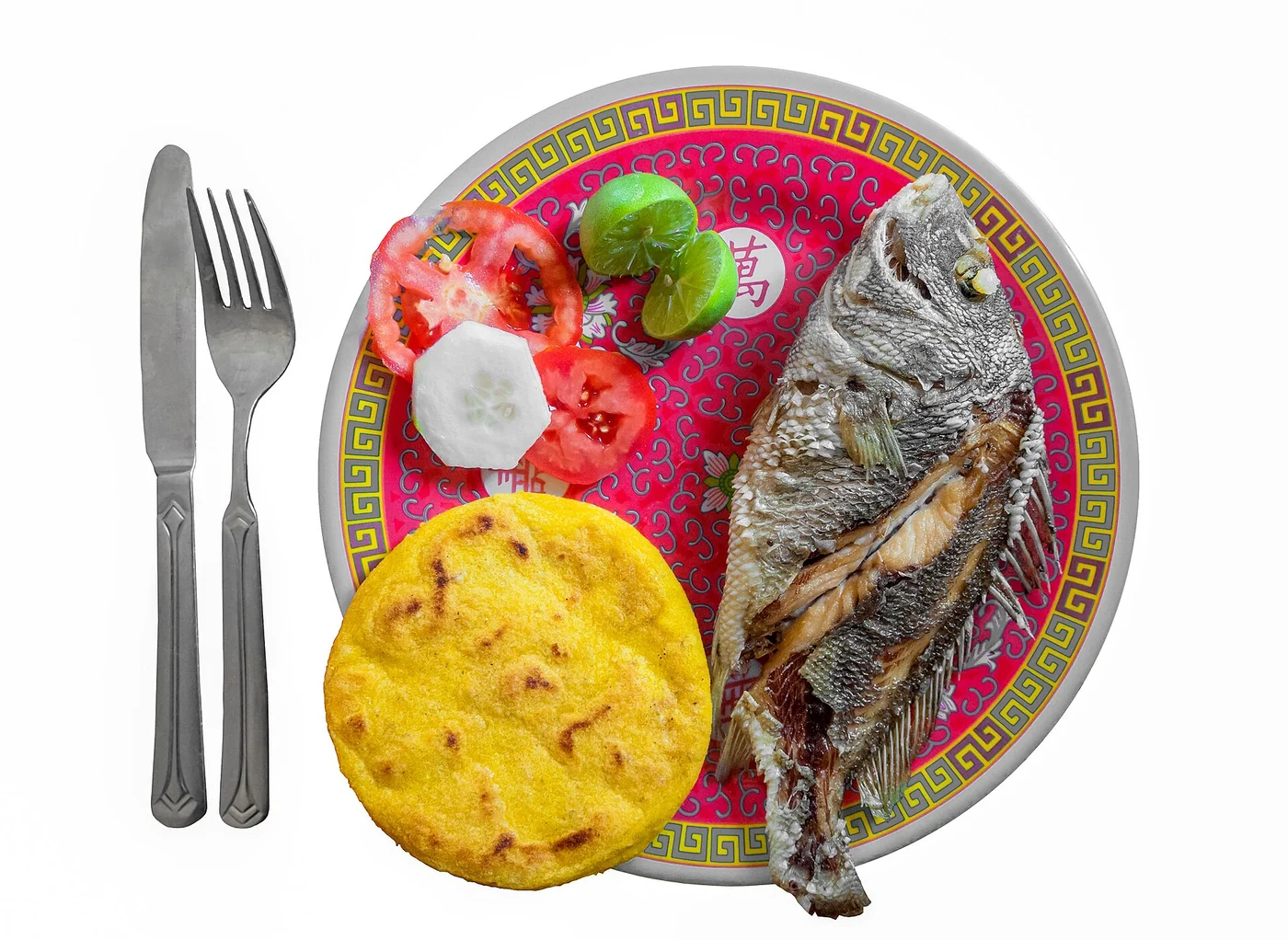
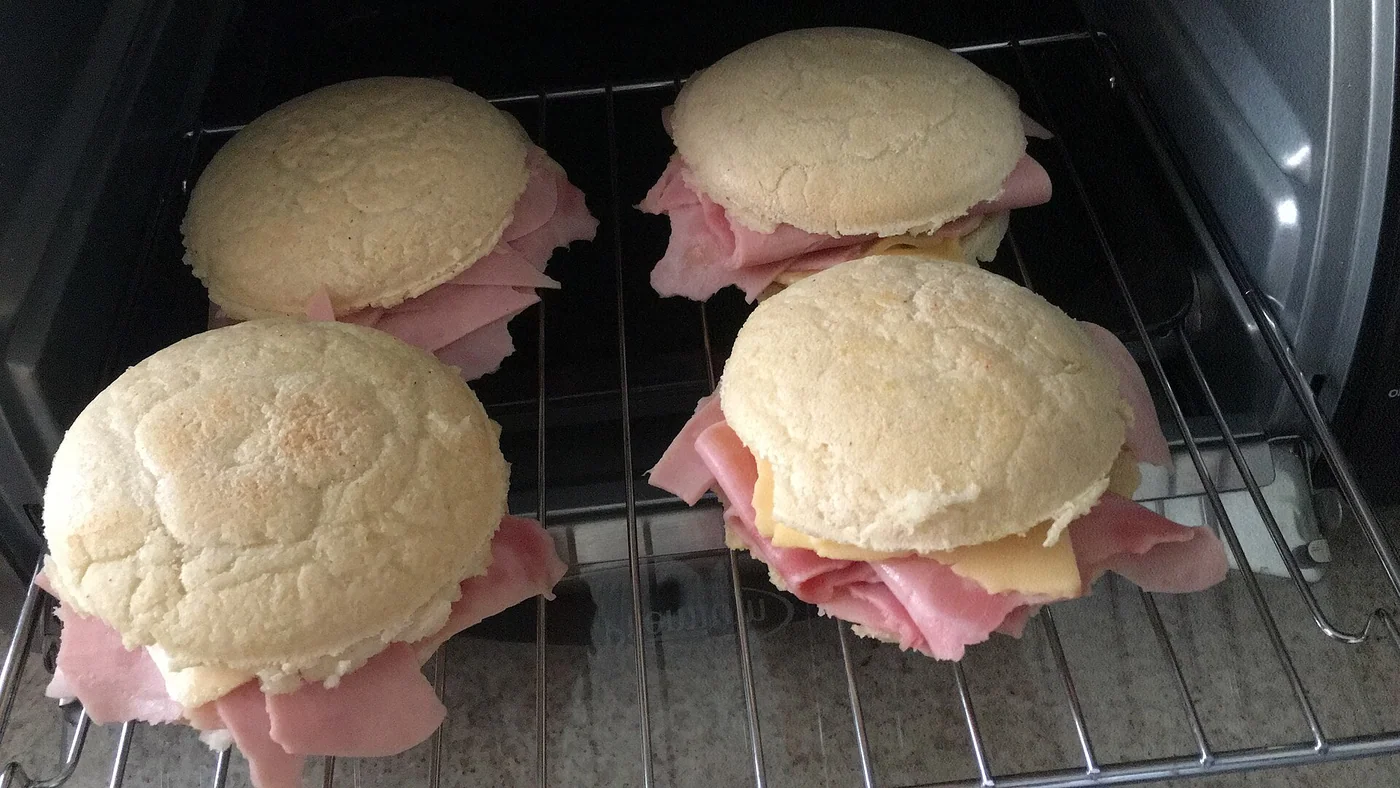
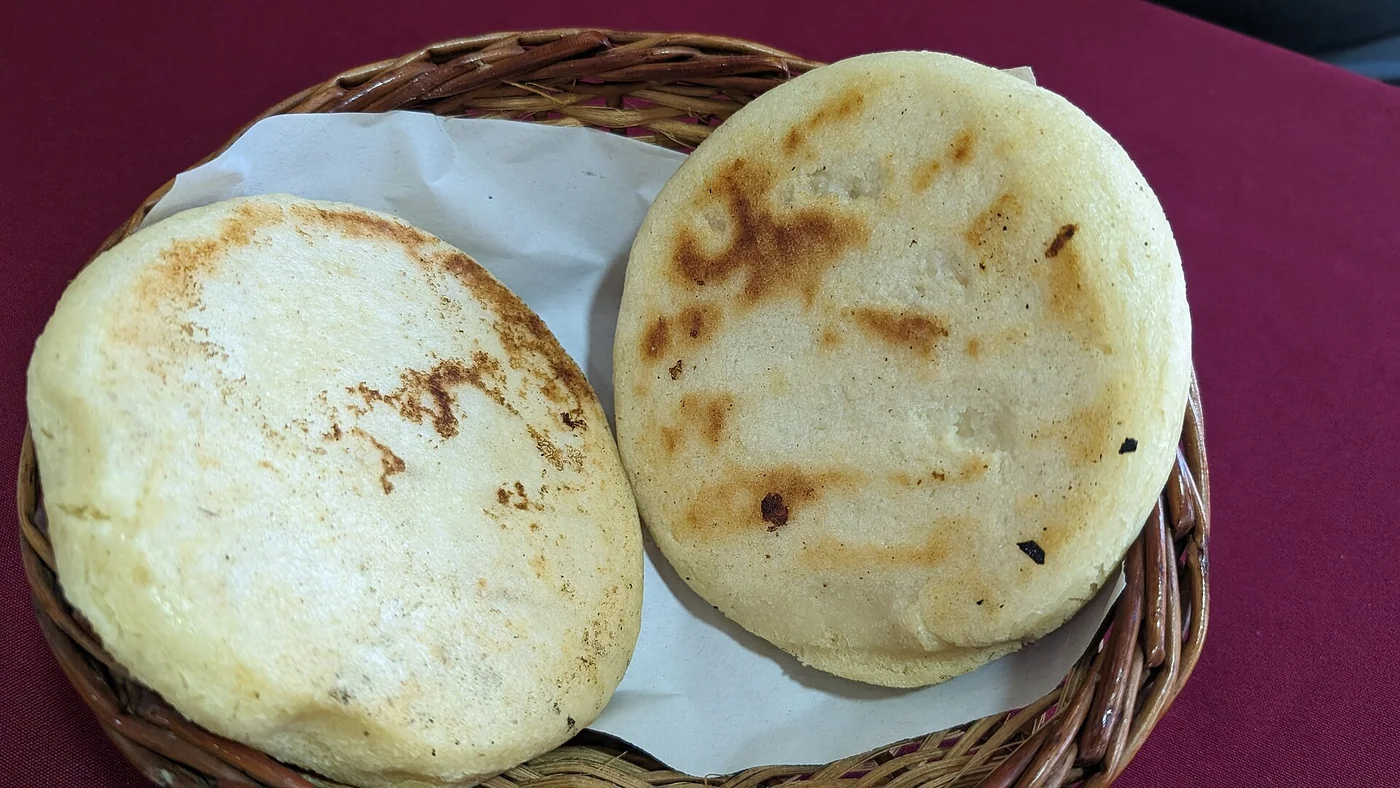
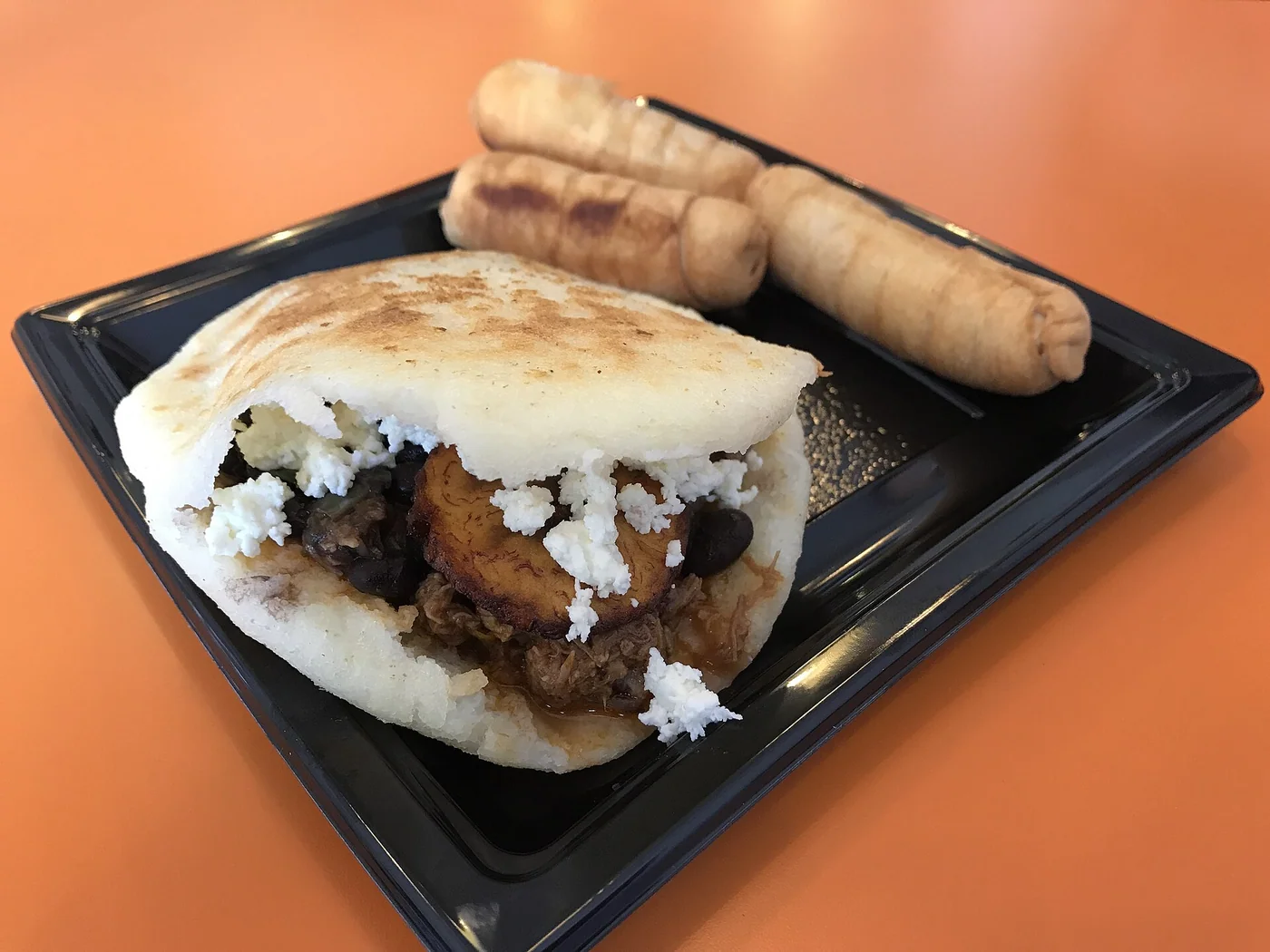
The arepa is a corn-based flatbread, griddled or baked, split and filled. It is breakfast, lunch, late-night food and national symbol. Fillings form a language of their own:

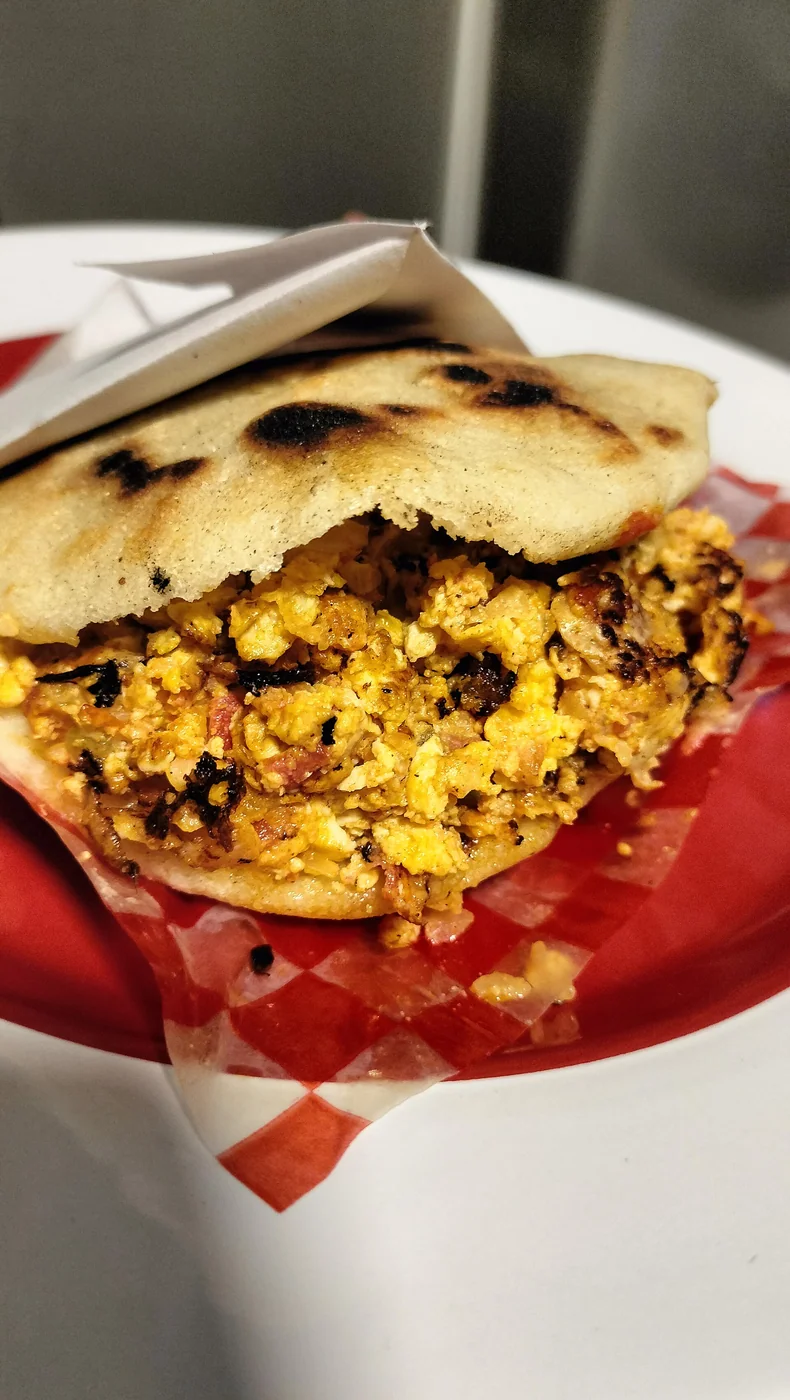
- Reina pepiada — chicken and avocado salad
- Dominó — black beans and cheese
- Pelúa — shredded beef and cheese
- Perico — scrambled eggs with tomato and onion
- Queso — cheese, the baseline order
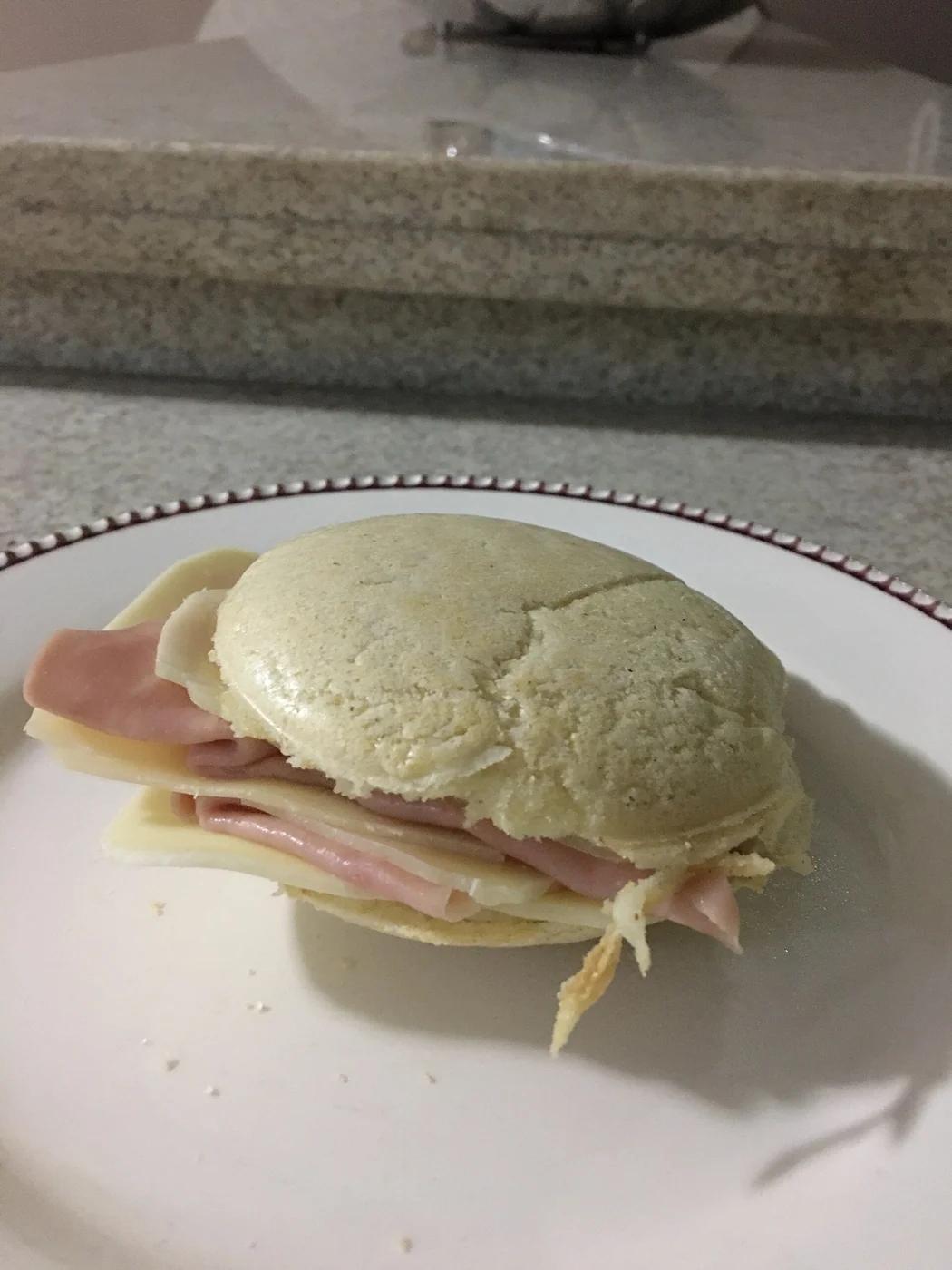
- Jamón y queso — ham and cheese
Order by filling name. Pointing works once; learning three names earns respect forever.

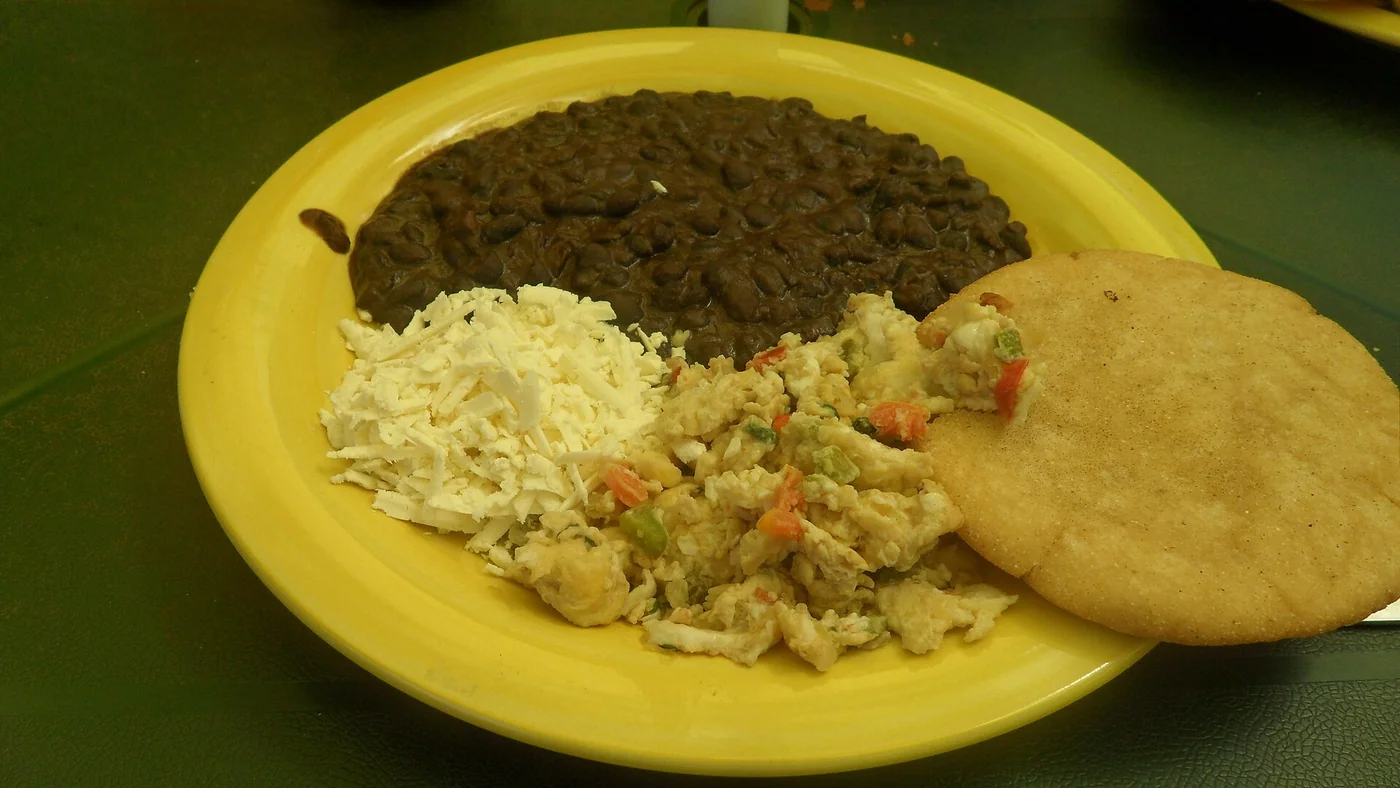
Pabellón criollo
Shredded beef, black beans, rice and fried plantain — the plate most often called the national combination. Variations exist, but the four elements are the identity. Understanding pabellón is understanding a claim about Venezuelan home cooking, not only a restaurant SKU.

Tequeños, empanadas, tostones
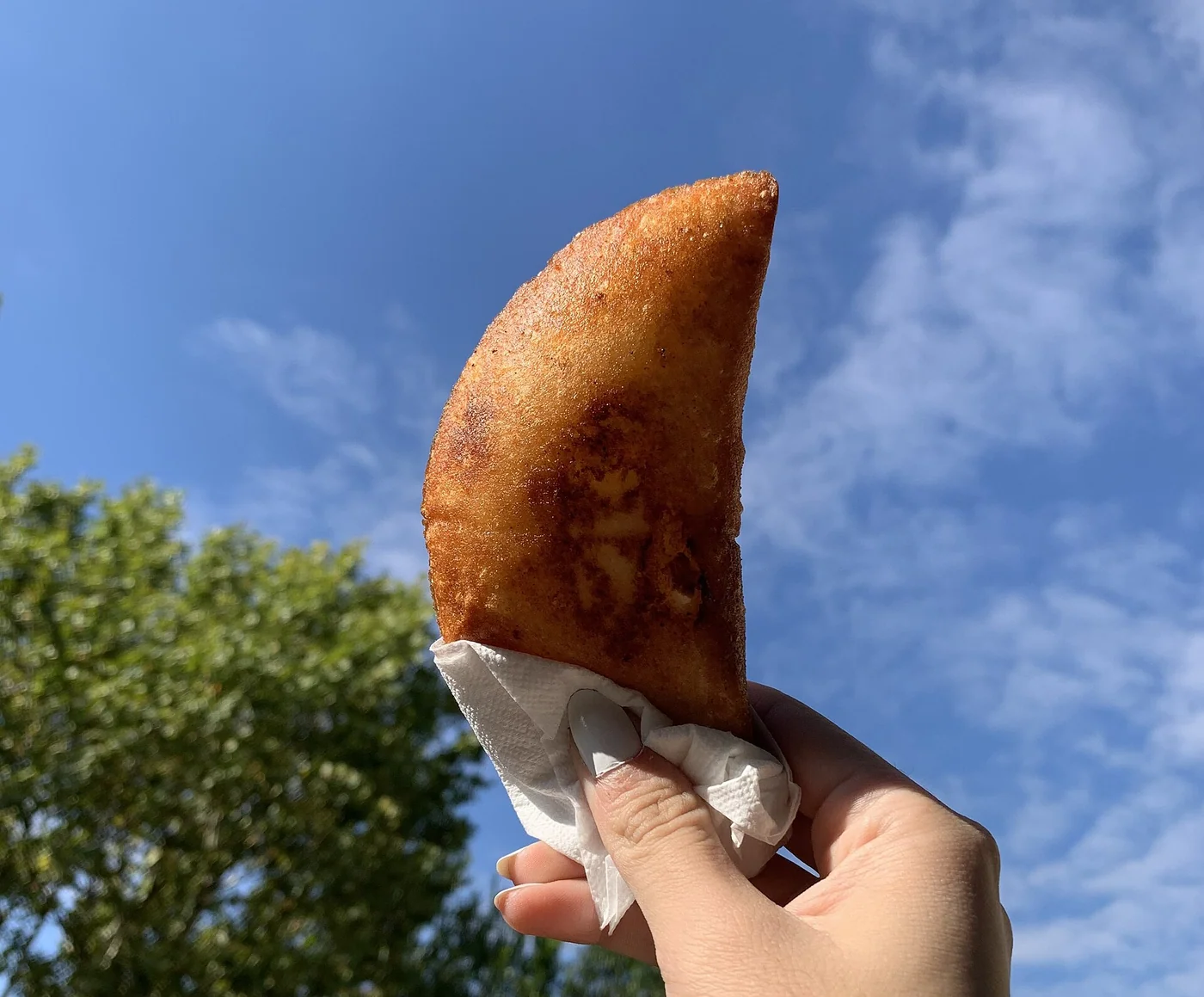
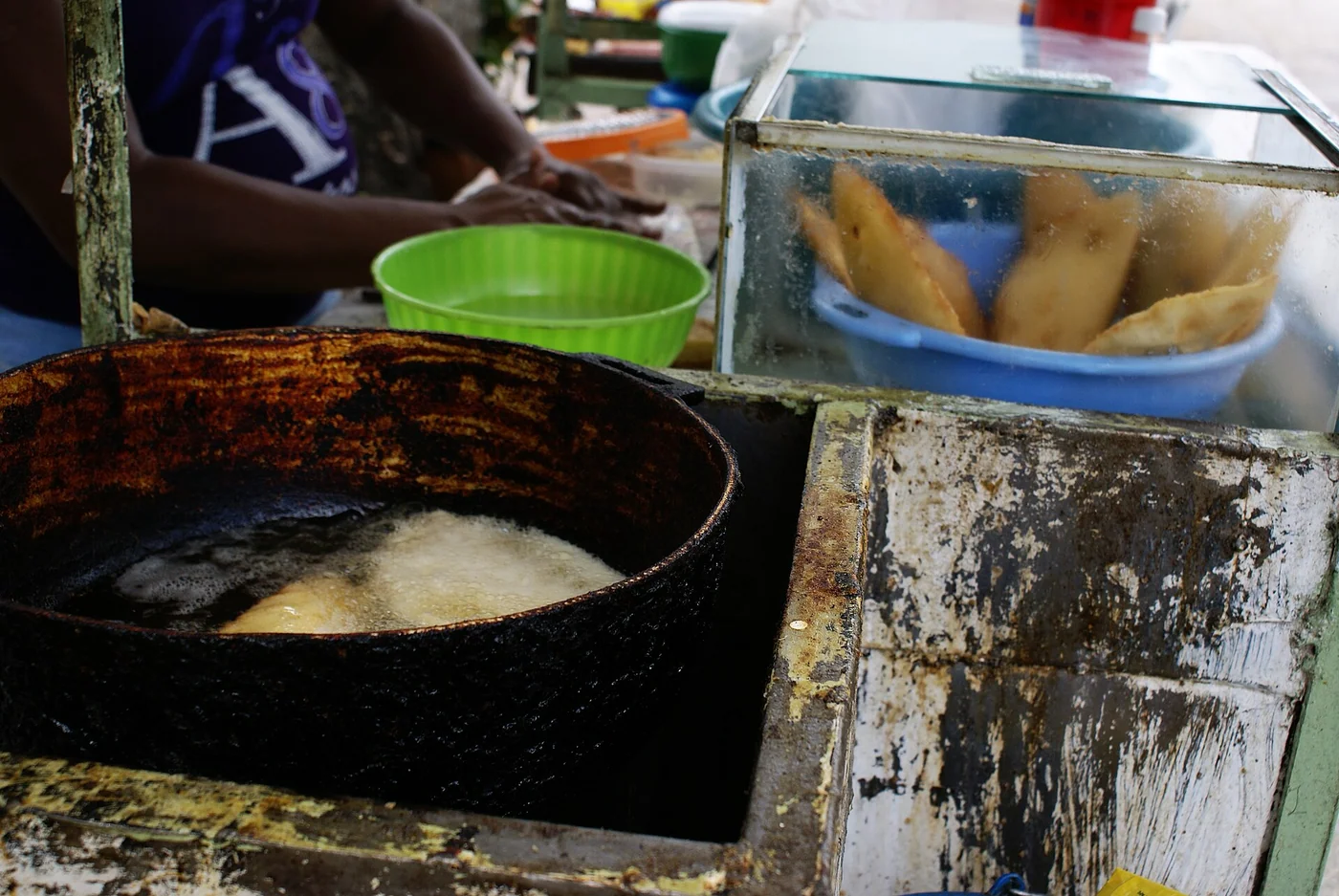
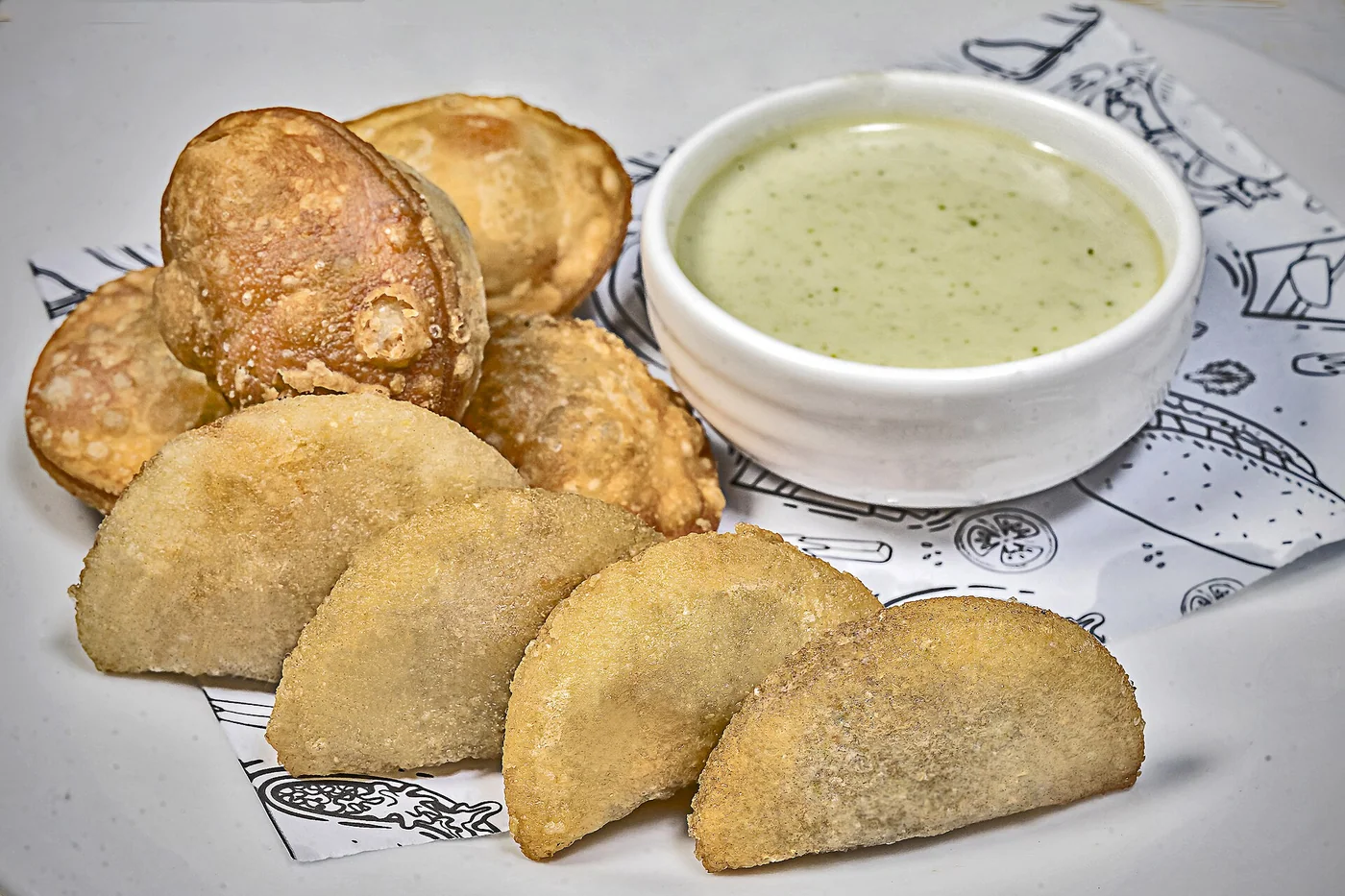
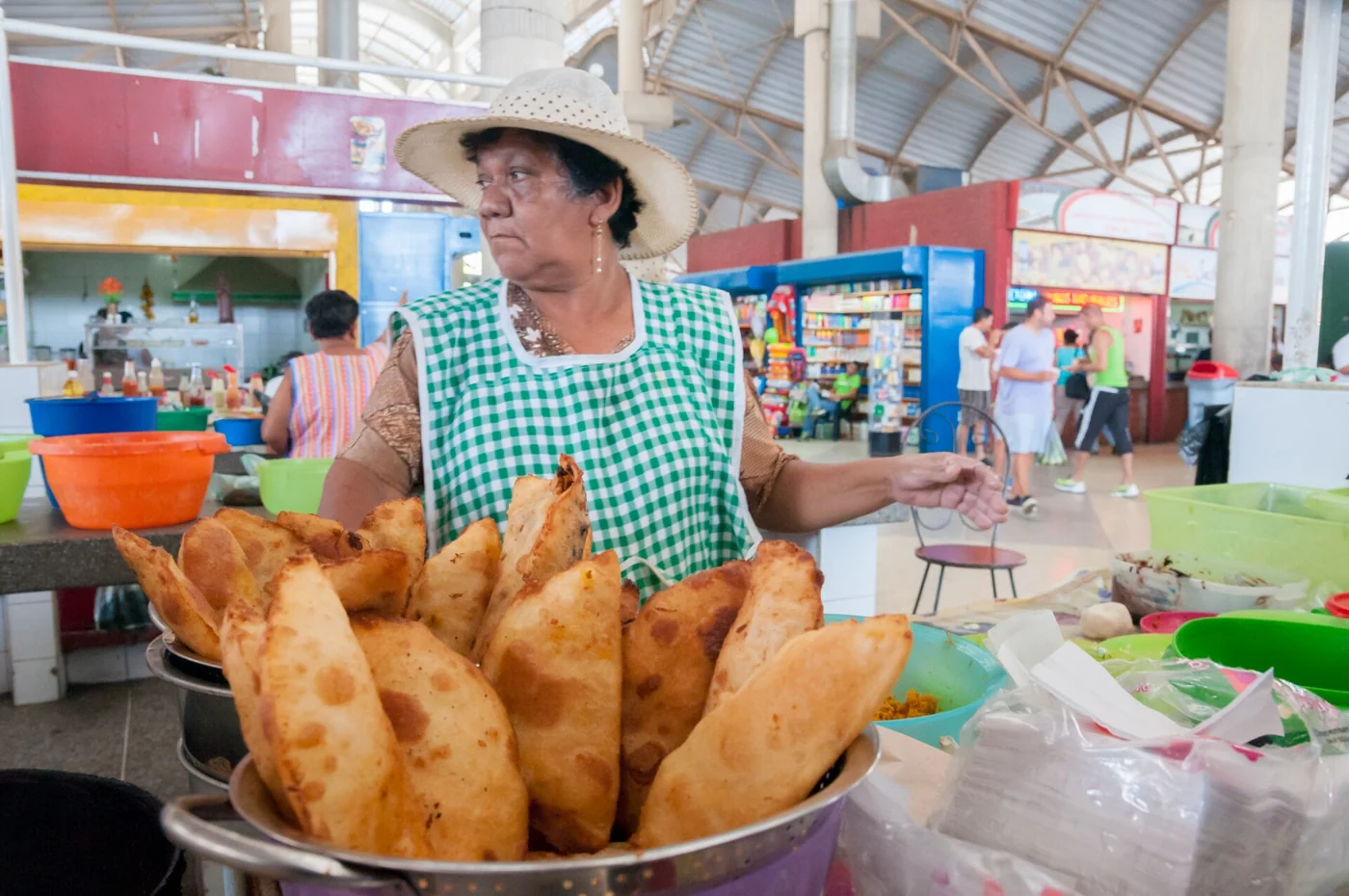
Tequeños (cheese sticks in dough) are party and appetizer culture. Empanadas are fried corn pockets with varied fillings. Tostones and patacones are fried green plantain — vocabulary shifts slightly by region and by Colombian border influence. Learn both words.

Cachapas and queso de mano
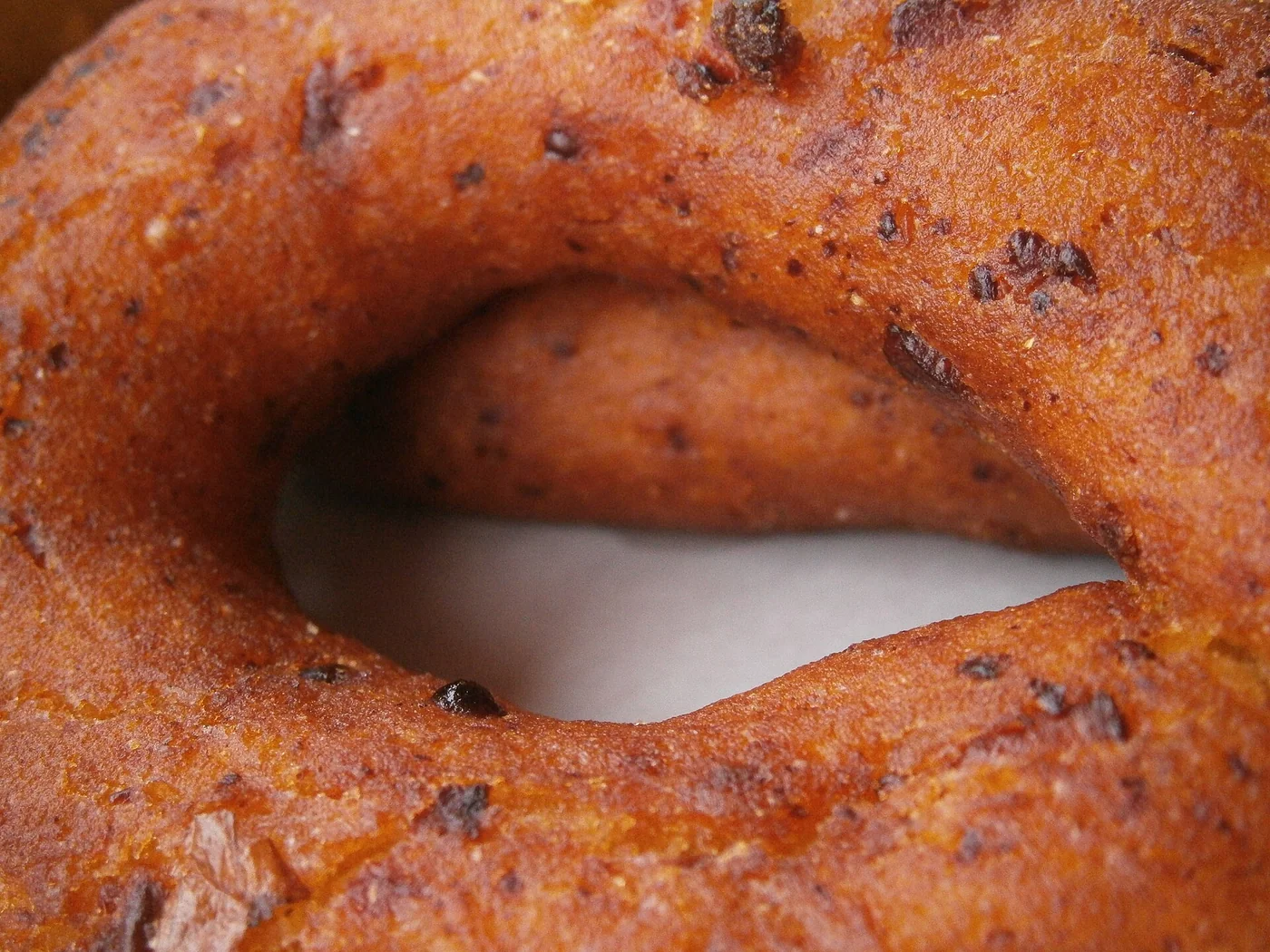
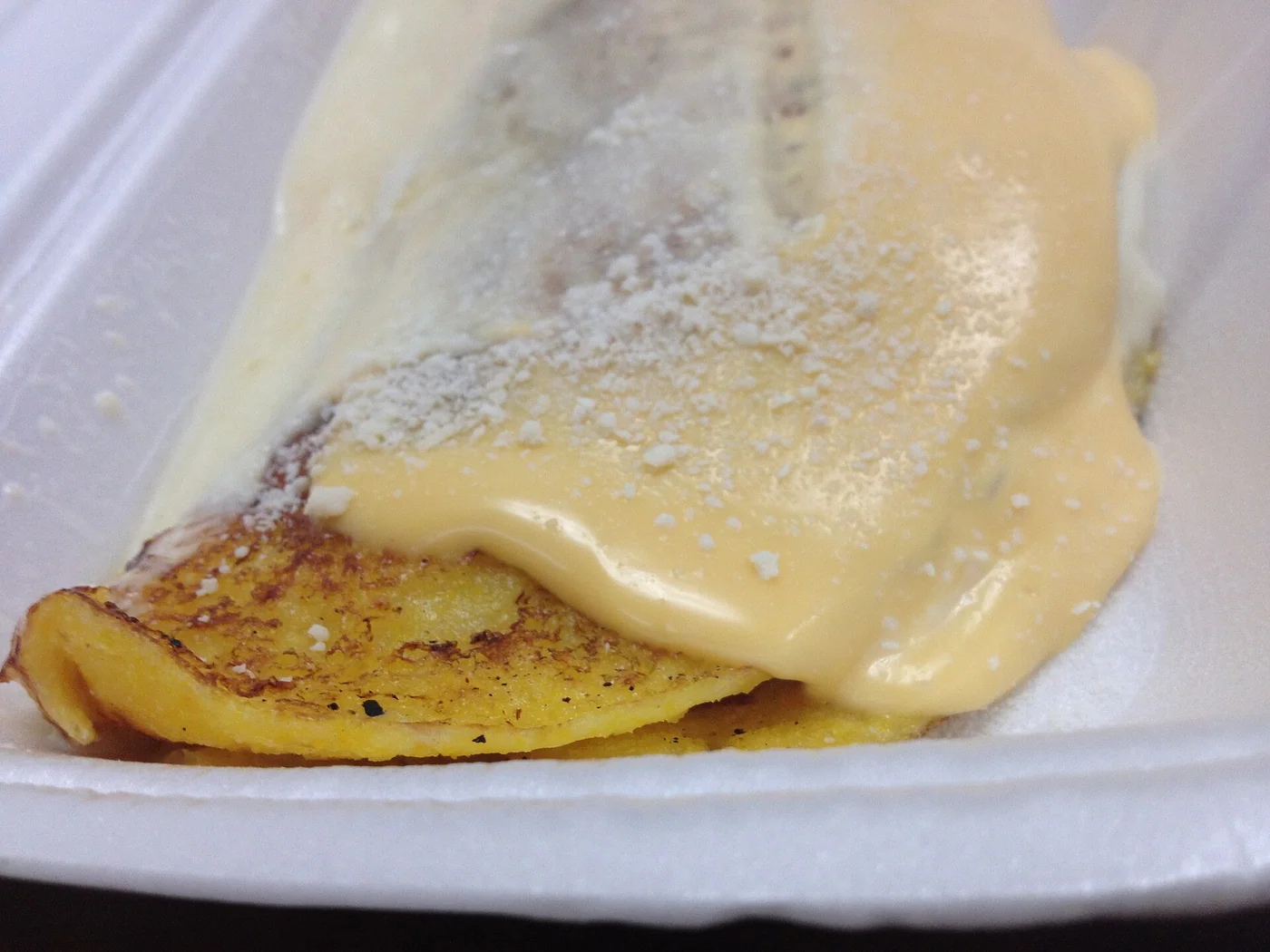
Cachapas are sweet-corn pancakes, often paired with soft fresh cheese (queso de mano). They signal comfort food and roadside stops. For many Venezuelans abroad, a good cachapa is an emotional event.

Regional plates
- Zulia / west: lake and coastal traditions, patacones, regional sweets, gaita-season tables
- Andes: trout, strawberries, cooler-climate produce
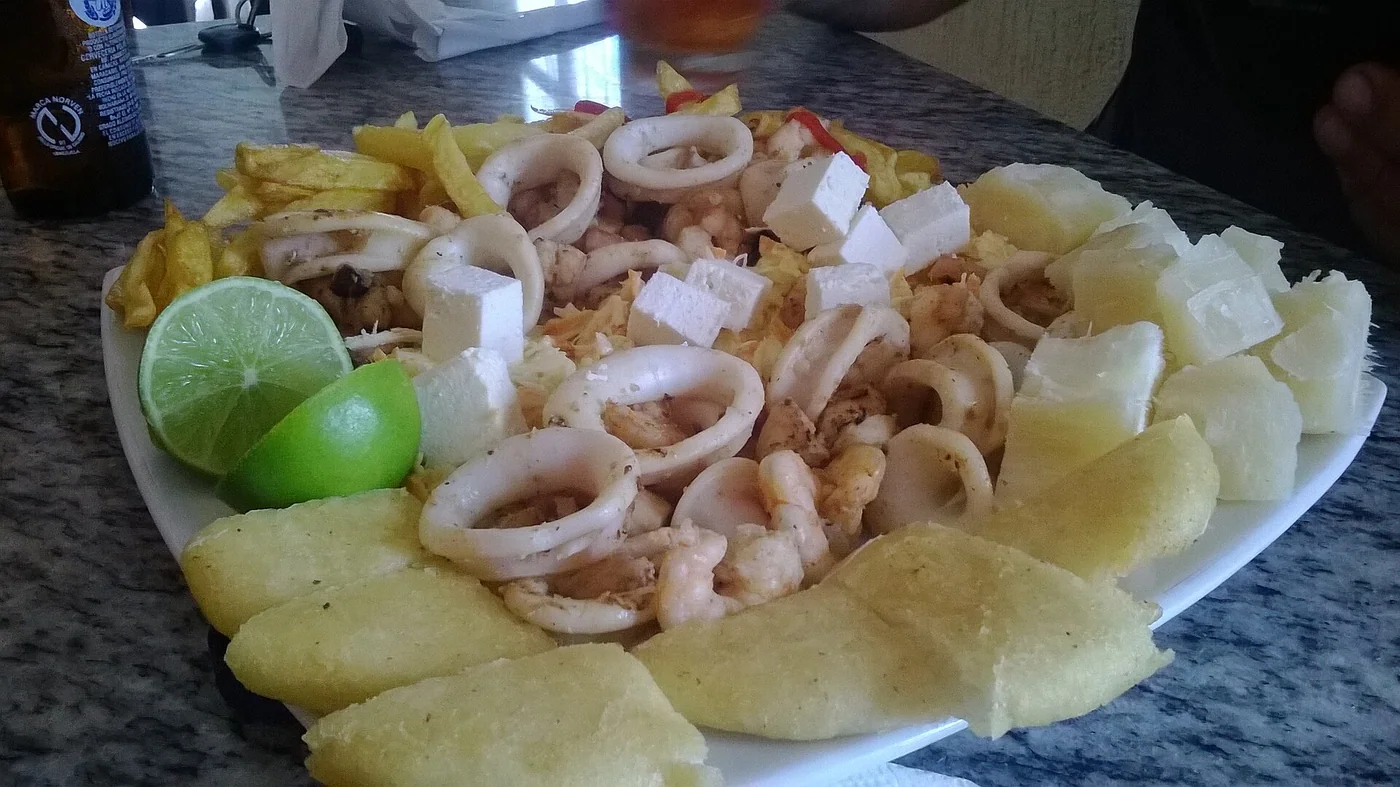
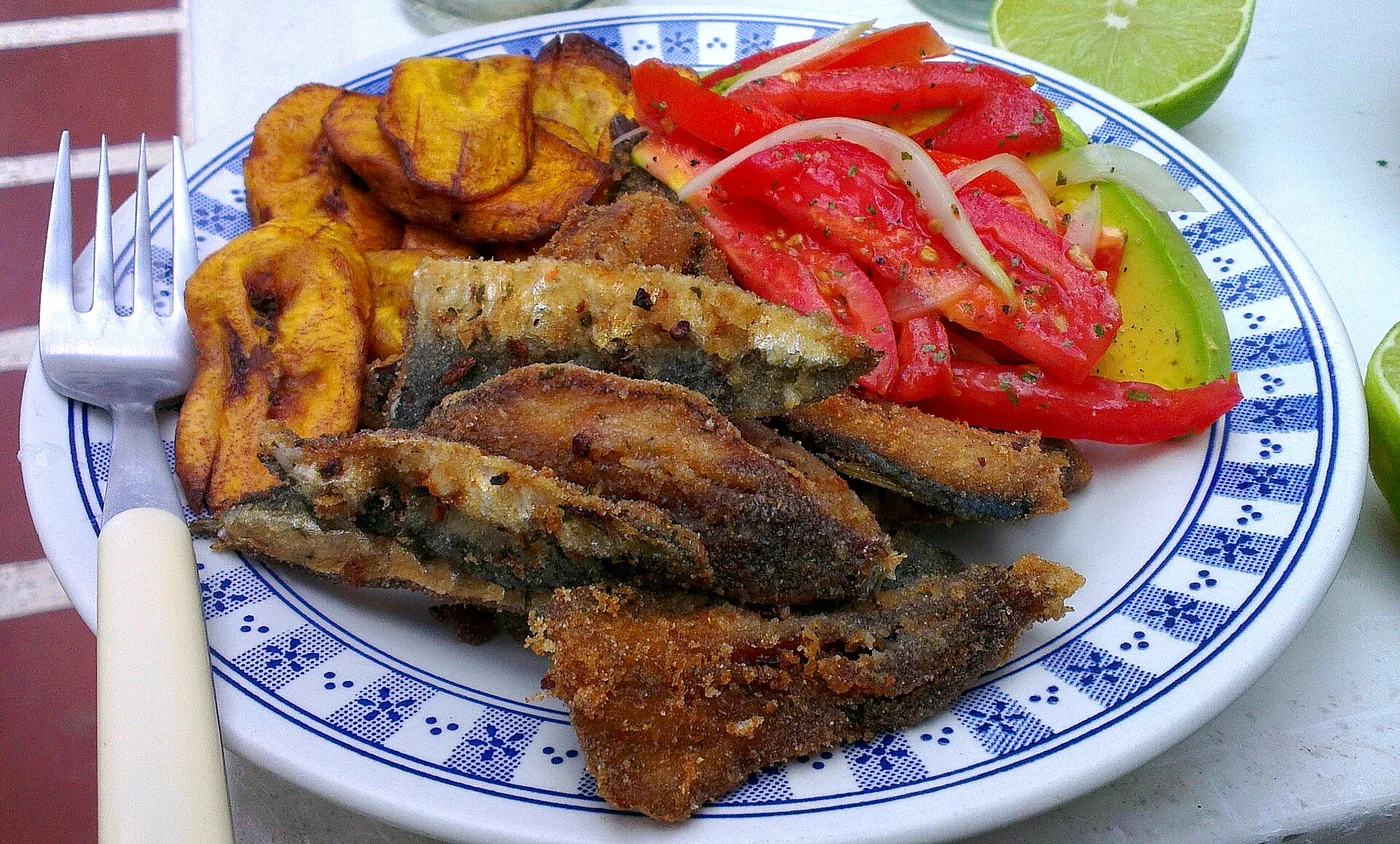
- East / Oriente: seafood emphasis, coastal frying culture
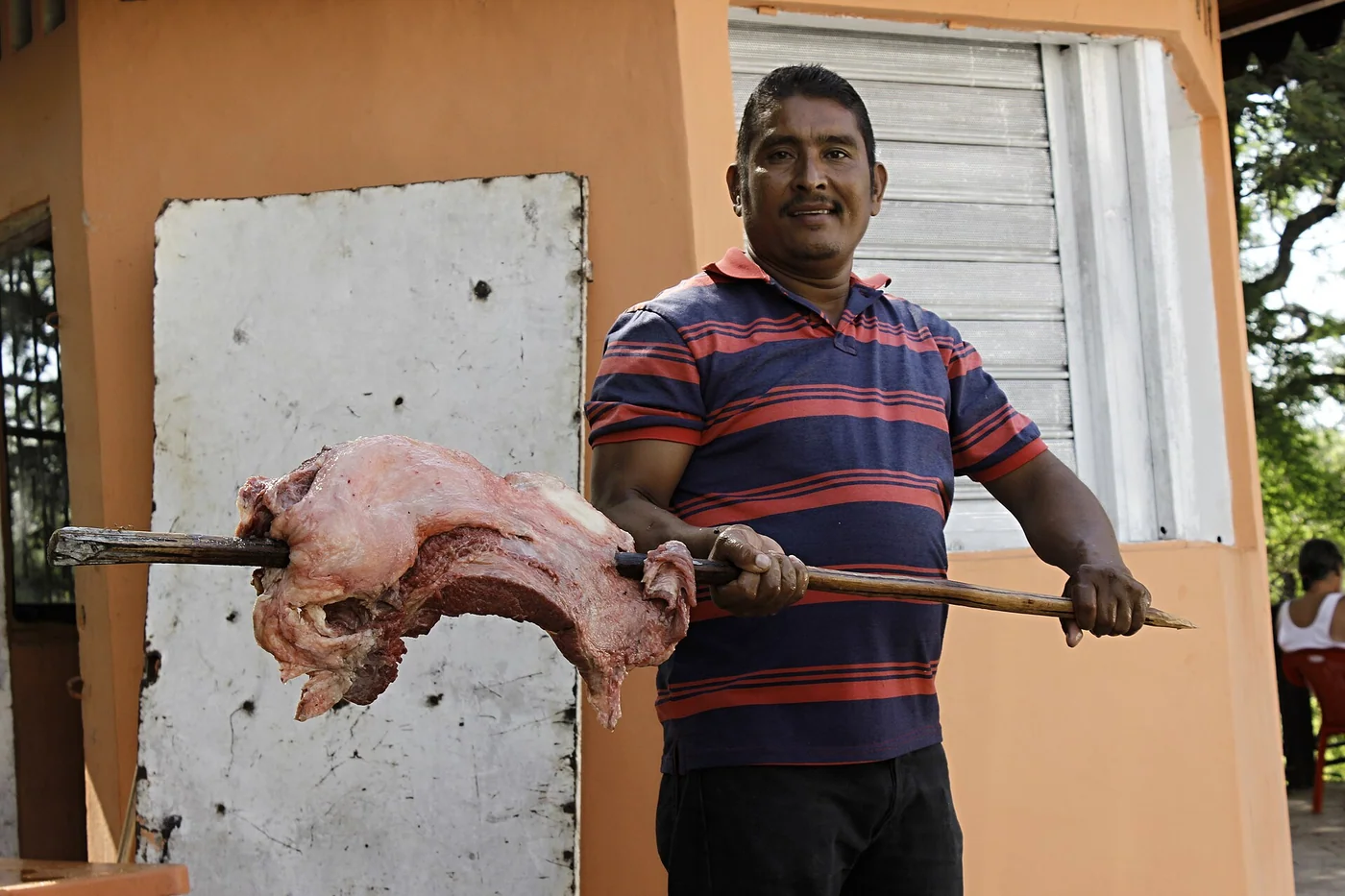
- Llanos: meat-forward, outdoor cooking traditions
- Guayana: river fish and frontier influences
Pair this section with our regional identities guide.

Street vs home vs restaurant
Street arepas are fast and filling. Home cooking carries family recipes and migration stories. Higher-end Caracas restaurants reinterpret classics with chef techniques — see also our chef-driven dining article. All three layers are “real Venezuelan food.”

Diaspora kitchens
Harina PAN and similar pre-cooked corn flour brands travel in suitcases. Arepas in Madrid, Miami and Bogotá keep identity alive. Quality varies; the ritual matters as much as the exact texture.

Ordering without awkwardness
- Learn five filling names
- Say please and thanks
- Pay in the currency/method the venue posts
- Do not lecture staff about “authentic” recipes
- If you have allergies, state them clearly in Spanish
Food safety and practical tips
Use common sense with street stalls: busy places with high turnover are usually safer. Bottled water preferences vary by traveler risk tolerance. Private clinics and insurance still matter more than food anxiety — see our healthcare guide.

Hallacas and December
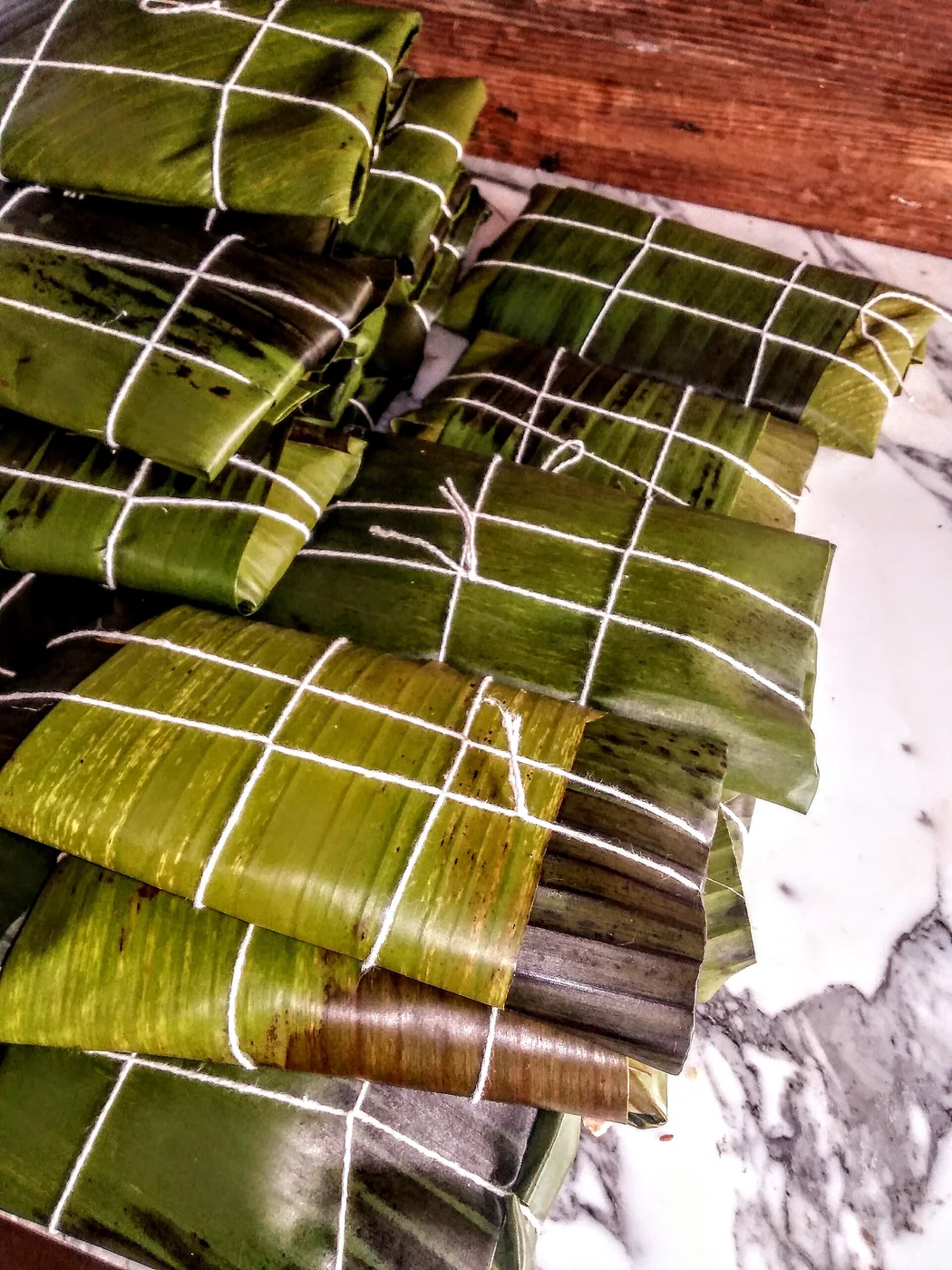
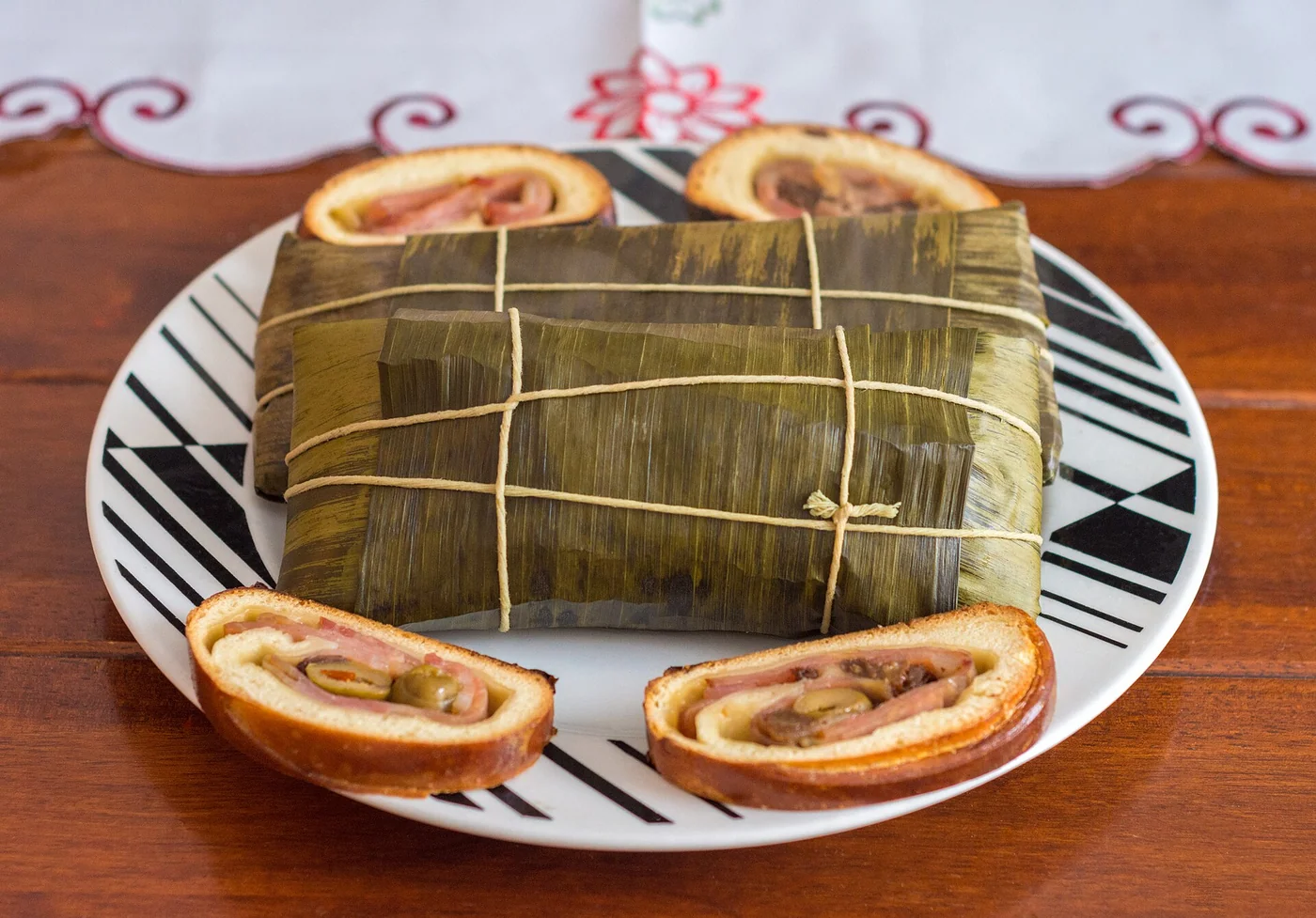
Hallacas — complex corn dough parcels with stew fillings, wrapped in plantain leaves — define Venezuelan Christmas labor and love. Families assemble them in teams. Foreign partners invited to a hallaca day should treat it as an honor and a multi-hour shift, not a tasting flight.

Drinks and accompanying habits
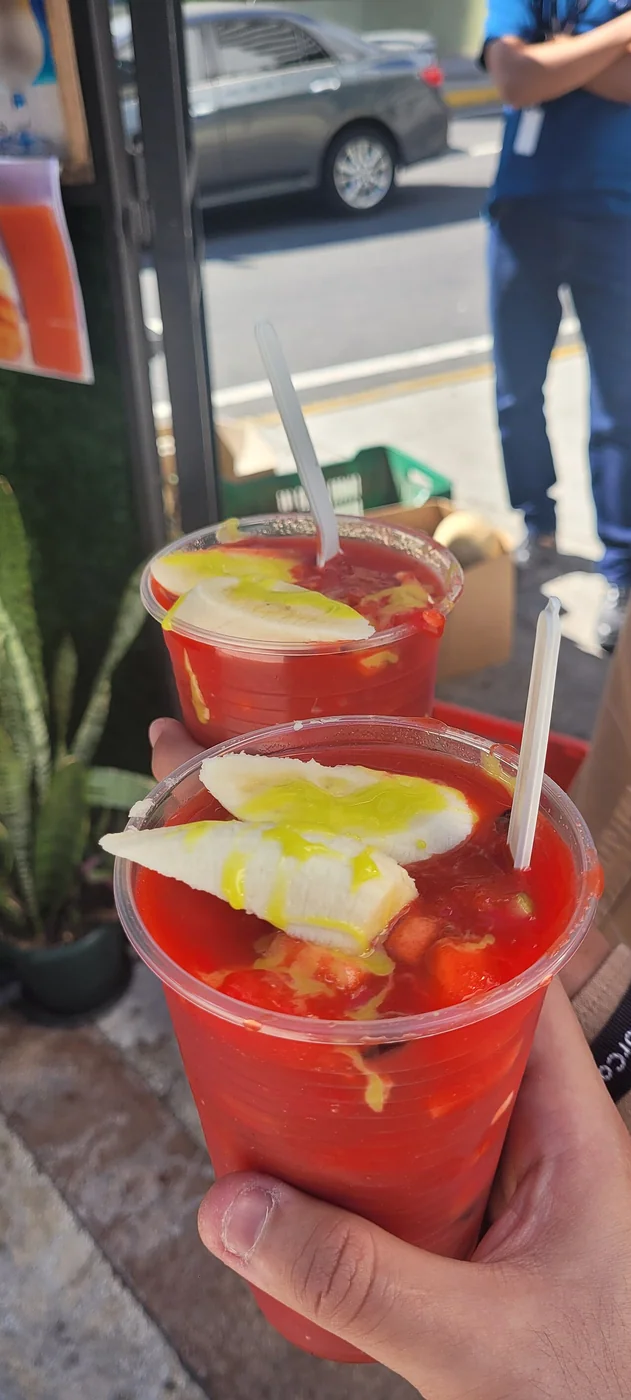
Fresh juices, cerveza with meals, and sweet drinks for kids appear in ordinary tables. Rum has premium and everyday tiers. Toasting etiquette is relaxed compared with some formal cultures; still, follow the host.

Markets and ingredients
Learning market names for plantain (verde vs maduro), cheeses and corn flour helps household managers. Import substitutes abroad change texture; diaspora cooks debate brands with theological intensity.

Dietary restrictions
Vegetarian travelers can survive on arepas with cheese, beans and avocado but should state needs clearly. Celiac travelers must be careful with cross-contact in areperas. Never assume staff know European labeling rules.

How to build a first-week eating plan in Caracas
Day 1–2: arepera near your hotel; order reina pepiada and dominó. Day 3: sit-down pabellón for lunch. Day 4: try cachapa with queso de mano. Day 5: empanadas for a quick morning. Day 6: a regional restaurant if you have local colleagues. Day 7: market visit for plantains and cheese if you have a kitchen.

This plan is not tourism theater — it is onboarding. Your stomach learns the country faster than your email inbox.

Common foreigner mistakes at the table
- Calling everything a “taco” or “burrito”
- Asking for non-existent spice levels as if it were another cuisine
- Photographing staff without asking
- Complaining loudly about portion size or oil
- Assuming every arepa shop takes international cards
Plantain literacy
Green plantain and ripe plantain are different ingredients. Tostones/patacones come from green; maduros are sweet ripe slices. Confusing them marks you as new; learning them marks you as attentive.
Cheese landscape
Queso blanco, queso de mano, telita and other fresh cheeses appear across breakfast and cachapas. Industrial and artisanal quality vary. In diaspora stores, vacuum-packed substitutes approximate but do not clone the fresh product.

Business lunch protocol
Let the host order first if you are the guest. Alcohol at lunch depends on industry culture — follow, do not lead. Talking only about deal terms through the entire meal is less effective than mixing human topics, including food origins.

Connecting food to regions and slang
Order vocabulary sits next to jerga. Read our slang guide for arepera register and our regional identities guide for why a Zuliano may insist on different comfort dishes than a gocho. Food is identity with salt.

Street food economics
Arepera pricing reflects corn flour, cheese, labor and location rents. In dollarized informal settings, menus may list USD or local equivalents that move. Carry small bills. Tipping customs vary; following the venue’s jar or the host’s lead is safer than imposing foreign percentages.

Cooking at home as a foreign resident
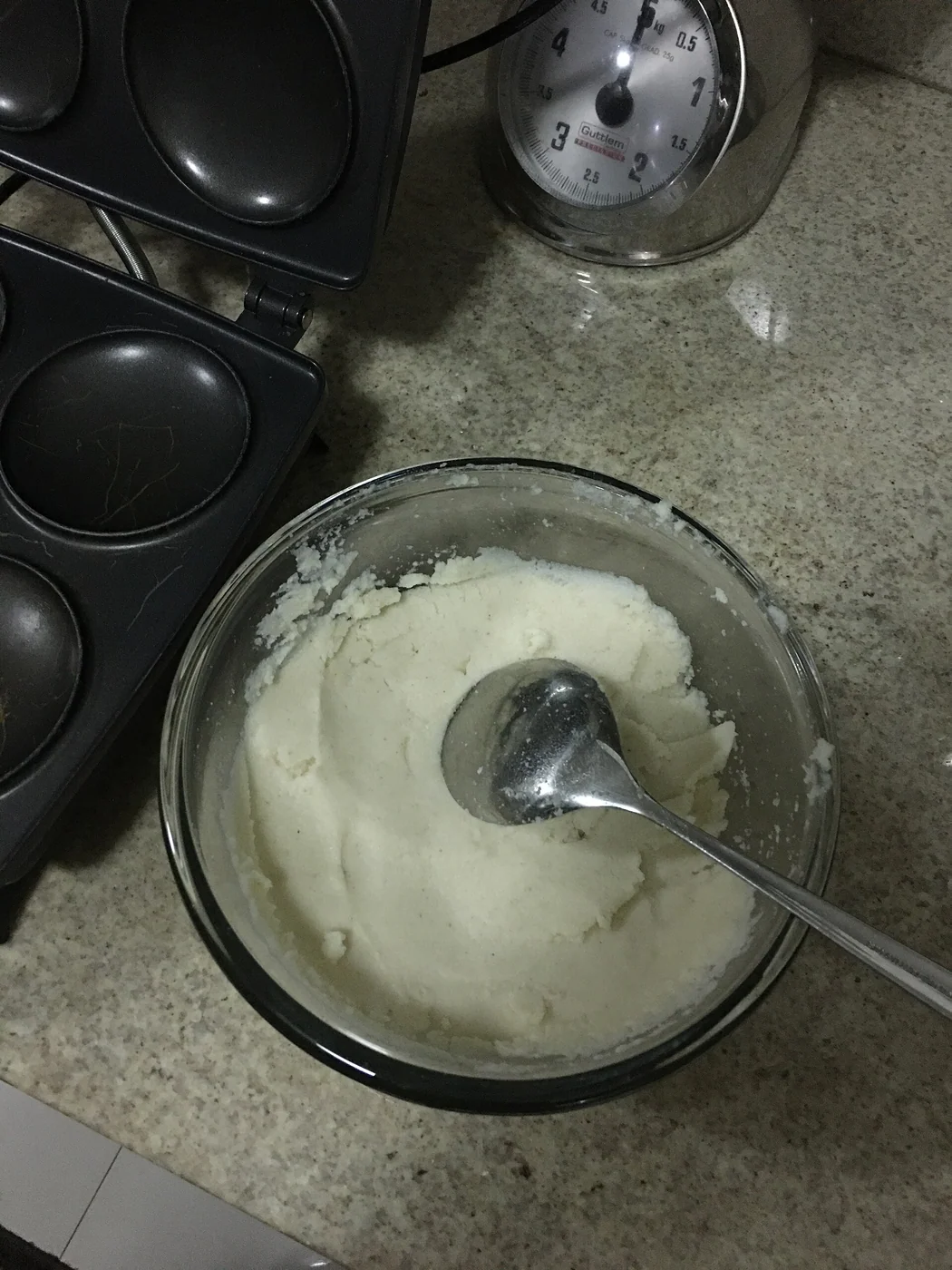
If your apartment has a basic kitchen, arepas are the first skill to acquire. The technique is simple, mastery is texture. Burn the first two; the third is usually edible. Neighbors who see you try often offer advice — accept it.

Allergy and medical notes
Corn is everywhere. Dairy is common. Shellfish appears on the coast. If you carry an epinephrine injector, keep it available and explain allergies in Spanish before ordering. Food is hospitality; medical clarity is not rudeness.

Closing orientation
Learn five arepa fillings, recognize pabellón, taste a cachapa, respect hallaca season, and never mock someone’s regional comfort food. That is the minimum food competence Venezuela Advisor recommends before you claim to “know the culture.”

Detailed arepa filling glossary
- Reina pepiada — chicken, avocado, mayonnaise-style mix; iconic
- Dominó — black beans and white cheese; simple and filling
- Pelúa — shredded beef and cheese; hearty
- Sifrina — chicken salad with cheese; “fancy” cousin of reina
- Catira — chicken and yellow cheese
- Perico — eggs with tomato and onion
- Mechada — shredded beef without assuming cheese
- Queso de mano — soft fresh cheese when available
Regional shops invent names. If you do not recognize a label, ask “¿qué lleva?” — what does it carry?

Pabellón variations and respect
Some plates add fried egg. Some lean heavier on plantain. Arguments about the “correct” pabellón are national sport. As a foreigner, eat first, opine later. Photographing the plate is fine; declaring it inferior to another country’s rice-and-beans is not.
Weekend food geography
Coastal weekends push seafood. Mountain trips push trout and dairy. City Sundays may be family pabellón. Align food expectations with the region you actually visit — our regional identities article explains the human side of the same map.

Teaching children in the diaspora
Cook arepas with kids; teach filling names in Spanish; tell them pabellón is a national plate, not “weird food.” Food is one of the few identity tools that does not require a lecture on politics.
Restaurant tiers for newcomers
Tier 1: neighborhood arepera — speed, price, learning vocabulary.
Tier 2: casual sit-down — pabellón, soups, juices.
Tier 3: chef-driven — reinterpretations, higher bill, reservations sometimes needed.
Tier 4: private home meal — highest trust signal if invited.
Climb tiers as relationships deepen. Skipping straight to critic mode at Tier 1 is a social error.
Full glossary mini-list
Arepa, pabellón, tequeño, empanada, cachapa, tostón, patacón, maduro, queso de mano, hallaca, guasacaca, hallaquita, pastelito — learn these twelve and you can navigate most menus without English.
Soup culture and everyday comfort
Beyond the famous plates, soups and stews carry daily cooking: chicken soups, bean pots, and coastal fish broths. Foreign visitors who only chase Instagram dishes miss the weekday reality of home pots. If invited for soup, show up on time and finish what you can — waste insults the effort.
Sweet ends
Desserts range from flans and three-milk cakes to regional sweets and ice creams. December tables expand dramatically. Learning one dessert name in Spanish is enough to participate in the ritual of “algo dulce.”

Grocery strategy for a first month
- Locate a reliable arepera within walking or short ride distance
- Find a supermarket and a smaller produce market
- Buy pre-cooked corn flour and practice arepas once
- Identify a cheese source you trust
- Keep a short allergy card in Spanish in your wallet
This is operational onboarding, the same seriousness we apply to banking and visas.
Keep this page bookmarked until five fillings and pabellón are automatic. Then teach one colleague. Cultural competence scales by imitation more than by memos.
What success looks like for a foreign eater-resident
- Five arepa fillings without looking at your phone
- One pabellón eaten without calling it “rice and beans only”
- One regional dish tied to a region you can name
- Zero mockery of hallaca labor in December
Clear that list and food stops being a barrier to belonging.
Final field checklist
- Five arepa fillings memorized
- Pabellón recognized on a menu
- Cachapa tried at least once
- Plantain verde vs maduro understood
- Hallaca season treated with respect
- No cuisine mockery in mixed company
Clear the checklist before you tell anyone you understand Venezuelan daily culture. Food is not optional decoration on a relocation plan.

Bookmark this guide with the slang and regional identity articles. Language, region and food are one operating system for daily life in Venezuela.

Last step: take a colleague to an arepera and let them order first in Spanish. Teaching locks learning.
Always pair culinary learning with basic Spanish menu words and with patience for regional variation. The goal is competence and respect, not performance for social media.
Frequently asked questions
What is an arepa?
A corn-based flatbread, typically filled — central to Venezuelan daily food.
What is pabellón criollo?
A classic plate of shredded beef, black beans, rice and fried plantain.
What is reina pepiada?
An arepa filling of chicken with avocado salad.
What are tequeños?
Fried dough sticks filled with cheese — popular appetizers.
What is a cachapa?
A sweet-corn pancake often served with fresh cheese.
Is Venezuelan food only meat?
No — beans, plantain, cheese, corn and regional seafood matter heavily.
Can foreigners learn orders quickly?
Yes — five filling names cover most arepera visits.
Why does diaspora care so much about arepas?
They are portable identity — easy to cook abroad and emotionally loaded.
Questions or comments?
Leave us your message through the contact form — we will be glad to share our experience and help you with the next steps of your plans in Venezuela.
Sources: Culinary culture as lived practice in Venezuela and diaspora communities; regional notes aligned with identity guides. Not a restaurant rating service.
This guide is general orientation, not a guarantee of eligibility, safety or investment returns. For the scope of the October 2026 priority update, read our editorial policy.