Venezuelan Slang (Jerga): Complete Practical Guide
Why jerga is not optional
Foreign professionals often arrive with excellent formal Spanish from Spain or Mexico and still feel lost in Caracas or Maracaibo. The gap is not grammar. It is jerga: compact words that carry attitude, timing and membership. Staff meetings may stay formal; everything after 6 p.m. shifts register. Diaspora children raised abroad face the opposite problem — WhatsApp fluency without notary Spanish. This article serves both groups. Jerga will not replace the language you need for SENIAT, SAIME, banks or title registries. It will determine whether neighbors, drivers and colleagues treat you as a temporary alien or as someone making a real effort. The RAE’s account of Venezuelan regional forms is a useful reminder that register is geographic as well as social.
People and relationships
- Chamo / chama — young person, peer, friendly “you.” Safe in informal settings.
- Panas — friends, the inner circle.
- Jeva / jevo — girlfriend / boyfriend, informal.
- Tipo / tipa — guy / girl, neutral informal.
- Compa — buddy, shortened camaraderie.
- Mi amor / mi vida — can be romantic or pure service-industry warmth; do not over-read it at a bakery counter.
Using chamo with a senior official is a register error. Using only usted with your same-age coworkers forever can sound cold. Mirror the room. The RAE dictionary entry for chamo labels the word as Venezuelan usage.
Reactions and emotions
- Vaina — the Swiss Army knife: thing, situation, mess (“esa vaina no sirve”).
- Chévere — cool, good, agreed.
- Epa — hey, greeting or mild surprise.
- ¿Qué más? — standard casual hello.
- Arrecho / arrechera — anger or intensity; tone decides everything. Avoid in first meetings.
- Burda — a lot (“burda de gente”).
- Full — a lot / full; constant Spanglish borrowing.
Practice vaina in mild contexts first. It is not vulgar by default; frequency makes it invisible to natives and confusing to textbooks. The RAE historical lexicon also preserves a Venezuelan-dictionary record for vaina.
Quantity, speed, traffic
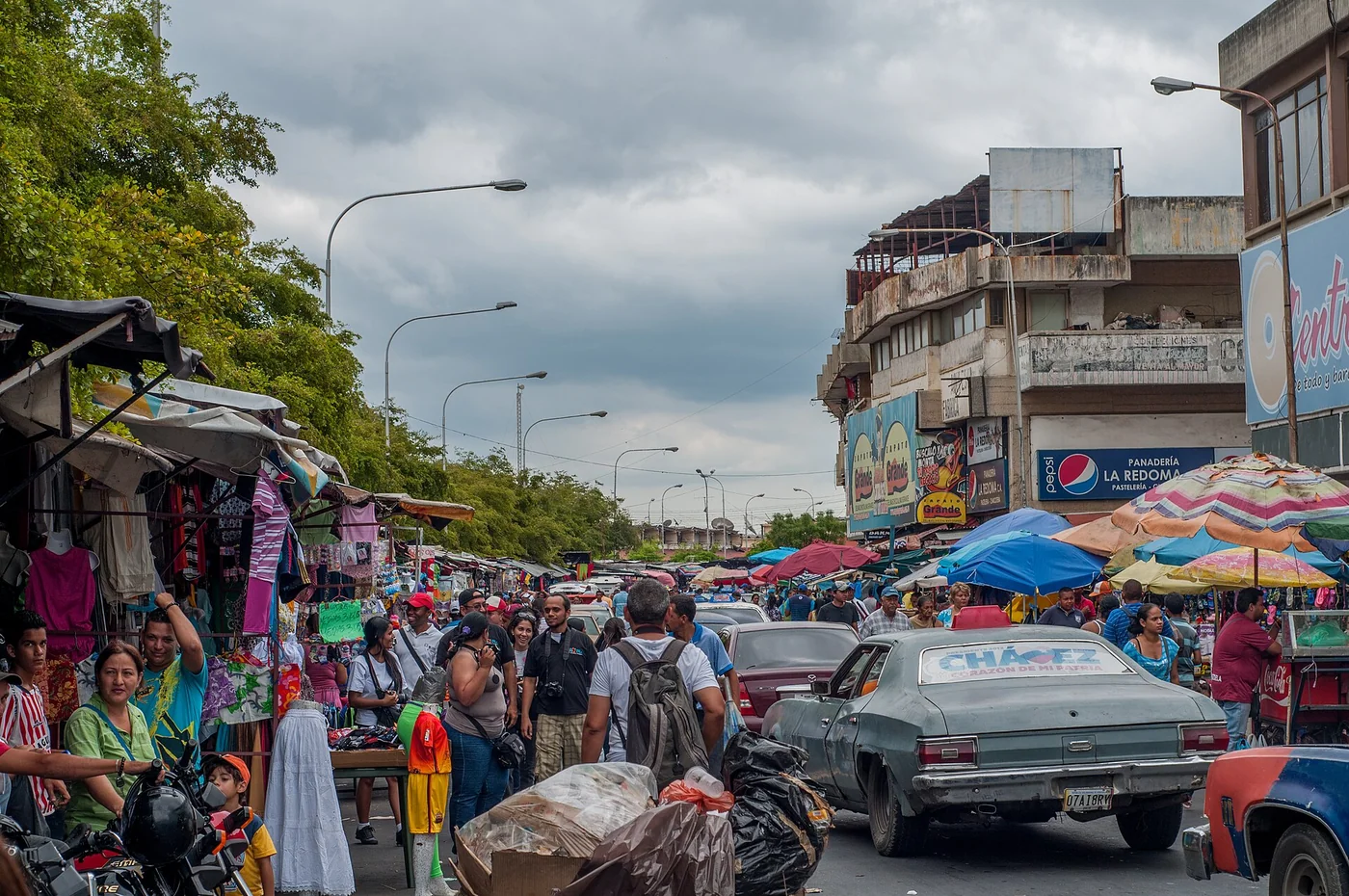
Caracas survival Spanish includes coger cola (to sit in traffic), se formó (a scene or jam formed), and elastic time words. Ya may mean already, now, or “in a while.” Ahora vengo is not a GPS ETA. Build buffers into schedules and confirm important appointments in writing. Momentico — a little moment — softens requests. Diminutives are social oil. Foreigners who only use blunt imperatives sound harsher than they intend.
Problems, hustle, money
- Lío — problem, tangle.
- Paila — you’re in trouble / too late (casual).
- Resolviendo — making life work despite constraints; cultural keyword of the crisis years.
- Billetes / plata — money.
- Vacilar — to joke, to tease, sometimes to go out — context dependent.
Resolviendo is not only slang; it is a social theory of adaptation. When a counterpart says they are resolviendo, they are describing logistics under constraint, not confessing failure.
Food-table vocabulary
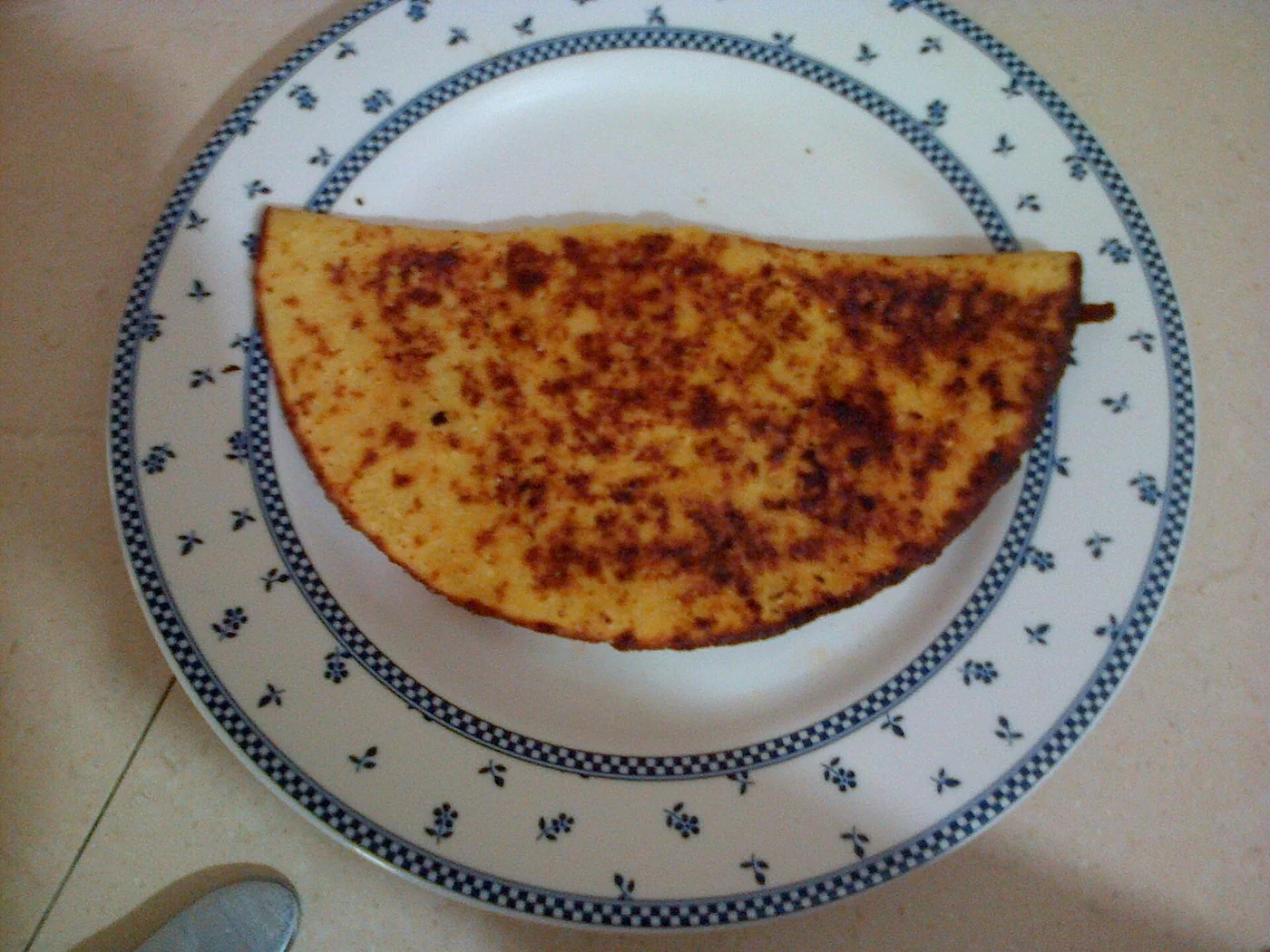
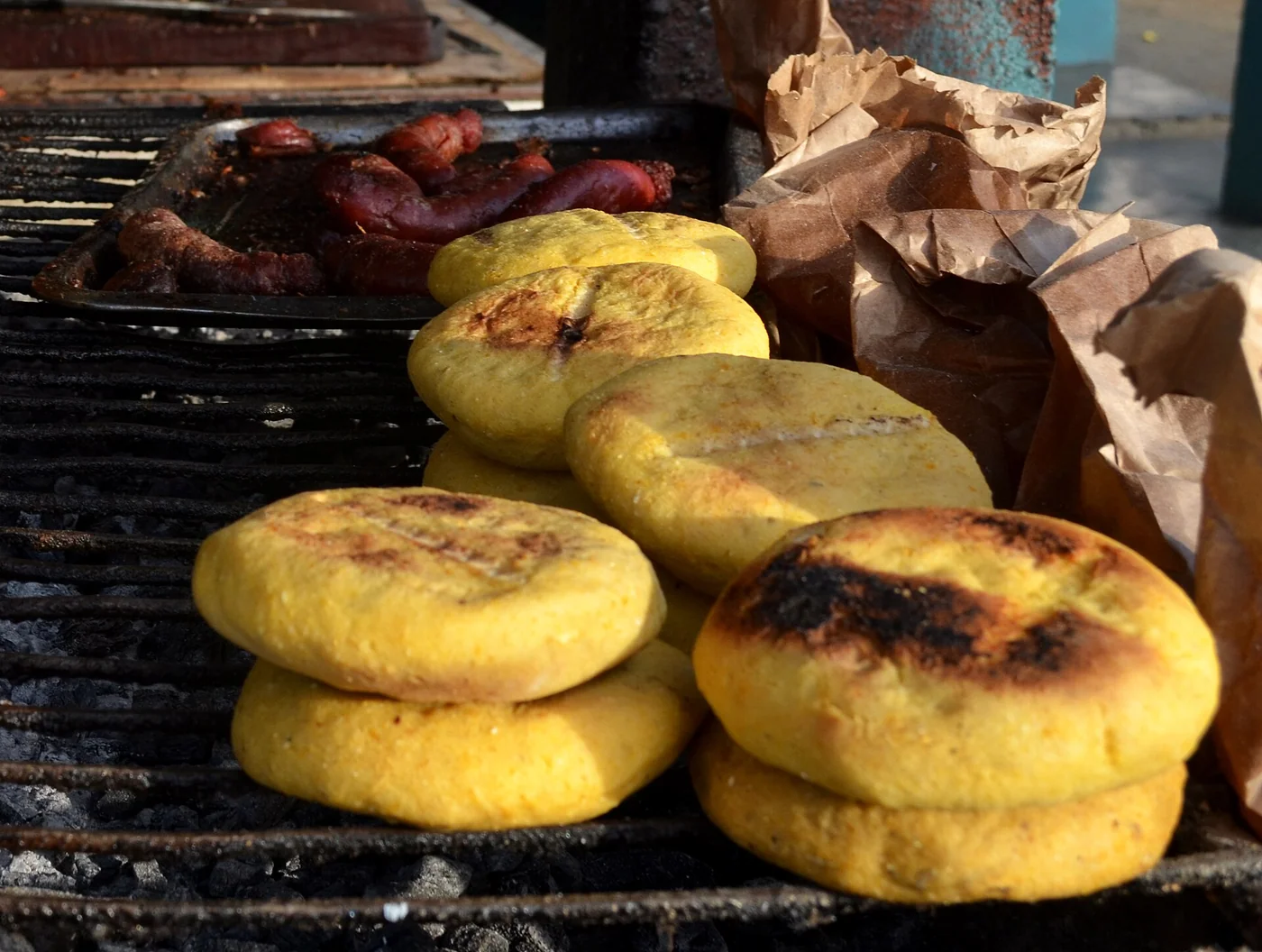
Learn dish names as seriously as verbs: arepa, dominó, reina pepiada, pabellón, tequeños, empanadas, cachapa, tostones, patacones, queso de mano, guasacaca. Ordering food is the highest-ROI language practice in Venezuela. A foreigner who handles an arepera line earns more goodwill than one who recites subjunctive rules. For culinary context beyond the vocabulary list, see Familia Kitchen’s overview of Venezuelan food history.
Register: office vs arepera
| Context | Use | Avoid |
|---|---|---|
| Bank, notary, SENIAT | Formal usted, full sentences | pana, vaina, arrecho |
| Team lunch | chévere, burda, ¿qué más? | vulgar sexual insults |
| WhatsApp friends | full jerga | nothing illegal or cruel |
| First meeting with elders | polite formal | immediate slang performance |
True fluency is switching, not living in one register.
Words to avoid
This guide under-lists sexual insults and aggressive forms on purpose. You do not need them to belong. Viral “funny Venezuelan insults” threads are a trap for foreigners who then use them with the wrong audience. If a word makes the room go quiet, retire it.
Diaspora Spanglish
In Miami, Madrid or Bogotá, Venezuelan Spanish absorbs host vocabulary: building, truck, apply, full. Returning to Caracas with pure host-country Spanglish can sound foreign to cousins who never left. Bidirectional humility — teach and learn — works better than correcting every relative.
Thirty-day practice plan
- Days 1–7: greetings — ¿qué más?, epa, chévere, chamo, panas
- Days 8–14: vaina, burda, full, momentico, coger cola
- Days 15–21: food menu mastery + two voice notes daily
- Days 22–30: formal email drill vs informal WhatsApp drill every morning
Record yourself. Ask one trusted native to mark tone errors only — not every accent flaw.
Extended phrasebook with example sentences
Chamo, ¿qué más? — Hey man, what’s up?
Esa vaina está chévere. — That thing is cool / that works.
Hay burda de cola. — There’s a ton of traffic.
Estoy resolviendo eso. — I’m sorting that out.
Mis panas llegan ya. — My friends are arriving soon/now.
La jeva trabaja en el este. — My girlfriend works on the east side.
Se formó un lío en la puerta. — A mess formed at the door.
Paila, cerró el banco. — Too late, the bank closed.
Dame un momentico. — Give me a little moment.
Está full el local. — The place is packed.
Regional coloring of slang
National jerga sits on top of regional speech. Zulian intonation, Andean clearer consonants and eastern cadence change how the same word lands. If you live outside Caracas, ask coworkers for five localisms newcomers always miss. Write them down. A generic viral list from the internet will not capture Maracaibo or Mérida. Gochos may sound more formal to caraqueño ears; maracuchos may sound faster. None of that is “wrong Spanish.” Laughing at accents is the fastest way to lose trust. The RAE’s regional voseo guidance likewise distinguishes Venezuelan areas and registers.
Slang and hierarchy at work
Managers who force slang to bond can look fake. Managers who forbid any warmth sound robotic. The middle path: accept jerga from the team in informal channels; keep client emails and regulator letters clean; never use slang to punch down at staff. Drivers, security and reception often teach foreigners the most useful daily phrases. Thank them. Pay them on time. Language respect and labor respect travel together.
Digital jerga
Voice notes carry tone that text loses. Stickers and memes recycle the same twenty jokes about cola, cola and cola. Learning to laugh at traffic is national sport. Posting mockery of poverty is not. If your social media about Venezuela only punches down, you are not “fluent” — you are extracting content.
Common foreigner mistakes
- Using Spain’s slang (mola, tío) as if it were local
- Using Mexican or Colombian slang without noticing the mismatch
- Overusing vulgar words learned from comedy videos
- Writing contracts in WhatsApp Spanish
- Correcting natives’ jerga as “improper”
Building credibility in the first 90 days
Week 1–2: greetings and food words. Week 3–4: traffic and time words. Month 2: emotional reactions without vulgarity. Month 3: comfortable switching registers in one day — formal morning meeting, informal lunch, formal bank run. That switching is the quality standard, not the ability to swear. Pair this guide with our regional identity article. Slang is national; identity is often regional; paperwork is formal. All three layers matter for living and investing here.
Workplace scenarios
Scenario A: you need a driver to wait. Formal: “Por favor, ¿puede esperarme quince minutos?” Informal if rapport exists: “Chamo, dame un momentico, ya bajo.” Scenario B: traffic apology for lateness. Formal email still wins with clients. With peers: “Burda de cola en la autopista.” Scenario C: praising food. “Qué chévere está esto” is safer than experimental vulgar intensifiers. Role-play these with a tutor. Muscle memory beats reading lists once.
Children and respectful speech
If you have kids in a Venezuelan household or school, model register control. Children copy the strongest language they hear. Teach them greetings and food words first; keep adult vulgarity away from them even if comedy podcasts use it.
Service industry warmth
“Mi amor” at a counter is often procedural kindness, not flirtation. Respond with polite thanks. Escalating familiarity too fast can confuse. Matching mild warmth without crossing into fake intimacy is a social skill worth practicing.
Closing checklist
- I can greet casually without Spain/Mexico defaults
- I can order arepas without English
- I can describe traffic and delay politely
- I never use sexual insults “for fun”
- I switch to formal Spanish for official errands
More expressions you will actually hear
- ¿Cómo estás? / ¿Cómo estáis? — standard; pair with ¿qué más? in casual tone
- Todo bien — all good
- De pana — for real / seriously (affirmation)
- Está brutal — can mean excellent or extreme depending on tone
- No joda — stronger surprise/annoyance; careful with audience
- Qué ladilla — what a drag / annoyance (informal)
- Está pesado — heavy traffic / tough situation
- Dale — go ahead / OK
- Vamos a ver — we’ll see (sometimes means soft no)
- Tranquilo — relax / it’s fine
Money talk without looking naive
People discuss dollars, rates and payments constantly. Learn neutral phrases: “¿en efectivo o transferencia?”, “¿incluye IVA?”, “¿cuál es el precio final?” Avoid flashing wealth vocabulary as status play. In negotiations, clarity beats slang cleverness.
Remittance conversations are sensitive. If someone depends on family money from abroad, do not treat it as small talk entertainment.
Romantic and social boundaries
Jeva/jevo is informal. Do not label someone’s partner unless they do first. Compliments on appearance can be normal in some circles and unwelcome in others — default to professional restraint until you read the room.
Slang lifecycle
Youth slang moves faster than this page. Treat the core list (chamo, vaina, burda, chévere, panas, resolviendo, coger cola) as stable infrastructure. Treat TikTok-only words as optional. Re-check with a local every six months if you live here.
For managers writing staff policies
Ban harassment, not Venezuelan Spanish. Policies should target insults and discrimination, not the existence of jerga in the break room. Foreign managers who police “proper Spanish” only create quiet resentment.
Field exercises
Exercise 1: order three arepas using only Spanish dish names. Exercise 2: explain a twenty-minute traffic delay to a peer with coger cola and momentico. Exercise 3: rewrite a slang WhatsApp into a formal bank email. Exercise 4: list five words you will never use at work. Exercise 5: record a 30-second voice note and ask a native only for tone corrections.
Repeat monthly. Fluency here is athletic — practice under mild pressure beats memorizing longer lists.
Closing standard
You are done with this guide when you can spend an evening at an arepera without English, write a formal bank email the next morning, and avoid every vulgar insult you saw on TikTok. That is operational bilingualism for Venezuela — the standard we recommend to every relocating client.
Frequently asked questions
What does chamo mean?
Informal word for kid/guy or friendly peer address.
What does vaina mean?
Thing, stuff, or situation — highly flexible and common.
Is arrecho always offensive?
No, but tone varies from intensity to anger; avoid in formal first meetings.
What does burda mean?
A lot / very.
What does resolviendo mean?
Making things work under constraint — a cultural keyword.
Should I use slang at the bank?
No. Use formal Spanish for banks, notaries and immigration.
What is ¿qué más??
A standard casual greeting, like “what’s up?”
Does diaspora slang match Venezuela?
Mostly, but host-country words mix in; confirm when you relocate.
Questions or comments?
Leave us your message through the contact form — we will be glad to share our experience and help you with the next steps of your plans in Venezuela.
References
- Real Academia Española, “chamo, ma” — Venezuelan lexical label for chamo/chama.
- Real Academia Española, Tesoro histórico, “vaina” — historical Venezuelan-dictionary context for vaina.
- Real Academia Española and ASALE, Diccionario panhispánico de dudas, “voseo” — Venezuelan regional and register distinctions.
- Emilly Olivares, Familia Kitchen, “Venezuela’s Food History—Arepas, Hallacas y Más!” — context for arepas, hallacas, and related food vocabulary.
Source note: Language examples are a practical synthesis, not an official academy dictionary; local speakers remain the best editors of tone.
This guide is general orientation, not a guarantee of eligibility, safety or investment returns. For the scope of the October 2026 priority update, read our editorial policy.