
Simón Bolívar (El Libertador): Complete Guide

Who Bolívar is in Venezuelan life
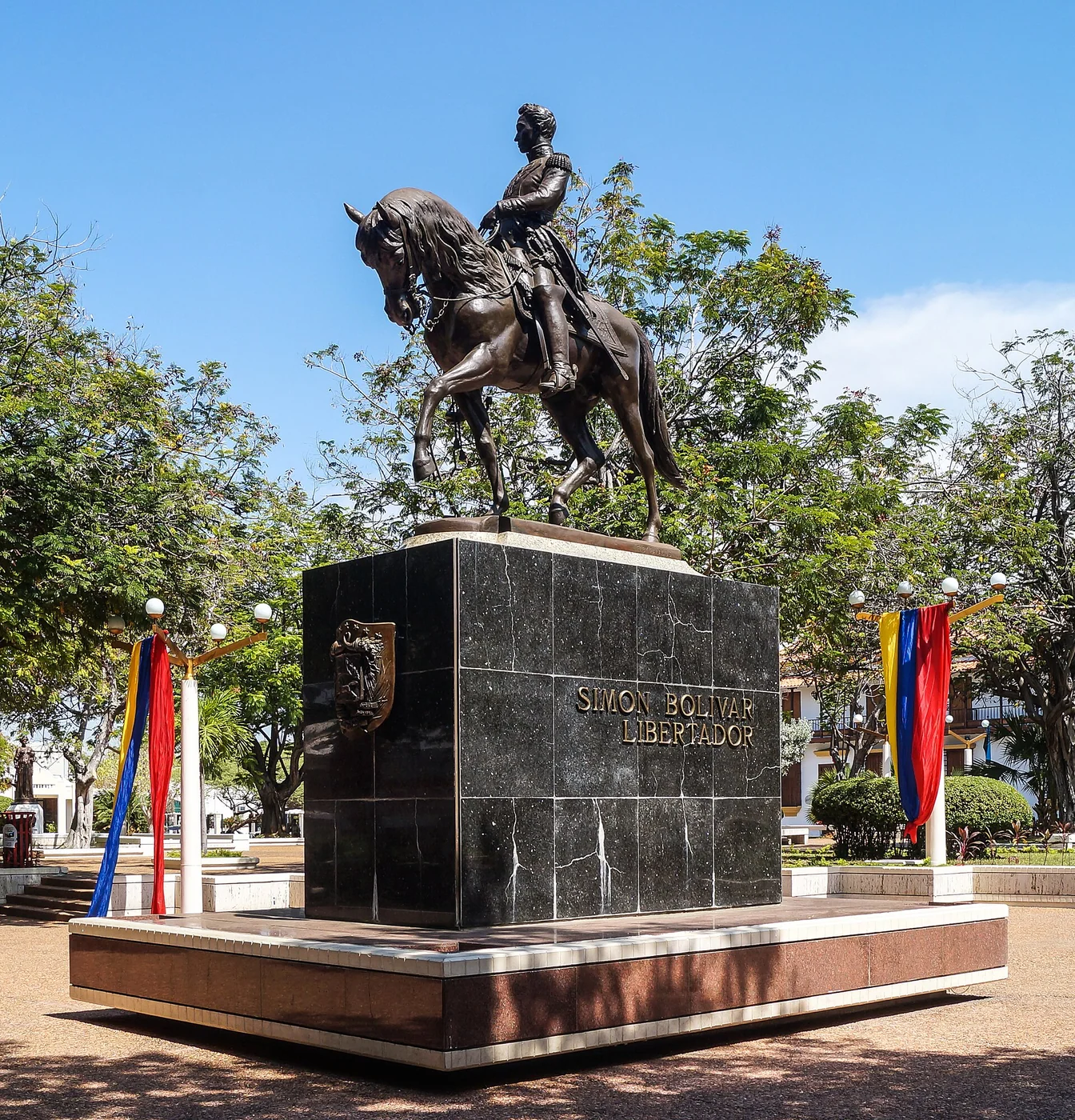
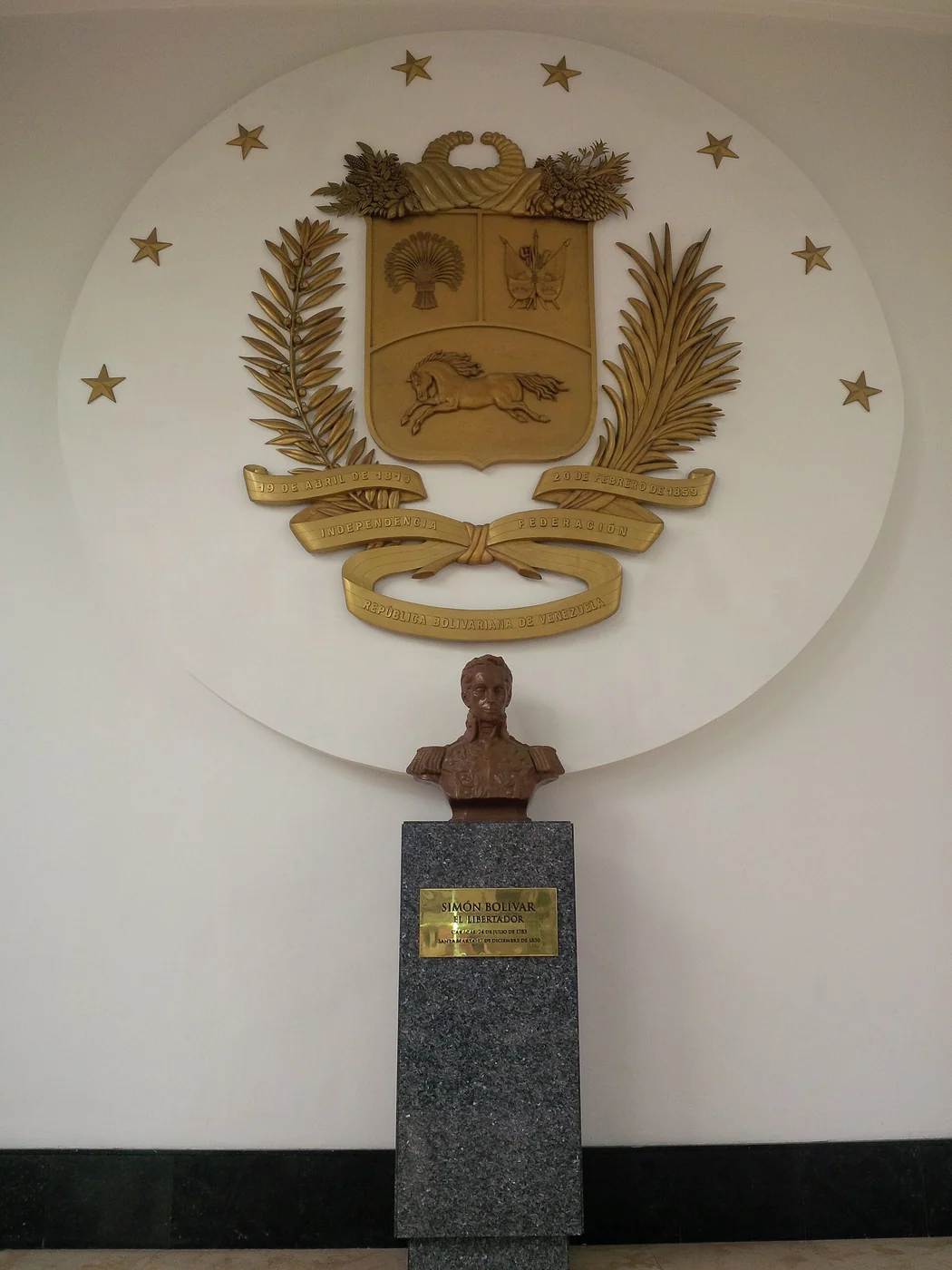
You cannot spend a day in Venezuela without meeting Bolívar’s name. It is on money, squares, avenues, schools, decrees and political vocabulary. El Libertador is not only a historical person; he is the load-bearing symbol of national legitimacy. Governments of different ideologies have claimed him. Ordinary people who distrust living politicians still usually separate the hero from the present. Foreigners who treat Bolívar as optional trivia will misread speeches, monuments and emotional temperature.

This article is cultural and historical orientation for readers of Venezuela Advisor — investors, relocators, diaspora families — not a substitute for academic monographs. Where historians debate details, we flag the debate rather than fake certainty.

Birth, family and education
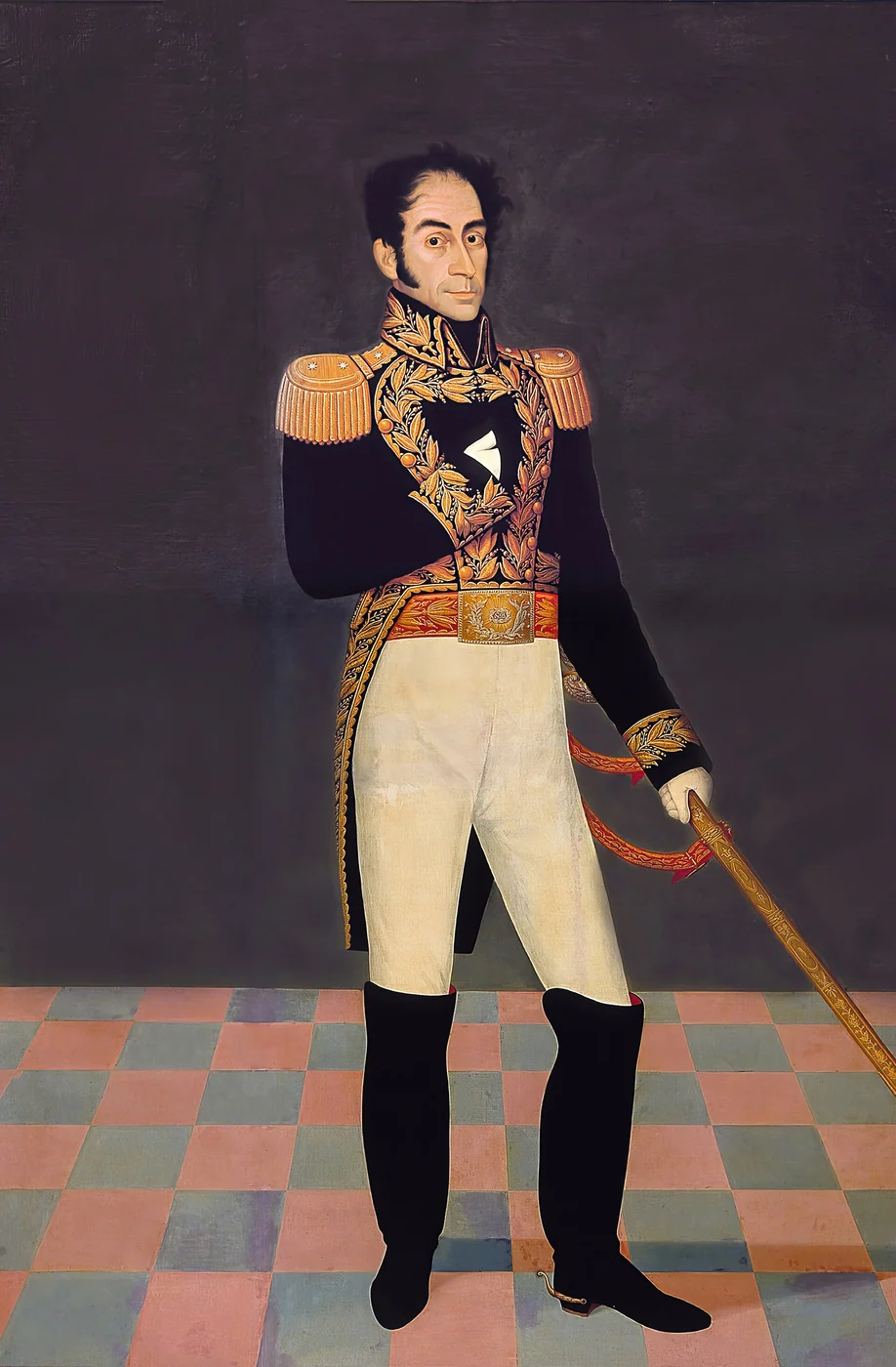
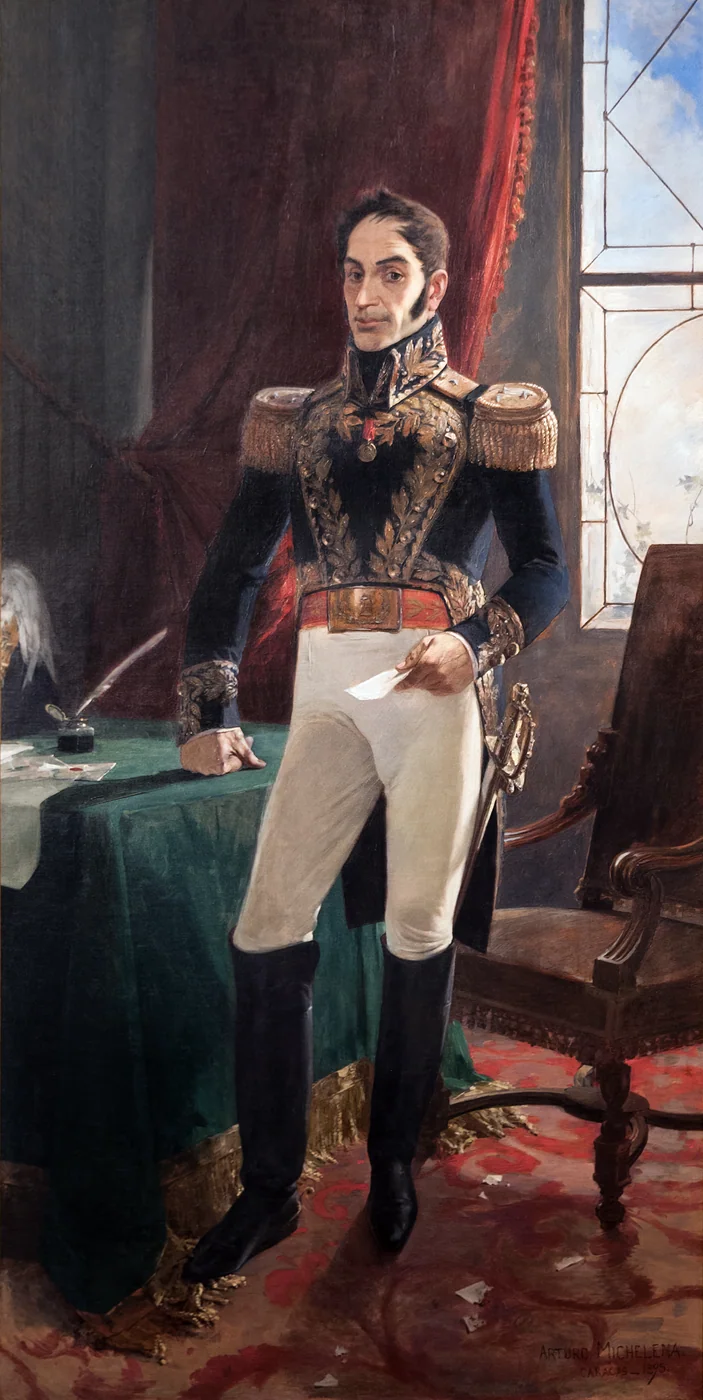
Simón José Antonio de la Santísima Trinidad Bolívar y Ponte Palacios y Blanco was born in Caracas on 24 July 1783 into a wealthy creole family. Orphaned young, he received an education that mixed local tutors and the intellectual currents of the late Enlightenment. Privilege mattered: independence leadership in northern South America drew heavily on creole elites who had access to books, travel and military commissions, even as popular armies did the dying.

Understanding that elite origin does not diminish his later role; it explains the social world that produced the first republican projects — and the tensions with popular forces that followed.
European experience and revolutionary context
Bolívar’s time in Europe exposed him to political ideas circulating after the American and French revolutions and during the crisis of the Spanish monarchy under Napoleon. The collapse of legitimate Spanish authority in the Americas opened a window. Creole juntas, experiments in self-rule and loyalist reaction created a violent laboratory. Bolívar entered that laboratory as a young officer-politician and left it as the dominant military-political figure of the northern wars.

Early failures and exile
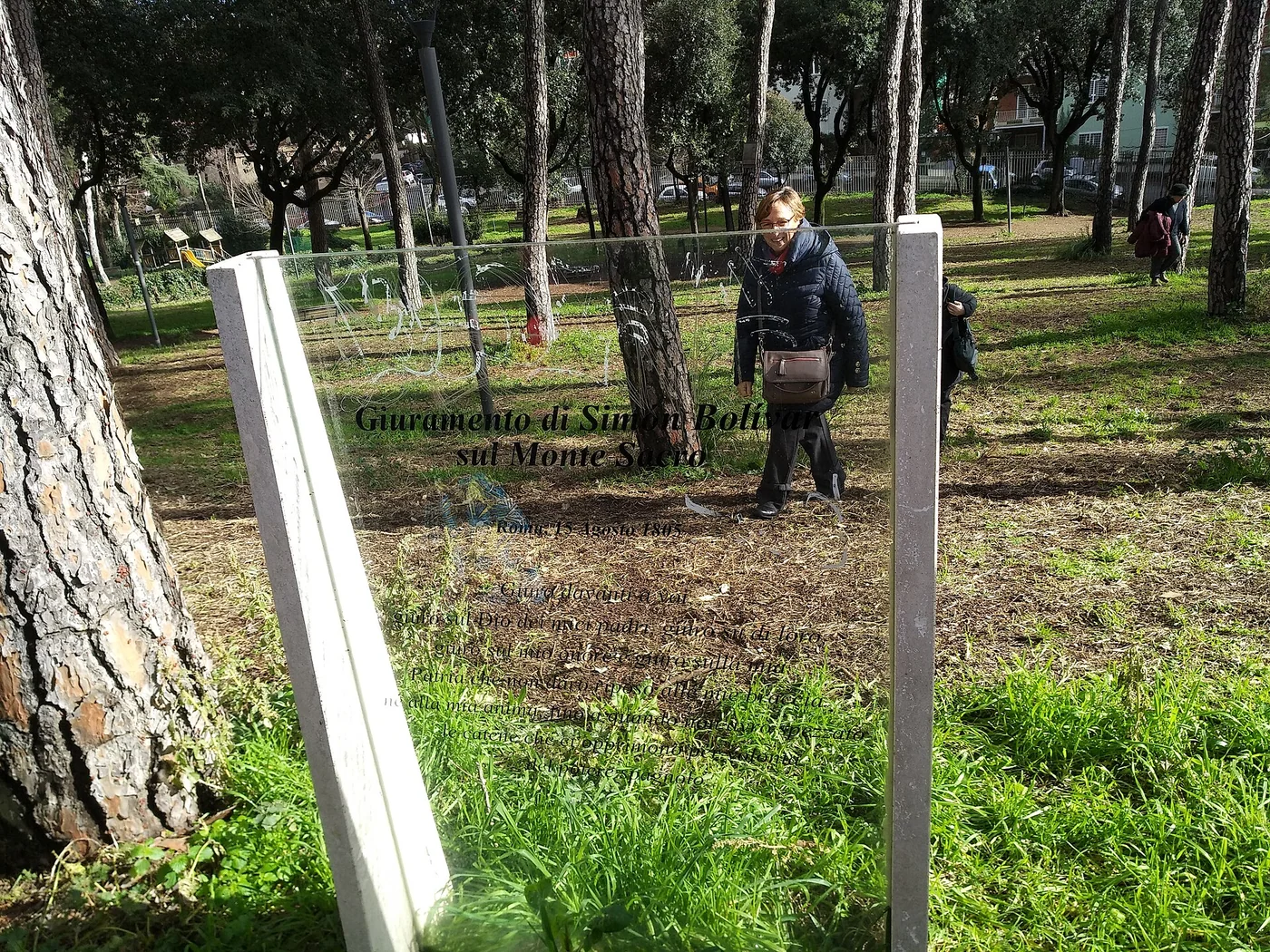
Independence was not linear. Early republics collapsed. Defeat, exile and reinvasion cycles taught logistics, alliance-building and the cost of faction. Foreign readers who only know the triumphant statues miss the years when the project seemed finished. Those failures shaped his later obsession with unity and strong institutional design — themes in his mature writings.

Admirable Campaign and the path to Carabobo
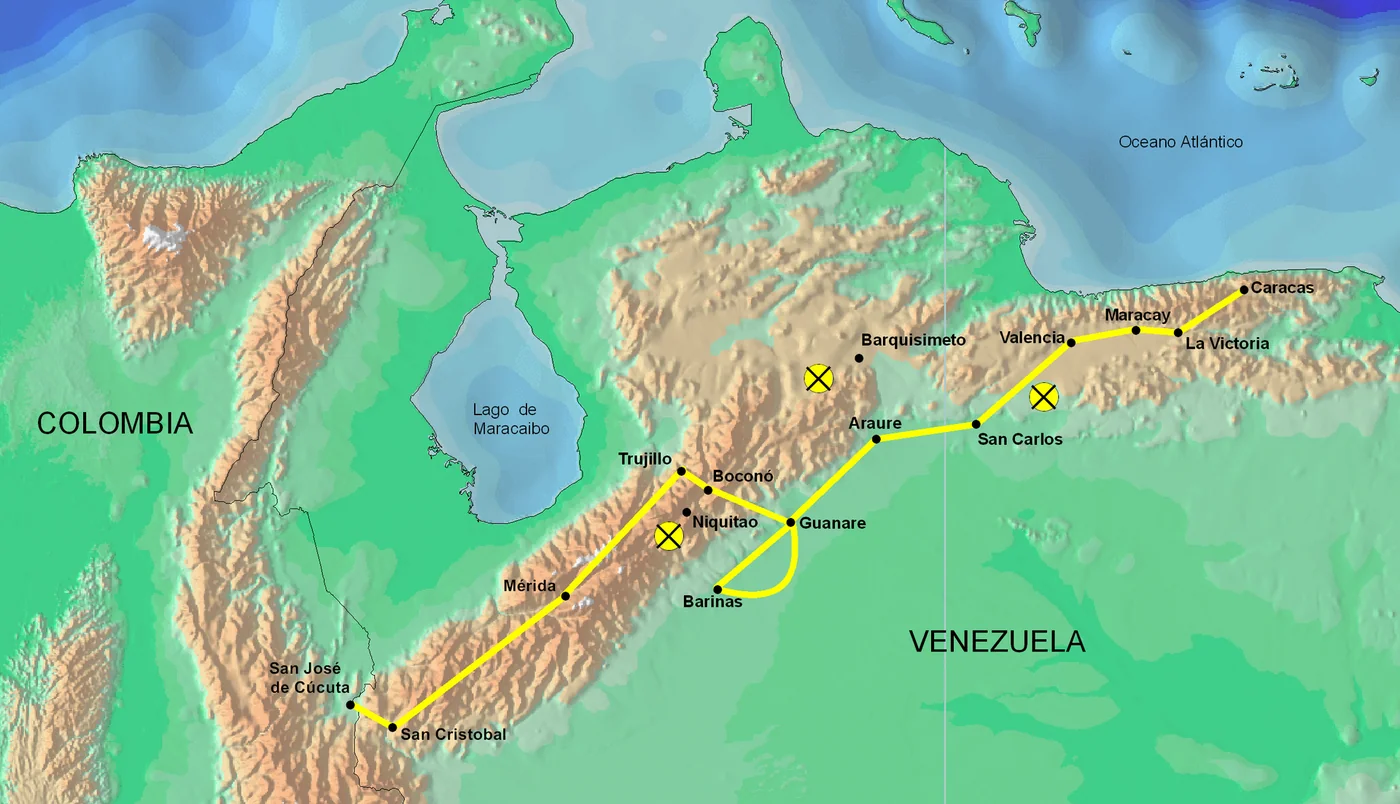
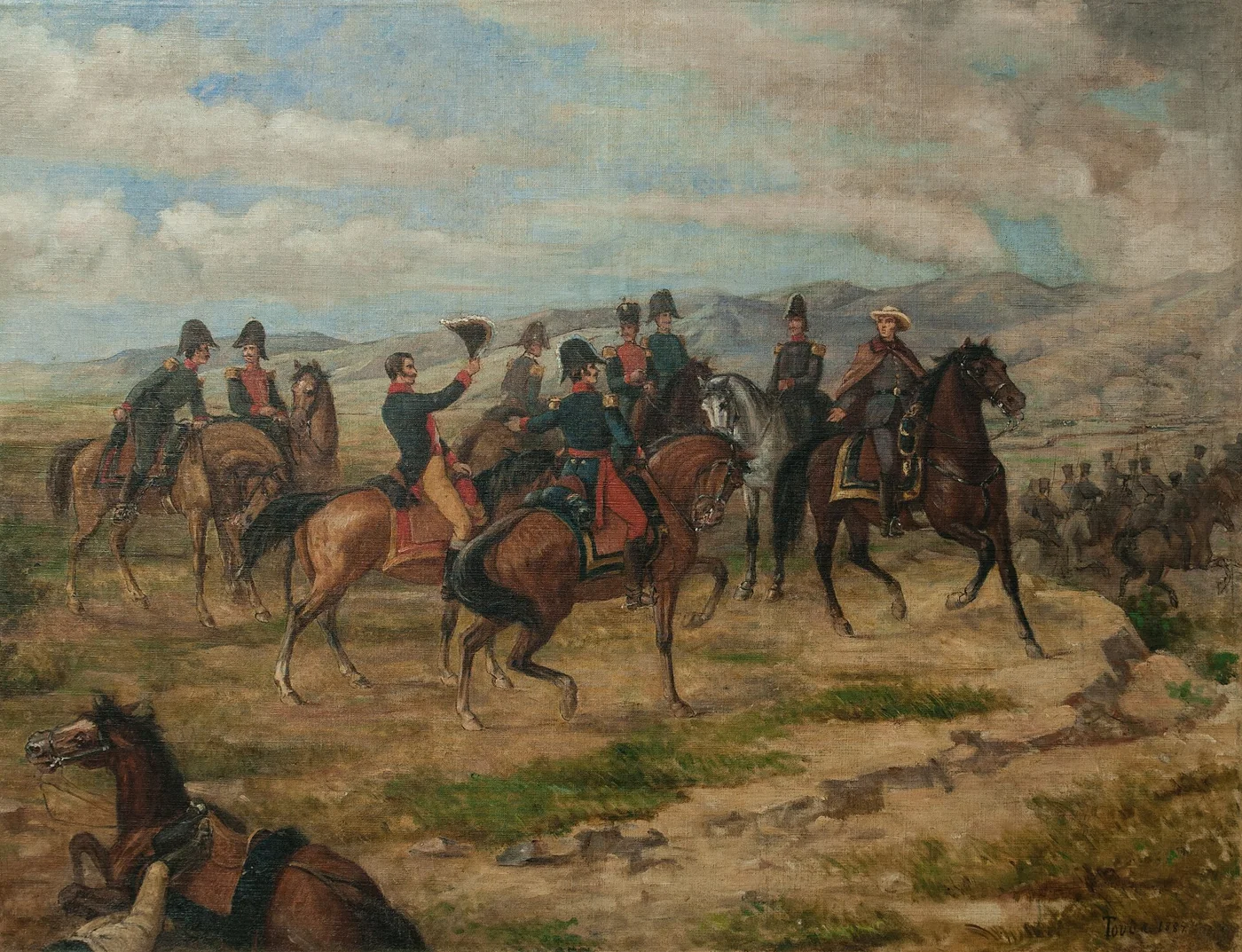
The Admirable Campaign of 1813 is one of the textbook recovery sequences in Venezuelan school history: a bold return and advance that restored patriot momentum for a time. It also shows the brutality of war on both sides. Civic memory selects heroism; serious history keeps the blood. For a visitor, the lesson is that independence was a civil and international war, not a parade.

Alliances with llanero forces and leaders such as José Antonio Páez were decisive in the Venezuelan theater. A Bolívar-only cartoon erases those coalitions.

Carabobo (1821)
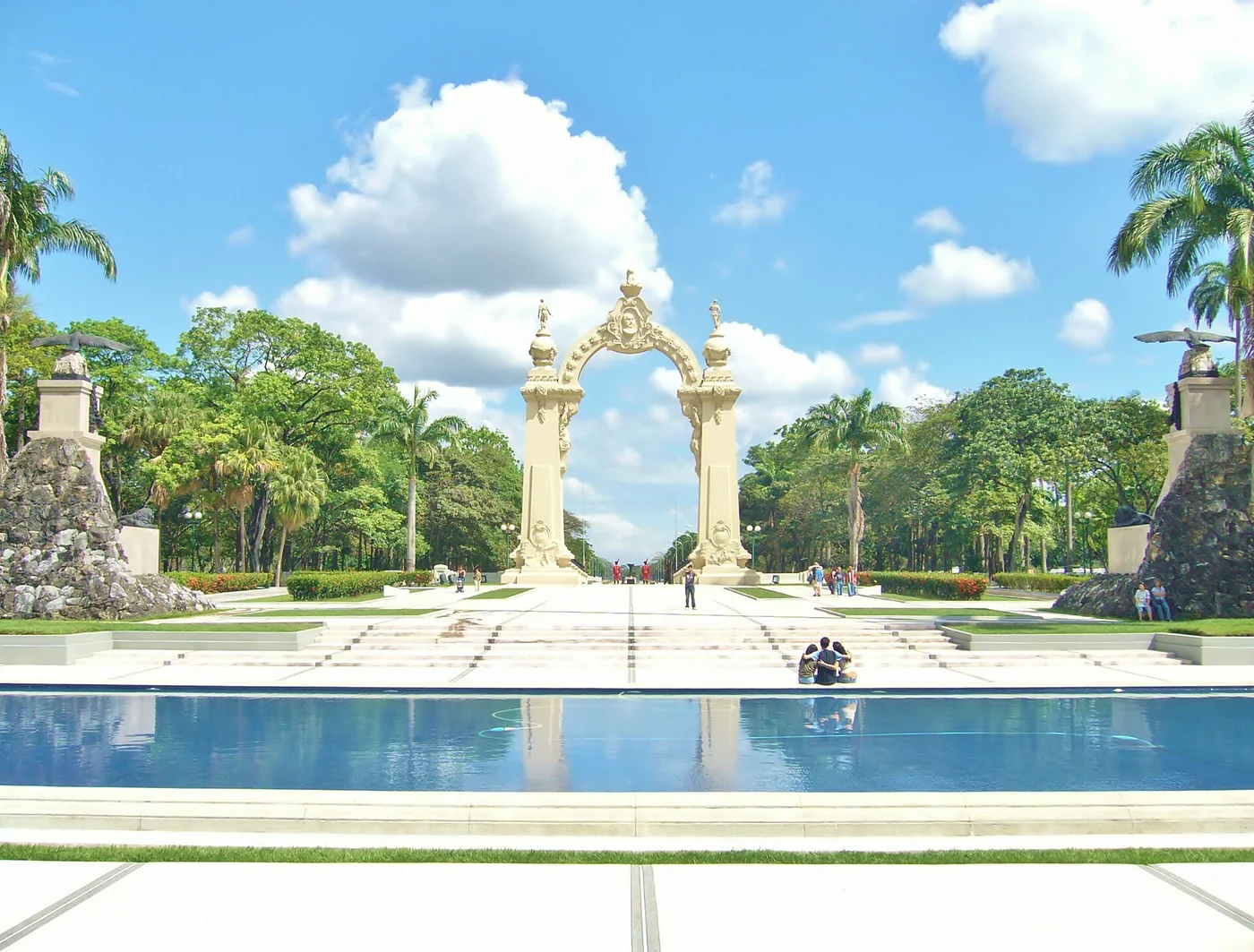
The Battle of Carabobo on 24 June 1821 is the civic climax of independence on Venezuelan soil in national education. Patriot victory consolidated the military path to republican control against Spanish power in the center. The battlefield is a commemorative site; visit with security awareness and a guide who can separate legend from order of battle.
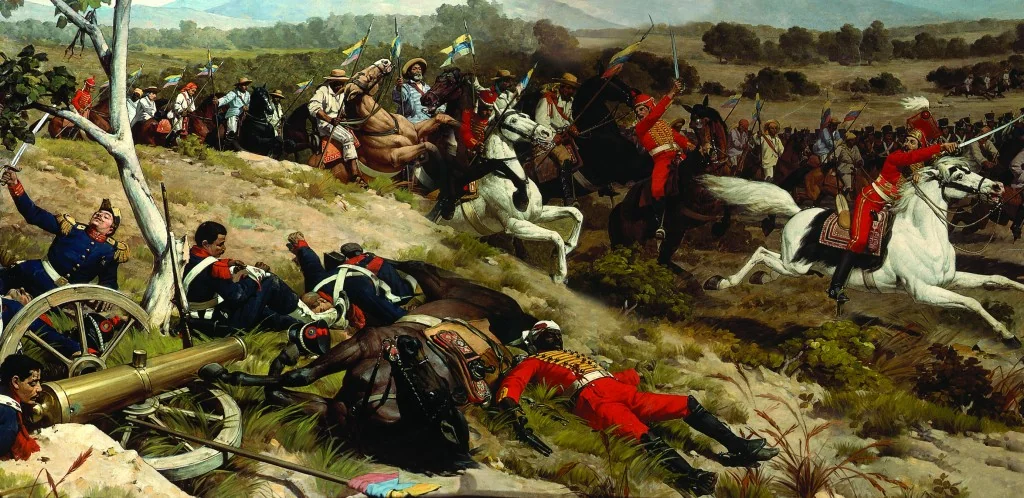

Carabobo does not mean the end of all conflict in the region. It means the date Venezuelan civic ritual treats as foundational victory.

Southern campaigns and continental scale
Bolívar’s project extended beyond Venezuela into New Granada, Quito, Peru and the creation of Bolivia — a continental ambition taught in Venezuelan schools as liberation of multiple nations. Commanders such as Antonio José de Sucre were essential in the southern theaters. Reducing everything to one man on horseback is mythology; recognizing Bolívar as the coordinating political-military center is history.

Gran Colombia: ambition and fracture
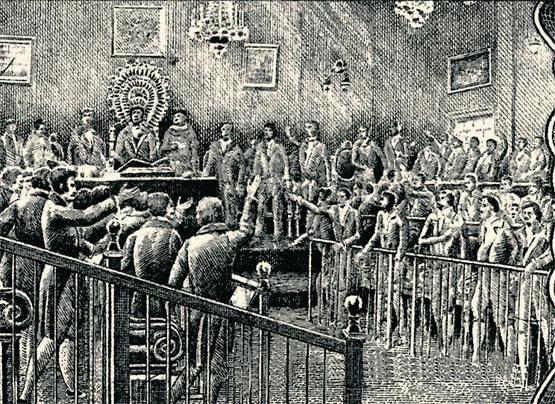
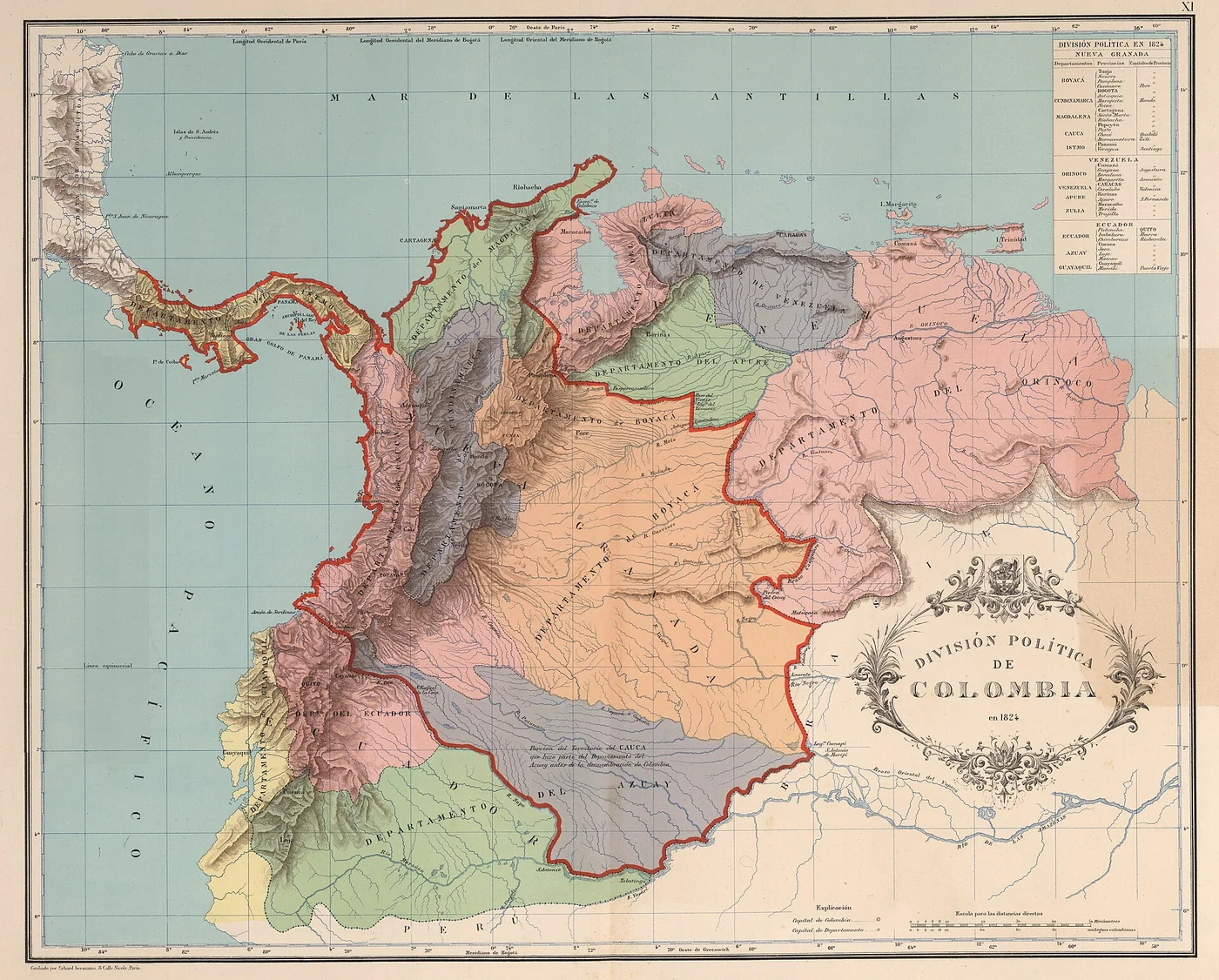
Gran Colombia attempted to hold a vast republic together. Geography, regional elites, personal rivalries and weak communications tore it apart within a decade. Bolívar’s late years include political isolation and bitter clarity about disunity. The fracture matters for modern readers: institutional fragility and regionalism are old themes in the northern Andes, not inventions of the twenty-first century alone.
Political thought and key writings
The Jamaica Letter and other writings show a theorist wrestling with climate, geography, racial hierarchy of the colonial order, and the difficulty of republican government in large territories. He experimented with constitutional designs that often favored strong executive authority — a fact later movements interpret in opposite ways. Social-media quote cards almost always flatten this complexity. If you read only one primary text, read a reputable excerpt of the Jamaica Letter and then a critical commentary.

Death in 1830 and afterlife of the symbol
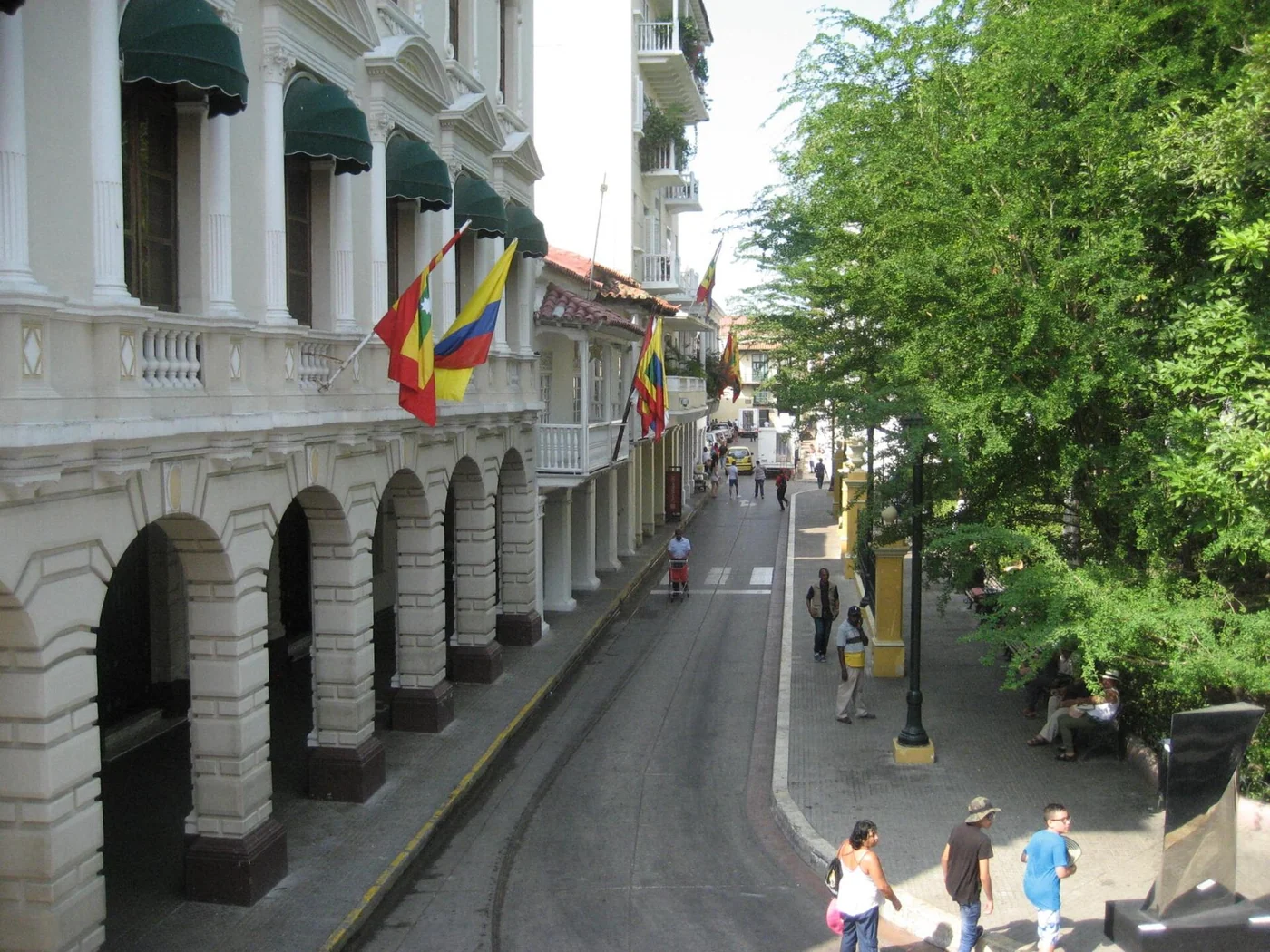
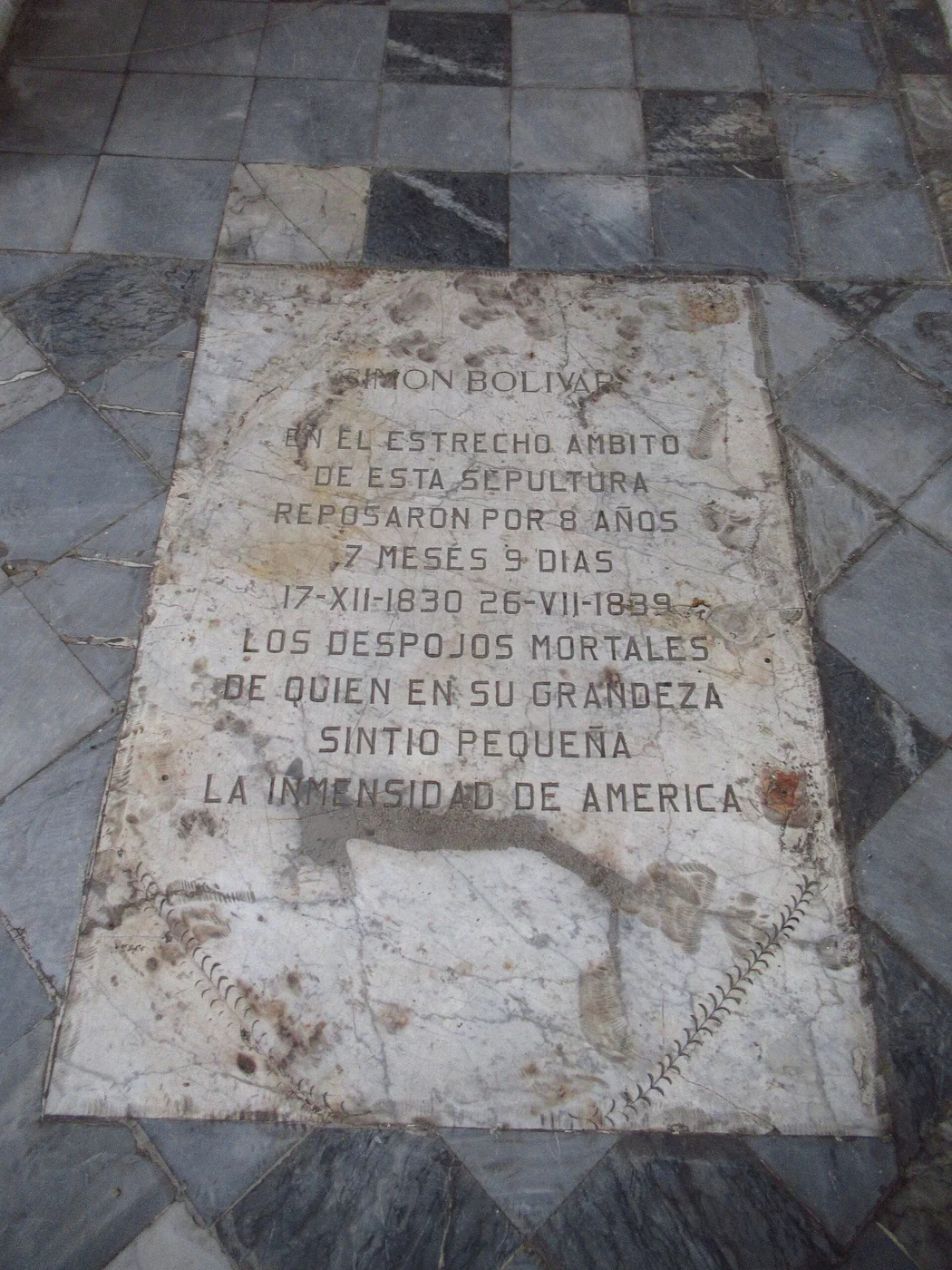
Bolívar died on 17 December 1830 in Santa Marta (present-day Colombia), politically diminished. The afterlife of the symbol grew stronger than the lonely end: repatriation of remains, pantheon ritual, school canon, military oaths and eventual constitutional branding in later centuries. The man died; the Libertador role expanded.
How politicians use Bolívar
Nineteenth-century caudillos, twentieth-century parties and twenty-first-century movements have all reached for bolivarian legitimacy. The 1999 constitution’s “Bolivarian” framing intensified the charge of the adjective. Foreign observers should treat bolivarian language in live politics as a positioning signal — not as a technical manual for investment climate.

Currency, plazas and everyday presence
The bolívar is the currency’s name. Plaza Bolívar is an urban template from capital to small towns. Children learn dates and oaths. Even critics of specific governments rarely discard the hero himself in ordinary conversation. That distinction — hero versus living claimants — is basic manners.
Visiting bolivarian sites
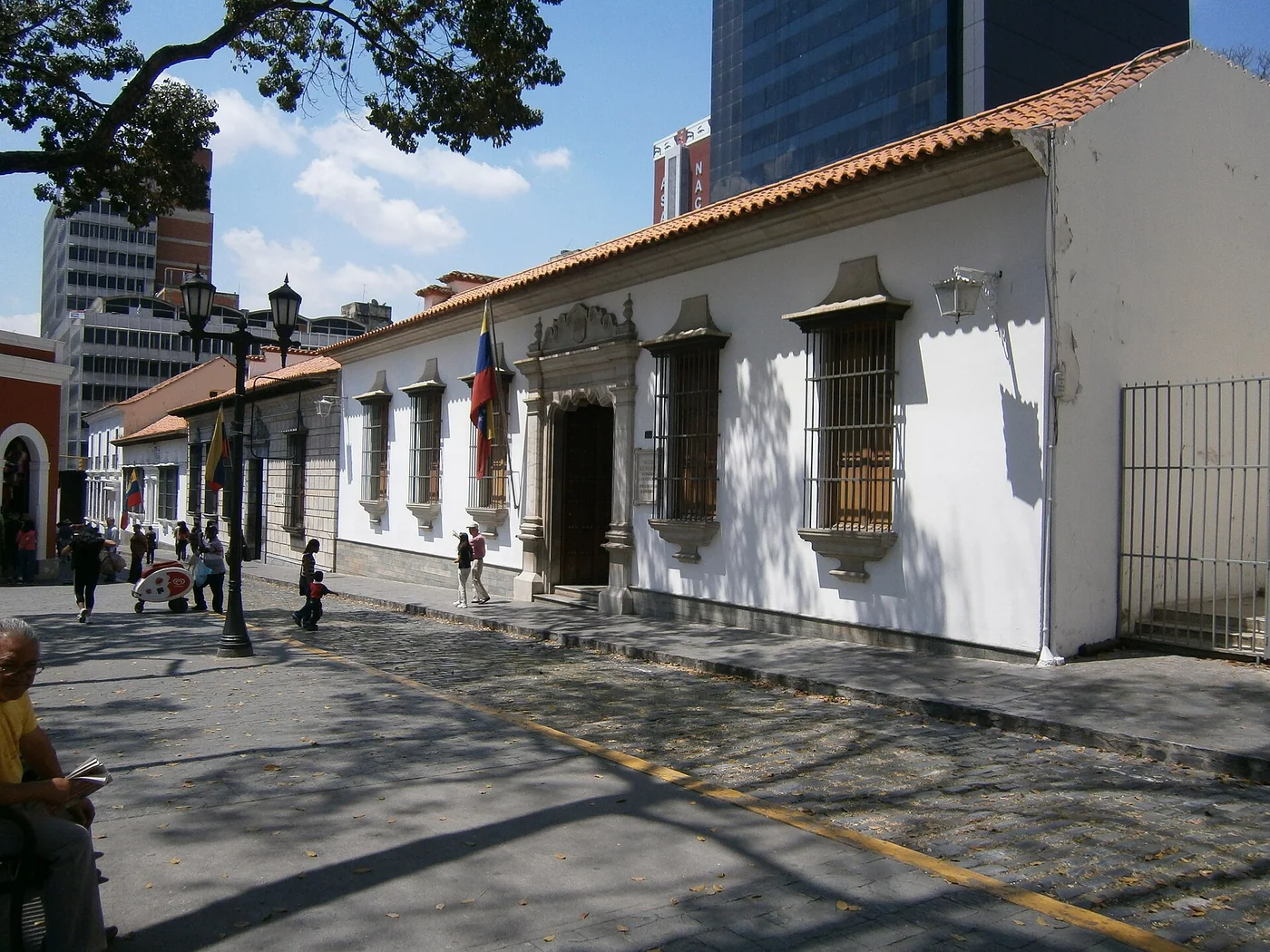
Caracas museums, the National Pantheon area, and Carabobo field are the usual circuit. Check security guidance, use registered guides, and do not treat uniformed ceremonies as tourist theater. Photography rules vary; ask.
Etiquette for foreigners
- Do not deface monuments for content
- Do not equate Bolívar with any single living politician as a cheap joke
- Do not lecture Venezuelans about their hero after a week of reading
- Do ask questions; curiosity beats performance
- Do separate school simplification from academic debate when you go deeper
Reading path
- One serious short biography
- Carabobo visit or virtual museum tour
- Jamaica Letter excerpts
- One chapter on Páez and llanero alliance
- Our separate guides on Francisco de Miranda and Antonio José de Sucre
Then return to practical Venezuela Advisor tools — visas, RIF, property due diligence — which run on paperwork, not epic memory. Cultural literacy and operational diligence strengthen each other.
War as total social crisis
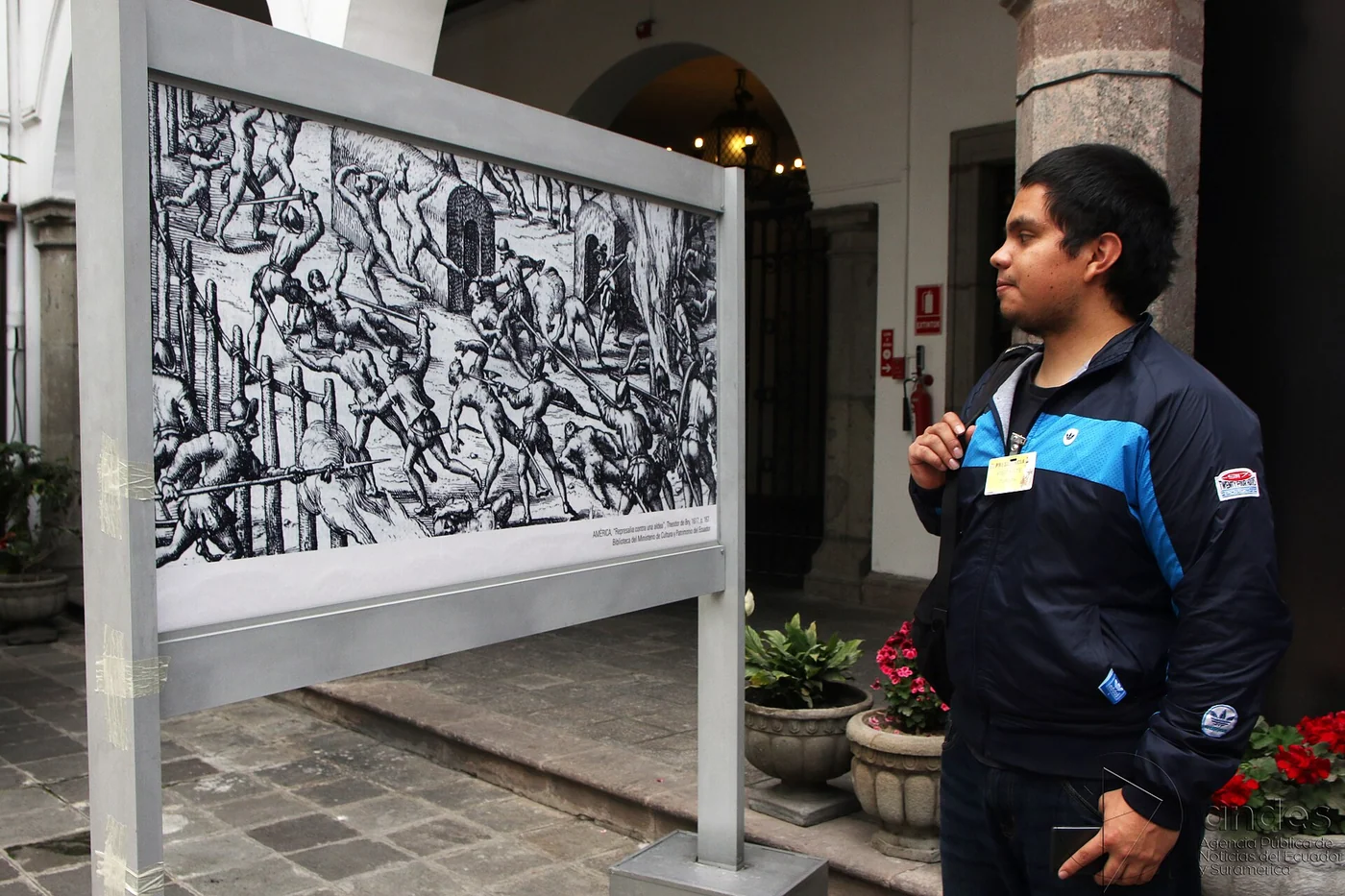
Independence killed, displaced and bankrupted whole regions. Patriot and royalist sides both committed harsh acts. Civic monuments celebrate liberation; parish records and local histories also remember shortages, confiscations and revenge. A mature foreign reader holds both the achievement of ending colonial rule and the human cost of the method.
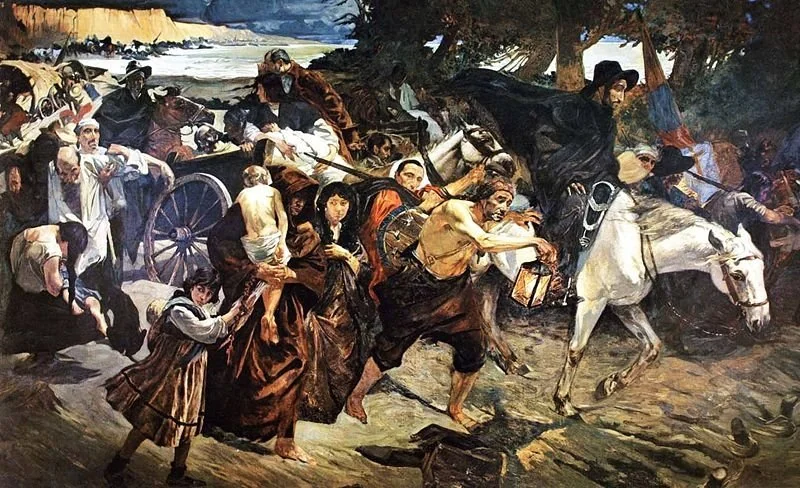

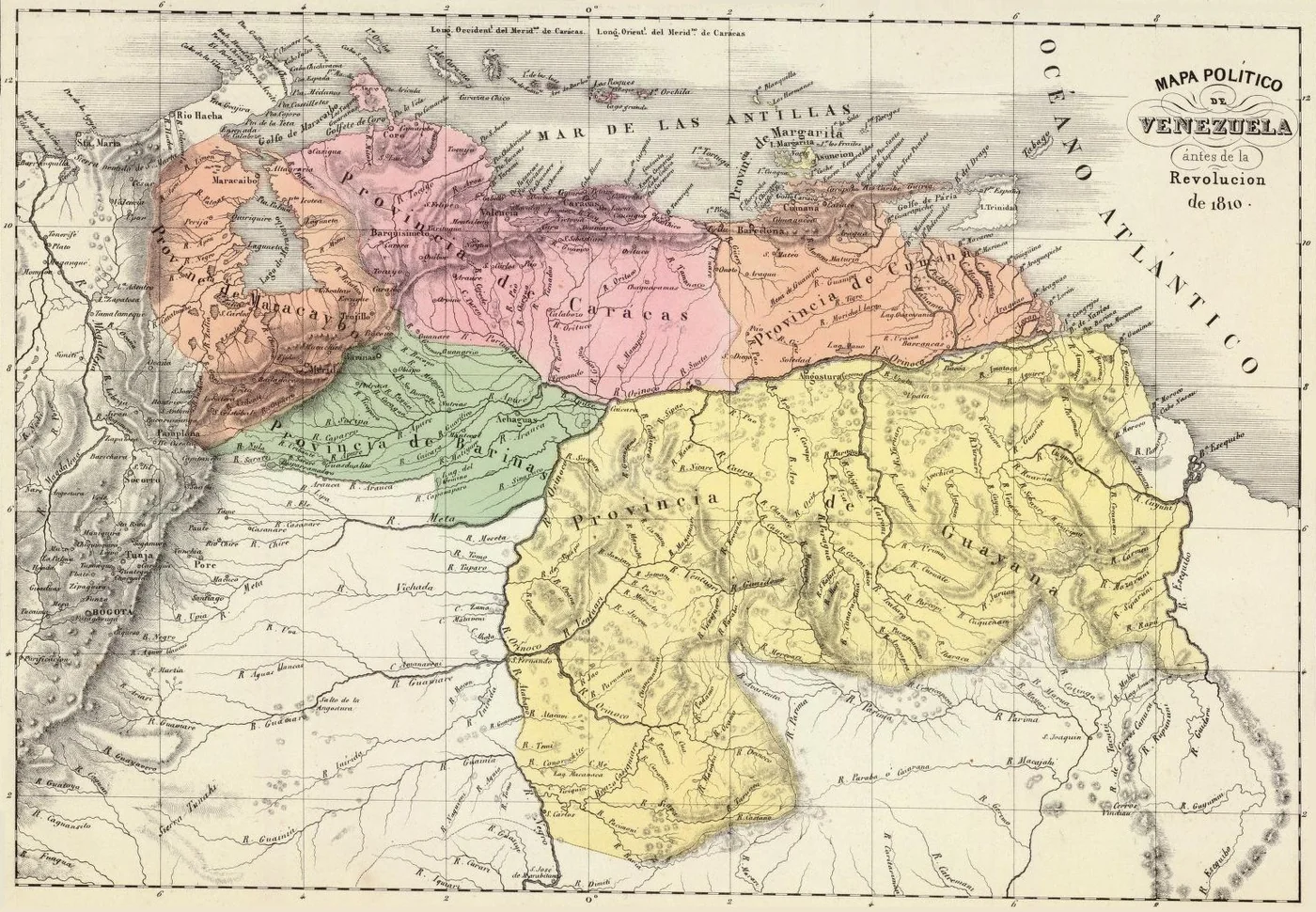
Llanero horsemen, coastal merchants, Andean towns and Caracas elites did not experience the same war. Regional identity today still echoes some of those wartime geographies — another reason our regional identities guide pairs with this biography.

Bolívar and the problem of slavery and caste
Colonial society was stratified by race and legal caste. Independence leaders issued decrees and made alliances that touched slavery and mixed-status populations unevenly across theaters. Historians continue to research gaps between proclaimed equality and social practice. Foreigners should avoid both rosy myths and single-sentence condemnations that ignore the period’s constraints and debates.
Diplomacy and British interest
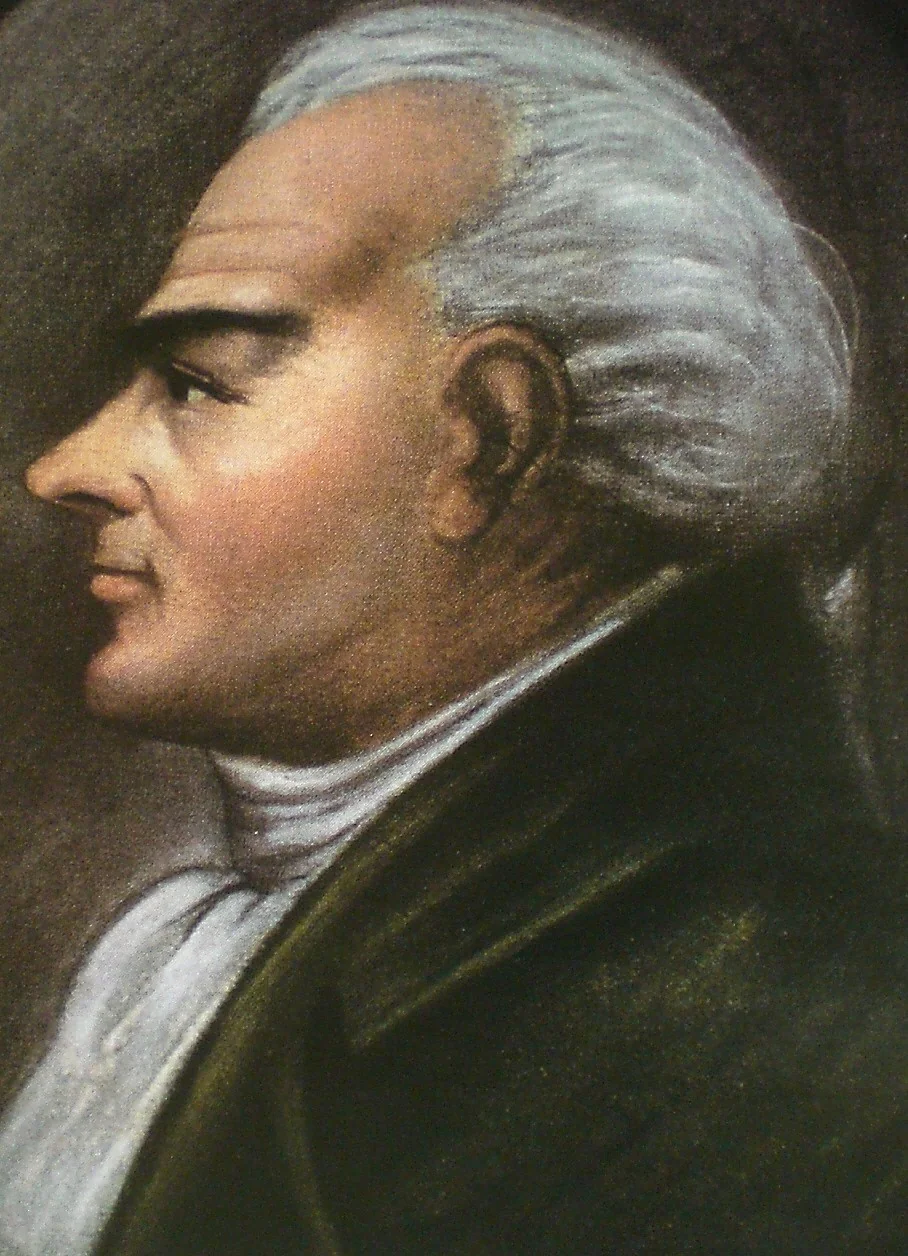
The wars unfolded under British commercial and geopolitical interest in Spanish American markets. Loans, volunteers and diplomatic recognition struggles formed a parallel track to battles. Miranda had worked those channels earlier; Bolívar’s generation continued to need external finance and legitimacy.

Why 1830 feels like an ending
Bolívar’s death, Sucre’s assassination and Gran Colombia’s disintegration cluster in the same historical moment. The founding generation exited while institutions were still soft. Nineteenth-century caudillismo and regional conflict followed. When modern analysts talk about “weak institutions,” they sometimes speak as if history began last decade; the independence settlement already left unfinished state-building.
Bolívar for diaspora parents
Teaching children abroad requires balancing pride and critical history. Recommended approach: tell the liberation story, name allies (Miranda, Sucre, Páez), admit war’s cruelty, visit a plaza when you travel, and refuse to use the hero as a weapon in dinner-table party politics with relatives.

Checklist for cultural competence
- I can state birth and death years
- I can explain Carabobo in one sentence
- I can explain Gran Colombia’s failure in one sentence
- I never joke about vandalizing monuments
- I can name Miranda and Sucre as first-rank companions
Detailed timeline
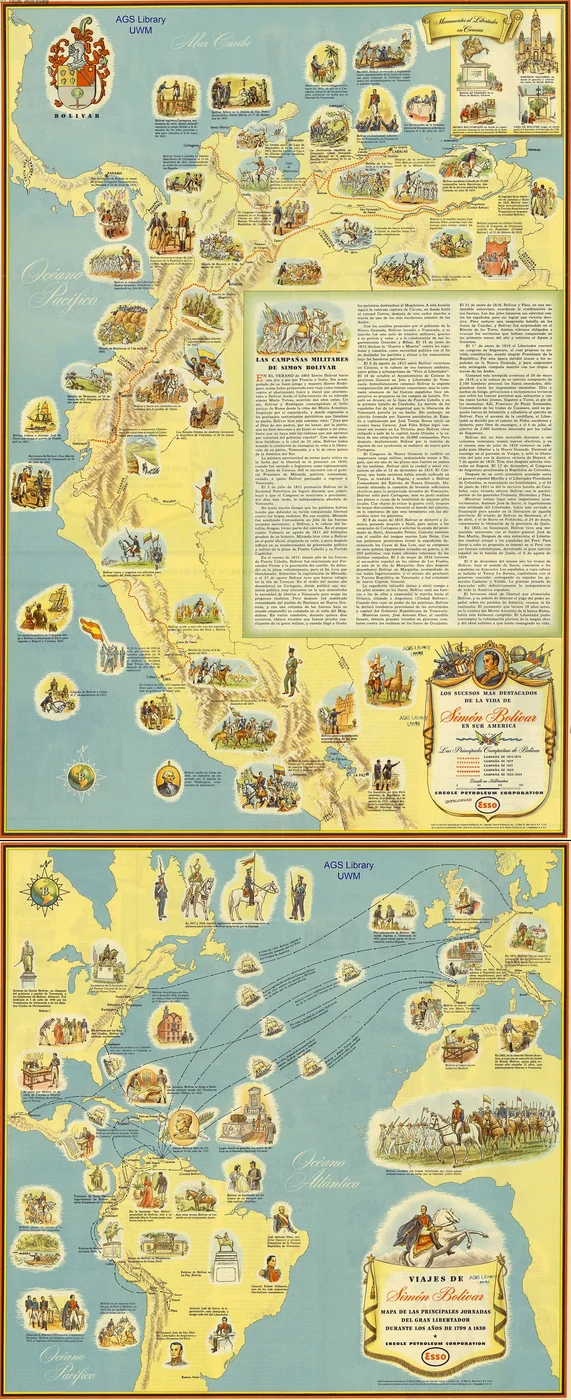
- 1783 — Born in Caracas
- 1799–1807 — European formative years (approx. periods of travel/education in standard biographies)
- 1810–1812 — First Republic cycle and collapse
- 1813 — Admirable Campaign
- 1819 — Angostura and New Granada campaigns phase
- 1821 — Carabobo
- 1822–1824 — Southern consolidation with Sucre’s decisive role at Ayacucho
- 1825–1828 — Gran Colombia political stress
- 1830 — Death in Santa Marta
Each bullet is a doorway to specialized books. Use the timeline to orient; do not pretend a blog post replaces archives.

Bolívar and Caracas urban space
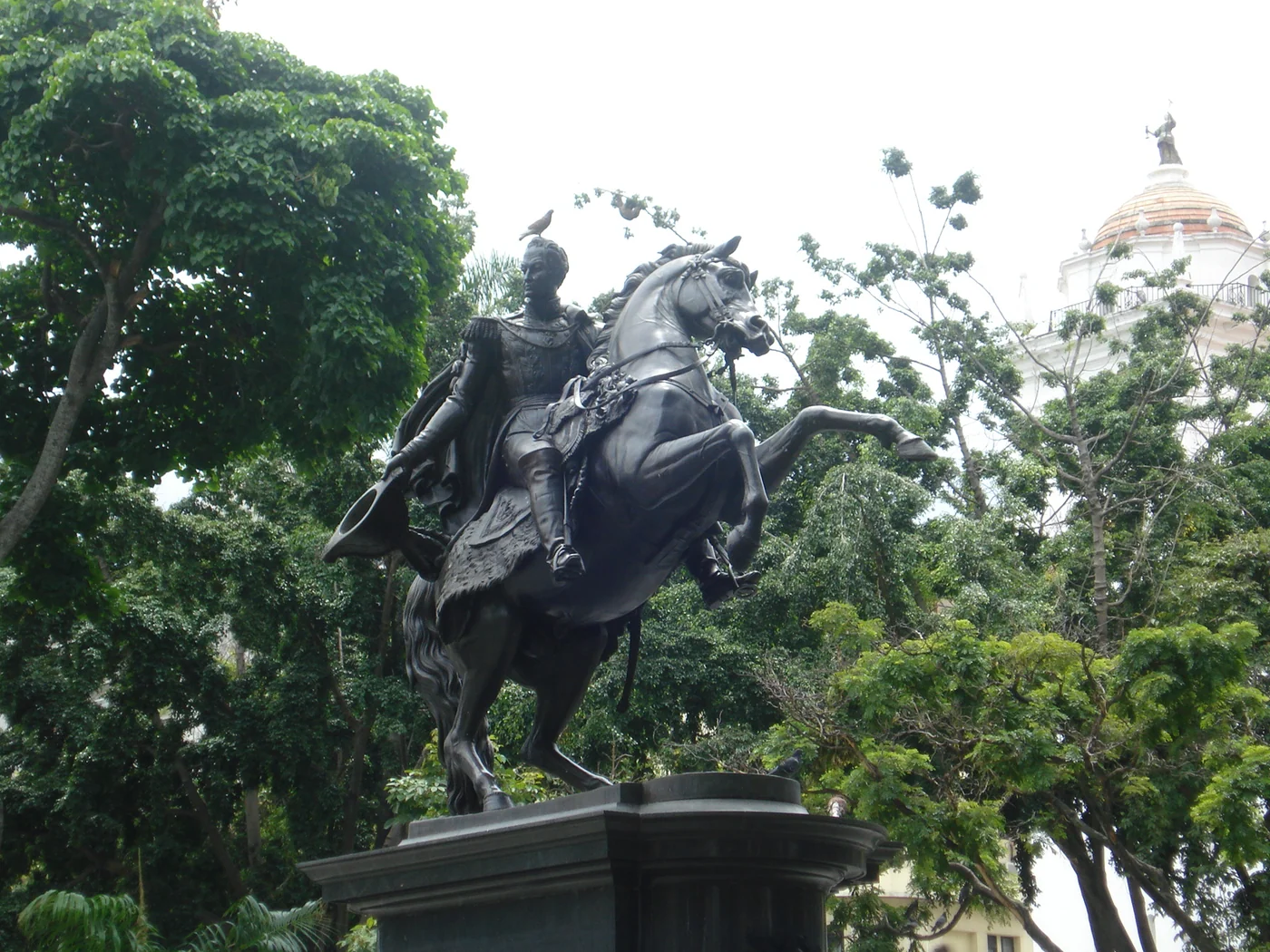
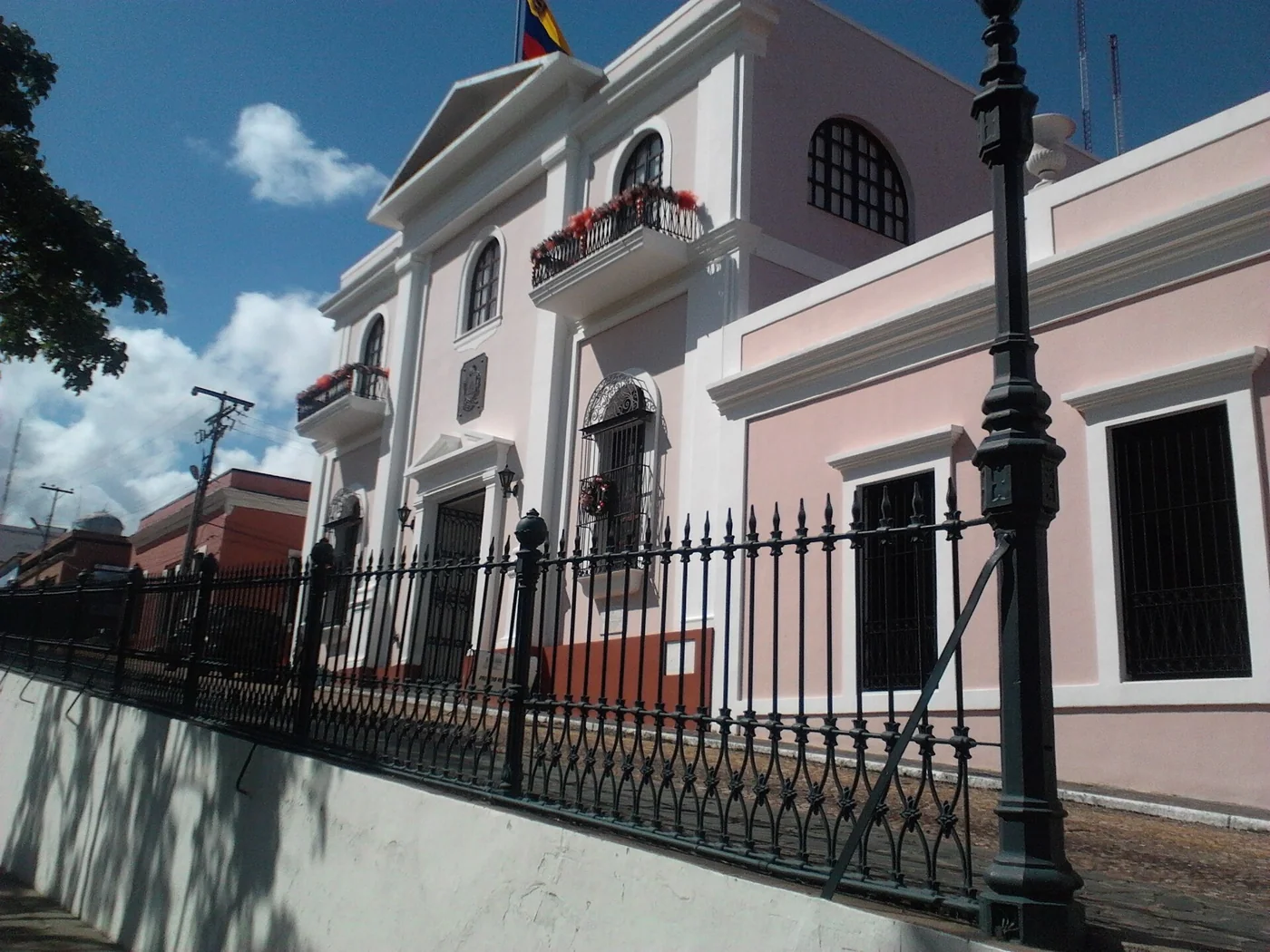
The capital stages the hero through plazas, museum narratives and school field trips. Even when residents complain about traffic or services, the symbolic order remains. Foreigners photographing statues should behave as guests at a civic altar, not as influencers hunting irony.
Connections to our other guides
Read Miranda next for the Precursor phase; Sucre for Ayacucho and the southern peace; Guayana Esequibo for a different sovereignty story; regional identities for how Cumaná (Sucre) and Caracas (Bolívar) still speak different cultural dialects.
Angostura and the politics of unity
The Angostura moment in standard narratives frames Bolívar’s attempt to articulate institutional unity for diverse provinces. Speeches and constitutional drafts from this phase are assigned in universities across the region. Even a partial reading shows a leader arguing against fragmentation while standing on wartime authority — a tension every post-conflict state knows.

Foreign executives working in multi-province markets in Venezuela today still navigate regionalism. History does not excuse poor management; it explains why capital-only strategies fail.

Frequently asked questions
When was Simón Bolívar born?
24 July 1783 in Caracas.
What does El Libertador mean?
The Liberator — his civic title in Venezuelan and continental memory.
What was Carabobo?
The 24 June 1821 battle treated as decisive for Venezuelan independence consolidation.

What was Gran Colombia?
The large republic project linking northern Andean territories that later fractured.

Why is the currency called the bolívar?
His name is the core national brand for money and public space.
Did Bolívar act alone?
No. Allies such as Páez and Sucre and popular armies were essential.

How should foreigners speak about him?
With respect for the symbol; separate the hero from living politicians who claim him.
Where did he die?
Santa Marta, 17 December 1830.

Questions or comments?
Leave us your message through the contact form — we will be glad to share our experience and help you with the next steps of your plans in Venezuela.
Sources: Standard independence historiography; Venezuelan civic education themes; public heritage practice. For academic depth consult specialized biographies and primary texts such as the Jamaica Letter.
This guide is general orientation, not a guarantee of eligibility, safety or investment returns. For the scope of the October 2026 priority update, read our editorial policy.