
Venezuelan Baseball: Soft Power, MLB and National Pride
Why baseball matters in Venezuela
Football (soccer) dominates much of Latin America; Venezuela is one of the countries where baseball competes for emotional primacy. Sandlots, academies and televised games shaped generations. Knowing a few team names and star players opens conversations that policy talk closes. For the dated 1941 championship and 1946 LVBP launch, see MLB's Venezuela baseball history guide.
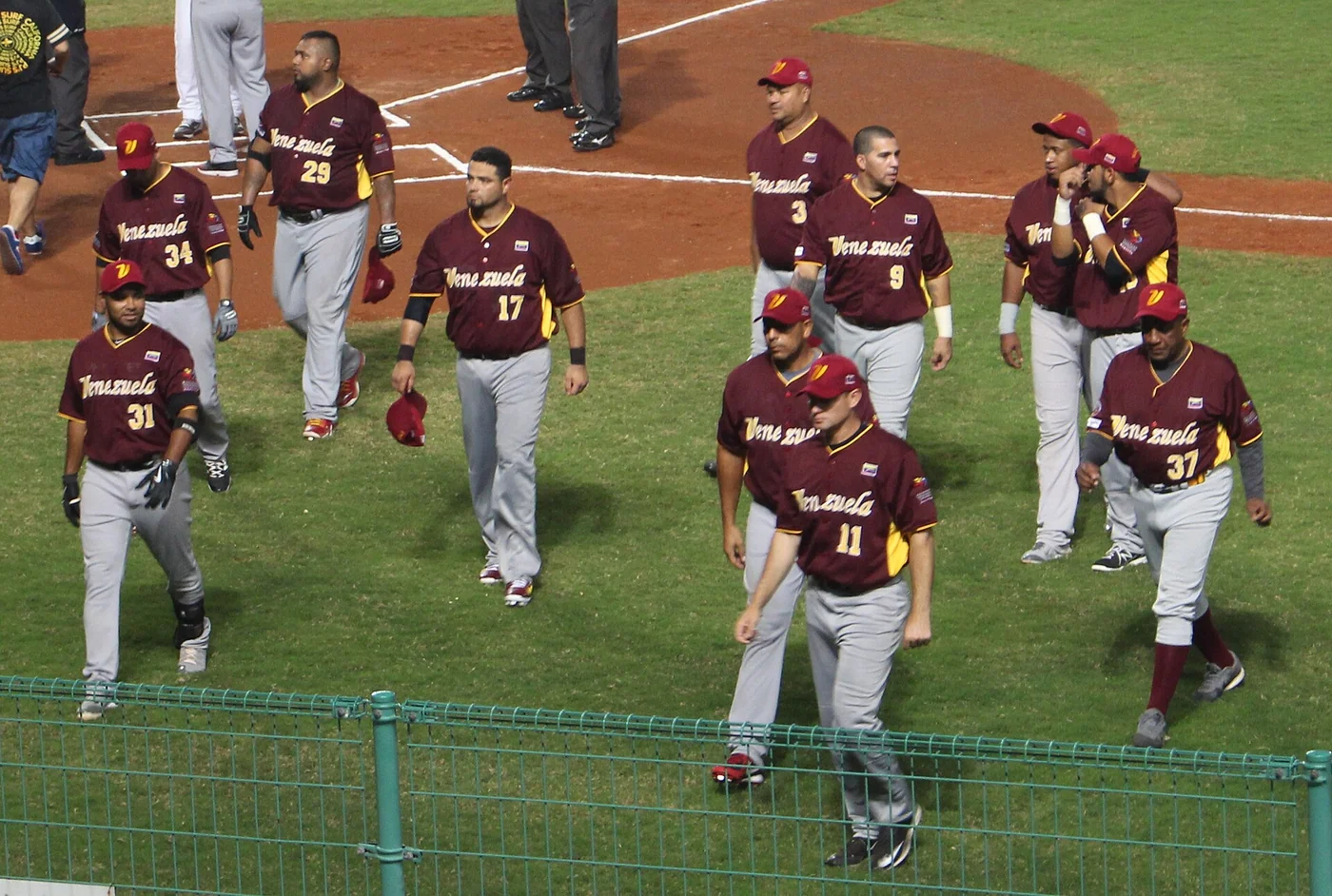

LVBP winter league culture
The Venezuelan Professional Baseball League (LVBP) anchors the domestic calendar. Rivalries are local and passionate. Game nights are social infrastructure — families, radio, arguments, hope. Even in difficult economic years, baseball retained ritual power. The league's early history is summarized by MLB and by the WBSC report on Leones del Caracas.


The MLB pipeline
Venezuela has produced a remarkable number of Major League players relative to population. Academies and scouts form an industry. Success stories become national headlines and diaspora pride markers in U.S. cities. Exact roster counts change every season; the structural pipeline is the durable fact. MLB's Trainer Partnership Program describes Venezuela's independent trainers as part of international player development and emphasizes safe, ethical practice.
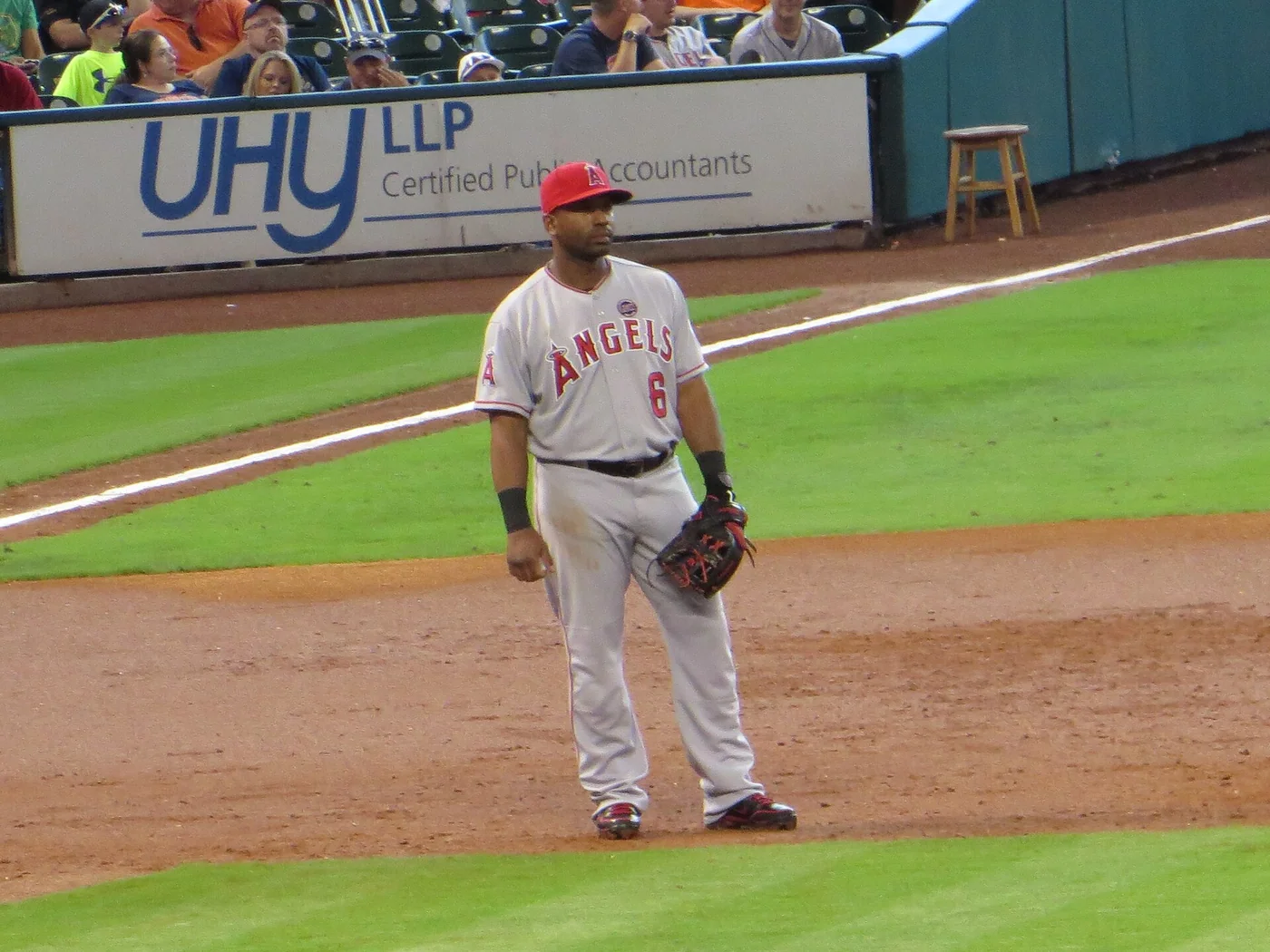

Diaspora viewing rituals
Abroad, Venezuelans gather around MLB broadcasts and LVBP streams when available. Jerseys and group chats keep belonging alive. For second-generation kids, a Venezuelan MLB star can be a clearer identity link than a history textbook.
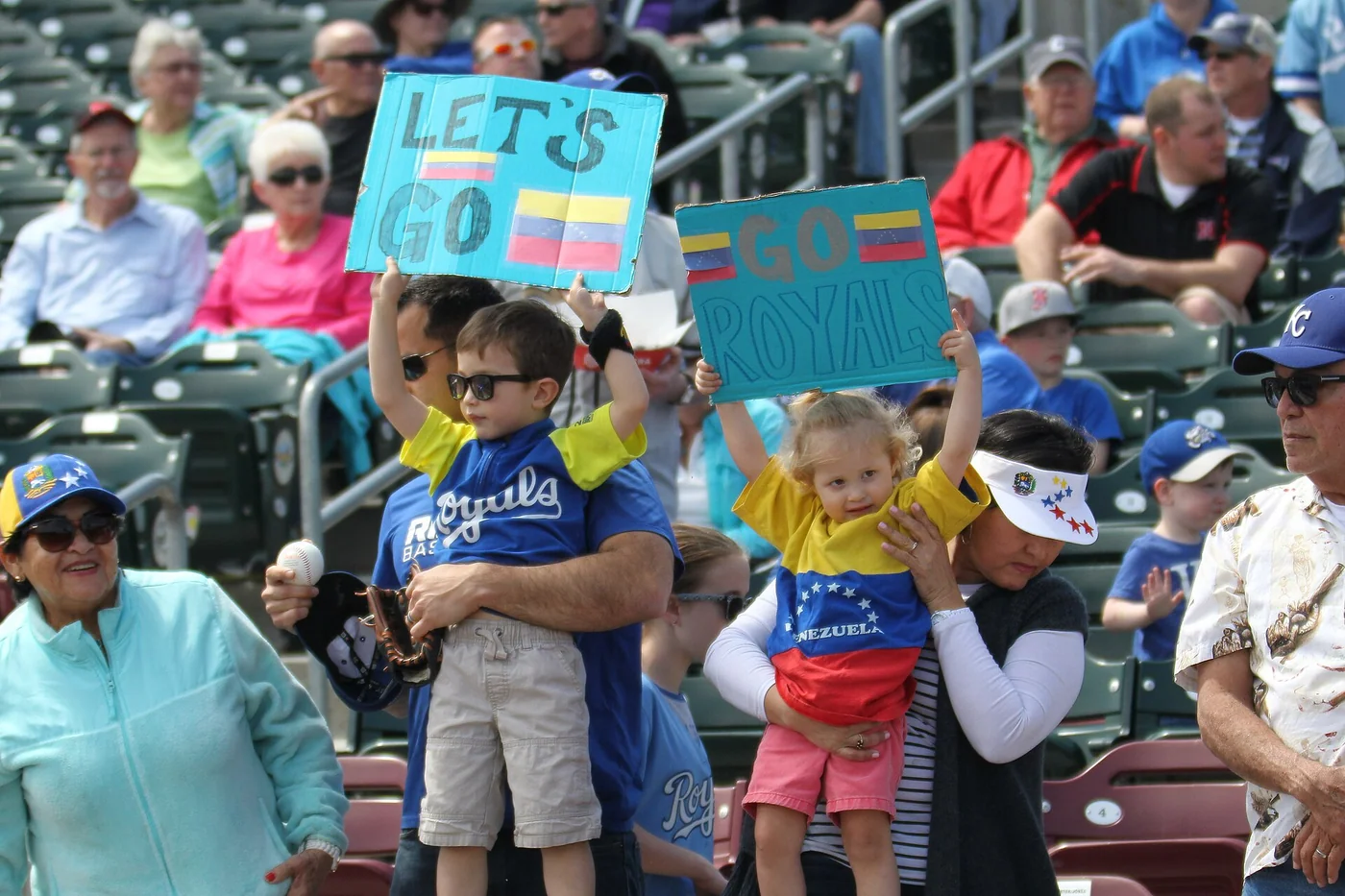

Soft power compared with pageants and music
Miss Venezuela, baseball and music are parallel export channels. None replaces institutions; all shape how the country is recognized abroad. A balanced cultural briefing mentions more than oil and crisis.
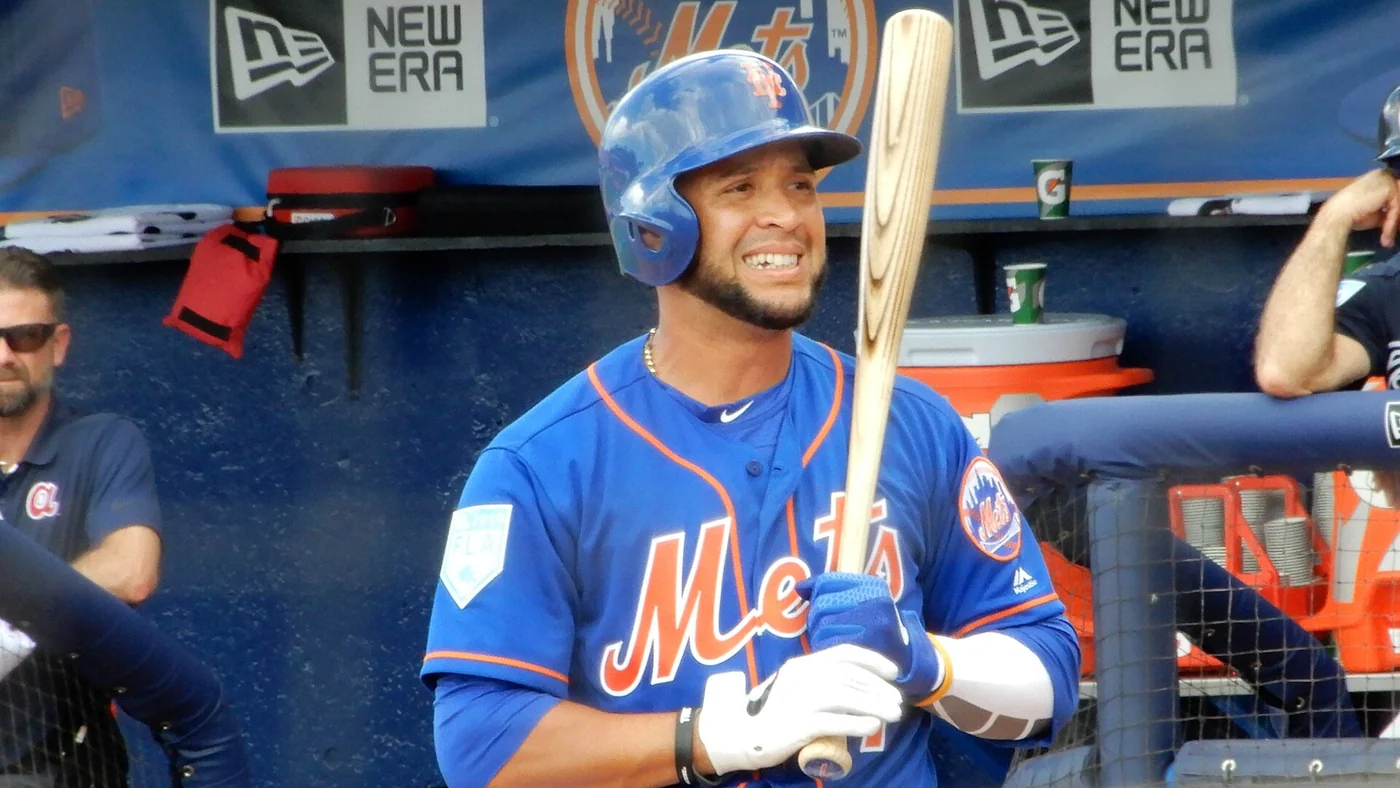

Practical etiquette for foreigners
- Ask which team someone supports before joking
- Do not dismiss baseball as “not real football”
- Learn one current Venezuelan MLB name if you network in sports-heavy circles
Business networking angle
Client dinners during playoff runs are different from ordinary Tuesdays. Schedule sensitivity around big games is cheap respect. Sponsorship and hospitality businesses already know this; professional services firms often forget.

Academies and the talent economy
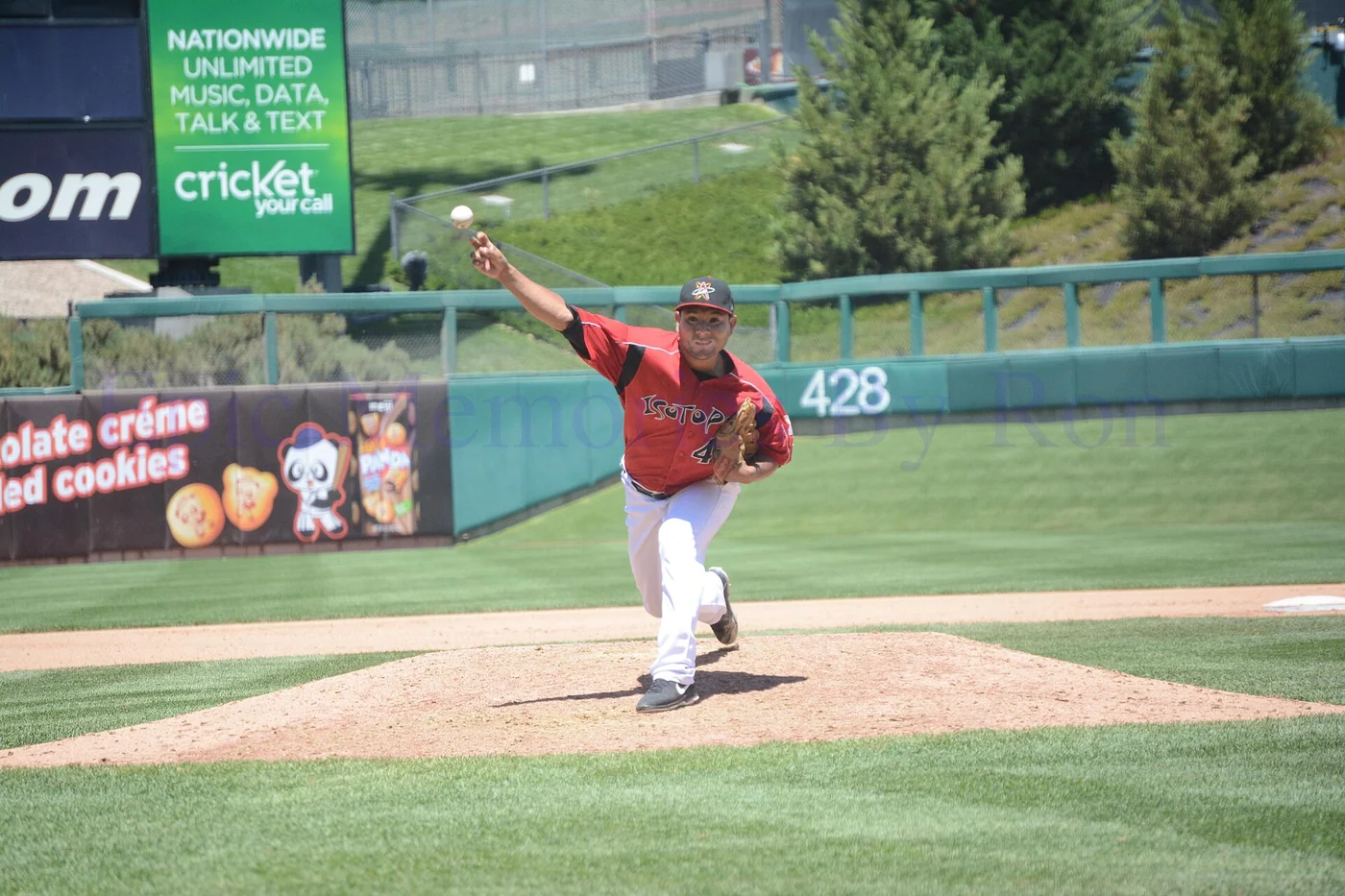
Youth academies are both dream factories and economic actors. Families invest time and travel. Ethical scouting and education balance remain public debates. Foreign NGOs working in youth sports should study local power structures before intervening. Those safeguards are not abstract: MLB's trainer-partnership standards explicitly address safe and ethical development.

Media and radio tradition
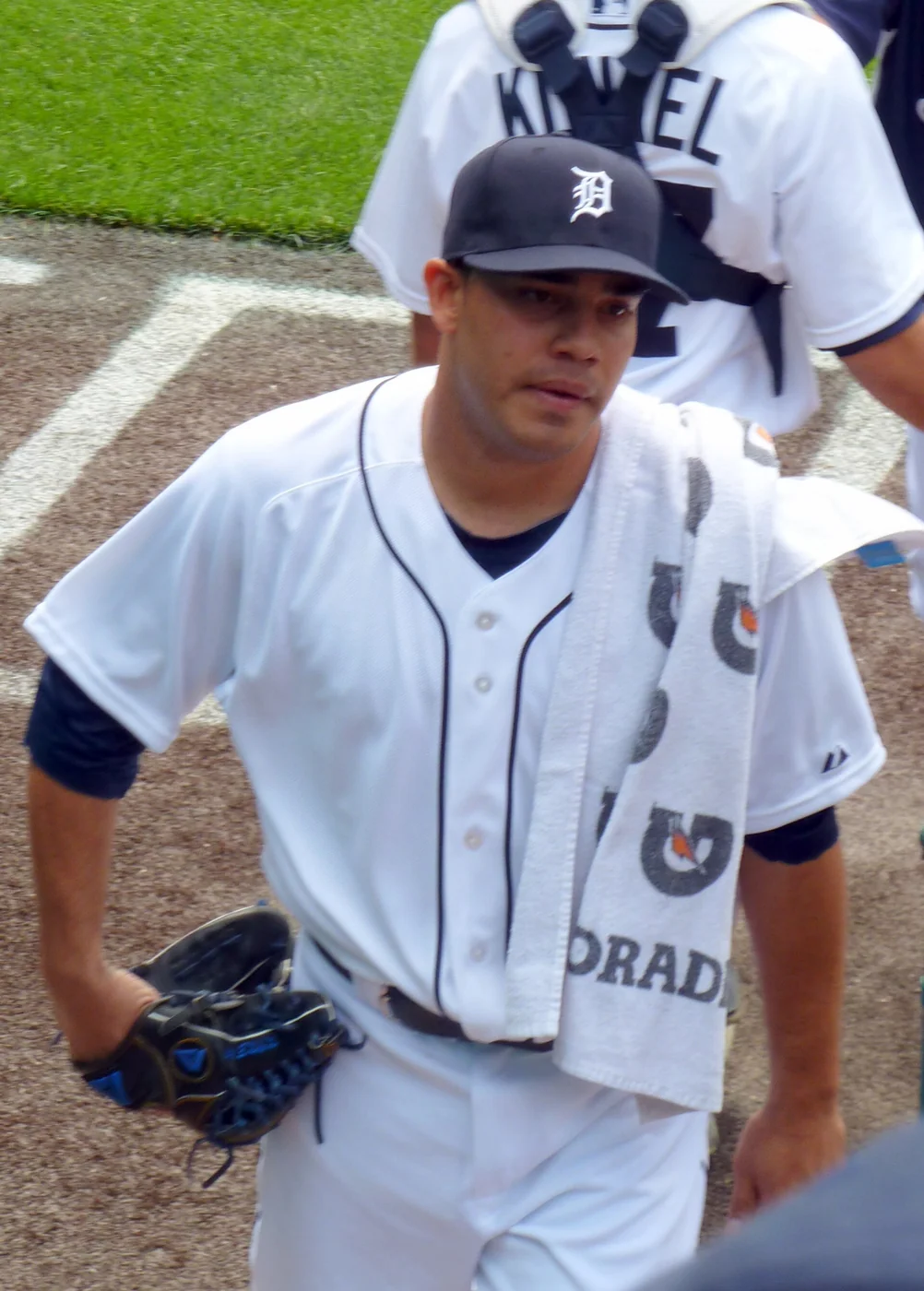
Play-by-play radio built national imagination before streaming. Older generations still hear summer nights in the announcer’s voice. Respect that archive when you produce content only for TikTok attention spans. For the early championship and radio milestones, compare the Society for American Baseball Research history.

When politics enters the stadium
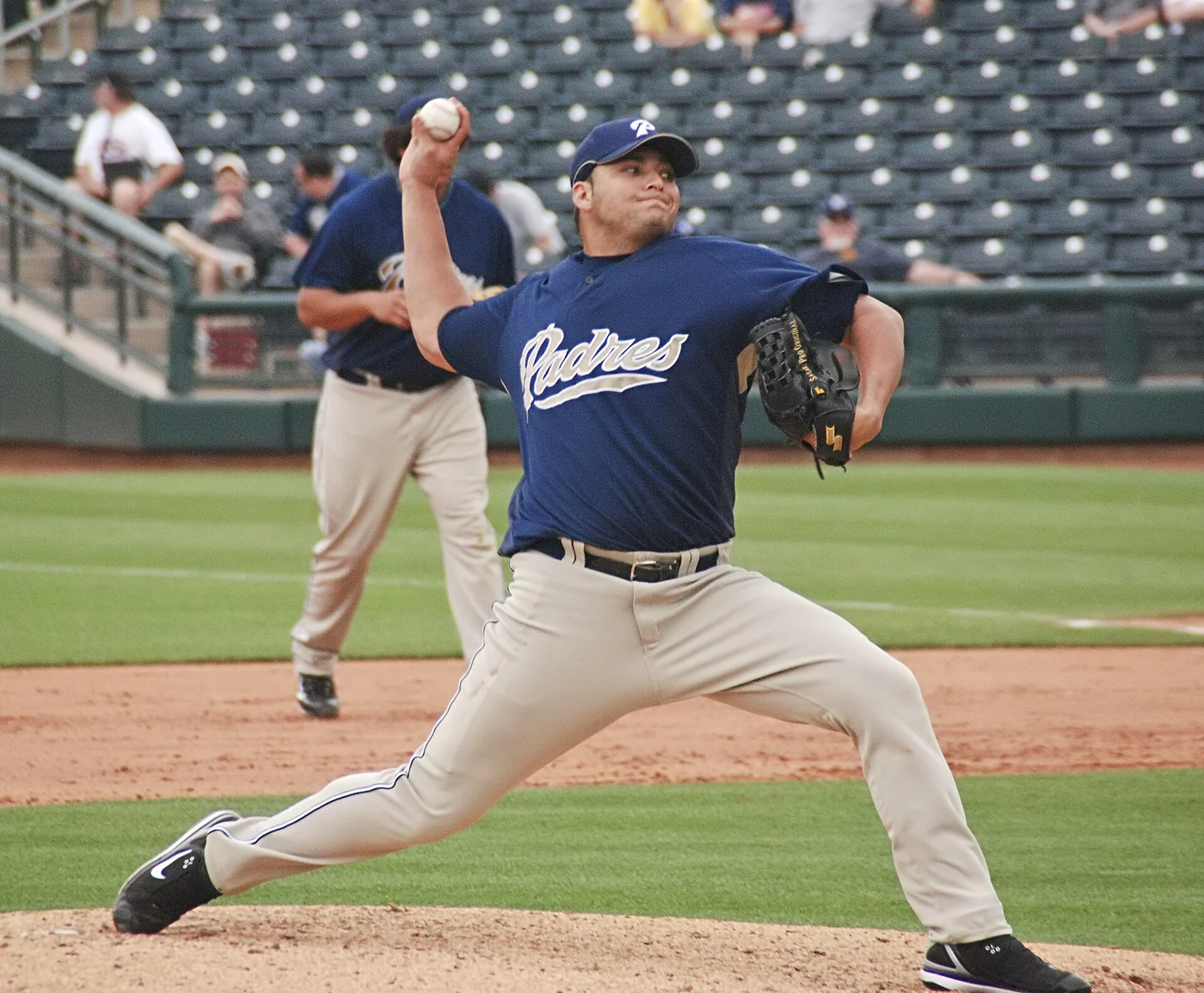
Sports and politics sometimes collide in Latin America. As a foreign guest, follow the host’s lead. Your job is rarely to referee national arguments between innings.

Cities and team geography
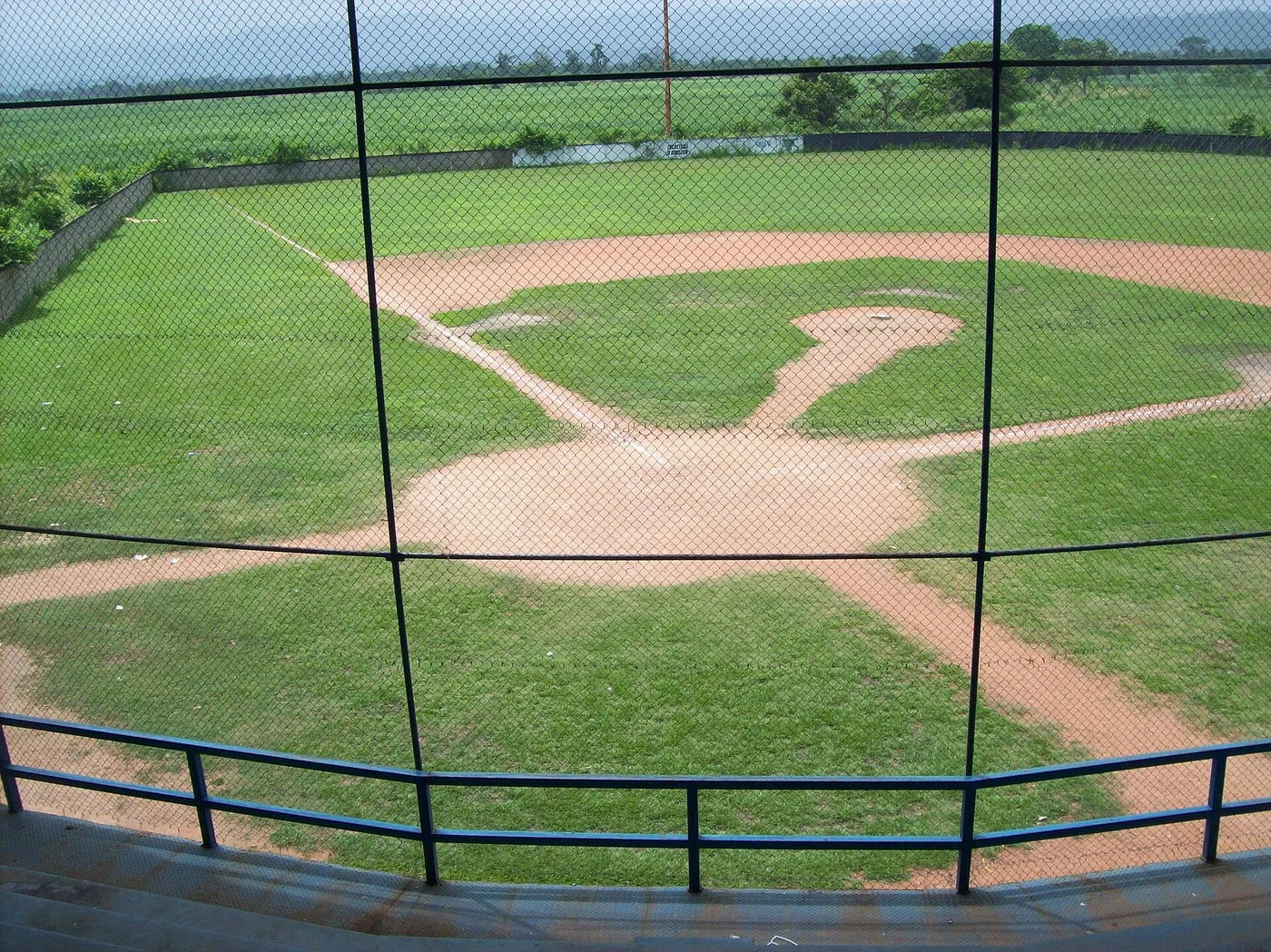
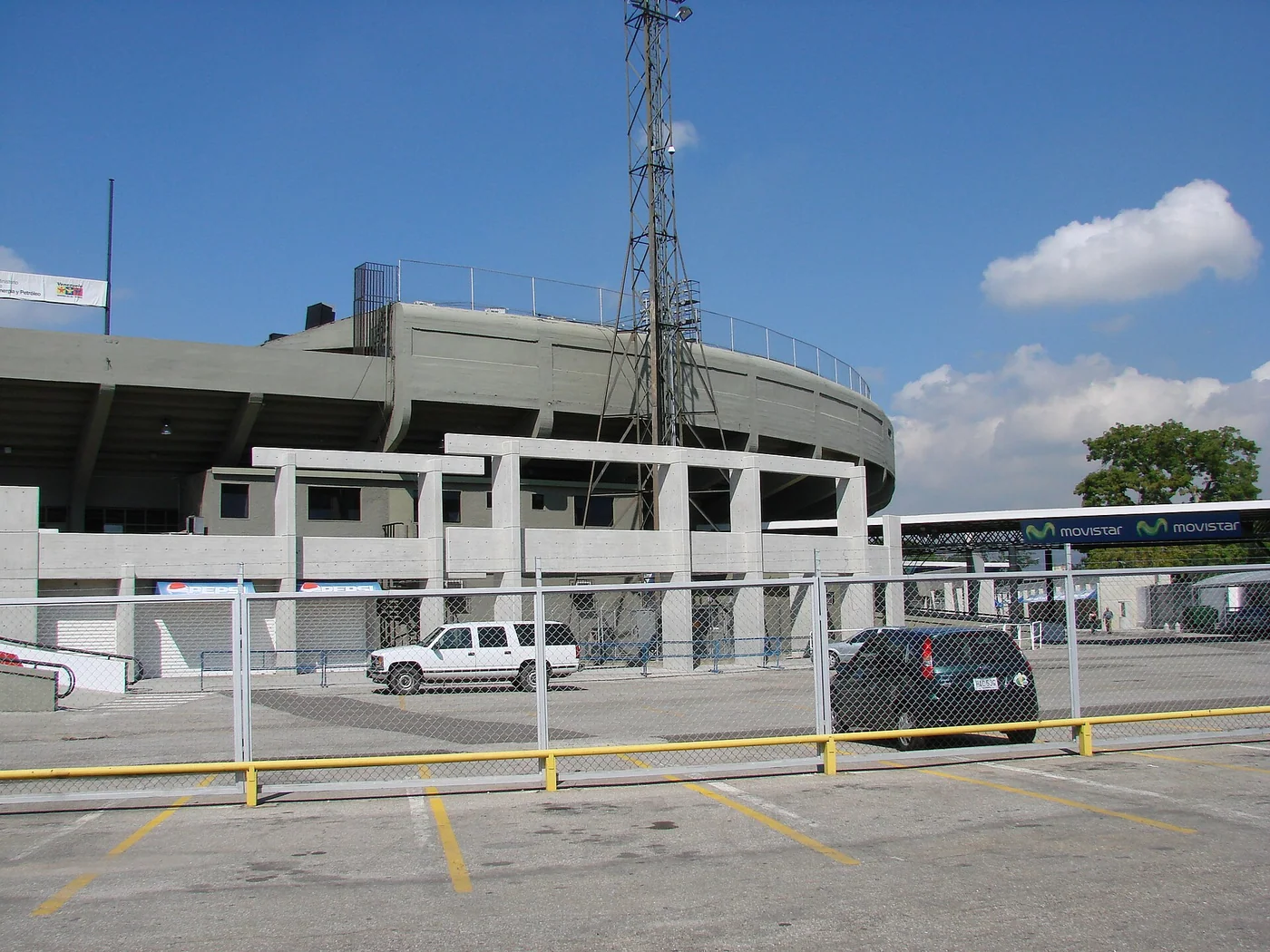
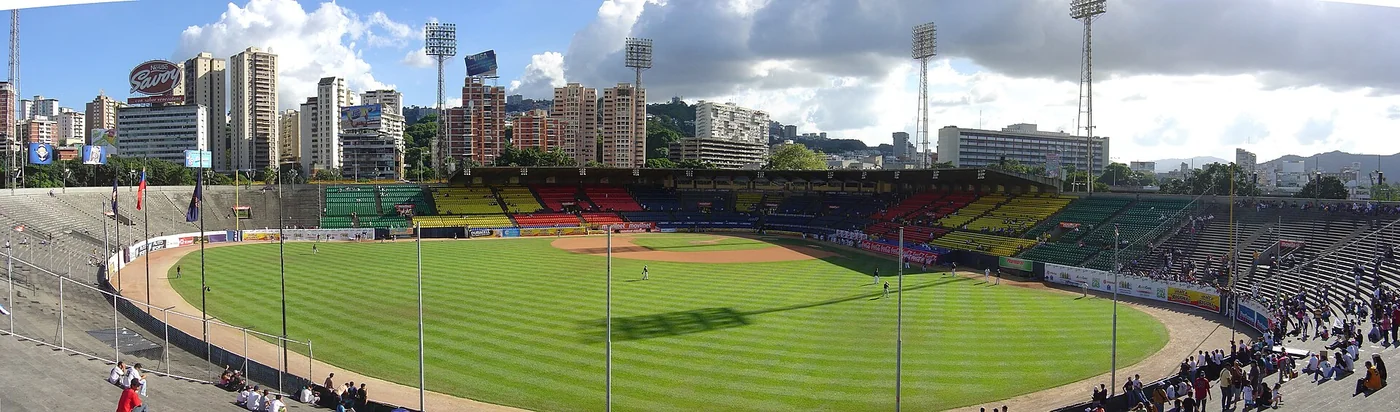
League teams map onto cities and regions that already carry identity — Caracas, coastal clubs, interior cities. Rivalries absorb local pride. Foreign managers who relocate staff should know that a Sunday series can affect weekend availability in baseball families. MLB's stadium overview also identifies Caracas, Maracaibo and other league venues in geographic context: stadium guide.

Women and changing audiences
Audiences are not only male. Families attend; women are fans, journalists and professionals in the wider sports economy. Do not market baseball as a closed masculine ritual if you produce community content.

Stats hygiene
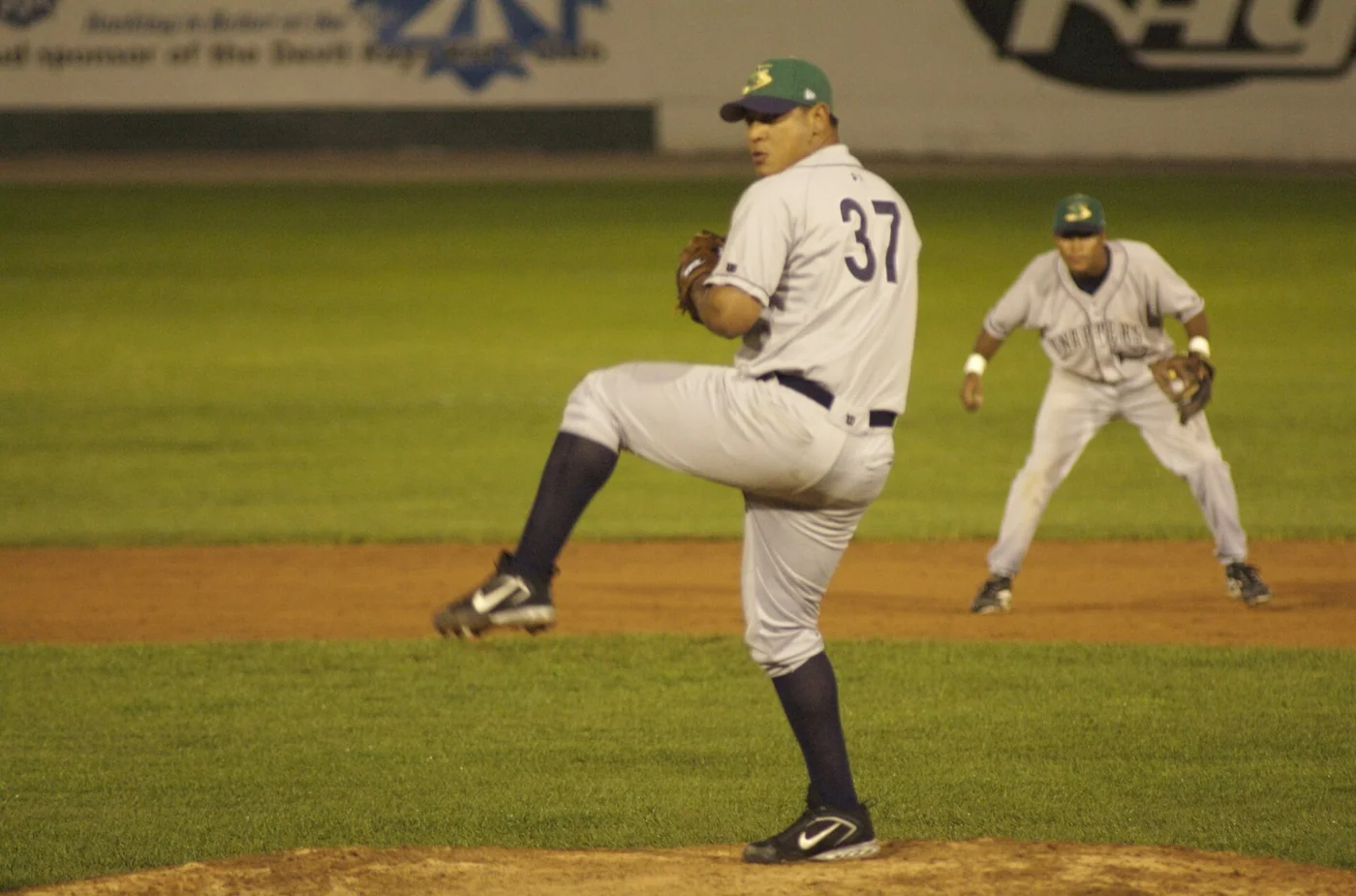
When you cite “number of Venezuelans in MLB,” date the figure. Rosters turn over. Prefer structural statements (“long pipeline,” “high representation relative to population”) unless you have a current season source. The MLB history guide is a dated example of why season-specific counts need a date.

Comparing soft-power channels
| Channel | What it exports | Risk of stereotype |
|---|---|---|
| Baseball | Athletic excellence, discipline narrative | Ignoring other sports and arts |
| Pageants | Media training, glamour brand | Reducing women to appearance |
| Music | Emotion, language, parties | Party-only caricature |
| Food | Daily hospitality | Ignoring regional diversity |
Use multiple channels in any serious country briefing.

For corporate social responsibility ideas
Youth baseball clinics need local partners, safeguarding policies and education components. Do not drop equipment without a governance plan. Sports CSR done poorly becomes a photo op with injury risk.

Historical arc in brief
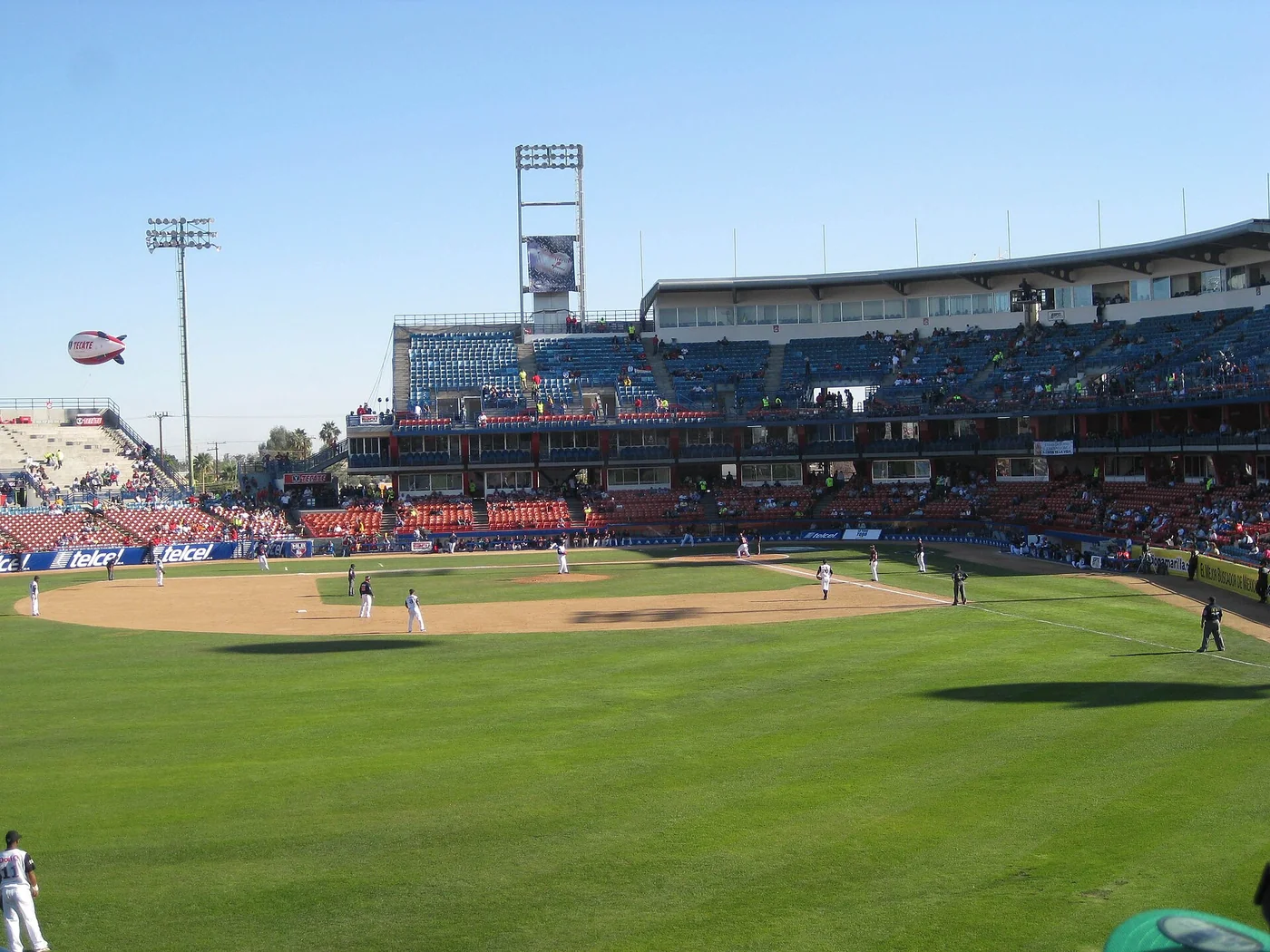
Baseball entered Venezuelan life through Caribbean and U.S. contacts in the twentieth century and then localized intensely. Oil-era urbanization and media expansion amplified stars. Economic crisis complicated domestic league economics but did not erase the emotional infrastructure. MLB success became a parallel national narrative to politics. For a fuller chronology, see SABR's historical account and MLB's guide.

Closing orientation
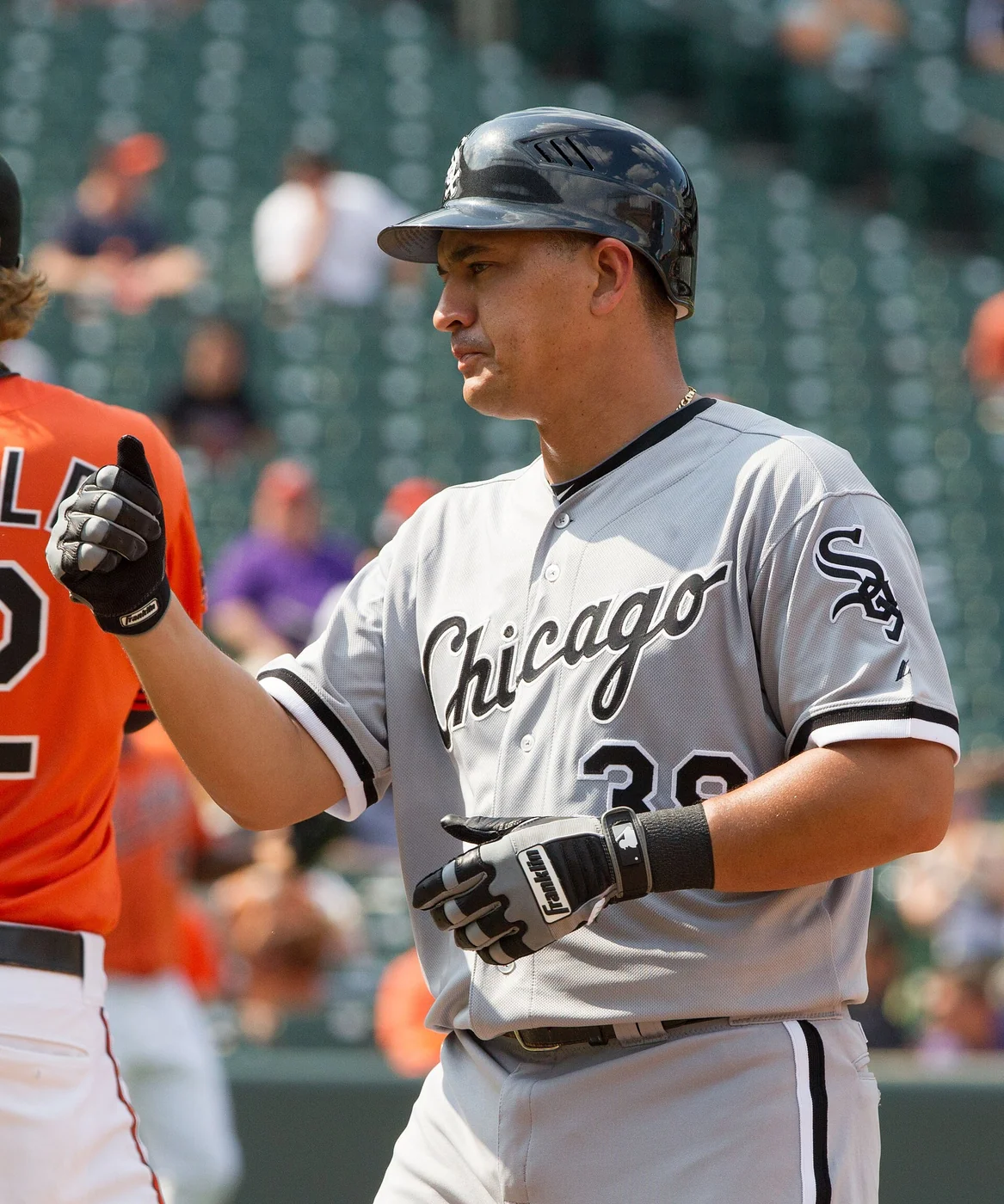
Ask about teams, respect rivalries, date your MLB stats, and treat baseball as serious soft power — not as filler small talk. Pair this guide with food and regional identity articles for a human briefing that is wider than oil prices.

How to watch a game with Venezuelan colleagues
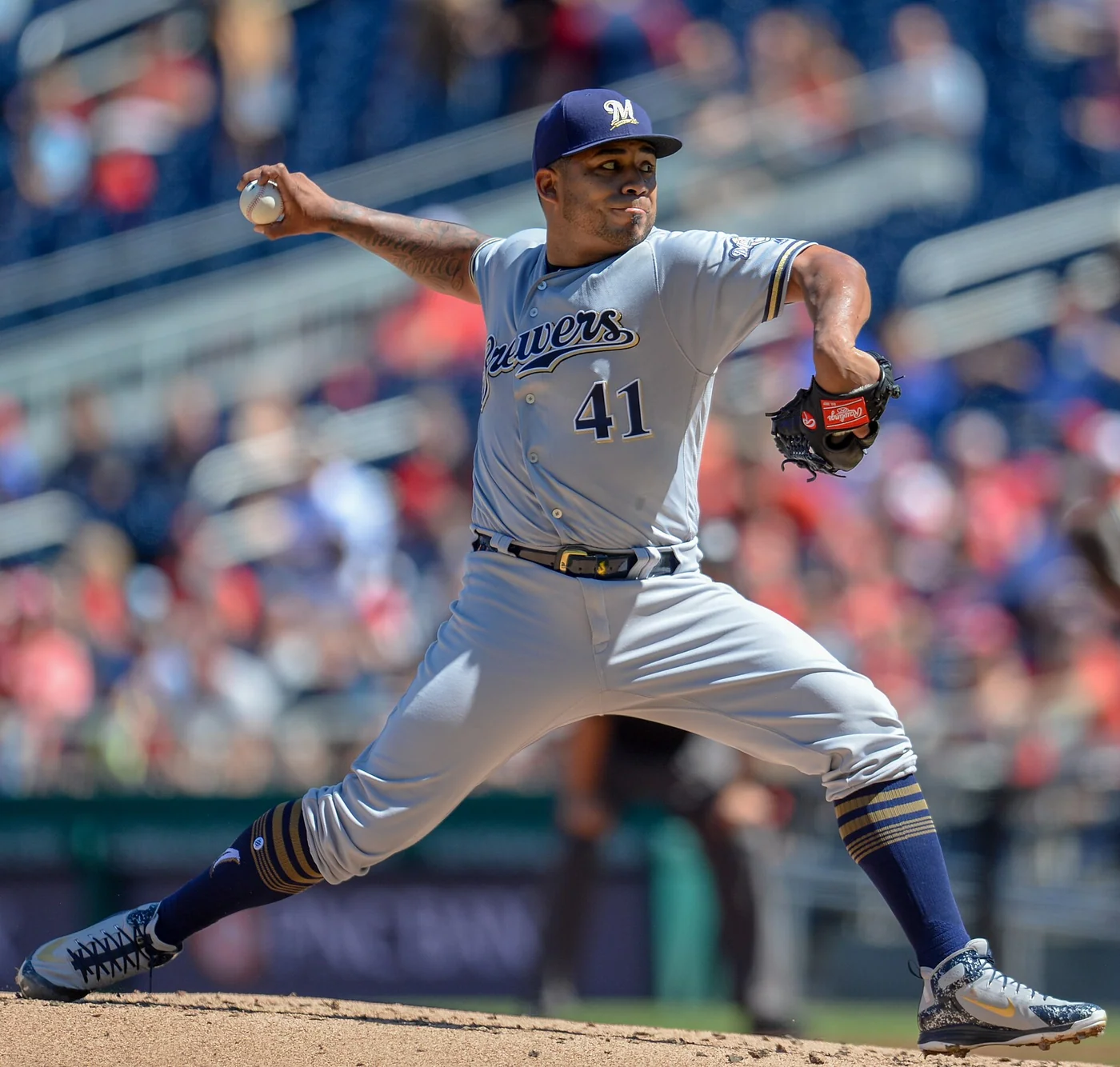
Ask who they support. Accept the volume. Do not explain baseball rules unless asked — many fans know more than you. If you are truly new to the sport, say so honestly; people enjoy teaching a willing novice more than enduring a fake expert.

Jersey politics
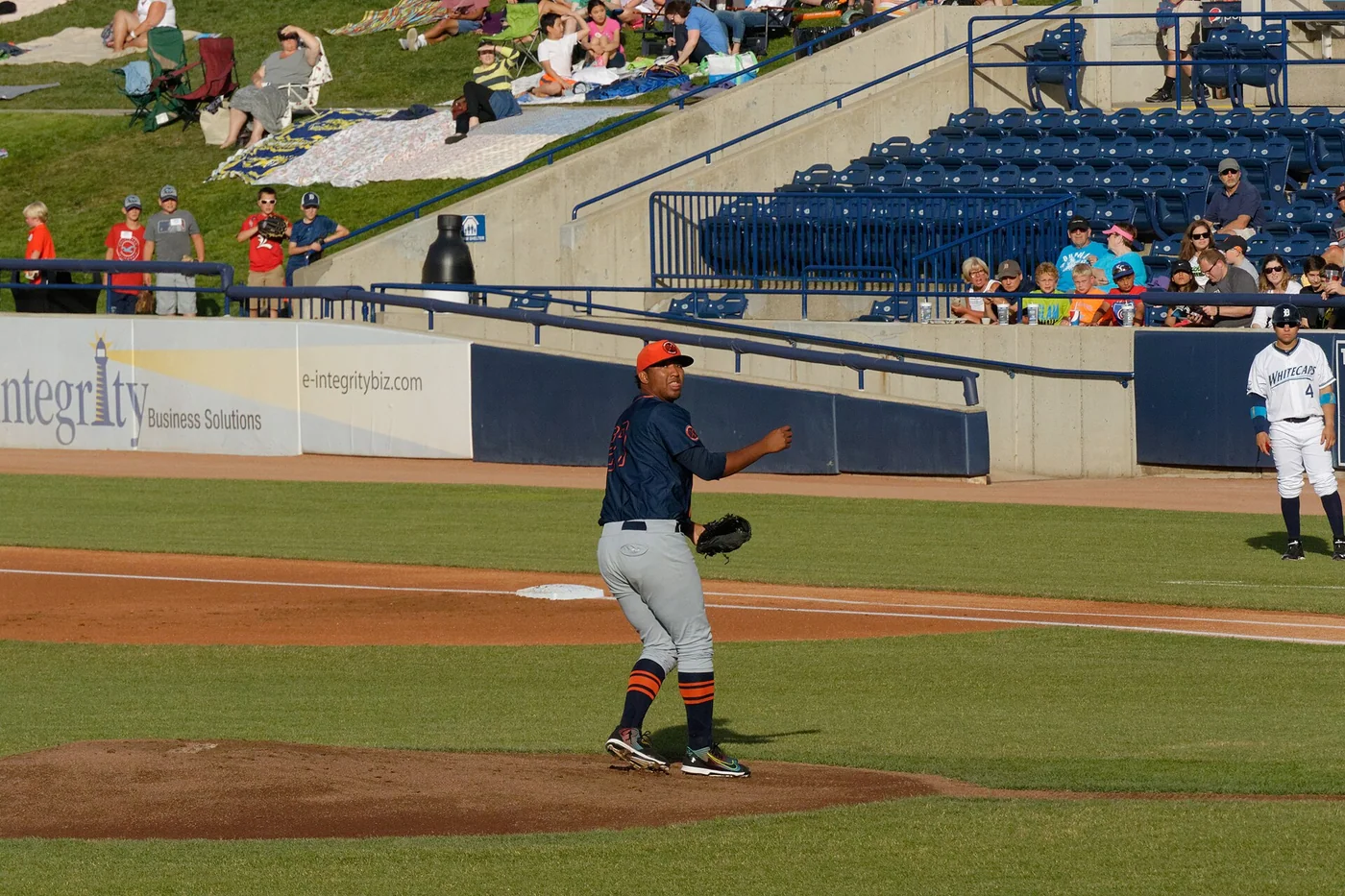
Wearing an MLB jersey of a Venezuelan star is usually safe positive signaling. Wearing a rival LVBP jersey into the wrong bar is a different experiment. Follow local friends.

Economic reality of the domestic league
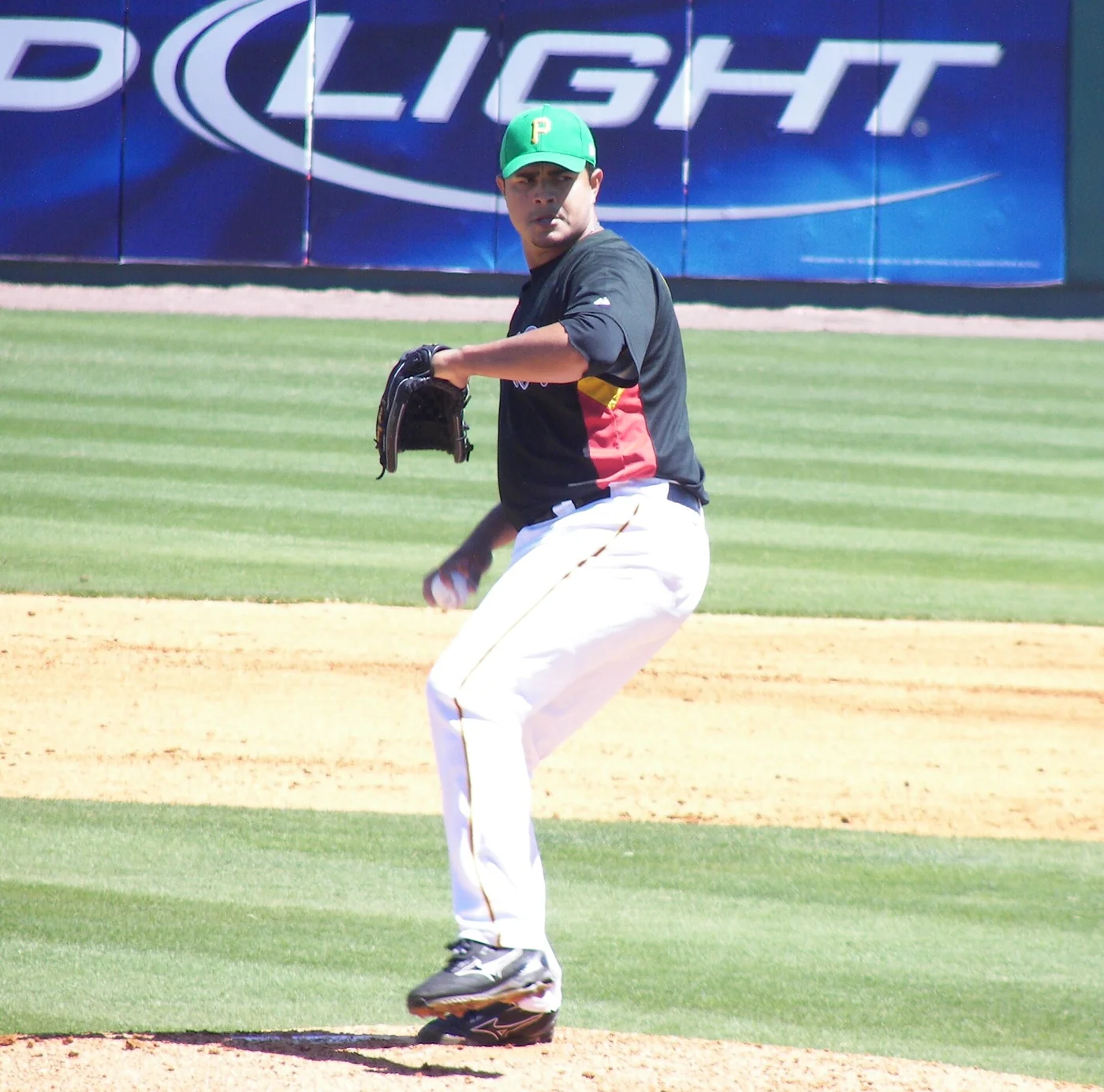
Sponsorship, attendance and player availability fluctuate with macro conditions. Some seasons feel fuller than others. The cultural importance outlasts any single season’s balance sheet.

Education path for young athletes
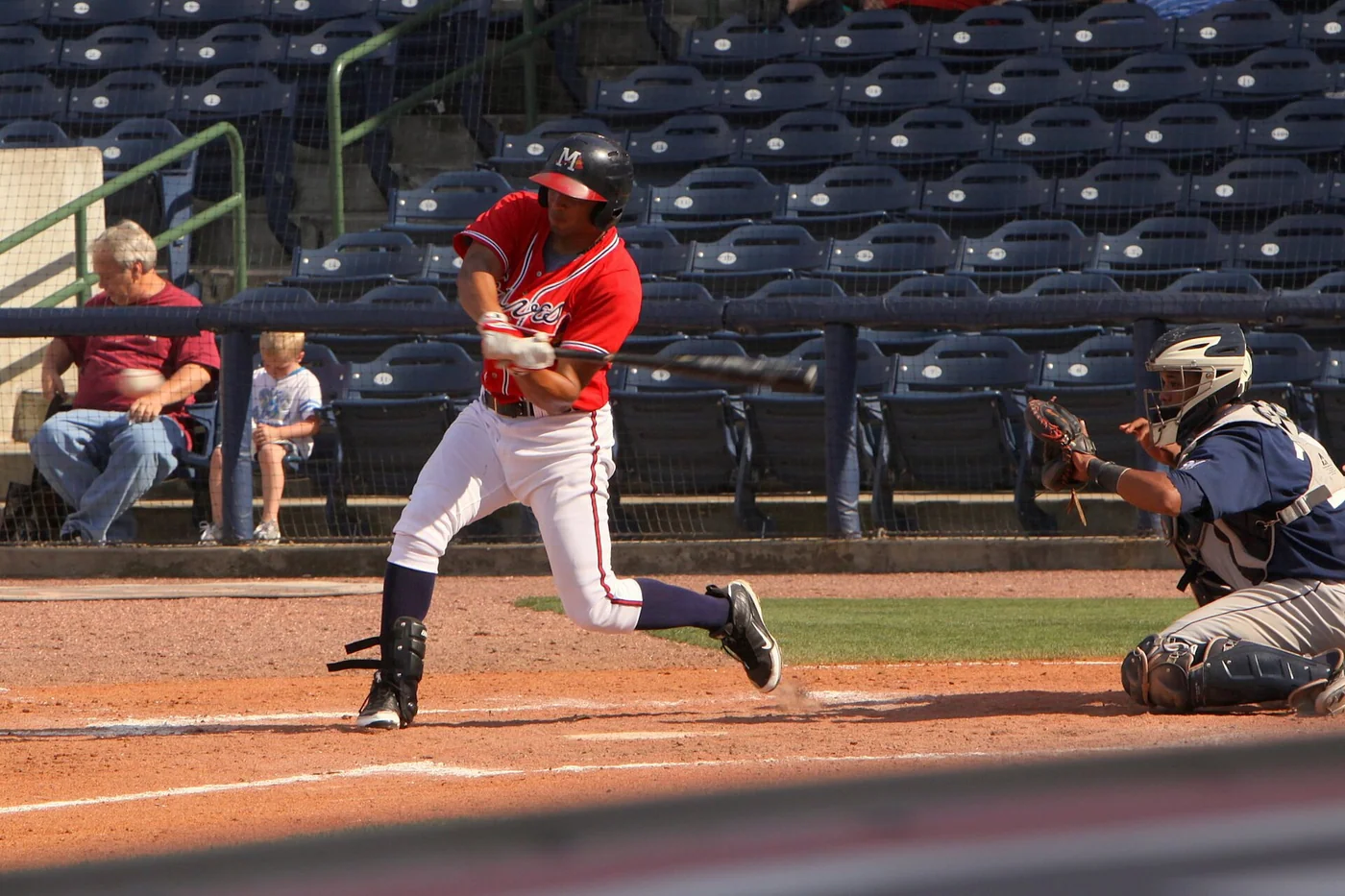
Families weigh sports dreams against schooling. Responsible programs keep education non-negotiable. If you fund scholarships, require academic reporting, not only batting averages.
Soft-power metrics you can actually use
Instead of vague pride language, track: number of Venezuelans on MLB opening-day rosters (dated), LVBP attendance anecdotes from local partners, and diaspora watch-party frequency in your city. Those indicators are imperfect but better than slogans. For country-risk briefings, one slide on cultural soft power (baseball, food, music, pageants) balances ten slides on hydrocarbons and politics.

Broadcast and digital fandom
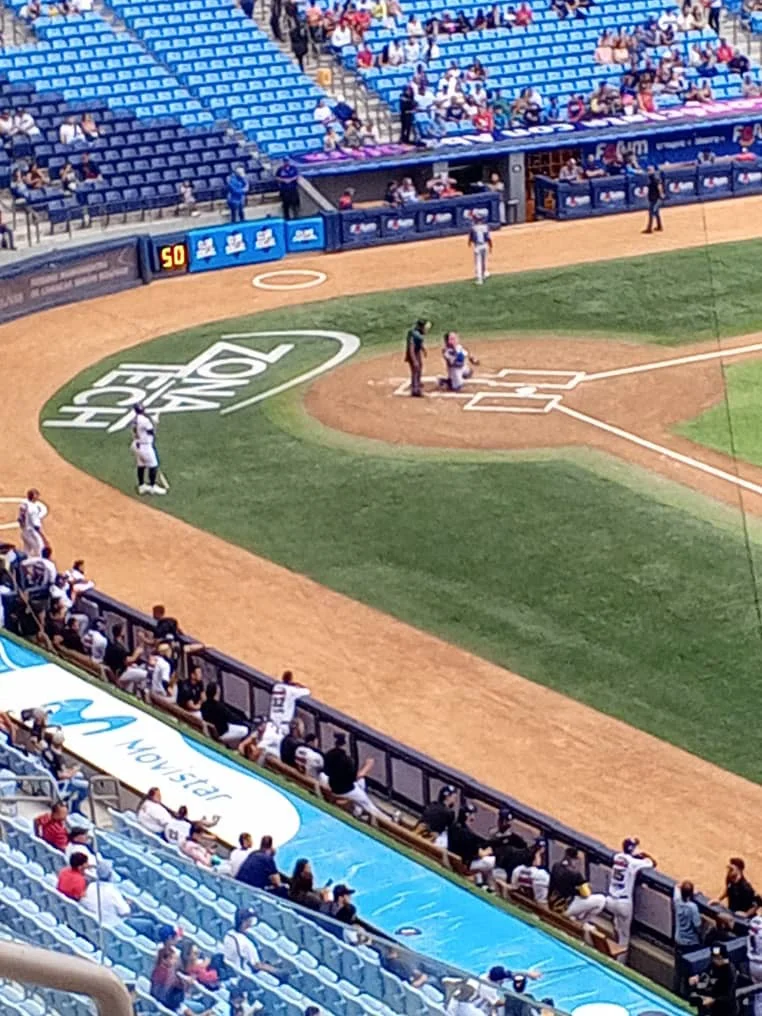
Streaming, highlight clips and WhatsApp groups moved fandom onto phones. Elders may still prefer radio cadence; youth clip home runs into group chats. Brands that want to speak to Venezuelans should not assume a single media channel.
Injury, hope and family investment
Behind every professional contract are years of parental logistics. Injuries end dreams. Ethical storytelling about athletes includes the failures, not only the MLB debut press release.
Integration with other Venezuela Advisor guides
Use this baseball guide with regional identities (team cities), diaspora return planning (weekend rhythms), and soft-power notes in Miss Venezuela and food articles. Culture is a system, not a single article. Foreign executives who can discuss a recent series, order an arepa correctly, and avoid Esequiba naming errors in the same week have done more for trust than another generic “we value local culture” slide.
Keep this page bookmarked through one full LVBP season or one MLB season following Venezuelan players. After that, your small talk will stop sounding borrowed.
Scouting geography
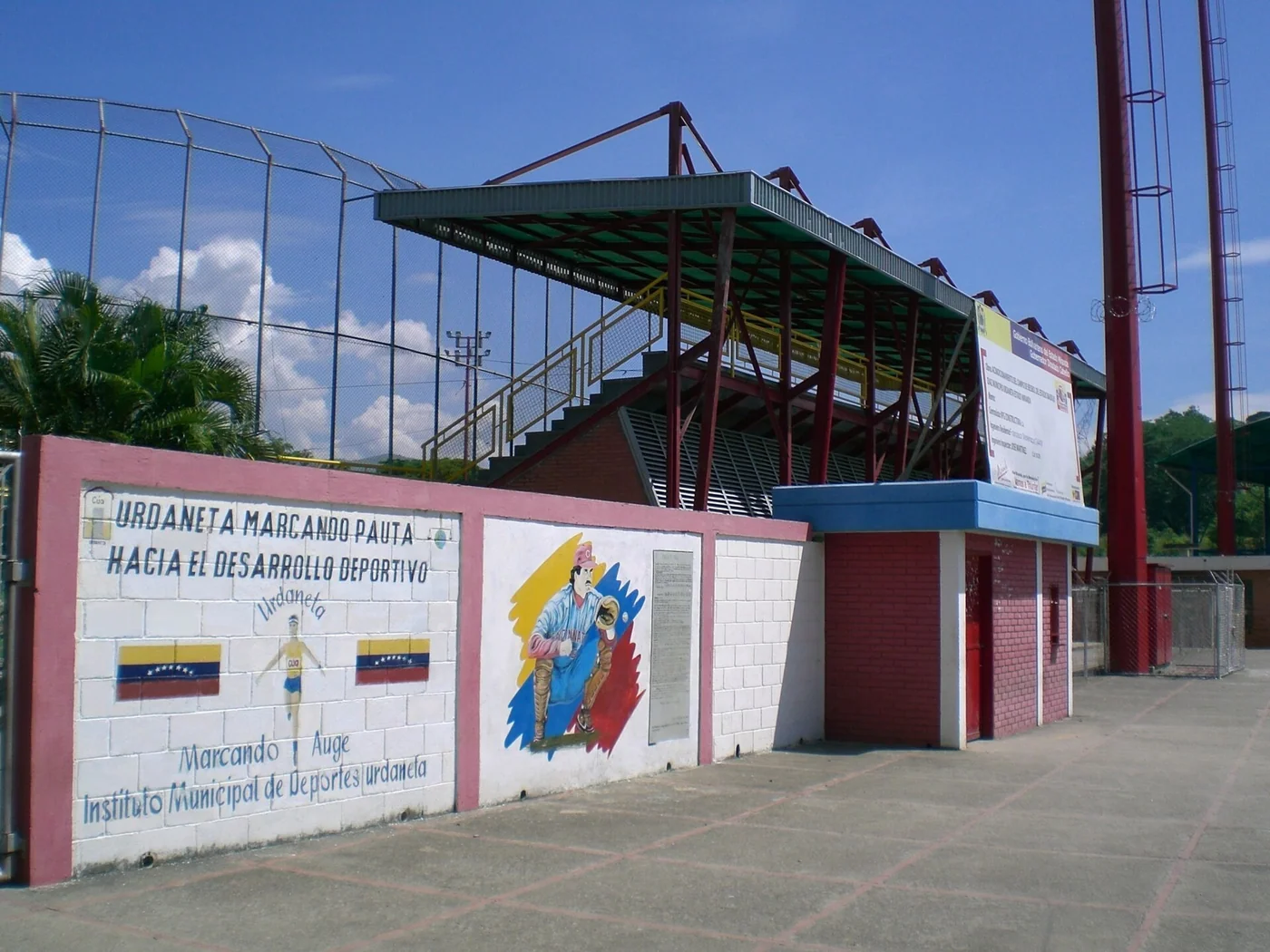
Talent hotspots shift, but coastal and urban concentrations historically fed academies. Rural athletes travel far for visibility. Understanding that geography prevents the lazy assumption that “everyone in Caracas” produces the same pipeline.

Language on the field
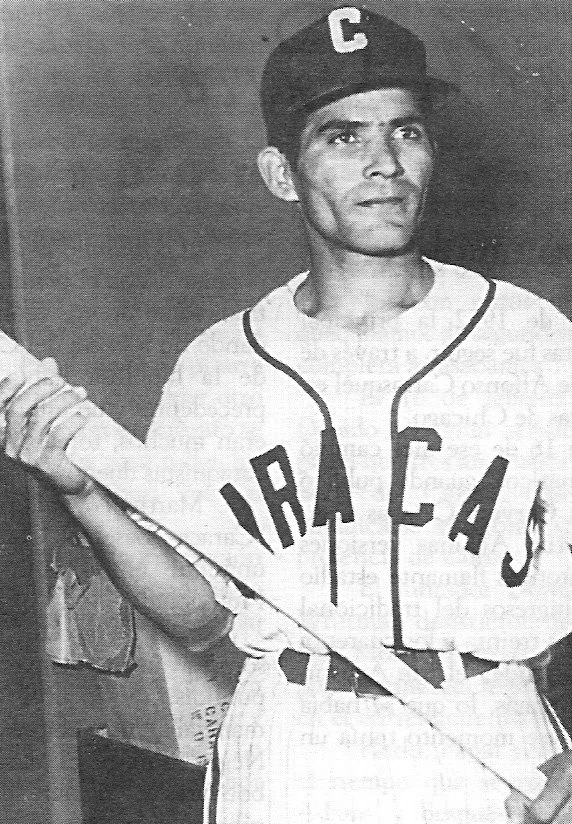
Spanish is the default of LVBP life; English appears in MLB pathways. Bilingual athletes navigate two professional cultures. Foreign coaches working in Venezuela should not assume English-first communication with teenagers.
Security and night games
As with any urban nightlife, stadium travel requires normal Venezuela security hygiene: plan transport, avoid isolated walks, follow local advice. Sports joy does not cancel street awareness — see our safety-zone guide for city-level thinking.
What success looks like for a foreign fan-resident
- You can name your local LVBP preference or honestly say you are still choosing
- You know at least three Venezuelan MLB players from the current or recent seasons
- You never mock the sport as inferior to soccer in mixed company
- You use games as relationship time, not only content for social media
Meet those four and you have cleared the basic soft-power literacy bar for baseball in Venezuela.
Expanded briefing for corporate onboarding
Include one slide on Venezuelan baseball in cultural onboarding decks. Show LVBP as domestic ritual and MLB as global pipeline. Add a note on scheduling sensitivity during finals. Assign a local colleague as culture buddy for the first big series after a new hire arrives. Measure success not by whether foreigners become fans, but by whether they stop treating the sport as irrelevant noise. Respect is the KPI.
More context on soft power
Countries export narratives. Venezuela exports oil headlines in the press and also exports athletes, beauty-system professionals, musicians and cooks. A briefing that only covers hydrocarbons and politics trains partners to see half a people. Baseball restores part of the missing half.
Use dated roster facts when you need numbers. Use structural language when you need truth that survives a season change. Either way, do not skip the topic if you advise clients who will live among Venezuelan colleagues for years.
Field checklist
- Can name the sport importance without sneering
- Knows LVBP exists
- Can name three Venezuelan MLB players with a dated source
- Does not schedule mandatory fun against a final game without asking
Bookmark this guide with food, regions and history articles. Soft power is a portfolio: athletes, dishes, heroes and language. Clients who only study risk tables meet a thinner country than the one that exists. When you update internal briefings, refresh MLB name lists with a dated source and keep LVBP described as living culture rather than nostalgia. The league continues to structure weekends and conversations across the country and the diaspora.
If you sponsor community events, prefer local organizers who already run youth teams ethically. Capital without safeguarding is not generosity.
Reading list orientation
Follow LVBP news through local sports pages, track Venezuelan MLB players via official league bios, and ask colleagues which radio voices they grew up with. Primary fandom sources beat generic tourism blogs. For corporate policy, add a cultural calendar entry for league finals week. For families, pick one Sunday a month as game-and-Spanish time. For analysts, keep a soft-power slide that is updated quarterly, not once per decade.
Baseball competence is complete when you can listen to a heated team argument without needing a translator for the emotion — even if some slang still escapes you. Also note: youth academies deserve safeguarding standards equal to any school program.
Always pair sports soft-power notes with current-season sources when citing player counts. Structural claims about the pipeline remain valid even when individual roster names change from year to year. Keep both layers in briefings.
Frequently asked questions
Is baseball big in Venezuela?
Yes — it is a core national sport with deep league and MLB ties.
What is LVBP?
The Venezuelan Professional Baseball League — the main winter league.
Why do so many Venezuelans play in MLB?
A long development pipeline of academies, scouts and talent culture.
Should foreigners talk baseball?
Yes, as rapport — with basic respect for local rivalries.
Is soccer irrelevant?
No — but baseball’s relative weight is higher than in many neighboring countries.
Does baseball matter to diaspora identity?
Strongly — broadcasts and stars structure belonging abroad.
Is this only entertainment?
It is also soft power, youth economy and national branding.
Where does this fit on Venezuela Advisor?
Cultural literacy alongside food, regions and independence history.
Questions or comments?
Leave us your message through the contact form — we will be glad to share our experience and help you with the next steps of your plans in Venezuela.
References
- A guide to Venezuela's baseball tradition — History, the 1941 championship, LVBP origins, players and stadium context.
- Baseball in Venezuela: A Unifying Force and National Identity — Historical development, radio, national identity and the cultural role of baseball.
- MLB Trainer Partnership Program — Independent trainers in Venezuela, player development and safe/ethical standards.
- WBSC: Leones del Caracas celebrate 80-year history with 21st LVBP title — LVBP championship context, attendance and league significance.
This guide is general orientation, not a guarantee of eligibility, safety or investment returns. For the scope of the October 2026 priority update, read our editorial policy.