
La Venezuela Millonaria: Oil Boom, Memory and Reality
What the phrase means
When Venezuelans say la Venezuela millonaria, they point to a remembered peak of oil-funded public life: easier imports, expanded universities, subsidized fuel, professional careers that felt stable, and a sense that the country sat closer to rich-world consumption than to regional averages. Exact years blur — often the 1970s and selected later high-price stretches — but the emotional content is stable. Elders use it as a baseline. Younger diaspora kids hear it as a story about a country they barely knew. [CFR petrostate overview]
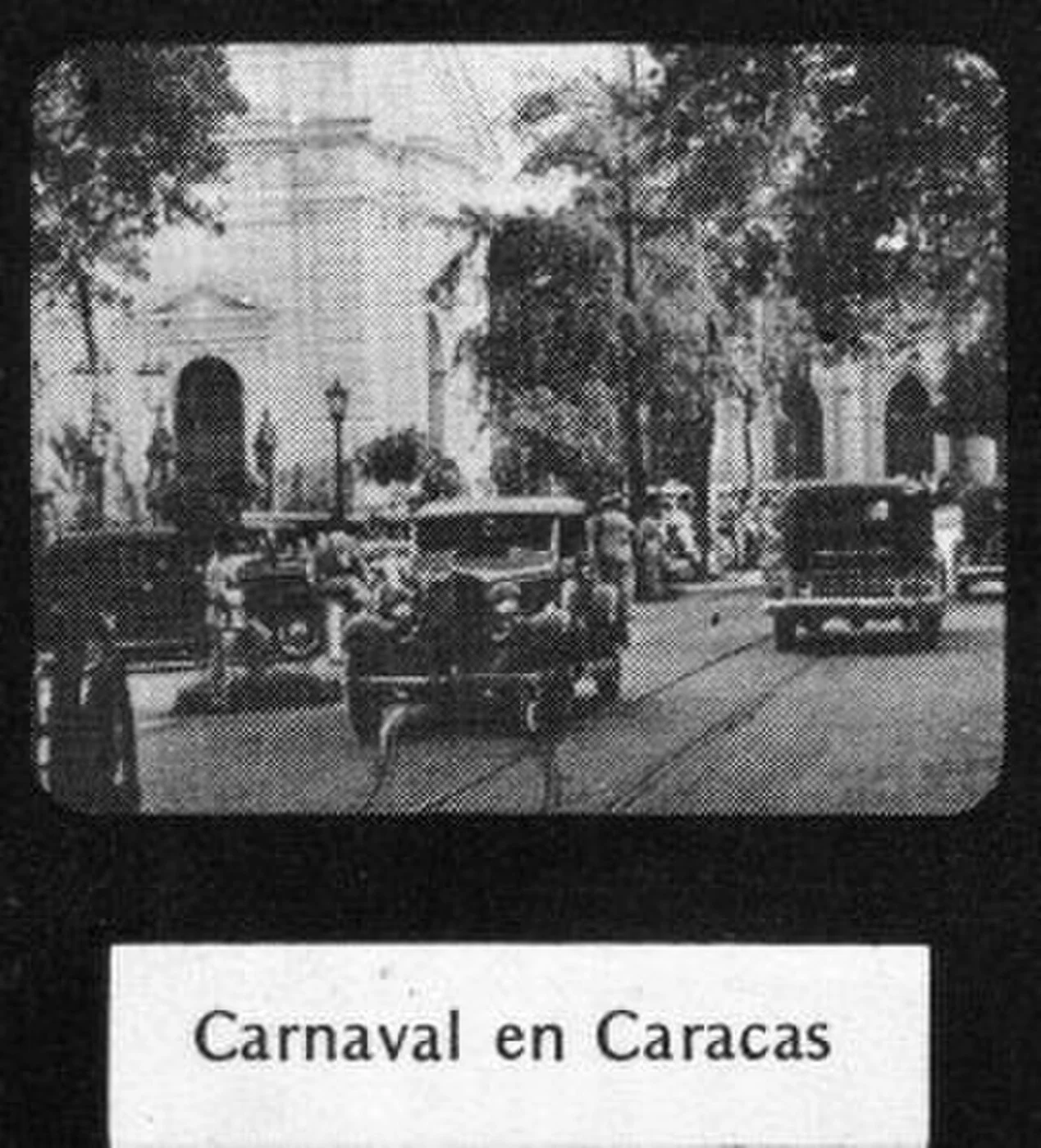

From agriculture to petrostate
Early twentieth-century exports leaned agricultural. The discovery and scaling of oil reorganized labor, cities and tax capacity around hydrocarbons. That shift created modern Caracas growth, coastal industrial nodes and a political system trained to treat the barrel price as the national thermometer. Prosperity became associated with drilling and shipping crude more than with broad productivity across sectors. [BFI Venezuelan fiscal history]


The 1970s boom
Global oil shocks transferred enormous revenue to exporters. Venezuela’s fiscal space expanded. Governments spent on infrastructure, education and social programs while urban middle classes grew. Corruption and inefficiency critiques grew in parallel — boom and waste appear together in the historical record. “Saudi Venezuela” entered foreign and domestic speech as a nickname for sudden hydrocarbon wealth, not as a literal institutional comparison with Gulf monarchies. [CFR oil-boom chronology]
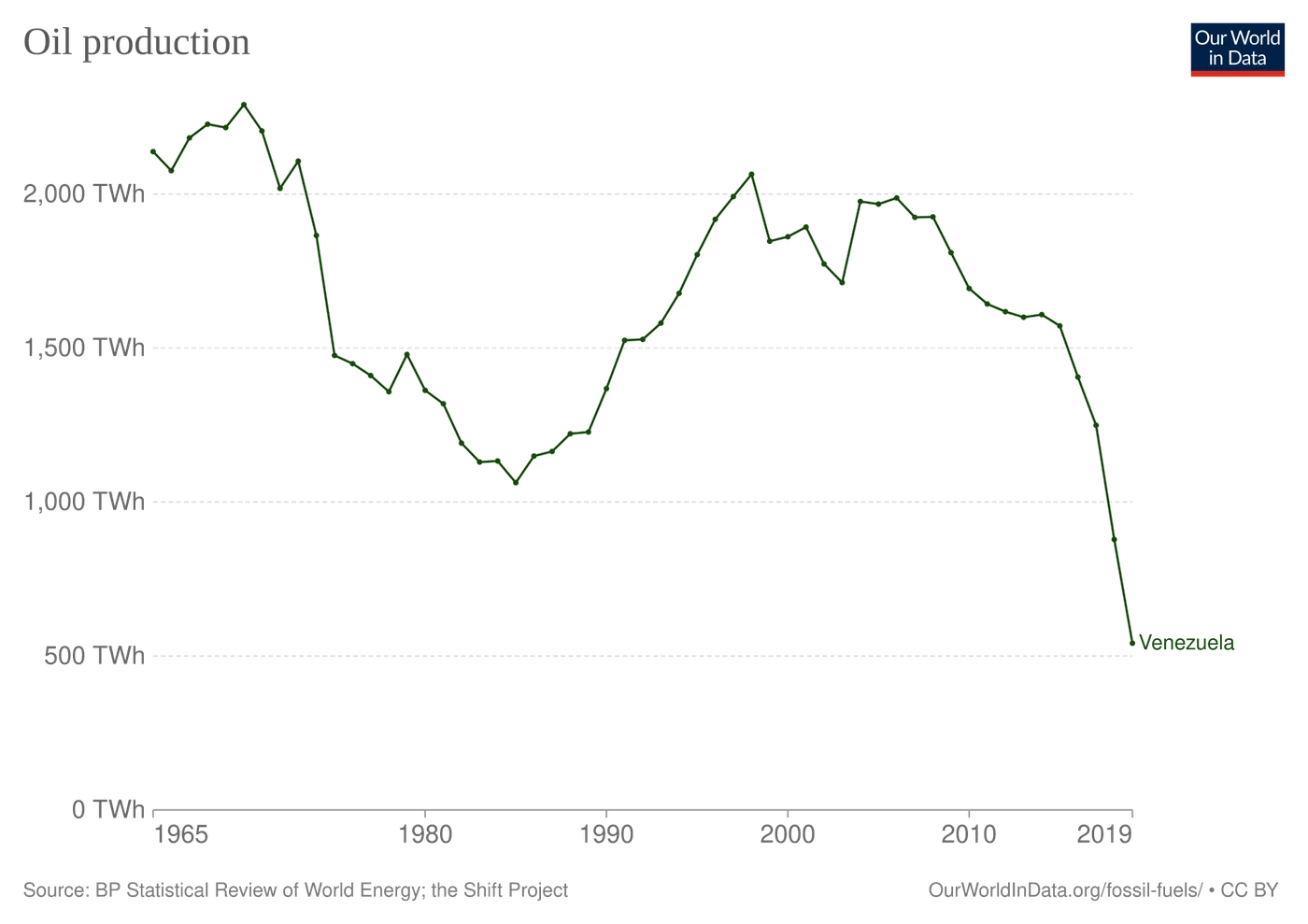

Nationalization and PDVSA as symbol
The 1970s nationalization cycle placed oil at the center of sovereign identity. The state company became a training ground for engineers and managers and, later, a protagonist in every argument about competence, patronage and decline. Foreign partners still need to separate operational due diligence on any living counterpart from mythic narratives about a golden-age PDVSA. [EIA Venezuela oil background]

Middle-class expectations
Boom psychology included imported brands, frequent foreign travel, private schooling and the assumption that a university degree plus petrostate demand equaled a predictable life. When that path closed, emigration became a household strategy. Today’s advisory meetings often include one generation that lived the baseline and another that lived only the rupture.
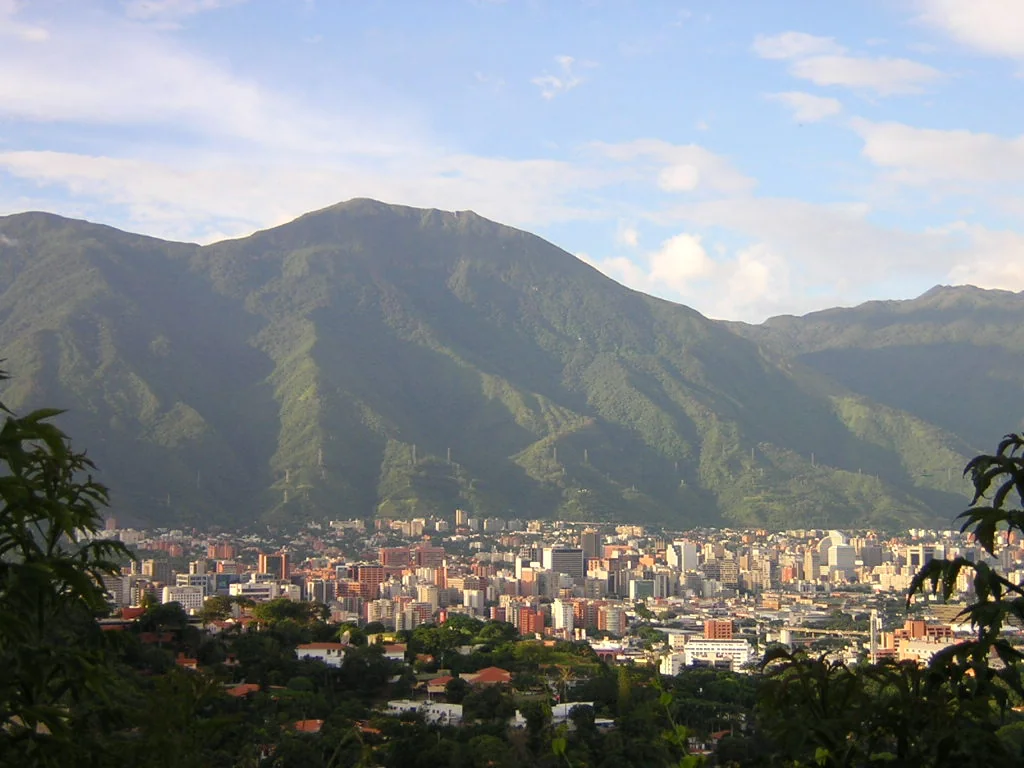

How the boom cracked
Single-export dependence, weak non-oil taxes, later currency and price controls, institutional erosion, oil-output decline and mass emigration form a multi-causal story. This article does not assign partisan blame percentages. It notes that “returning to millonaria” is a political slogan, not an engineering specification for a 2026 deal model. [EIA Venezuela oil background]


Nostalgia in politics and family talks
Opposition narratives often invoke millonaria memory as a lost normal. Other narratives stress exclusion under older orders or external causes of crisis. Foreign analysts should catalogue the stories without becoming activists for either. At a family dinner, the same phrase can mean grief, pride or argument — listen before you advise.

Remittances as household “new oil”
For many families, hard currency from abroad replaced what public oil rents once subsidized at home. That is one reason diaspora property purchases and advisory work are linked: private cross-border money partially filled gaps the petrostate no longer filled.

Implications for investors and buyers
- Do not underwrite returns on a promise of restored 1970s consumption
- Price oil and political risk explicitly
- Treat seller nostalgia as emotion, not as comparable sales evidence
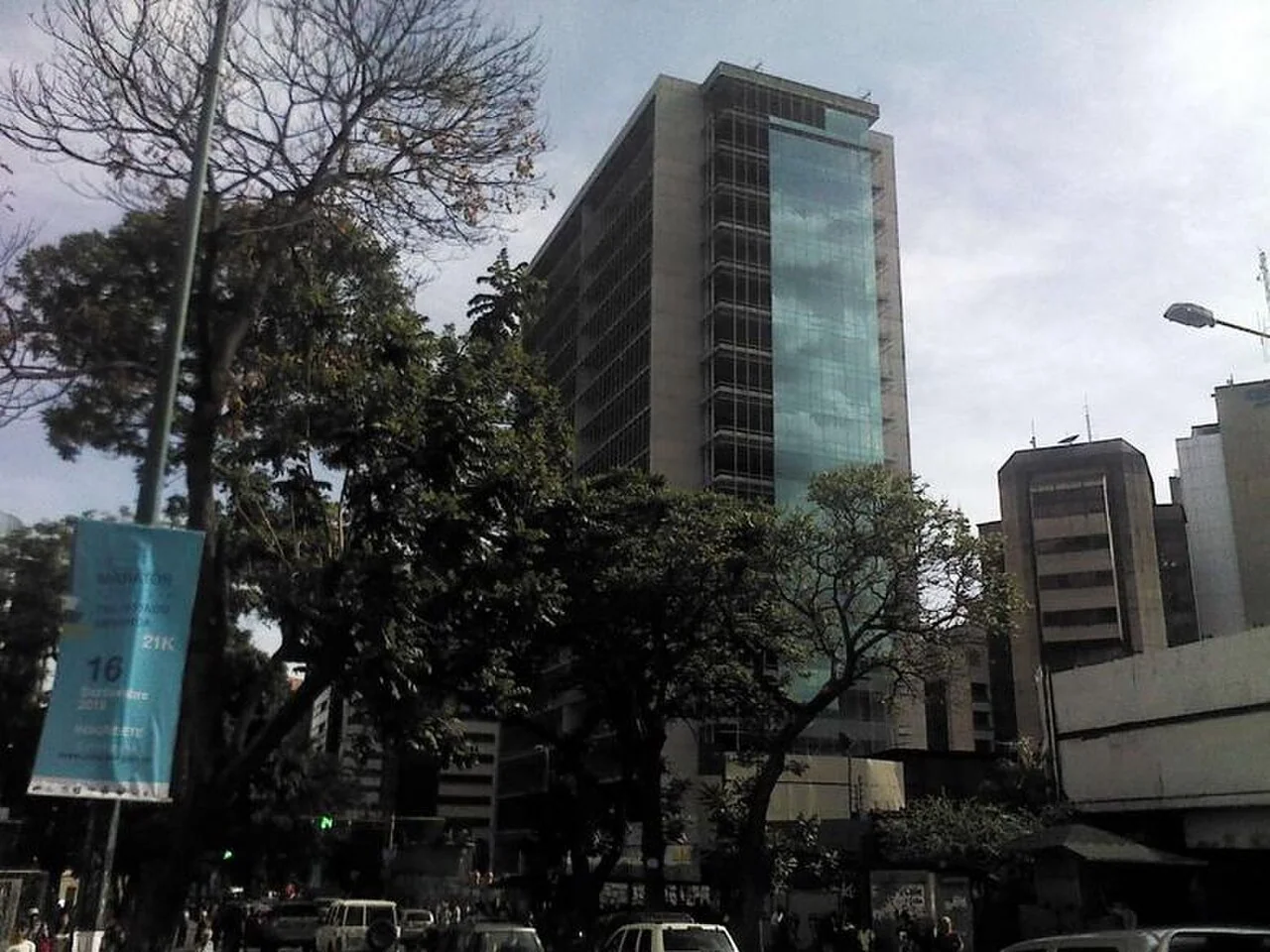
- Inspect buildings as structures, not as symbols of a lost era
- Use title, security and exit analysis from our due-diligence guides
How to speak about it respectfully
Mocking elders for remembering abundance is cruel. Romanticizing the past as perfect is inaccurate. The professional stance is: acknowledge the memory, measure the present with data, underwrite the future with contracts.
Fiscal addiction and the Dutch disease debate
Economists describe petrostates as vulnerable to currency appreciation that hurts non-oil tradables, and to political systems that distribute rents instead of building broad tax consent. Venezuela’s twentieth-century path is a major case in that literature. Whether one uses the exact “Dutch disease” label or not, the pattern is clear: oil funded consumption capacity that outpaced non-oil productivity growth. [CFR Dutch-disease explanation]


When prices fell or output fell, the gap between expectations and reality became a social crisis. Emigration was one adjustment mechanism. Price controls and currency controls were others — with long secondary effects on scarcity and trust. [BFI Venezuelan fiscal history]


Urban archaeology of the boom
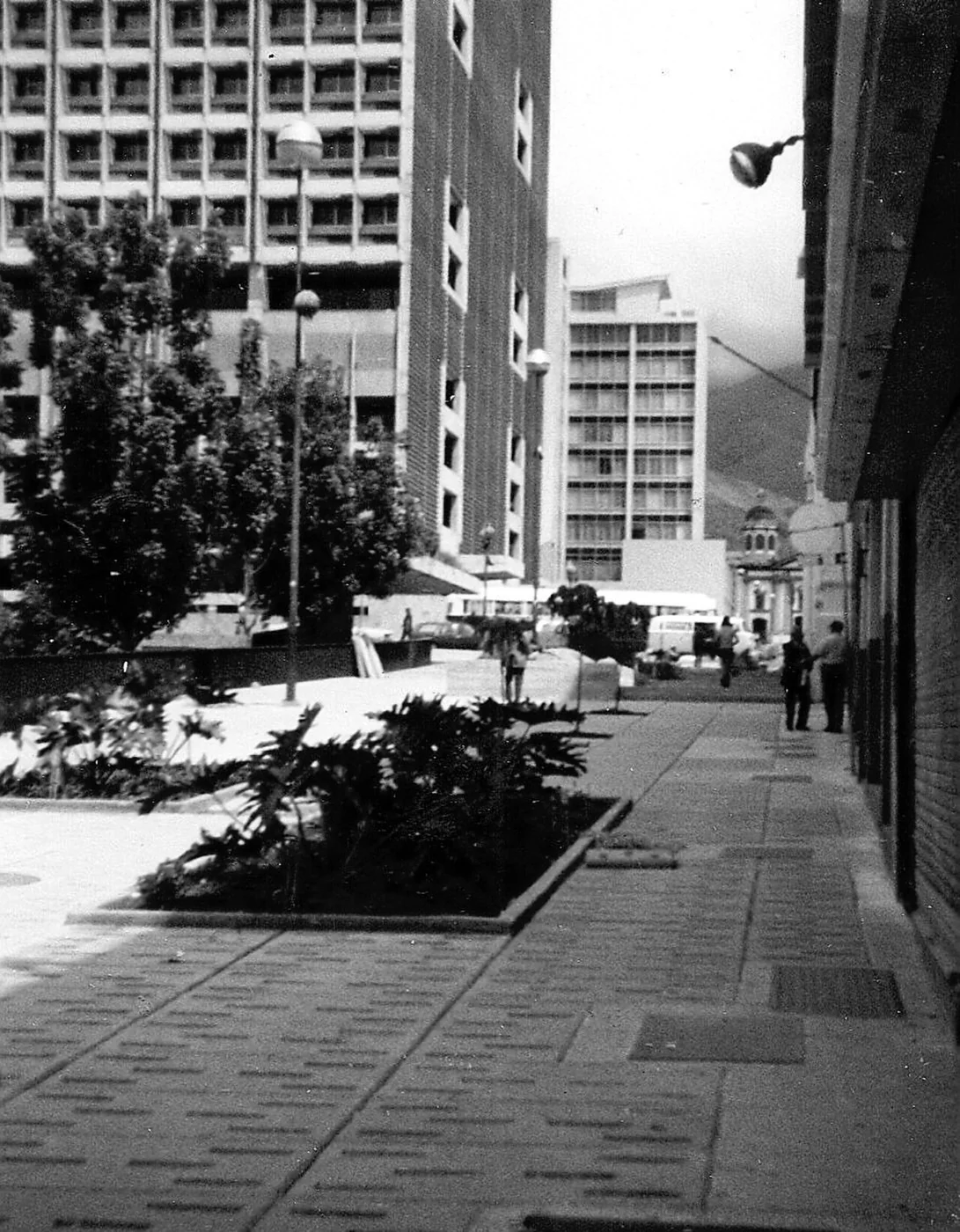
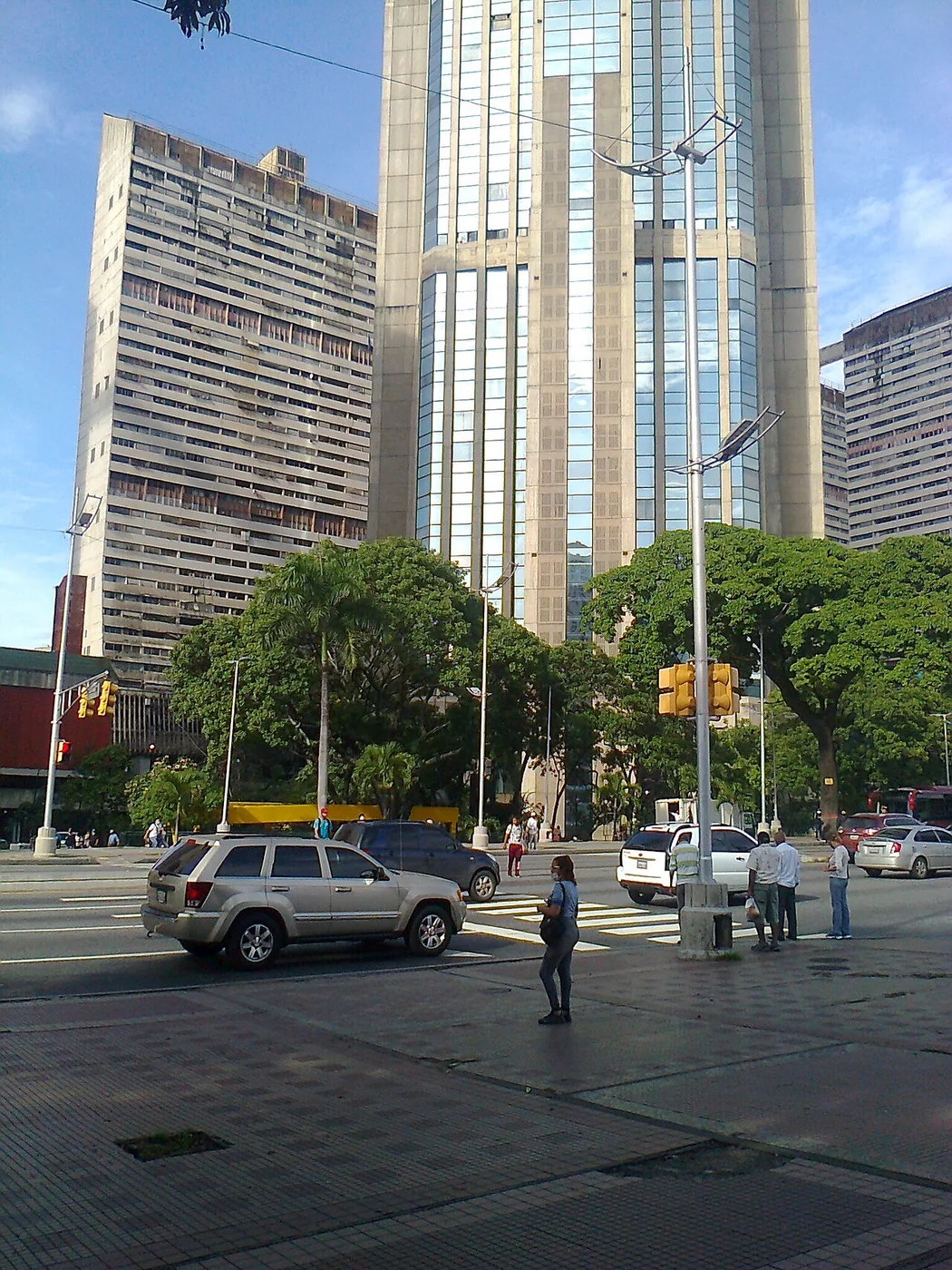
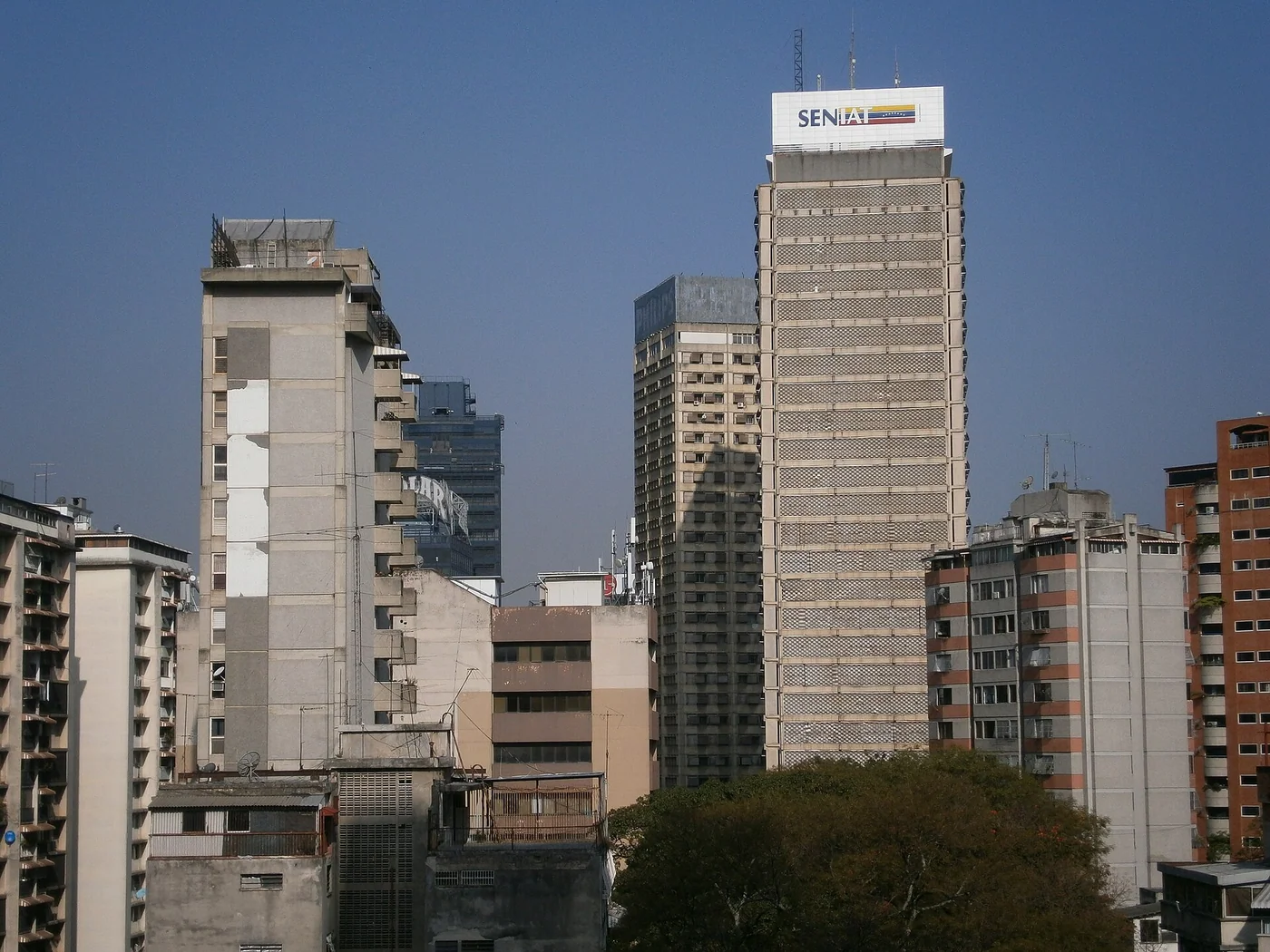
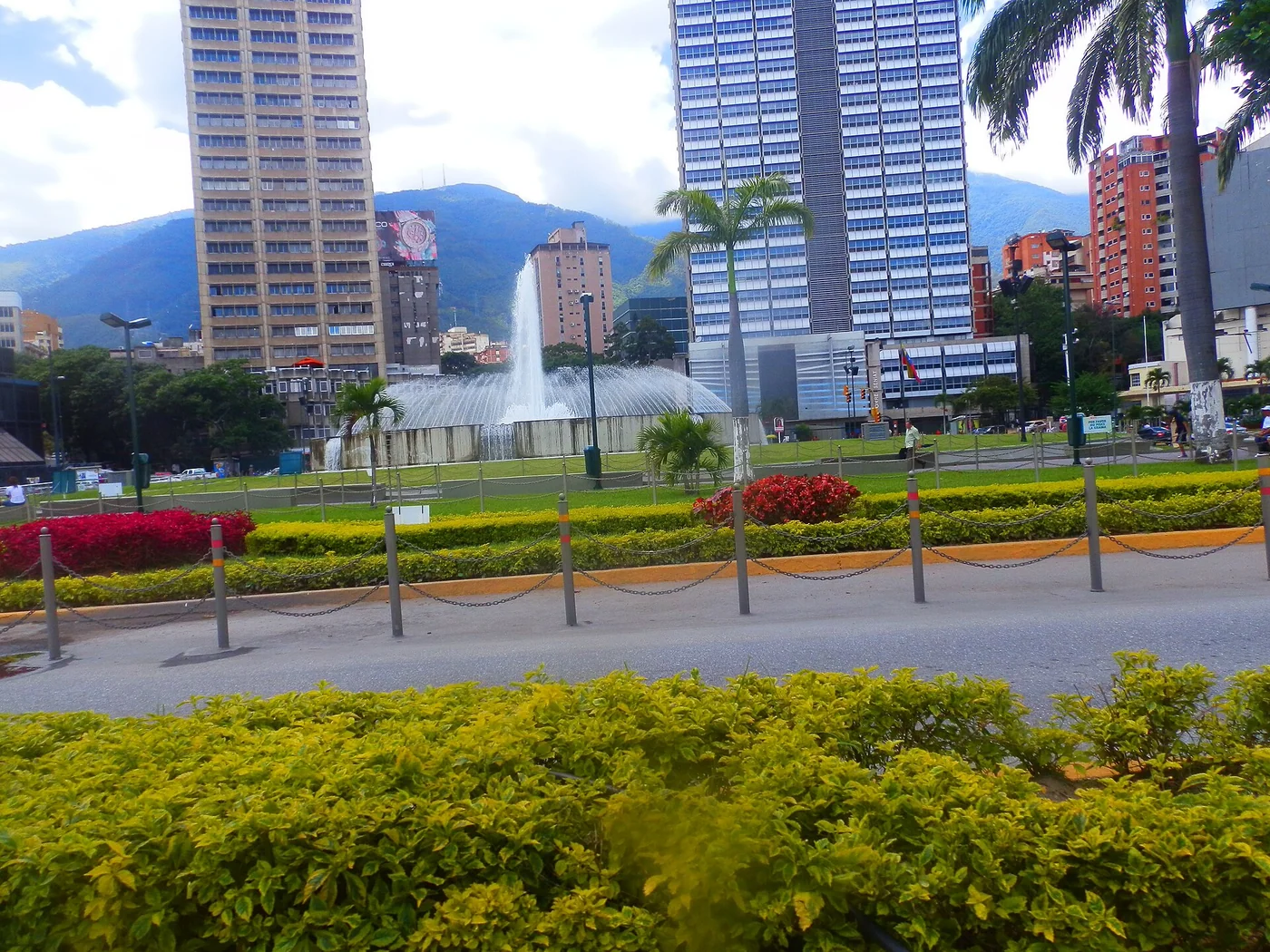
Drive through parts of Caracas and you will see towers, interchanges and shopping architecture from high-revenue decades. Some aged with maintenance; some did not. A construction year from the millonaria era is not a quality certificate. Structural engineers and title lawyers still decide whether a building is a good buy.


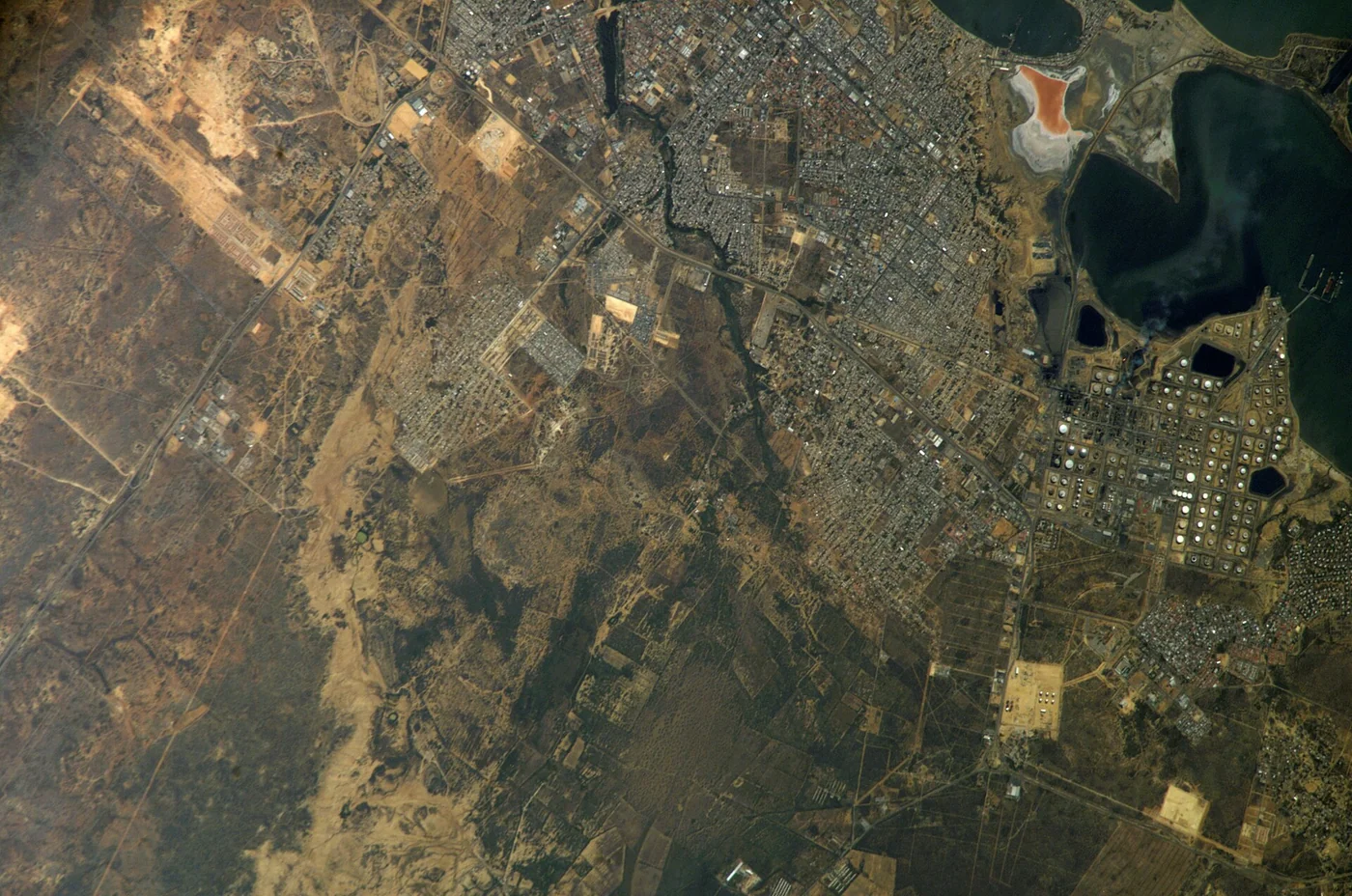
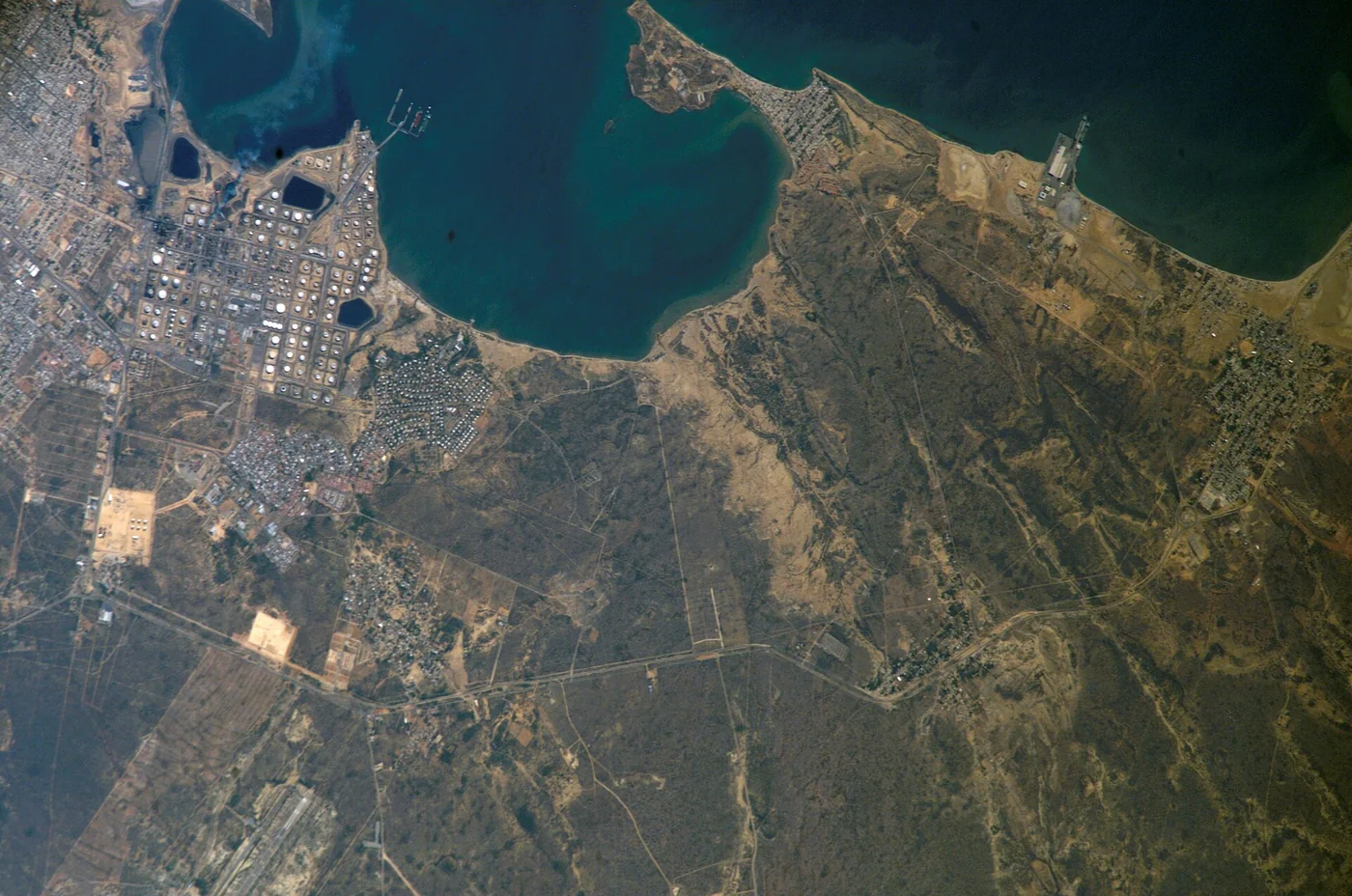
Provincial cities show different layers: oil camps, administrative centers, ports. The boom was national in rhetoric and uneven in geography.

Education pipelines
Expanded universities produced cohorts of engineers, doctors and managers. Many later left. The professional diaspora is both a loss for local institutions and a resource for cross-border business, remittances and knowledge. When those professionals evaluate a 2026 project, they often price institutional risk higher than first-time visitors — treat that skepticism as information.

Comparing indicators without propaganda
Honest then-versus-now comparison uses multiple series: real wages, homicide rates, oil output, emigration stocks, hospital functionality, poverty measures and institutional indices. Single charts selected for Twitter combat are not analysis. For advisory work, scenario ranges beat nostalgic certainty. [BFI Venezuelan fiscal history]

Negotiation script for buyers
If a seller says “in the millonaria years this building…,” acknowledge the memory, then ask for recent comparable rents, HOA health, structural reports and clear title. Emotion can open a conversation; only documents close a deal. Our due-diligence guide exists for that handoff.

What children of the diaspora inherit
Second-generation Venezuelans abroad inherit stories of abundance they never walked through. Visiting Caracas with parents can be emotionally loaded. Advisors and guides who rush only to ROI tables miss the human moment. Schedule time for the story and time for the spreadsheet — separately if needed.


Oil price cycles and political calendars
Boom years expanded hiring and subsidies; bust years forced cuts or money printing depending on the policy mix. Households learned to read the barrel price as a personal weather report. That habit persists in diaspora group chats whenever oil news spikes. [EIA Venezuela oil background]

For long-term investors, the lesson is diversification of scenario planning: base, upside oil, downside oil, and institutional-path cases. A single nostalgic base case is not risk management.


Culture of the “easy dollar” memory
Stories of weekend shopping flights and abundant imports still circulate. They are true for some families in some years and mythical for others who never accessed that lifestyle. Class position shaped who experienced millonaria as lived reality versus as television image. Quality analysis keeps that stratification visible.


What quality advisory sounds like
“I hear what that era meant to your parents. For this property, here are the last twelve months of comparable rents, the title risks, and three exit paths.” That sentence respects memory and still does the job. Pure nostalgia and pure coldness both fail clients.


Timeline orientation for newcomers
- Early 20th century — oil rises; agricultural export profile fades relatively
- Mid-century — petrostate institutions deepen
- 1970s — price shock boom; nationalization cycle; spending expansion
- 1980s–1990s — volatility, adjustments, political stress
- 2000s–2010s — another price cycle; later collapse in output and mass emigration
- 2020s — partial dollarization practices, remittances, selective recovery narratives
Popular memory compresses this into “before” and “after.” Professional analysis keeps the phases.

Consumption symbols of the era
Imported whisky, shopping trips, full supermarket aisles, cheap fuel, and new cars appear in oral histories. Those symbols were class-stratified. Not every Venezuelan lived the brochure. Still, the symbols organize emotion: when they vanished, the sense of national demotion was widely shared.

State capacity versus rent volume
High rents can fund weak or strong institutions. Venezuela’s experience is studied precisely because resource wealth did not permanently translate into diversified, resilient state capacity. That is the cautionary core of the millonaria story for any resource economy. [BFI Venezuelan fiscal history]


How returnees experience the gap
Someone who left in the late 1990s and returns in 2026 meets different store brands, different security habits, different payment methods (dollar cash, Zelle-like channels, crypto in some niches). The emotional whiplash is real. Brief clients before the trip so the first week is not pure shock.
Advisory script for mixed-generation meetings
Open by acknowledging the elder’s memory of abundance. Ask the middle generation what broke operationally in their experience — banks, safety, schools. Ask the younger generation what would make return or investment feel rational. Only then open spreadsheets. The order prevents emotional shutdown and keeps data in its proper place.


Document the family’s actual goal: income, legacy property, emotional return, or pure speculation. Millonaria nostalgia often hides an unstated goal. Naming the goal changes the product you recommend.


Closing standard
Use millonaria memory as context, never as a pro forma in a financial model. If a pitch deck’s base case is “return to 1970s consumption,” treat that as a marketing slide, not underwriting.


Further reading orientation
Pair this memory guide with our oil-sector investor article and the resources “gold mine” guide. One is cultural baseline; one is sector mechanics; one is resource map. Together they stop nostalgia from posing as due diligence.

One-paragraph brief for executives
Venezuela’s oil boom created a remembered era of high public spending and middle-class consumption that still frames political and family conversations. Resource wealth did not permanently solve institutional quality. Treat the phrase “Venezuela millonaria” as cultural baseline, underwrite deals on present contracts and title, and do not use nostalgia as a revenue model. [CFR petrostate overview]


Frequently asked questions
What is “Venezuela millonaria”?
Popular phrase for the oil-boom prosperity era used as a baseline in memory and politics.


When was it?
Often associated with the 1970s oil boom and other high-price periods; exact years vary in popular speech.


Was Venezuela like Saudi Arabia?
“Saudi Venezuela” was a nickname for oil wealth, not a literal comparison of institutions.


Why does the diaspora mention it?
Adults use it to measure decline; it shapes return and property conversations.

Will high oil prices bring it back?
Higher prices help fiscal space; they do not automatically restore institutions or reverse emigration. [CFR petrostate overview]


How should investors treat the phrase?
As cultural context, not as a financial model.


Did everyone benefit equally from the boom?
No. Inequality and corruption critiques accompanied prosperity.


What replaced oil rents for many households?
Remittances and private dollar income streams.


Questions or comments?
Leave us your message through the contact form — we will be glad to share our experience and help you with the next steps of your plans in Venezuela.
Sources: Economic history of Venezuelan oil dependence and popular memory as observed in diaspora and domestic discourse. Not a partisan campaign document. Pair with current operational guides for any transaction.
This guide is general orientation, not a guarantee of eligibility, safety or investment returns. For the scope of the October 2026 priority update, read our editorial policy.
References
- Venezuela: The Rise and Fall of a Petrostate — Oil discovery, the 1970s price-shock boom, Dutch disease, PDVSA nationalization, later decline, and the institutional/resource-wealth context.
- Background Reference: Venezuela — 1970s nationalization and PDVSA, the 2002–03 strike, joint ventures, the Orinoco Oil Belt, and production/refining decline.
- The History of Venezuela — Academic monetary and fiscal history, 1976 nationalization, oil’s share of exports and revenue, growth/decline phases, inflation, and fiscal outcomes.
- Venezuela's Oil Mythologies Have Hindered Its Development — Historical memory of oil wealth, nationalization, the oil enclave, the “black box” idea, and the tension between windfalls and institutional development.