
José Gregorio Hernández: Venezuela’s Doctor of the Poor
José Gregorio Hernández Cisneros was canonised on 19 October 2025, alongside fellow Venezuelan María del Carmen Rendiles Martínez and five other saints. The Vatican’s official ceremony page identifies him among those canonised in St Peter’s Square.
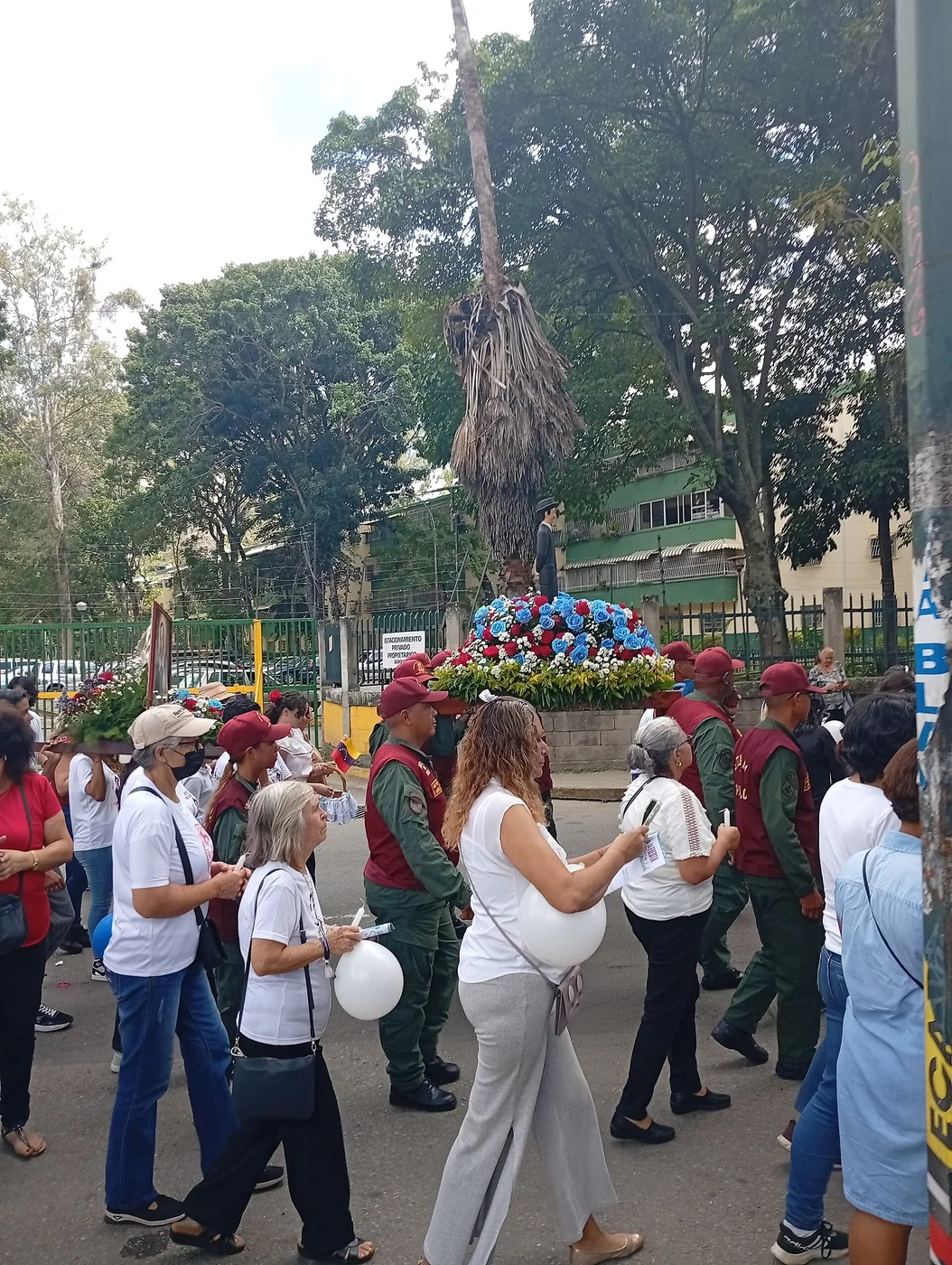

Life in brief
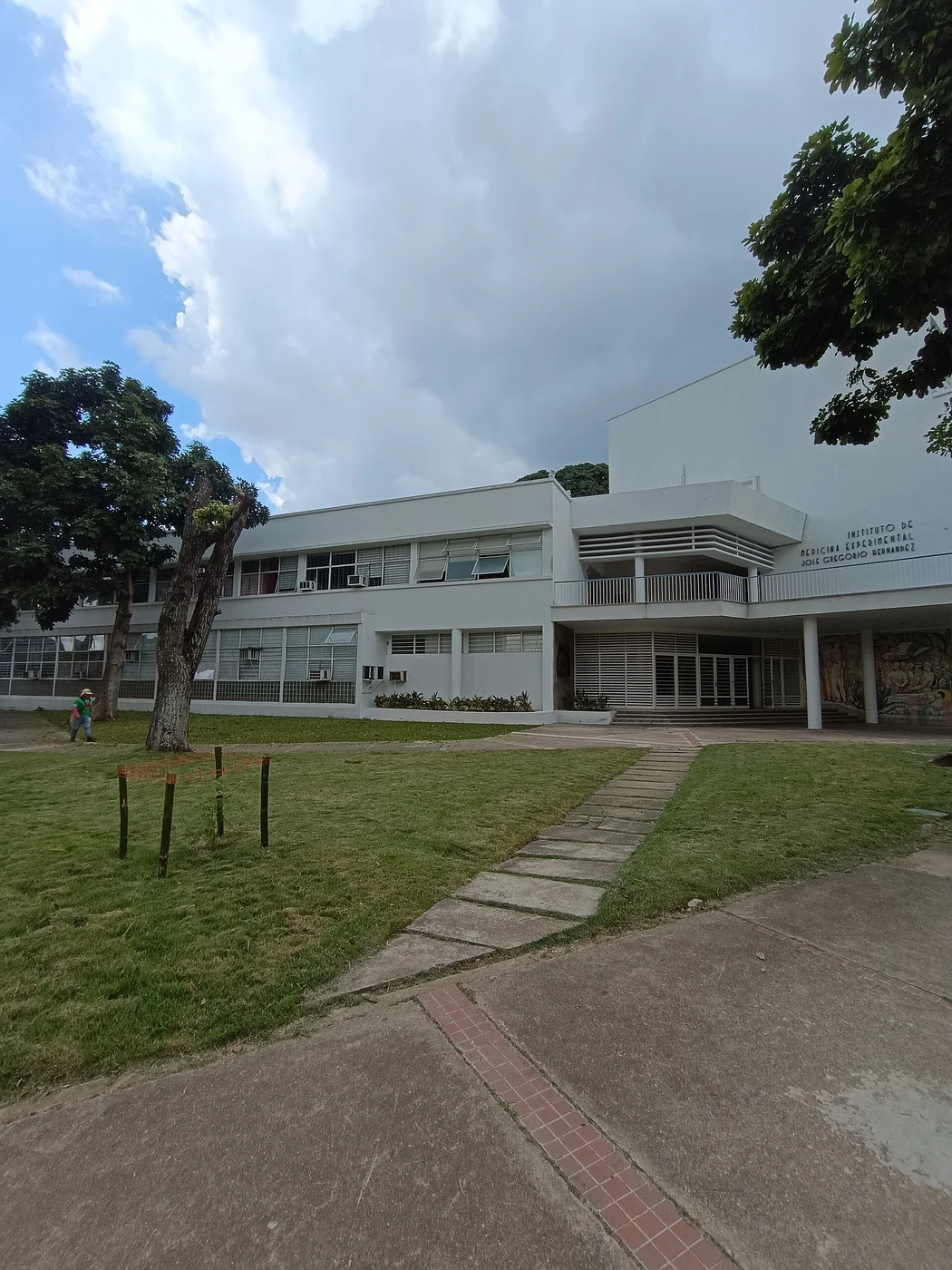
Born 26 October 1864 in Isnotú, Trujillo state, Hernández trained in medicine at the Central University of Venezuela in Caracas and pursued further scientific formation in Europe, including Paris. He returned to teach and practice, combining laboratory modernity with clinical care for patients who could not pay. National Geographic’s biographical account also records his Isnotú birth, European scientific training and free care for patients.
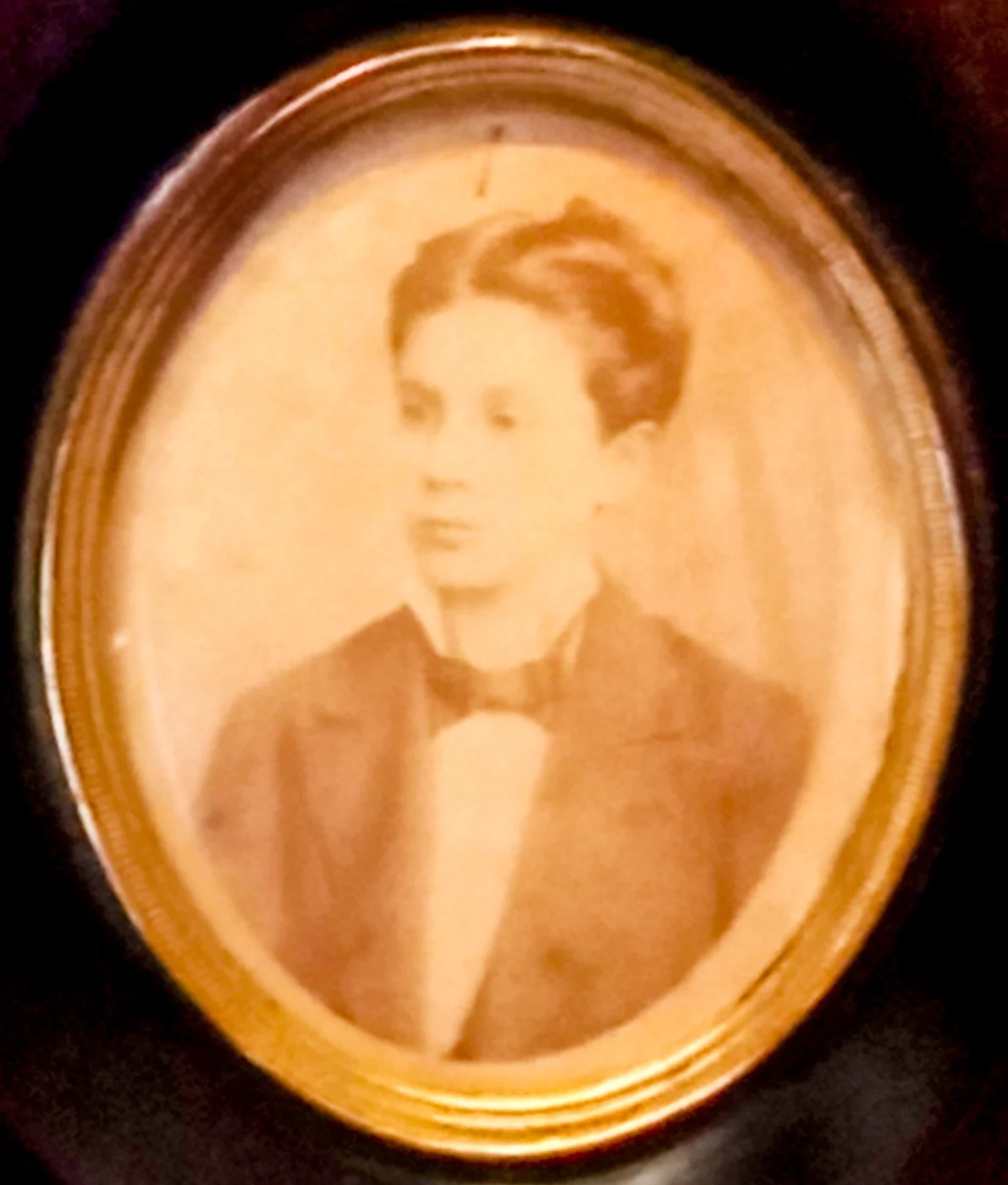

Science and teaching
He is credited in Venezuelan medical history with advancing bacteriology and laboratory practice — including association with introducing modern microscopic methods to local training. He taught generations of students and helped institutionalize scientific medicine beyond purely empirical practice. The peer-reviewed medical-history study describes the European training, bacteriology and pathophysiology knowledge he brought back to Venezuela.
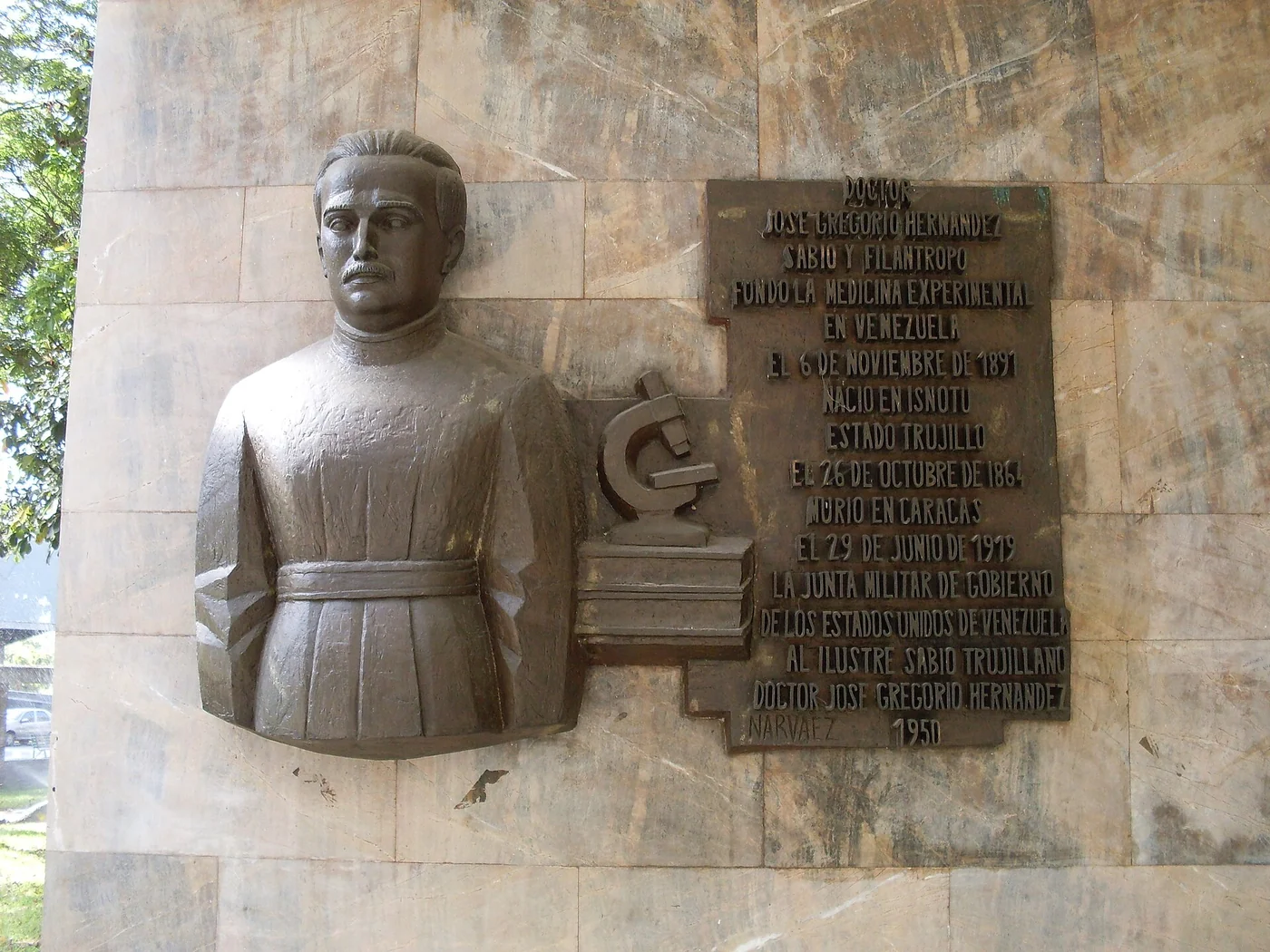

Doctor of the poor
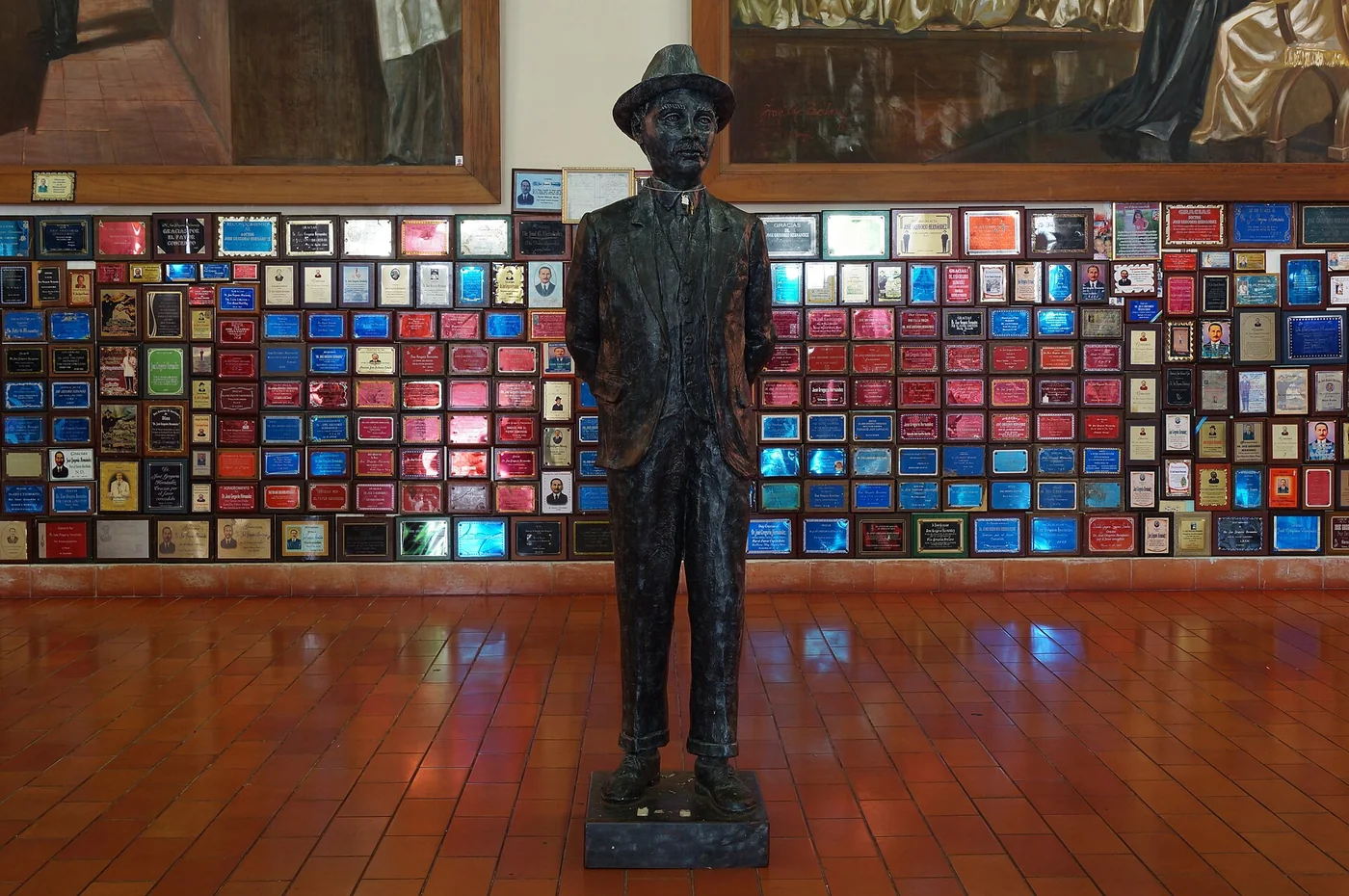
Popular memory emphasizes home visits, refused luxury, and treatment without regard to fees. That reputation, more than any single paper, made him a national figure long before formal Vatican steps concluded. Reuters reported the same public reputation in its account of the 2021 beatification.
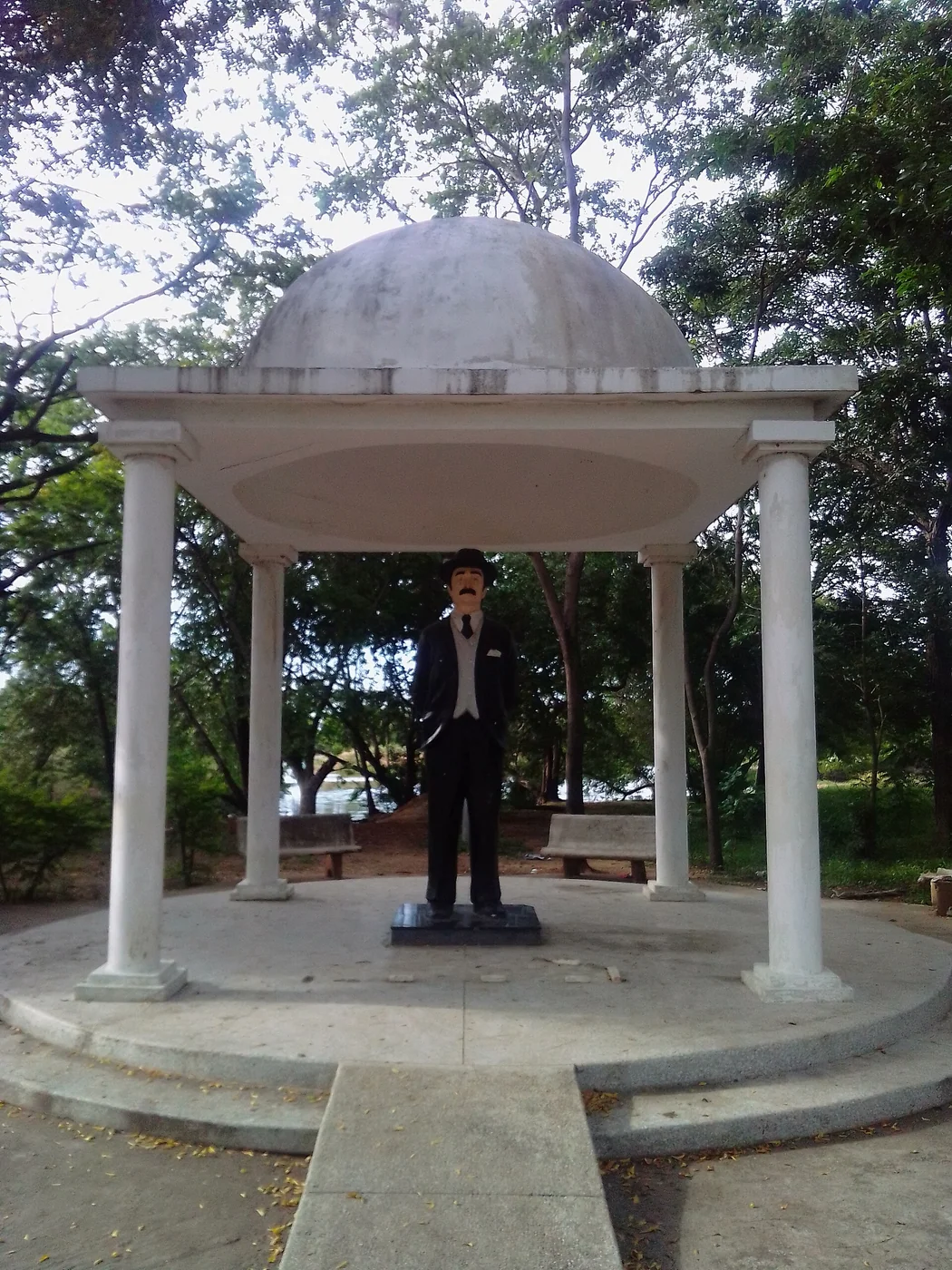

Death and popular devotion
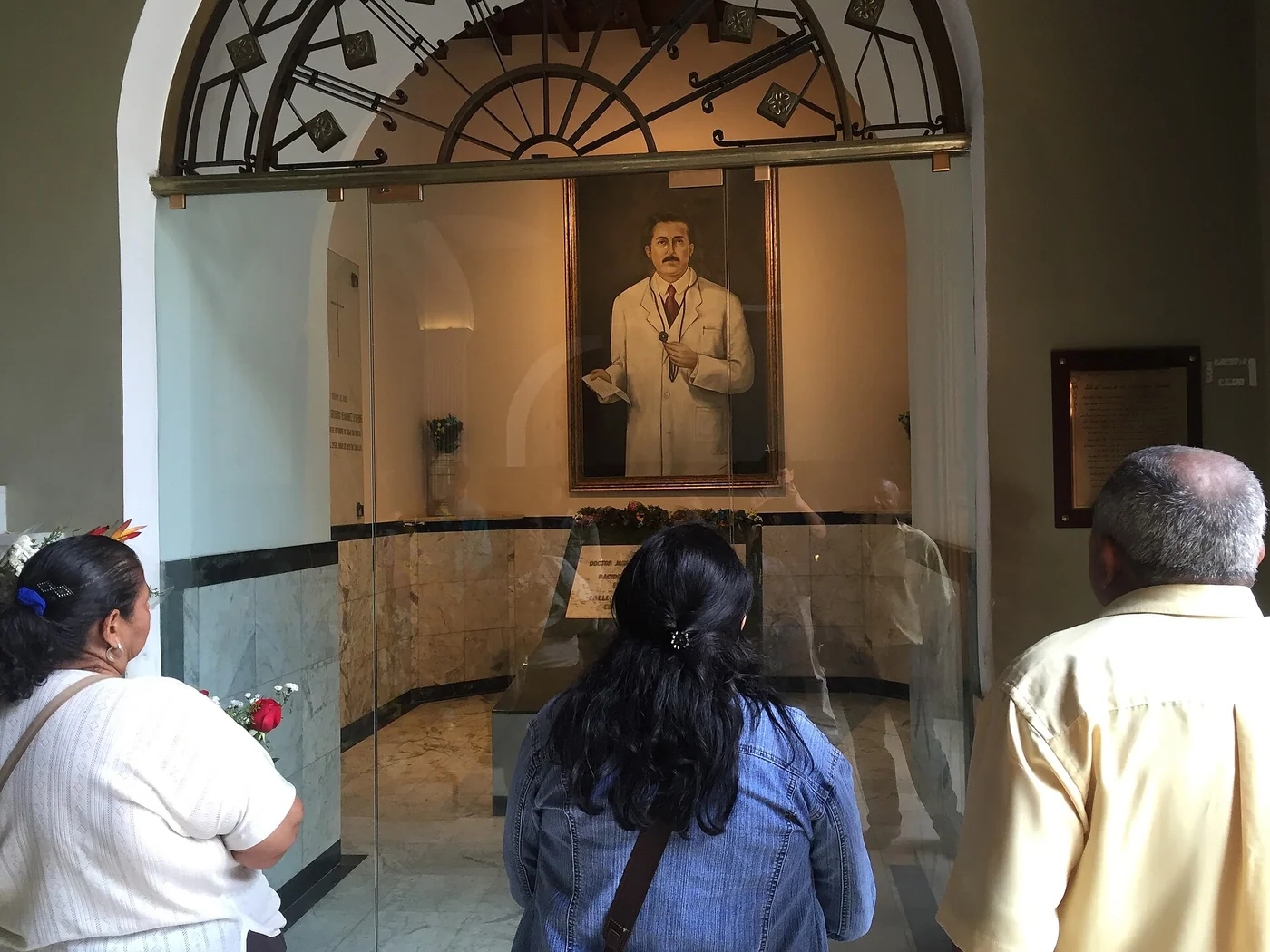
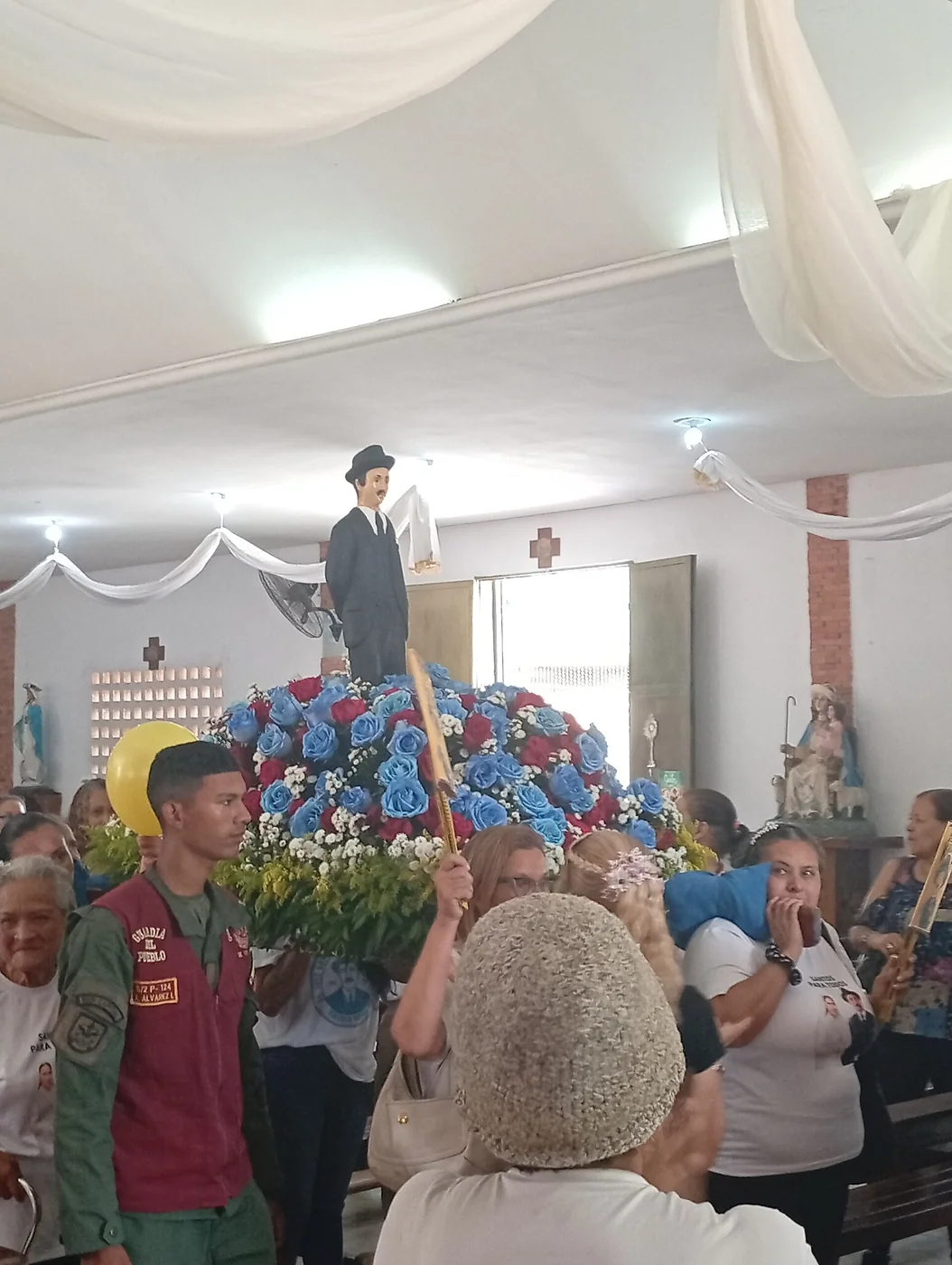
He died in 1919 after a traffic accident in Caracas. Devotion grew through the twentieth century: prayer cards, chapels, and the sense that he intercedes for the sick. Venezuelan migrants carried that devotion to every host country. National Geographic’s account likewise places his death in 1919 and describes the growth of pilgrimage and popular devotion.

Beatification and canonization path
The cause advanced slowly: venerable status, then beatification in April 2021 after a miracle recognized by the Church (the recovery of a girl shot in the head in 2017, as reported in contemporary coverage). The Vatican’s official ceremony page records his canonisation on 19 October 2025, alongside six other new saints. He stands among the most important religious-cultural symbols of the country.

Why foreigners should know him
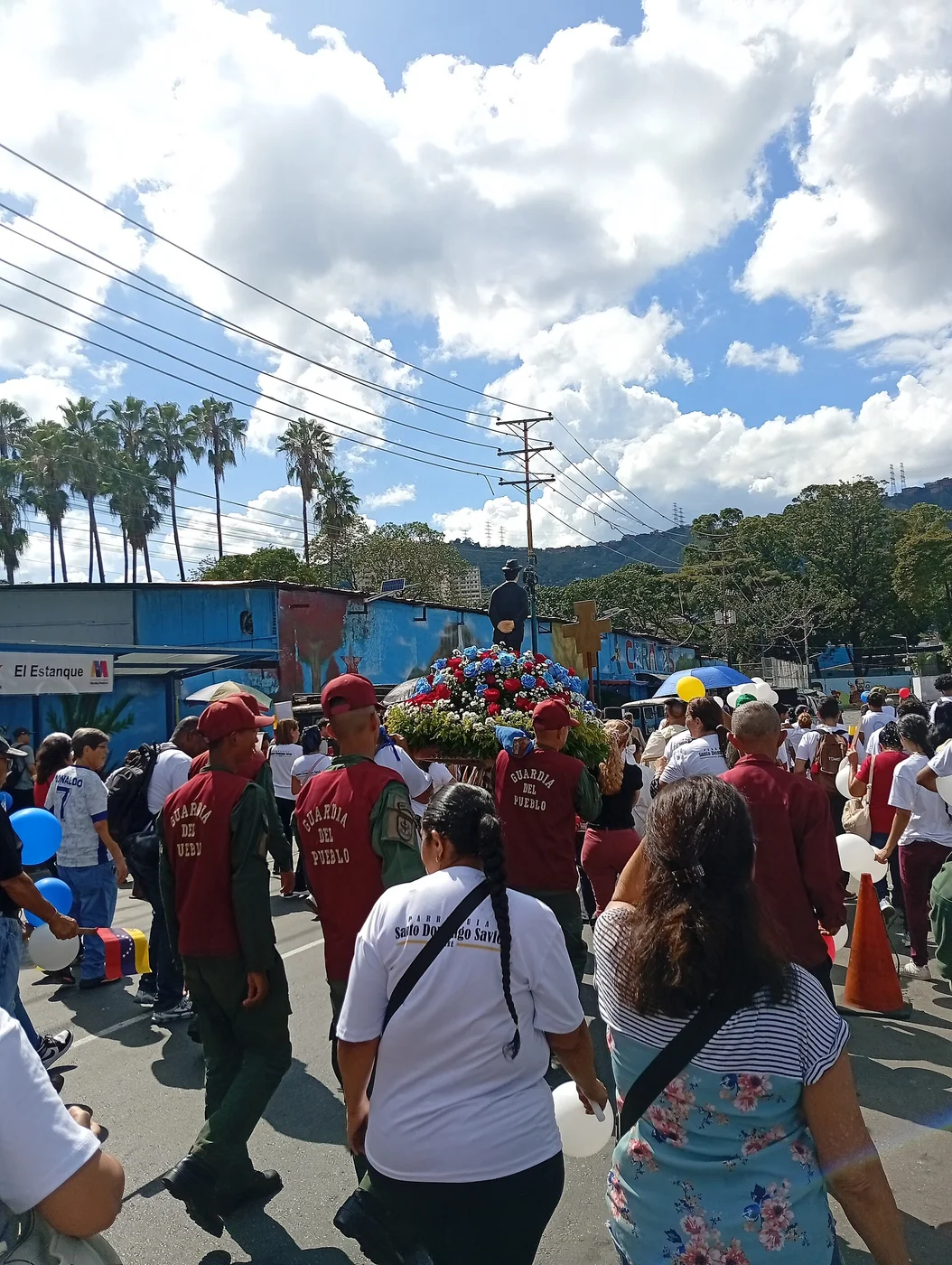
Hospitals, streets and children bear his name. Understanding Hernández helps read Venezuelan Catholic culture, charity discourse and national pride beyond oil and politics. For healthcare-sector observers, he is also a reminder that scientific medicine and popular holiness intertwined in local history.

Isnotú and the Andes
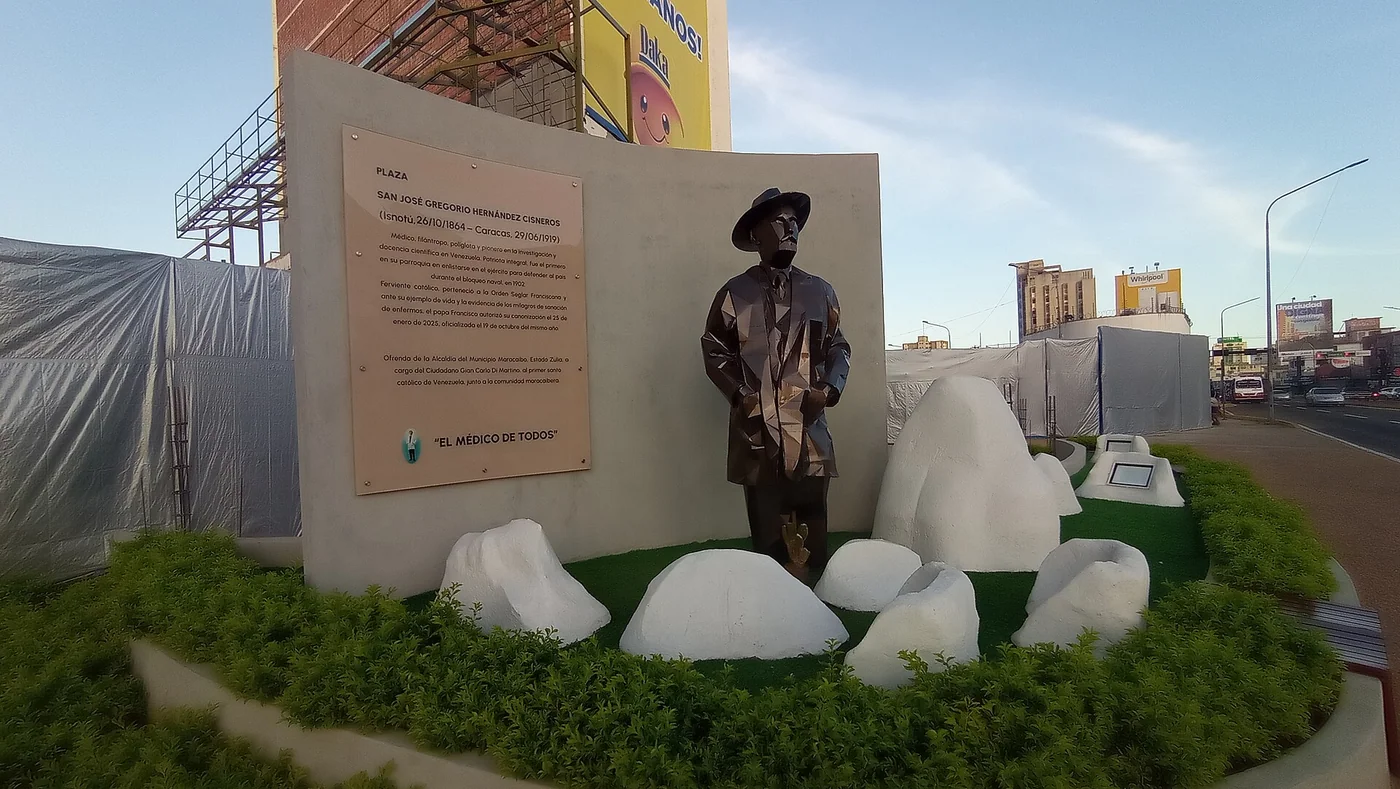
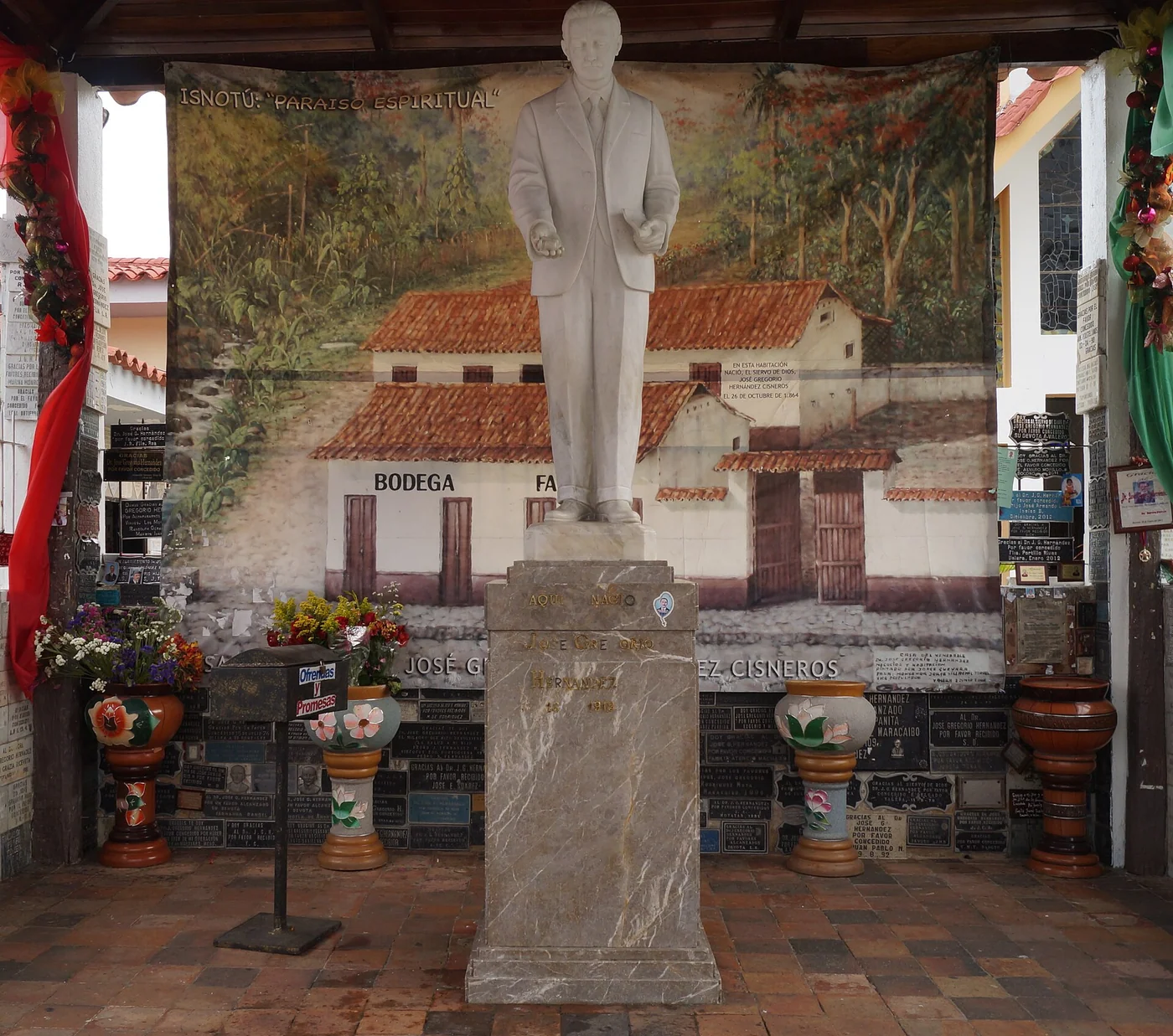
The Andean birthplace matters to gocho identity and to pilgrimage tourism. Visitors combine devotion with mountain climate and regional food. Local economies around religious tourism are part of Trujillo’s story, not only Caracas chapel visits.

Science without contradiction
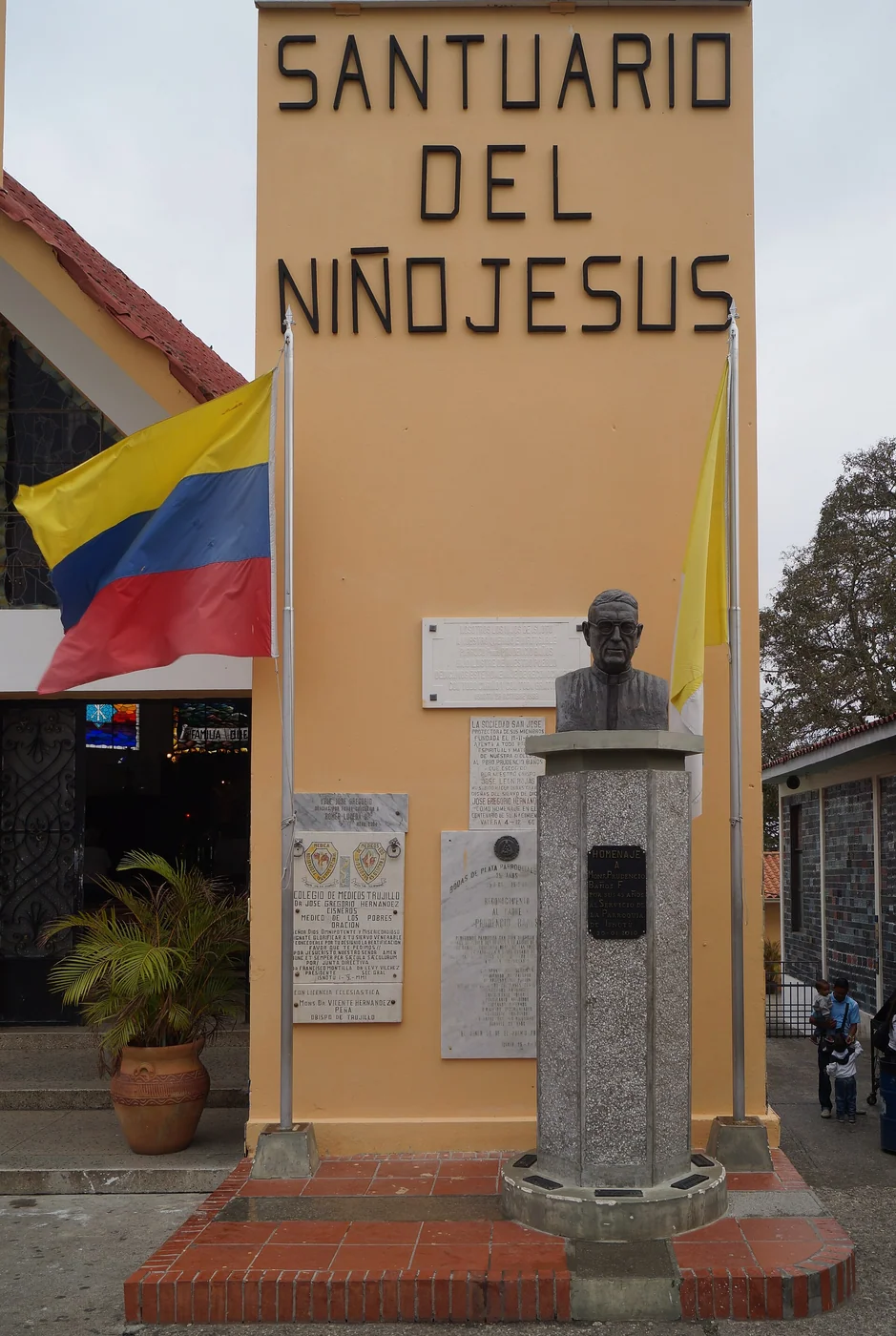
Hernández’s popularity does not require rejecting medicine. His biography is taught as proof that faith and laboratory science coexisted in one Venezuelan life. For health-sector ESG and cultural training, that combination is more useful than treating him as only a folk image.

Diaspora chapels and wallets
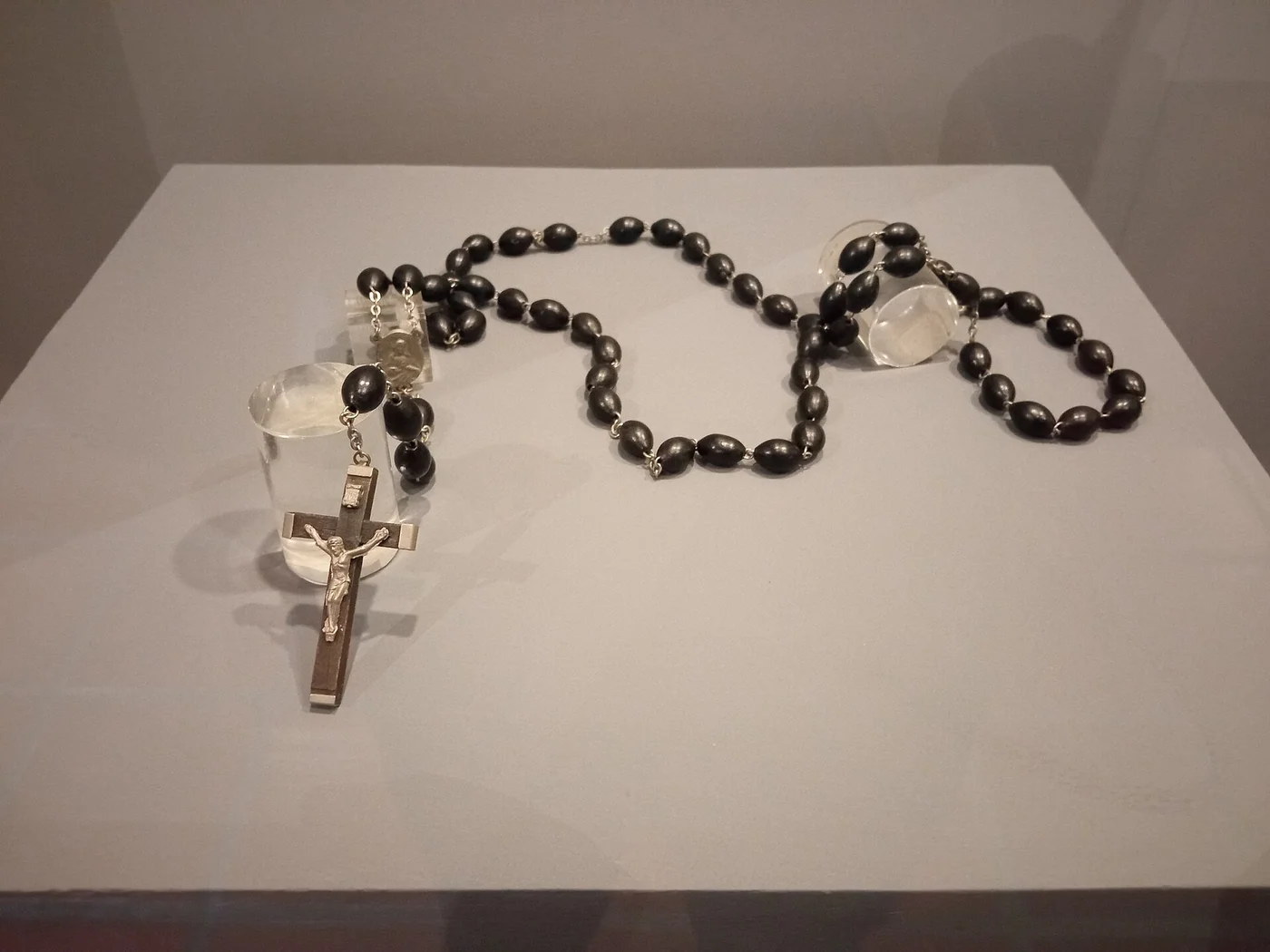
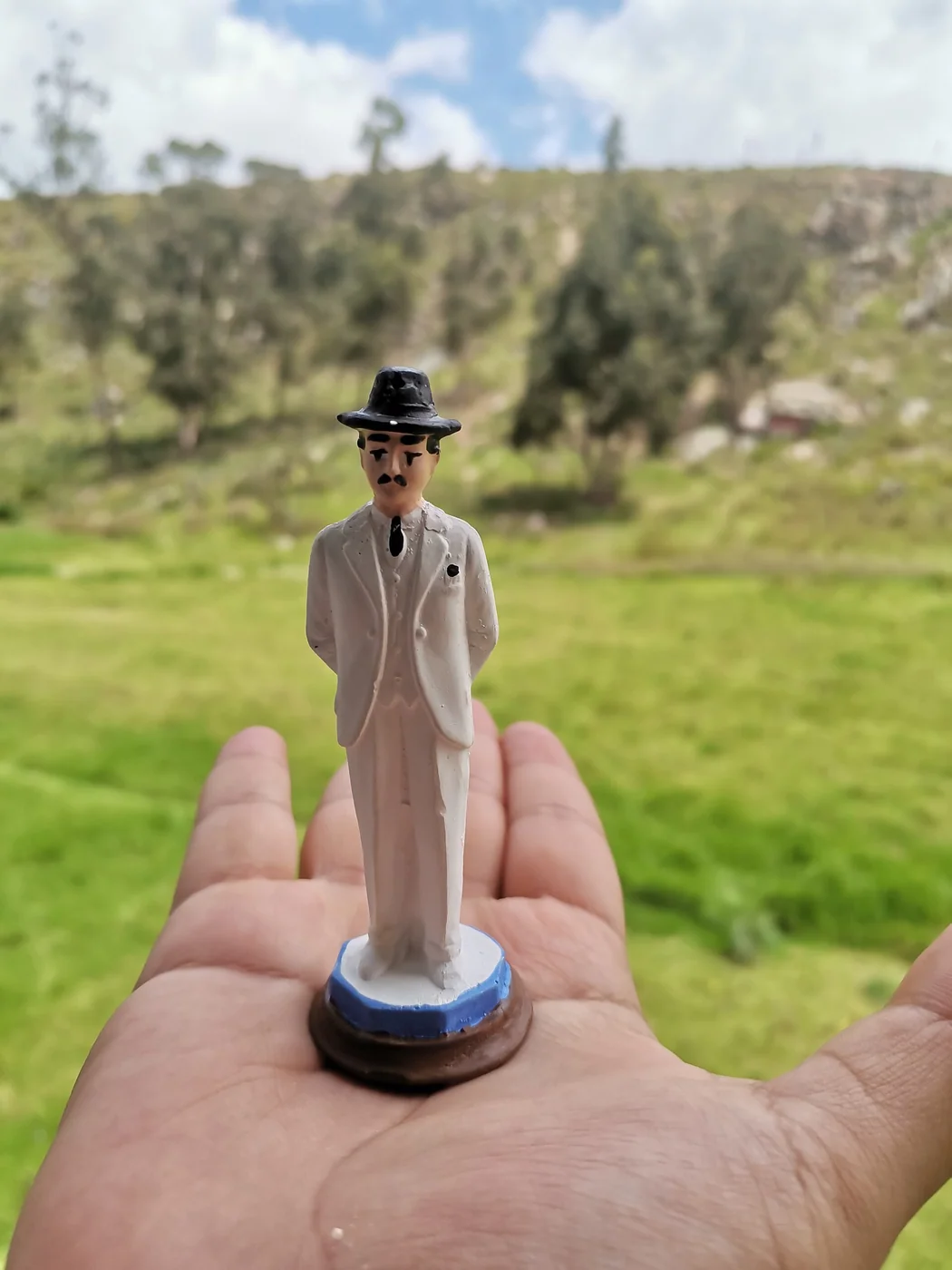
Prayer cards and small statues travel in luggage. Charity drives in the diaspora often invoke his name. Understanding that symbolic economy helps foreign NGOs and church partners communicate without tone-deaf branding.

Calendar note
His birth date in late October is a marker in popular calendars. Formal feast handling depends on current Church liturgical decisions after canonization milestones — confirm with diocesan sources before planning public events.

Icon among icons
In the wider series on Venezuelan figures — Simón Bolívar, Francisco de Miranda, cultural and sports personalities — Hernández occupies the moral-medical pole. Bolívar carries independence geopolitics; Hernández carries everyday compassion. National culture needs both types of symbols. Visitors who only learn Bolívar miss half of the emotional map.


Practical visits
Travelers interested in religious and medical history can combine Caracas sites of devotion with a trip toward the Andes. Always check current security guidance and road conditions. Devotional tourism is real economic activity for small towns when managed respectfully.

Medical modernity in a poor country
Hernández’s European scientific training and his insistence on laboratory methods mattered in a Venezuela still building public health institutions. Biographies stress microscopy, bacteriology and teaching — the professionalization of medicine — alongside charity care. That dual legacy is why both doctors and devotees claim him. The medical-history study connects those scientific contributions to the modernization of Venezuelan healthcare.
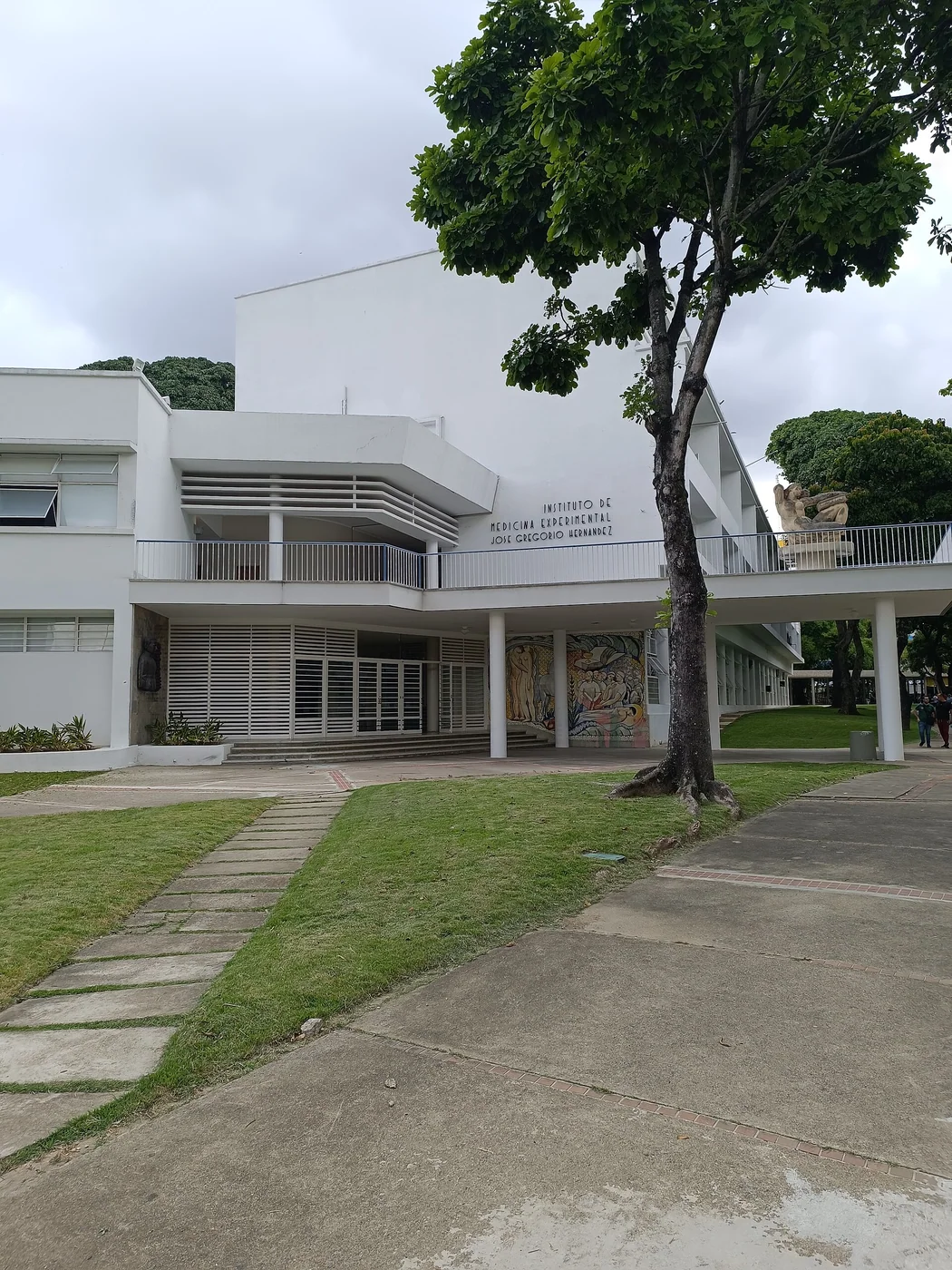

The long road to the altar
Popular devotion ran ahead of canonical process for decades. Venerable status, then the 2021 beatification after a rigorously examined miracle case, then mid-2020s sainthood milestones, marked the Church’s formal recognition of what millions already practiced in prayer. Dates of public ceremonies should be checked against Vatican and Episcopal Conference notices when planning travel. The Vatican ceremony record now supplies the public canonisation date rather than leaving the milestone vague.
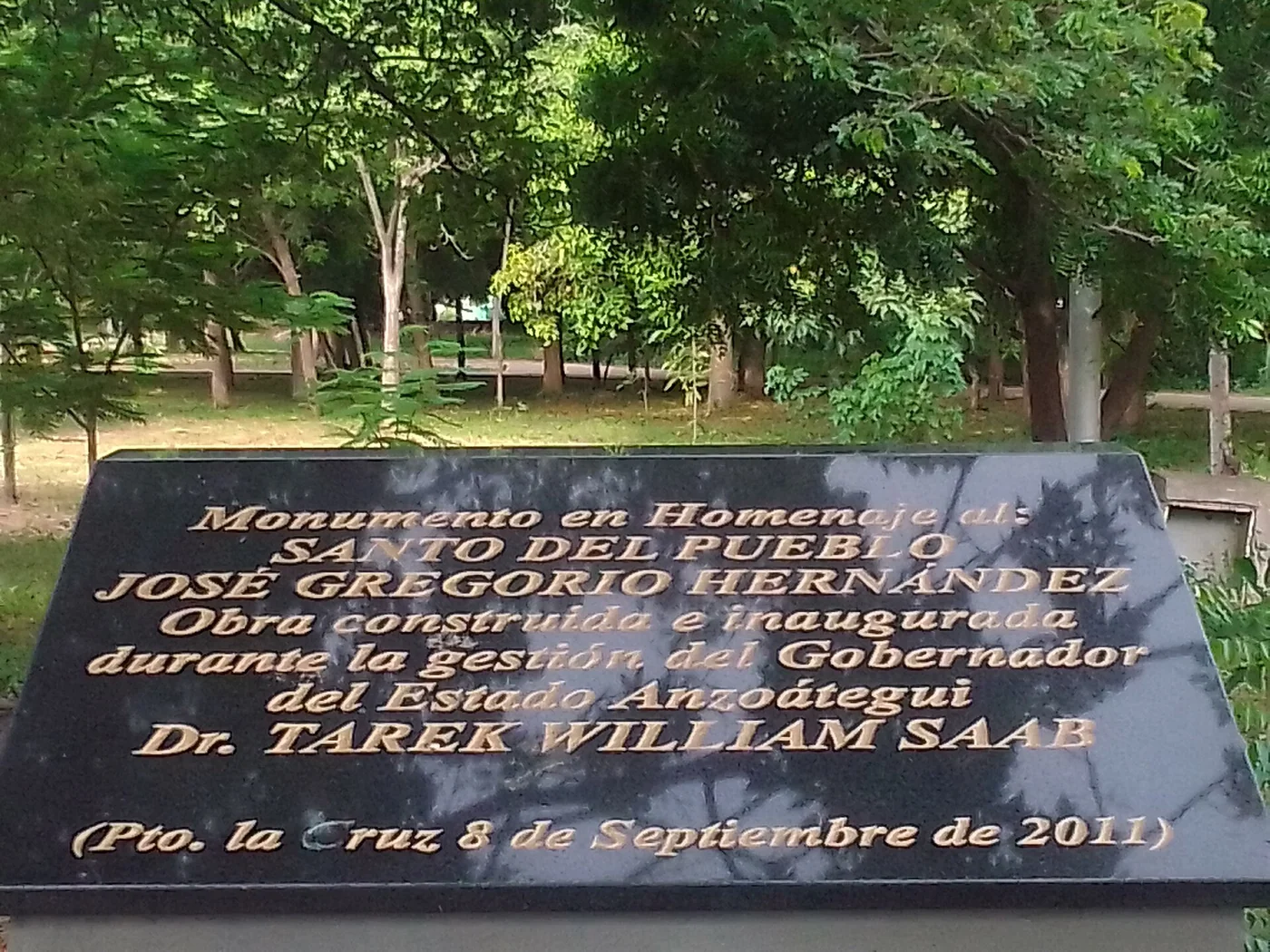

Name on hospitals and children
Across Venezuela and the diaspora, clinics, school cohorts and baptismal names honor him. Seeing “José Gregorio” on a façade is a cultural signal, not only a dedication plaque.
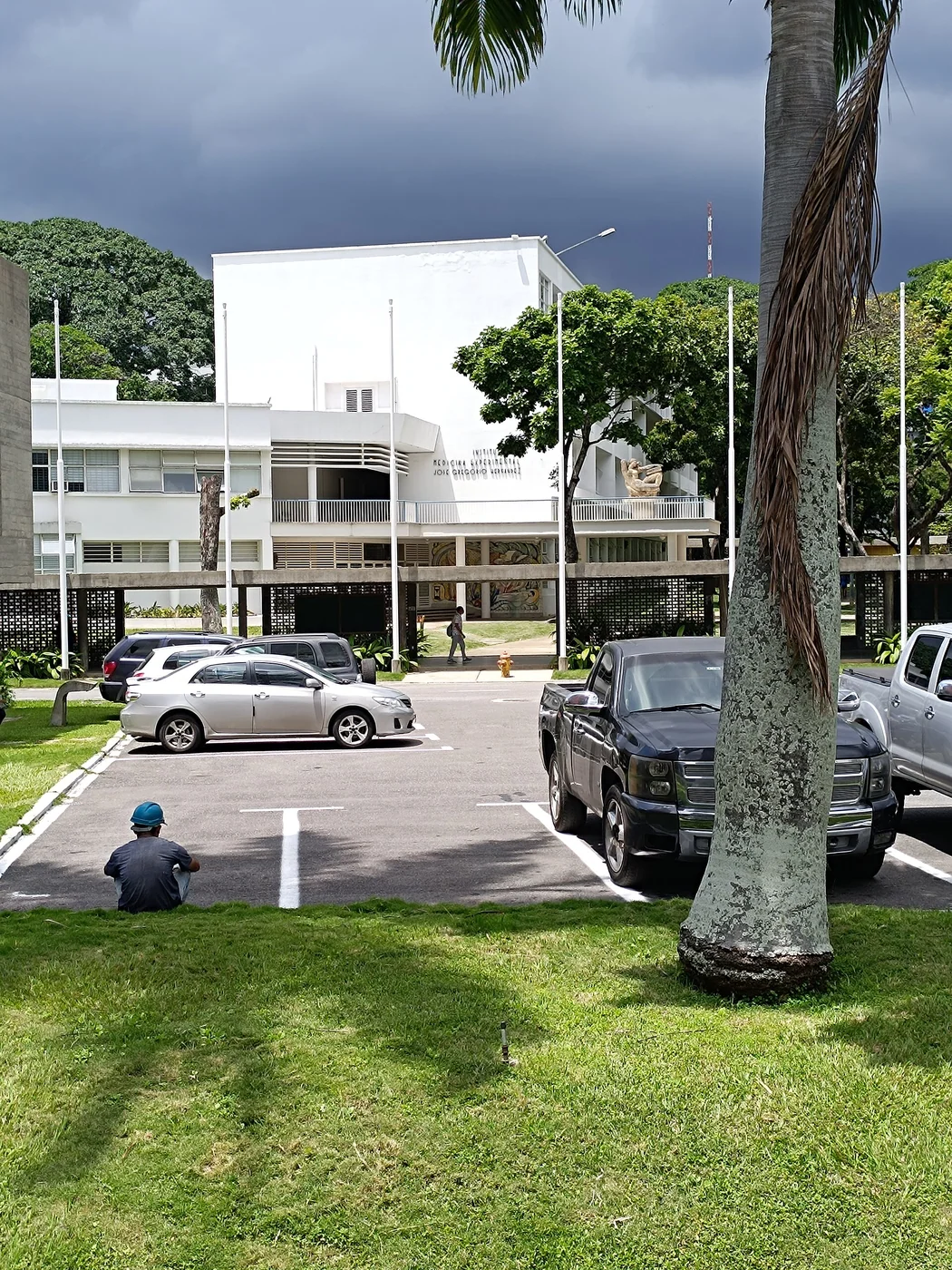

How to speak about him respectfully
Foreign visitors can ask questions; they should not mock miracles or bargain-basement theology jokes in mixed company. Devotion sits close to family stories of illness and recovery. Curiosity plus respect is the correct register.
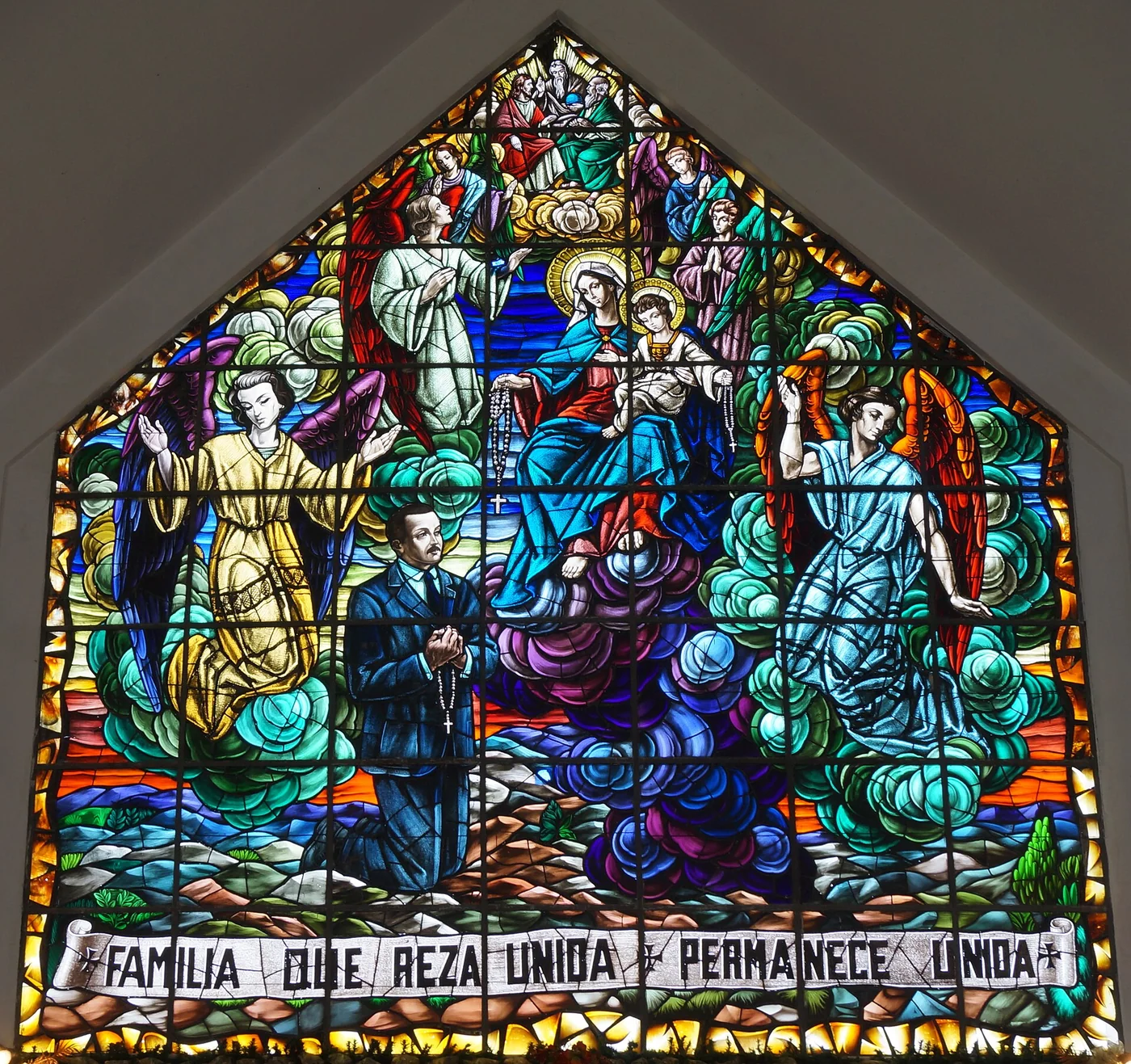

Timeline highlights
- 1864 — Born in Isnotú, Trujillo
- 1888 area — Medical degree path in Caracas
- European scientific training including Paris
- Teaching and practice in Venezuela; care for the poor
- 1919 — Death in Caracas after a traffic accident
- 20th century — Growing popular devotion
- 2021 — Beatification
- Mid-2020s — Sainthood milestones as Venezuela’s landmark saint figure
Devotion practices you may see
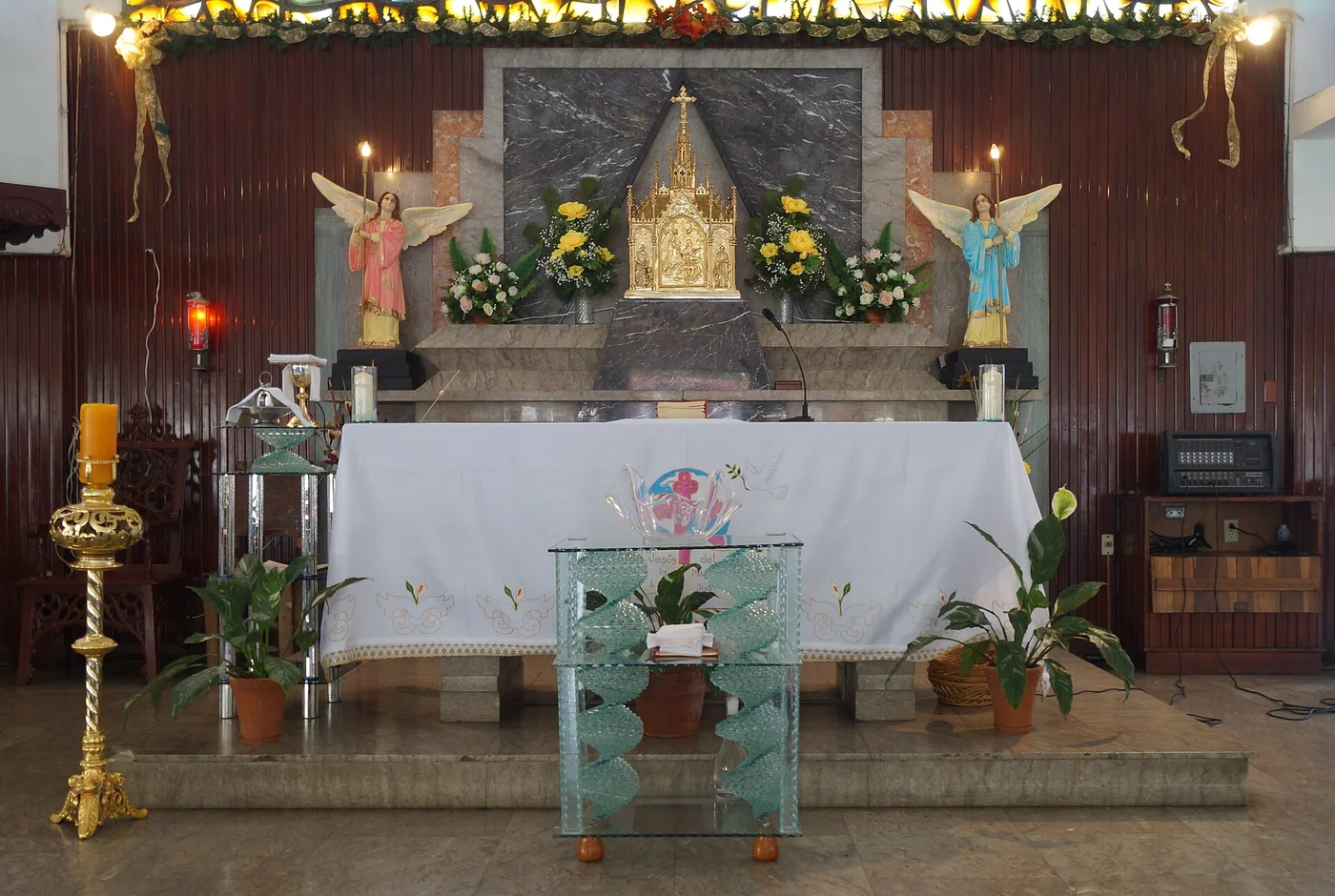
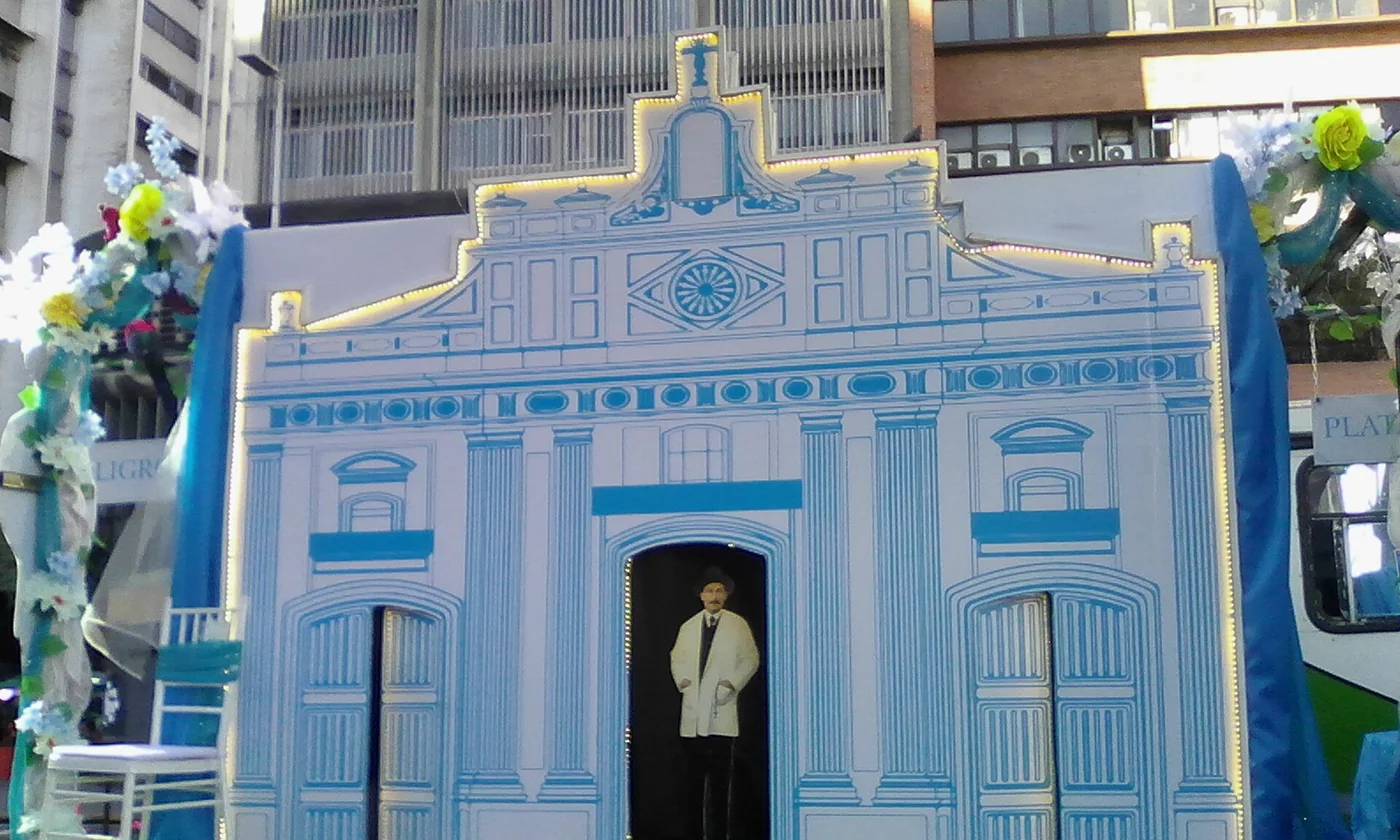
Prayer cards in wallets, blue imagery, visits to chapels, promises (promesas) after recoveries, and the blending of clinical hope with intercession. Hospitals may display his image. Foreign medical volunteers should treat that presence as cultural infrastructure.

Science communication angle
Hernández is a useful bridge figure when discussing vaccine campaigns or hospital ethics in communities where trust in institutions is uneven: a saint who also loved laboratories. That dual symbolism appears in local health messaging at times.
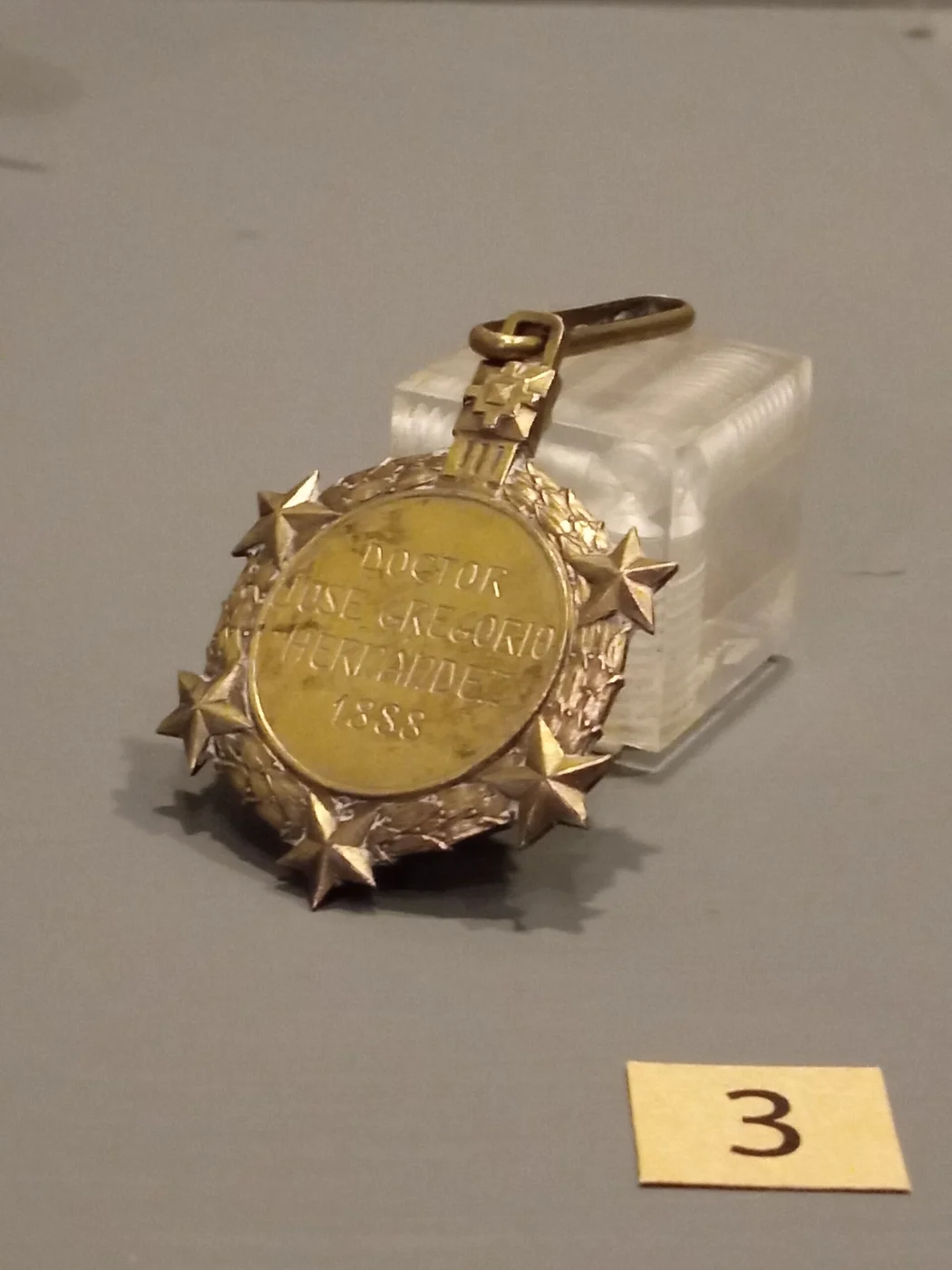

Fuller biography for foreign readers
José Gregorio Hernández Cisneros was born on 26 October 1864 in Isnotú, Trujillo, in the Venezuelan Andes. Academic promise took him to Caracas and the Central University medical faculty. Further scientific training in Europe, including Paris, exposed him to laboratory methods he sought to institutionalize at home. He taught, practiced and became known for treating patients who could not pay — the origin of the title “doctor of the poor.” He died in 1919 after being struck by a vehicle in Caracas. Popular devotion grew through the twentieth century faster than canonical process. Prayer cards, chapels and family stories outpaced Vatican timelines until beatification in 2021 after a miracle case examined by Church authorities, and mid-2020s sainthood milestones that made him Venezuela’s landmark saint figure. Always confirm liturgical dates with official Church sources before printing calendars.

Why science and holiness were not opposites in his image
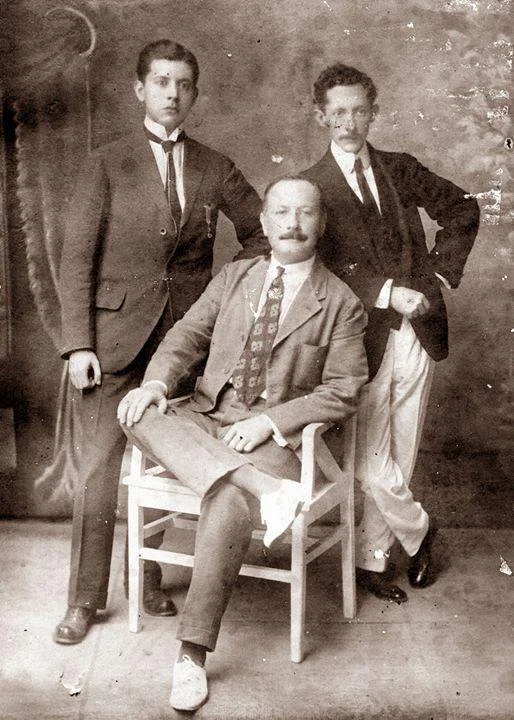
Hernández is remembered both for microscopy and for charity. That combination matters in a country where public health institutions and popular faith both shape behavior in illness. Foreign health workers who treat devotion as ignorance miss a bridge; those who treat medicine as optional miss his actual profession.

Isnotú and pilgrimage economies
Andean hometown identity and devotion tourism intersect. Visitors combine prayer with mountain climate and regional food. As with any pilgrimage economy, respect local norms and check security and road conditions.
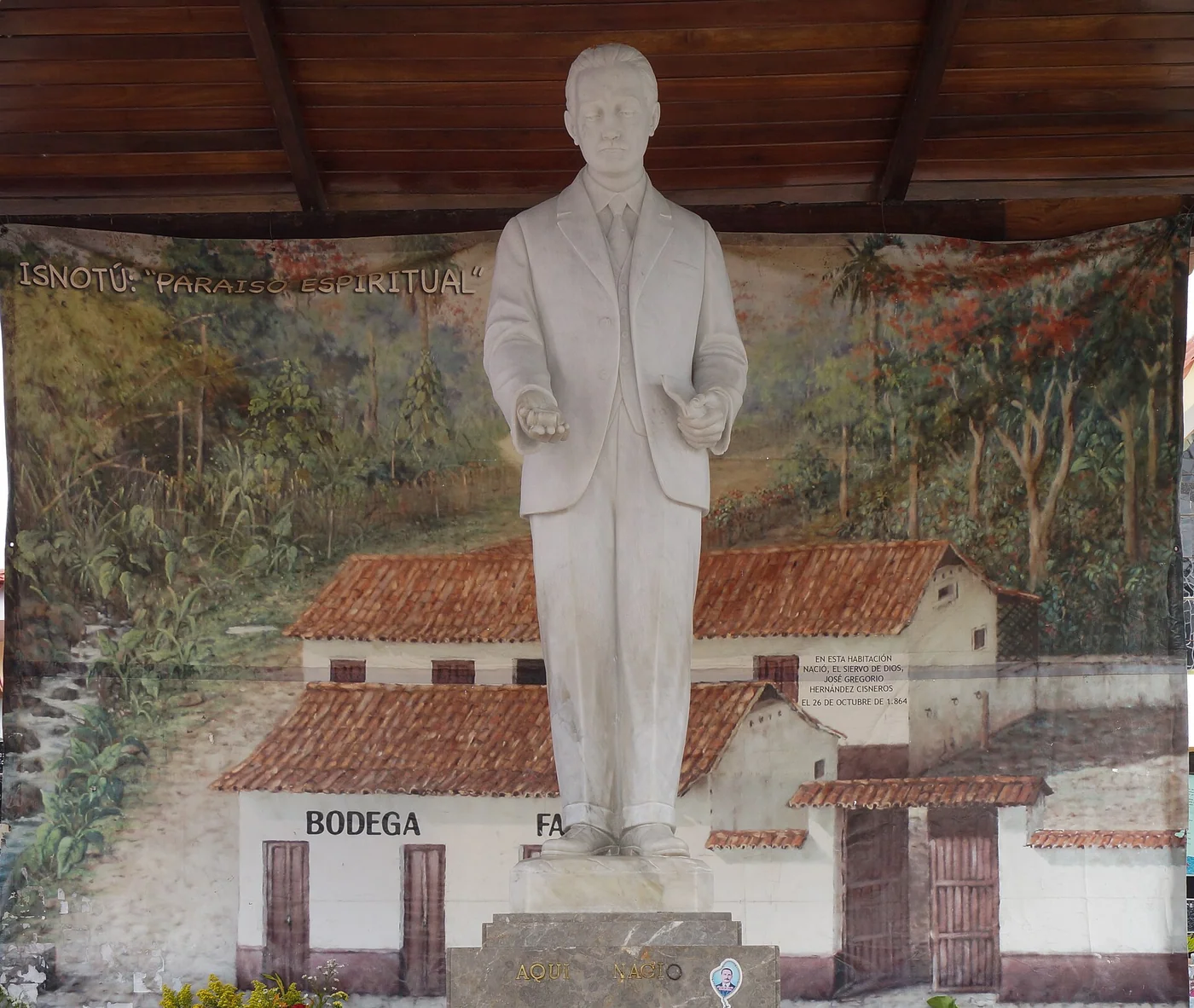

Name economy
Hospitals, schools, children and diaspora associations carry his name. Seeing “José Gregorio” on a façade is a cultural signal of medical-moral aspiration, not only branding.
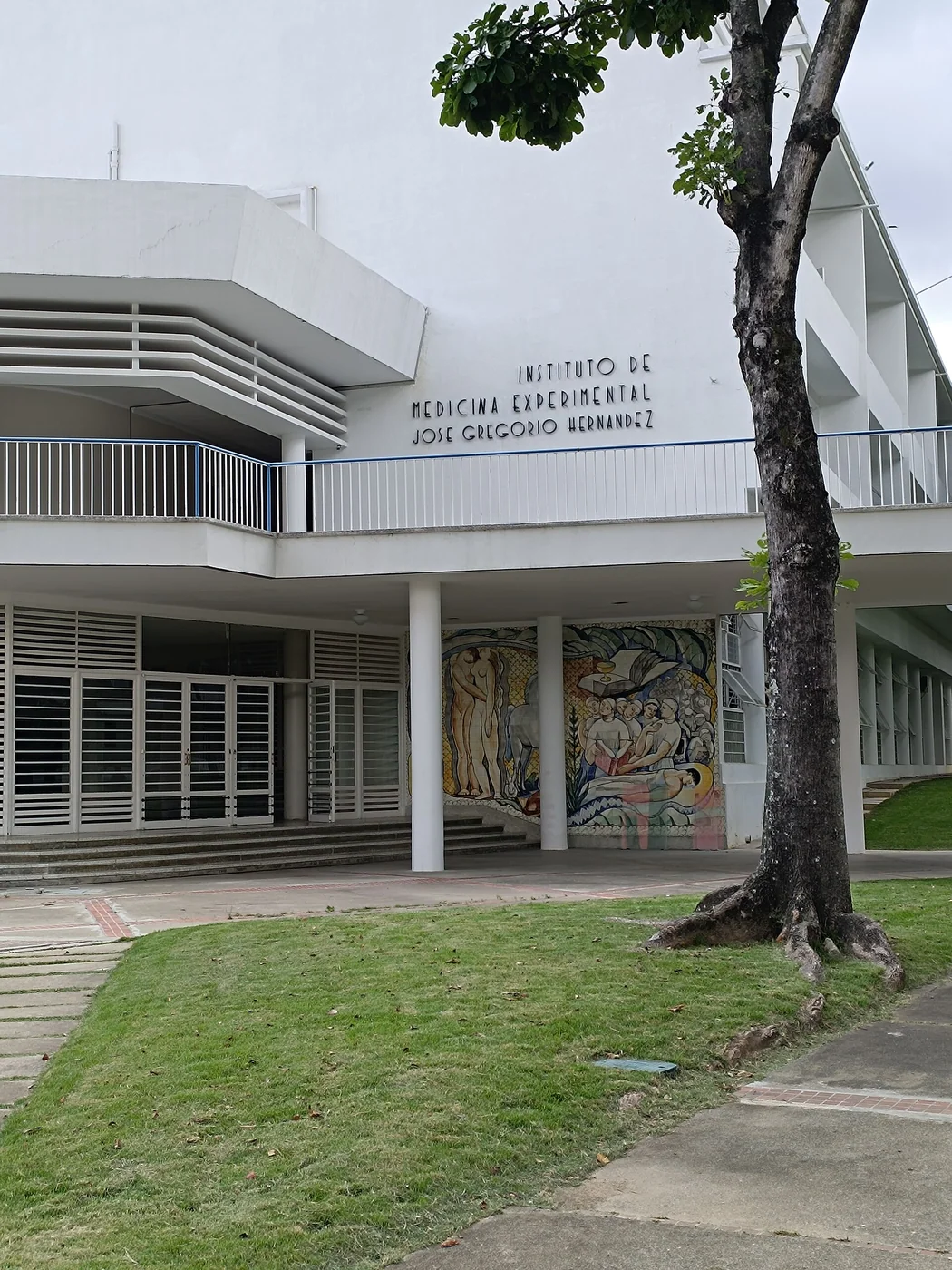

Devotion and the Venezuelan diaspora hospital
Abroad, Venezuelan chapels and prayer groups invoke Hernández during surgeries and migrations. The saint-doctor travels because the need for hope travels. NGOs and clinics serving Venezuelan communities abroad sometimes underestimate how powerful that symbol is for patient trust.
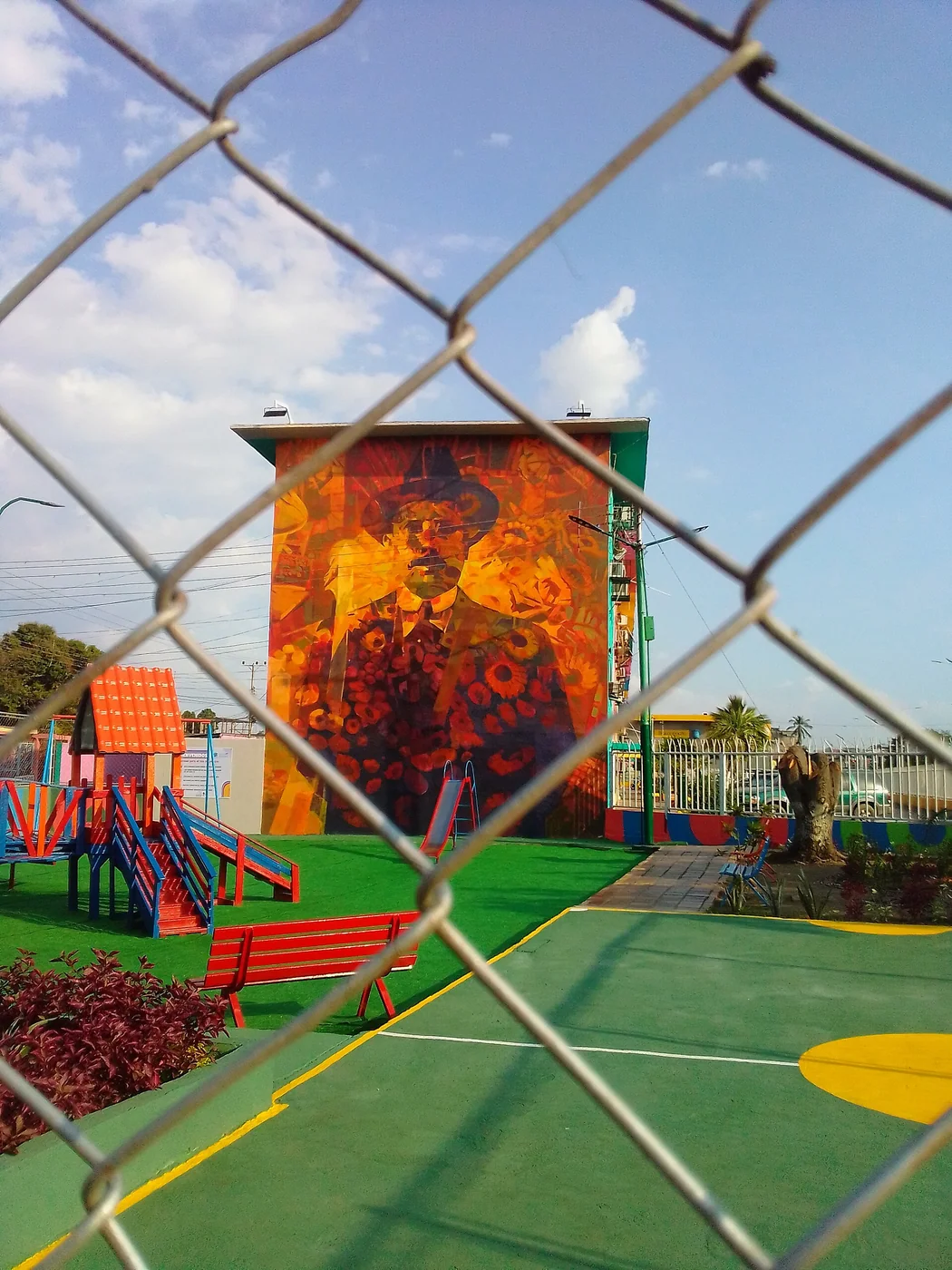

Ethics of speaking as a foreigner
You may be secular. You may be Catholic. Either way, describe devotion without sneering. Ask permission before photographing ritual objects. If you write about miracles, distinguish Church-recognized cases from popular rumor.
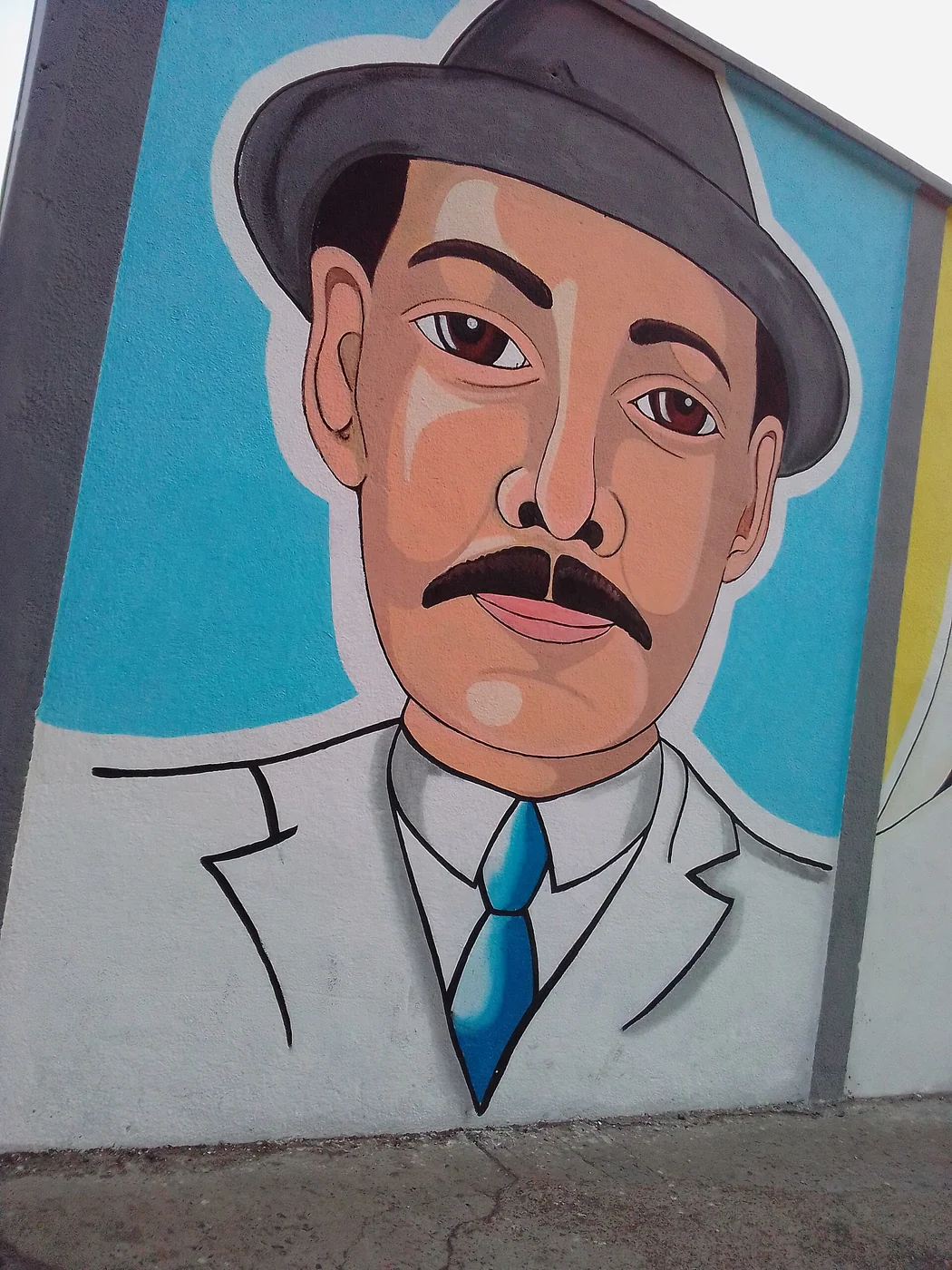

Medical training and European science
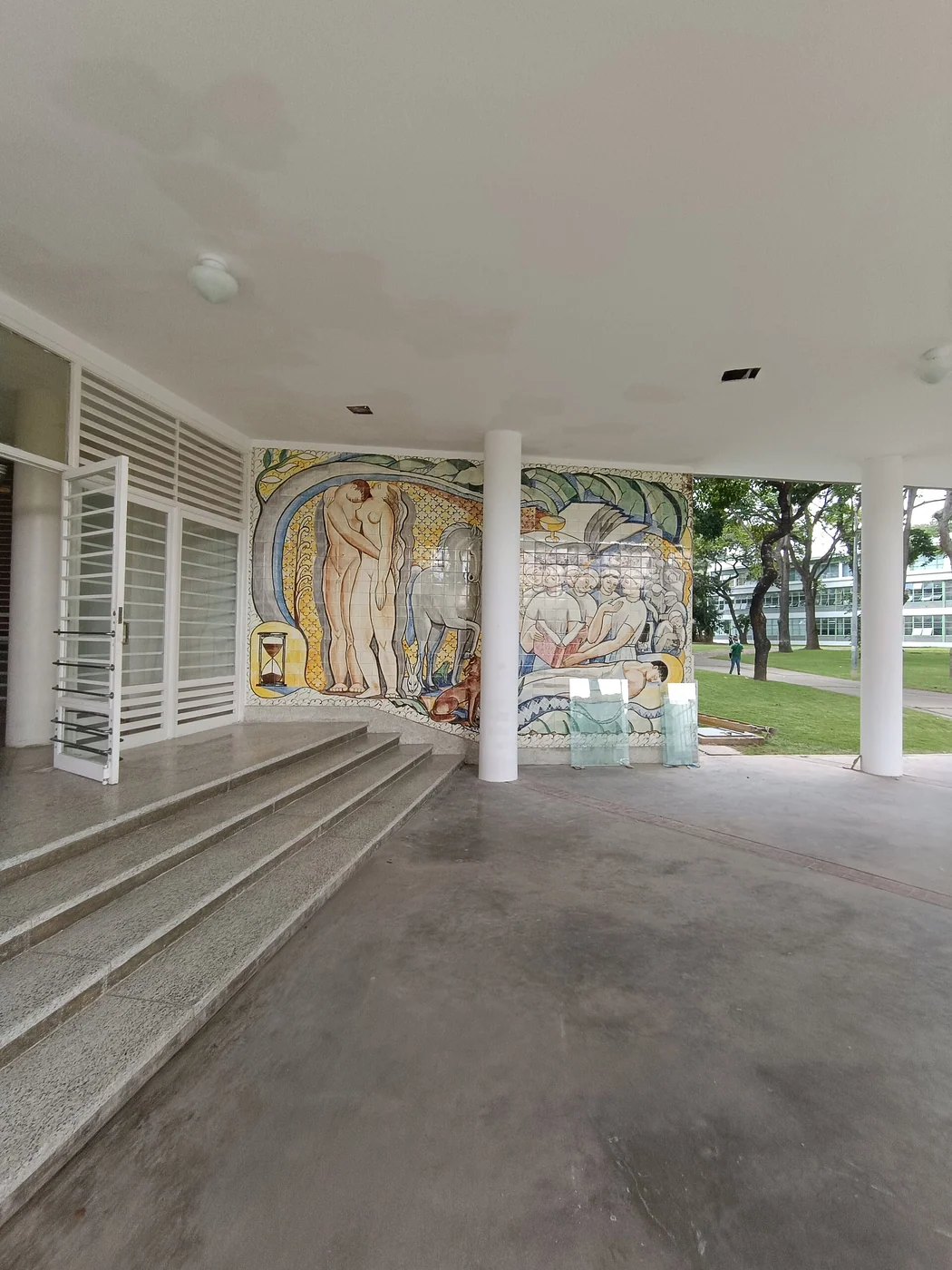
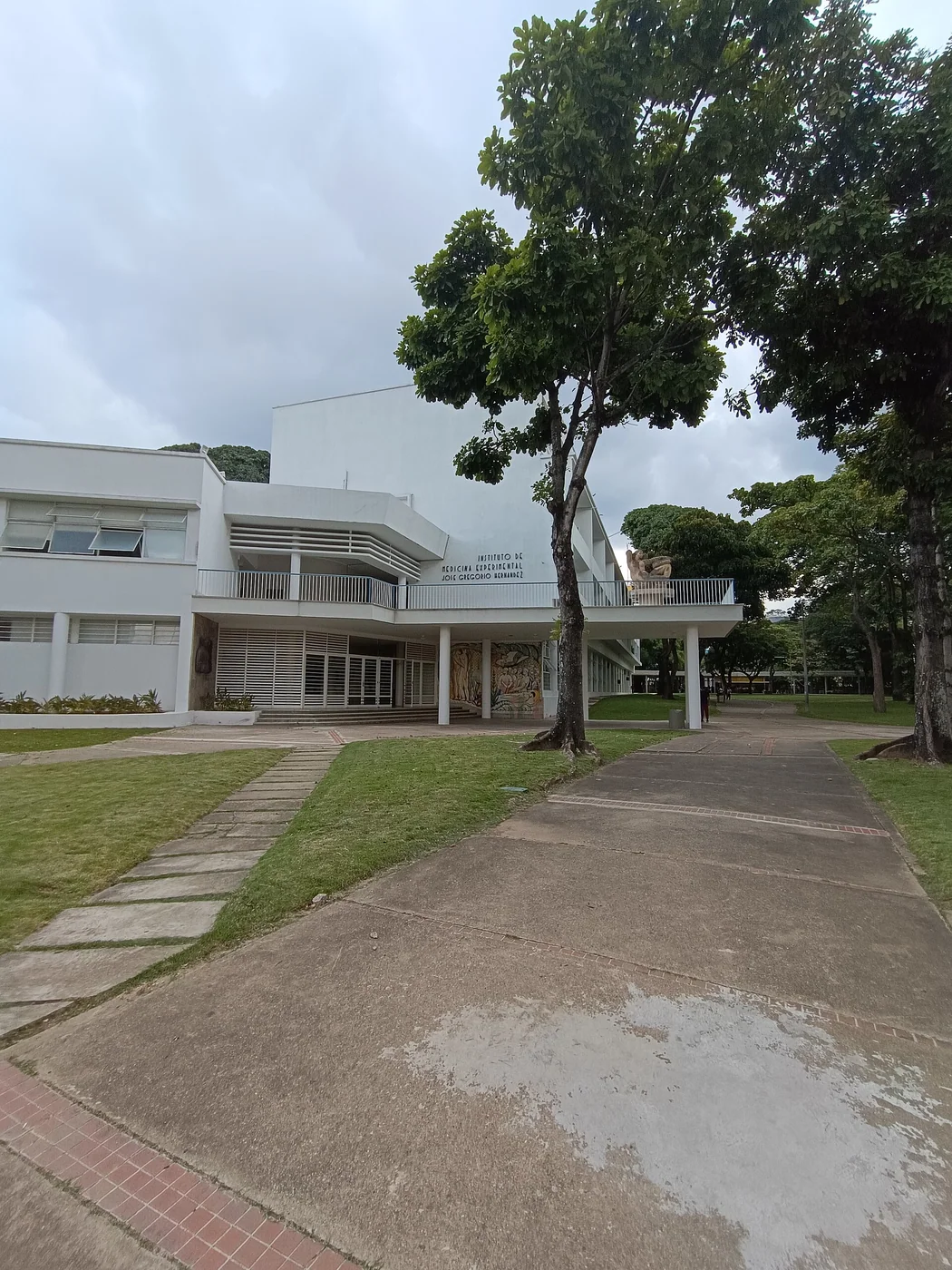
After Caracas formation, Hernández’s European period matters for understanding why Venezuelan medical history treats him as a modernizer, not only as a pious anecdote. Laboratory medicine, microscopy and teaching posts are part of the documented professional profile in standard biographies. He returned to practice and teach in an environment still building public health capacity. Treating the poor without pay made him famous; teaching made him institutional.
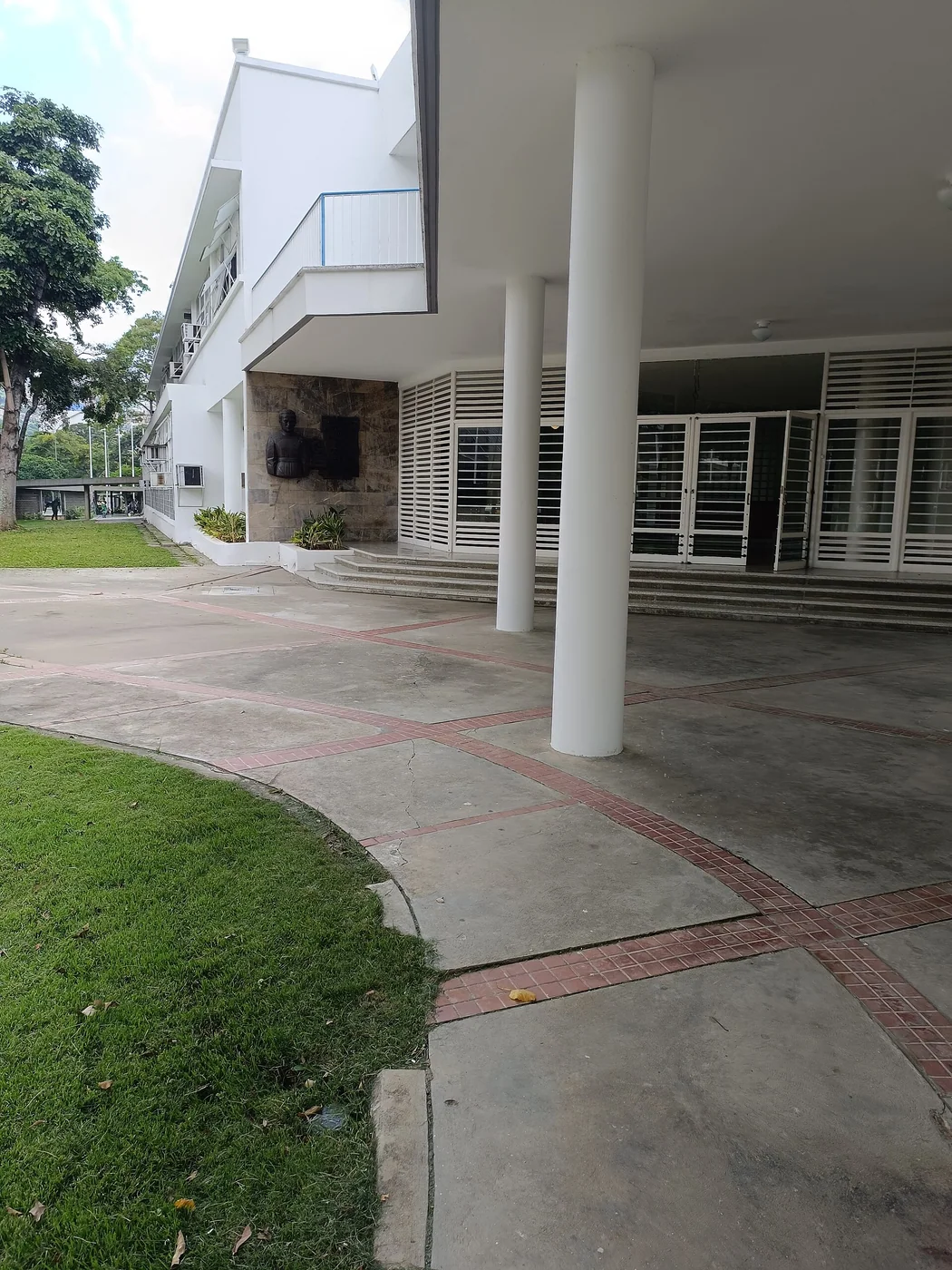

Death in 1919 and the growth of a cult of memory
The traffic accident that killed him became a national story. Twentieth-century devotion expanded through images, chapels and oral miracle accounts. Canonical recognition lagged popular love — a common pattern in modern Catholic causes.
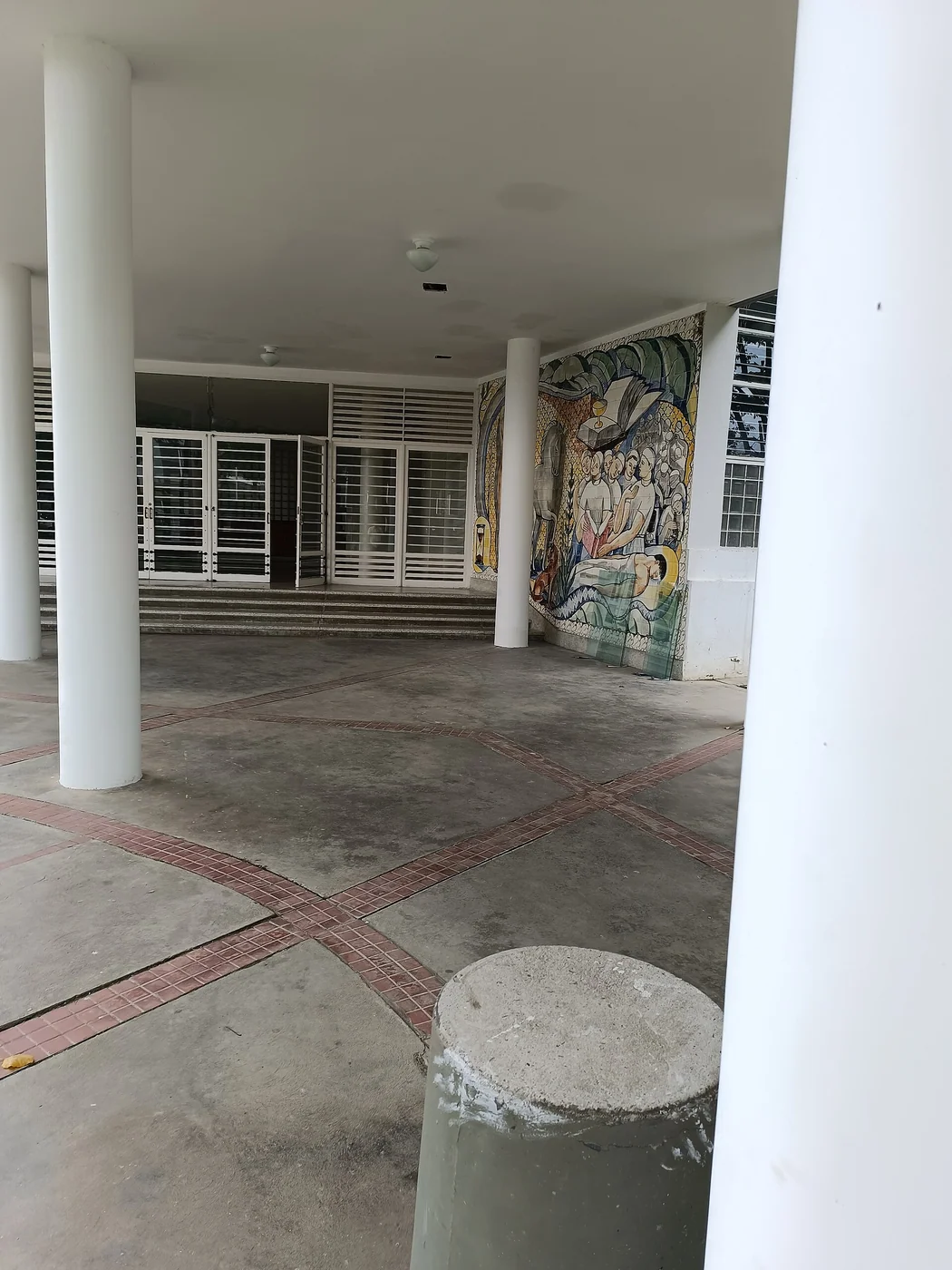

Beatification (2021) and sainthood milestones
Church authorities recognized a miracle case involving the recovery of a girl gravely wounded by a gunshot — widely reported at beatification. Mid-2020s Vatican decisions elevated him among Venezuela’s first saints in the formal sense that mattered to millions of devotees. Confirm feast handling with diocesan sources when planning public commemorations.
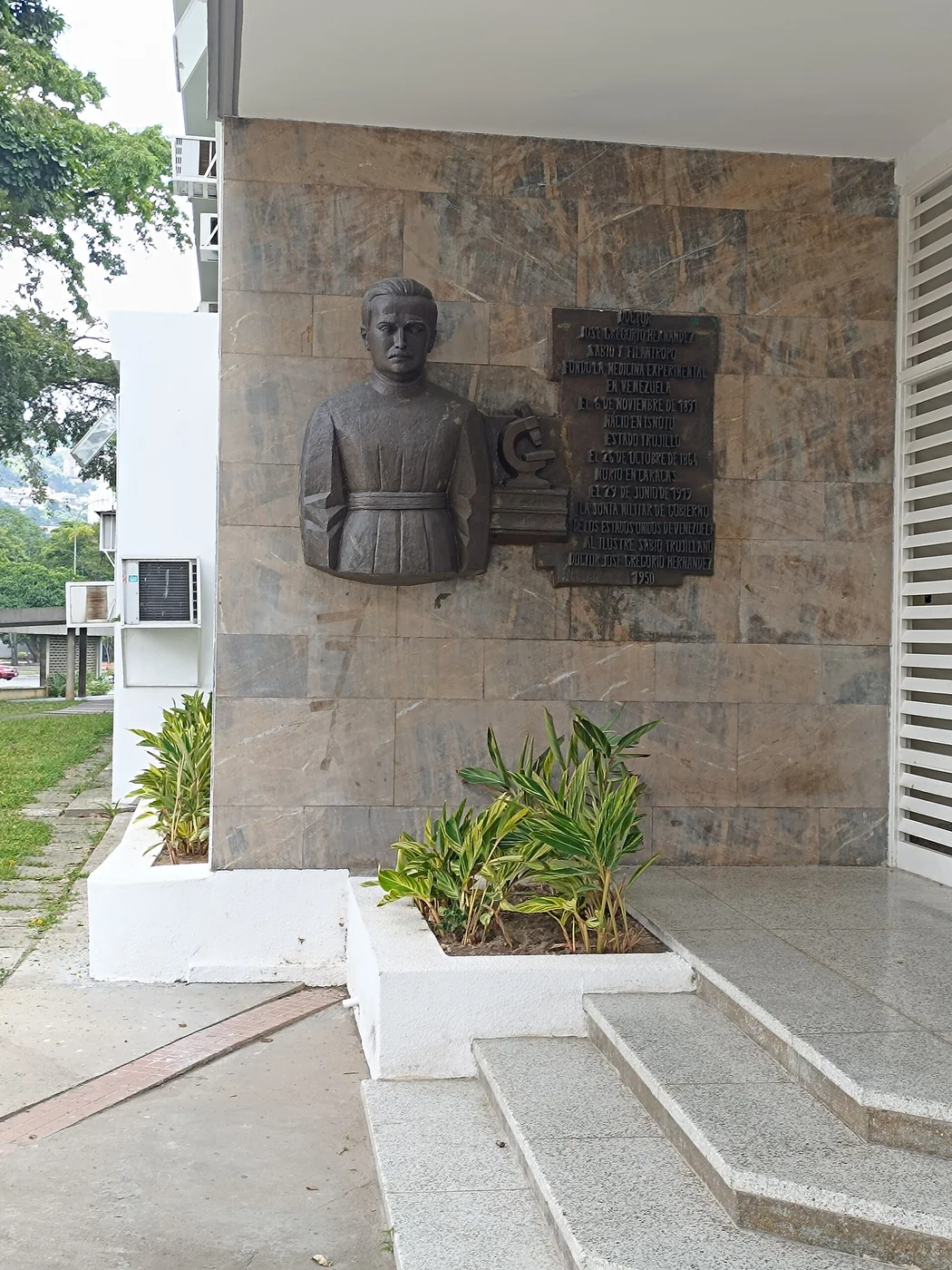

What to do with this knowledge as a foreigner
- Recognize the name on hospitals and schools
- Respect devotion without performing fake piety
- Use him as a bridge topic in health and charity conversations
- Visit related sites only with current security guidance
How hospitals and charities use the symbol
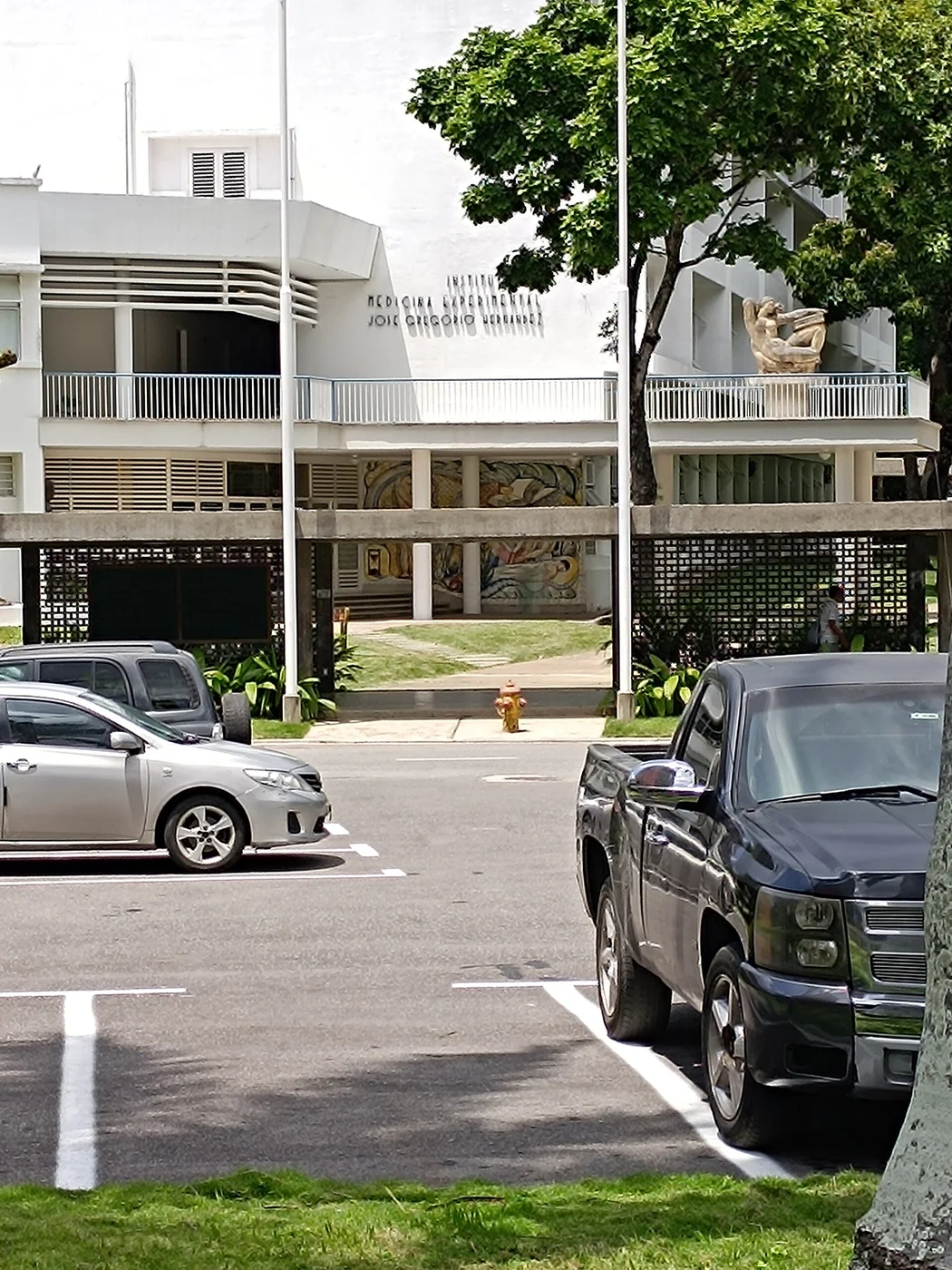
Naming a wing after Hernández signals a promise of care for the vulnerable. Foreign donors should ask how that promise is measured — patient volumes, charity care policies, clinical outcomes — not only whether a statue stands in the lobby. Symbol and governance are different layers. For diaspora fundraising, his image mobilizes gifts. Transparent reporting keeps that trust. Pair devotion with audited accounts when you sit on a board.


Closing standard
Know his dates, his dual reputation as scientist and doctor of the poor, and the beatification/sainthood milestones. Speak with respect. confirm liturgical details with Church sources before public events.
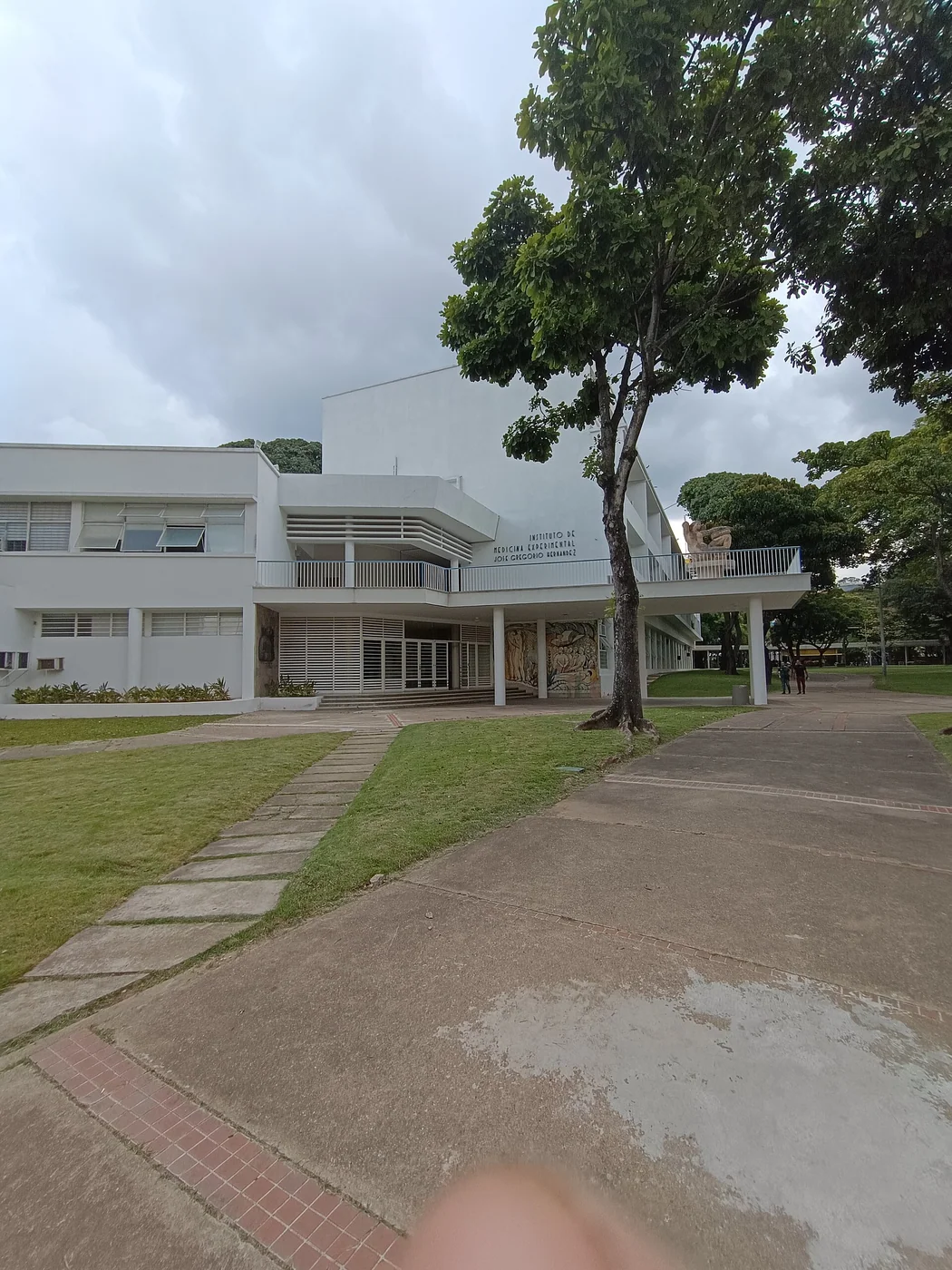

Further reading orientation
Pair this biography with regional identity notes on the Andes (Isnotú, Trujillo) and with healthcare system guides when advising medical travelers. Symbol and hospital network are different tools for different decisions.

One-paragraph brief for executives
José Gregorio Hernández is Venezuela’s iconic physician-saint figure: scientist, teacher and doctor of the poor, beatified in 2021 with later sainthood milestones. His name marks hospitals and diaspora devotion. Respect the symbol in cultural settings; measure clinical governance separately when evaluating health institutions.

Frequently asked questions
Who was José Gregorio Hernández? A Venezuelan physician (1864–1919) known as the doctor of the poor and a scientific teacher of modern medicine. Where was he born? Isnotú, Trujillo state.


Why is he famous? Combining scientific medicine with free care for the poor and massive popular devotion. Was he only a religious figure? No — he was also a university-trained scientist and professor.

Is he a saint? He was beatified in 2021 and canonised on 19 October 2025; the Vatican’s ceremony record identifies him among the canonised. What miracle is cited? Coverage of the beatification highlighted the recovery of a girl seriously wounded by a gunshot in 2017.

Why does the diaspora care? Devotion travels with migrants; his image is common in Venezuelan homes abroad. Where is Isnotú? A town in Trujillo state in the Venezuelan Andes.

References
- Vatican: Holy Mass and canonisation, 19 October 2025 — canonisation date and official list of saints.
- International Journal of the History of Medicine and Allied Sciences — Hernández’s European training, bacteriology, pathophysiology and medical modernization.
- National Geographic: In Venezuela, a quest for sainthood offers proof of miracles — biography, popular devotion, the 2021 beatification context and the reported miracle case.
- Reuters: Venezuelans celebrate beatification of ‘doctor to the poor’ — contemporary reporting on the 2021 ceremony, his reputation and the miracle account.
Questions or comments?
Leave us your message through the contact form — we will be glad to share our experience and help you with the next steps of your plans in Venezuela.
This guide is general orientation, not a guarantee of eligibility, safety or investment returns. For the scope of the October 2026 priority update, read our editorial policy.