
Venezuela Business Visa (TR-N): Requirements and Strategy
The transient business visa, commonly referenced as TR-N (Transeúnte Negocios), is the category built for executives, commercial representatives, technical missions, investors exploring deals, conference speakers, and other short professional presence that is not local payroll employment. It sits between pure tourism and the full labor visa (TR-L). Confusing TR-N with the right to take a Venezuelan salary is one of the most frequent compliance errors foreign professionals make. See the Ministry of Foreign Affairs TR-N description for the official category wording and checklist.


Purpose and legal framing
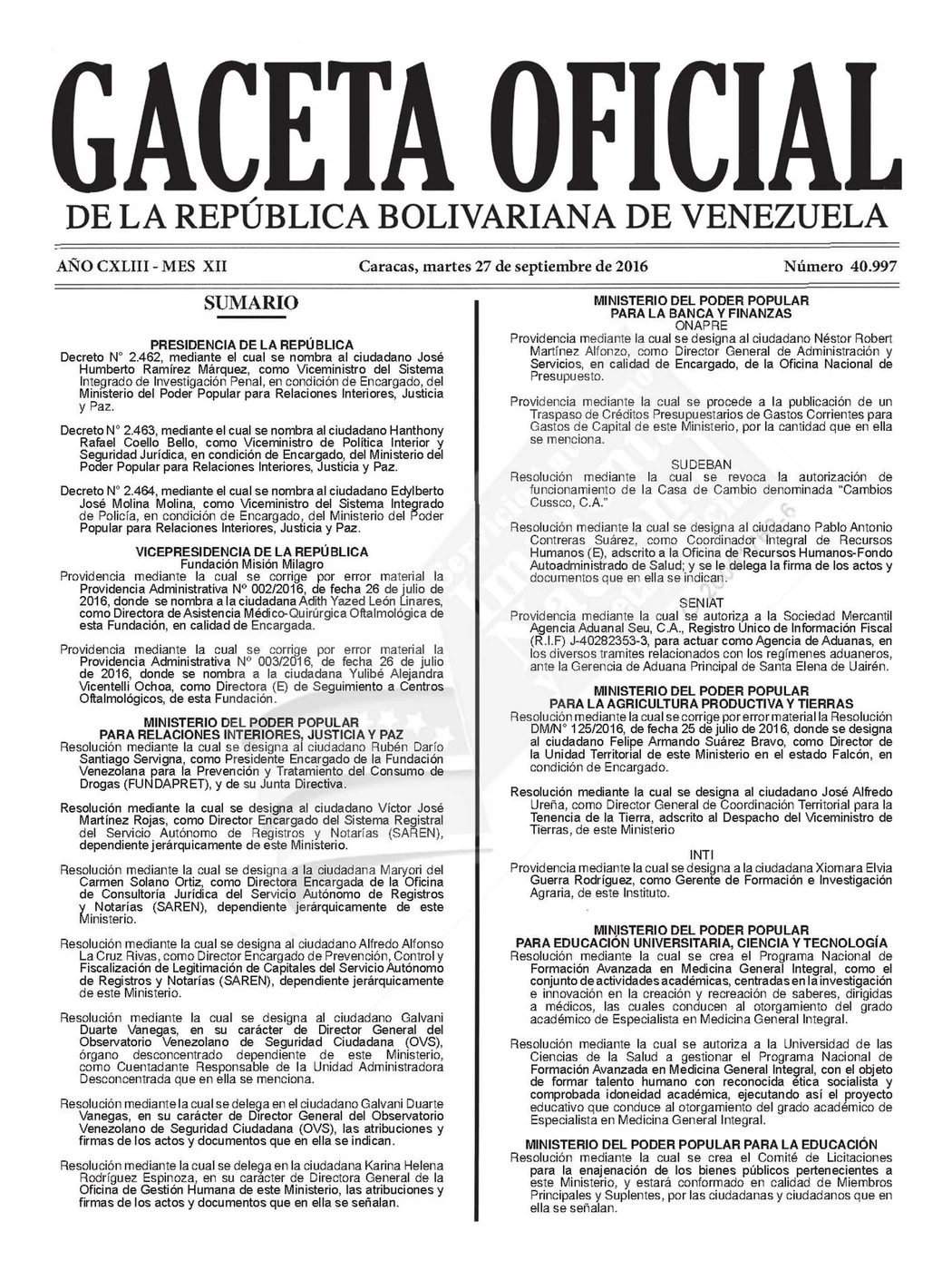
Under the long-standing visa framework associated with joint ministerial resolutions (including the structure published in Gaceta Oficial No. 5.427 of 5 January 2000, still widely cited as the category map), business transient status is for non-migrant commercial and professional activity without converting the traveler into a local employee under a TR-L permit. Typical use cases include contract negotiation, plant visits, supplier audits, investment scouting, training delivery, and media or technical coverage under invitation. The activity should match the invitation narrative and the duration granted. The category map and TR-N/TR-L distinction are set out in Resolution No. 364 / Gaceta Oficial No. 5.427; confirm current practice with the competent mission.
Duration, entries, and practical limits
Published descriptions of TR-N often allow stays measured in months rather than a single tourist fortnight—figures of up to about 90–180 days appear in secondary legal summaries depending on the grant. Multiple-entry validity for a broader window is also described in some consular materials. Always read the specific authorization you receive. TR-N does not automatically authorize dependent family members; family categories are separate. It also does not replace Ministry of Labor authorization when the true relationship is employment. Resolution No. 364 states a one-year, multiple-entry grant with up to 180 days’ stay, while the Embassy checklist remains mission-specific.
Core documents
- Valid passport
- Completed visa application
- Photo meeting specifications
- Corporate invitation letter from a Venezuelan entity stating purpose, dates, and contact
- Evidence of the inviting company’s registration where requested
- Proof of funds / commercial standing
- Flight itinerary
- Criminal record certificate when the channel requires it
Invitation letters should be specific. Vague letters that could describe either tourism or employment create friction. The Ministry checklist likewise asks for a letter stating the trip purpose and Venezuelan contact address.
Business visa versus tourist visa
Choose tourist when the trip is genuinely recreational or unpaid family time. Choose TR-N when the primary purpose is commercial or professional and you can document an inviting counterpart in Venezuela. Using tourism to mask business can create problems at the border and in later applications.


Business visa versus work visa (TR-L)
If a Venezuelan company will put you on payroll or you will perform dependent work, the path runs through labor authorization and TR-L—not TR-N alone. Workforce composition rules under the Organic Labor Law (LOTTT) also constrain how many foreigners a firm can hire relative to Venezuelan staff in many cases. Resolution No. 364 assigns the labor category to the competent Venezuelan authorities; SAIME’s foreigner guidance separately references labor authorization for TR-L renewals.

How TR-N is requested
TR-N is a visa category (Transeúnte Negocios), not an “e-visa type.” Applications are made to the Venezuelan consular authority competent for your residence, with an invitation narrative and corporate evidence. Some posts may accept digital uploads; others require traditional consular filing. The legal purpose remains short professional presence without local payroll employment under TR-L. The competent-mission checklist is the practical filing reference, not an invented “e-visa” category.

Link to investment and property trips
Foreign investors often enter first on TR-N or tourist status to tour assets and meet counsel, then re-enter or change category under investor, rentista, or entrepreneur frameworks if they commit capital. Sequence matters: do not sign major obligations on an expiring short stay without a renewal or category plan.


Mistakes to avoid
- Working as a de facto employee on TR-N
- Generic invitation letters
- Mismatched dates across flights, letters, and forms
- Assuming TR-N yields a local ID with full resident rights
- Ignoring tax and permanent establishment questions when visits become continuous
Procedures also interact with airline check-in policies. Carriers may refuse boarding when passport validity, visa printouts, or electronic authorizations are incomplete—even if you believe you can “explain at the border.” Build a buffer of days between expected visa approval and non-refundable tickets. Translations should be done by certified translators when required, and apostille/legalization chains should follow the issuing country’s process under the Hague Apostille Convention or bilateral legalization rules. A missing apostille can stall an otherwise strong file for weeks. For document legalization, check the issuing-country chain and the Hague Apostille Convention status table; an apostille is not a substitute for a consulate’s substantive review.

From a risk-management perspective, keep a digital vault: passport bio page, visa PDF, entry stamps, invitation letters, income proofs, and corporate registry PDFs. When SAIME or a bank asks for history, speed of retrieval becomes part of your credibility. Geographically, most formal appointments and specialized counsel cluster in Caracas, with additional activity in other major cities. Coastal investors focused on Isla de Margarita should still budget time for capital-city paperwork when national agencies are involved.


Finally, integrate immigration planning with tax advice. Days of presence, local entities, and rental income can create reporting questions in both Venezuela and your home country. Immigration status and tax residence are related but not identical concepts.
Need help choosing the right visa path?
Venezuela Advisor connects foreign buyers, investors, and relocating professionals with local counsel and a practical roadmap—before you spend money on the wrong category.


Practical timeline and sequencing
Strong applications are sequenced, not improvised. A realistic planning calendar often includes: (1) document gap analysis; (2) apostille and translation cycles that can take two to six weeks depending on the issuing country; (3) institutional letters—university, employer, host company, or religious body; (4) portal or consular filing; (5) payment and biometrics if required; (6) travel only after authorization is in hand; (7) post-arrival registration steps with migration authorities when applicable. Compressing all of that into a week is how applicants create self-inflicted refusals. If your broader goal includes buying property, add a parallel track for independent legal counsel, title review, and tax identification. Immigration and conveyancing should share a single master timeline so that a visa expiry date does not collide with a notary appointment. Treat the dates as a planning suggestion, not an official processing-time promise; the competent mission controls filing instructions.
Border inspection and airline boarding
Authorization to apply is not the same as guaranteed admission. Immigration officers retain inspection authority. Travelers should carry: passport, visa printout or offline PDF, return or onward ticket where relevant, hotel or host contact, and proof of funds. Inconsistent answers about purpose—especially mixing tourism language with employment language—create secondary inspection risk. Airlines act as an upstream control layer. Ground staff may deny boarding when electronic visas cannot be validated or when passport validity is insufficient. Build buffer days between approval and flight, and avoid non-refundable multi-leg tickets until the file is approved. The final admission decision remains with border authorities and the carrier’s document checks; do not treat a filing receipt as admission.

Compliance hygiene after entry
Photograph entry stamps, save boarding passes, and calendar the authorized stay end date immediately. If an extension is legally available for your category, start the question early—not in the final seventy-two hours. Keep copies of any SAIME receipts and appointment confirmations. When you later apply for renewal, change of category, or residence, that paper trail becomes part of your credibility. Digital organization matters. Use a dedicated encrypted folder for identity documents, income proofs, corporate papers, and correspondence. Name files with dates. When a bank, notary, or agency requests “the last visa and entry stamp,” minutes matter. SAIME’s foreigner-process page illustrates why passport copies, entry/exit stamps, and prior visas should remain retrievable.

Costs beyond the government fee
Applicants under-budget when they count only the state tariff. Full economic cost usually includes certified translations, apostilles, courier, legal review, possible travel to a consulate, expedited civil-registry copies, and opportunity cost of delayed departures. Corporate sponsors should treat immigration as a project line item in the mobility budget, not as an afterthought of HR. Currency and payment rails can add friction. Confirm accepted payment methods on official portals and keep transaction confirmations. Third-party “agents” who promise guaranteed approval for large cash fees deserve extreme skepticism; use counsel you can identify and contract formally.

Notes for the Venezuelan diaspora and mixed families
Diaspora applicants often combine emotional urgency with complex document histories: prior passports, dual nationalities, children born abroad, and marriages registered in multiple jurisdictions. The winning approach is procedural calm: map every civil document, fix spelling mismatches, and only then select the visa theory—family, rentista, work, or investor—that matches the true facts. Mixed-nationality couples should decide early whether the foreign spouse’s stay will rest on family unity, independent income, or employment. Each theory demands different evidence. Switching theories mid-process after a refusal wastes months.


Integration with housing and investment decisions
Short-stay categories can support inspection trips and relationship-building with local advisors. They are weak foundations for continuous property management, school enrollment, or company administration. If your plan requires presence measured in years, design the immigration ladder first—then choose neighborhoods, buildings, and price points that match the legal stay you can actually sustain. Eastern Caracas districts and consolidated coastal markets attract many foreign tenants and buyers for service density, but micro-location safety and building infrastructure still require on-the-ground due diligence. Immigration status does not replace physical inspection.

When to retain counsel
Retain qualified Venezuelan immigration counsel when any of the following apply: employer sponsorship, investment registration, prior overstays, criminal-record complications, minor children with custody issues, or parallel company formation. A one-hour diagnostic with a serious attorney is cheaper than a refused filing and a missed closing date. Venezuela Advisor is not a substitute for licensed legal practice; we help clients structure questions, prepare for attorney meetings, and align relocation, property, and business goals so that specialized counsel receives a clean brief instead of a crisis.
The invitation letter (core of TR-N)
Most TR-N files stand or fall on the invitation. A useful letter typically identifies: the inviting Venezuelan company or institution; its registry data; the name and passport of the invitee; the commercial purpose (meetings, technical visit, negotiation, audit, conference); the proposed dates; and a contact person in Venezuela. Vague letters (“for business activities”) invite delay. The invitation should match the applicant’s employer letter (if any) and the flight dates. If the true relationship is dependent employment with a Venezuelan payroll, TR-N is the wrong category—see TR-L work visa.
Typical TR-N document themes
- Passport and application form of the competent consulate
- Photograph per mission rules
- Invitation from the Venezuelan counterpart
- Evidence of the inviting entity’s existence (mercantile registry extract when requested)
- Proof of the applicant’s role abroad (employment letter, company registration)
- Itinerary and funds
- Consular fee and any translations/apostilles the post requires
TR-N compared with T, TR-L, and TR-I
Versus Tourist (T): tourism is non-remunerated recreation; TR-N is professional/commercial presence under invitation without local employment status. Versus Work (TR-L): TR-L requires labor authorization and employer sponsorship for dependent work. TR-N does not replace that. Versus Investor (TR-I): investor status is tied to investment acceptance and capital narrative, usually longer horizon than a business visit. Related guides: Tourist visa T · Work visa TR-L · Investor visa TR-I · Rentista TR-RE.
Conclusion
TR-N is the professional visitor’s tool: powerful for legitimate commercial presence, insufficient for local employment or long-term settlement. Align the invitation, the itinerary, and the true purpose—then decide whether your next step is another business visit, a labor sponsorship, or an investor/rentista strategy. Venezuela Advisor helps companies and individuals frame that choice before fees are paid.
Questions or comments?
Leave us your message through the contact form — we will be glad to share our experience and help you with the next steps of your plans in Venezuela.
Official consular references
These sources establish basic category descriptions, not universal fees, validity periods, application times or work rights. The competent mission’s current instructions govern an individual application.
- Visas - Embajada de Venezuela en Colombia
- Visas - Consulado de Venezuela en Riohacha
- Visa de Transeúnte Negocios (TR-N) — Ministerio del Poder Popular para Relaciones Exteriores — Official category description and listed documents.
- Visa de Transeúnte Negocios (TR-N) — Embassy of Venezuela in Colombia — Mission-specific requirements and checklist.
- Resolution No. 364 — Gaceta Oficial No. 5.427 — Published legal framework for visa categories, TR-N duration language, and TR-L authority.
- SAIME — Extranjería — Official examples of foreigner renewal records, stamps, prior visas, and labor authorization.
- HCCH Apostille Convention status table — Status reference for apostille/legalization planning; country-specific acceptance still requires checking.
This guide is general orientation, not a guarantee of eligibility, safety or investment returns. For the scope of the October 2026 priority update, read our editorial policy.