
Venezuela Visas for Foreigners (2026 Complete Guide)
Legal backbone (Resolution 364)
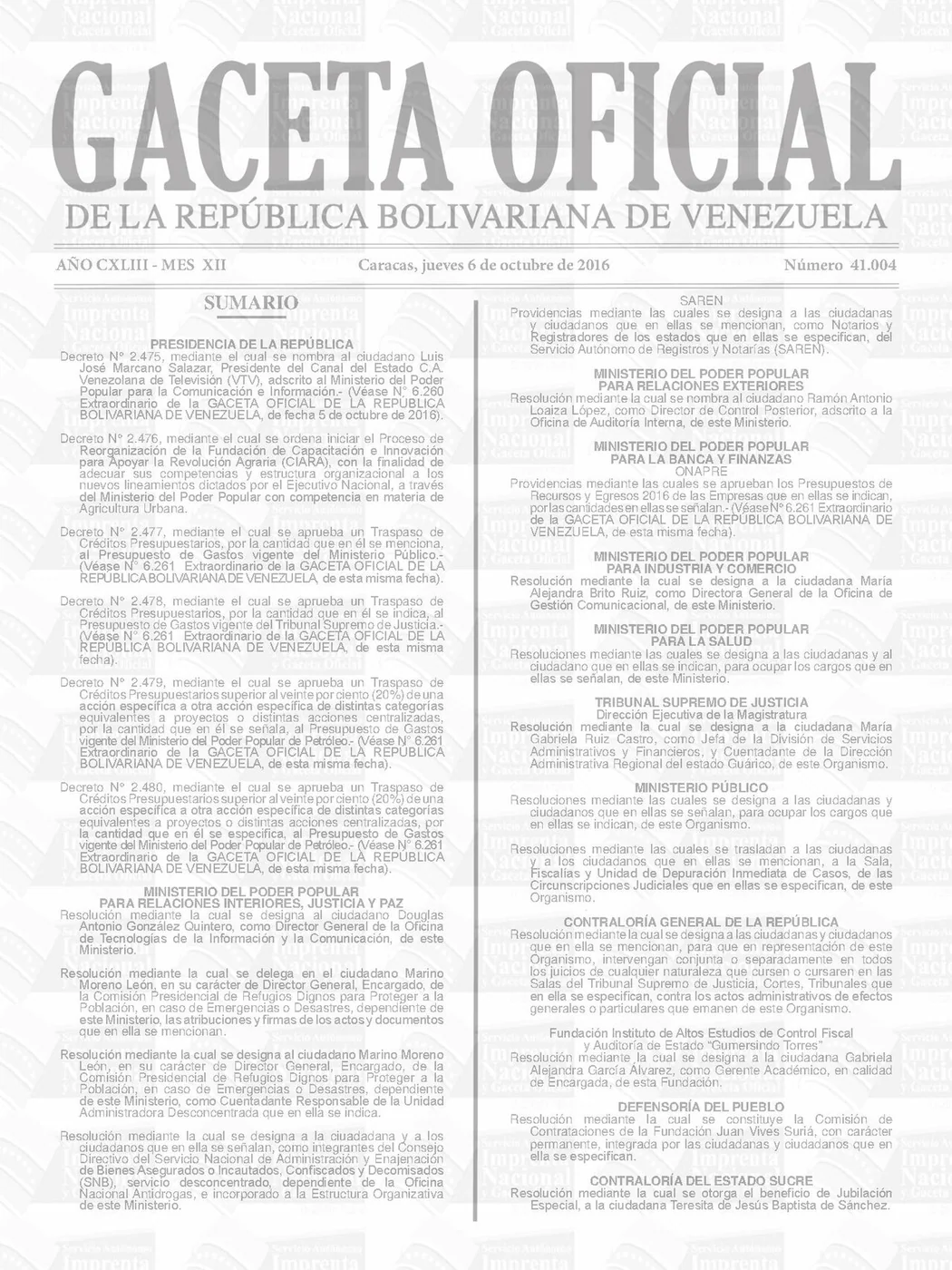
Resolution No. 364 of 22 December 1999 — published in Gaceta Oficial No. 5.427 Extraordinario of 5 January 2000 — sets the procedural norms for visa issuance. It distinguishes Tourist (T), Simple Transeúnte subtypes (TR-N business, TR-I investor, TR-E/I entrepreneur-industrial, TR-FV family of Venezuelan, TR-RE rentista, TR-ED domestic employee, TR-E student, TR-REL religious, TR-F family of other visa holders, TR-RI re-entry, TR-L labor), and transit travelers. Read the published Resolution No. 364 text for the legal framework; the competent mission still controls the current application practice.
MPPRE mission pages and individual consulates still publish category pages that track this structure. The Riohacha consular page gives the same core descriptions. Checklists vary by post; always confirm the live list for your nationality and the mission that serves your residence.

Category comparison (official durations)
Resolution 364 Article 12 states that the investor category is granted for three years, with multiple entries and no permanence limit during that validity period. That is the text to compare with simplified secondary summaries; it is not a promise that every present-day post will process an application identically.
Who needs a visa
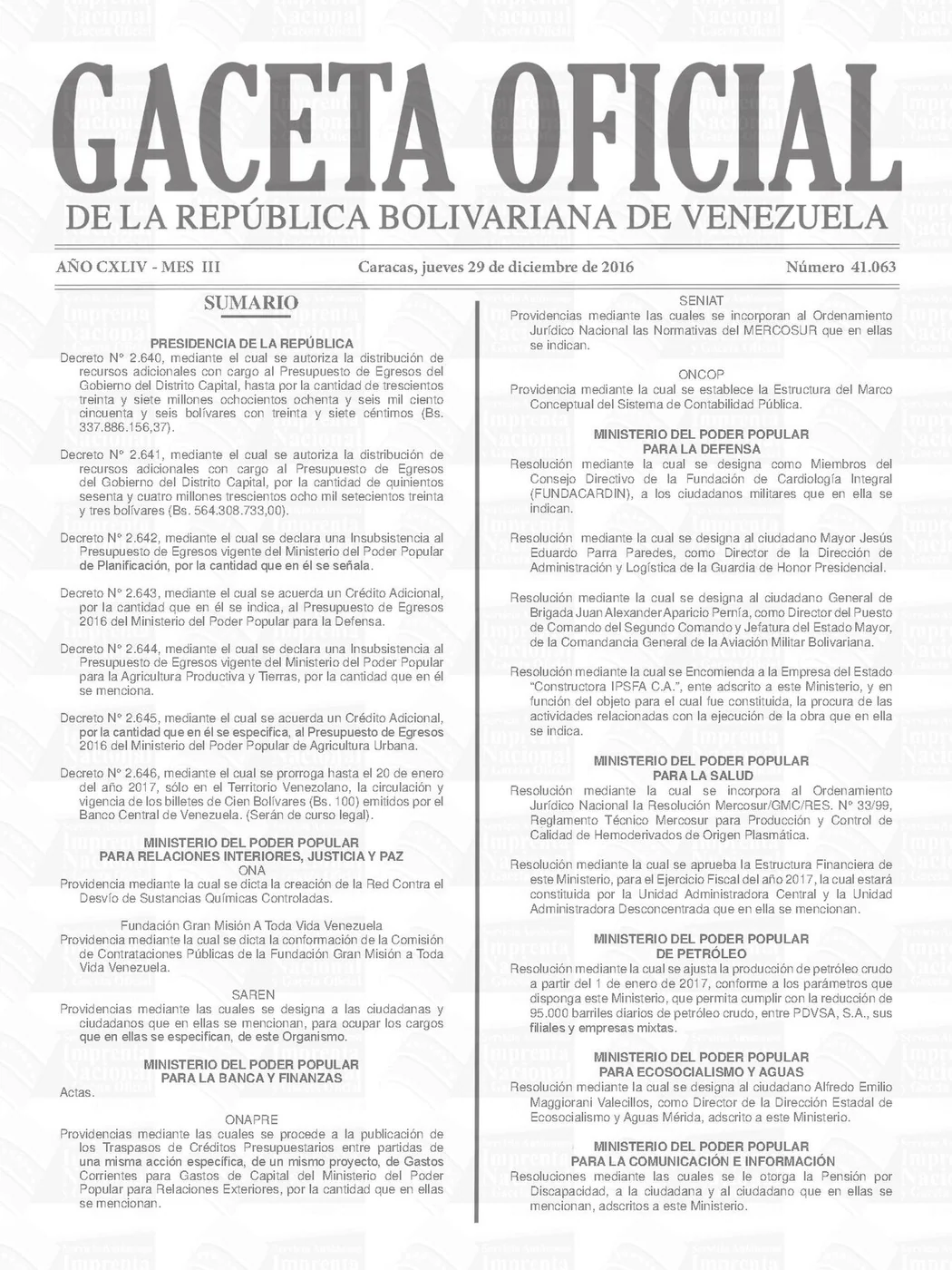
Requirement depends on nationality, purpose and current bilateral practice. Some nationals enter as tourists under exemption regimes for limited stays; others need a visa before travel. A current U.S. Embassy update says U.S. citizens need a Venezuelan visa and describes an electronic application method. Never rely on a blog table alone; confirm for your passport with the competent Venezuelan mission.

How to choose the right category
- Short visit, recreation, family visit without work: Tourist (T) or exemption if applicable
- Meetings, deals, no local payroll job: Business TR-N
- Capital accepted by Venezuelan investment authorities: Investor TR-I
- Live on foreign pension or passive rents (≥ USD 1,200/month under Res. 364): Rentista TR-RE
- Enrolled in recognized Venezuelan studies: Student TR-E
- Hired by a Venezuelan employer: Work TR-L
- Own foreign company / industrial activity: Entrepreneur-Industrial TR-E/I
- Spouse/family of Venezuelan: TR-FV
Common mistakes
- Working on a tourist entry
- Calling a property purchase alone an “investor visa”
- Using rentista when the income is active salary
- Ignoring consular-specific document lists
- Buying non-refundable tickets before approval
How this series is organized
Each linked guide below goes deep on one category: eligibility, documents, duration, family, failure modes and FAQs. Pair immigration timing with property due diligence and RIF only after the correct status path is clear.

Document hygiene that applies to every category
Apostille foreign public documents early. Translate into Spanish through channels your consulate accepts. Keep police certificates inside the validity window the mission requires — often ninety days. Name order must match the passport across every form. Digital photos must meet the post’s pixel and background rules. For context on Venezuelan civil-record authorities and document formats, compare the U.S. State Department’s Venezuela civil-documents reference; it is not a Venezuelan visa checklist.
Applicants who recycle a tourist file into an investor file without rewriting the purpose statement create inconsistency that officers notice. Purpose, documents and oral answers must tell one story.

Family planning across categories
Principals often assume spouses and children “come free” on the same approval. Usually they need linked filings, relationship evidence and extra fees. School-age children need enrollment plans. Working spouses need their own theory of status if they will take local employment.

Border reality after approval
A visa is permission to request entry, not a guarantee of admission. Carry hotel bookings or invitation letters consistent with the category, return or onward tickets when required, and proof of means. Airline staff may demand to see the visa before boarding.

How this series maps to business projects
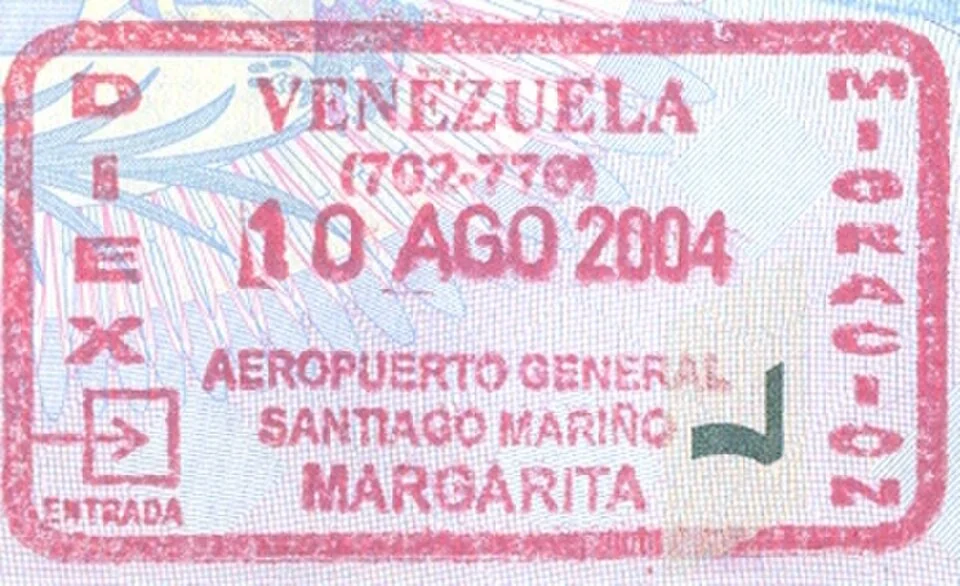
Site visits and short negotiations → tourist or TR-N. Active management of a registered investment → TR-I. Living on foreign pension while spending seasons in Venezuela → TR-RE. Local payroll job → TR-L. Degree program → TR-E. Do not force one stamp to cover five purposes; match the purpose to the category described by the official mission list.
Processing time expectations
Consular processing is measured in weeks more often than days, but the reviewed mission pages do not publish one universal timeline. Build buffer into property closings, school start dates and job start dates. Expedite claims in secondary ads are usually marketing. The mission’s published timeline — when it exists — beats any blog.

Digital channels
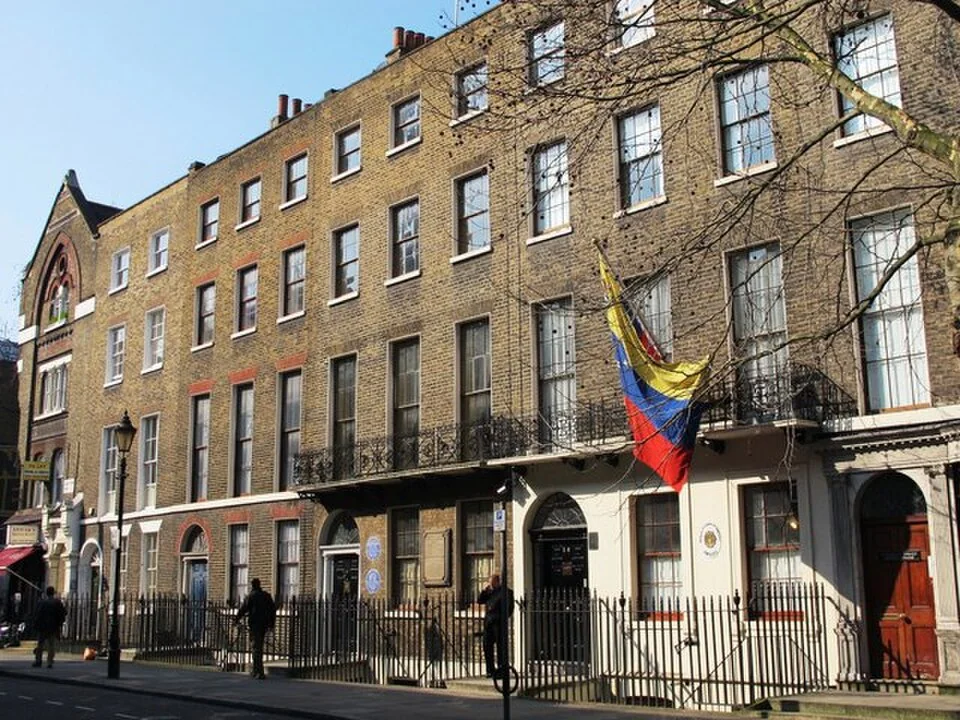
Some nationalities and categories have used electronic pre-screening or appointment portals in recent years. The U.S. Embassy’s current update specifically describes Venezuela’s electronic visa method for U.S. citizens; do not generalize that notice to every nationality or category. Download instructions only from official consulate or ministry domains.

Refusal and reapplication
A refusal is not always permanent. Fix the documentary defect or purpose mismatch before refiling. Reapplying with the identical weak file wastes fees and can harden skepticism. Ask the competent mission which defect, if any, can be corrected; neither the reviewed category pages nor Resolution 364 promises approval.


Series navigation
Read tourist, business, investor, rentista, student, work, family, religious, entrepreneur and residence guides as a library. Cross-link your personal plan to one primary category and at most one backup — not five simultaneous theories.

Decision tree
- Only visiting / tourism → T or exemption
- Meetings, no local salary → TR-N
- Registered investment accepted by authorities → TR-I
- Foreign pension or passive rents ≥ floor → TR-RE
- Enrolled student → TR-E
- Local employer → TR-L
- Spouse of Venezuelan → TR-FV path
- Religious assignment → TR-REL
Cost planning (non-fee advice)
Budget: consular fees, apostilles, translations, courier, travel to the mission, medical certificates, and contingency for refiling. The government fee is often the smallest line. The expensive mistakes are wrong category and non-refundable tickets before approval.

Integration with property and banking
Status first, then RIF and banking as required, then property notarial acts. Reversing the order creates notaries and banks asking for documents you cannot show. Use our RIF, bank and due-diligence guides in that sequence.

Myths that waste money
- “Buying an apartment automatically grants investor status.”
- “Tourist entry is fine while I work for a local company.”
- “A friend got it in three days so I will too.”
- “Secondary website tables override the consulate checklist.”
- “I can change category after arrival with no paperwork.”
Each myth produces a predictable failure mode: refusal, border problems, or future renewal denial. This overview exists to kill those myths before fees are paid.

For lawyers and facilitators
If you hire help, demand a written list of documents, estimated timelines, and a clear statement of what is not guaranteed. Power of attorney language must match registry and bank needs when property is involved — see our POA guide. Facilitators who promise outcomes rather than process are selling certainty they cannot deliver.

Frequently asked questions
What law defines Venezuela visa categories? Joint ministerial Resolution No. 364 (Gaceta Oficial 5.427 Extraordinario, 5 January 2000) remains the published procedural framework for tourist and transeúnte categories. See the resolution text. Is the investor visa only one year? No. Article 12 states three years and multiple entries during validity, subject to the competent authority’s current practice. Is the investor visa only one year?
No. Resolution 364 Article 12 grants TR-I for three years, multiple entries, without a permanence limit during validity, with a path toward extension and later resident status subject to Interior Ministry rules.

How much income does rentista require? Resolution 364 states USD 1,200 per month from abroad for the main applicant, plus USD 500 per accompanying family member. Treat that as the text of the published resolution, not a promise that a mission will accept an old figure without confirmation; ask the competent post for its current evidence rules. See the resolution.


Can I work on a tourist visa? No. Tourist status is for recreation and non-remunerated purposes defined in the resolution. Dependent work requires TR-L or another authorized path; the official mission pages separately list TR-L labor.


Do all nationalities need a visa? No. Some benefit from exemptions or facilitated entry for limited tourist stays. Always confirm for your passport with the competent Venezuelan mission; the Embassy in Colombia and Consulate in Riohacha are category references, not a universal nationality table.
What is the difference between TR-N and TR-L? TR-N is business/commercial presence linked to your own business activity. TR-L is dependent employment with a Venezuelan employer and labor authorization. The official mission page lists both categories but does not replace a current post-specific checklist.

Where do I apply? Normally before a Venezuelan embassy or consular section competent for your place of residence. Some categories and nationalities use digital channels — confirm the current process with the mission. Start with the Embassy category pages, the Riohacha consular page, and the competent post for your file.

Does a visa guarantee entry? No. Border authorities can still refuse admission. Carry supporting documents consistent with your category. The official category pages describe the visa as temporary-entry authorization, while admission remains a border decision.


Questions or comments?
Leave us your message through the contact form — we will be glad to share our experience and help you with the next steps of your plans in Venezuela.
Sources: This guide links the published Resolution 364 text and mission-specific category pages. Because fees, checklists, channels and nationality rules can change, confirm the current instructions with the competent mission.
Official and topical references
These sources were read for this correction. The Venezuelan mission pages establish category descriptions, the published resolution supplies the legal text, and the U.S. Embassy update documents a current electronic-visa notice for U.S. citizens. None is a universal fee or processing-time schedule.
This guide is general orientation, not a guarantee of eligibility, safety or investment returns. For the scope of the October 2026 priority update, read our editorial policy.