
Special Economic Zones in Venezuela: A Straight-Talk Guide for Investors (2026)
Special Economic Zones (ZEE) are marketed worldwide as shortcuts to better investment conditions. In Venezuela the legal architecture exists; the practical question for a foreign or diaspora investor is whether a specific project inside a designated zone actually delivers enforceable benefits that justify the location and the complexity.


What a Special Economic Zone Is (and Is Not)
A special economic zone is a geographically delimited area where the state applies a differentiated legal, fiscal and customs regime to attract productive investment. The classic model (Shenzhen, Dominican Republic free zones, many Asian SEZs) focuses on manufacturing, logistics, tourism or technology with export orientation. It is not a guarantee of higher property prices, easier residential purchases, or automatic tax holidays for any individual who buys an apartment nearby. Most serious SEZ regimes worldwide target companies that create jobs, produce goods or provide logistics services — not passive residential buyers.

Legal Framework in Venezuela
The core instrument is the Ley Orgánica de las Zonas Económicas Especiales (LOZEE), sanctioned by the National Assembly in 2022. It regulates creation, organization, administration and the economic, fiscal and customs incentives that may apply. Implementation has been gradual. Plans, authorities and training continue; that is different from a fully mature, bankable regime with years of clean precedents for every incentive.

- Creation and suppression of a ZEE is an exclusive competence of the President of the Republic by decree in the Council of Ministers, after reports from the relevant ministries.
- A Superintendence of Special Economic Zones was announced to coordinate the system nationally.
- Secondary regulations (including a 2025 resolution from the Ministry of Economy and Finance on tax reimbursement procedures) have started to operationalize how companies request ISLR, IVA and related benefits.
The Five Primary Zones Designated
| Zone | Location | Stated focus |
|---|---|---|
| Paraguaná | Falcón state | Energy, petrochemicals, tourism, port logistics |
| Puerto Cabello – Morón | Carabobo | Industrial and port activity; import/export |
| La Guaira | La Guaira (former Vargas) | Logistics and tourism; proximity to main airport |
| Isla de Margarita | Nueva Esparta | Tourism, commerce and services |
| Isla La Tortuga | Federal dependencies | High-end tourism (still early planning stage) |
There is also reference to a military ZEE in Aragua. For an outside investor the practical questions are always the same: Is the specific plot or project inside the delimited zone? Which incentives have actually been granted to comparable operators? How long has any given company operated under the regime?

Incentives on Paper
Public materials and secondary regulation describe, among others, reimbursement or special treatment of Income Tax (ISLR), reimbursement treatment of Value-Added Tax (IVA), accelerated depreciation of assets, and customs or duty-related facilities for qualifying imports tied to the productive project. Exact percentages, duration, eligibility and the administrative path to claim them must be confirmed against the current decree for the specific zone and the latest Ministry resolutions. Numbers that appear in promotional decks can lag behind or simplify the actual procedure.

- Reimbursement / special treatment of Income Tax (ISLR)
- Reimbursement treatment of Value-Added Tax (IVA)
- Accelerated depreciation of assets
- Customs / duty-related facilities for qualifying imports tied to the productive project
What to confirm Before You Commit Capital
- Legal boundary. Confirm that the land or facility is inside the officially delimited ZEE (not merely “near” it).
- Sector fit. Most regimes prioritize productive, logistics or tourism projects. Pure residential speculation is usually outside the core incentive design.
- Operating peers. Ask for companies that have been operating under the regime for two or more years and speak to them if possible.
- Incentive grant path. Map the exact administrative steps (and timing) to obtain any ISLR/IVA/customs benefit — not only the headline promise.
- Exit and enforceability. Understand what happens if the project underperforms or if rules change: can benefits be clawed back? How are disputes handled?
- Independent counsel. Use your own Venezuelan attorney and, for cross-border structures, counsel in your home jurisdiction. Do not rely solely on the promoter’s legal opinion.
Who These Zones Actually Suit
- More relevant: Operators in manufacturing, energy-linked industry, port logistics, larger tourism projects, and companies that can meet employment and investment thresholds.
- Less relevant for most of our readers: Individual foreign or diaspora buyers looking only for a residential apartment in Caracas or Margarita. Those transactions still run through the normal SAREN / notary / RIF path described in our due diligence, RIF and power of attorney guides.
Red Flags
- Pressure to deposit large sums before independent title and zone-boundary verification.
- Inability to name operating companies already benefiting from the same regime.
- Claims that “all property in the state” somehow inherits ZEE benefits.
- Vague language about tax holidays without a clear administrative pathway.
2025–2026 Implementation: Incentives Rules and Reality
The Organic Law of Special Economic Zones (LOZEE), published in 2022, created the high-level frame for designating zones and offering differentiated fiscal, customs, and economic treatment. Implementation has been gradual: zones were designated, authorities named, and later secondary rules began to detail how incentives are requested and capped.

In May 2025, the Ministry of Economy and Finance published resolutions in Gaceta Oficial No. 43.124 — including Resolución 014-25 on the special regime of economic, fiscal, and customs incentives for ZEE projects, and related norms on maximum incentive limits (015-25). Professional summaries (Grant Thornton Venezuela, HLB / Marambio, IUSDATA) describe mechanisms such as: Read the resolution summary and Gaceta reference.

- Pathways for ISLR and VAT-related reimbursements under defined conditions
- Customs drawbacks / simplified treatment for qualifying imports tied to productive projects
- Accelerated depreciation concepts for new productive assets
- Requirements to sign an economic activity agreement with the ZEE authority, meet targets, and keep segmented accounting
These are not automatic benefits for buying an apartment near a port. They are industrial and logistics project tools with paperwork, audits, and performance conditions. Foreign real-estate buyers should not confuse “there is a ZEE in La Guaira” with “my condo has a tax holiday.”

Named Zones Foreign Investors Hear About
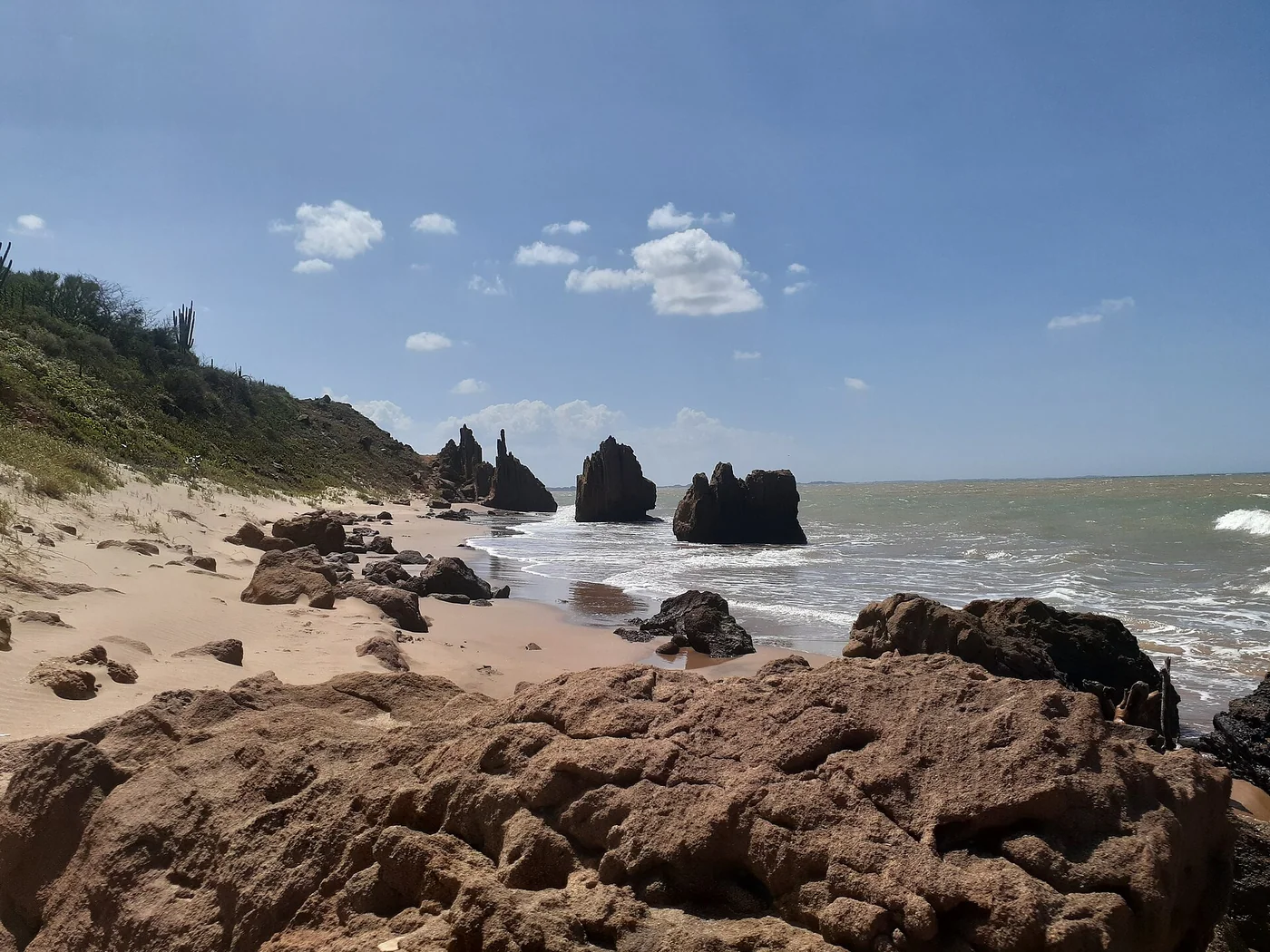
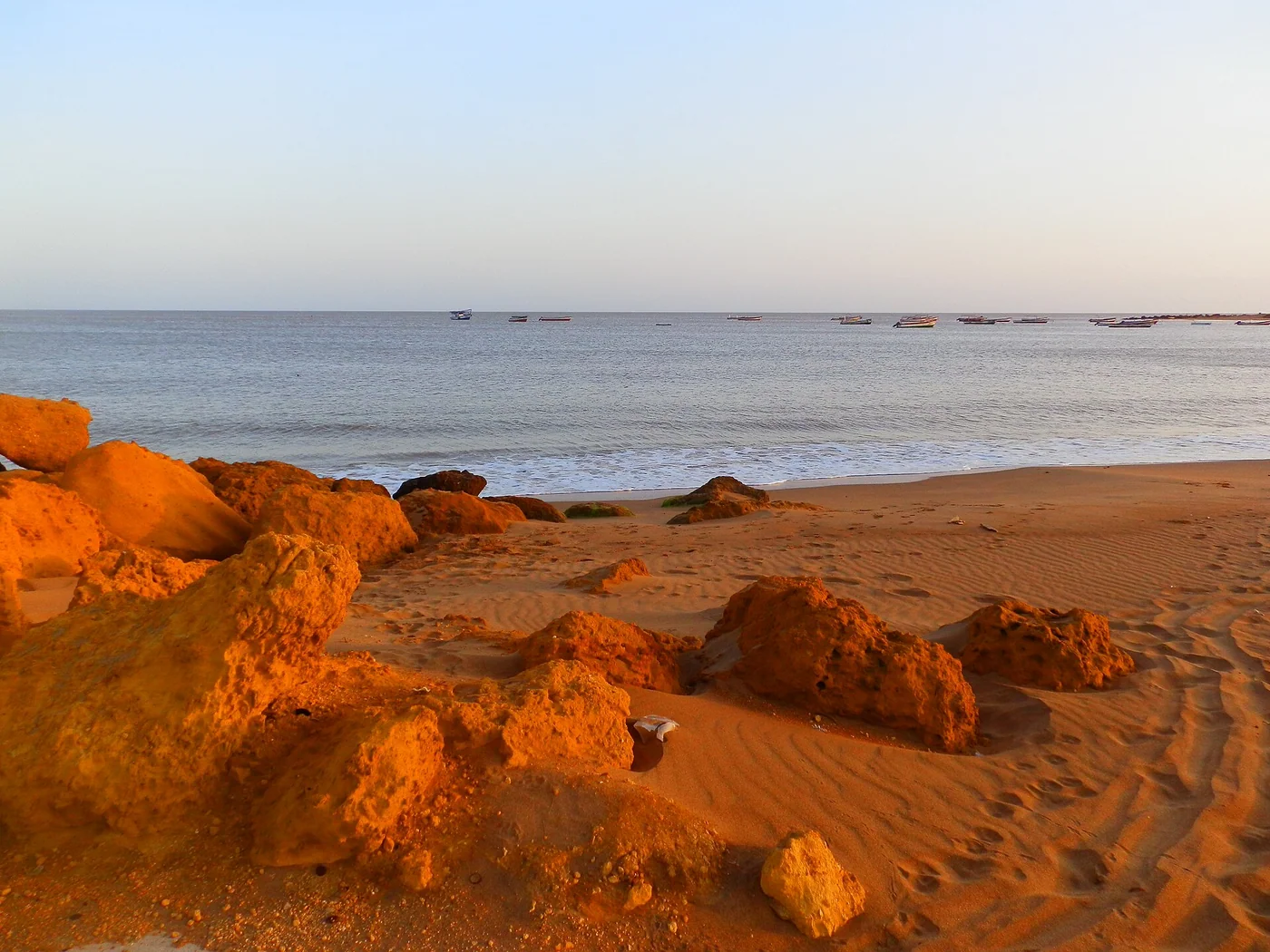
Public materials and practitioner notes commonly reference zones such as Paraguaná Peninsula (Falcón) — energy, petrochemical, tourism and port-logistics themes; Puerto Cabello–Morón (Carabobo) — industrial and port import/export orientation; and La Guaira — logistics and tourism themes near the main airport/port corridor. Other designations and authorities (including island and regional references in public communications) appear as policy evolves. Always confirm the current perimeter, permitted activities, and competent authority for the specific plot or project — maps and speeches are not title documents.


- Paraguaná Peninsula (Falcón) — energy, petrochemical, tourism, port logistics themes
- Puerto Cabello–Morón (Carabobo) — industrial and port import/export orientation
- La Guaira — logistics and tourism themes near the main airport/port corridor
Due Diligence Questions Specific to ZEE-Linked Projects
- Is the land or facility actually inside the legally delimited zone?
- What activity class is authorized, and does your plan match it?
- What agreement must be signed with the zone authority, and what KPIs trigger loss of benefits?
- Which incentives are operational today versus announced?
- What is the exit path if policy or management changes?
- How do ordinary municipal, labor, and environmental rules still apply?
- Who are the counterparties, and can they deliver permits on a bankable timeline?
For pure residential buyers in Caracas or Margarita, ZEE content is background macro context. For industrial, logistics, hospitality, or export-oriented capital, it belongs on the workplan next to corporate structure, FX, and sanctions/compliance screening.

How ZEE Policy Fits a Broader Venezuela Investment Thesis
ZEEs try to create pockets of clearer rules inside a complex national environment. History in many countries shows zones succeed only when logistics, power, customs execution, and contract enforcement work in practice — not only on paper. Venezuela’s zones should be underwritten with the same skepticism you would apply to any emerging-market incentive regime: model the project without incentives first; treat incentives as upside contingent on compliance. Training and international cooperation announcements (for example public notes on technical exchange programs) signal political attention, not guaranteed IRR. Underwrite operations, counterparties, and exit — then layer policy. The World Bank’s comparative guidance likewise emphasizes location, infrastructure, governance and implementation capacity rather than incentives alone.

Practical Path if You Are Evaluating a ZEE Project
Practical path: First, define the activity and capital stack in writing before chasing incentives. Next, confirm zone delimitation and permitted uses with counsel and the zone authority, then read LOZEE plus the May 2025 incentive resolutions as applied to your activity code. Model cash flows without reimbursements and add incentives only as contingent cases. Stress-test customs execution, power, labor, and logistics on the actual site. Align corporate, RIF, and banking setup with ordinary Venezuelan requirements — zone benefits do not erase baseline compliance. Finally, document exit and dispute options before first disbursement.


Foreign SMEs sometimes approach ZEEs as if they were residential tax shelters. They are not. They are industrial policy instruments. If your goal is a home in Caracas or Margarita, return to the property due-diligence and closing cluster instead of forcing a ZEE narrative onto a housing purchase.


How to read ZEE incentives without self-deception
Special Economic Zones are industrial-policy tools. Residential buyers in Caracas or Margarita rarely need a ZEE thesis to justify an apartment. Operators evaluating logistics, tourism projects, or manufacturing should model the project without reimbursements first, then treat LOZEE and the May 2025 incentive resolutions (Gaceta Oficial No. 43.124) as contingent upside that depends on agreements, KPIs, and segmented accounting. Confirm delimitation of the zone, permitted activities, the competent authority, and exit conditions before any land payment. Public training missions and political announcements signal attention; they are not a substitute for title, power, and customs execution on the specific site.


FAQ
Can a foreigner invest inside a Venezuelan ZEE?
Yes in principle — the LOZEE contemplates national and foreign private, public and mixed participation. Corporate and immigration structuring still apply; confirm with counsel.


Do ZEE benefits help me buy a home in Margarita or La Guaira?
Usually not in the way promoters imply. Residential purchases follow the ordinary property transfer rules. Zone incentives target productive projects.


Is the regime stable?
The law exists and secondary rules are being issued. Implementation is still relatively young. Factor regulatory and operational risk into any financial model.


Where should I start due diligence?
Independent Venezuelan counsel, the official decree creating the specific zone, current Ministry of Economy and Finance procedures for incentives, and conversations with existing operators.


If you are evaluating a concrete project inside or near a designated zone, contact Venezuela Advisor via the contact page. Initial conversations are complimentary and focused on whether the opportunity matches a realistic process path. Email: .
- National Assembly of Venezuela — Ley Orgánica de Zonas Económicas Especiales (LOZEE), Gaceta Oficial No. 6.710 Ext. (20 July 2022). — Primary source for the law’s purpose, status and date.
- IUSDATA — Incentives in Special Economic Zones, Gaceta Oficial No. 43.124 (9 May 2025). — Read summary of Resolutions 014-25 and 015-25.
- World Bank — The Dos and Don’ts of Special Economic Zones. — Comparative evidence on location, infrastructure, governance and implementation risk.
Incentive details and administrative practice evolve. Confirm critical legal and tax steps with qualified Venezuelan counsel before committing capital.
Questions or comments?
Leave us your message through the contact form — we will be glad to share our experience and help you with the next steps of your plans in Venezuela.
This guide is general orientation, not a guarantee of eligibility, safety or investment returns. For the scope of the October 2026 priority update, read our editorial policy.