
How to Get a RIF as a Foreigner in Venezuela (2026 Complete Guide)
This guide is written for non-residents, dual nationals in the diaspora, and foreign investors who need a practical, 2026-accurate path — not a paraphrase of a blog from 2018. It connects to the rest of the purchase cluster: due diligence, power of attorney, banking, and closing costs.

What the RIF Is and Why Foreign Buyers Need It
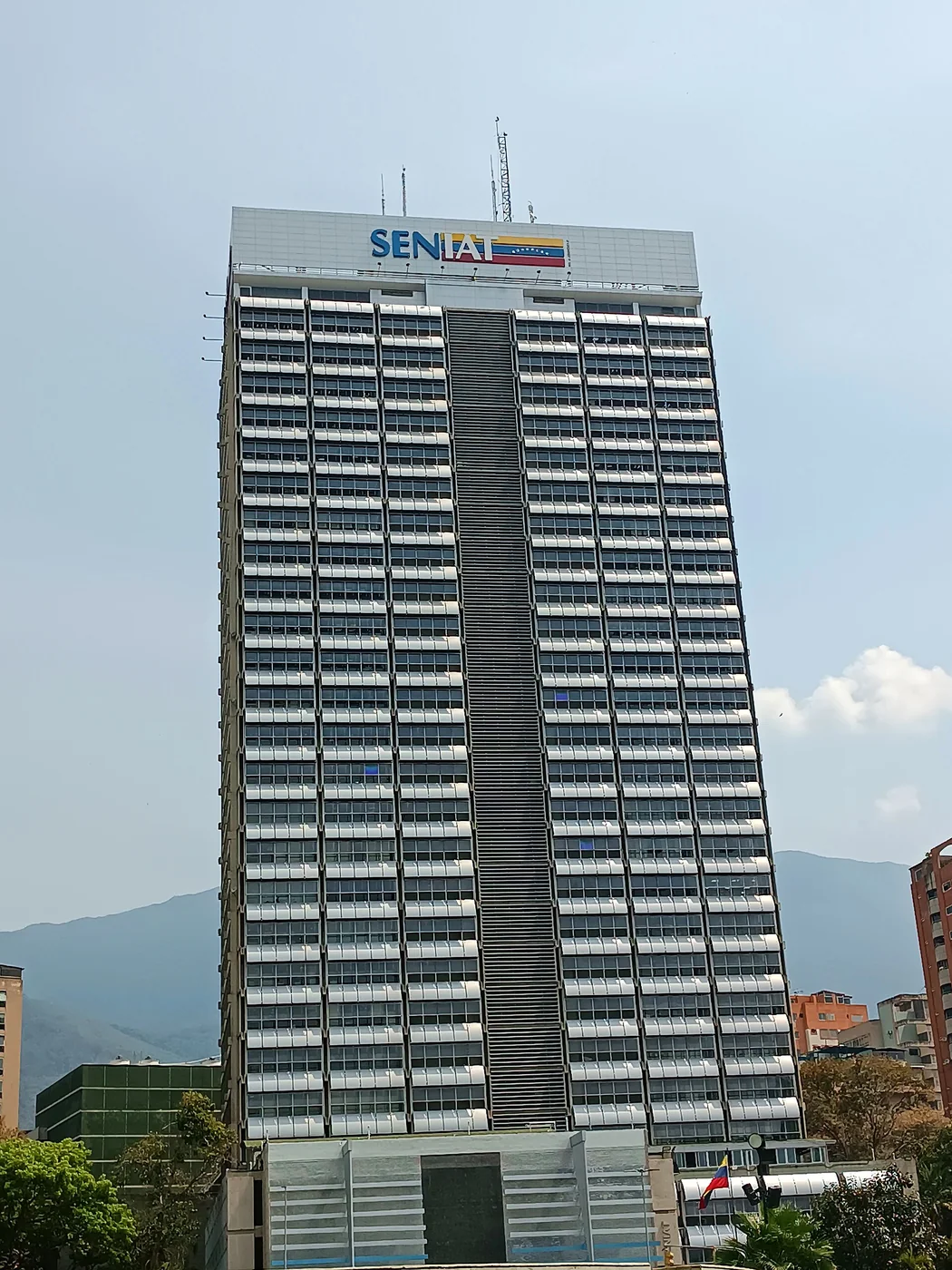
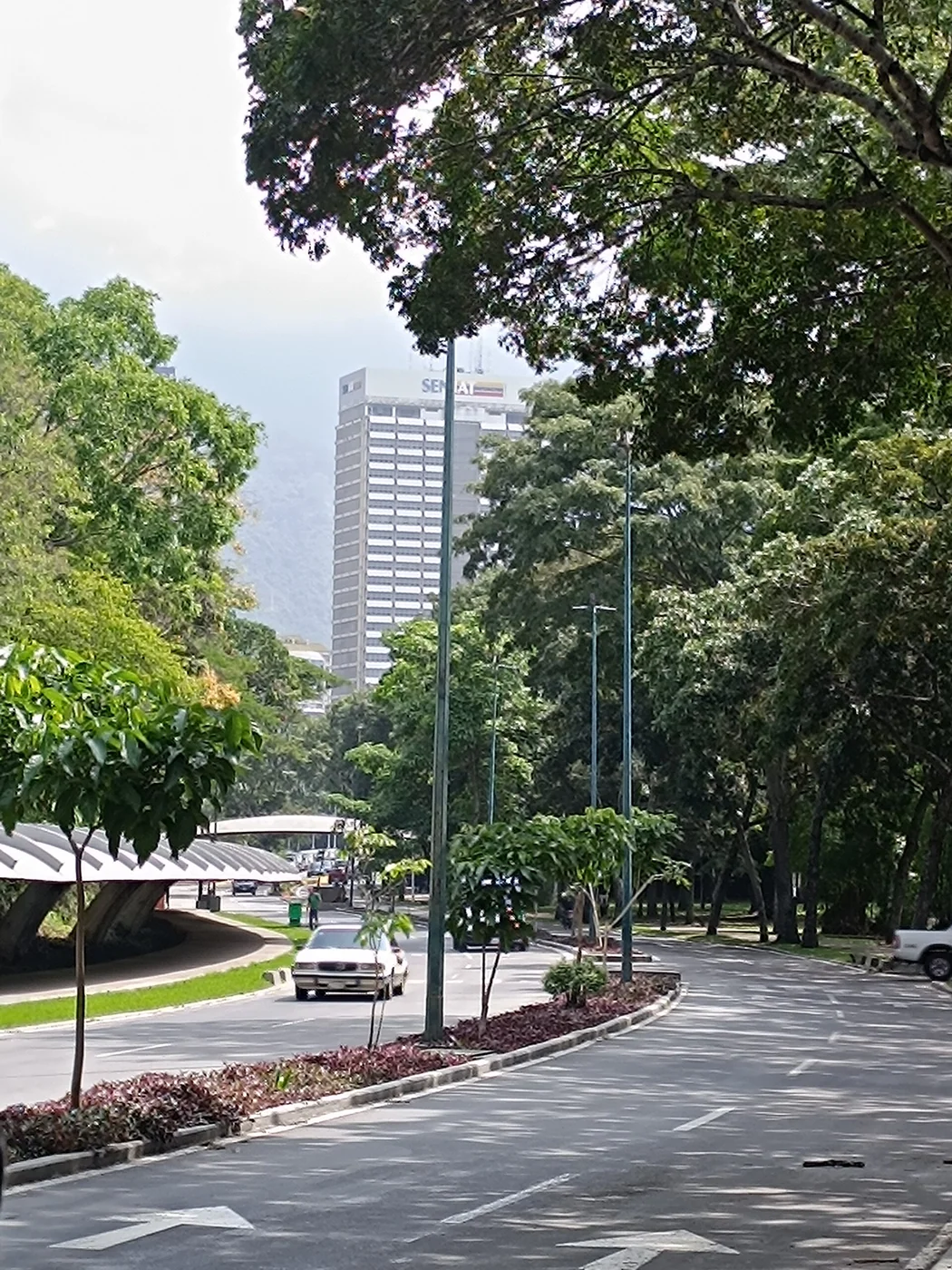
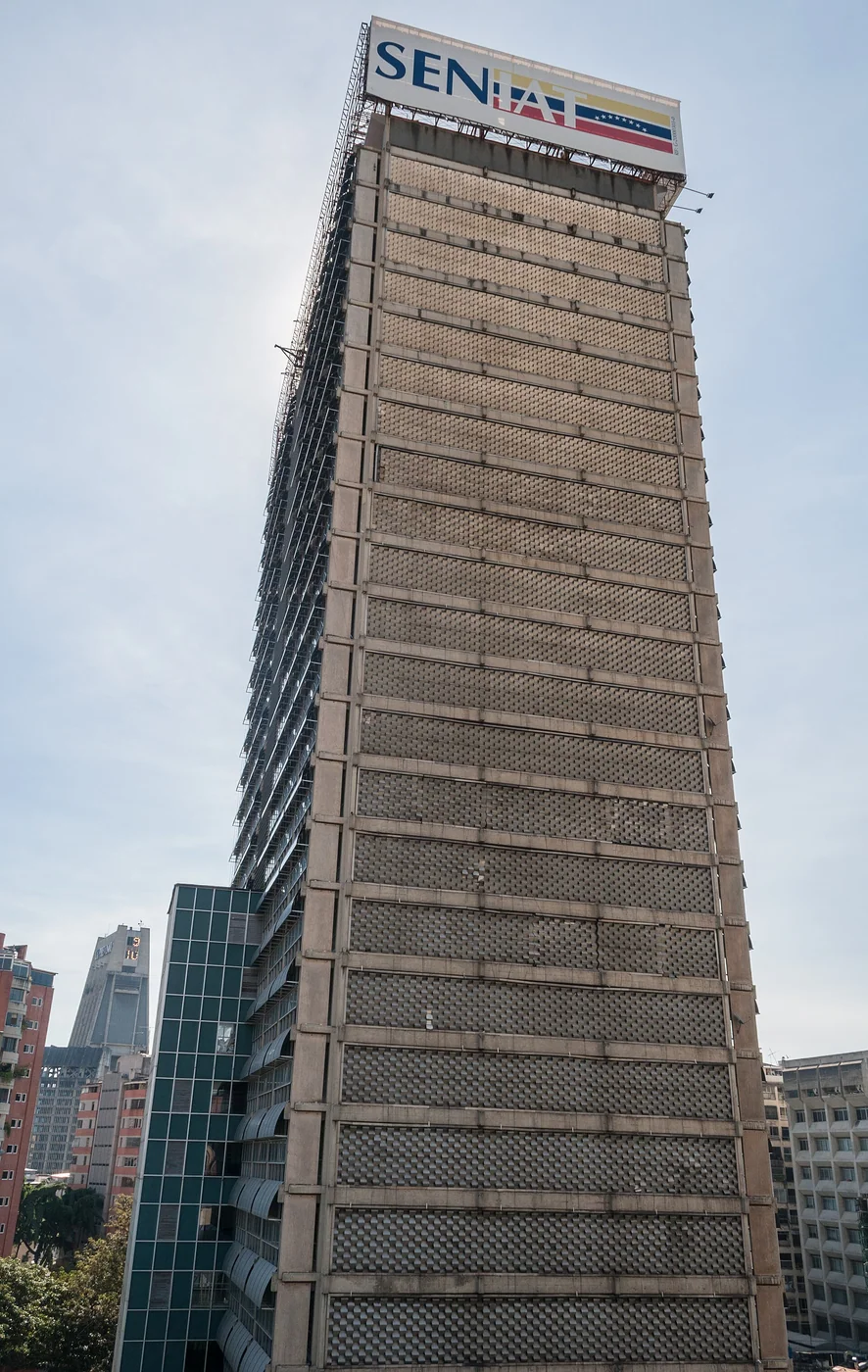
The RIF is Venezuela’s tax identification number administered by SENIAT (Servicio Nacional Integrado de Administración Aduanera y Tributaria). In practice it functions as the identifier that notaries, public registries, banks, and many municipal offices expect when a person formalizes ownership or financial activity; SAREN is the official registry-and-notary authority to check for current filing requirements. You can sometimes negotiate or inspect a property without a RIF, but a clean title registration, higher-function bank product, or correctly matched tax and registry file may require one. Treating the RIF as optional “paperwork for later” is a common way for remote purchases to stall at the notary or registry stage, so confirm the current checklist with counsel before signing.

Who Must Register — and Who Is Exempt — under SNAT/2026/00080
Providencia Administrativa SNAT/2026/00080, published in Gaceta Oficial No. 43.435 of 12 August 2026, reformed the RIF regime. Reporting by specialized tax and legal firms (including Forvis Mazars Venezuela and LEĜA Abogados) and by Acceso a la Justicia summarizes the obligation as follows: Read the Baker McKenzie summary, Moore Venezuela comparison, and LEĜA analysis alongside the primary text.


- Must register: natural persons, legal entities, and entities without legal personality that are taxpayers of SENIAT-administered taxes or that must complete procedures before the public administration; and non-residents who carry out economic activities in Venezuela or hold assets subject to tax in the country.
- Generally exempt: foreigners who enter temporarily as tourists or “transeúntes,” do not acquire resident status, and neither carry out economic activities nor hold assets in Venezuela; and minors without assets or economic activity of their own.
Buying real estate is the classic case where a non-resident crosses from “tourist exempt” into “asset holder / formal acquirer.” Do not assume a tourist entry stamp removes the need for a RIF if you are taking title. The reproduced text of SNAT/2026/00080 expressly lists this exception and its limits.


The same providencia sets a general expectation that registration be completed within 30 business days of the event that triggers the obligation (for example, start of activities or constitution of an entity). SENIAT may also register or update data ex officio. Article 5 of the published text of the providencia gives that 30-business-day period for obligated subjects.


What Changed in August 2026
The 2026 reform replaced the 2013 framework. The practical points that matter to foreign buyers: The change is also summarized in Baker McKenzie’s legal update.

| Topic | Before (legacy practice) | After SNAT/2026/00080 |
|---|---|---|
| Validity of the digital certificate | Typically 3 years, with renewal pressure | Permanent digital certificate; no periodic expiry solely for time elapsed |
| Channel for inscription / updates | Mixed practices over the years | Electronic channels of SENIAT as the formal path |
| Duty to update data | Existed | Still required when name, address, activity, representatives, or other listed events change (generally within one month of the event) |
| Display at business premises | Legacy display rules in older text | Display obligation as previously framed was not carried forward in the same way; focus is on correct electronic record |
Important nuance: “permanent” does not mean “ignore the portal forever.” An outdated address or identity mismatch can still block a notary, bank, or registry file even if the number itself has not “expired.” The continuing update duty is described in LEĜA’s analysis and the published text.

Documents and Data You Will Need
Exact screen fields on the portal can change, but foreign natural persons should prepare: SENIAT’s official online-services page lists the RIF inscription and digital-certificate routes; screen fields can change.
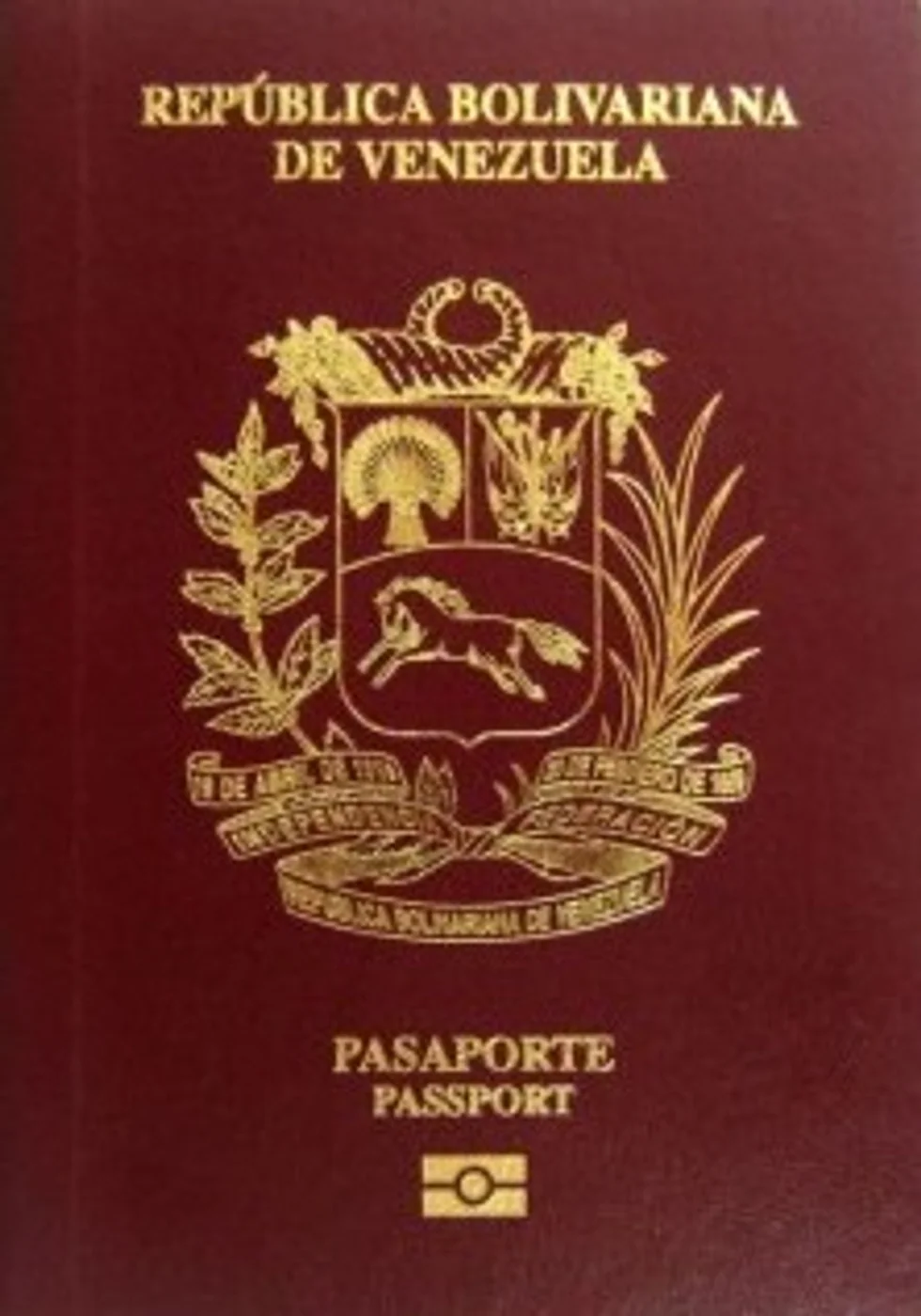

- Valid passport (number entered carefully; consistency with every later deed matters).
- Personal data: full legal name as in passport, date of birth, nationality, civil status.
- Contact email you control long-term.
- A tax domicile (domicilio fiscal) inside Venezuela — often the address of Venezuelan counsel for non-residents. Confirm with your attorney before inventing an address.
- If applicable: Venezuelan cédula data for dual nationals who hold one.
For representation: if someone else completes steps in Venezuela, you need a properly drafted power of attorney with express tax/RIF faculties — see the companion poder guide. Use the companion poder guide for that separate document question.

Step-by-Step: Online Registration
- Open the official SENIAT electronic environment (portal routes commonly referenced in 2026 practice include the SENIAT site and the declarations environment such as declaraciones.seniat.gob.ve). Prefer bookmarks from SENIAT’s own domain — not third-party “trámites” sites that charge for free public forms.
- Navigate to online systems / RIF inscription for a natural person, selecting the foreigner / passport path when applicable.
- Enter passport and personal data exactly as they will appear on the purchase deed.
- Load the Venezuelan tax domicile agreed with counsel.
- Submit and store confirmations, screenshots, and the digital certificate once available.
- confirm that the name string, passport number, and address will not conflict with the notary’s draft deed.
Portal availability, captchas, and validation rules change. Build buffer time before a fixed signing date. The official SENIAT online-services page currently lists inscription, RIF lookup, and digital-certificate lookup routes.


Obtaining a RIF from Abroad
Non-residents rarely complete every practical step without local help. Common pattern:


- Counsel defines domicilio fiscal and reviews the draft poder if representation is needed.
- You execute a limited power with explicit authority for SENIAT/RIF acts (and usually for the property purchase in the same or a parallel instrument).
- Apoderado completes portal and any in-person follow-up the current practice requires.
- You receive the digital certificate and keep it with the closing file.
Do not sign a broad “poder general” only because it seems faster. Registries and notaries care about specific faculties.

Tax Domicile in Venezuela for Non-Residents
SENIAT processes expect a Venezuelan address on the file. Foreign buyers typically use counsel’s office address or another address counsel accepts in writing. Using a random hotel or a friend’s apartment without agreement creates update and notification problems later. Align this choice with the same attorney who will appear at the notary.


Common Rejection Points and How to Avoid Them
| Problem | Why it hurts | Mitigation |
|---|---|---|
| Name mismatch passport vs deed vs RIF | Notary/registry friction | Copy passport machine-readable data exactly |
| No Venezuelan address strategy | Portal or file incomplete | Agree domicilio fiscal with counsel first |
| Paying unofficial “gestores” for the RIF number itself | Fraud / delay risk | Natural-person inscription is free at SENIAT; pay only for legitimate legal work |
| Assuming tourist status = never need RIF | Blocked at purchase formalization | Title acquisition is not a pure tourist act |
| Stale data after a move or status change | Bank/notary rejects file | Update within the providencia’s update windows when events occur |
How the RIF Fits into a Property Closing
Typical sequence for a remote foreign buyer: Confirm the registry/notary sequence against SAREN’s official site before fixing a signing date.


- Due diligence on title and seller.
- RIF obtained or confirmed.
- Poder especial if you will not sign in person.
- Notary instrument and SAREN registration with RIF on the parties’ identification block.
- Banking for post-closing expenses if needed.
Skipping the RIF until “after we agree the price” often means rediscovering it as a critical-path item one week before a travel booking or wire deadline.


Costs, Timelines, and What “Free” Really Means
- SENIAT fee for natural-person RIF inscription: free on the official channel (do not confuse with attorney fees).
- Attorney / representation: market rates vary; agree scope in writing (RIF only vs RIF + purchase).
- Timeline: electronic issuance can be relatively fast when the portal and data cooperate; build days to a few weeks of buffer for remote cases, apostille logistics, and re-entry of rejected fields.
Illustrative ranges are planning tools only — not quotes.
Checklist Before You Start
- Confirm you actually need a RIF for the planned act (purchase, banking, company, etc.).
- Scan passport bio page; agree exact name string with counsel.
- Agree Venezuelan tax domicile in writing.
- Decide in-person vs apoderado path.
- If apoderado: draft poder with express RIF/SENIAT faculties.
- Use official SENIAT electronic channels only.
- Store the digital certificate and portal confirmations in the closing binder.
- Calendar any future update triggers (address, activity, representation changes).
RIF, Banks, and Notaries: Three Different “Valid” Checks
Foreign buyers often assume that once the portal shows a number, every institution will accept the file. In practice three different gatekeepers apply their own checklist: SAREN’s site is the appropriate official starting point for its current registry-and-notary network.

- SENIAT cares that you are inscribed and that update events are respected.
- Banks care about KYC: passport, RIF, sometimes proof of address and income, and whether your product is Level 1 or Level 2 under Sudeban-oriented practice.
- Notaries and SAREN care that the identity block on the deed matches passport and RIF strings and that the buyer has capacity to acquire.
A RIF that is “fine” at SENIAT can still be rejected by a bank officer if supporting KYC is thin, or delayed at a registry if the name order differs from the passport. Build one master identity pack (passport scan, RIF certificate, address strategy, poder if any) and reuse it everywhere instead of reinventing the file for each office.
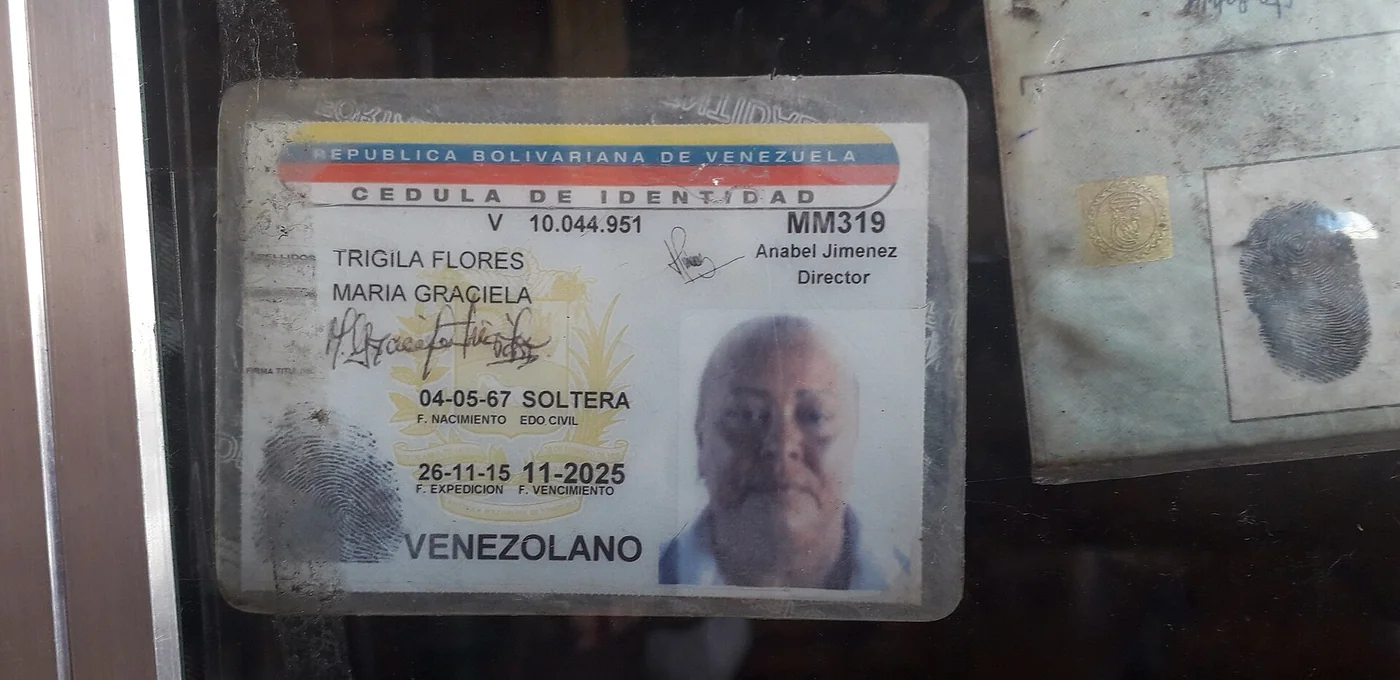

When dual nationals hold both a foreign passport and a Venezuelan cédula, decide with counsel which identity will be used on the deed and keep RIF, poder, and bank files consistent with that choice. Mixing identifiers mid-transaction is a frequent source of re-drafts.

FAQ
Is the RIF still valid for only three years?
No. Under SNAT/2026/00080 the digital certificate is permanent, but data must be updated when relevant changes occur. Can a pure tourist without assets skip the RIF?
Generally yes under the providencia’s tourist/transeúnte exception—unless the person carries out economic activities, holds taxable assets, or undertakes an operation that requires registration.


Is inscription free?
Natural-person inscription through SENIAT’s official electronic process is free. Legal assistance is optional but often necessary for non-residents and is a separate cost. Can I finish everything from abroad?
Much of the portal work is electronic; practical success for non-residents usually still involves Venezuelan counsel and, when required, a proper power of attorney.


Where do I confirm official information?
Start from SENIAT’s own online-services page and the text of SNAT/2026/00080. Secondary legal summaries help interpretation but do not replace the primary text or counsel.

If you need coordination of RIF + poder + closing for a specific property, contact Venezuela Advisor via the contact page. Initial conversations are complimentary. Email: .
Questions or comments?
Leave us your message through the contact form — we will be glad to share our experience and help you with the next steps of your plans in Venezuela.
Sources used: Providencia Administrativa SNAT/2026/00080, Gaceta Oficial No. 43.435 (12 August 2026) — RIF reform (permanent digital certificate; electronic inscription/updates; obligated and exempt subjects; update duties). Official SENIAT electronic channels (seniat.gob.ve, declaraciones.seniat.gob.ve). Professional summaries: Forvis Mazars Venezuela insight on SNAT/2026/00080; LEĜA Abogados note on RIF reform; Acceso a la Justicia analysis of the same providencia. Practical patterns from foreign/diaspora purchase files in Caracas and Nueva Esparta (2025–2026). Portal UX and subsidiary requirements can change without notice; confirm critical steps with Venezuelan counsel before relying on this guide for a fixed closing date.

References
- SENIAT online services — official inscription, lookup, and certificate routes.
- Providencia SNAT/2026/00080 reproduced text — registration subjects, exemption, 30-business-day timing, electronic channel, and update duty.
- Baker McKenzie: Venezuela: SENIAT Amends the Ruling Governing the RIF — independent legal summary of the 2026 amendment.
- Moore Venezuela: Reforma de la Providencia del RIF — comparison with the superseded text.
- LEĜA Abogados: Reforma del RIF 2026 — independent explanation of permanence, updates, and removed display duties.
- SAREN — official registry-and-notary authority portal.
This guide is general orientation, not a guarantee of eligibility, safety or investment returns. For the scope of the October 2026 priority update, read our editorial policy.