
Investing in Venezuelan Real Estate as a Foreigner or Member of the Diaspora: Complete Guide
Why now is the moment to pay attention to the Venezuelan market
I've had enough conversations with foreign buyers to recognize the same pattern every time: they arrive skeptical, make their first trip to Caracas convinced they'll find a city frozen in time, and leave asking why no one had seriously told them about this before.
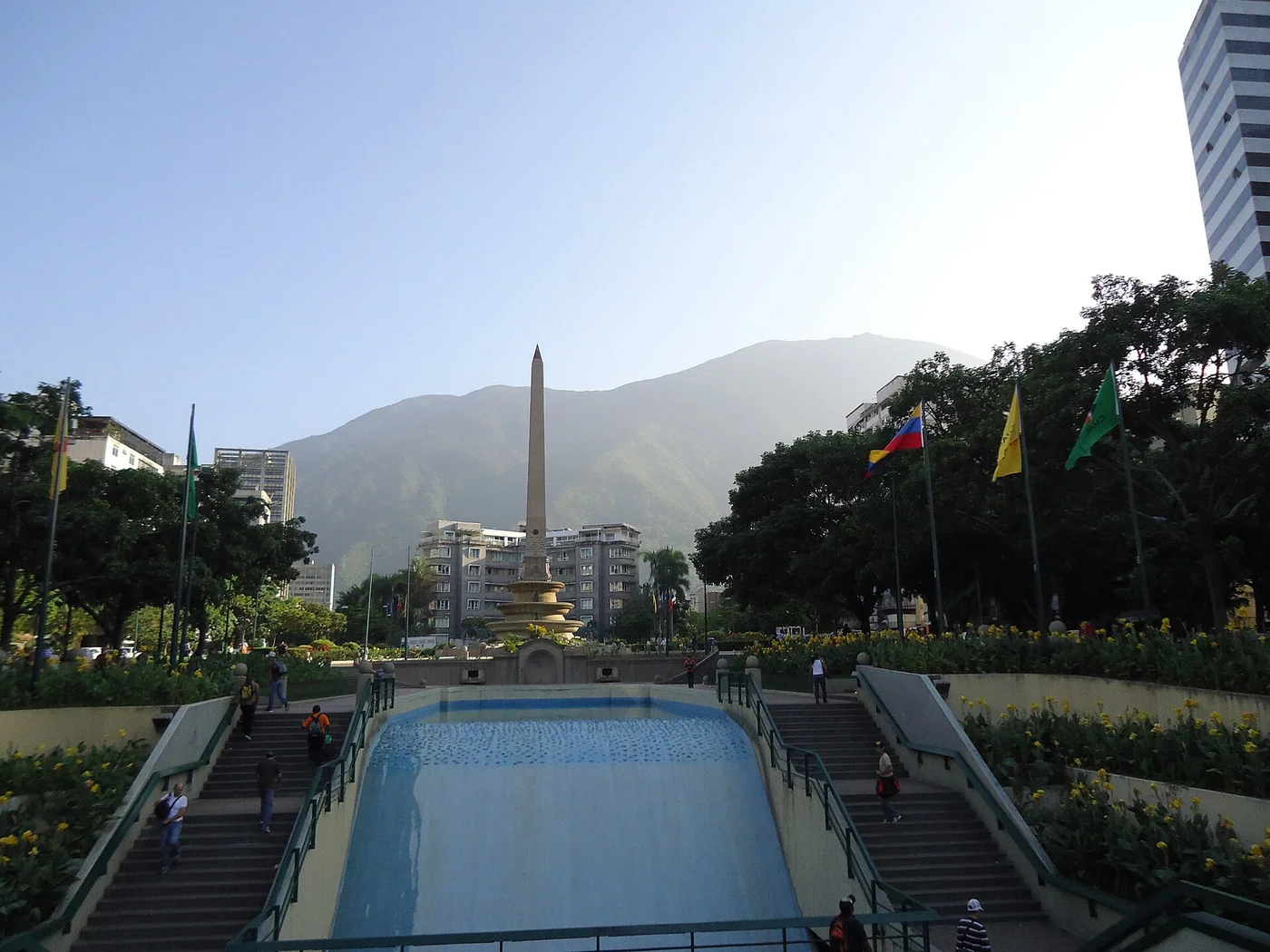

The underlying reason isn't a political promise or an optimistic headline. It's geology and demographics. Venezuela holds one of the world's largest oil reserves according to OPEC, and at the same time has a diaspora of several million people — UNHCR's Venezuela situation page reports nearly 7.9 million people have left the country according to government figures — who maintain family, financial, and emotional ties to the country. That combination doesn't repeat in any other real estate market in the region.
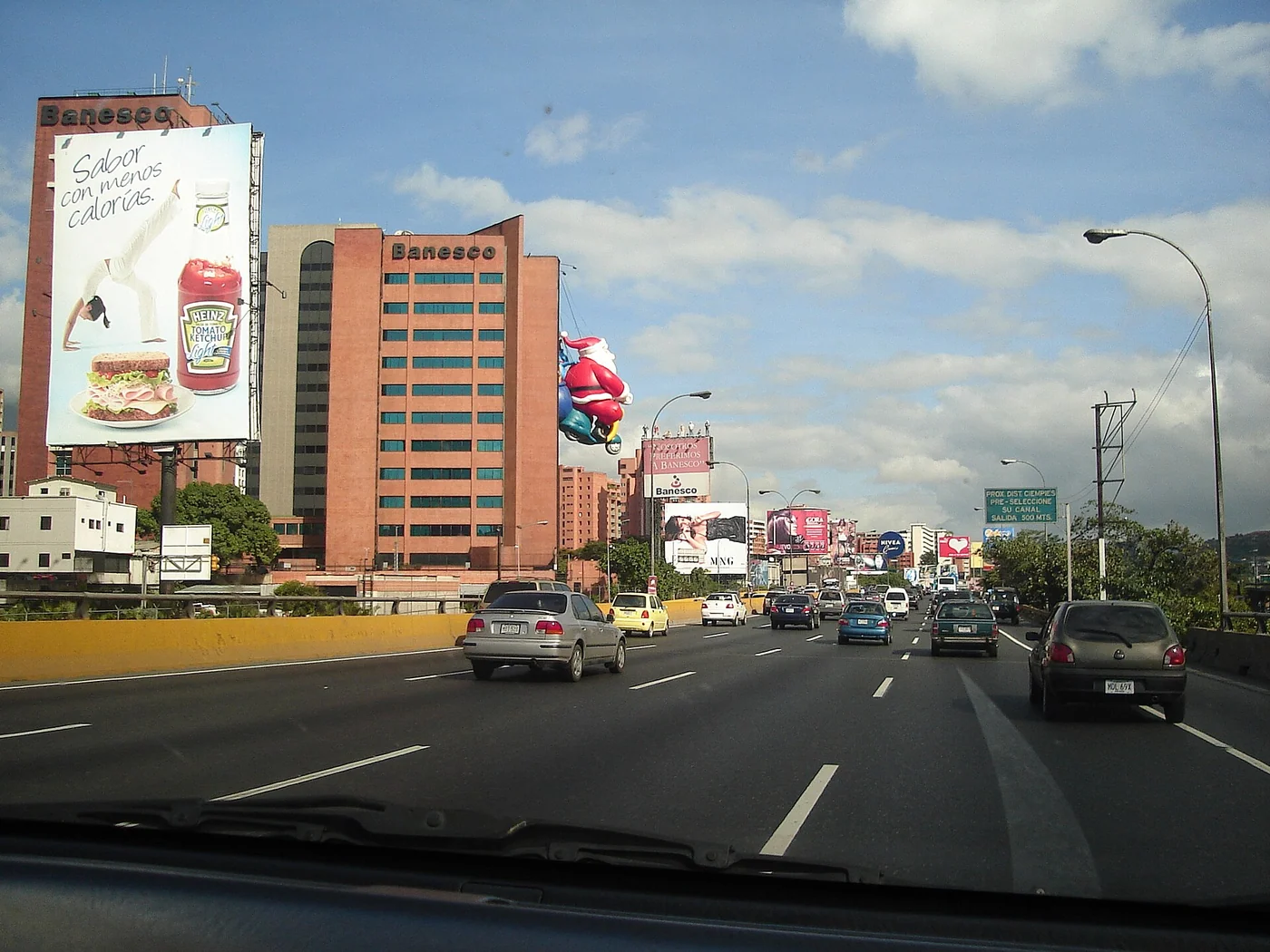

Add to that a fact that surprises nearly every buyer I work with: asking prices per square meter in Caracas's most established neighborhoods — Altamira, La Castellana, Los Palos Grandes — are often discussed as a fraction of comparable properties in Bogotá or Panama City. This is a market observation, not an audited citywide statistic. It reflects years of capital flight and a seller base — many of them Venezuelans residing abroad — who may prioritize liquidity over maximizing sale price; obtain dated, property-level comparables before relying on it.

How Caracas compares to other capitals: infographic
Before getting into the legal process, it's worth seeing for yourself the scale of the price gap mentioned above. The comparison that follows is an editorial planning illustration using indicative price-per-square-meter ranges in residential zones of comparable category (established neighborhoods, good infrastructure, high local demand), not a live valuation or a substitute for dated local comparables.

Approximate price per m² — established residential zones (USD)
Illustrative ranges only — confirm exact, current figures with dated comparables before citing them as definitive in any marketing material.

Who can buy? The short answer and the fine print
The short answer: yes, a foreigner can generally own real estate in Venezuela. A current comparative legal guide from Travieso Evans Arria & Rengel says foreign individuals and companies can generally own and occupy real estate, while noting that Registries and Notaries may require prior registration or verification of a foreigner before SAREN. Treat that as a starting point for counsel's confirmation, not a guarantee that every transaction follows the same path.

The fine print is what actually decides whether your purchase closes smoothly or drags on. Before signing or presenting a deed, resolve the identity, tax and immigration documents applicable to you. The checklist below is a practical sequence, not a universal registrar guarantee: requirements can change, so confirm them with your attorney and the relevant authorities, including the Hague apostille guidance, SENIAT and SAIME.

- Identity document and, when required, apostille. Bring the original passport and any notarized copy requested for the transaction; the HCCH explains that an apostille authenticates the origin of a public document for use abroad.
- Venezuelan RIF (tax ID). Ask SENIAT for the current registration path and documentary requirements; do not rely on an old checklist or assume an attorney address will be accepted without confirmation.
- Immigration status compatible with the transaction. SAIME publishes category-specific requirements; do not assume that a tourist stay authorizes every property-closing act. Have counsel confirm the status and documents required for your exact transaction.
The mistake I see first-time buyers make most often is starting to search for a property before this trio of documents is settled. It ends up creating artificial urgency at the negotiating table that never favors the buyer: when identity, tax or immigration paperwork becomes urgent mid-negotiation, the seller notices, and your bargaining position weakens exactly when you need it most.

What if I just want to buy, without living in Venezuela?
It's a question I get often, and the short answer is yes, it can be possible — but remote execution does not remove identity, immigration, power-of-attorney, notarization or registration checks. SAIME's published foreigner-service pages show category-specific requirements, while SAREN lists offices and in-person contact channels; many of my clients complete the purchase process during one or two concentrated trips to the country, leaving property management — if it's for rental — in the hands of a trusted local manager.

The six steps of a purchase, in the right order
Settle your documentation before falling in love with a property
Apostilled passport, RIF, and the applicable immigration process underway. In that order, and before — not during — your active search. The HCCH's Apostille Convention guidance explains the purpose of the apostille; the tax and immigration steps still need current confirmation from SENIAT and SAIME. Buyers who do this backward end up compromising their ability to negotiate calmly.

Hire your own attorney — never the seller's
The seller's attorney has a fiduciary duty to their client, not to you. I've seen buyers save five hundred dollars in legal fees and lose several thousand over a title chain nobody reviewed independently. Hire counsel who represents your interests and can explain the registry record in plain English.


Review twenty years of title history
Not two, not five: review the full available title history. Undeclared inheritances, poorly recorded transfers from an earlier registry period, and title defects from old transactions are risks a buyer should test rather than assume away. Deloitte recommends verifying ownership and legal status in the corresponding Real Estate Registry and obtaining the relevant municipal solvency document before proceeding.

Sign an Option to Purchase that protects you
The document should condition the transaction on a clean lien or encumbrance certificate, current municipal solvency certificates, and a satisfactory title chain — before any deposit becomes payable to the seller. Deloitte describes the purchase option as the instrument that sets the price, payment form, final-sale date and deposit terms; have your own attorney draft or review the version you sign.
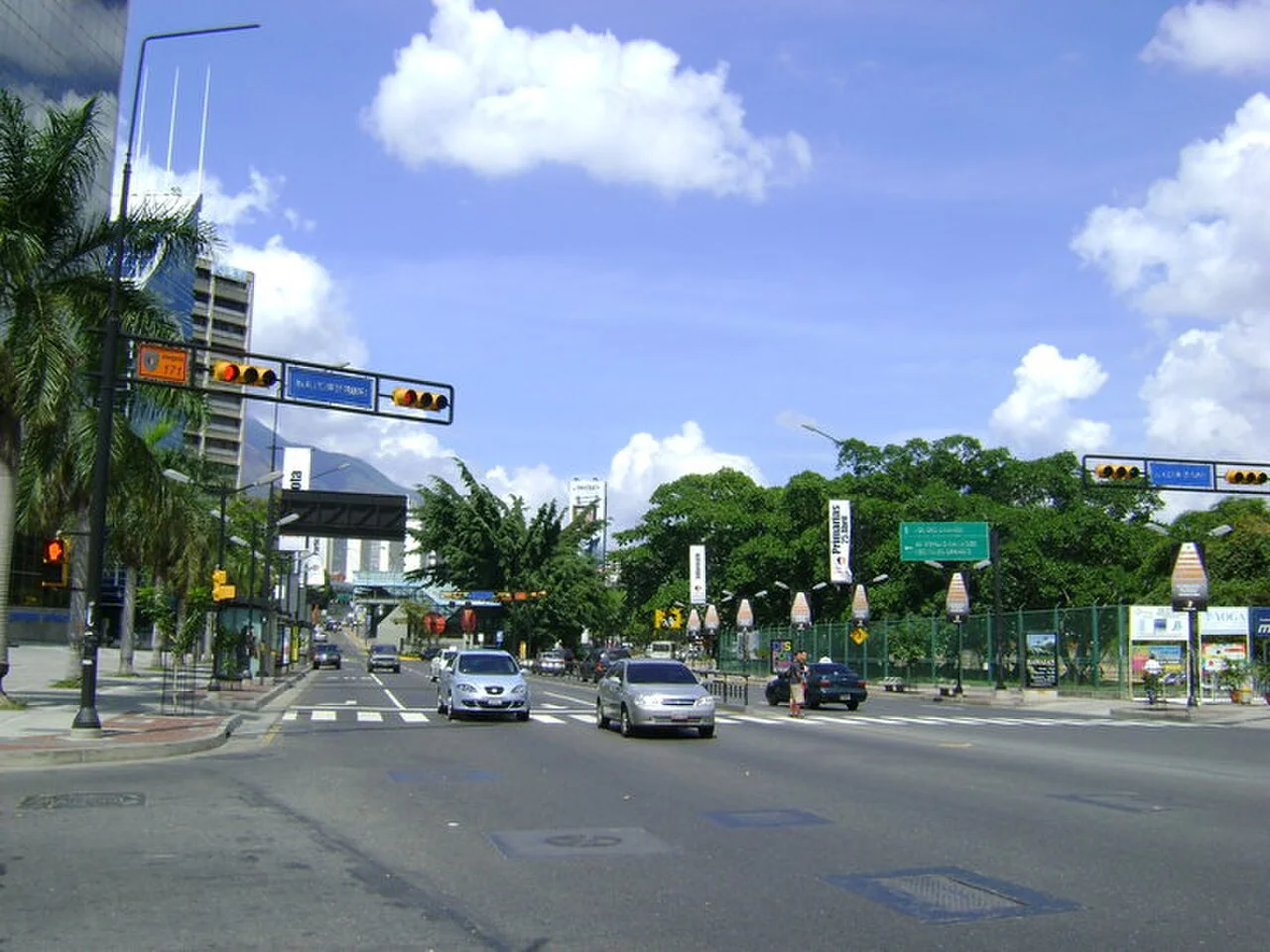

Transfer funds through an already-validated channel, not an improvised one
See the dedicated section below. This is, in my experience, where most transactions get delayed unnecessarily, almost always from lack of prior planning rather than bad faith from either party. Confirm the sending bank, receiving account, source-of-funds file and fallback before signing the purchase option.

Notarize and register — the notary is not the last step
The deed must be recorded at the corresponding Real Estate Registry. Deloitte explains that the notarized purchase-sale document must be registered with the corresponding Subordinate Registry Office; UNODC's Venezuela registry directory describes Public Registries as handling registration and protocolization of acts and legal transactions affecting real estate. SAREN's official site lists its offices and contact channels; without confirmed registration, do not treat a notarized paper as the end of the process. Your attorney should actively follow up until final registration is confirmed.
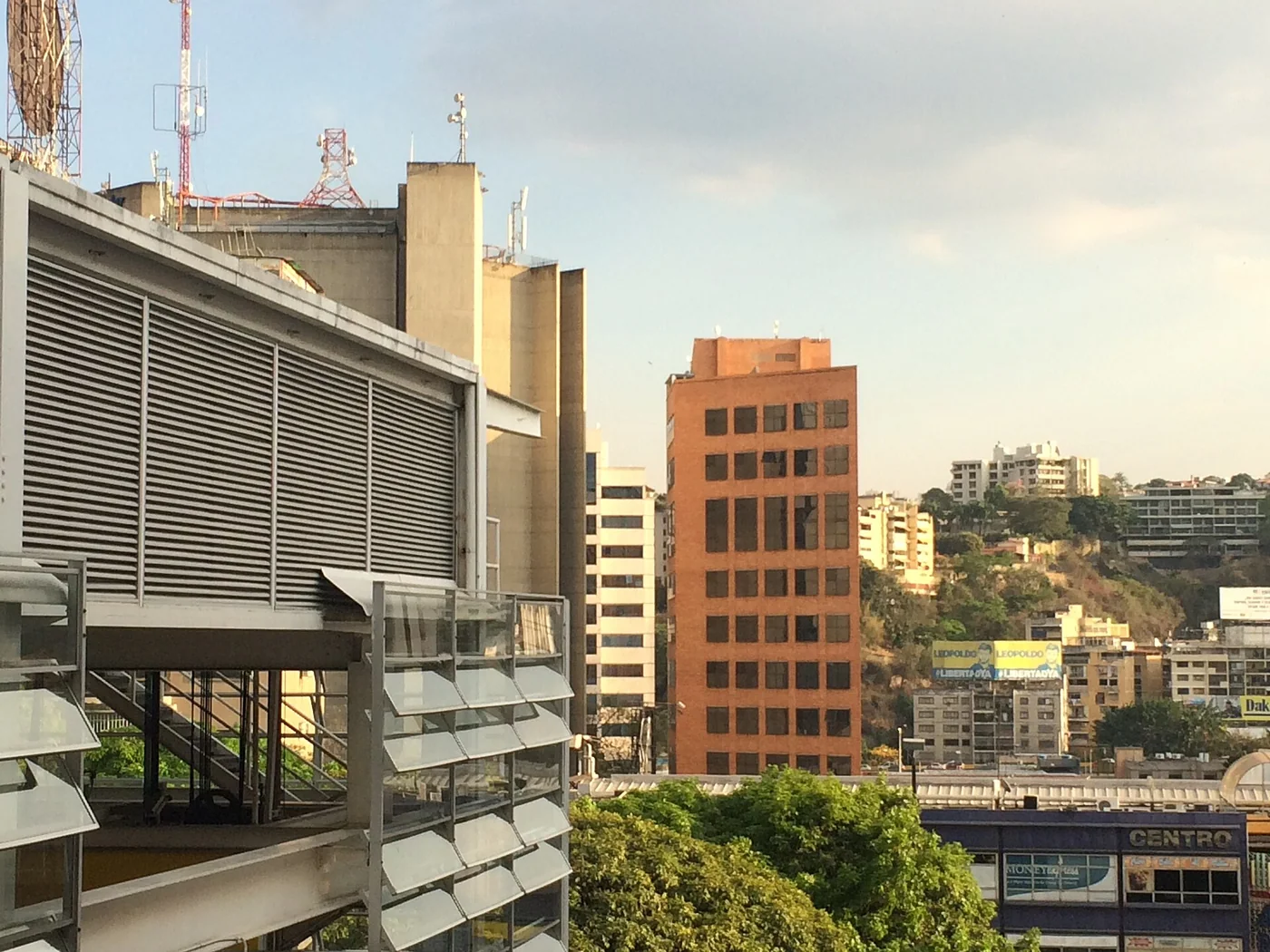

Three buyers, three budgets: real total-cost examples
To make this less theoretical, here are three buyer profiles I've worked with, along with an illustrative total closing-cost model — not just the list price — in each case. I use an estimate of 8% for registration (SAREN), 1.5% legal fees, and 1% municipal tax split 50/50, as a planning scenario described in more detail in our closing costs guide. These are not statutory quotes: Deloitte notes that taxes, fees and registration costs vary with the transaction and location, so obtain a current written estimate before signing.

| Profile | List price | Total closing cost (buyer) | Recommended real budget |
|---|---|---|---|
| Young professional, 1-bed apartment in Los Palos Grandes | US$68,000 | ~US$7,200 (10.6%) | US$78,000 |
| Returning family, 2-3 bed apartment in Baruta | US$150,000 | ~US$15,900 (10.6%) | US$172,000 |
| Investor, premium apartment in Altamira | US$310,000 | ~US$32,900 (10.6%) | US$355,000 |
The pattern repeats across all three cases: the buyer who arrives with a budget matched exactly to the list price can discover the shortfall at the worst possible moment — during closing, once they've already negotiated and already fallen in love with the property. In this illustrative model, budgeting that additional 10%-11% from day one is simply a planning assumption; confirm the actual percentages for the property and municipality.
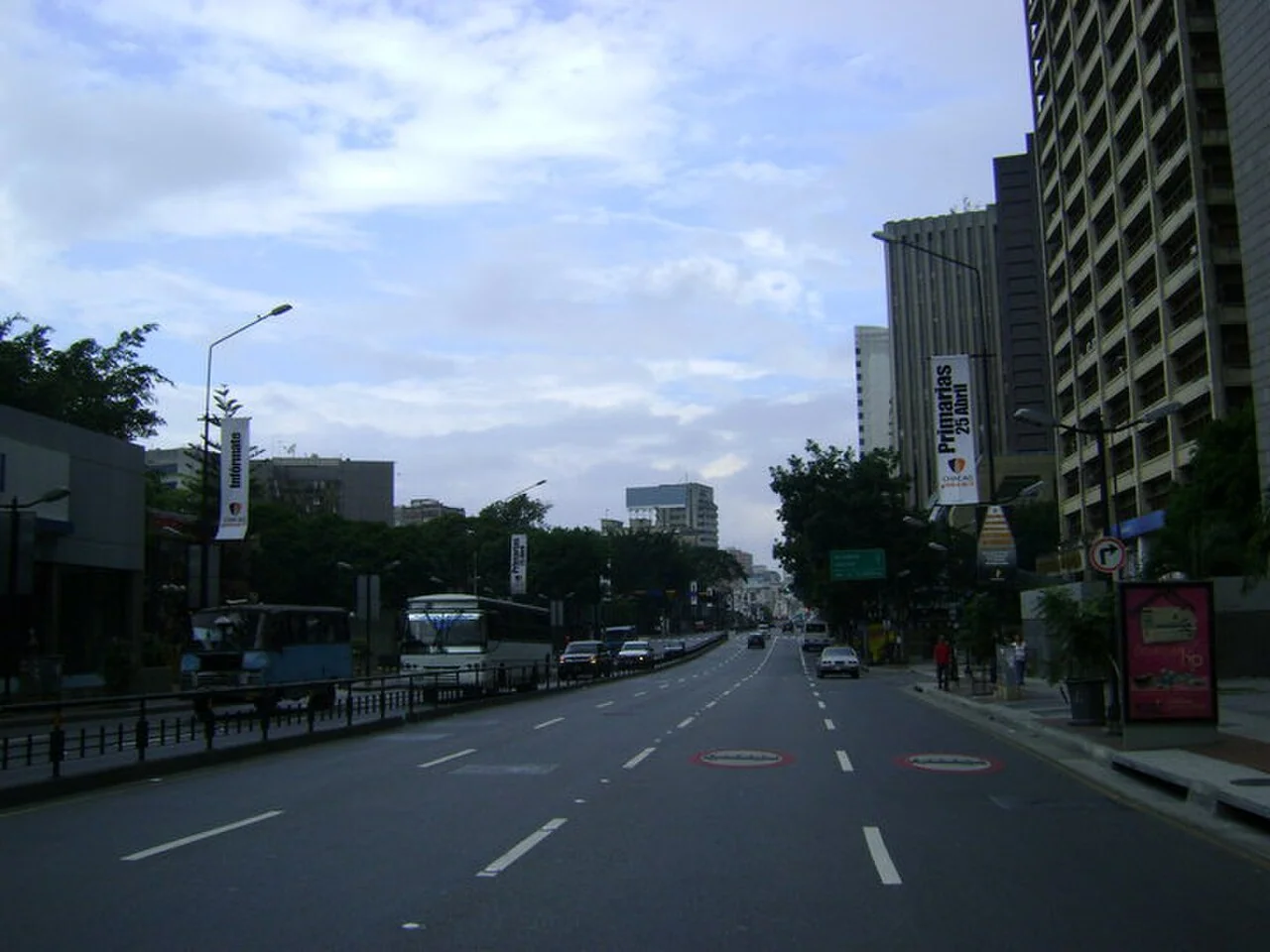

How your money enters the country without getting stuck halfway
A comparative real-estate guide says loans for foreign companies can be challenging or even impossible in Venezuela, so many buyers plan around cash or separately arranged financing. The question isn't only whether you can pay, but how you structure that transfer before signing anything. If a U.S. person or U.S.-linked bank is involved, screen the parties and institutions carefully: OFAC says Venezuela-related prohibitions apply to blocked persons and entities and advises caution.
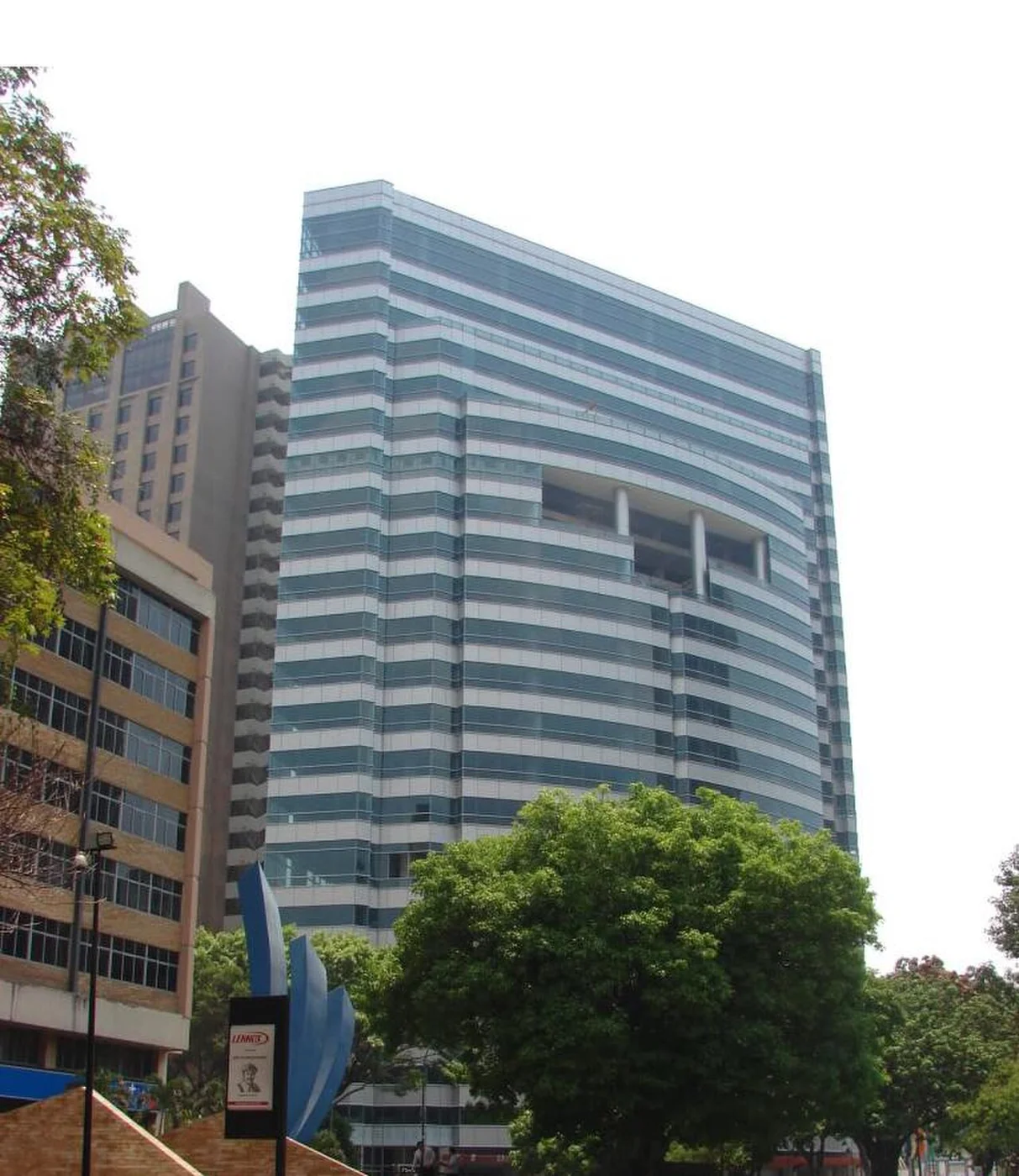

- International bank wire in dollars: viable, but your originating bank may require source-of-funds documentation that's better resolved weeks in advance, not on closing day.
- Seller's offshore account: a common mechanism in transactions between foreigners, always documented in the Option to Purchase.
- Regulated financial instruments and digital assets: some transactions may involve stablecoins or other digital assets, but any such route needs enhanced source-of-funds and sanctions review; the buyer must document the origin and final destination of funds and obtain jurisdiction-specific advice.
Where to buy: a first look at the eastern municipalities
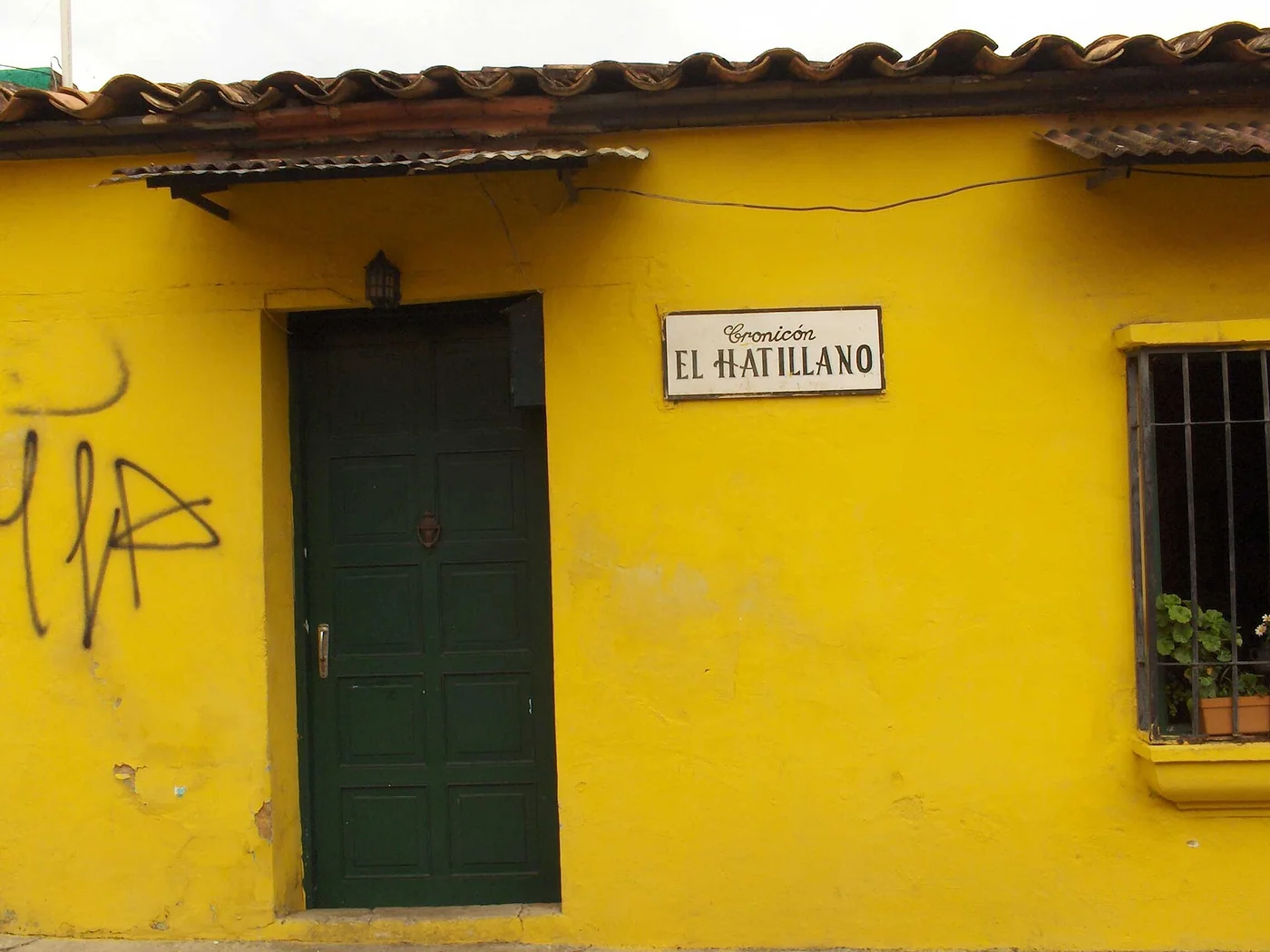
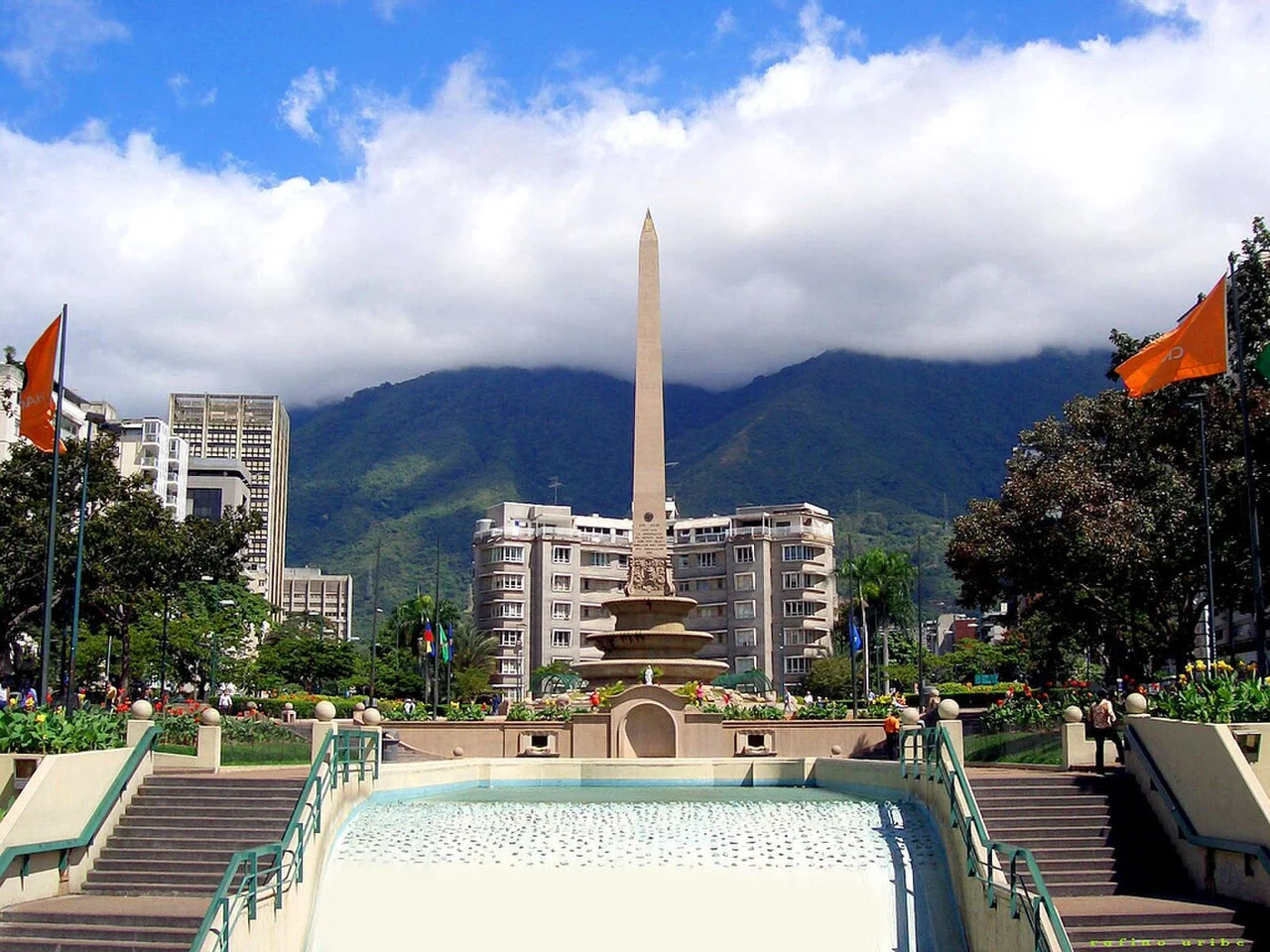
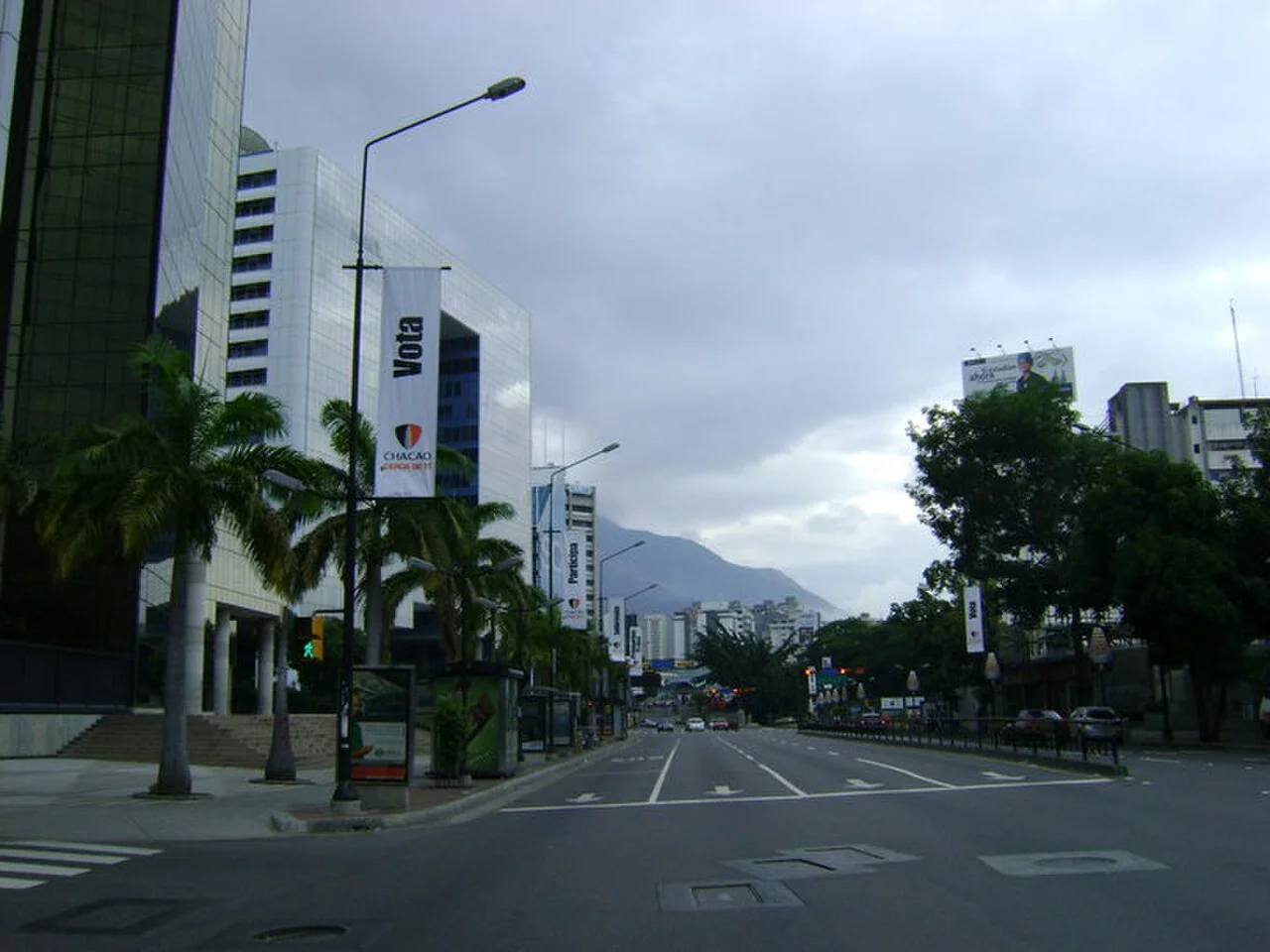
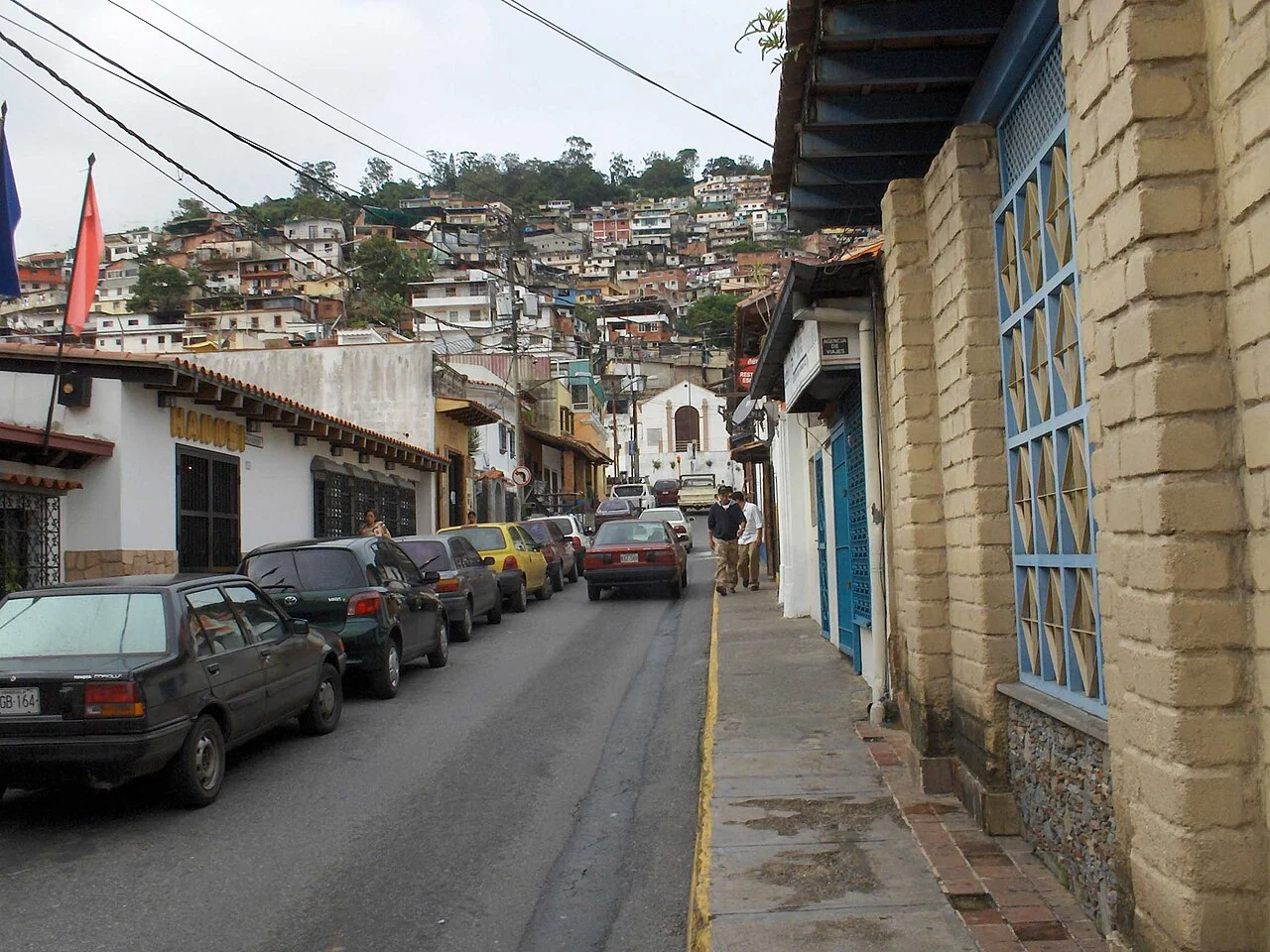
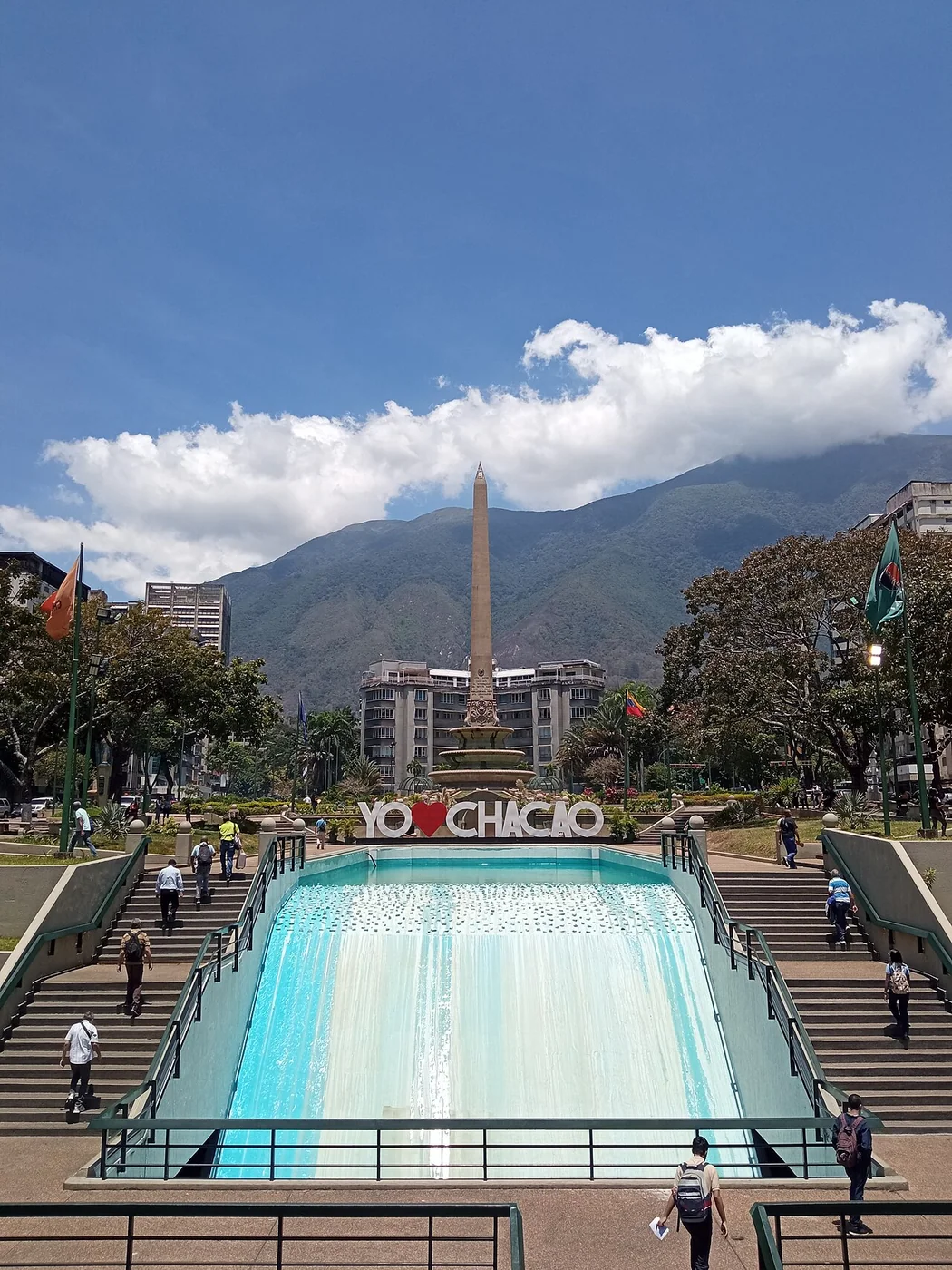
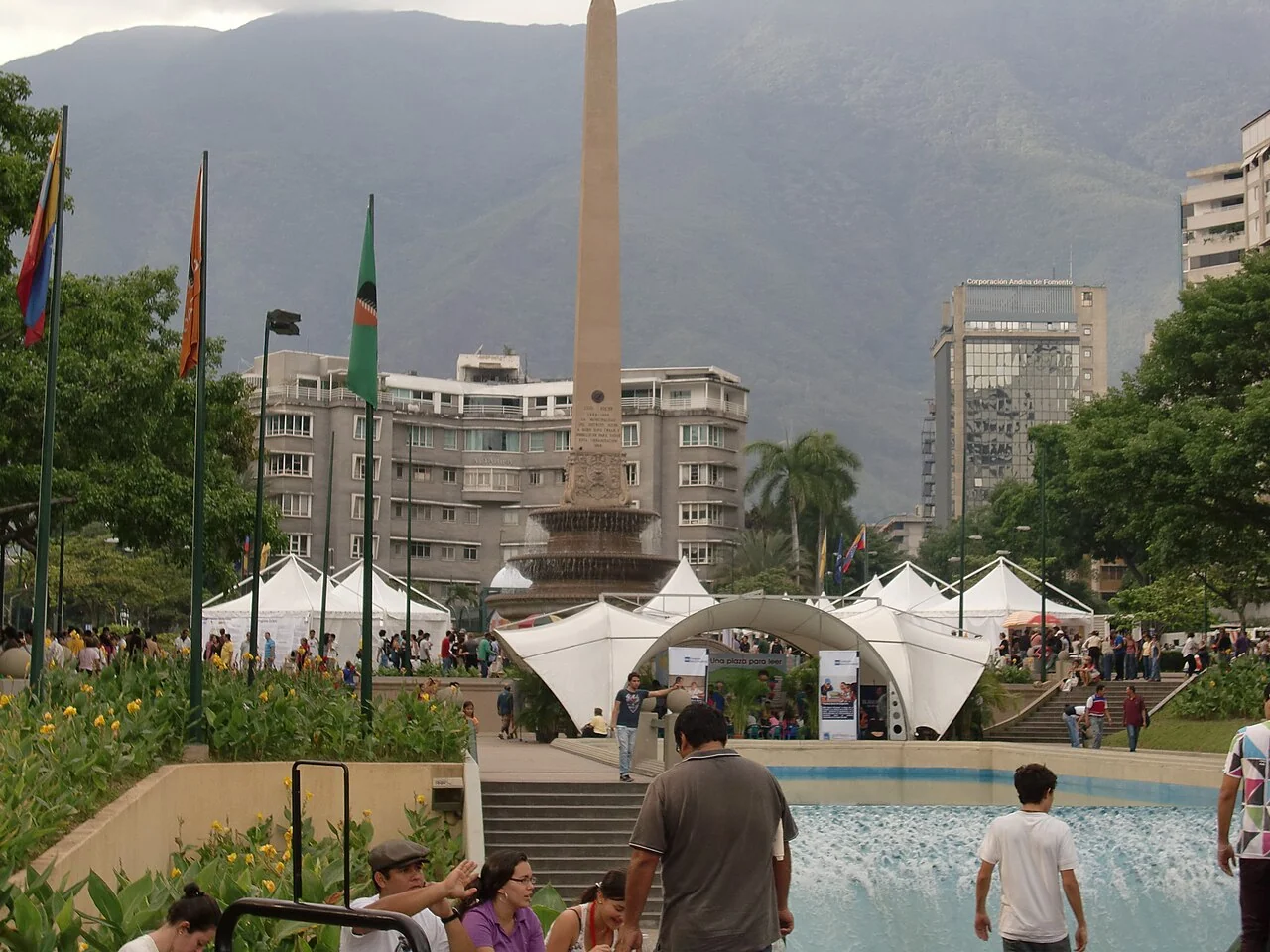
Although we dedicate a full guide to this topic, no buyer should start their search without at least a basic mental map of the city. Greater Caracas is divided into several municipalities, but the real estate activity relevant to a foreign buyer is commonly discussed through Chacao, Baruta and El Hatillo; treat this as a search starting point, not a ranking or guarantee of safety, services or returns.
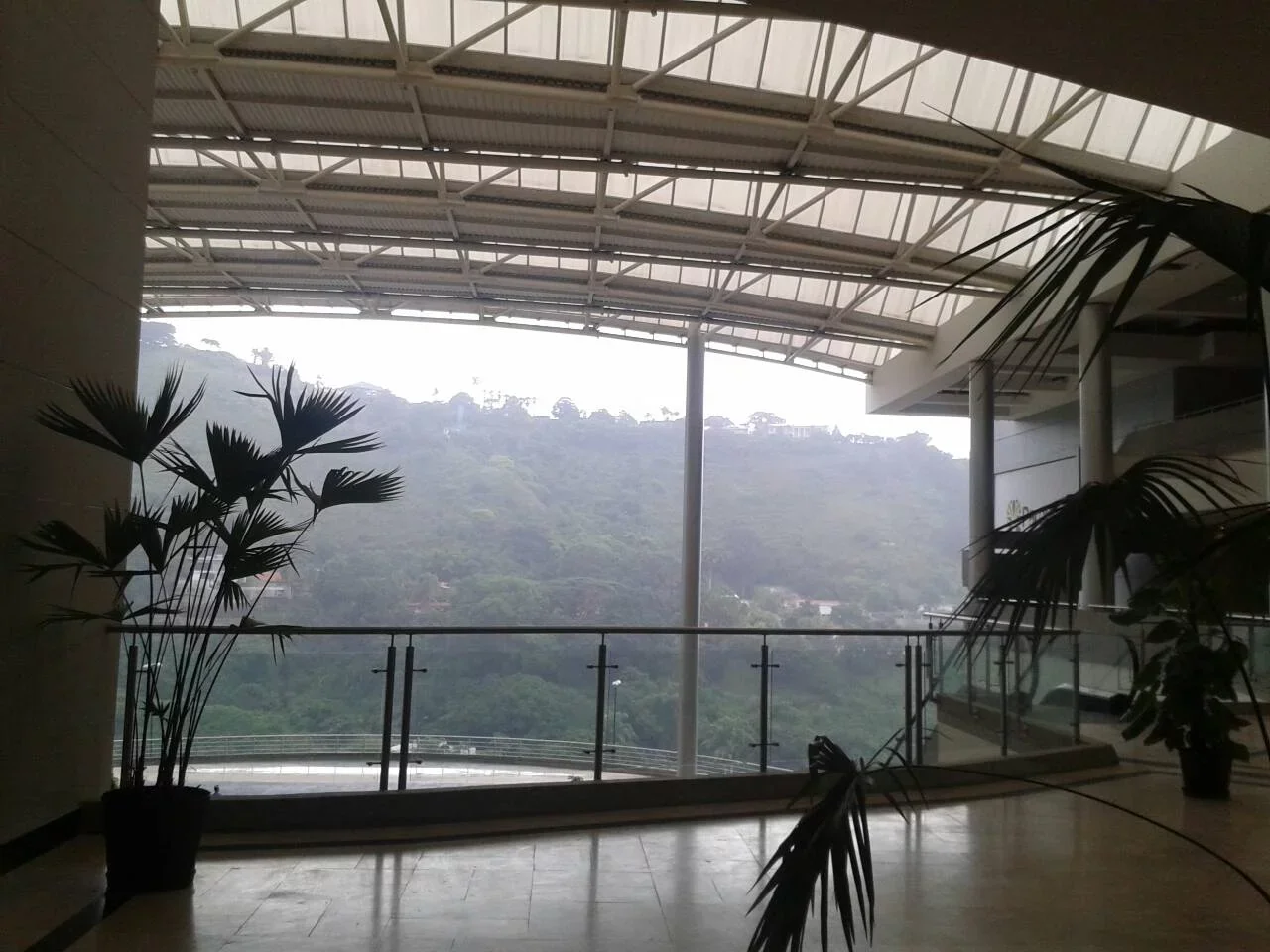

Chacao concentrates the financial corridor and recognized addresses — Altamira, La Castellana, El Rosal — while Baruta offers different residential profiles around El Cafetal and La Trinidad. El Hatillo, further southeast, is associated with a lower-density suburban profile and more houses than apartments. The Chacao municipality's own public-space notice names Altamira, Los Palos Grandes and La Castellana; compare each building and street rather than treating a municipality label as a property thesis.
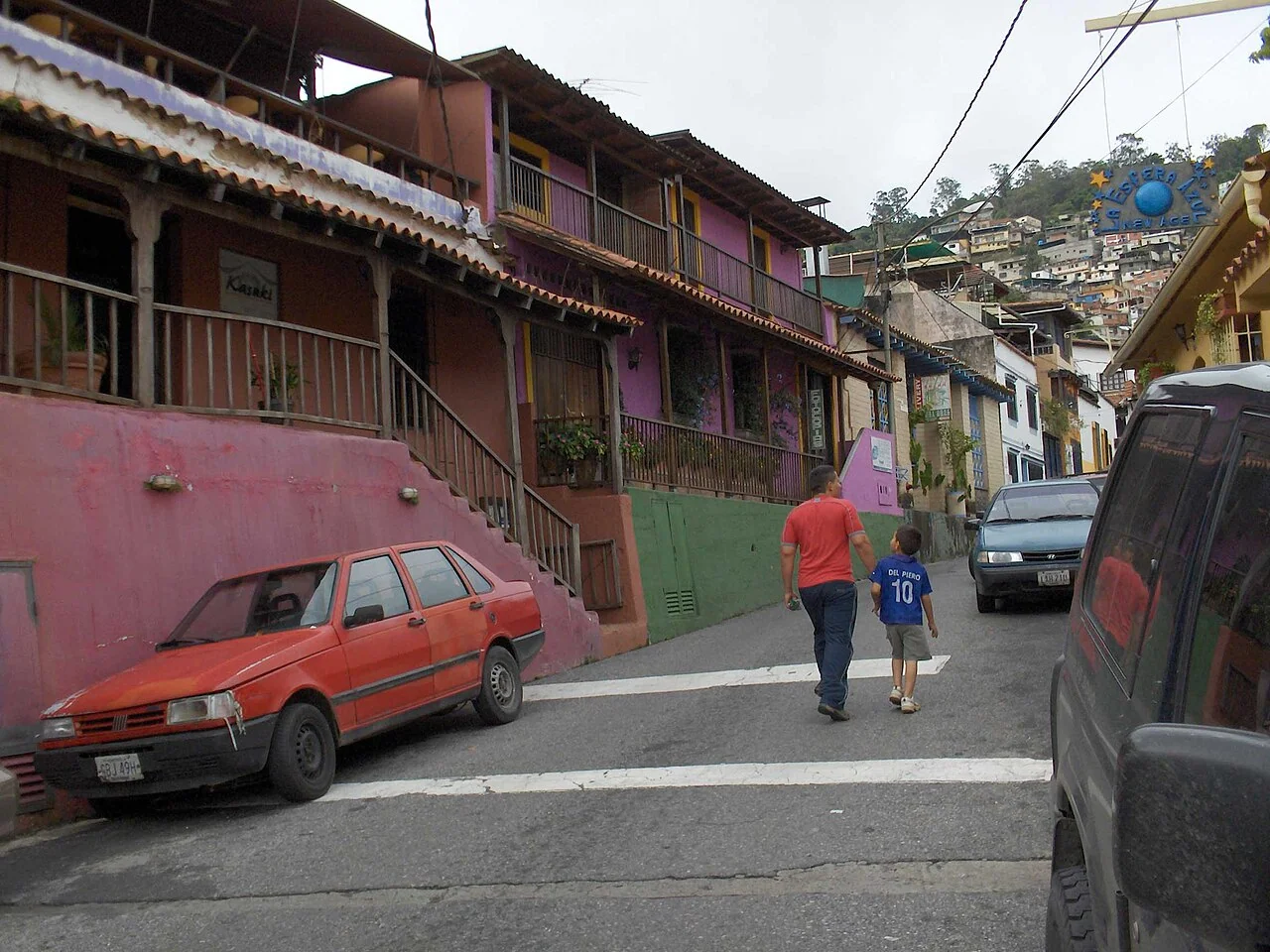

The mistakes I see repeated over and over
Paying a deposit without a signed Option to Purchase
It happens more than it should: an excited buyer hands over cash based on a verbal promise. Without that signed document, reviewed by your attorney, you have no protection if the terms change the next day. Use a traceable payment method and keep the signed option, receipts and identity documents together.

Trusting the attorney "the seller already has ready"
It saves time in the short run and exposes capital in the medium run. Hire your own attorney, pay separately, and treat them as your main protection throughout the transaction. The registry and tax checks should be explainable to you, not merely announced as complete.

Budgeting off the list price instead of the total cost
As the three examples above show, the real closing cost adds an extra 8%-11% in this article's illustrative model. Arriving at closing without that margin isn't just uncomfortable — in a market where the seller has other options, it can cost you the property entirely. Replace the model with current written quotes before treating the margin as a budget commitment.

Underestimating building infrastructure
A great price and a great location don't compensate for a building without reliable water, without a backup generator, or with dysfunctional condominium management. Visit the property at more than one time of day and speak with current residents before committing; these are property-level operating questions, not conclusions that can be drawn from a neighborhood name alone.

A special note for the Venezuelan diaspora
If you're Venezuelan living abroad, much of this process may be simpler than for a foreign buyer with no ties to the country: you may already have a cédula, perhaps an RIF, and a different immigration position. But I've seen diaspora buyers make one specific mistake a foreigner doesn't: assuming "knowing the country" substitutes for formal legal due diligence. It doesn't. The rules and documentary checks still need to be confirmed for the transaction, whether you're coming from Miami, Madrid, or Bogotá. UNHCR's current figures also show why diaspora ties and housing decisions should not be reduced to a single market statistic.

Quick glossary
RIF: Registro de Información Fiscal, a Venezuelan tax identifier used in applicable filings and transactions; confirm the current requirement with SENIAT.
Option to Purchase (Opción de Compraventa): a contract binding buyer and seller to specific terms and timelines before formal closing; Deloitte describes its role in the acquisition sequence.
Lien Certificate (Certificado de Gravamen): a document from the Real Estate Registry confirming the registered owner and recorded liens or encumbrances; see the UNODC registry overview and obtain the current document for the property.
SAREN: Servicio Autónomo de Registros y Notarías, the Venezuelan service whose official site lists registry/notary offices and contacts: SAREN.
SAIME: Servicio Administrativo de Identificación, Migración y Extranjería; its foreigner-services page publishes category-specific requirements.

Conclusions and how to start
- There's no nationality restriction on buying, but there is a trio of documents (apostilled passport, RIF, immigration status) that must be resolved before actively searching for property.
- Total closing cost adds 8% to 11% on top of the list price — budget for it from day one, not at the finish line.
- Your fund transfer strategy is defined before signing, never during closing.
- Your own attorney, independent from the seller, is the single most important protection in the entire transaction.
- Location matters, but a building's specific infrastructure — water, electricity, management — can matter just as much for your experience as an owner.
If you're considering taking this step, at Venezuela Advisor we accompany you from the first conversation through final protocolization, connecting you with the local attorneys and agents we've already worked with on transactions similar to the ones described here.

Questions or comments?
Leave us your message through the contact form — we will be glad to share our experience and help you with the next steps of your plans in Venezuela.
- OPEC — Venezuela facts and figures
- UNHCR — Venezuela situation
- Multilaw — Real Estate Guide: Venezuela
- Deloitte Legal — Real estate law in Venezuela
- UNODC Globe Network — Open-source registries: Venezuela
- SAREN — Servicio Autónomo de Registros y Notarías
- HCCH — 1961 Apostille Convention
- SAIME — Foreigners services and requirements
- SENIAT — official taxpayer service portal
- U.S. Treasury OFAC — Venezuela sanctions FAQs
- Alcaldía de Chacao — public spaces in Altamira, Los Palos Grandes and La Castellana
This guide is general orientation, not a guarantee of eligibility, safety or investment returns. For the scope of the October 2026 priority update, read our editorial policy.