
Culture and Leisure in Caracas: How Residents Actually Spend the Weekend (2026)
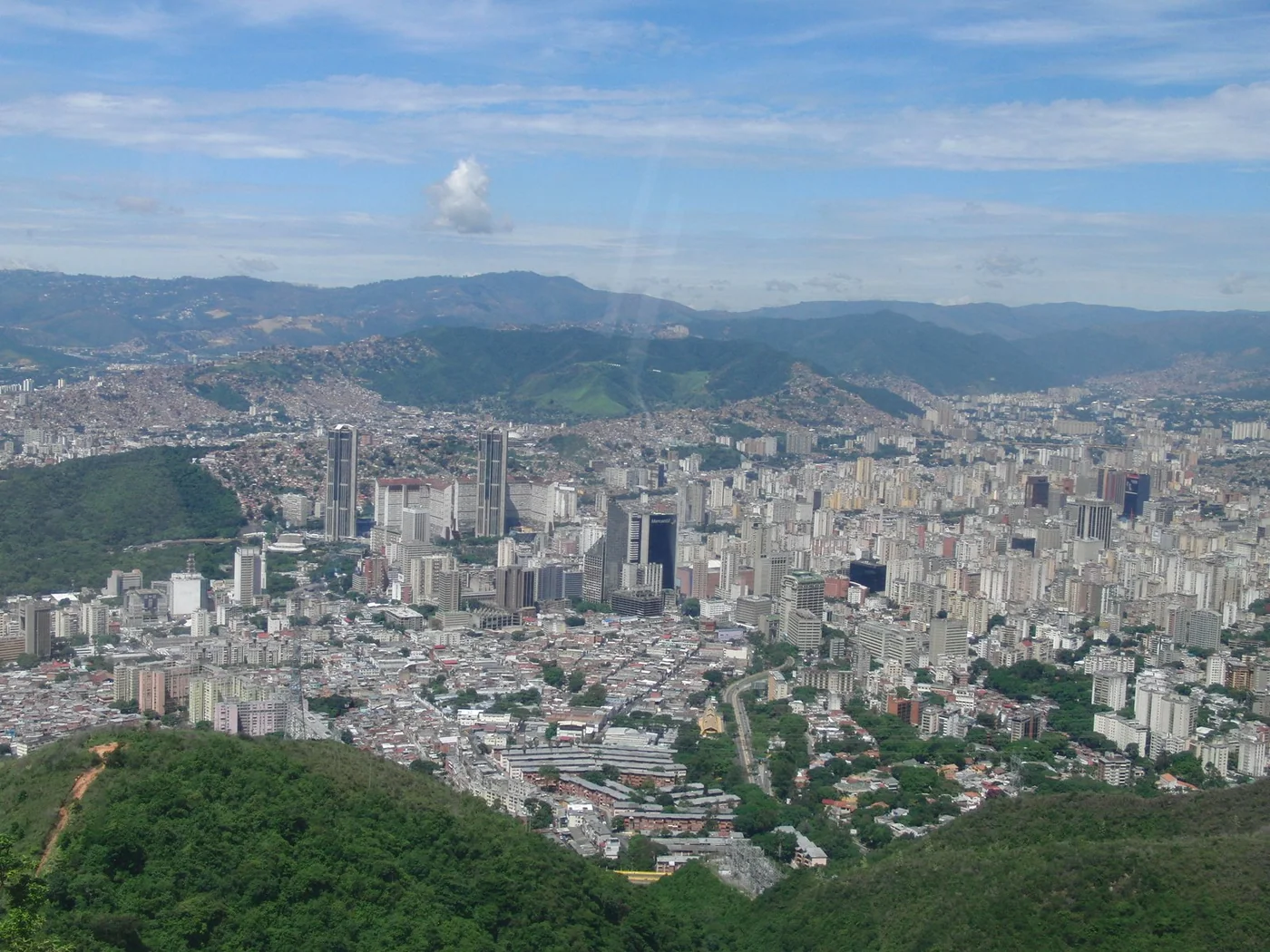

Beyond the dining scene covered in our gastronomy guide, understanding how residents actually spend free time helps anyone settling in feel less like a permanent visitor and more genuinely at home, faster and with less friction than figuring it out alone through trial and error. Direct answer: Venezuela is culturally regional, not monolithic. Caraqueños, maracuchos, llaneros, andinos and orientales carry distinct speech, food, music and social norms. Caracas concentrates people from all regions, so weekend leisure in the capital mixes national culture with a city-specific rhythm of dining, arts, nature escapes and private social circles.

Regional Venezuelan identities (what newcomers should understand)
Stereotypes exist and are often playful inside the country; for a foreigner or returning diaspora member the useful point is not caricature but recognizing that “Venezuelan culture” is a set of regional cultures that meet in cities like Caracas. Why this matters for someone settling in Caracas: Your neighbors, building staff, colleagues and service providers often carry one of these regional identities. Humor, directness, food preferences and holiday customs vary. Treating everyone as a single “Caracas type” flattens the social map and makes it harder to read situations.

| Region / identity | Core geography | Cultural markers (simplified) |
|---|---|---|
| Caraqueños | Greater Caracas | Fast urban tempo, mixed regional origins, strong private-building life, dining and nightlife corridors in the east/south |
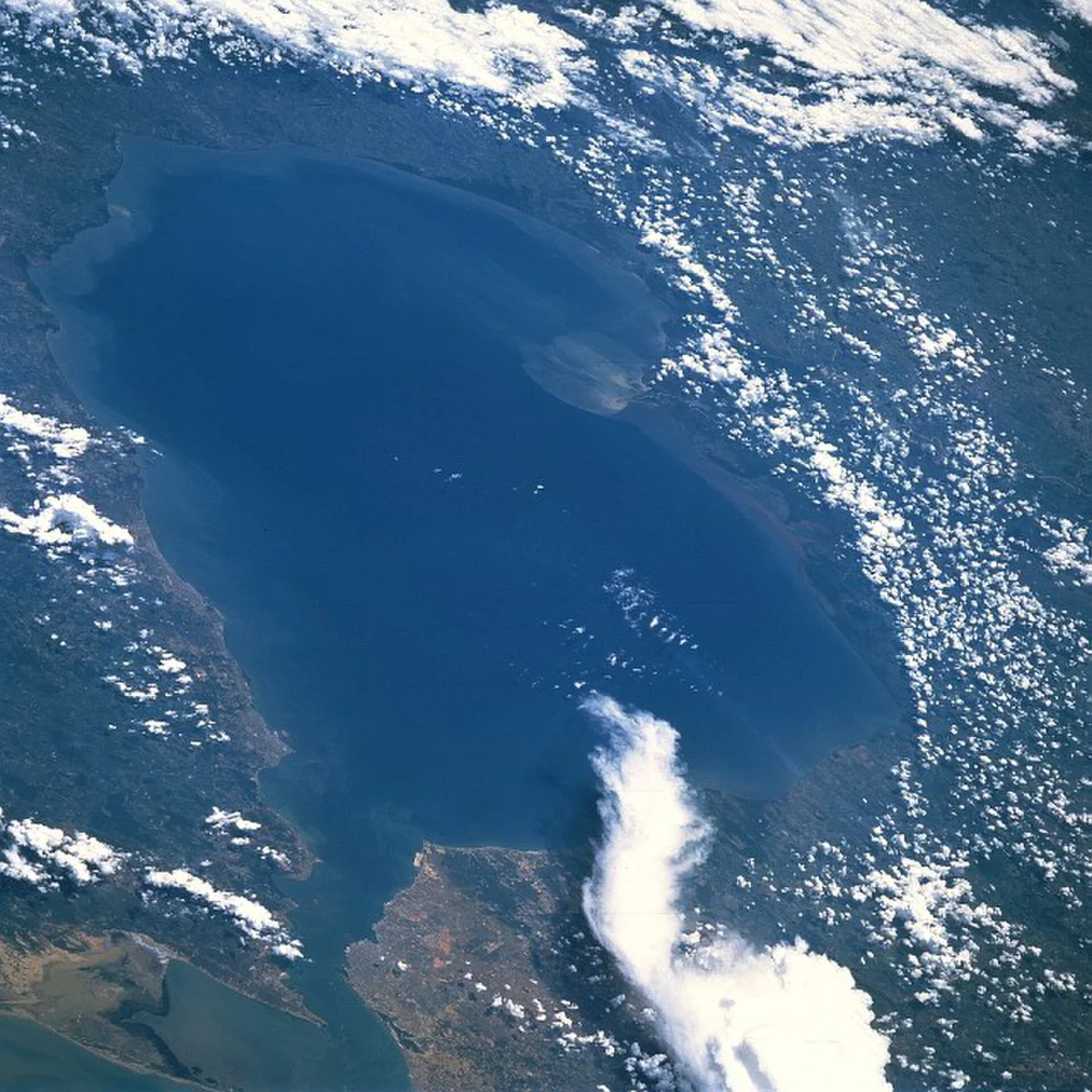
| Maracuchos | Maracaibo / Zulia | Direct speech, strong local pride, Lake Maracaibo culture, gaita music tradition, heat and oil-region history |
| Llaneros | Los Llanos (plains) | Cattle and open-land culture, joropo, harp/cuatro/maracas, epic and rural imagery in national identity |
| Andinos | Mérida, Táchira, Trujillo and Andean corridor | Cooler climate culture, more reserved social style in some areas, mountain food traditions, university towns (e.g. Mérida) |
| Orientales | East (Anzoátegui, Sucre, Nueva Esparta, etc.) | Coastal and island influence, margariteño identity, seafood, tourism and port towns, distinct speech patterns |
How culture shows up in a Caracas weekend
- Food as social infrastructure: areperas, family lunches, chef-driven nights — see our cuisine guide.
- Private over public: much leisure happens inside residential complexes, clubs and invitation-based circles, not only on the street.
- Nature within reach: Ávila, coastal day trips, and short escapes shape Saturday/Sunday planning.
- Arts and live music: smaller venues, galleries and seasonal events rather than a single dominant “downtown cultural district” model.
What weekends actually look like in eastern Caracas
Illustrative mix, not a formal survey: dining and social gatherings anchor most weekends, with outdoor activity and arts/culture rounding out the typical pattern among residents in the eastern corridor. This mix reflects the same dollarized recovery pattern described throughout this guide series — as disposable income and confidence have grown, so has the range of activities residents genuinely engage in, rather than the narrower, more survival-focused pattern common during more difficult economic periods. A newcomer arriving with outdated impressions of daily life in Caracas often discovers a considerably richer and more varied social calendar than expected.

Arts and culture specifically
Weeknight versus weekend patterns
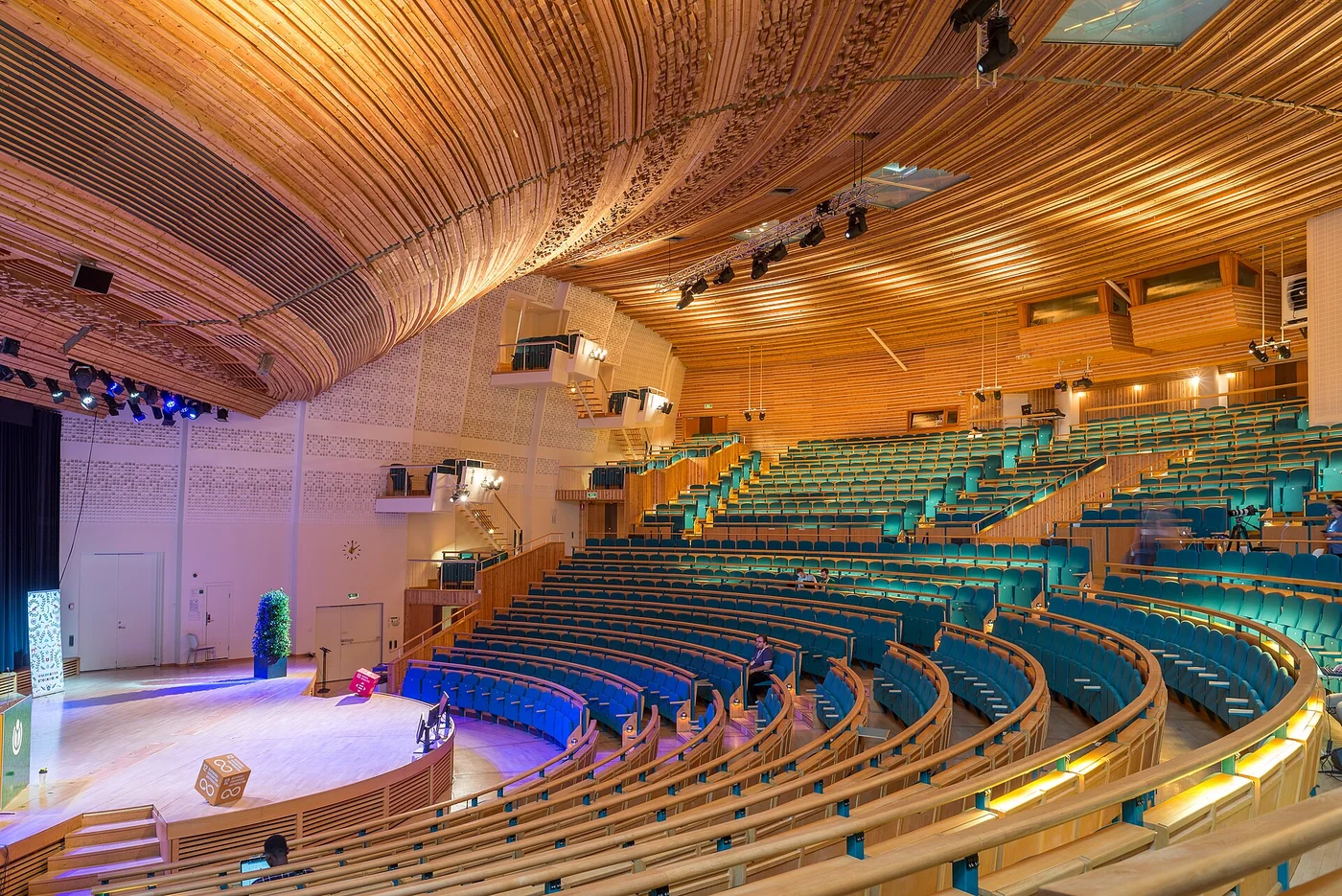
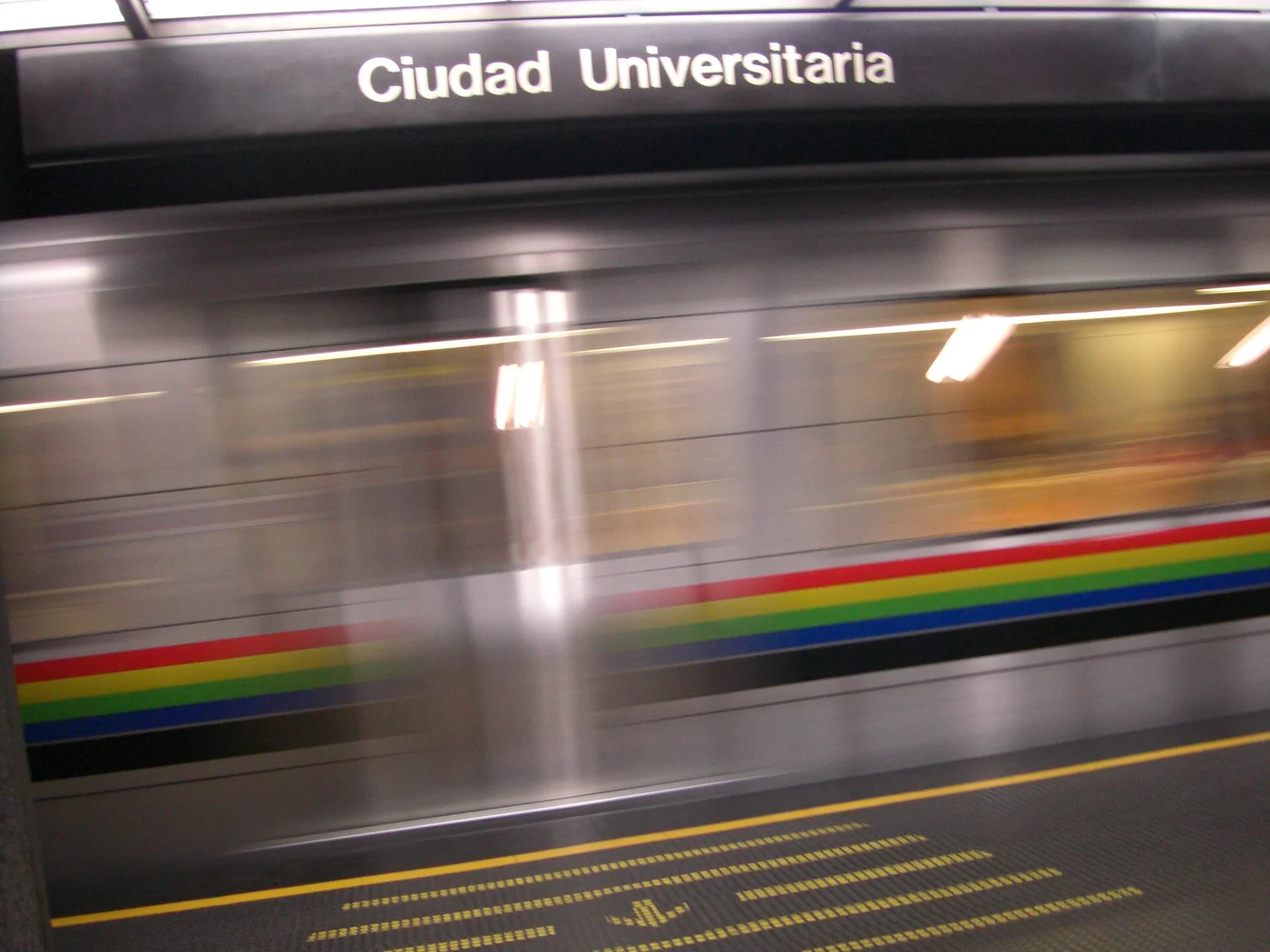
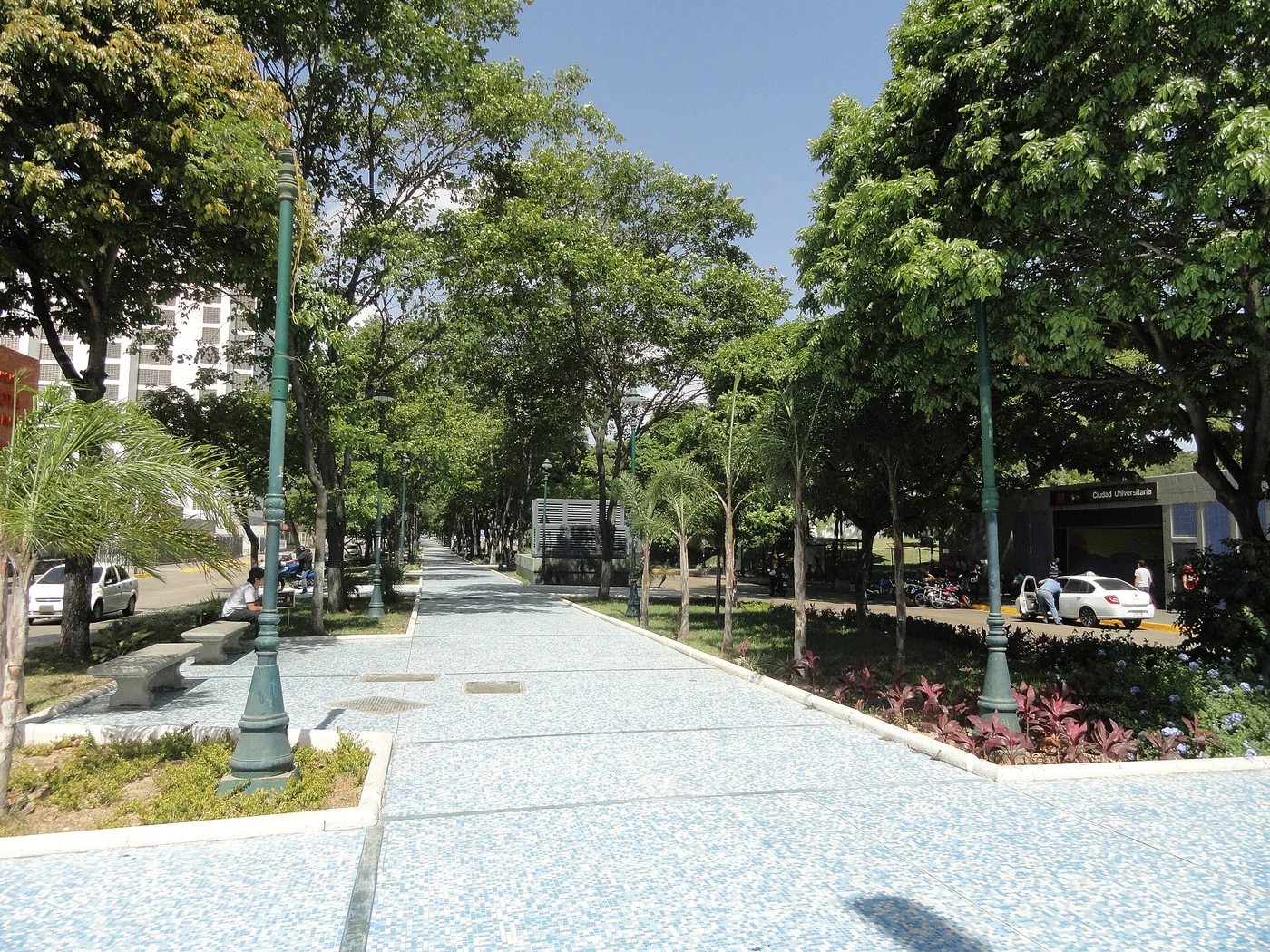
Weekday evenings in eastern Caracas follow a noticeably different rhythm than weekends, typically centered on shorter, closer-to-home activities given work schedules and earlier commitments the next morning, whereas weekends allow for the longer outings, day trips, and extended social gatherings described throughout this guide. Understanding this distinction helps a newcomer calibrate expectations correctly — a weeknight dinner invitation, for instance, generally implies a shorter, more casual gathering than the same invitation extended for a Saturday, when guests typically expect a longer, more elaborate evening. Caracas maintains a genuine, if sometimes underappreciated internationally, cultural infrastructure — galleries, theater, live music venues — that has seen renewed investment alongside the broader dollarized recovery described throughout this guide series. A number of established and newer galleries across the eastern corridor showcase both Venezuelan contemporary artists and, occasionally, touring international exhibitions, offering a genuine cultural outlet for residents with an interest in visual art rather than requiring travel abroad to engage with a serious gallery scene at all. Several of these spaces also host regular openings that double as informal social events, providing another natural venue for building the kind of social connections described later in this guide, particularly valuable for newcomers looking to meet people who share a specific cultural interest. Live music venues spanning genres from traditional Venezuelan music to jazz and contemporary genres have grown in both number and quality in recent years, alongside a theater scene that, while smaller than before the country's more difficult economic period, has shown genuine signs of revival and renewed audience interest. Checking current listings through local cultural publications or venue social media accounts, rather than assuming a static or limited scene based on outdated impressions, reveals considerably more activity than general secondhand impressions might otherwise suggest to a newcomer arriving without current information. The documented architectural and visual-arts legacy of the Ciudad Universitaria de Caracas, together with the national orchestral network described by UNESCO and Fundación Musical Simón Bolívar, is useful context for reading this scene without claiming a formal survey of current venues.

Galleries and visual arts
Live music and theater
Outdoor and nature access from the city
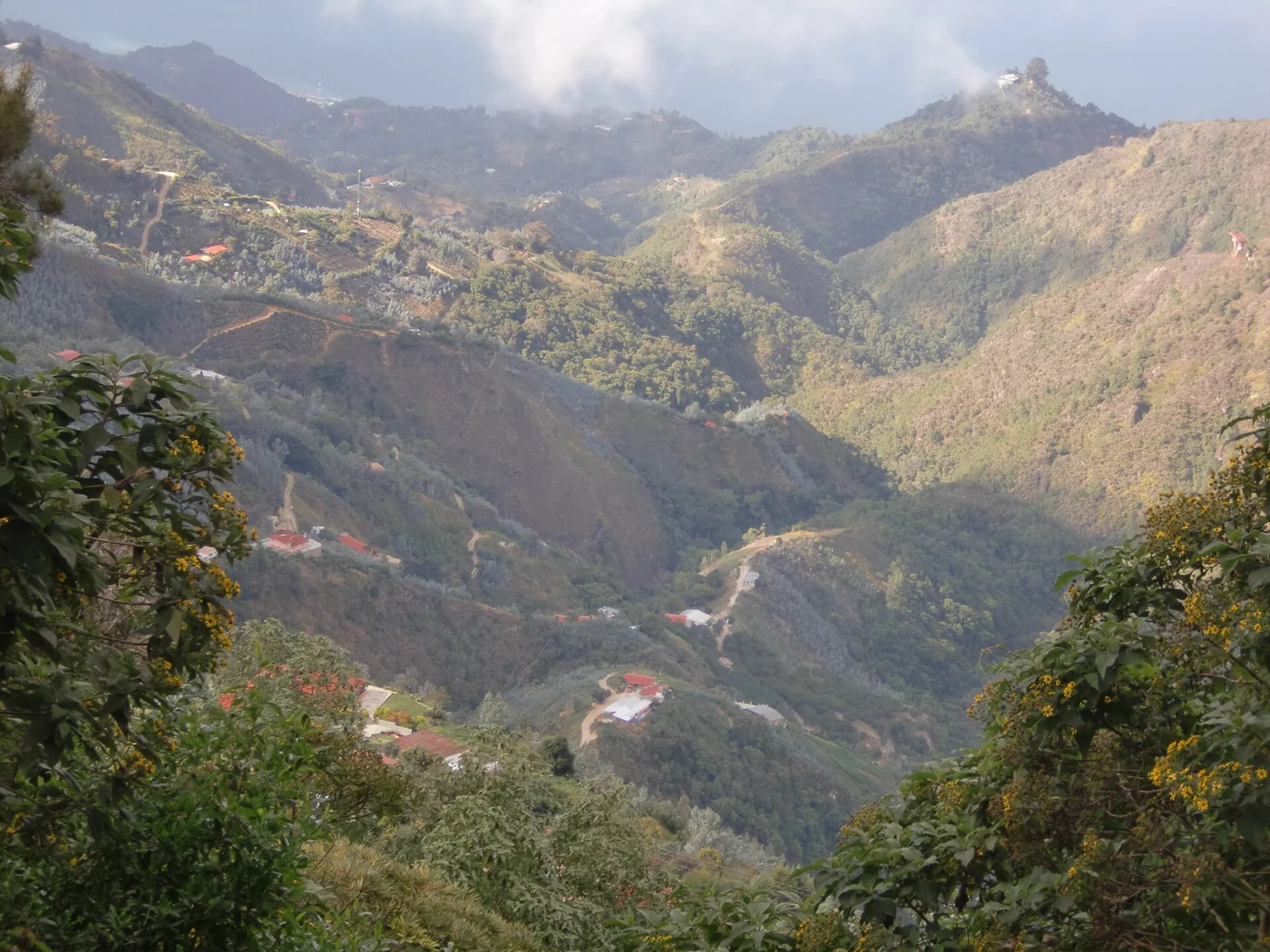
Caracas's location in a valley bordered by Ávila National Park offers genuinely convenient access to hiking and nature within the city's own boundaries, a geographic advantage relatively rare among major Latin American capitals. Multiple trailheads accessible directly from eastern Caracas neighborhoods mean a resident can genuinely incorporate hiking into a regular weekly routine rather than treating it as a rare special occasion requiring significant travel planning and advance preparation. Trail difficulty varies considerably, from accessible paths suitable for a casual morning walk to more demanding routes requiring genuine fitness and preparation, giving residents at every fitness level a realistic option within the same broader park system spanning the city's northern edge. For residents or visitors less inclined toward a strenuous hike, the cable car connecting Caracas to the mountain's upper reaches offers a considerably easier way to access Ávila's views and cooler climate, complete with restaurants and recreational facilities at the top station for a full day out. This makes the mountain's benefits accessible to a wider range of ages and fitness levels than hiking alone would allow, an important consideration for families with young children or older visitors who might otherwise miss out on this distinctive local advantage entirely. Inparques describes Waraira Repano as the mountain park separating the Caracas valley from the Caribbean and notes both the cable car and routes such as Sabas Nieves and La Julia.

Ávila as a weekly, not occasional, activity
The teleférico as an easier alternative
Popular day trips and their travel times
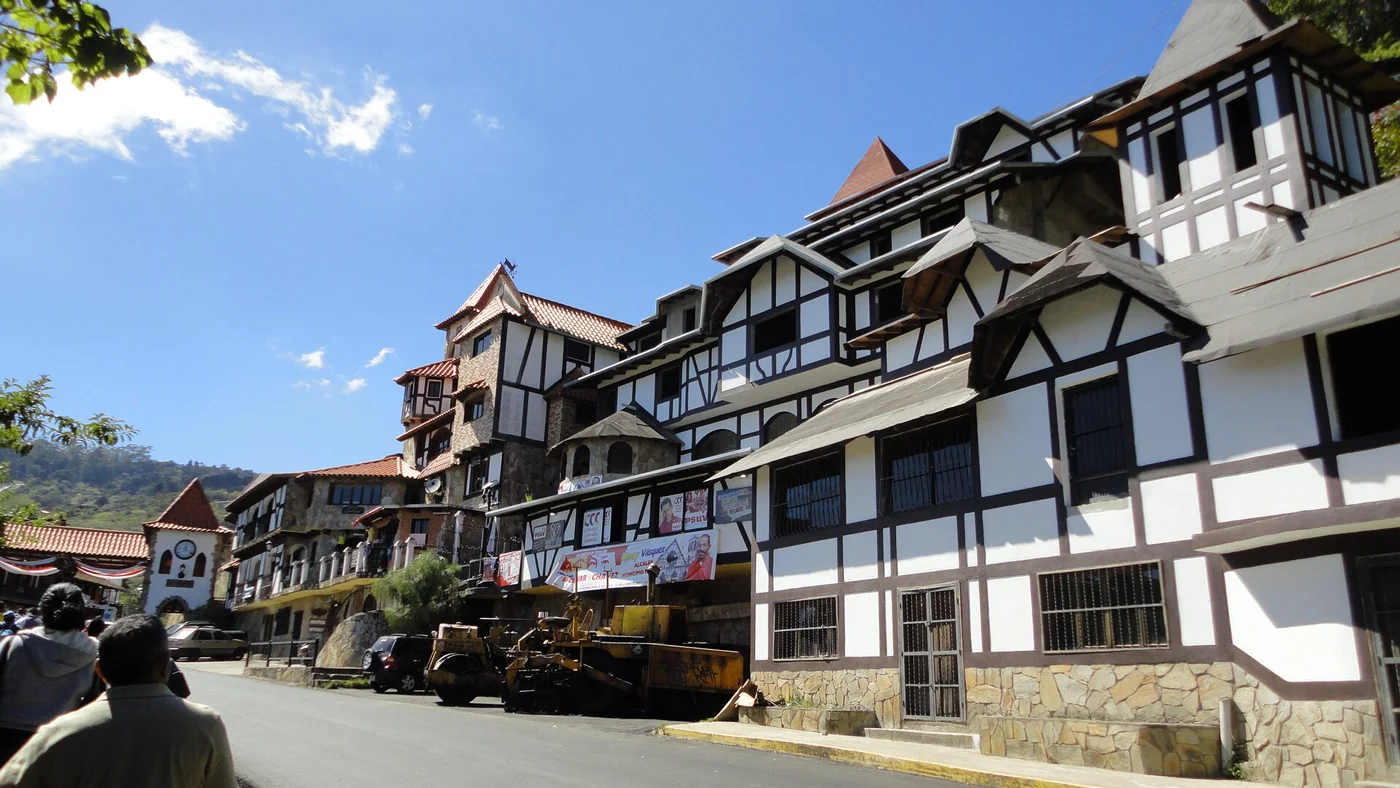
Illustrative travel times, not confirmed schedules: several genuinely appealing destinations sit within a reasonable day-trip distance of Caracas, each offering a distinctly different experience from city life. This mountain town, founded by German immigrants in the 19th century and retaining a distinctive architectural and culinary character, offers a genuinely different atmosphere within a relatively short drive from Caracas — a popular choice for residents wanting a change of scenery without a full-day commitment to travel or complex logistics. Weekend traffic on the route can extend travel times considerably beyond typical weekday estimates, worth planning around for anyone making this trip specifically on a Saturday or Sunday rather than during the week when roads are typically clearer. A scholarly PubMed record describes Colonia Tovar’s German-ancestry population and long period of isolation.

Colonia Tovar: a distinctly different atmosphere close by
The central coast beaches
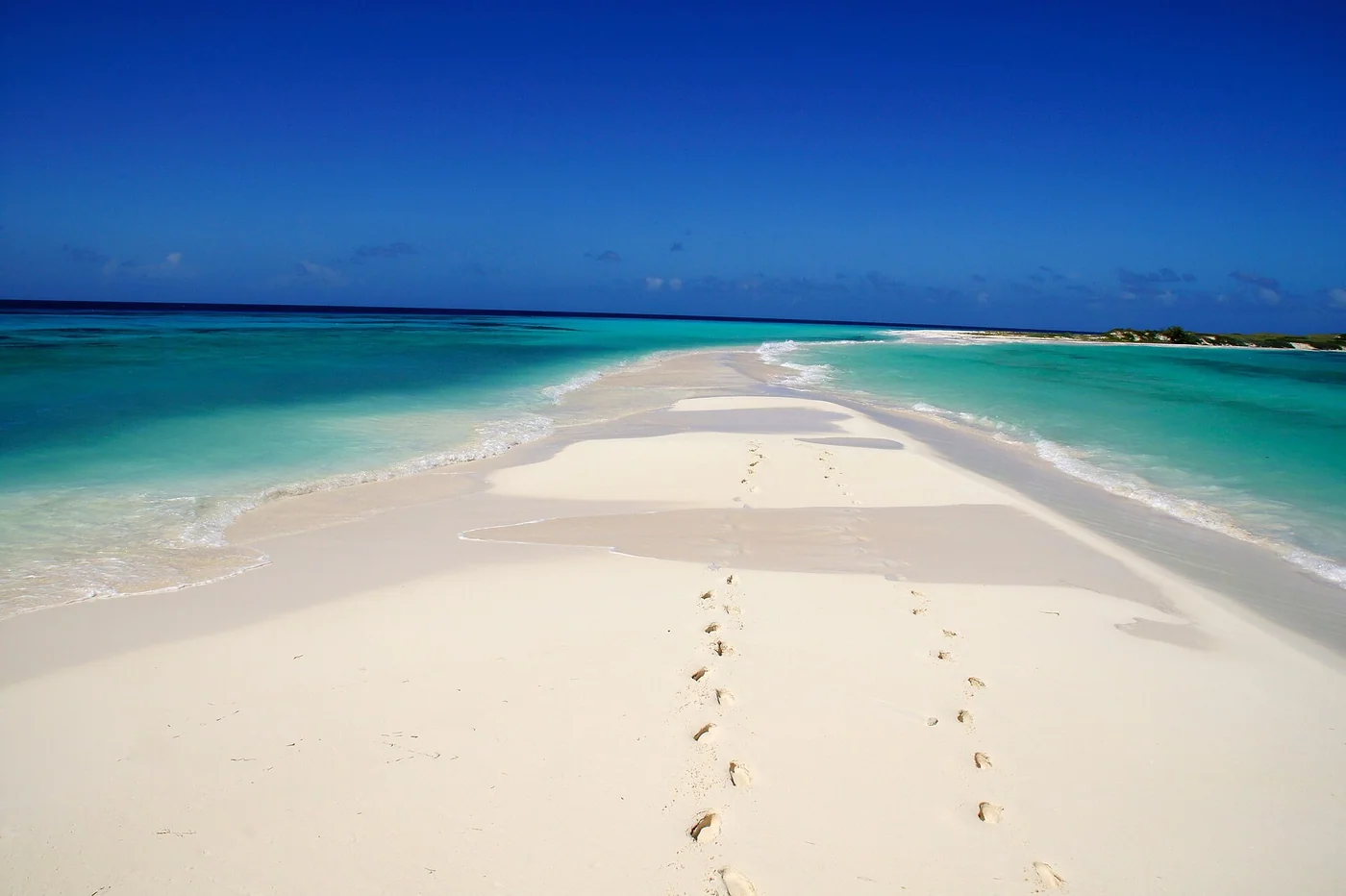
Venezuela's central coast, accessible within roughly the same travel window, offers beach access considerably closer than the coastal destinations described in our coastal investment guide, making it a practical option for a spontaneous beach day rather than a planned multi-day trip requiring extensive advance preparation. Water and general infrastructure quality varies by specific beach, and asking current residents for their preferred spots produces better results than assuming any beach along this stretch offers an equivalent experience to another nearby option. Los Roques requires a short flight rather than a road trip, placing it in a different category from the other destinations described here — genuinely feasible as a long day trip for a visitor with flexible time, but more commonly treated as an overnight or multi-day destination given the archipelago's exceptional natural beauty described in our coastal investment guide and the logistics involved in reaching it. Flight schedules and availability should be confirmed directly given their tendency to change, rather than assumed to match any general online listing found during initial trip research. Treat the times as planning estimates, not confirmed schedules, and verify current transport directly.

Los Roques: further, but worth the extra planning
Building a social circle through shared activities
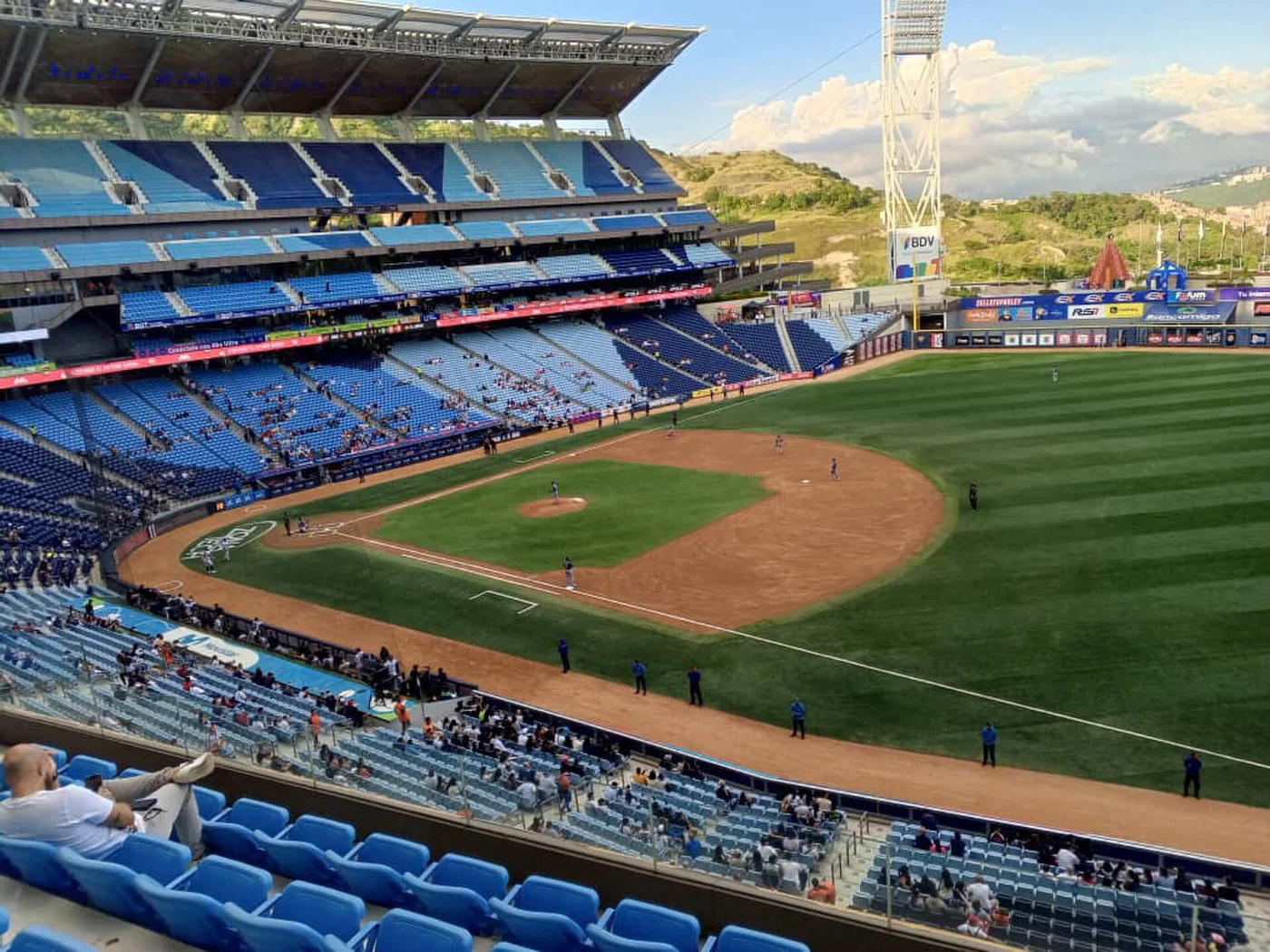
Joining a recurring activity — a hiking group, a sports league, a class — tends to build genuine social connections faster than passive socializing alone, particularly for newcomers still rebuilding the local network described in our return guide. A single social event, however enjoyable, rarely produces lasting relationships on its own — it's the repetition of seeing the same people in a shared, low-pressure context over weeks and months that actually builds genuine friendship over time. A weekly hiking group, a recurring sports league, or a regular class provides exactly this kind of repeated, natural interaction, in contrast to a one-time party or dinner where connections often fail to develop further without deliberate follow-up effort from at least one side. Amateur sports leagues — soccer, padel, running clubs — have grown considerably in the eastern corridor, offering a structured, regular commitment that naturally produces recurring social contact with the same group of people over an extended season and beyond. For newcomers with an existing interest in a particular sport, joining an established league often proves more effective for building a social circle than more general social events, since the shared activity itself gives every interaction a natural, low-pressure starting point that doesn't rely on small talk alone. Beyond sports specifically, professional networking groups and interest-based communities — book clubs, language exchange groups, hobby-specific meetups — offer similar structured opportunities for newcomers whose interests lie outside athletics entirely. Searching for these communities through the same local networks described throughout our diaspora return guide, rather than assuming they don't exist in a city of this size, typically surfaces more options than a newcomer might initially expect, particularly once they start asking colleagues, neighbors, and other new acquaintances directly.

Why recurring activities work better than one-off events
Sports leagues as a particularly effective option
Professional and interest-based groups
Mistakes we see newcomers make
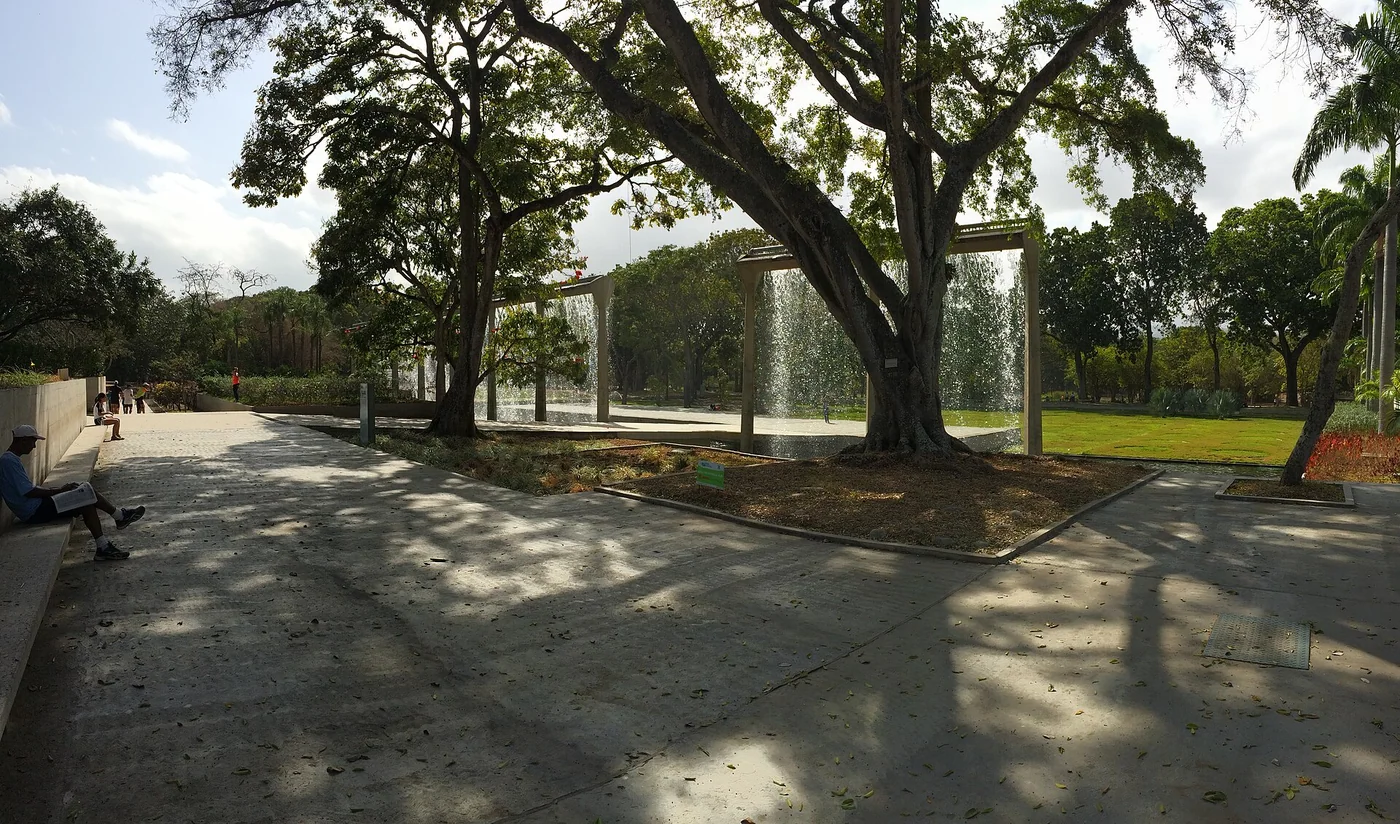
Assuming Caracas offers limited cultural or outdoor activity based on outdated impressions, underestimating Ávila's accessibility as a weekly rather than occasional activity, and waiting too long to join a recurring social activity are the three mistakes we see most consistently. Newcomers who haven't visited Venezuela in years, or who form their expectations primarily from international media coverage, sometimes arrive assuming a far more limited cultural and leisure landscape than what actually exists today across the city. Actively seeking out current listings and talking to current residents, rather than relying on secondhand impressions that may be years out of date, produces a considerably more accurate — and usually more encouraging — picture of what weekend life genuinely offers a new resident.

Relying entirely on outdated impressions
Treating Ávila as a rare special occasion
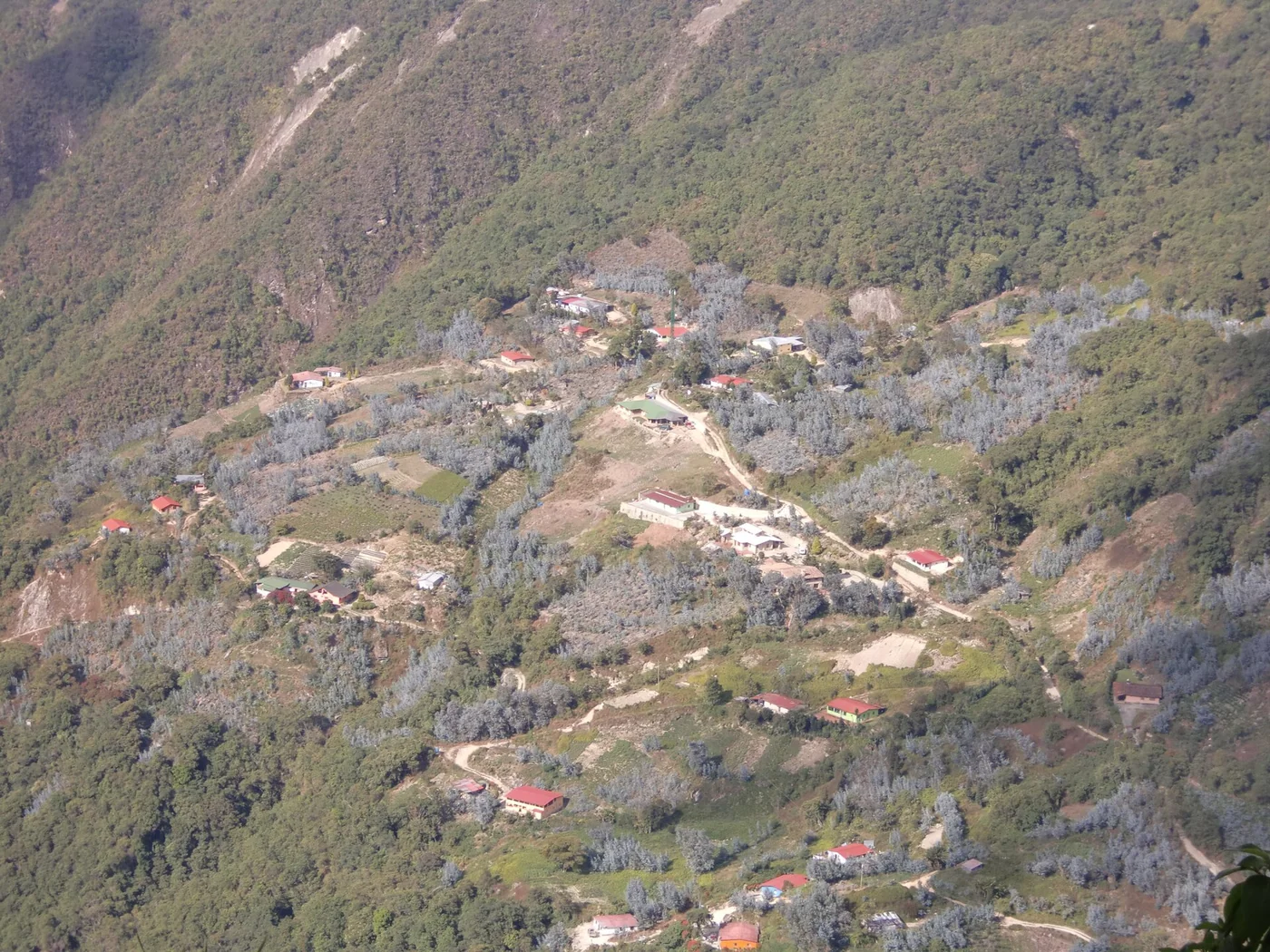
Residents who treat Ávila as an occasional special trip rather than a regular, easily accessible option miss out on one of Caracas's most distinctive genuine advantages over comparable cities in the region and beyond. Building a hike or cable car visit into a regular routine — even just once or twice a month — provides both a fitness benefit and a reliable mental reset that residents who treat the mountain as a rare novelty simply don't get to enjoy as consistently or as fully over time. Newcomers sometimes wait for social connections to develop organically through chance encounters, rather than actively seeking out the recurring activities and groups described earlier in this guide from the very start of their time in the city. Given how much faster genuine friendships tend to develop through repeated, structured interaction rather than passive hope, actively joining at least one recurring activity within the first few months of settling in produces noticeably better results than waiting for connections to simply happen on their own over an indefinite period.

Waiting for social connections to happen passively
Glossary
Ávila: the national park and mountain range bordering Caracas to the north, offering hiking access directly from several eastern neighborhoods within the city itself.
Day trip: a destination reasonably visited and returned from within a single day without any overnight stay required.
Teleférico: the cable car system connecting Caracas to the upper reaches of Ávila, offering an accessible alternative to hiking for reaching the mountain.

Seasonal events worth planning around
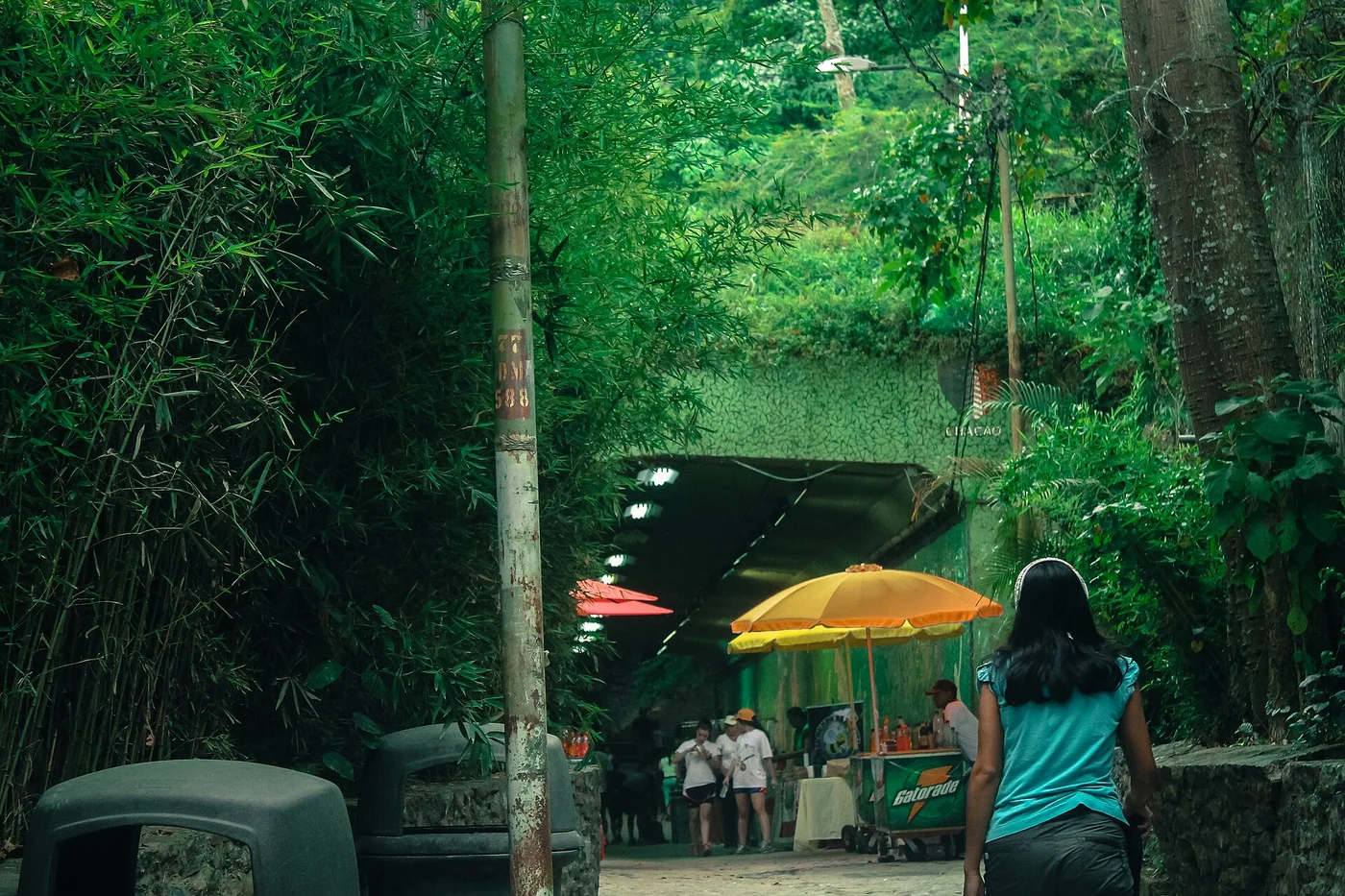
Beyond the recurring weekly patterns described throughout this guide, Caracas hosts a number of seasonal cultural events — art fairs, seasonal festivals, holiday-specific celebrations — that offer a concentrated dose of local culture worth planning a visit or social calendar around specifically, rather than encountering by chance. Checking a current cultural calendar upon arrival, rather than discovering these events only after they've already passed, helps newcomers make the most of a genuinely rich annual cultural cycle that many first-time residents underestimate entirely. Family-oriented seasonal events in particular tend to draw large, genuinely festive crowds, offering an accessible entry point for newcomer families looking to experience local culture in a welcoming, low-pressure setting alongside other families doing exactly the same thing at the same time. These events also often overlap naturally with the community-building activities described earlier in this guide, providing another practical avenue for meeting people beyond structured recurring groups alone, and often serve as a natural bridge into those more regular commitments over time.
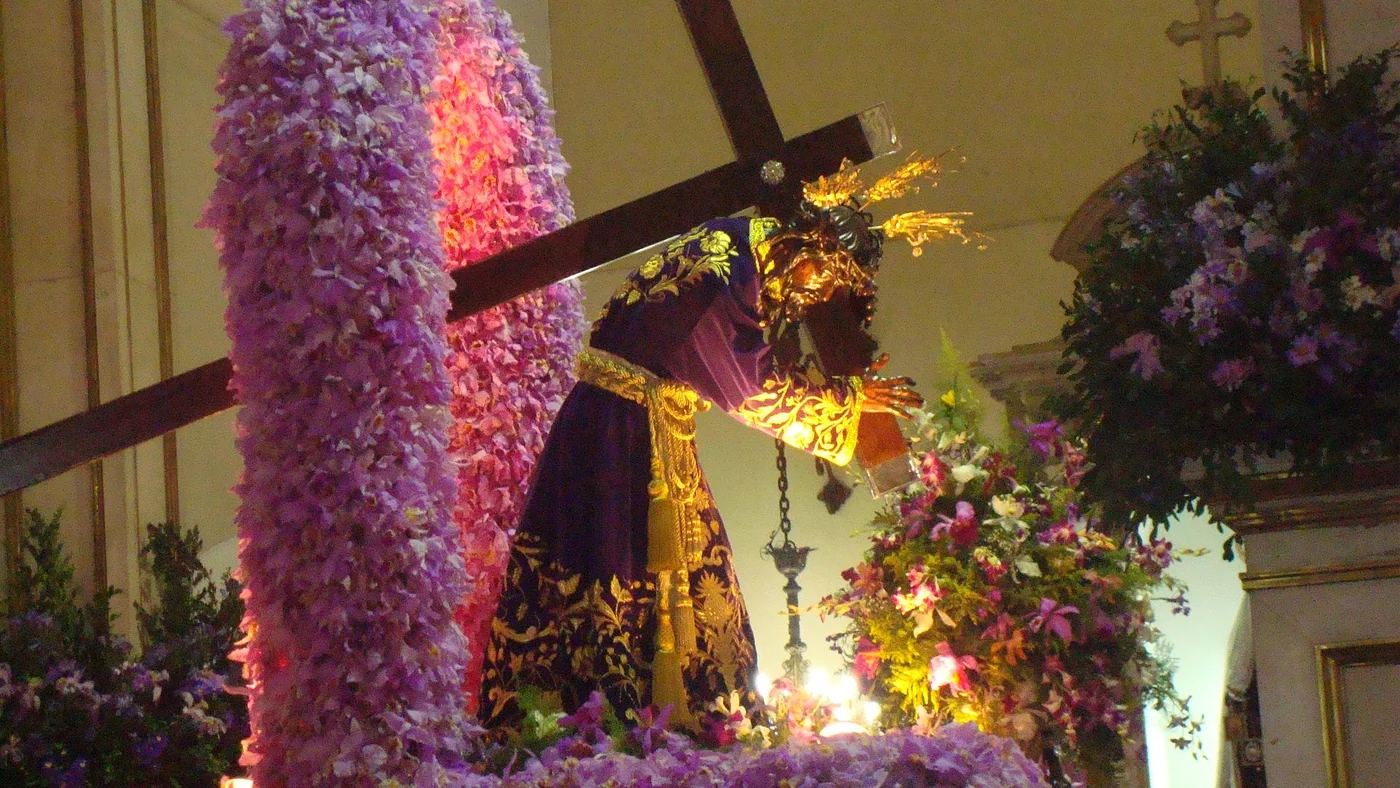

Venezuelan slang worth learning (practical starter set)
Everyday speech in Caracas and across the regions is full of local terms. You do not need a dictionary of hundreds of words on day one; a small set removes a lot of confusion in shops, buildings, taxis and casual conversation. Meanings shift by region and generation — treat this as a practical starter, not a complete lexicon. Regional flavor: Maracuchos are often perceived as more direct; andinos sometimes more reserved; llaneros bring plains speech and musical references (joropo, “grito llanero”). In Caracas you will hear a mix. When in doubt, keep your own register polite until you read the room — slang is for connection, not for forcing familiarity in a bank or notary office. Also useful in buildings and services: planta (generator), tanque (water tank), conserje (building staff), cuarto de máquinas, vigilante. These are not slang so much as survival vocabulary in residential life.

| Word / phrase | Rough meaning | When you hear it |
|---|---|---|
| Chévere | Cool, nice, good | Approval of a plan, place or person |
| Vale | Mate / dude (friendly address) | Very common in casual talk |
| Pana | Friend, buddy | Close or friendly address |
| Épale / Épale vale | Hey / greeting | Informal hello |
| ¿Qué más? | What’s up? / How’s it going? | Standard casual greeting |
| Burda (de) | A lot, very | “Burda de bueno” = really good |
| Vergación / una verga | A lot / intense (can be crude) | Emphasis; tone matters — not always polite |
| Chamo / chama | Kid, young person, guy/girl | Informal reference to someone |
| Jeva / jevo | Girlfriend / boyfriend (colloquial) | Casual relationship talk |
| Arrecho / arrecha | Angry, or impressive (context) | Can mean mad or “awesome” — listen to tone |
| Ladilla | Annoying person or situation | Complaint |
| Embarque | A mess, complicated situation | “Qué embarque” = what a mess |
| Curda / curda’o | Drunk / tipsy | Party contexts |
| Birra | Beer | Informal |
| Hablame / háblame | Call me / tell me | Close the loop on a plan |
| Pendiente | I’ll keep an eye on it / noted | Commitment to follow up |
| De una | Right away, for sure | Agreeing quickly |
| Negas | No way / you’re kidding | Surprise or disbelief |
| Yesiero | Show-off (someone flashy) | Mild jab |
| Bululú | Crowd, chaos, fuss | Busy places or drama |
| Guiso | Shady deal / scheme | Warning about something irregular |
| Musiu | Foreigner (from “monsieur”) | Sometimes affectionate, sometimes distancing |
| Catire / catira | Blond / light-haired person | Descriptive, common |
| Agarrar el correlón | To leave quickly, take off | Exiting a place or situation |
| Echarle bolas | To put in effort / tough it out | Encouragement |
Llaneros in a bit more depth
The llanero identity comes from the vast plains (Los Llanos) that stretch across central Venezuela and into Colombia. National culture borrows heavily from it: the horseback and cattle imagery, the joropo (with harp, cuatro and maracas), and a reputation for toughness, hospitality and plain speech. On top of the general Caracas-facing list above, each region has flavor words you will hear from people who grew up there — including in Caracas buildings and offices full of internal migrants. A few high-frequency ones: Maracucho speech is often faster and more direct. What sounds blunt to a caraqueño is often just normal warmth in Zulia. Andean register is often perceived as more reserved or polite. Less street slang density than Caracas or Maracaibo in many formal settings; more soft particles (“pues”) in everyday talk. Oriental speech is often described as sing-song and warm. On Margarita and the eastern coast you will also hear tourism-mixed Spanish; locals still mark identity strongly as margariteño or eastern. Practical tip for foreigners: Understanding regional slang builds rapport. Performing a thick accent you do not own can sound mocking. Listen first, use the safe nationwide set (chévere, vale, ¿qué más?, de una), and add regional flavor only when it fits naturally.
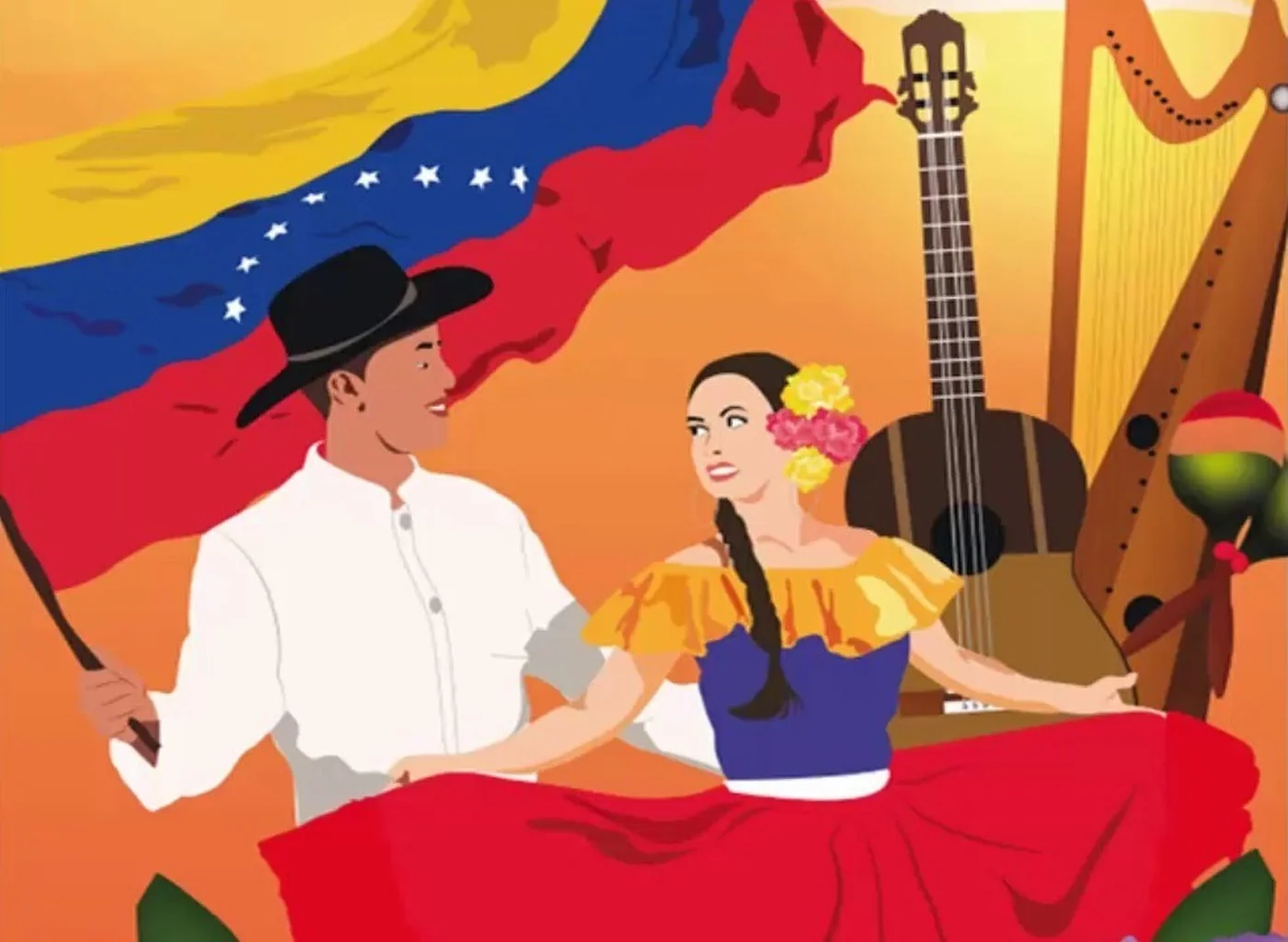

- Music: Joropo is the emblematic genre; dancers and ensembles appear at festivals and in cultural showcases in Caracas as well as in the plains states (Apure, Guárico, Barinas, parts of others).
- Food cues: Beef-heavy traditions, carne en vara, river fish in some areas, and hearty portions associated with rural work days.
- Social stereotype (use carefully): Direct, proud of the land, less urban polish than a caraqueño stereotype — and like all stereotypes, it fails as soon as you meet individuals.
- In Caracas: Many families have llanero roots; you meet the culture through music, food and family stories more than through a single “llanero neighborhood.”
Regional slang notes (maracucho, andino, oriental)
Maracucho / Zulian flavor
| Word / phrase | Rough meaning |
|---|---|
| ¿Qué más, pues? | Very common Zulian-tinged greeting (the “pues” lands hard) |
| Mi loco / mi loca | Friendly address (my guy / my girl) |
| A la orden | At your service / you’re welcome (also nationwide, strong in Zulia) |
| Flojo | Lazy (common jab) |
| Fría | Cold beer |
| Cachapa (context) | Beyond the food — sometimes playful regional talk; listen before copying |
| Echa pa’bante | Keep going / move forward |
Andean flavor (Mérida, Táchira, Trujillo…)
| Word / phrase | Rough meaning |
|---|---|
| Ño / ñoño | Mild emphasis or “man” (regional feel) |
| Pues sí / pues no | Soft agreement/disagreement — “pues” as rhythm |
| Regio / que regio | Great, nice (heard in Andean and some formal-casual talk) |
| Hacer un mandado | Run an errand |
| Ahorita | In a bit / soon (nationwide, but timing is elastic everywhere) |
| Tinto | Black coffee (shared with Colombian border influence in Táchira) |
Oriental flavor (Oriente + Margarita)
| Word / phrase | Rough meaning |
|---|---|
| Mi amor | Very common friendly address in shops and streets (not always romantic) |
| Mi vida | Same family of warm address |
| ¡Ajá! | Right / I see / go on (nationwide, very frequent) |
| Conque | So / turns out (narrative connector) |
| Guame / guácala | Disgust / ew |
| Enserio / ¿en serio? | Really? |
| Playita / la isla | Beach / Margarita reference in casual plans |
Venezuela is more than oil: icons, talent and national markers
International headlines often reduce Venezuela to oil and crisis. That is a thin story. For anyone settling, investing or returning, it helps to know the cultural and human capital the country produced — because it shapes identity and everyday conversation. National pride attaches to people and crafts, not only to barrels of oil. Pair this with regional identities and food already covered in this guide. Direct answer: Venezuela’s modern identity includes Simón Bolívar, a major beauty-pageant record, El Sistema and world-stage musicians, visual artists on the international circuit, a large diaspora of physicians and professionals, and strong baseball culture. Oil matters to the economy; it is not the whole culture.

- Simón Bolívar — independence leader; civic names, dates and national narrative.
- Beauty queens — multiple Miss Universe and Miss World titleholders; soft-power and media history.
- Music — El Sistema youth orchestras; joropo, gaita, salsa and diaspora artists.
- Arts — modern/kinetic art legacies associated with internationally shown Venezuelan artists.
- Medicine & professions — large numbers of Venezuelan doctors and specialists working across the Americas and Europe.
- Sport — MLB baseball pipeline; Olympic and boxing names; footballers abroad.
Presidents of Venezuela — practical modern reference
Venezuela’s full presidential history since independence is long. For everyday orientation the list most people use starts with the democratic period after 1958. For foreigners and the diaspora: political headlines are context, not a substitute for legal due diligence on property, companies or visas. For the complete historical roster back to the 1830s, use a dedicated historical reference. Britannica’s historical overview is a useful context source for the post-1958 period; it is not legal due diligence.

| President | Approximate term | Note |
|---|---|---|
| Rómulo Betancourt | 1959–1964 | Democratic era after dictatorship |
| Raúl Leoni | 1964–1969 | |
| Rafael Caldera | 1969–1974 | First term |
| Carlos Andrés Pérez | 1974–1979 | First term; oil boom years |
| Luis Herrera Campins | 1979–1984 | |
| Jaime Lusinchi | 1984–1989 | |
| Carlos Andrés Pérez | 1989–1993 | Second term; left office early |
| Ramón J. Velásquez | 1993–1994 | Interim / designated |
| Rafael Caldera | 1994–1999 | Second term |
| Hugo Chávez | 1999–2013 | Died in office |
| Nicolás Maduro | 2013– | Subsequent elections and international recognition have been disputed in various periods |
Public holidays in Venezuela (what actually closes)
National holidays affect banks, notaries, registries and many private offices. Core dates: Confirm the current Sudeban bank-holiday calendar before scheduling notary, registry or bank appointments. Carnival and Easter weeks are especially slow for formal paperwork. The Banco Central de Venezuela calendar for 2026 is the more appropriate document to check for bank-holiday planning than a generic holiday list.

| Date | Holiday |
|---|---|
| 1 January | New Year’s Day (Año Nuevo) |
| Mon–Tue before Ash Wednesday | Carnival (2026: 16–17 February) |
| Maundy Thursday & Good Friday | Semana Santa (2026: 2–3 April) |
| 19 April | Declaración de la Independencia |
| 1 May | Labour Day |
| 24 June | Batalla de Carabobo |
| 5 July | Independence Day (Cinco de Julio) |
| 24 July | Birth of Simón Bolívar |
| 12 October | Día de la Resistencia Indígena |
| 24–25 December | Christmas Eve & Christmas |
| 31 December | New Year’s Eve (often observed for banking/offices) |
Key takeaways
- Weekend life in eastern Caracas centers on dining, outdoor activity, and a genuine, growing cultural scene worth exploring fully.
- Ávila National Park offers rare, convenient nature access directly from the city itself, unlike most comparable capitals.
- Several appealing day-trip destinations sit within reasonable travel distance of Caracas for weekend getaways.
- Joining a recurring activity builds social connections faster than passive socializing alone ever does.
- Seasonal cultural events offer a concentrated, welcoming entry point for newcomer families specifically settling in.
If you're planning a move to Venezuela, we can help you think through what daily and weekend life would actually look like for your specific situation and interests, based on the same practical framework used throughout this guide series.
Family-specific leisure considerations
Families with children benefit from the same activity-based approach to building community described throughout this guide, with the added consideration of age-appropriate options — youth sports leagues, family-oriented cultural events, parks with genuine play infrastructure — that connect both children and parents to a local peer network simultaneously and efficiently. Coordinating with the school community described in our education guide often provides a natural starting point, since many family social circles form initially around shared school connections before expanding into other shared activities and eventually into lasting friendships beyond the school gate itself. Weekend family outings to Ávila, the central coast beaches, or Colonia Tovar described earlier in this guide offer accessible options that work well across a range of children's ages, provided reasonable precautions around timing, sun protection, and physical demands are taken into account for younger family members specifically before setting out. Building these outings into a predictable, recurring family routine — rather than treating them as rare special occasions — helps children adjust more quickly to their new environment while giving the whole family a positive, shared reference point for their new life in the country going forward.


Discuss your plans
Use the contact page to send a message about your circumstances.
Contact an advisorQuestions or comments?
Leave us your message through the contact form — we will be glad to share our experience and help you with the next steps of your plans in Venezuela.
- INPARQUES — Waraira Repano National Park
- UNESCO World Heritage Centre — Ciudad Universitaria de Caracas
- UNESCO — Venezuela’s national system of children and youth orchestras
- Fundación Musical Simón Bolívar — El Sistema
- PubMed — Colonia Tovar history and German ancestry
- Encyclopaedia Britannica — History of Venezuela
- Banco Central de Venezuela — 2026 banking calendar
This guide is general orientation, not a guarantee of eligibility, safety or investment returns. For the scope of the October 2026 priority update, read our editorial policy.