
Private and International Education in Venezuela: A Complete City-by-City Guide (2026)
For families weighing a move covered throughout this guide series — whether returning from abroad or relocating temporarily for work — school quality and continuity are often the deciding factor, sometimes more than housing cost itself. This guide walks through where good options actually exist, what to confirm before committing, and how costs and strategies vary across Venezuela's three most relevant cities for this kind of decision.

Where private school density actually concentrates
Before choosing a school, request its current admissions requirements, accreditation information, language of instruction, written fee schedule and available learning support. School names, places and fees must be checked directly with the institution; a city-wide ranking is not a substitute for that conversation.

Curriculum types available
Illustrative mix, not a precise count: options generally split between Venezuelan national curriculum, bilingual programmes blending national and foreign content, and full international curricula such as the IB or American systems. For a named programme, use the IB’s official Find an IB World School directory rather than relying on a city count from an unverified directory. The choice between these tiers is not purely about prestige: it affects future mobility and options down the line. A student who completes a fully national curriculum may face a more complex credential-recognition process if the family later relocates, while an internationally recognized programme may transfer more smoothly. The IB’s recognition database also warns that university policies vary and can change, so families should check the destination institution directly.

What to confirm before enrolling
Backup generator and water infrastructure matter for schools as much as for households: a school without reliable backup power or water can lose instructional time. In the wider Venezuelan system, the 2026 EiE Hub country brief reports unreliable access to clean water and electricity in some schools; use that as context, not as a claim about every private institution. Marketing about university placement should be checked against named recent graduates and, where possible, independent confirmation. Teacher retention is another practical signal: ask about retention and be cautious if a school will not discuss it openly.

Tuition ranges by tier
Illustrative ranges, not confirmed pricing: costs vary substantially by curriculum tier, with top international programmes commanding a significant premium over national private options. This gap compounds across multiple children and years, so budget it as a long-term line item rather than a one-time enrollment decision. Confirm whether tuition is quoted and payable in dollars or bolívares, since that affects predictability and how the cost compares with the dollar-denominated expenses described in our cost-of-living guide.

Higher education strategy
Illustrative pattern, not survey data: many Venezuelan families combine a local undergraduate degree with postgraduate study abroad, balancing cost against international credential recognition. Venezuelan undergraduate study can be less expensive than starting a foreign degree from year one, but the eventual recognition and admissions path still needs evidence. UNESCO IESALC’s 2024 guidance on recognition of Venezuelan academic degrees shows why families should research the receiving institution’s requirements directly. Ask which local universities have a demonstrable record of graduates entering the target postgraduate programmes rather than assuming every degree carries the same positioning.

Differences by city
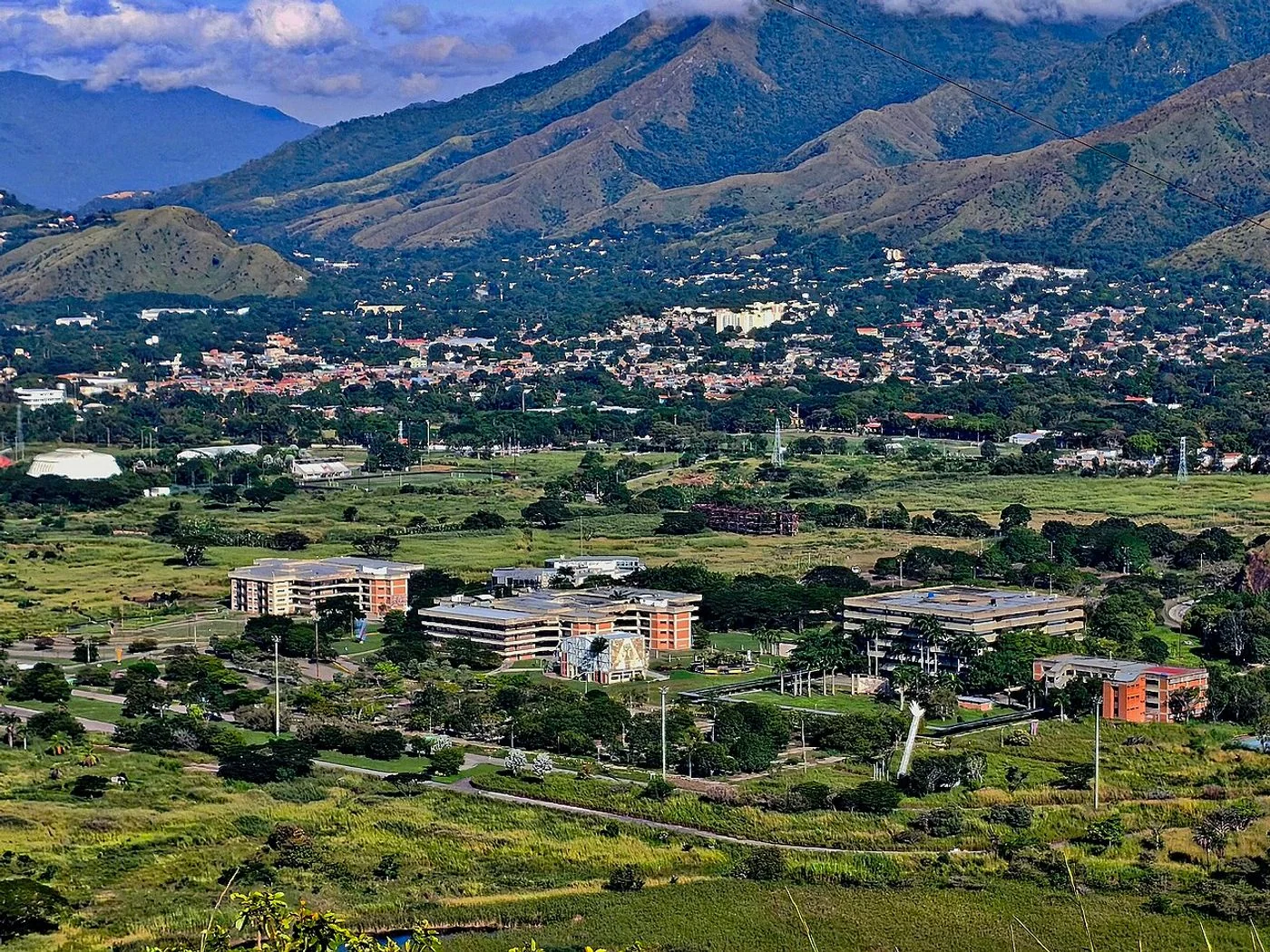
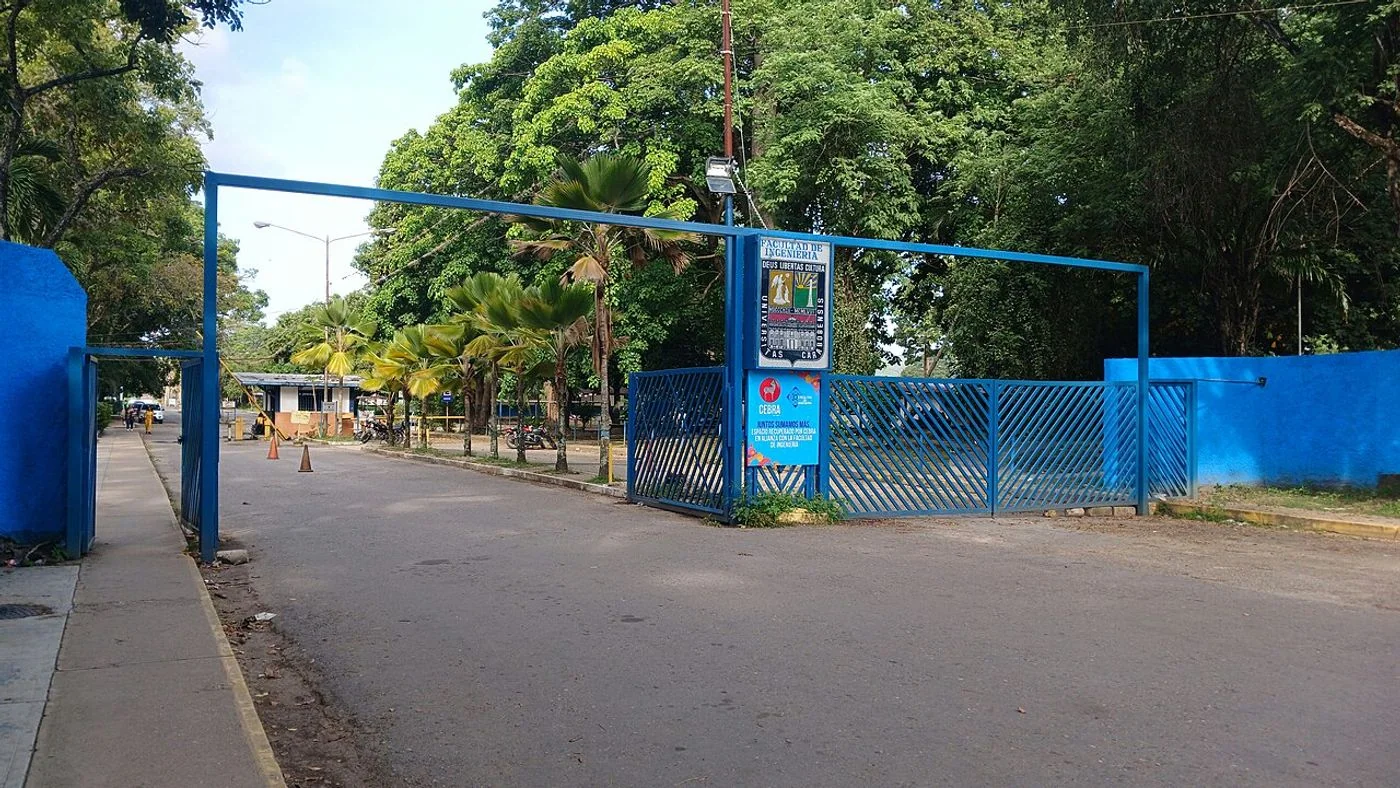
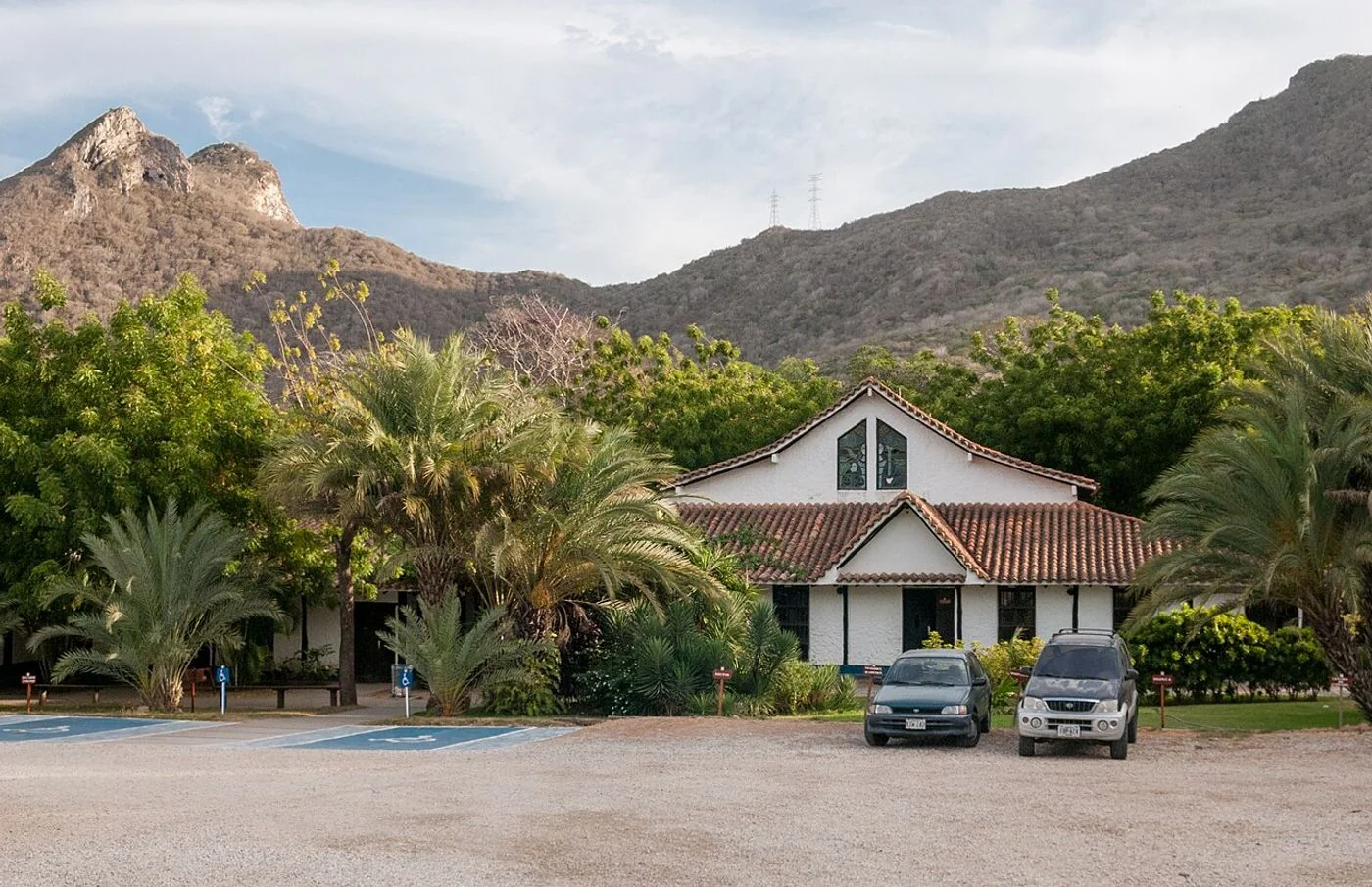
Caracas is the broadest starting point for the comparison in this guide, while Valencia offers established private options for families connected to the city’s industrial economy. The Universidad de Carabobo’s official site lists faculties and places its rectorate in Valencia; that is a named institutional anchor, not a ranking of private schools. Isla de Margarita’s more limited choice set is relevant mainly for families relocating for lifestyle or tourism reasons. UNIMAR’s official site identifies its campus in Nueva Esparta. Use these pages to orient a search, then confirm current school places, transport and programmes directly.

What Caracas's concentration means practically for families
Beyond simply having more schools, Caracas can offer families more institutions to compare and a larger pool of specialist teachers. That does not guarantee better day-to-day reliability. The most sought-after schools may have limited places for particular grades, so ask about application timing and waiting-list rules before choosing housing or signing a lease.

Valencia's industrial-sector orientation
A school serving families connected to Valencia’s industrial and technical economy may offer useful STEM or partnership opportunities, but the strength of any specific programme must be verified rather than inferred from the city’s business profile. Ask for current laboratories, coaching, extracurricular results and named partnerships, and compare those details with the child’s actual interests.

Margarita's tradeoff between limited choice and community
A smaller number of schools in Margarita means less formal selection, but it may also create a closer school community. That is a possible tradeoff, not a guaranteed quality signal. Families should compare the available curriculum, language support, transport and extracurricular depth well before arrival instead of treating community familiarity as a substitute for programme fit.

Mistakes we see families make
The first risks to check are assuming reputation guarantees operational reliability, underestimating application timelines, and failing to confirm curriculum recognition if the family later returns abroad. Academic reputation and day-to-day reliability are related but distinct: a prestigious institution can still face utility or staffing constraints. Visit in person, ask how disruptions are handled, and request written details rather than relying on a curated tour or a general claim of excellence.

Underestimating application timelines at the most sought-after schools
Families who begin the search only shortly before a planned move may find that popular institutions have limited places, particularly in sought-after grades and programmes. Waiting-list length is school- and grade-specific, so ask each admissions office early and record the answer in writing. Starting the search during the reconnaissance visit described in our return guide gives families realistic alternatives instead of a rushed compromise.

Not planning for curriculum continuity if the family later leaves again
Even families with no current plans to leave Venezuela should consider curriculum continuity as insurance against uncertainty. An internationally recognized programme may preserve more flexibility if circumstances change, but recognition is not automatic: the IB’s guidance says policies and requirements vary by university and can change. Confirm the destination country or institution’s current rules before treating any curriculum label as portable.

Glossary
IB curriculum: the International Baccalaureate, a globally recognized curriculum offered by a subset of private schools, valued for its portability across countries and university systems.
Bilingual program: a curriculum blending Venezuelan national content with instruction in a foreign language, typically English, at varying levels of intensity depending on the specific institution and grade level involved.
Credential recognition: the process by which an educational credential earned in one country is formally validated as equivalent in another, relevant for students who move between education systems at any point in their schooling, whether during primary years or later.

Considerations for children with learning differences or special needs
Specialized educational support for children with learning differences or other special needs varies considerably across Venezuelan private schools. Not every school with a strong general reputation has the specialist staff, individualized plans or physical accessibility that a particular child requires. Families should request detailed information about trained staff, learning plans and accessibility rather than accepting a general assurance that the school supports all learners. A conversation with the named special-education coordinator, where one exists, is more useful than a generic admissions promise.

Language immersion as a distinct consideration from curriculum
Curriculum type and language of instruction are related but distinct choices. A school can offer the Venezuelan national curriculum with strong English immersion, while two schools using the word “bilingual” may allocate very different amounts of classroom time to English. Ask what percentage of instruction occurs in each language, then request a grade-by-grade breakdown. Some schools concentrate immersion in younger grades, while others intensify it later; the right comparison depends on the child’s age and the family’s language goals.

Extracurricular programs and their role in the total decision
Extracurricular offerings such as sports, arts, music and robotics can matter as much as academic labels for a child with an established interest. Schools differ between programmes they run at a genuinely competitive level and activities they list only nominally. Ask about facilities, coaching, rehearsal or training time, and recent results in the specific activity. A school’s general reputation does not reliably predict the quality of every programme inside it.

Key takeaways
- Private school density varies enormously by city — Caracas offers by far the widest selection.
- Curriculum recognition abroad matters for families anticipating future international mobility and possible relocation.
- Backup infrastructure is as relevant for schools as for any other institution covered throughout this guide series.
- Many families combine a local undergraduate degree with international postgraduate study to balance cost against credential recognition.
- confirm special education resources directly with a named coordinator rather than accepting general assurances at face value.
- Confirm actual grade-by-grade language-immersion levels rather than relying on the "bilingual" label alone to guide your decision.
If you're evaluating schools for a move to Venezuela, we can help you think through curriculum and city fit for your family's specific situation and long-term plans.
Discuss your plans
Use the contact page to send a message about your circumstances.
Contact an advisorQuestions or comments?
Leave us your message through the contact form — we will be glad to share our experience and help you with the next steps of your plans in Venezuela.
Sources and further reading
- International Baccalaureate — Find an IB World School — Official school/programme finder for checking current IB listings.
- International Baccalaureate — Countries and universities that recognize the IB — Recognition database and warning that university policies change.
- EiE Hub — Country brief: Venezuela’s education crisis — 2026 context on water, electricity, staffing and continuity pressures in the wider education system.
- UNESCO IESALC — Basic guidelines for recognition of Venezuelan academic degrees and diplomas — 2024 guidance relevant to credential-recognition planning.
- Universidad de Carabobo — official site — Named Valencia-area higher-education reference and faculty list.
- Universidad de Margarita — official site — Named Nueva Esparta higher-education reference and campus location.
This guide is general orientation, not a guarantee of eligibility, safety or investment returns. For the scope of the October 2026 priority update, read our editorial policy.