
Miss Venezuela: Soft Power, Records and Cultural Meaning
What Miss Venezuela is
Miss Venezuela is the national pageant organization that selects representatives for major international competitions. For decades it operated as a television spectacle, a training pipeline and a celebrity engine. Even Venezuelans who never watch pageants know the brand exists — it is background cultural infrastructure.

The training system
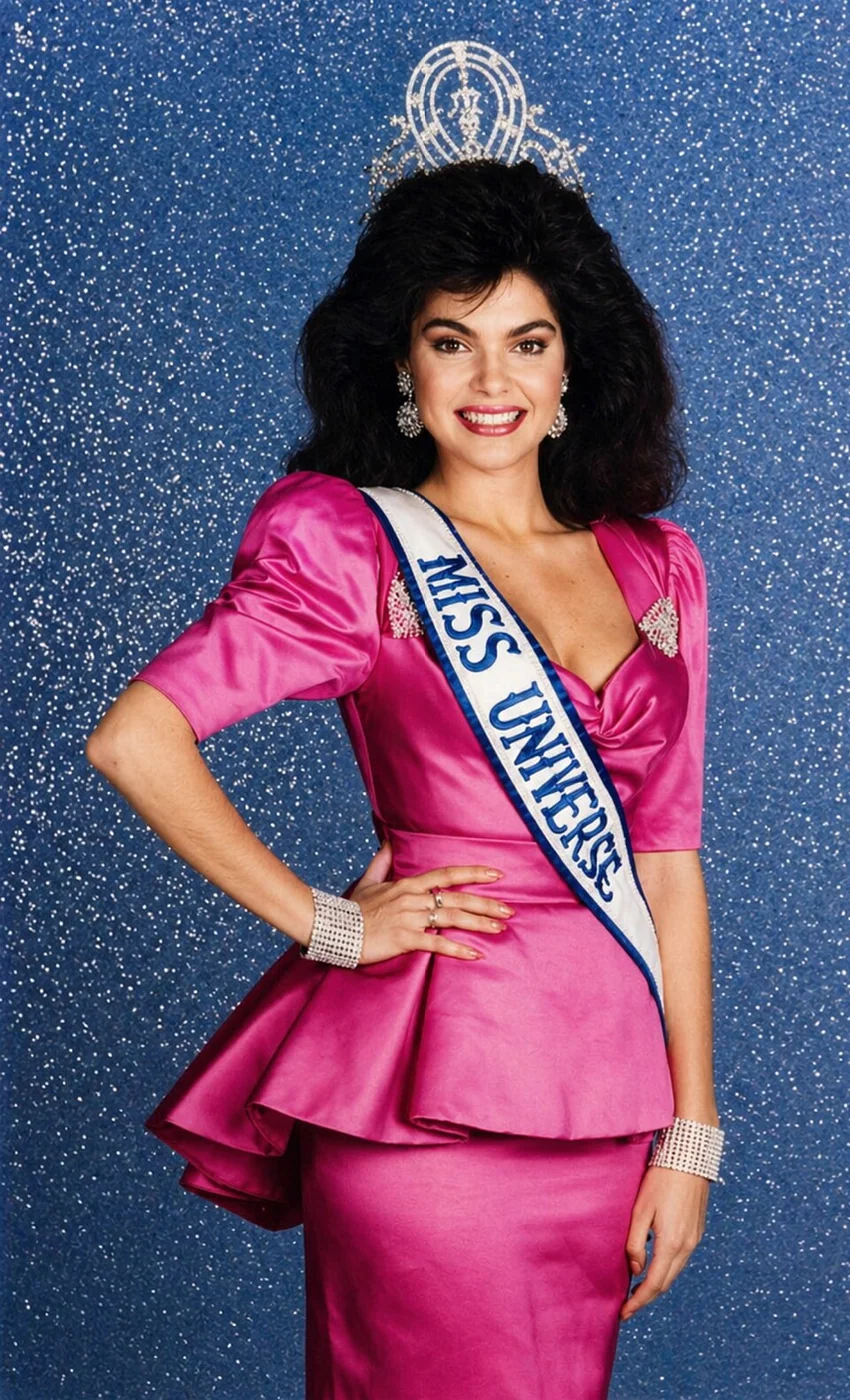
Foreign coverage often focuses on gowns. The operational story is closer to a talent academy: posture, speech, camera skill, interviews, fitness and public presentation under professional coaches. That industrial approach helps explain outsized international results relative to population.

International results and reputation
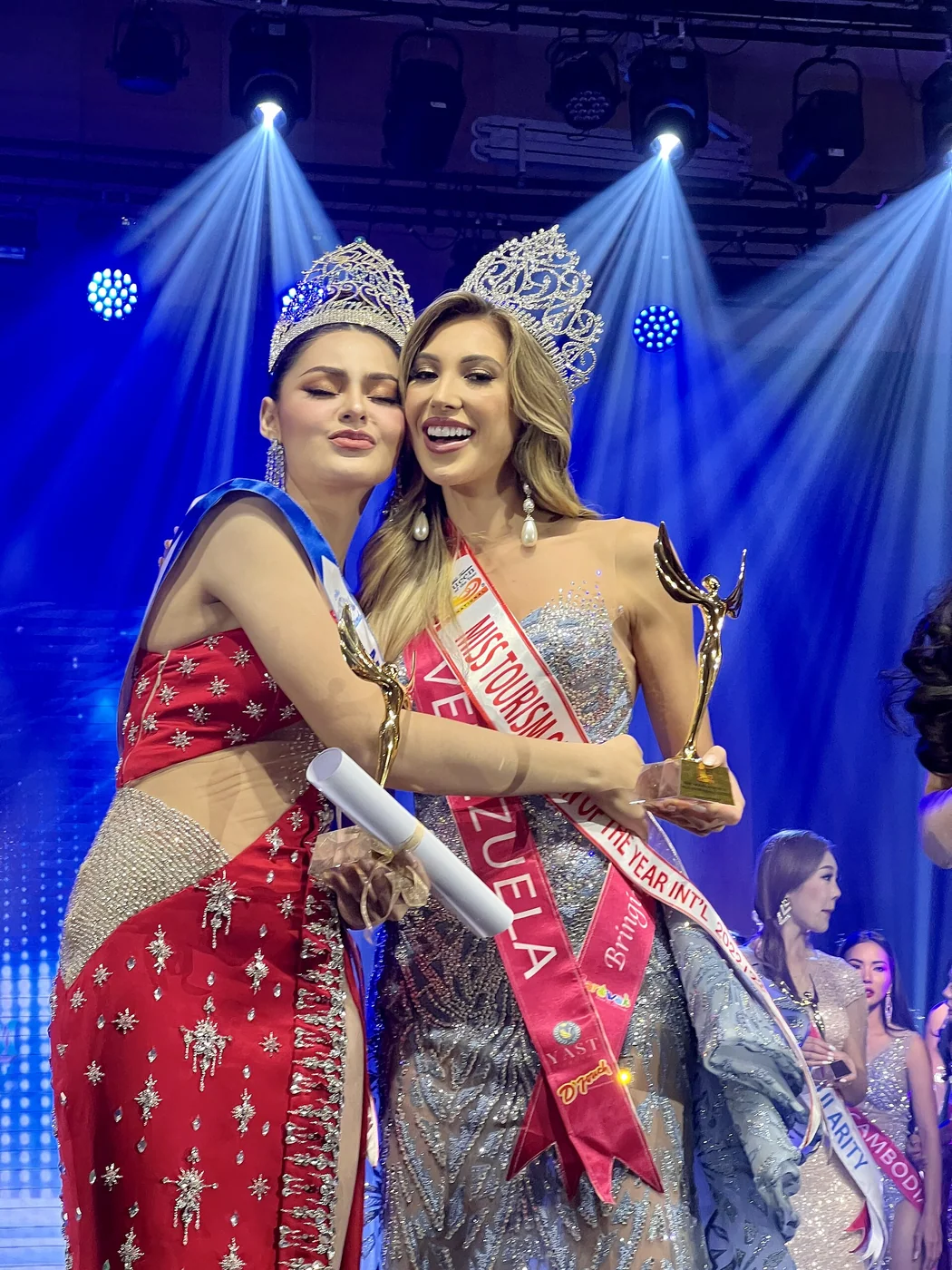
Venezuela’s record in major pageants — including multiple Miss Universe and Miss World titles across decades — made “Miss Venezuela” shorthand in global entertainment press for a winning machine. Exact title counts change with each season; the structural reputation is the durable fact.

Culture, gender and critique
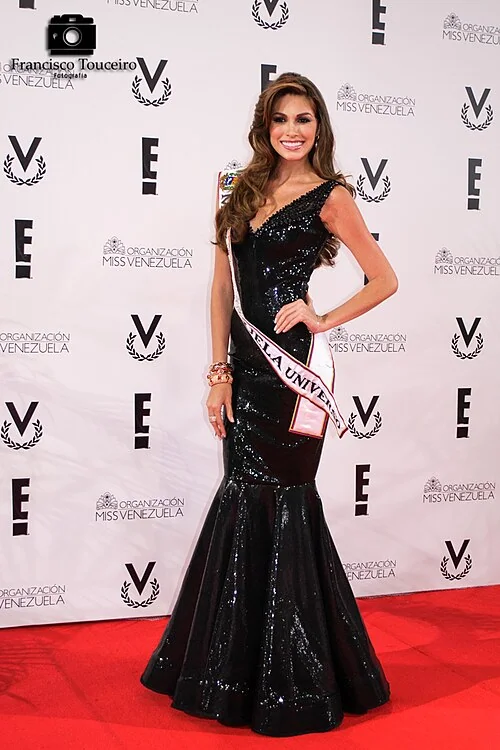
Critics argue pageants freeze narrow beauty standards and commercial pressures on young women. Supporters argue scholarships, careers in media and personal agency. Both arguments appear in Venezuelan debate. A foreign reader should hold the soft-power fact and the feminist critique in the same frame without erasing either.
Diaspora viewing rituals
Broadcast nights became family events abroad — group chats, living-room parties, pride signals in host countries where Venezuelan identity needed celebratory content unrelated to crisis headlines.
Soft power for a complex country
Pageant success does not fix institutions. It does create a parallel narrative: competence, aesthetics, media skill. Investors and cultural observers note that Venezuela’s global image is multi-channel — oil, migration, music, baseball, and yes, pageants.

Media industry and careers
For many contestants, the pageant was a gateway into television, modeling, entrepreneurship and public relations. Alumni networks function like an informal guild. Whether one endorses pageants or not, the labor-market function is real: camera training and public speaking under pressure transfer to media careers.
International perception
Outside Venezuela, “Miss Venezuela” became a brand shorthand similar to how other countries are known for a single cultural export. That shorthand can flatten the country into stereotypes; it also kept a positive recognition channel open during years when news was dominated by crisis frames.

Regulation and changing tastes
Global pageants face shifting rules, body-standard debates and audience fragmentation on streaming platforms. The Venezuelan franchise must adapt like any entertainment product. Historical title counts remain part of brand equity even as formats evolve.
How to use this knowledge
Cultural literacy: yes. Assuming every Venezuelan woman aspires to pageants: no. Pair this article with our cuisine, slang and regional identity guides for a wider human picture of the country.
Training as an industry
Coaches, stylists, speech trainers, photographers and TV producers form a micro-economy around the franchise. International title nights are the visible tip; year-round preparation is the mass.
Global title reputation
Decades of competitive success in major pageants created a brand that entertainment media still reference. Precise counts of crowns change with each competition cycle; the industrial reputation is the stable story for cultural analysis.
Beauty standards and pushback
Latin American pageants face the same critiques as global ones: narrow body ideals, commercial pressure, gendered expectations. Venezuelan feminists and columnists have long debated whether national pride in titles conflicts with those critiques. Holding both pride and critique is adult conversation.
Diaspora living rooms
Pageant finals became appointment television for communities abroad seeking non-crisis national content. That ritual function matters even if you personally change the channel.
How the machine worked
Televised pageants were the public face. Behind them sat months of coaching: walk, speech, interview, fitness, wardrobe and camera presence. The industrial metaphor is intentional — Venezuela built a repeatable pipeline that other countries studied. Whether one approves of pageants morally does not change the organizational fact.

Soft power channel
During years when international headlines focused on crisis, pageant nights offered a parallel recognition channel: competence, aesthetics, media skill. Diaspora communities used those nights as non-political national celebration. Soft power does not cancel hard problems; it coexists with them in a country’s image portfolio.
Critique without erasure
Feminist and academic critiques of beauty standards, commercial pressure and gendered expectations are part of the Venezuelan conversation too. A quality article holds pride in craft and critique of norms in the same frame. Foreign commentary that only sneers at pageants often sounds like sneering at Venezuelan women who used the platform for careers — a bad look.
Careers after the crown
Alumni move into television, entrepreneurship, advocacy and public relations. Networks resemble an informal guild. For media-industry observers, the franchise is a labor-market institution as much as a spectacle.
Television as national mirror
For decades the pageant was among the most watched entertainment broadcasts. It reflected and shaped ideals of glamour under local production constraints. As streaming fragments audiences, the franchise adapts, but historical memory of those shared nights remains part of media history.
Gender, labor and choice
Some contestants describe agency, income and skill-building. Some critics describe structural pressure. Both can be true across different individuals. Quality journalism refuses to flatten thousands of women into a single morality play.
International title culture
Venezuela’s run of major international crowns created a feedback loop: success attracted more coaching talent and media investment, which produced more competitive delegates. Entertainment press outside Latin America learned to treat Miss Venezuela as a perennial contender. That reputation is soft power whether or not one likes pageants.

National broadcast ritual
Finals night functioned like a secular holiday for many households. Commentary, family arguments about favorites, and diaspora watch parties extended the ritual beyond the studio. Crisis years did not fully erase that cultural habit.
Economics of glamour
Sponsors, designers, TV advertising and personal brand deals form the money layer. Contestants who convert visibility into durable careers illustrate the labor-market side. Those who do not still spent years of unpaid emotional and physical labor — a fairness issue critics correctly raise.
Changing global rules
International pageants revise eligibility rules, messaging and inclusion standards under public pressure. National franchises adjust or lose relevance. Historical title counts remain brand equity; future relevance depends on adaptation.
Media training spillover
Interview drills, posture coaching and live television pressure produce transferable skills. Several alumnae cite those skills in later corporate or public careers. That spillover is part of the soft-power and labor-market story beyond crowns.
For cultural analysts, the pageant is a node in Venezuela’s entertainment industrial history alongside music and sports exports. It belongs in a full soft-power map even when one personally rejects beauty contests.

Closing standard
Treat Miss Venezuela as industrial soft power and contested gender culture at once. Cite title history carefully with current data when numbers matter; cite the training system when explaining why the brand endured.
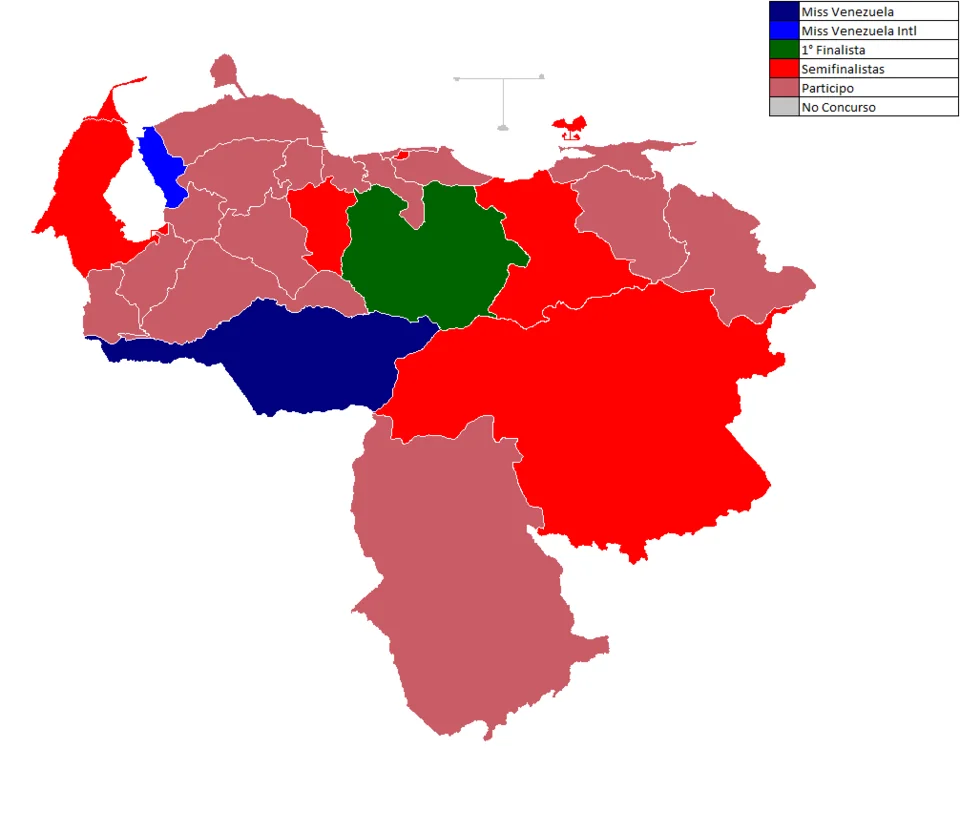

Historical arc for foreign readers
From national television spectacle to global title contender brand, the franchise became a recognizable export. Training industrialized. Diaspora watch parties extended the audience. Critiques of gender norms grew in parallel. The arc is incomplete without both success metrics and social debate.
Today’s media environment fragments attention across platforms. The brand survives if it adapts rules and storytelling; historical crowns alone do not guarantee future relevance.
Comparison with other national brands
Other countries export sports, music or technology brands as soft power. Venezuela’s pageant system became an outsized entertainment export relative to population. That does not rank the country on development indices; it explains a specific global recognition channel. Analysts who ignore it miss part of the diaspora’s pride portfolio; analysts who only see it stereotype the society.
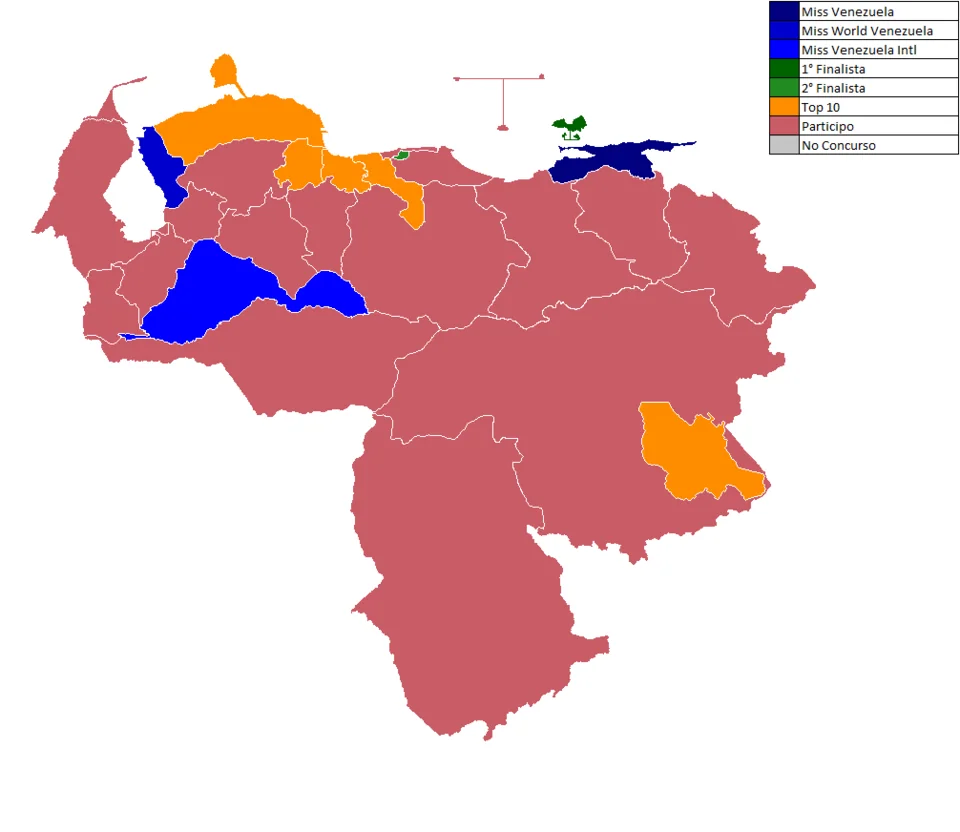

Balanced briefing: mention the training industry, the title history in careful terms, the feminist critique, and the diaspora ritual — then move to the client’s actual agenda.
Frequently asked questions
What is Miss Venezuela?
The national pageant organization and TV franchise that selects Venezuelan representatives for major international beauty competitions.
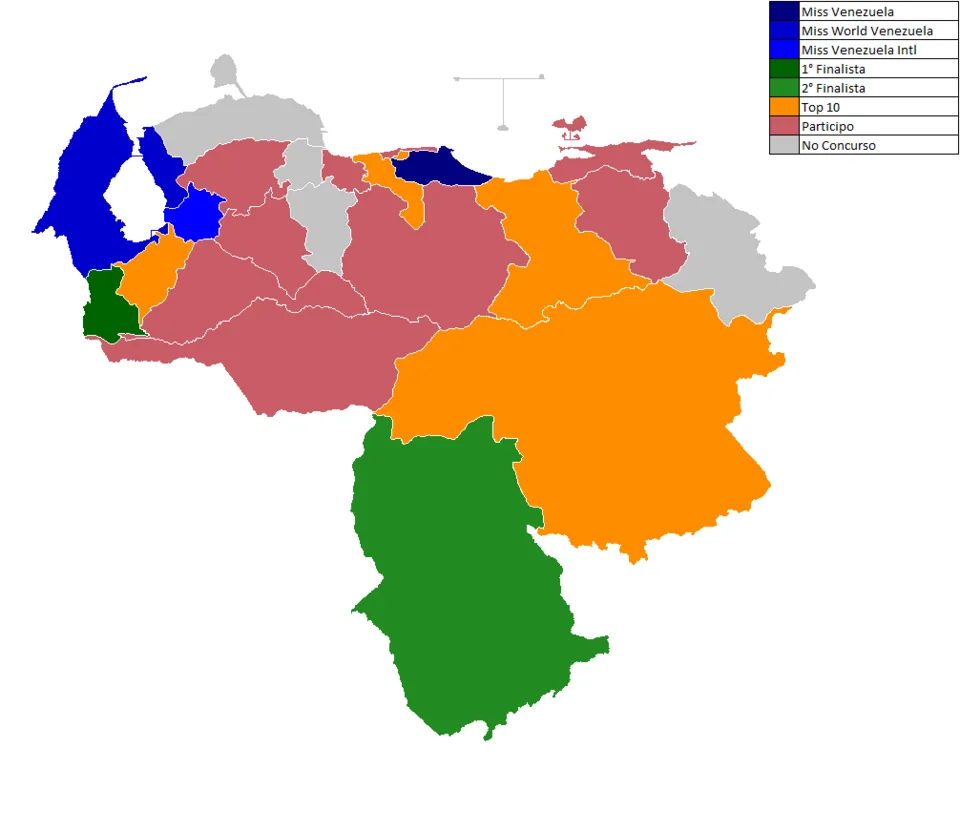

Why is it famous?
A long record of international titles and a professional training system that became global soft power.
Is it only about looks?
Training emphasizes speech, camera presence and interview skill as well as appearance.
Do all Venezuelans support pageants?
No — pride and critique coexist.
Why does the diaspora care?
Broadcast rituals and national pride unrelated to political crisis.
Does pageant success equal development?
No — it is cultural soft power, not a substitute for institutions.
Where is it based?
Historically tied to Caracas media industry.
Should foreigners mention it?
As cultural literacy yes; as a stereotype about women no.
Questions or comments?
Leave us your message through the contact form — we will be glad to share our experience and help you with the next steps of your plans in Venezuela.
Sources: Pageant industry reporting and cultural analysis of Venezuelan soft power; title tallies vary by year — confirm current records with organizers for any statistic used in formal work.
This guide is general orientation, not a guarantee of eligibility, safety or investment returns. For the scope of the October 2026 priority update, read our editorial policy.