
De Facto Dollarization in Venezuela: What It Means for Your Savings and Investments
The collapse that explains everything: 2013 to 2020 in three figures
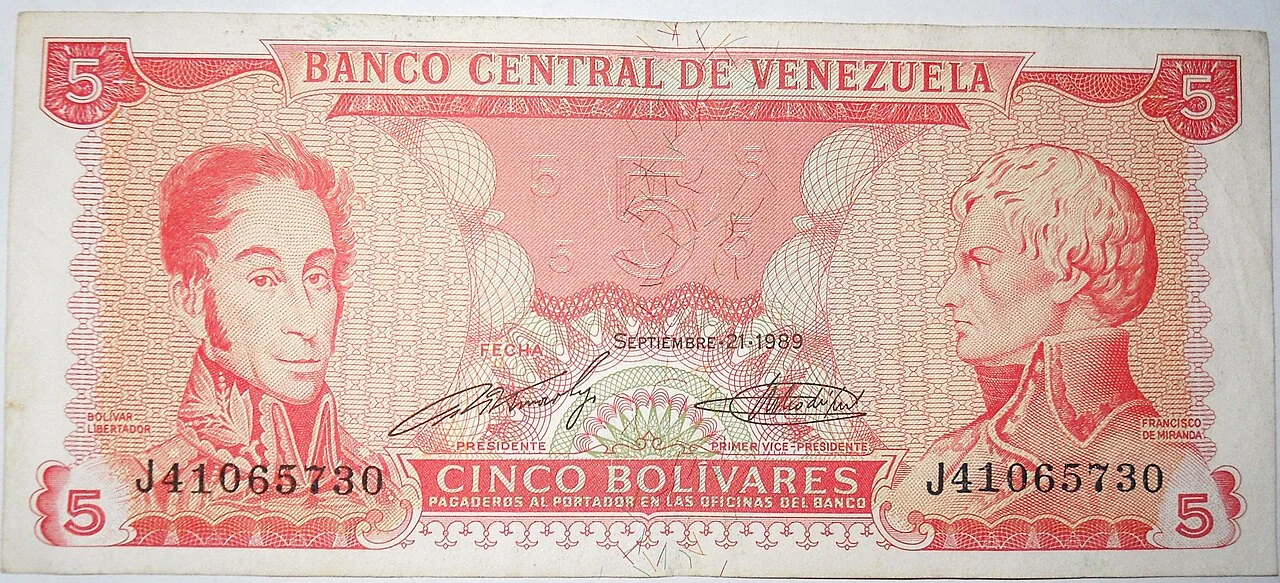
To understand why almost any Venezuelan with access to dollars today prefers to be paid, save, and pay in that currency, you first have to look at the scale of what happened to the bolívar. This isn't rhetorical exaggeration — it's the most severe macroeconomic statistic recorded by a country at peace in modern Latin American history. The scale is documented in the IMF’s regional-crisis analysis.

Timeline: how we got here
From controlled currency to everyday dollar
How dollarization was born without any government decreeing it
Unlike Ecuador or Panama, where dollarization is a formal state policy enacted by law, in Venezuela it happened in reverse: the population and commerce imposed it de facto, while the government defended — with diminishing success — an official exchange rate that drifted further and further from the currency's real value.
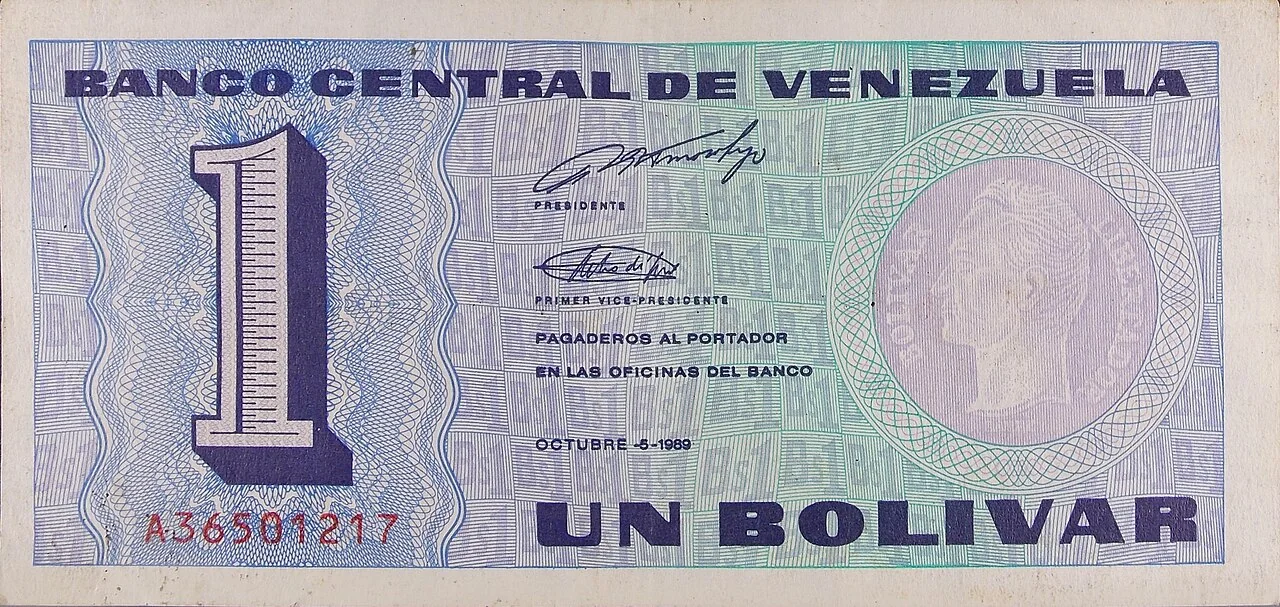

The result, between 2015 and 2020, was a quiet dismantling of the currency-control apparatus that had governed the Venezuelan economy for more than a decade. The bolívar didn't disappear — it remains the official legal currency, used for formal wages, taxes, and small everyday expenses — but it lost its most important function: serving as a store of value. The earlier currency-control regime and its limited access to hard currency are described in the U.S. State Department investment-climate report.

A phenomenon faster than most anticipated
What surprised even local economists was the speed of adoption: within just a few years, businesses that had never operated in foreign currency — bakeries, neighborhood pharmacies, mechanic shops — began pricing directly in dollars or their daily bolívar equivalent. It wasn't a public policy decision; it was a collective economic survival response that ended up rewriting the rules of the game for everyone, including the foreign investors who benefit from that transformation today. A Reuters account of a 2022 Caracas establishment study offers a useful dated benchmark, while cautioning against treating one survey as a permanent national ratio. Read the study summary.

How the dollar-bolívar coexistence works today
Agree the currency of the deal in writing. What exists today is a functional, if imperfect, dual-currency system: the dollar dominates savings, real estate, rentals, and any transaction of significant size, while the bolívar retains its official, everyday role. This coexistence, though born of crisis, ended up producing something most foreign buyers value without realizing it: a real estate market negotiated and understood directly in dollars, without the currency risk that existed when everything passed through the official exchange rate. The coexistence is visible in the payment evidence summarized by Reuters, even though the bolívar remains in use.


What this means, in practice, for your savings
| Strategy | Advantage | Real limitation |
|---|---|---|
| Cash in dollars | Preserves value against the bolívar | Generates no yield; physical security risk |
| Dollar bank account (where available) | More traceable and secure than cash | Uneven access depending on bank and client profile |
| Real estate in dollars | Preserves value and can generate income | Lower liquidity than cash or a bank account |
The lesson I repeat most often to people who consult me: none of these three options is universally "correct." The decision depends on time horizon and how much immediate liquidity each person or family needs to maintain. A retiree who depends on savings for monthly expenses shouldn't have the same strategy as a thirty-year-old investor with a ten-year horizon.

Why this changed the rules for real estate investment
Before de facto dollarization, comparing the price of a property in Caracas with one in Bogotá or Panama City was almost a pointless exercise — you had to adjust for an official exchange rate that didn't reflect market reality. Today, with real estate transactions negotiated directly in dollars, that comparison is, for the first time in more than a decade, practically direct — as detailed in our real estate investment guide for foreigners.


The visible effect: the return of dollarized consumption
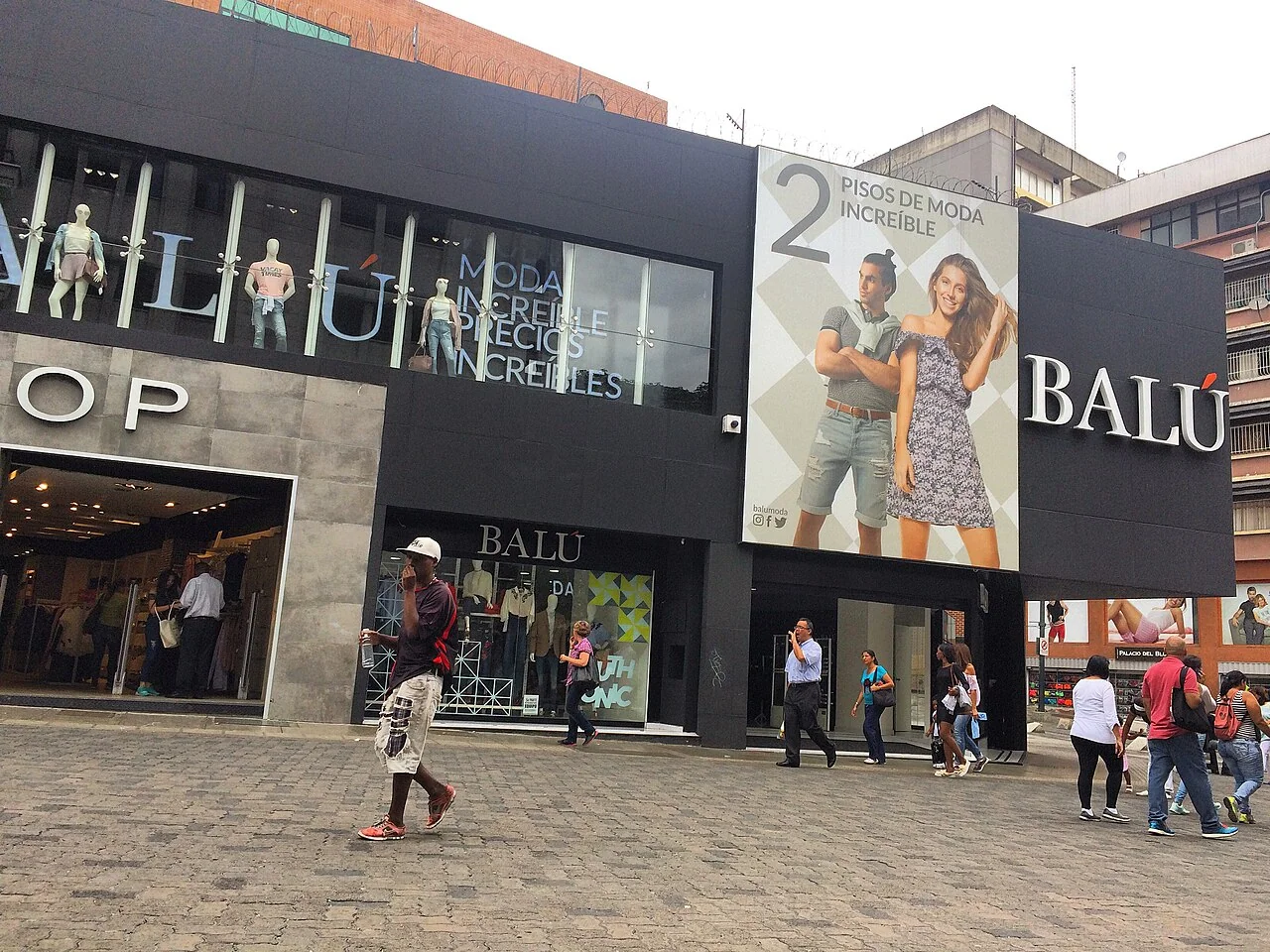
One of the most visible effects of this transformation, for anyone visiting eastern Caracas today, is the return of restaurants, private clinics, gyms, and international franchises, sustaining a consumer economy that seemed unimaginable a decade ago. This consumption, in turn, is what sustains rental demand in zones like Las Mercedes or El Rosal, a point we develop in more detail in our Caracas rental yield guide.

The risks dollarization doesn't eliminate
- It's de facto, not law: unlike Ecuador or Panama, there's no formal dollarization law anchoring this system permanently.
- Limited banking access: not every Venezuelan bank offers the same access to dollar accounts, and foreigners face additional documentation requirements.
- Dependence on physical cash: much of the dollarized economy still runs on cash bills, introducing a security risk that doesn't exist in fully banked economies.
How different saver profiles are responding today
In the conversations I have week after week with clients and with Venezuelans living in the country, I clearly distinguish three response profiles to this dual-currency environment, each with a perfectly rational internal logic given their particular context.

The formal salaried employee
Anyone dependent on a bolívar salary — public employees, much of the education sector — faces the harshest version of this story: their income depreciates month over month in real terms if they don't convert it immediately. The most common strategy I observe is converting the salary to dollars the same day it's paid, without exception, and keeping only the bolívar cash strictly necessary for immediate expenses.

The independent professional or freelancer
This profile, increasingly common in Caracas, is paid directly in dollars by local or international clients, completely avoiding exposure to bolívar depreciation. It's, relatively speaking, the profile with the greatest real savings capacity within the country today.

The small business owner
Anyone running a business with mixed costs — part in bolívares (utilities, some taxes), part in dollars (imported inventory, commercial rent) — faces the most complex cash-management challenge, and typically needs more sophisticated accounting reconciliation tools than the other two profiles.


What this means for those saving from abroad
For a Venezuelan living abroad who sends remittances or keeps savings with an eventual return in mind, de facto dollarization simplifies a calculation that used to be far more complicated: there's no longer a need to worry about converting savings at a distorted official exchange rate before bringing it into the country. They can plan directly in dollars, knowing that's the financial language that dominates today's real estate market and much of Venezuelan commerce — a topic we develop in depth in our remittances and investment guide. The historic difficulty of converting local earnings into U.S. dollars is also documented in the State Department’s foreign-exchange discussion.


Quick glossary
De facto dollarization: widespread use of the dollar in an economy without a law formalizing it as the exclusive legal tender.
Hyperinflation: technically, monthly inflation exceeding 50%; Venezuela sustained levels above that threshold between 2017 and 2019.
Official exchange rate: the rate set by the monetary authority, which during the years of currency controls drifted sharply from the bolívar's real market value.
Dual-currency system (bimonetarismo): the stable coexistence of two currencies with distinct roles within the same economy, as occurs today between the dollar and the bolívar in Venezuela.

Key takeaways
- Venezuelan dollarization was born from one of the most severe macroeconomic crises recorded in the region, documented by the World Bank and the IMF.
- It's a de facto system, not formal law — which simplifies transactions today but doesn't eliminate the risk of future regulatory change.
- For real estate, this dollarization made it possible, for the first time in more than a decade, to compare Caracas prices with other regional capitals with almost no currency friction.
- The dollarized consumption visible in zones like Las Mercedes is both a symptom and a driver of this transformation.
Questions or comments?
Leave us your message through the contact form — we will be glad to share our experience and help you with the next steps of your plans in Venezuela.
De facto dollarization means many rents, property list prices, professional fees, and retail tickets are quoted in U.S. dollars even though the bolívar remains legal tender. In parallel, the Central Bank of Venezuela (BCV) publishes a reference rate calculated as a weighted average of daily operations by participating banks. Digital peer markets, including stablecoin references such as USDT, may trade at a spread to that official print.

For a foreign or diaspora buyer, the operational rule is simple: , define how payment will be evidenced, and do not assume that “everyone uses cash dollars” is a compliance strategy. Title risk, condominium debt, and seller authority are independent of whether the sticker price is in USD.

Treat any single headline rate as perishable. The BCV’s own explanation of its reference rate makes clear that it is a calculated market reference, not a timeless promise; re-check the day you budget a deposit or closing wire.
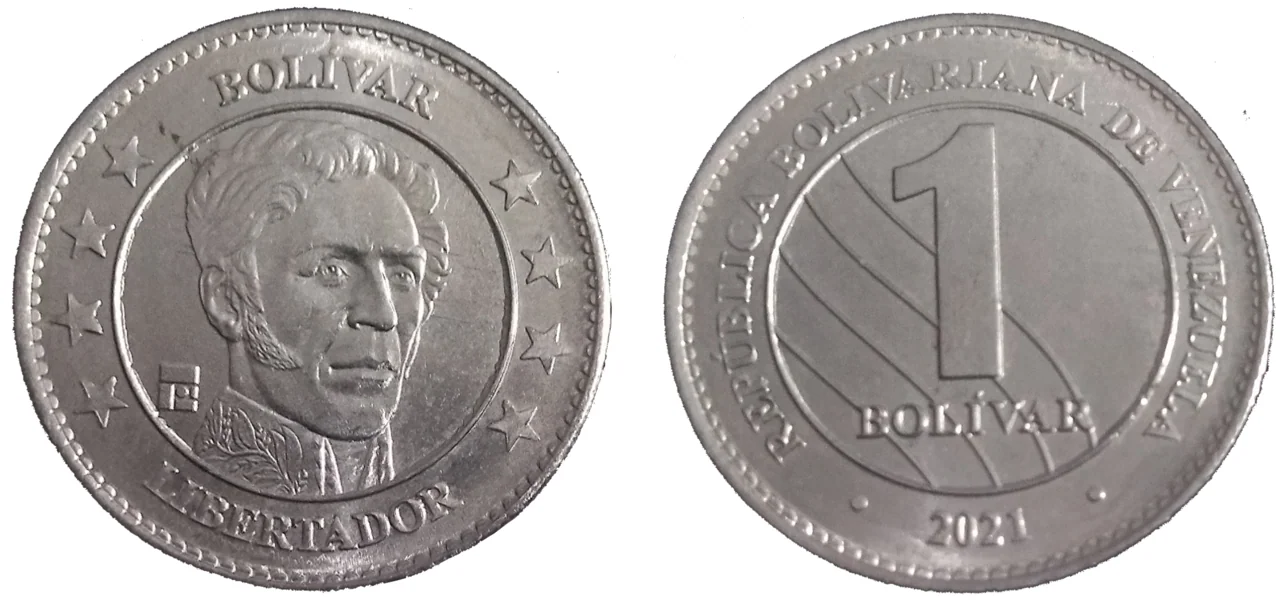

Dollar pricing reduces some unit-of-account chaos for households who earn or receive hard currency. It does not create deposit insurance in foreign currency, remove bank onboarding and compliance checks, or make informal cash stacks a substitute for registered ownership. Real-estate investors should model condominium fees, maintenance, and taxes as recurring USD-like costs even when some bills still settle in bolívares at a floating reference. The State Department’s investment-climate assessment likewise warns that foreign-exchange access and regulatory conditions can be restrictive.


References
This guide is general orientation, not a guarantee of eligibility, safety or investment returns. For the scope of the October 2026 priority update, read our editorial policy.